




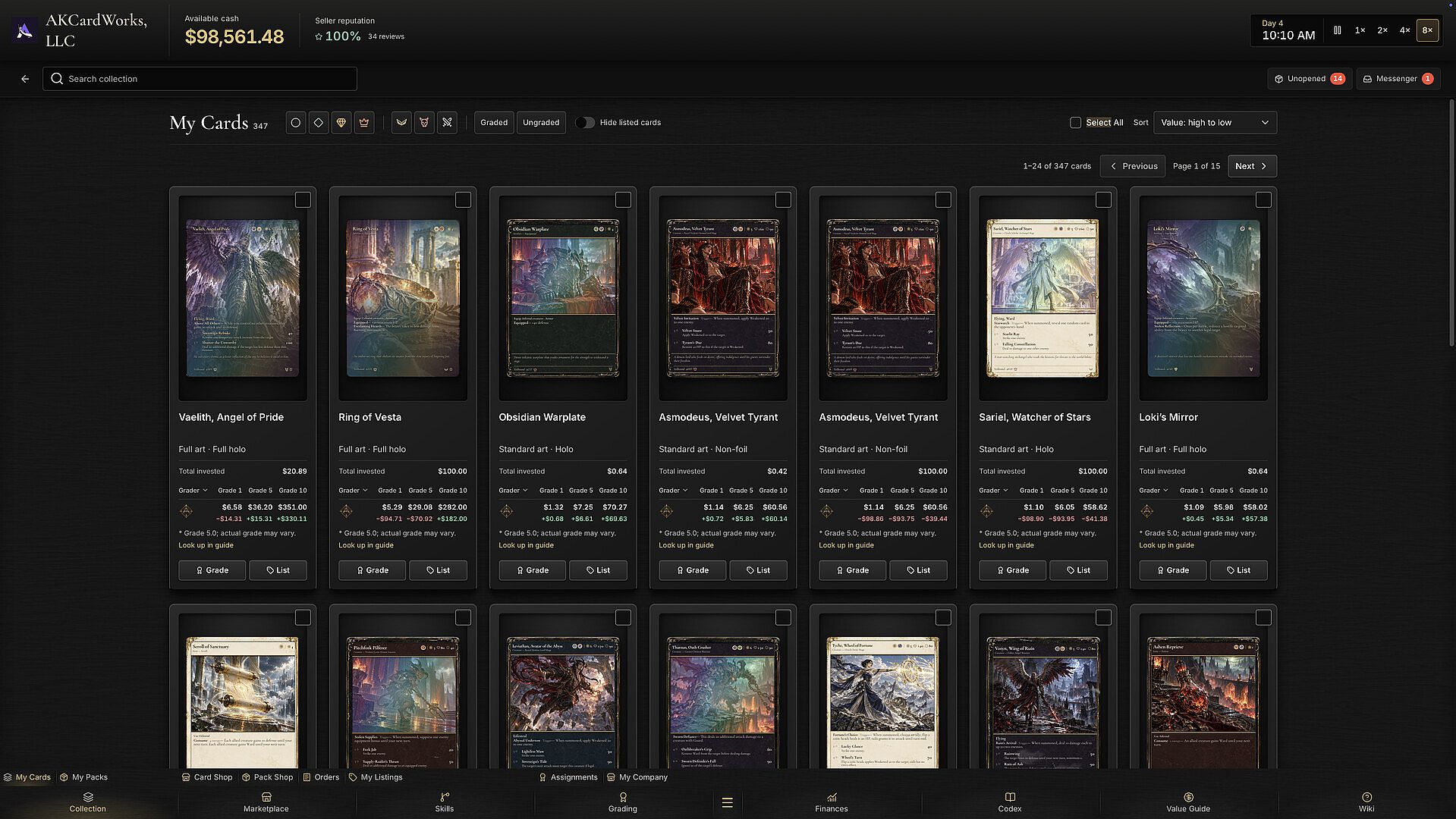

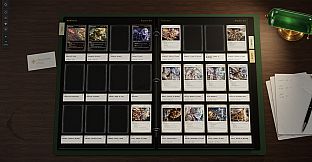

Card Capital is a PC simulation game blending RPG and casual elements around the business of fantasy trading cards. Players begin with limited funds and build a shop by purchasing, inspecting, and reselling cards while maintaining a personal collection.
Gameplay
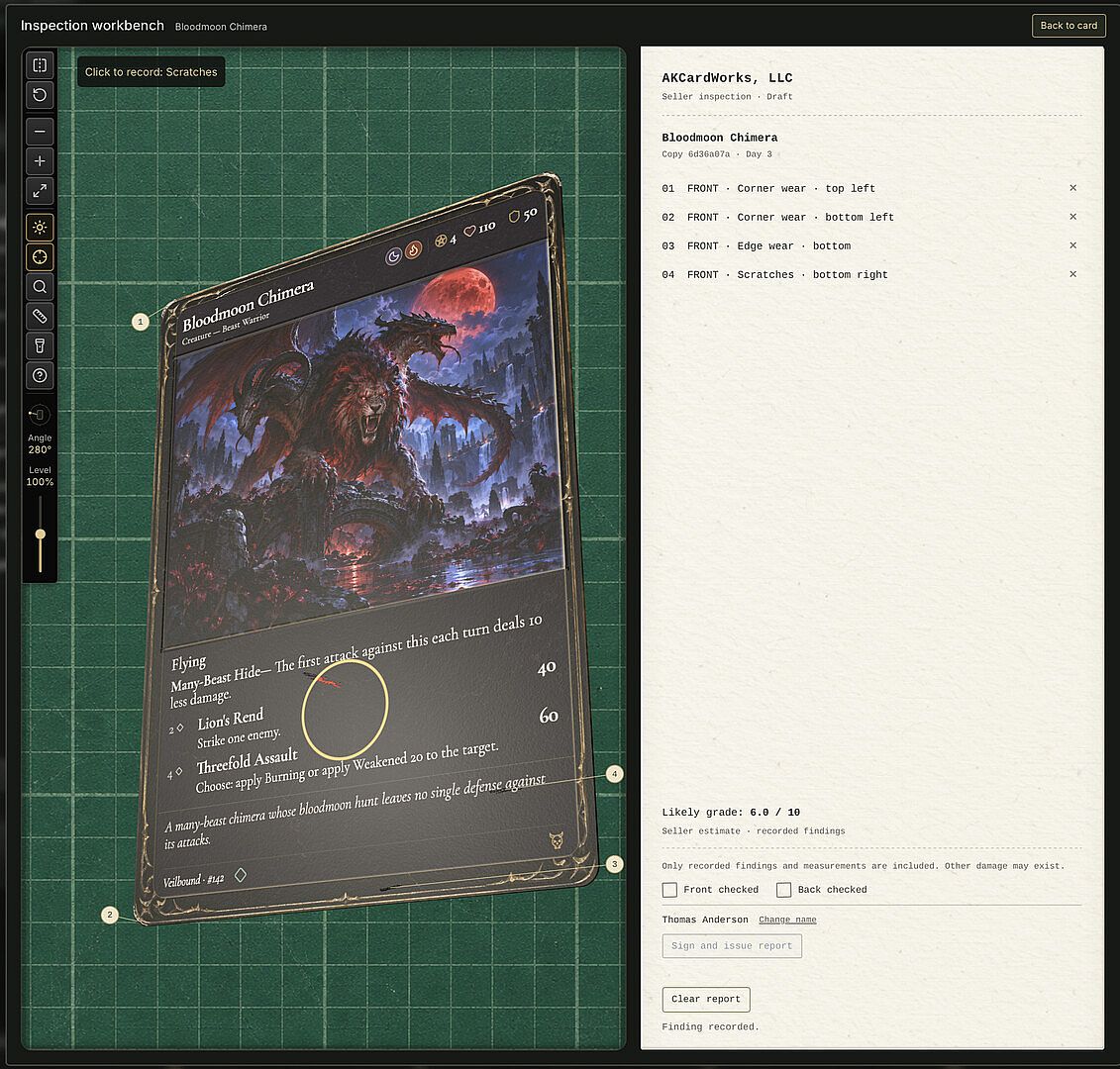
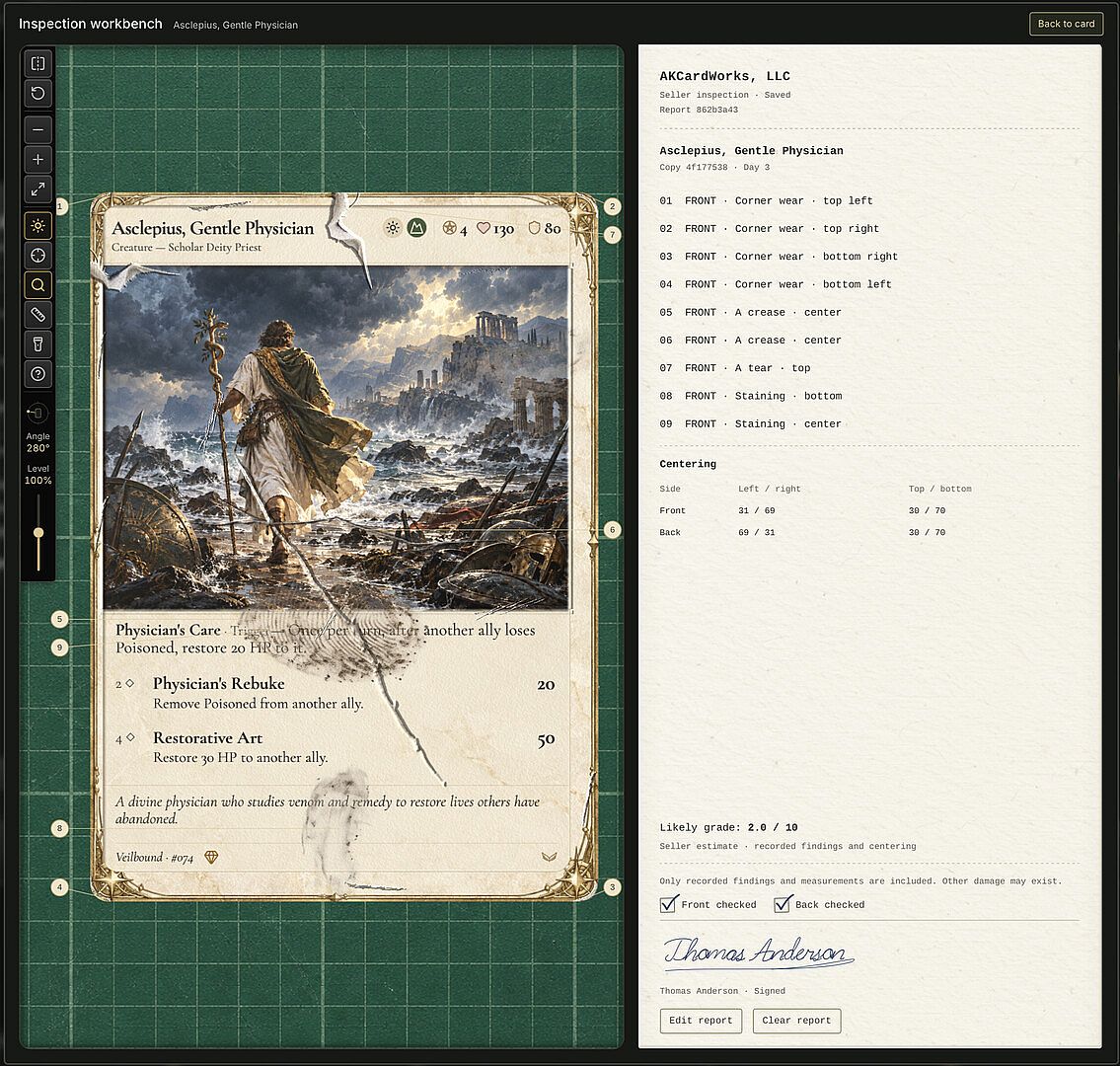
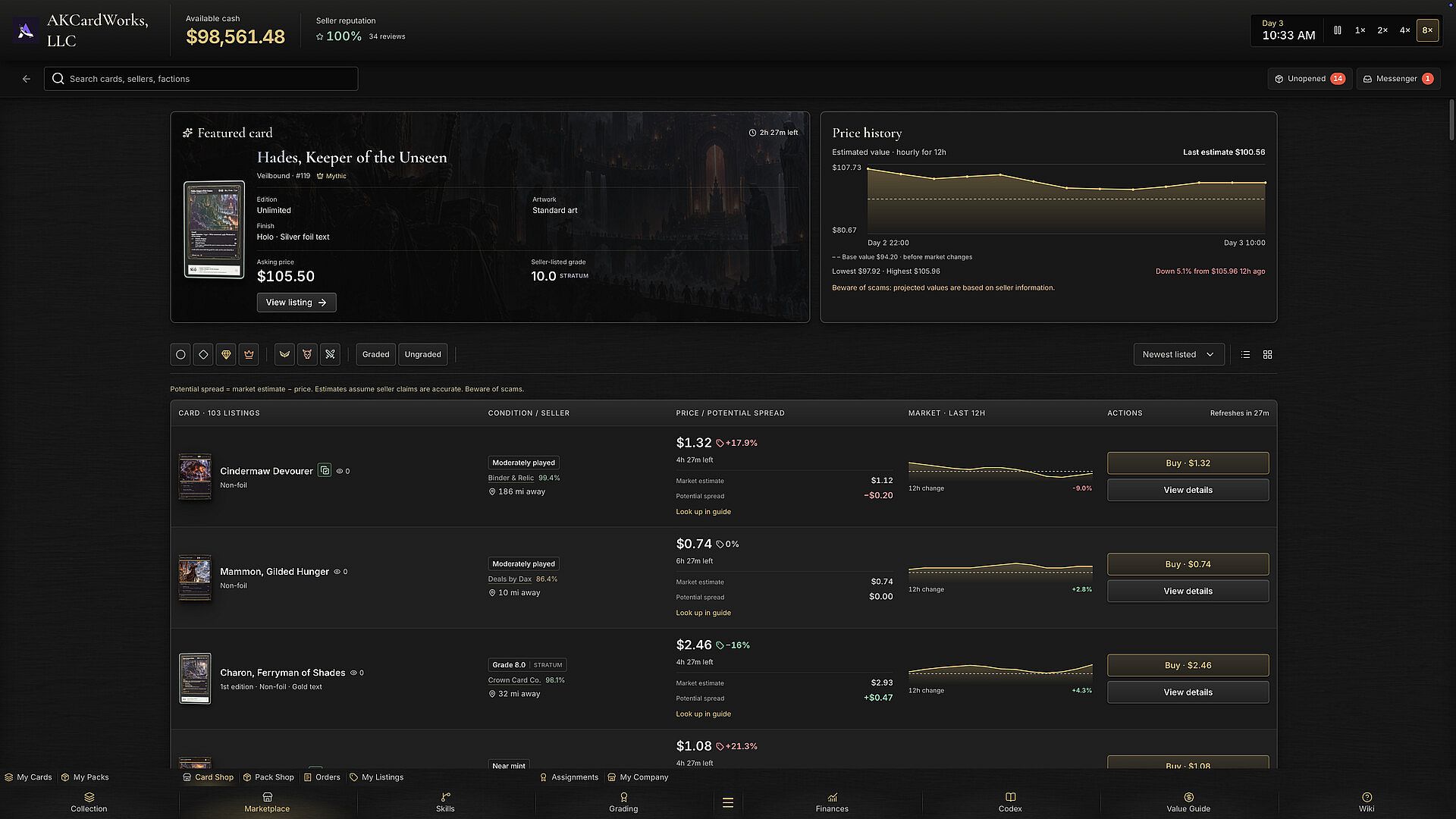
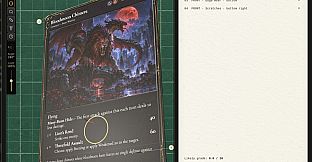
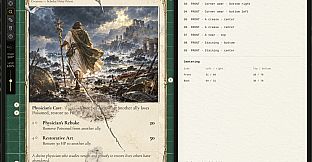
The core loop centers on acquiring stock through listings or sealed packs, then evaluating each card's condition to determine its value. Players examine cards for scratches, corner wear, centering issues, stains, or fiber exposure using tools that improve with workshop upgrades. Accurate inspections feed into reports that guide buying and selling decisions, as overlooked flaws can erase potential profits.
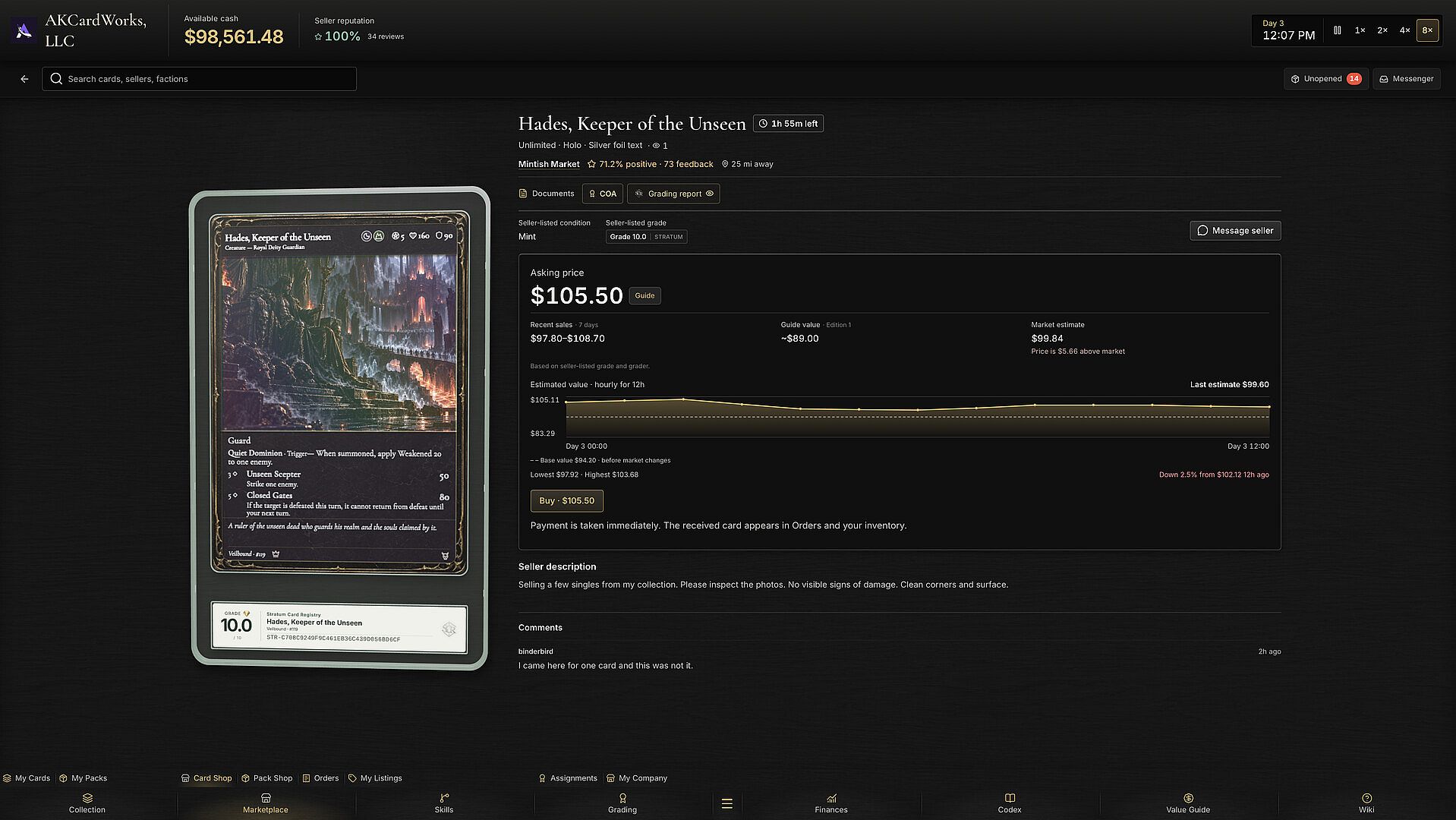
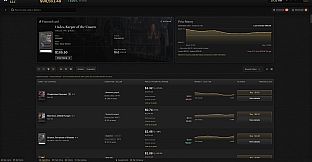
Negotiation involves comparing asking prices against recent sales data and requesting additional photos or documents from sellers. When needed, players arrange direct inspections. Sellers sometimes provide misleading information, such as forged certificates or post-grading damage, requiring careful verification before offers are made. On the selling side, players set prices, select included paperwork, and track fees against original costs to measure net gains.
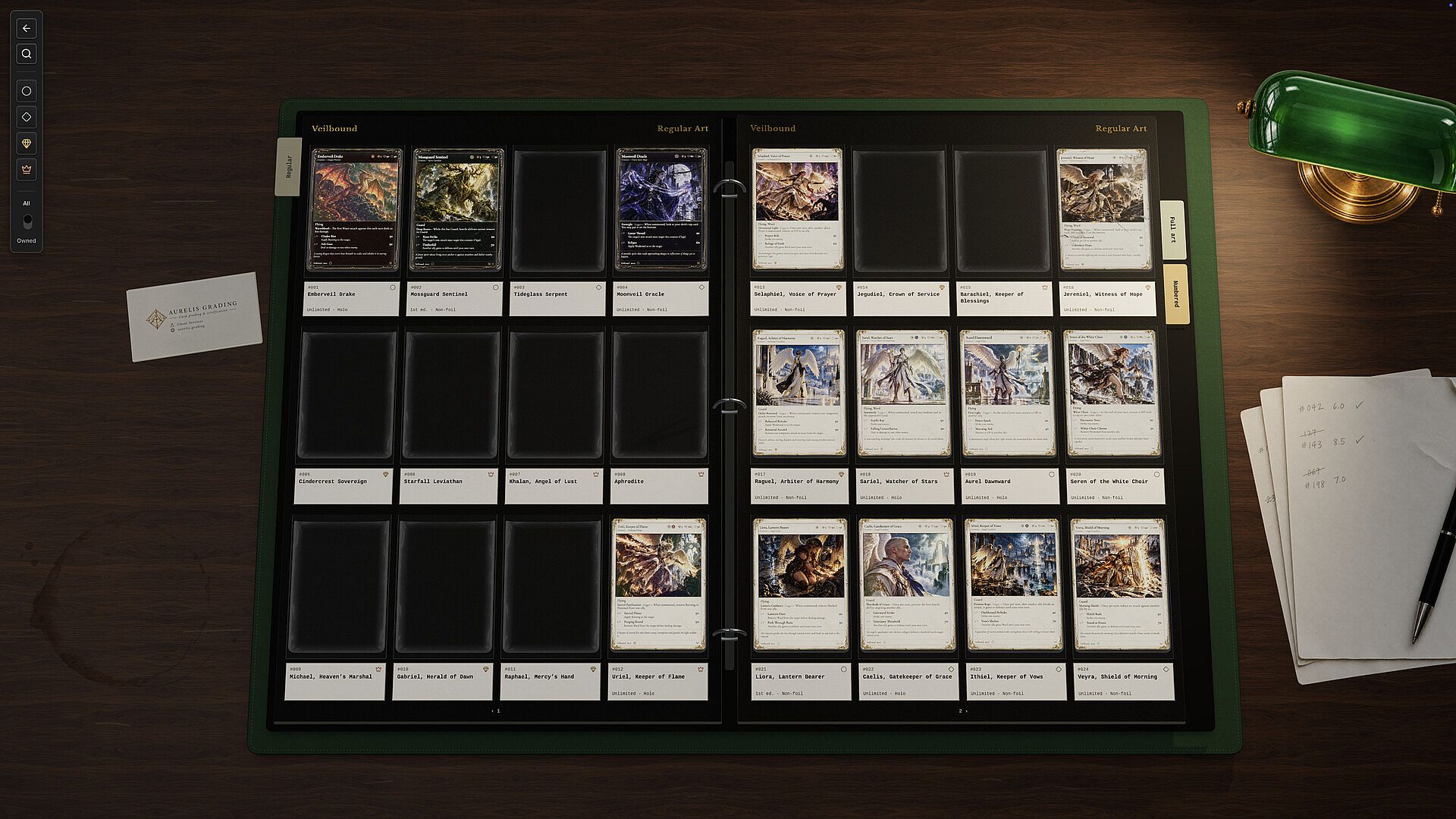
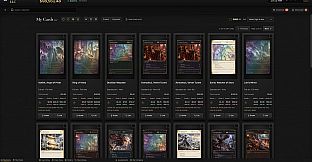
Pack openings supply fresh inventory or mixed-condition lots from unlocked suppliers. Rare full-art cards, special finishes, and numbered limited editions appear as pulls that can be kept or sold to fund further expansion. A separate Codex holds personal favorites outside shop stock, preserving their condition and history for later review or sale.
Skills unlock through a tree that improves inspection accuracy, negotiation outcomes, and access to better grading services. Players can submit cards to external graders, balancing certification fees against higher resale potential, or earn income by inspecting submissions for those companies. Advanced experience and capital allow opening a personal grading firm, where players design labels and certificates while issuing grades that affect reputation if inaccuracies surface.
Game Modes
At launch the experience focuses on single-player shop management and collection building. Players progress by growing their operation, upgrading facilities, and expanding supplier access without predefined competitive structures.
Planned additions include a battle system for deck construction and matches against computer opponents, solo tournaments with varying restrictions, auctions for bidding on individual cards or lots, challenge scenarios with custom starting conditions and objectives, market events that shift demand for specific cards, and multiplayer trading and sales with friends.
Progression and Systems
Shop growth unlocks higher-tier packs and tools while the skill tree provides tangible advantages in daily operations. Grading work serves as both a revenue stream and a reputation builder, with customer submissions providing ongoing inspection practice. Stored cards in the Codex retain full details, allowing players to rotate favorites between personal use and commercial stock as needs change.
Financial tracking remains central, requiring players to monitor purchase costs, fees, and resale results to maintain profitability. Condition checks and documentation decisions directly influence long-term success, rewarding methodical play over rushed transactions.
Is It Worth Playing?
Card Capital suits players interested in detailed trading card simulations and shop management. The inspection and negotiation mechanics reward patience and attention to detail, while the Codex and skill progression add collection and development layers. Those who enjoy methodical progression through upgrades and accurate decision-making will find the systems engaging. Planned features such as battles and multiplayer suggest ongoing expansion beyond the initial shop-focused experience. Availability on PC makes it accessible for simulation enthusiasts seeking a focused card commerce simulator.