




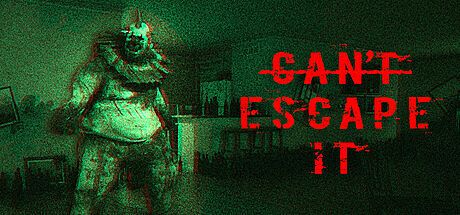


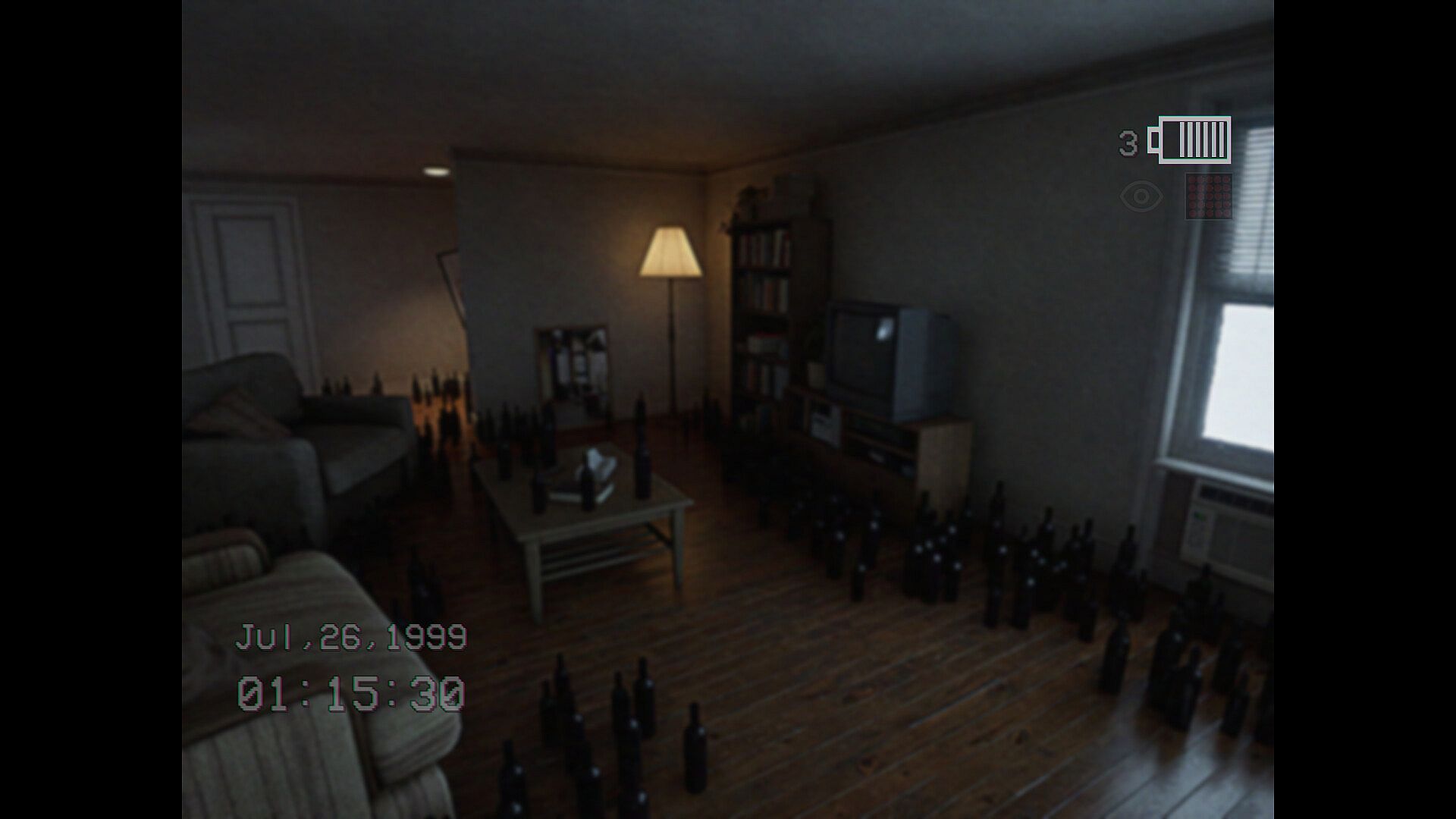
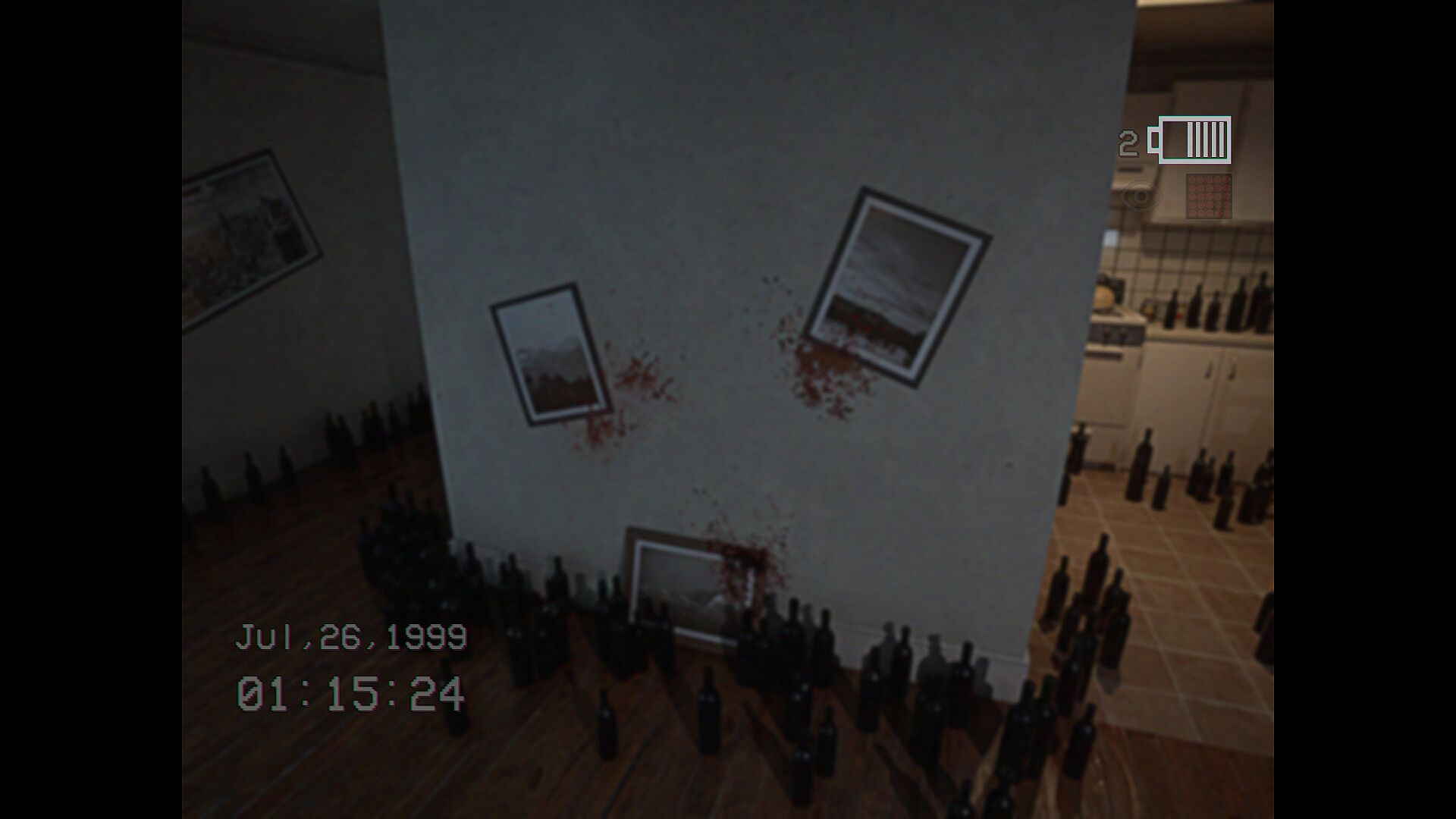
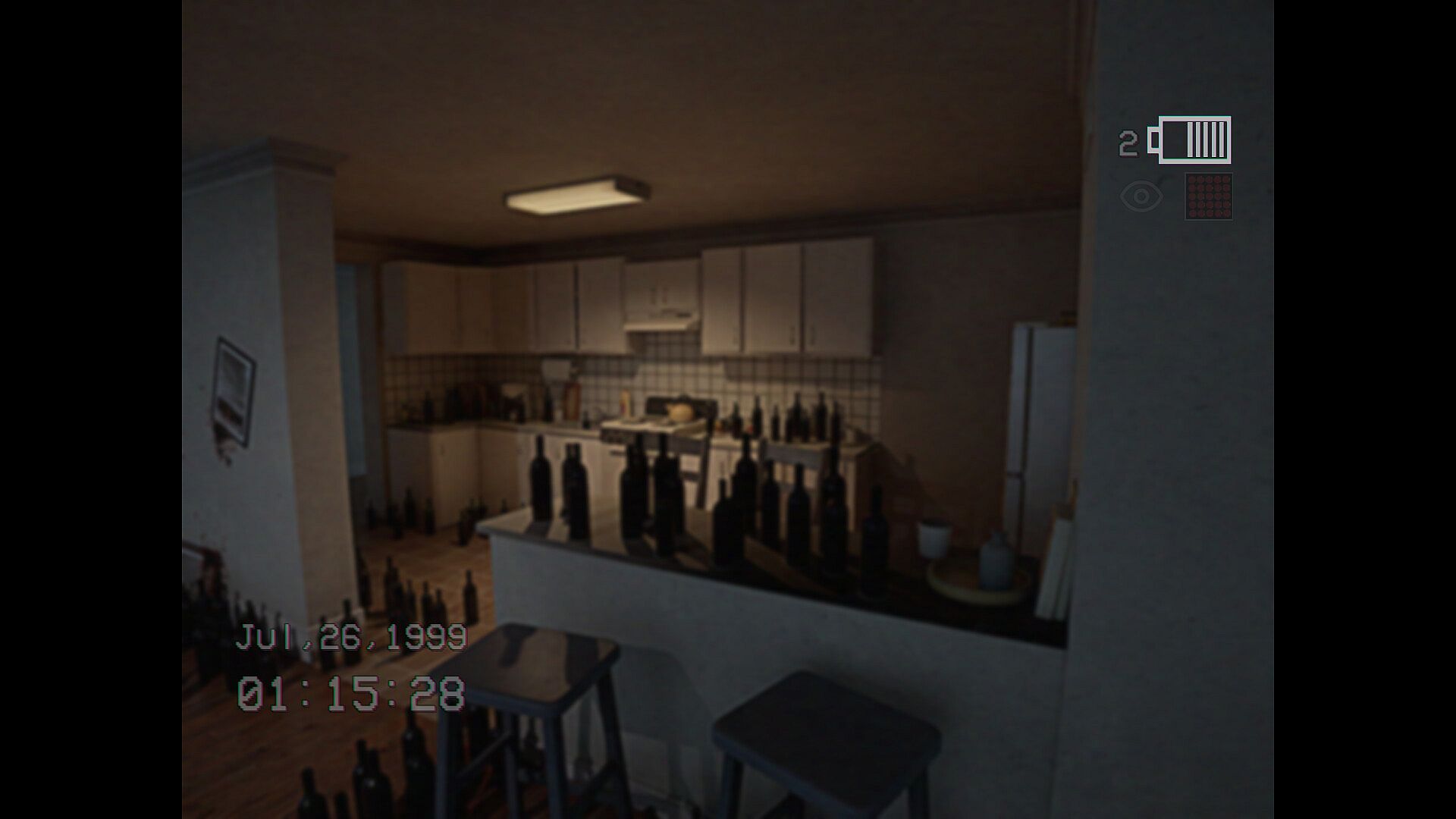
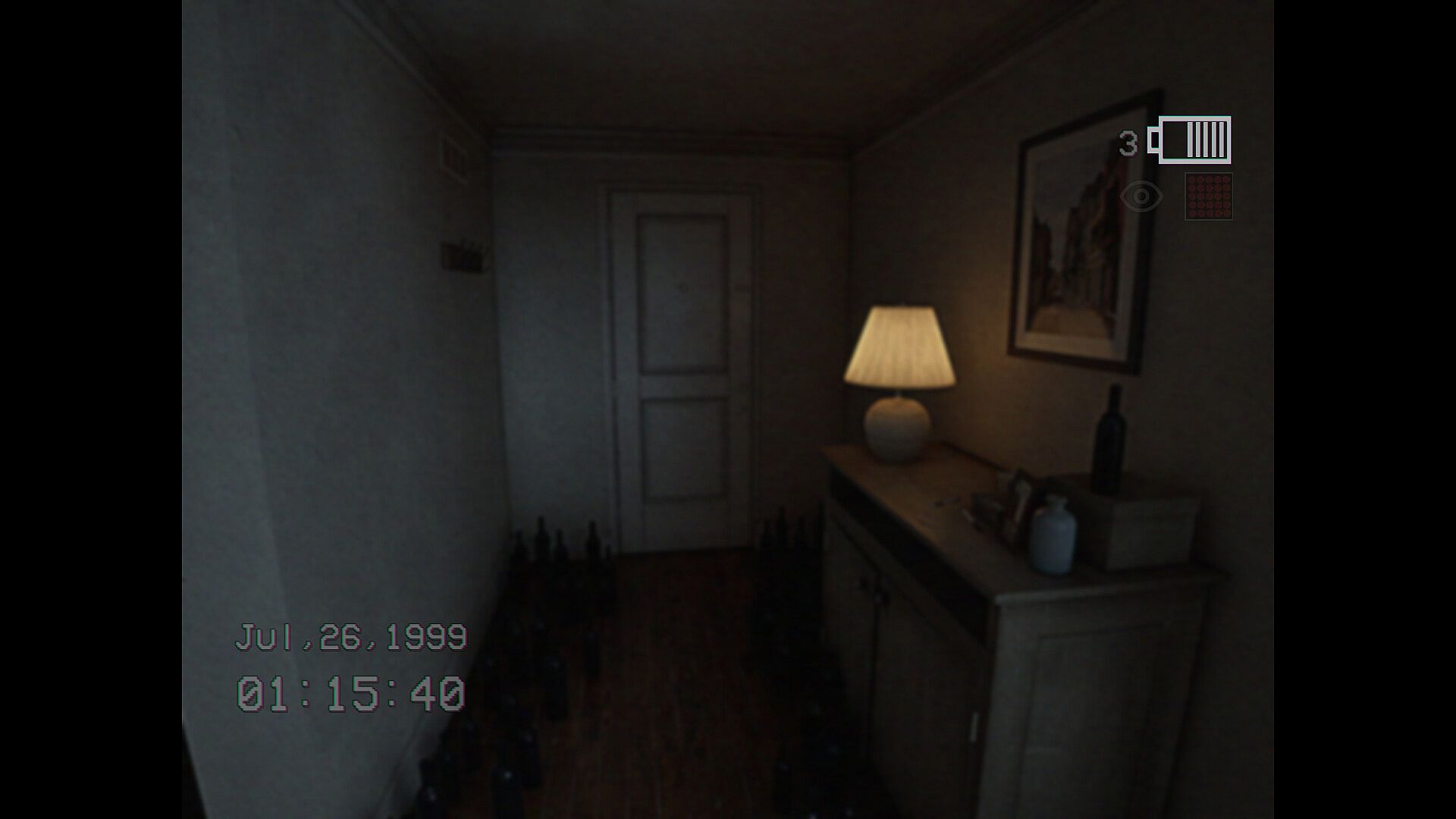
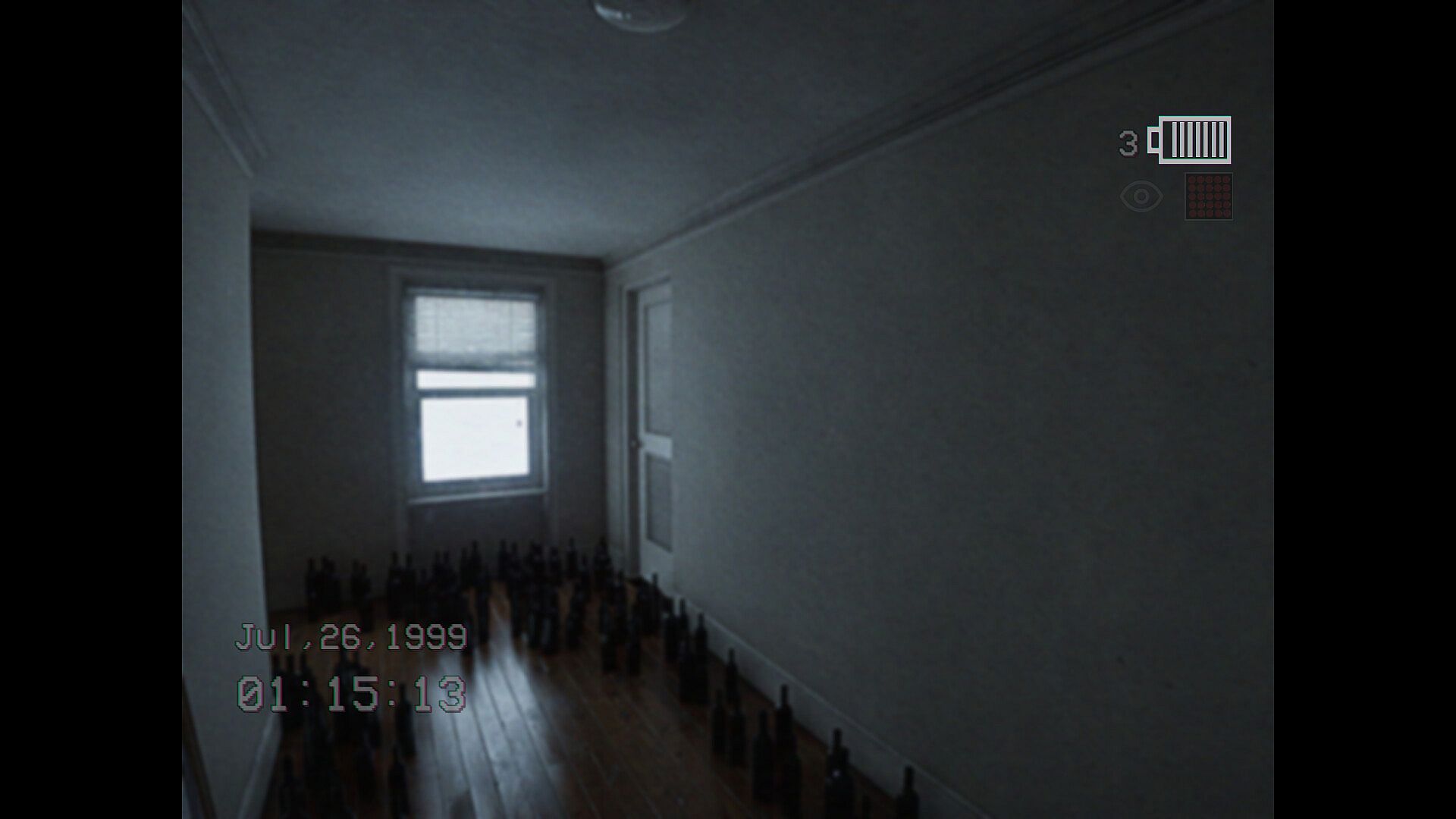
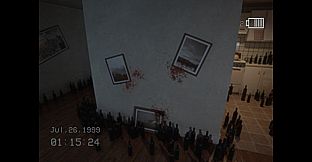
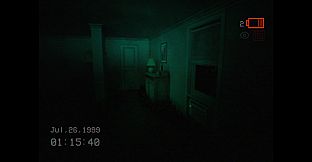
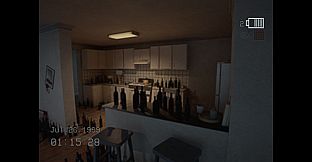
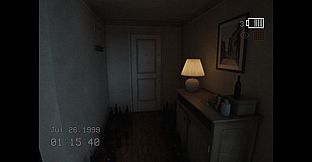
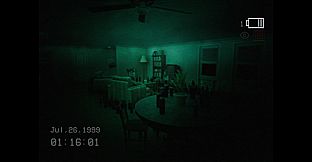
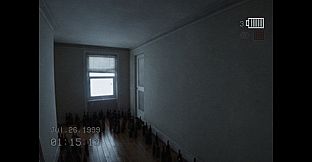
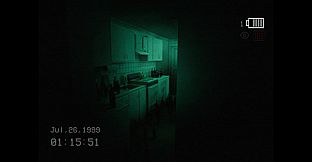
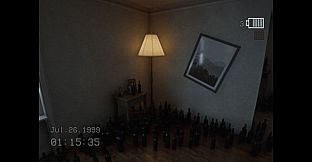
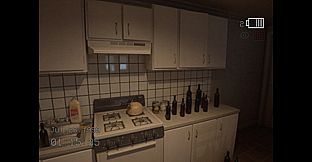
Can't Escape It is a single-player psychological horror adventure game set in a looping apartment captured entirely as found footage. Players experience the events through a handheld camera in a late-90s VHS aesthetic, exploring photorealistic details of an early-90s living space while piecing together clues to solve environmental puzzles and evade pursuit.
Gameplay
The core loop centers on exploration and deduction without any combat options or weapons. Players must examine the apartment thoroughly, noting every detail in the surroundings because no notes, logs, or explicit guidance appear. Puzzles require connecting scattered clues found in the environment to progress through the looping space.
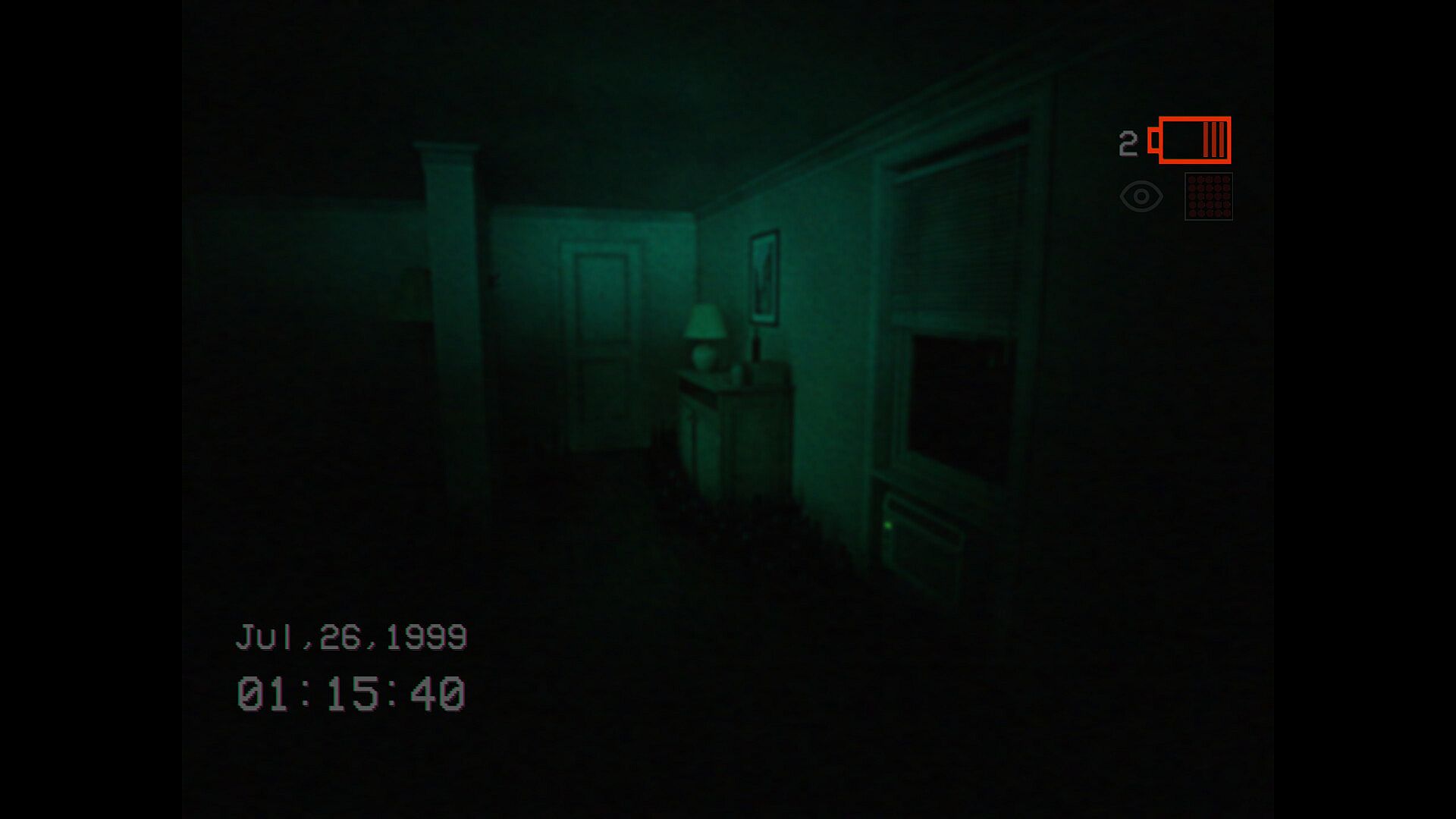
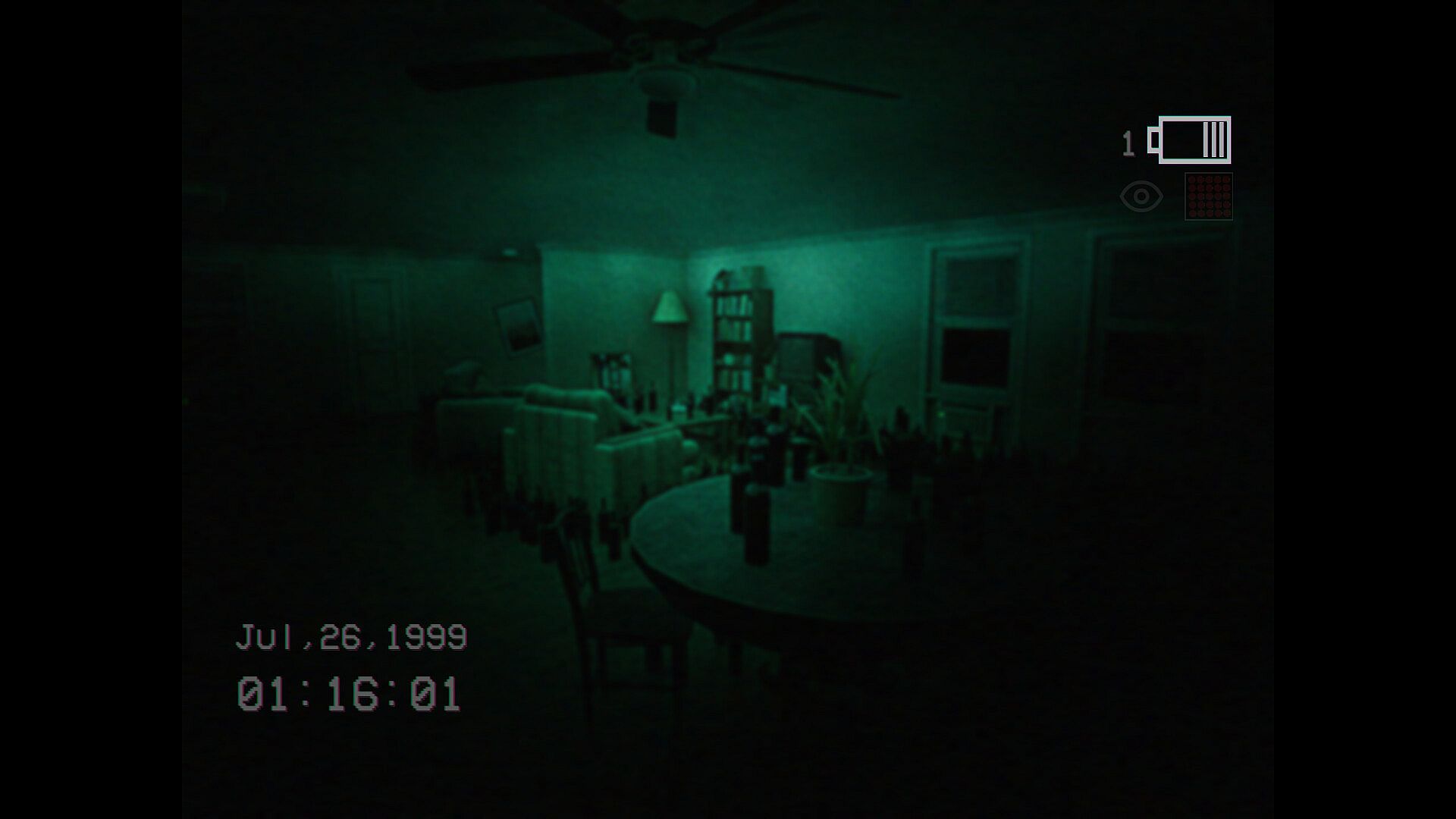
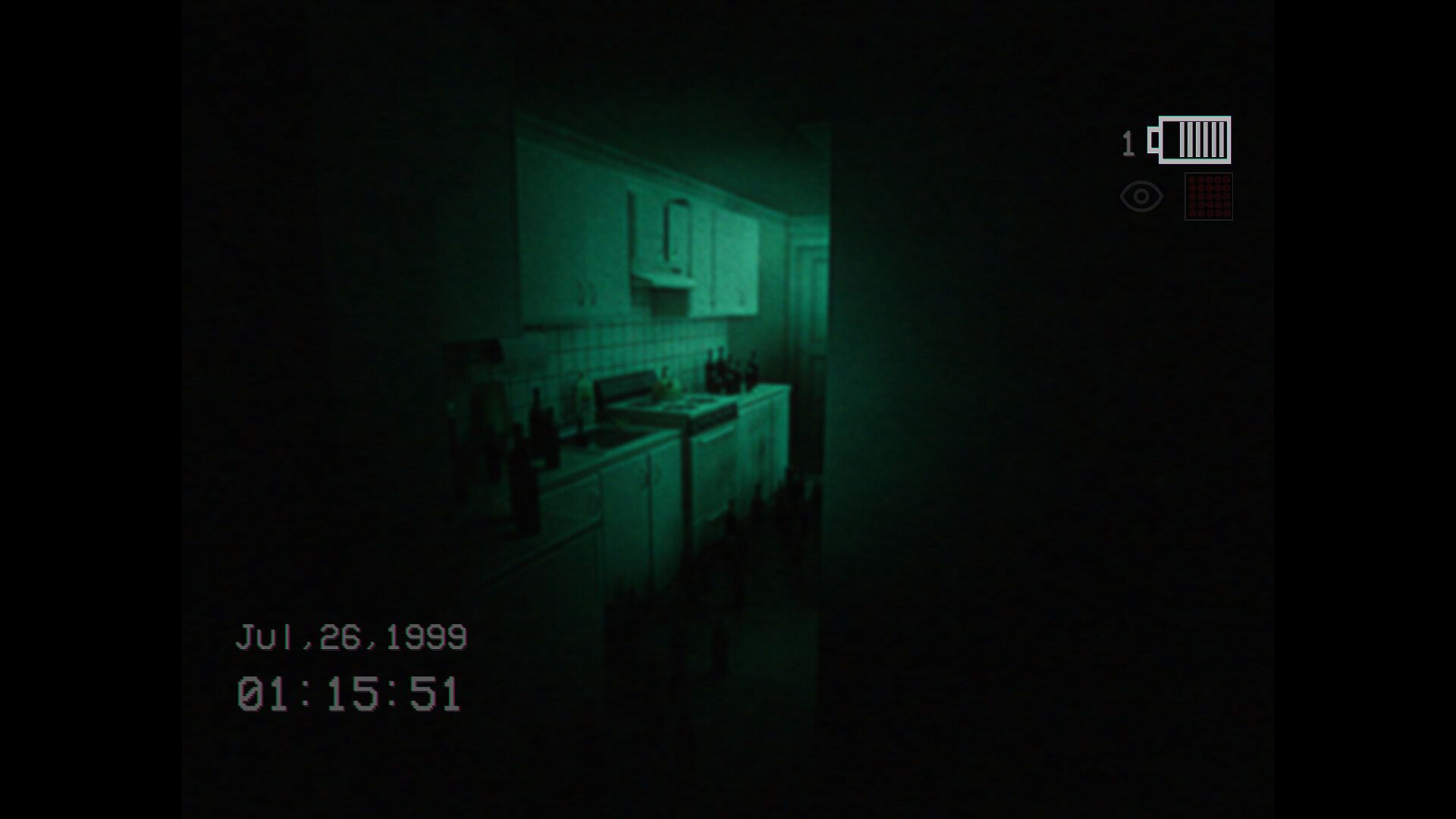
Stealth and timing form the survival elements. Spotting the pursuing clown means choosing to run or hide immediately, with quiet movement and awareness of position becoming essential when the threat draws near. Battery management adds tension during darker sections, as night vision provides the only visibility but drains power that must be conserved for later use.
Atmosphere builds through the visual style. Footage remains grainy and high-contrast under night vision, limiting perception to narrow fields while the apartment grows darker over time. This setup reinforces the sense of isolation and vulnerability in a confined, repeating layout.
Game Modes
The experience remains a focused single-player adventure with no additional modes or variations confirmed at this stage. All gameplay occurs within the same apartment environment, emphasizing consistent mechanics of clue gathering, puzzle resolution, and evasion across repeated loops.
Progression follows a linear yet non-linear discovery path where players revisit areas with new understanding from prior clues. The structure supports repeated attempts to uncover solutions without introducing separate difficulty settings or alternate scenarios.
Visual and Audio Design
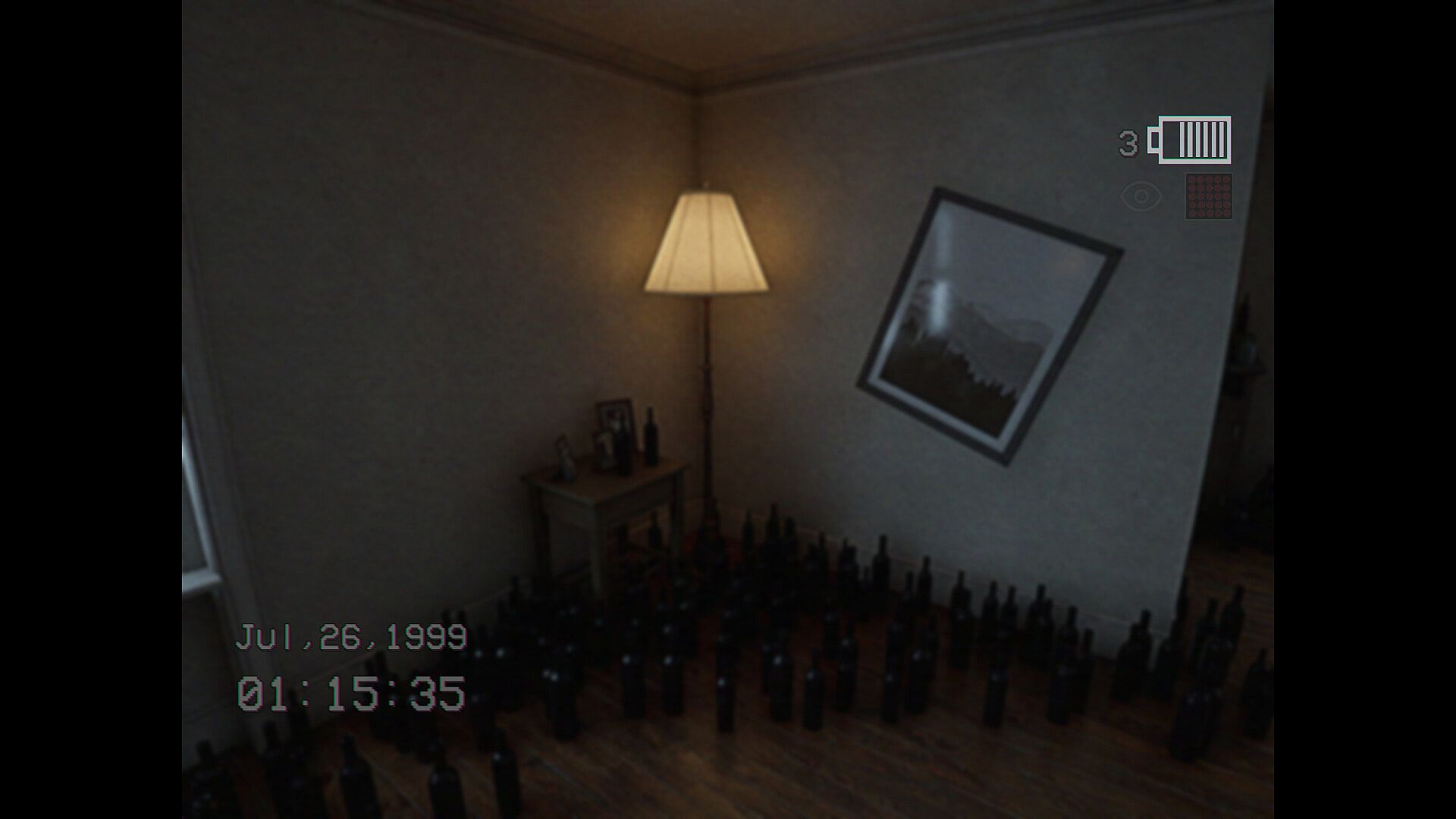
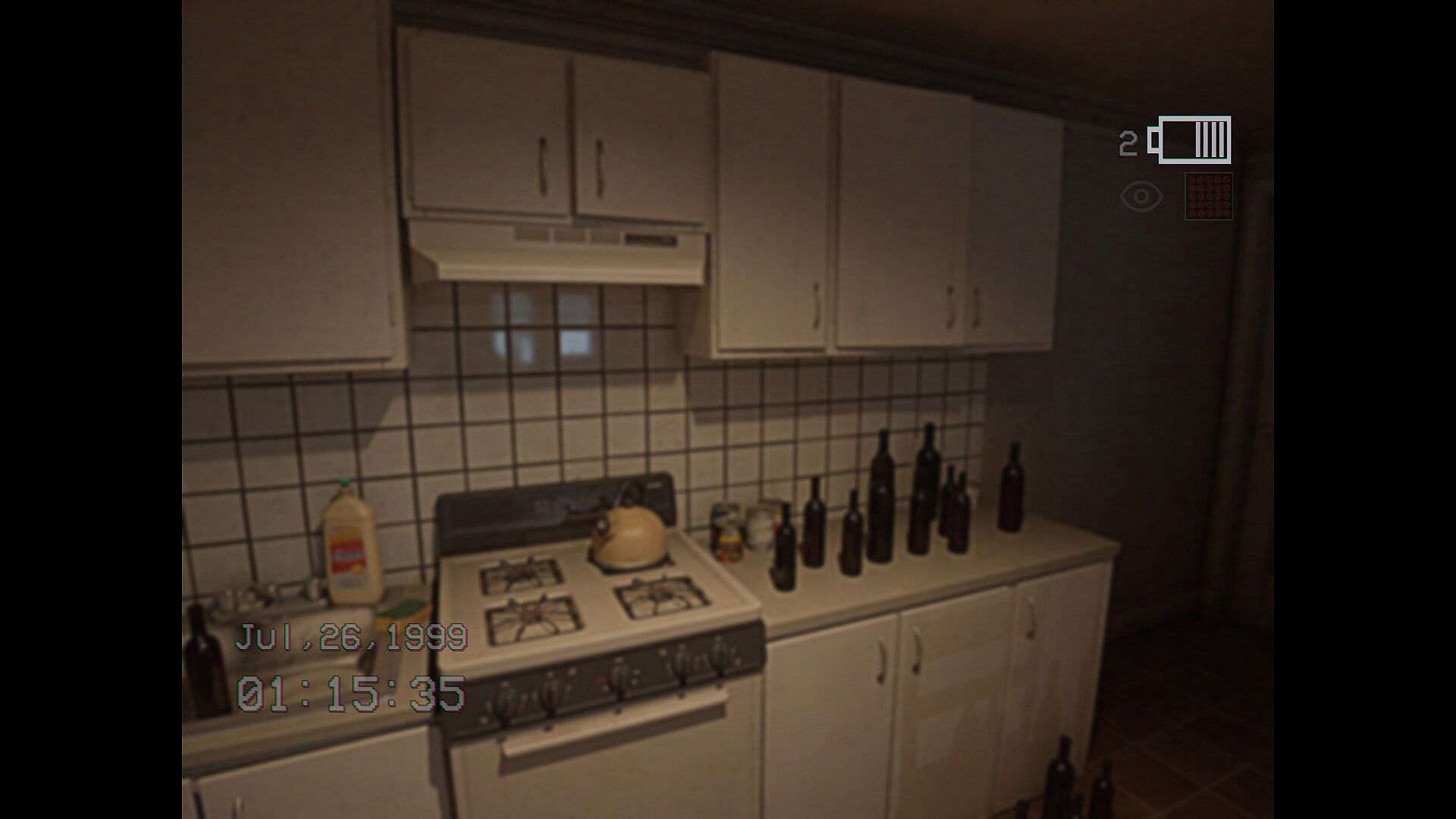
Photorealistic rendering of the apartment combines with deliberate VHS distortion to create an authentic found-footage presentation. Details such as furniture placement, personal items, and lighting shifts contribute to the grounded setting that contrasts with the escalating threat.
Sound design supports the tension through ambient apartment noises and the sudden presence of the pursuer. Players rely on audio cues alongside visual ones to detect danger and navigate safely in low-light conditions.
Is It Worth Playing?
Fans of psychological horror adventures that prioritize observation, resource management, and non-violent evasion will find the described systems align closely with those interests. The single-player focus delivers a contained experience built around deduction and careful movement rather than action or combat.
Since the game has not yet released, player reception remains unavailable. Those drawn to found-footage styles, battery-driven visibility mechanics, and puzzle-solving in confined spaces may appreciate the approach once it becomes available in Q4 2026.