








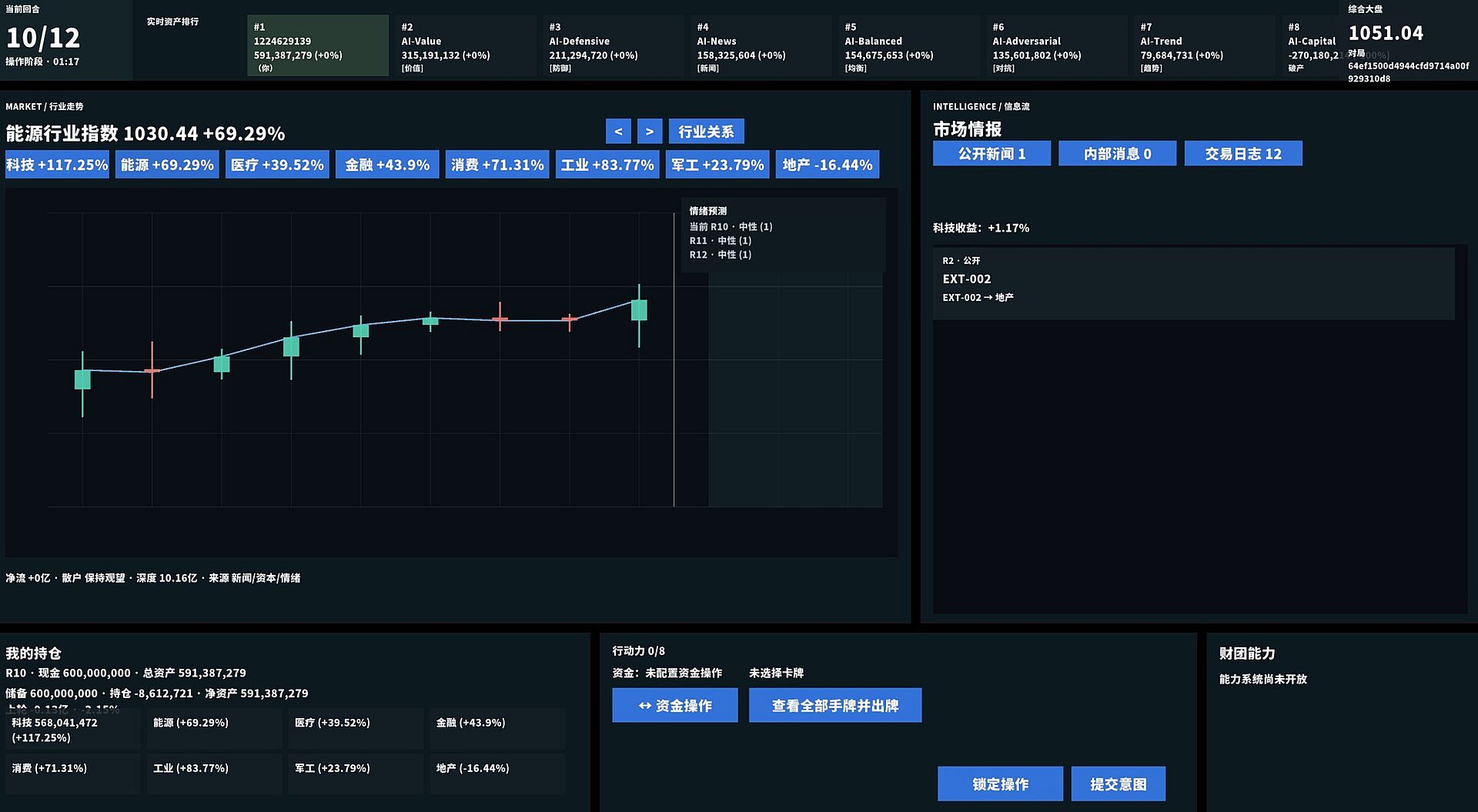
Candlestick Coup is a free to play strategy and simulation game on PC that centers on consortium competition through sector based trading and card play. Players begin with one billion in capital and face seven rivals who each bring distinct approaches to the contest. The objective centers on climbing net worth rankings over twelve rounds while managing eight distinct sectors that include Tech, Energy, Healthcare, Finance, Consumer, Industrials, Defense, and Real Estate.
Gameplay
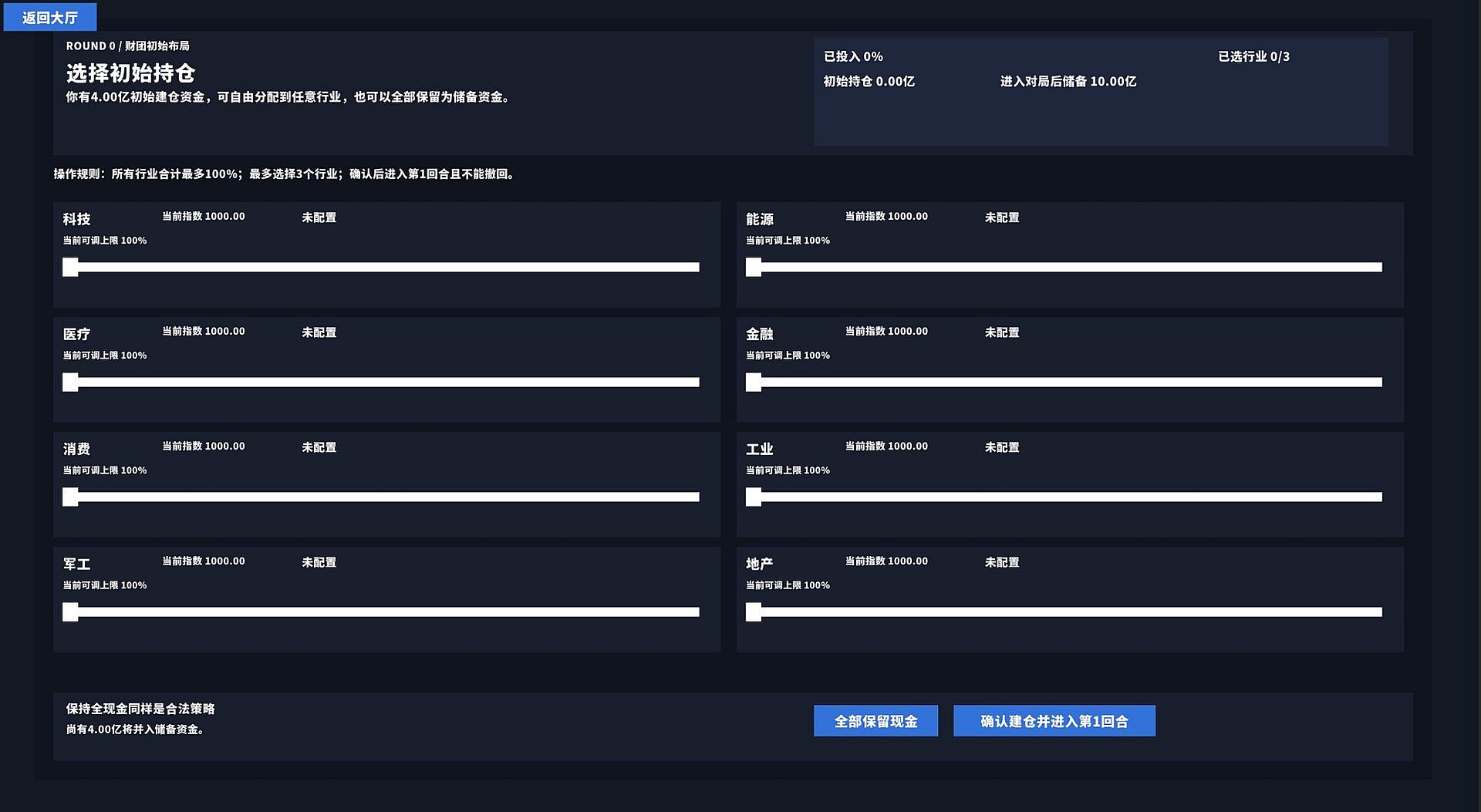
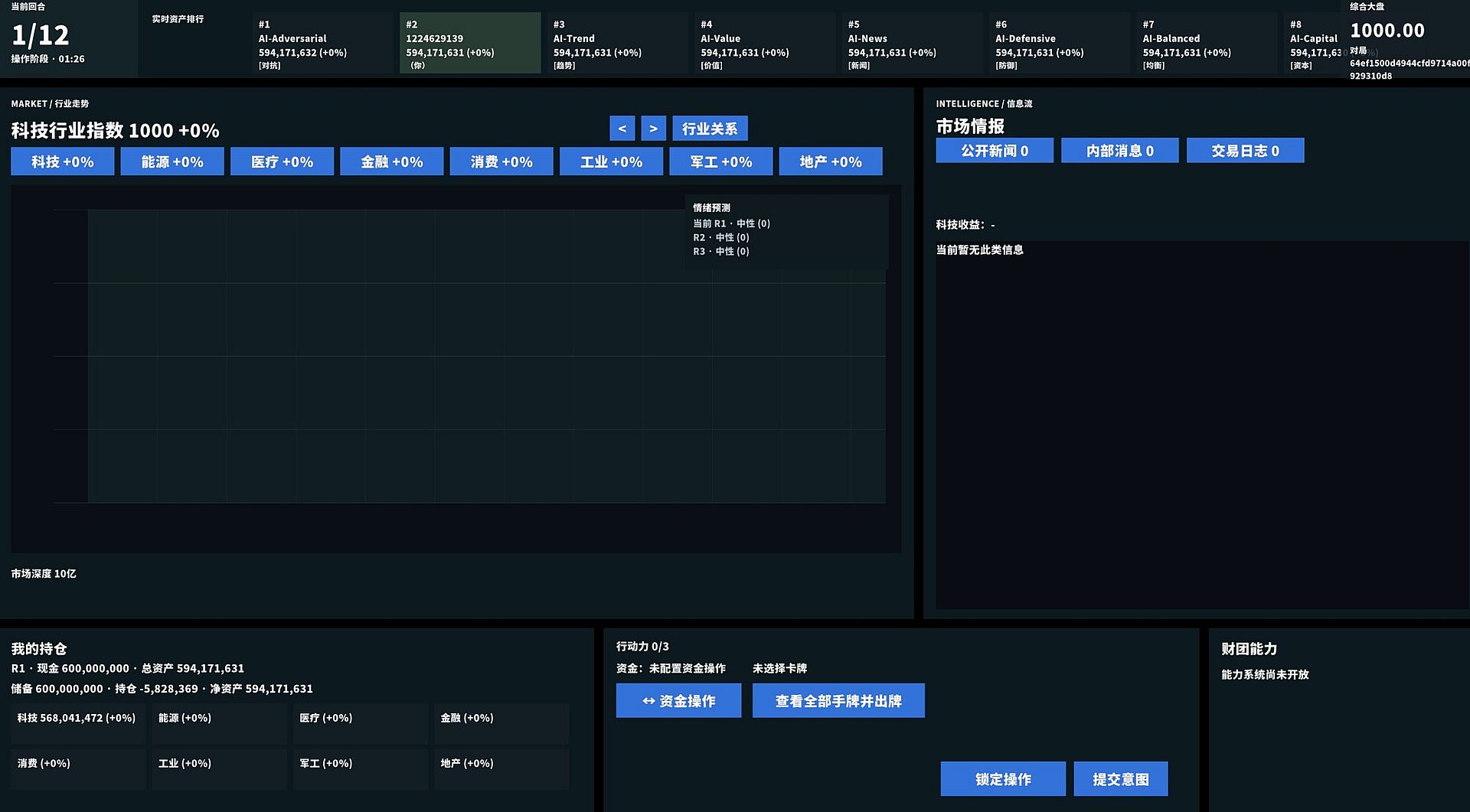
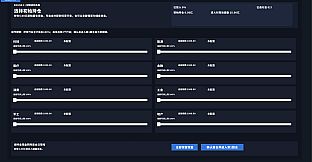
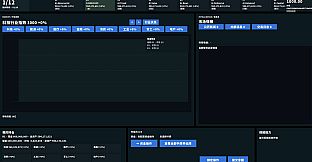
The core loop opens with an allocation phase where capital spreads across the eight sectors to establish initial positions. Each round supplies public news alongside private intel that shapes market conditions. Players then enter a timed trading window of ninety seconds to adjust holdings and deploy cards. Capital orders execute without consuming action points, while cards require those points and enable targeted interventions such as leaking stories, stealing intel, contaminating rival positions, or countering opposing moves.
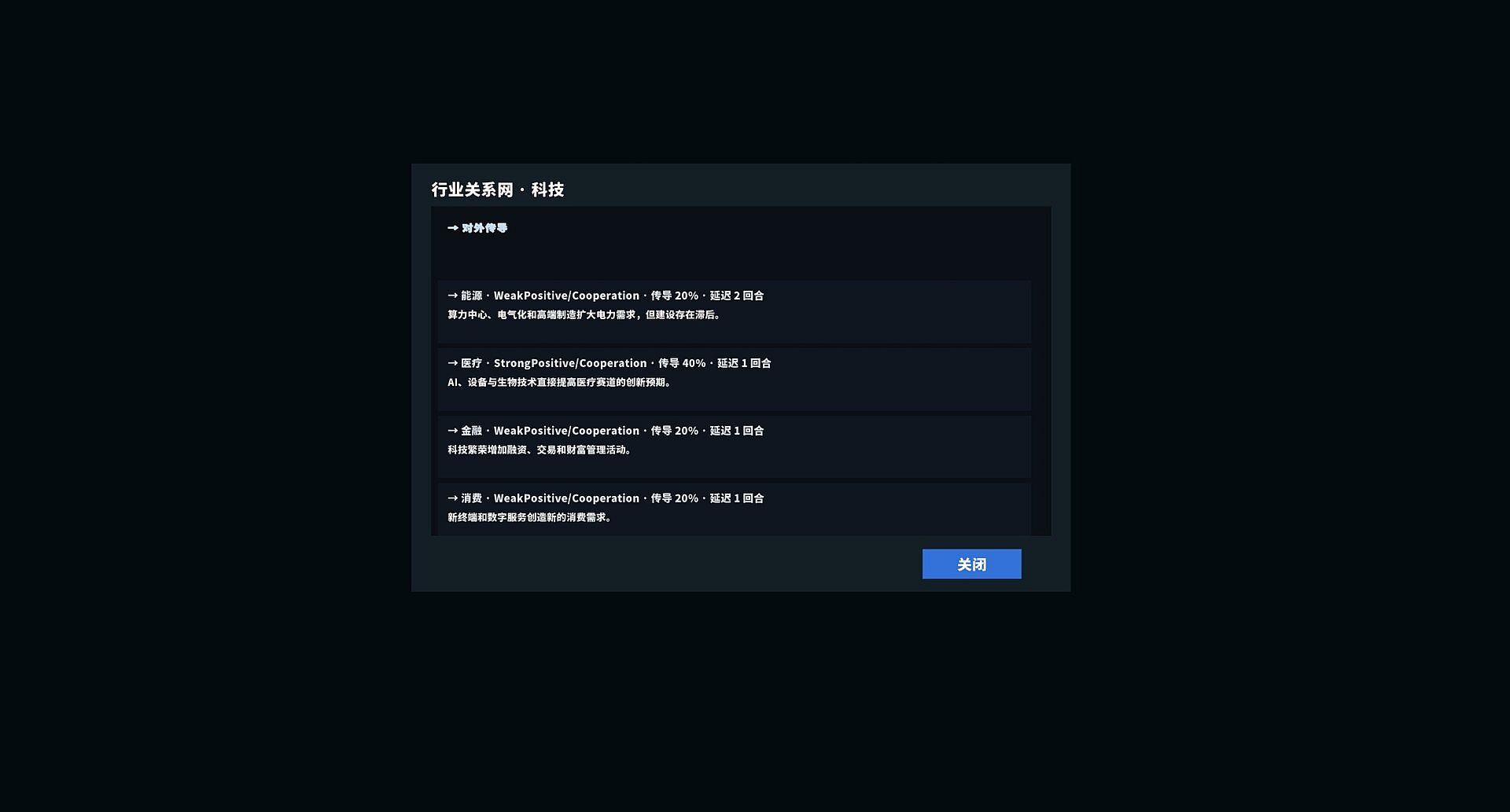
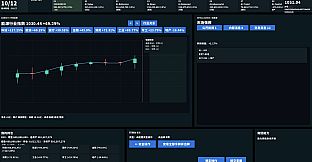
Market prices respond to multiple overlapping factors rather than following linear paths. Sentiment shifts, sector contagion effects, retail flows, and leverage levels all influence the formation of candlestick patterns on the charts. Aggressive dumping can disrupt the tape and trigger adverse reactions, while missing a debt deadline risks liquidation. Success demands careful reading of candle formations, precise timing of entries and exits, and consistent positioning ahead of the final bell to preserve and grow the fortune.
Game Modes
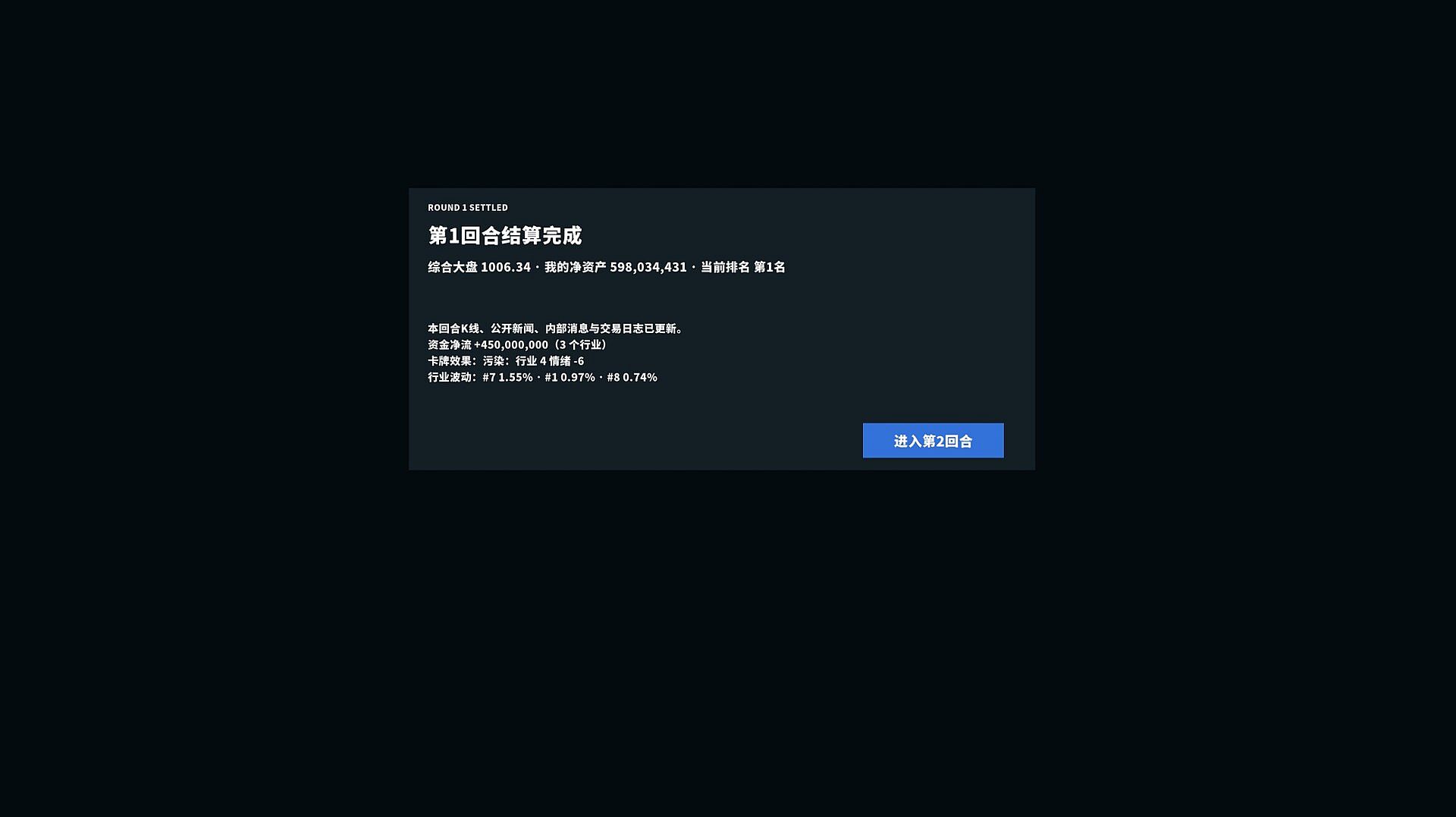
The primary experience unfolds as a twelve round competition against seven AI controlled rivals, each operating with unique behavioral styles that influence trading patterns and responses. The structure emphasizes repeated cycles of information gathering, capital allocation, and timed execution within the fixed round limit. No additional named modes appear in available details, so the focus remains on this core consortium challenge that tests endurance and adaptability across the full sequence of rounds.
Key Mechanics
Sector allocation forms the foundation, with each of the eight areas offering distinct exposure that players balance at the start and adjust through trading. Card play introduces asymmetry because only capital orders remain free of action point costs, forcing deliberate choices about when to invest points in disruptive or protective effects. Price formation incorporates realistic trading dynamics where overcommitment in one direction can backfire through tape smashing or forced exits. The emphasis on candlestick interpretation rewards players who track momentum, reversals, and external pressures rather than relying on simple directional bets.
Is It Worth Playing?
Candlestick Coup suits players drawn to strategy simulations that blend resource management with timed decision making and market reading. The free to play model removes any upfront cost barrier, allowing direct entry into the twelve round format against varied AI opponents. Those who enjoy interpreting price action through candlesticks, managing leverage risks, and deploying cards for tactical edges will find the systems align closely with those interests. The indie scale keeps the scope focused on the core loop without extraneous layers, making it a direct test of consortium trading skill across repeated rounds.
