




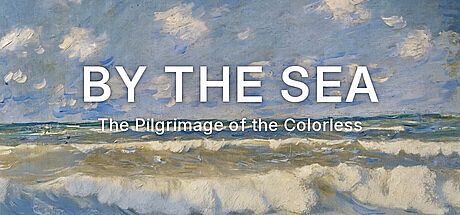


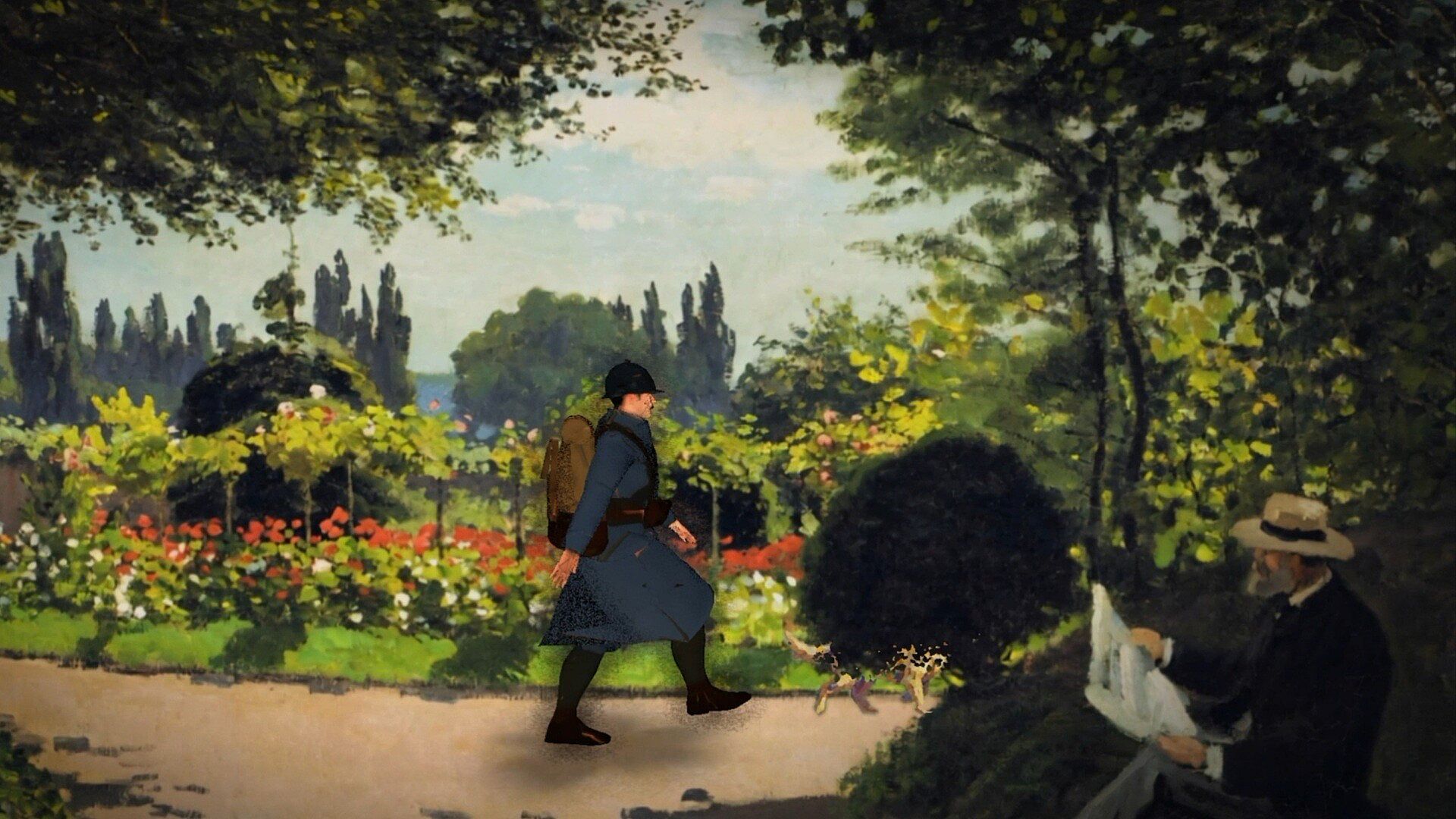
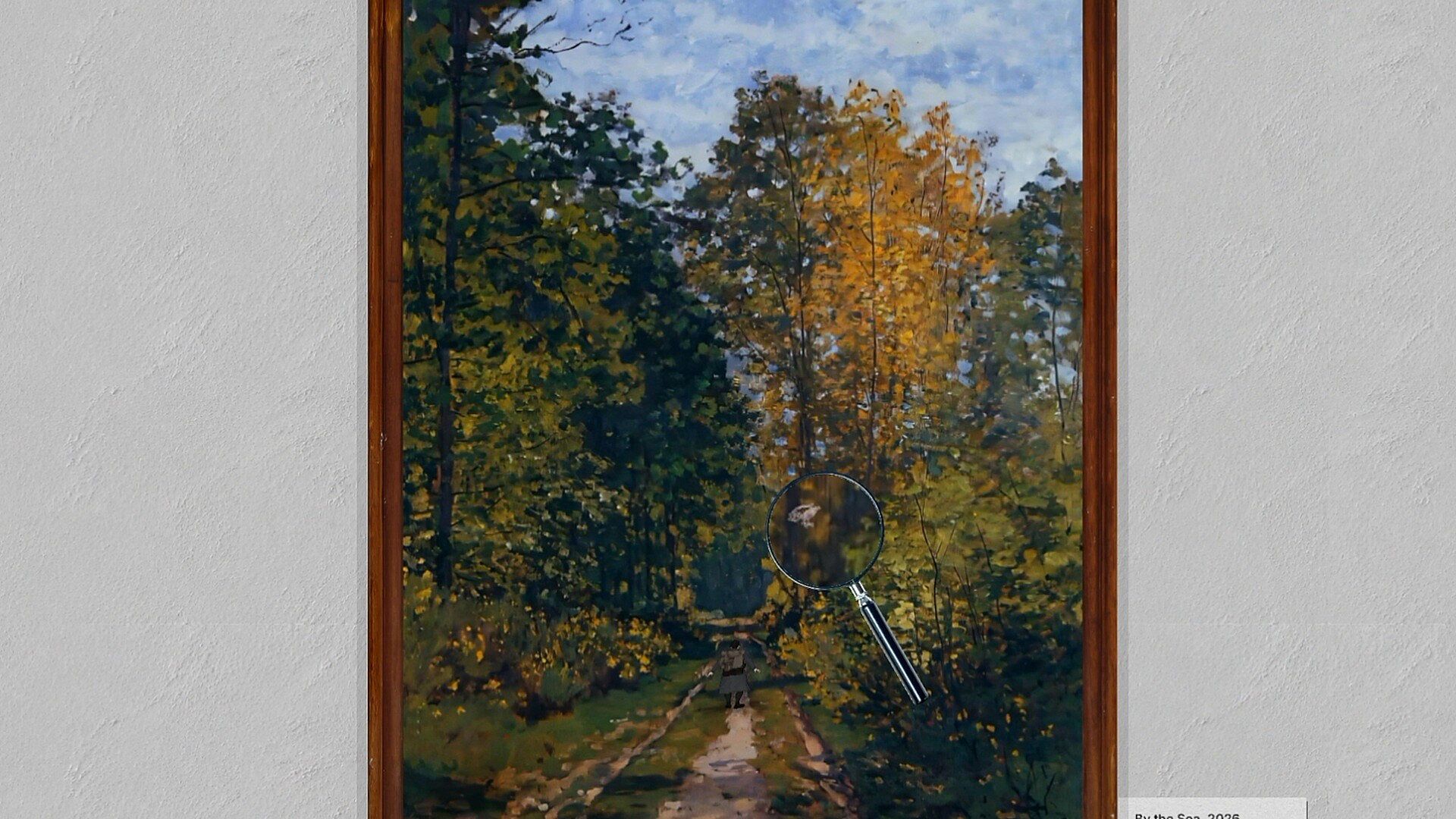

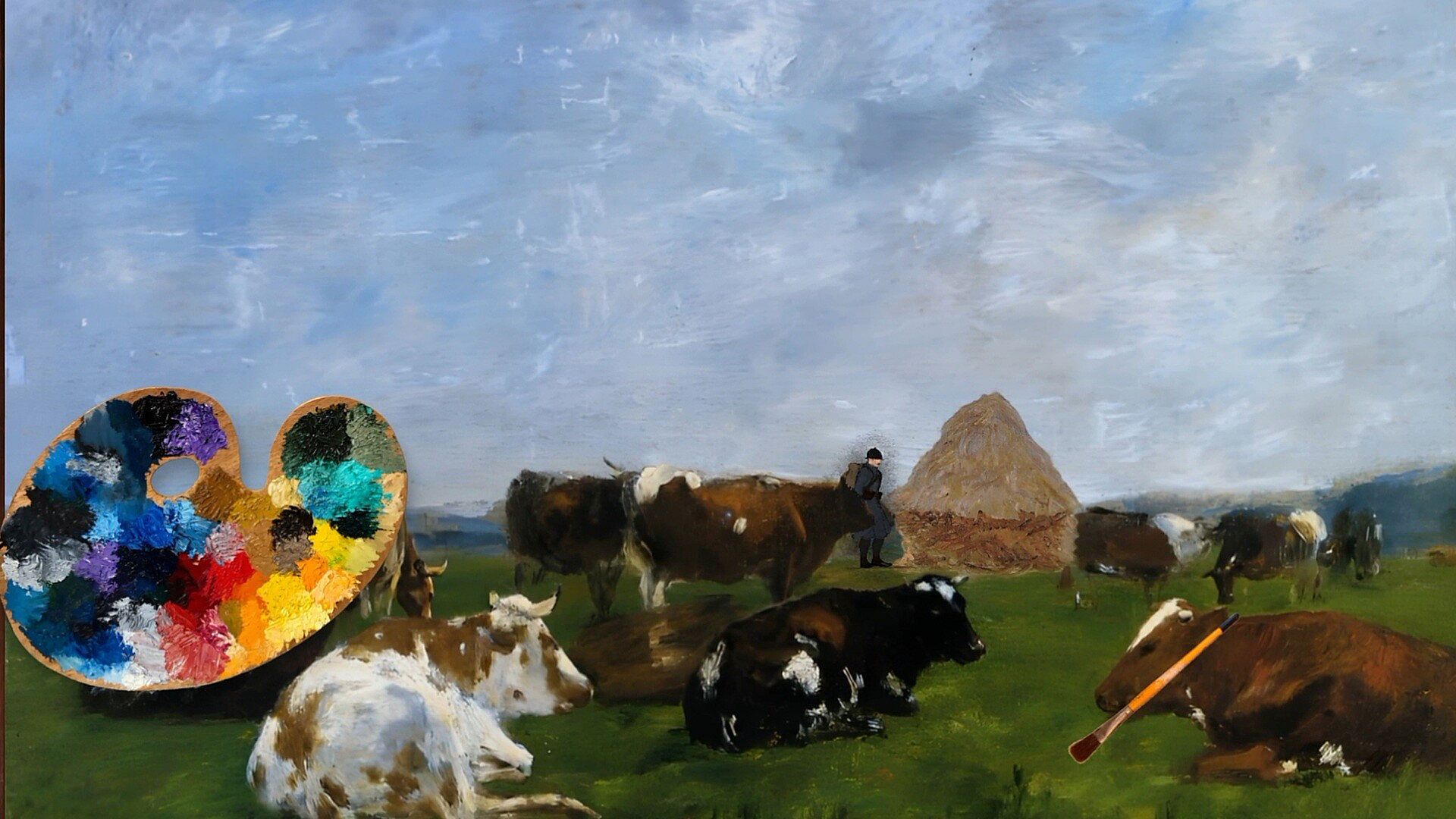
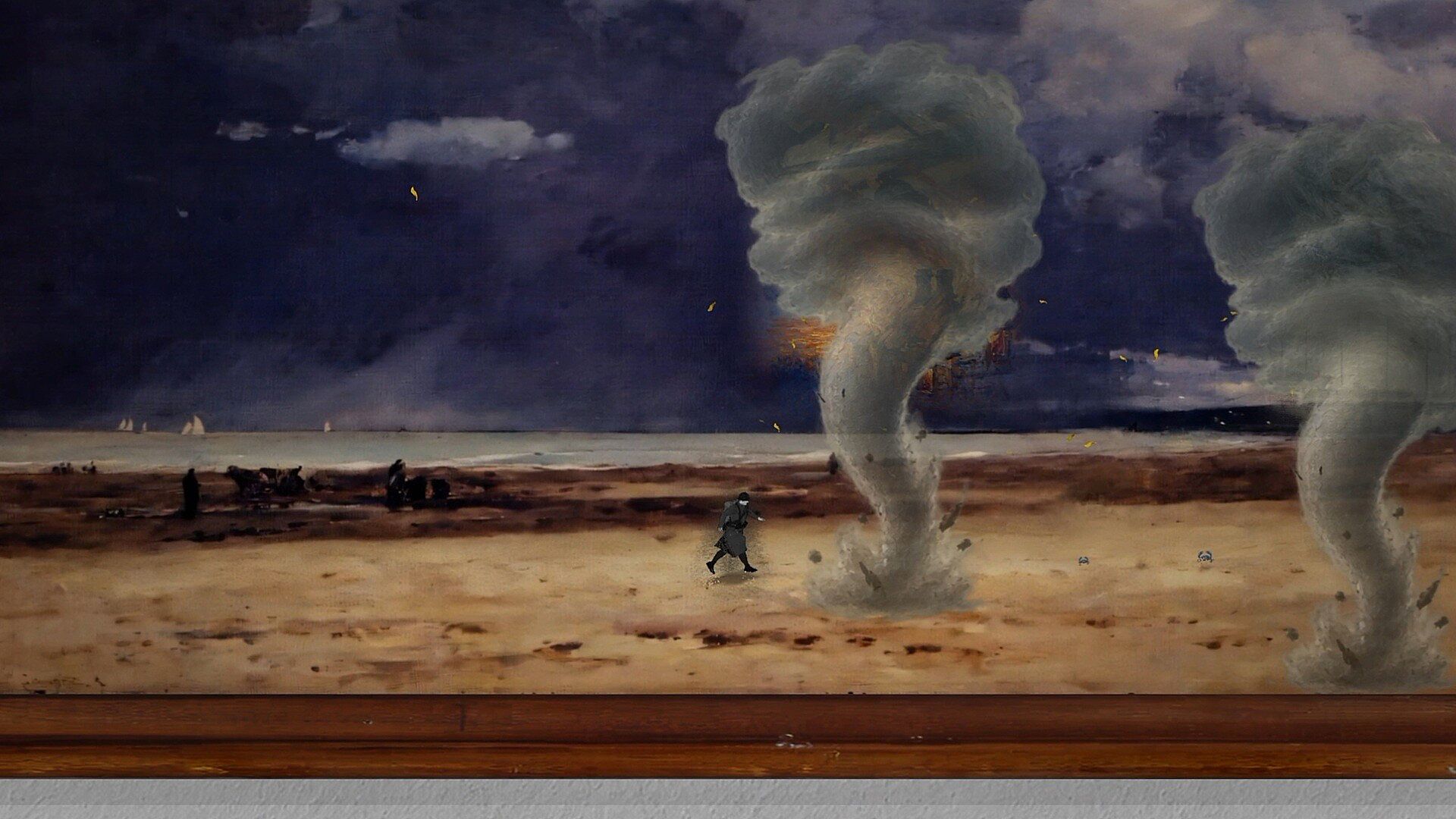
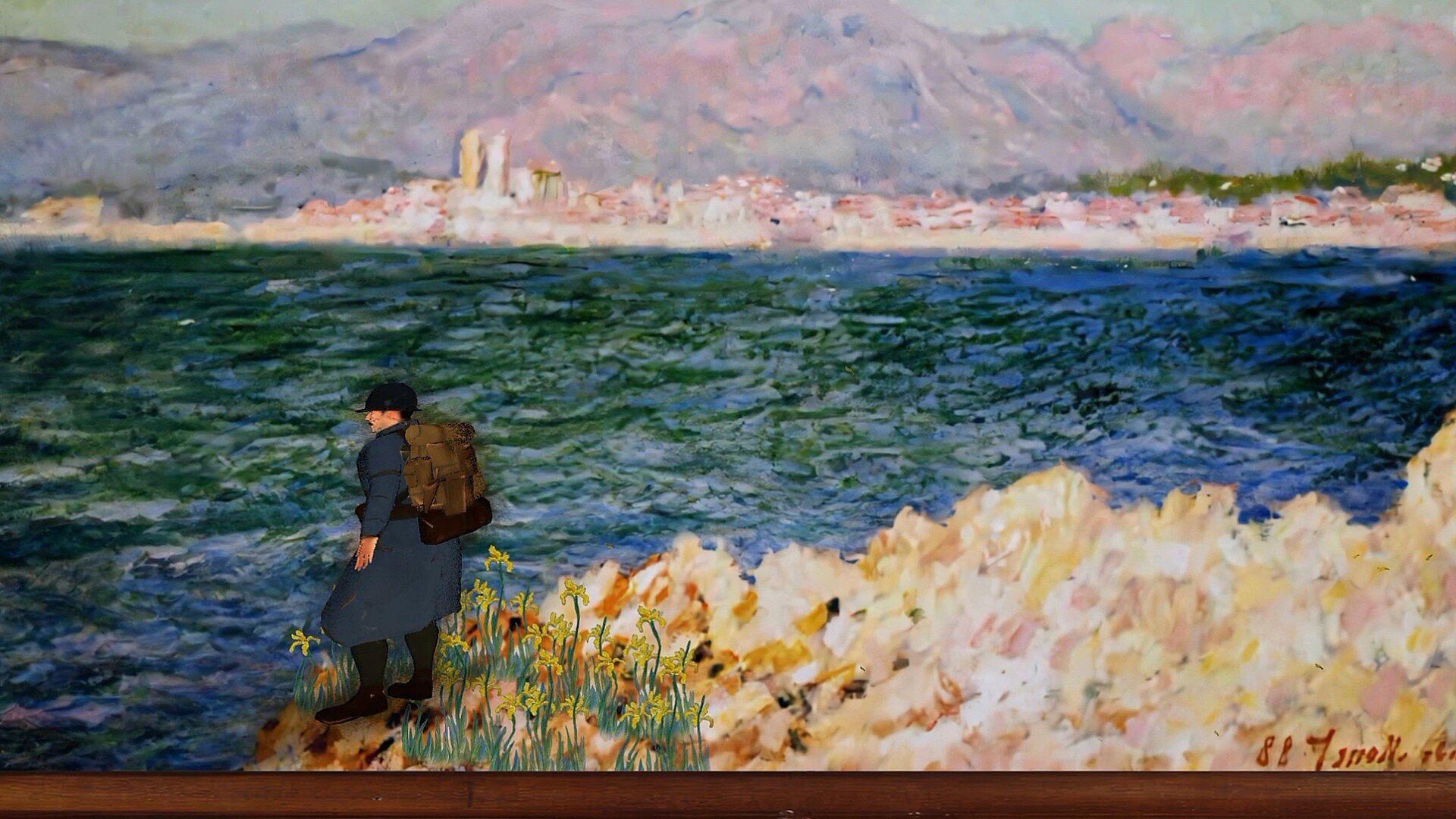
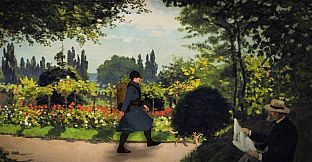

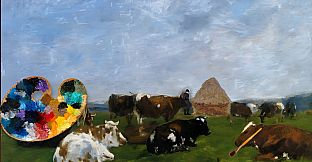
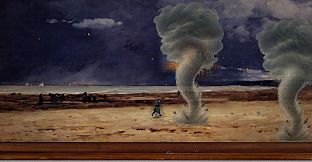
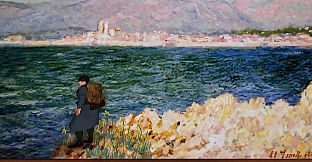
By The Sea : Pilgrimage of the Colorless is an indie adventure game built around quiet exploration inside the paintings of Claude Monet. Players guide a soldier returning from the Great War as he carries his wife's ashes on a final journey to the sea, moving through cliffs, wheat fields, bridges, and cathedrals rendered in living brushstrokes.
Gameplay
The core loop centers on deliberate movement and observation rather than speed or combat. The soldier begins drained of color after the war, and progress comes from pausing in the environment. Stopping causes the camera to pull back, the haze to clear, and the landscape to sharpen into focus. This stillness reveals details that advance the story through memory and light.
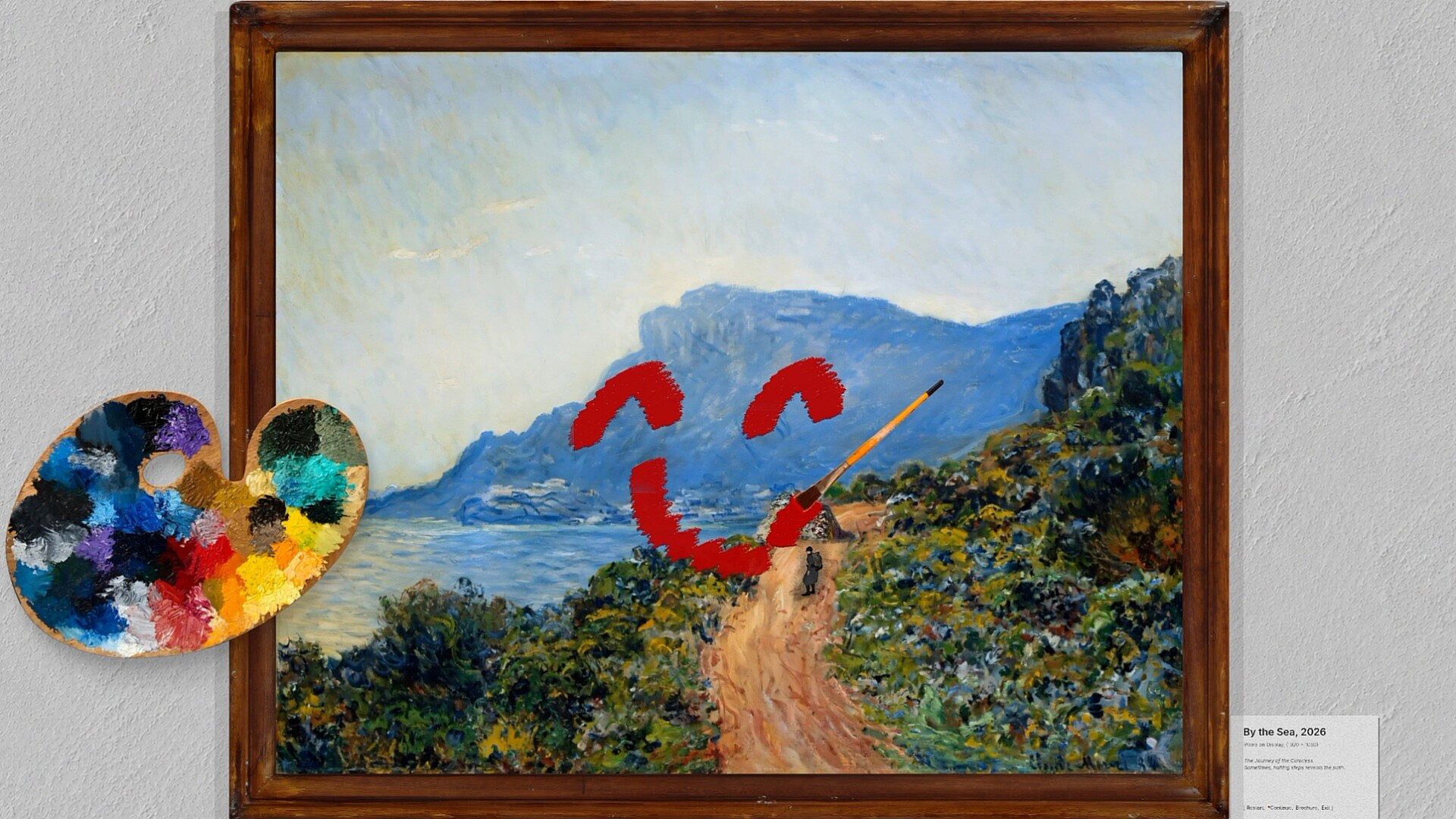
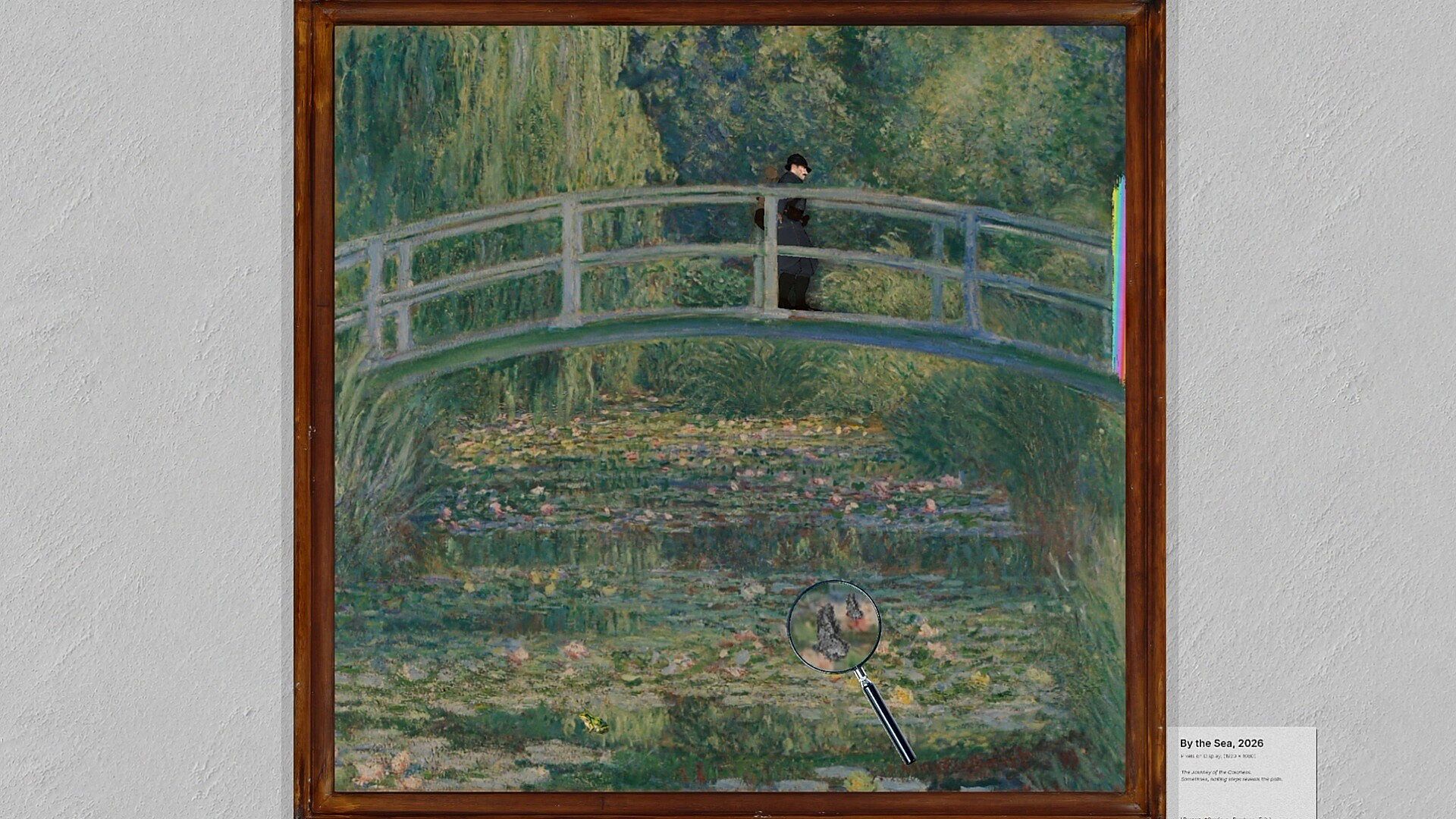
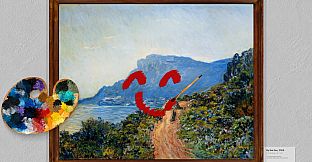
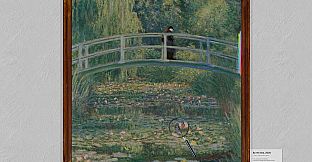
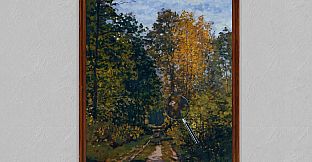
Two tools support this process. The magnifying glass lets players examine specific areas of the scenery to uncover hidden memories, each one restoring a portion of the soldier's color. The brush allows painting over obstacles such as rocks, fences, or storms tied to trauma, clearing the path forward. These actions tie directly to the narrative of recovery, where happy memories restore color and reminders of war can drain it again.
Game Modes
The main experience unfolds across six chapters plus an epilogue in a linear pilgrimage that lasts about thirty minutes when played in one sitting. The story advances through the locations the couple once shared, from the house on the cliff to the harbor and finally the shore.
After completing the story, Free Walking mode unlocks. This mode removes the narrative constraints and lets players wander freely through the collection of over one hundred Monet paintings brought into gentle motion as living backgrounds. No dialogue or tutorial text appears in either mode, keeping the focus on visual storytelling and color shifts.
Story and Themes
The narrative follows the soldier's attempt to reclaim color lost during the war. He visits places tied to his past with his wife, and each memory influences his state. Recovery follows no straight path, with some scenes returning color and others taking it away. The game handles themes of war, death, and grief through changes in light and hue rather than spoken words.
Is It Worth Playing?
This title suits players who enjoy slow, reflective walking experiences and visual storytelling without pressure or failure states. The short length and controller support make it accessible for a single focused session, while the unlocked free walking option provides replay value for those who want to linger in the painted worlds. Its emphasis on stillness and color as the central mechanic sets it apart from faster-paced adventures, offering a calm space to engage with memory and loss at the player's own pace.