








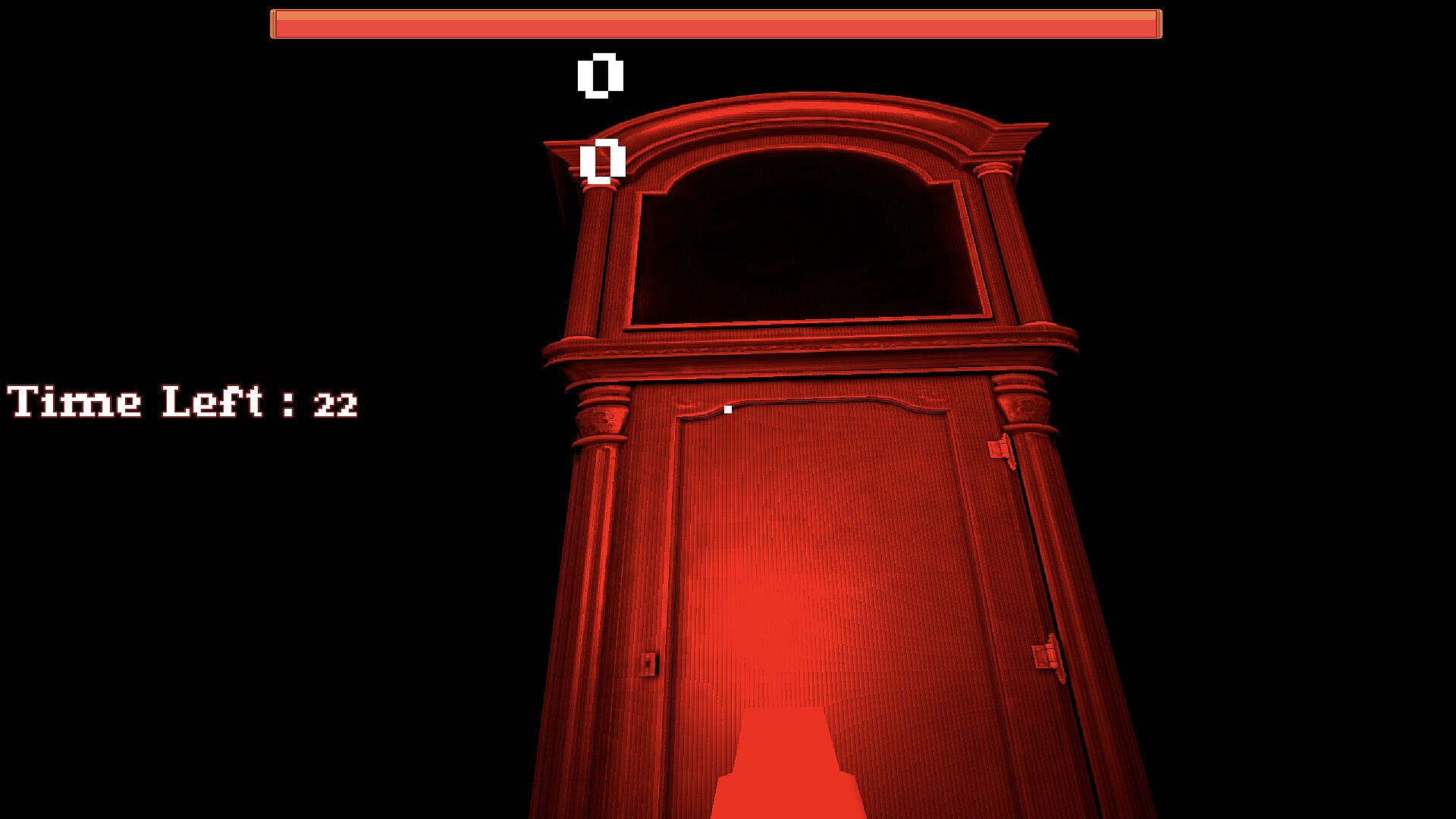
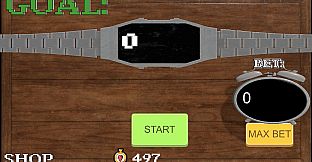



Buying Time is a casual singleplayer indie game built around precise timing and resource management. Players engage in skill-based bets where success depends on stopping a timer as close as possible to a randomly generated goal number. The closer the stop, the more time is gained to continue playing and progress toward one of three distinct endings.
Gameplay
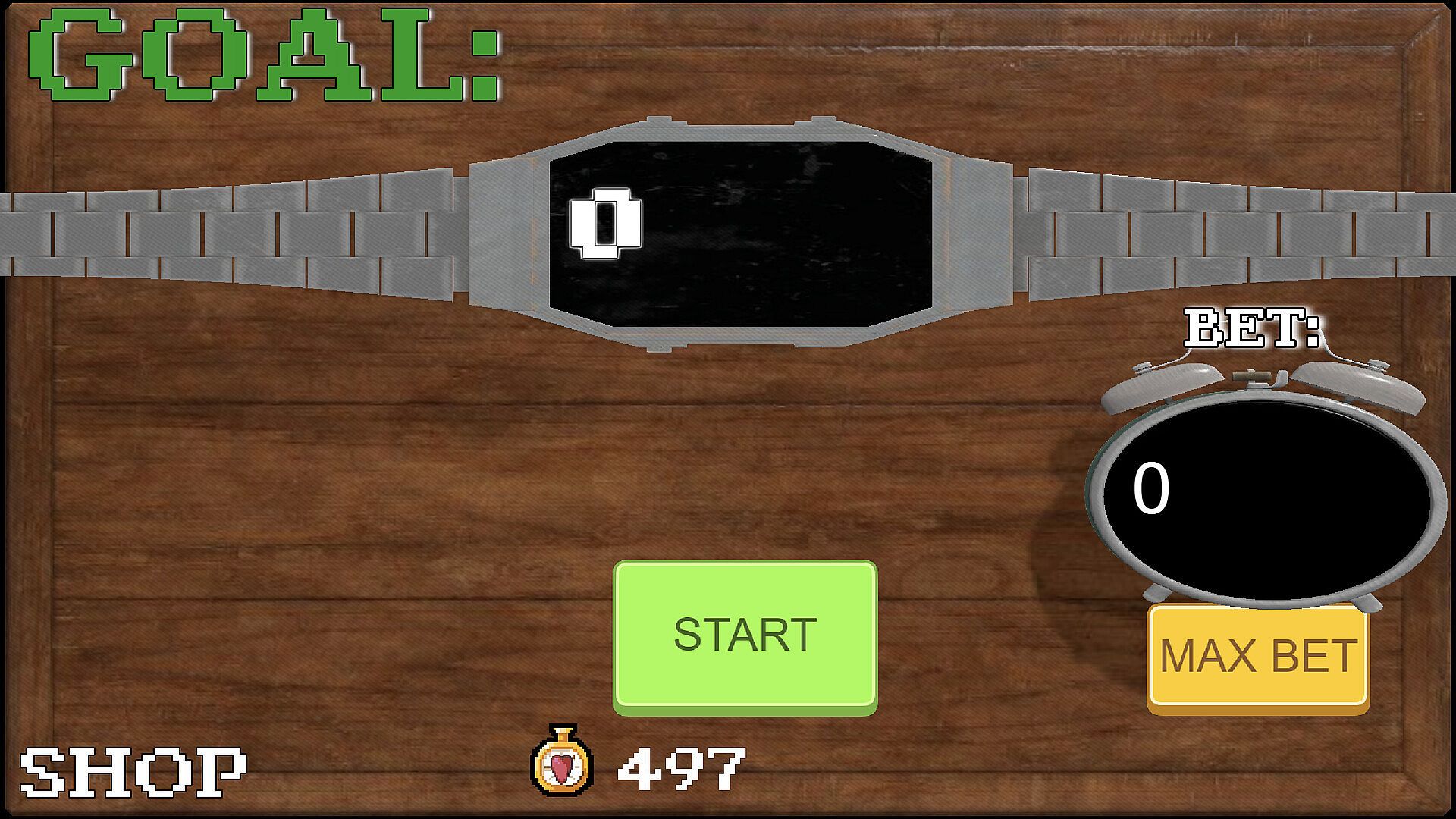
The core loop revolves around starting a timer that counts upward while a target number appears on screen. Releasing the stop button at the right moment determines how much additional time is awarded. This gained time serves as currency for further bets and survival. Running out of time ends the run, so careful management of each wager becomes essential. Secrets scattered throughout the experience encourage experimentation with different approaches to uncover hidden elements and alternative paths.
Each session emphasizes timing accuracy over luck, rewarding players who develop a feel for the clock and the random targets. The limited starting time creates tension, pushing decisions on when to risk a bet or conserve resources. This structure keeps rounds short yet replayable as players refine their technique.
Game Modes
The game presents a unified singleplayer experience centered on the betting mechanic. There are no separate named modes, but the core activity supports multiple playthroughs through its three endings. Each ending requires exploring different strategies and options within the same timing-based framework, making repeated runs feel distinct based on chosen paths and resource allocation.
Progression ties directly into this single loop. Time won from successful bets funds upgrades that alter how future wagers perform and how long the player can survive under pressure. The design keeps focus on mastering the stop timing while gradually expanding capabilities through these choices.
Upgrades and Progression
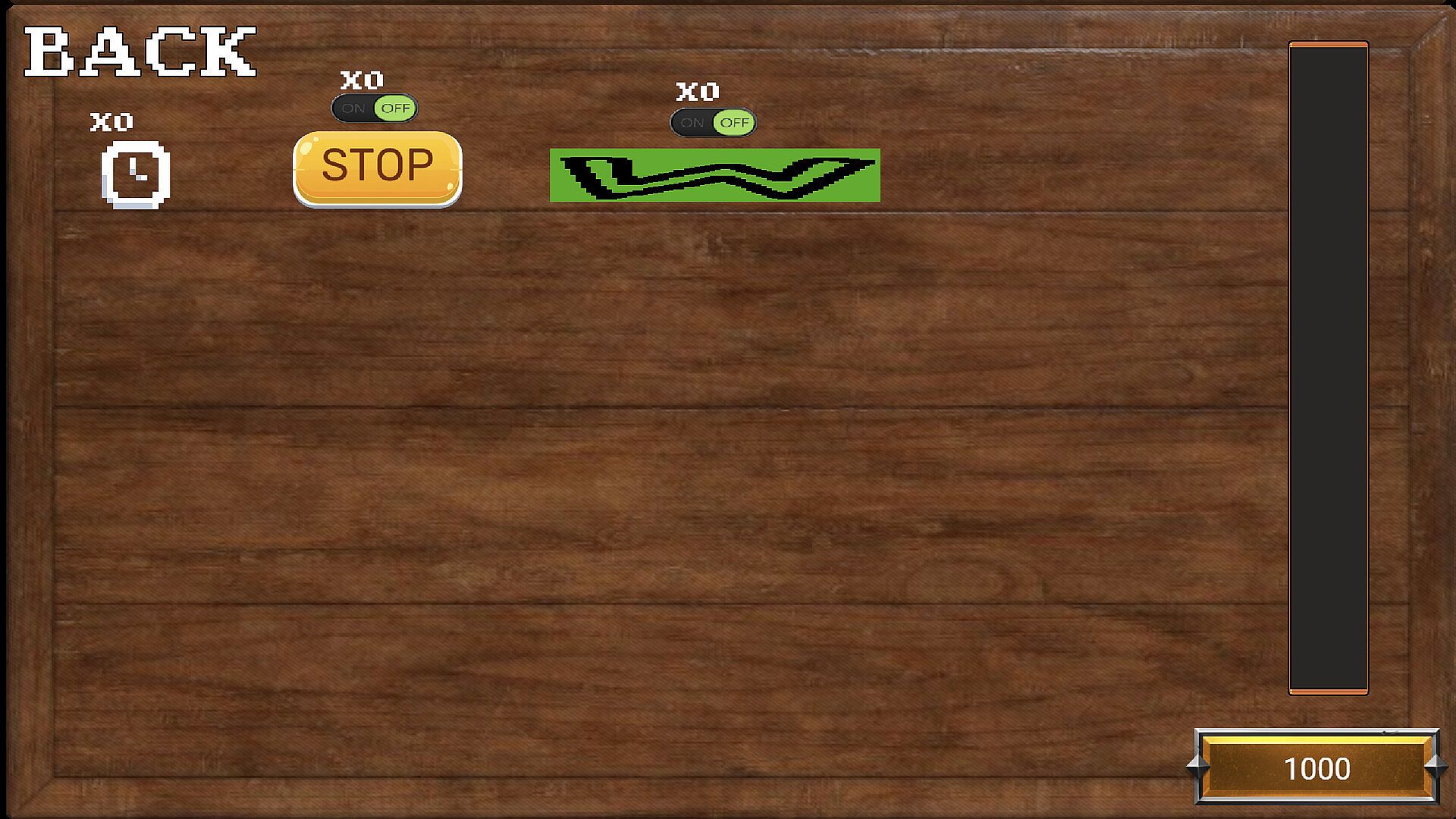
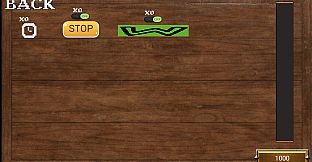
Three upgrades become available using accumulated time. These enhancements improve betting efficiency and overall survivability, allowing longer sessions and access to deeper layers of the game. Players decide how to allocate their hard-won time between immediate survival needs and long-term advantages.
Reaching different endings involves testing various combinations of these upgrades alongside exploration of available options. The system rewards thoughtful investment rather than random spending, as each choice influences both short-term performance and the route to a specific conclusion.
Is It Worth Playing?
Buying Time sits in Early Access with a planned development period of six months to a year. The current version includes the core timing bets, three upgrades, and three endings, though the developer notes it may feel rough in places and intends to add more secrets, upgrades, visual improvements, mechanics, synergies, shop items, and levels based on feedback.
With no user reviews available yet, reception remains unknown. The game suits players who enjoy precise timing challenges and singleplayer experiences with branching outcomes. Those interested in skill-based gambling mechanics and short, focused sessions may find value in trying it during Early Access to influence future updates. Others preferring polished releases or multiplayer options might prefer to wait for further development.
