








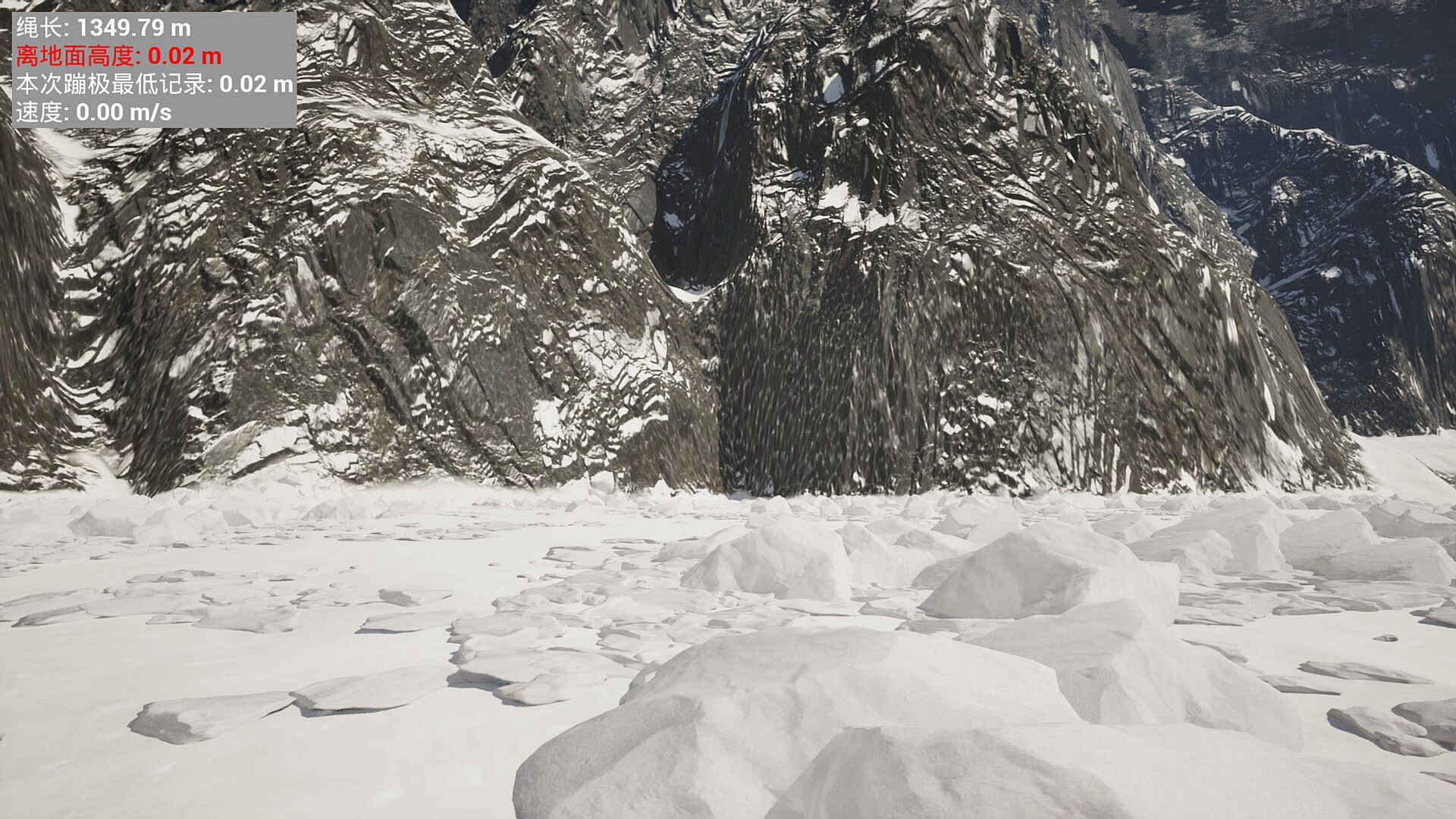





Bungee Simulator: Freefall is a physics-based simulation game centered on the experience of bungee jumping from great heights. Available on PC as a free to play title, it combines elements of action, casual play, indie development, adventure, and sports simulation to recreate the sensation of free fall and controlled descent.
Gameplay
The core loop revolves around realistic free-fall mechanics powered by a physical animation system. Players control a character that swings and moves according to accurate physics calculations during the drop. This setup emphasizes the natural arc and momentum of a bungee cord under tension, allowing the motion to feel grounded rather than scripted.
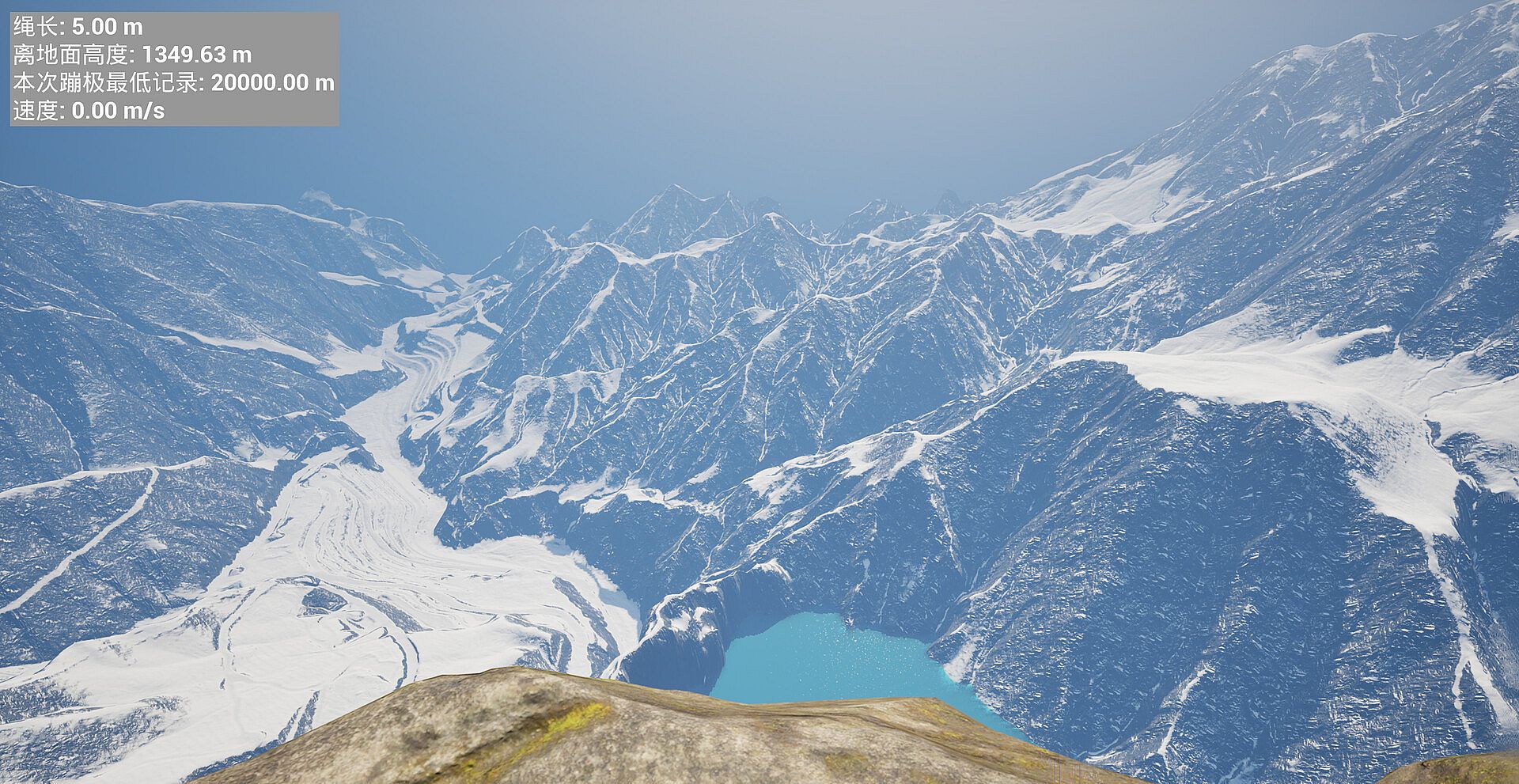
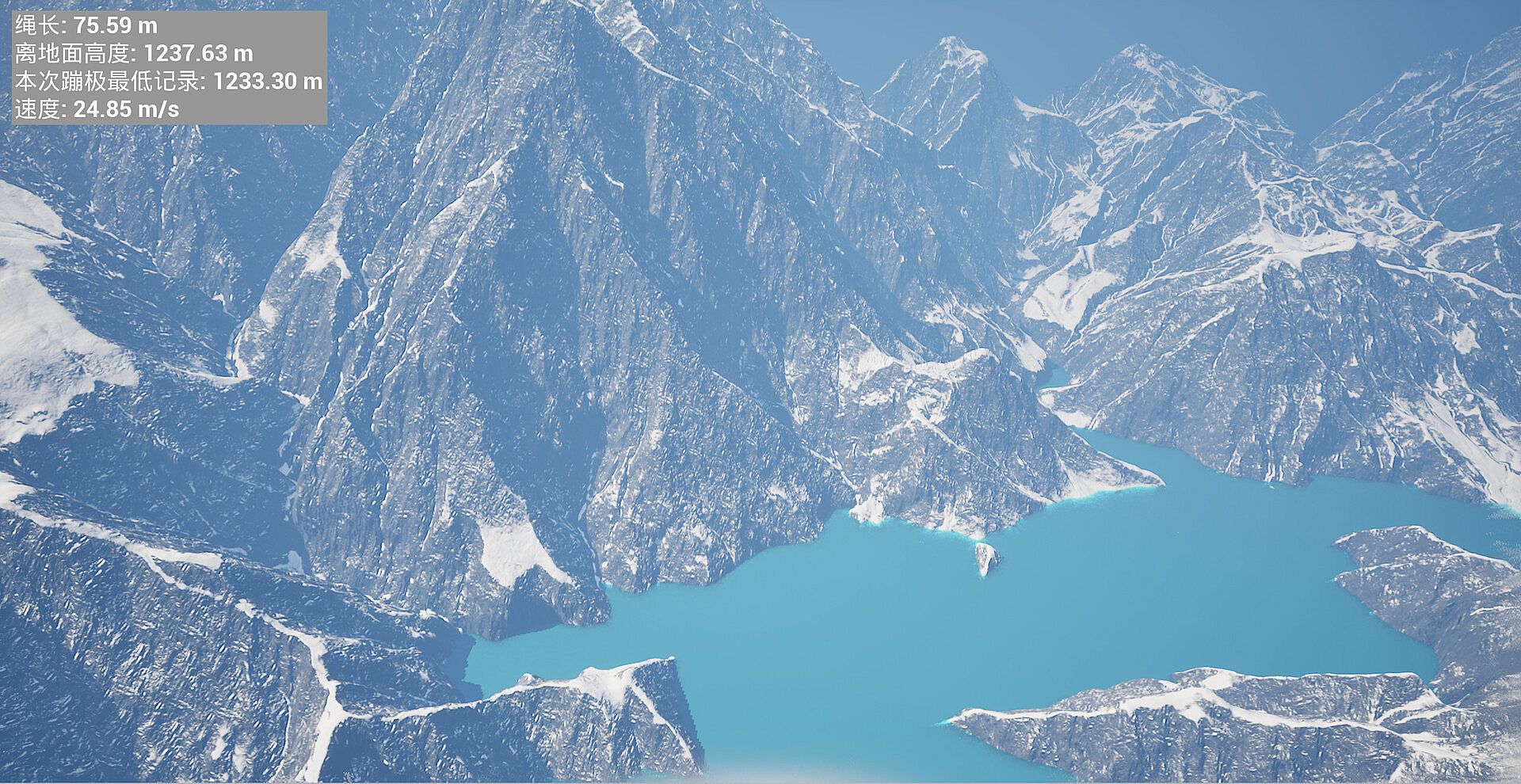
A hybrid 3C camera framework supports seamless switches between first-person and third-person perspectives. Transitions to fixed camera angles further enhance the sense of impact as the ground approaches. Real-time distance tracking between the character and the surface below forms the central challenge, requiring precise timing to manage the fall without unnecessary risk.
These systems work together to simulate the visual and physical effects of plummeting from height. The focus stays on the immediate feedback of acceleration, cord tension, and environmental proximity rather than additional layers of progression or external objectives.
Game Modes
The experience centers on repeated attempts at the falling height challenge. Each run tests limits through ongoing calculations of descent distance and swing dynamics. No separate named modes appear in the available details, keeping the structure straightforward around the single core activity of managing a bungee jump from start to finish.
Players engage with the simulation in a direct manner, adjusting view angles and responding to the physics in real time. This approach suits short sessions focused on mastering the swing and timing elements without layered competitive or cooperative structures.
Physics and Camera Systems
The physical animation component drives character movement during free fall and the subsequent swing phase. Momentum builds naturally from the initial drop, and the cord interaction produces realistic rebound behavior based on distance and velocity inputs.
View switching adds variety to how the fall registers visually. First-person placement puts emphasis on the rushing environment, while third-person offers a broader look at body position and cord extension. Fixed angles during key moments highlight the scale of the drop and the approach to the ground.
Real-time ground distance measurement serves as the primary feedback loop. It pushes players to refine their approach with each attempt, turning the simulation into a test of spatial awareness and reaction under changing conditions.
Is It Worth Playing?
This title appeals to players interested in simulation experiences that prioritize accurate physics over broad content or multiplayer features. The free to play model on PC removes any upfront cost barrier for those curious about bungee jumping mechanics in a controlled digital setting.
Strengths lie in the focused implementation of swinging motion and camera flexibility, which deliver a consistent sense of height and movement. Those who enjoy testing personal limits through repeated physics challenges will find the real-time calculations engaging.
Reception details remain limited at this stage, with the game positioned as an indie simulation project. It suits casual sessions or dedicated practice runs for anyone drawn to extreme sports recreations without additional narrative or competitive overlays. If realistic free-fall handling matches the preferred style, the experience offers a direct and repeatable loop worth exploring.
