




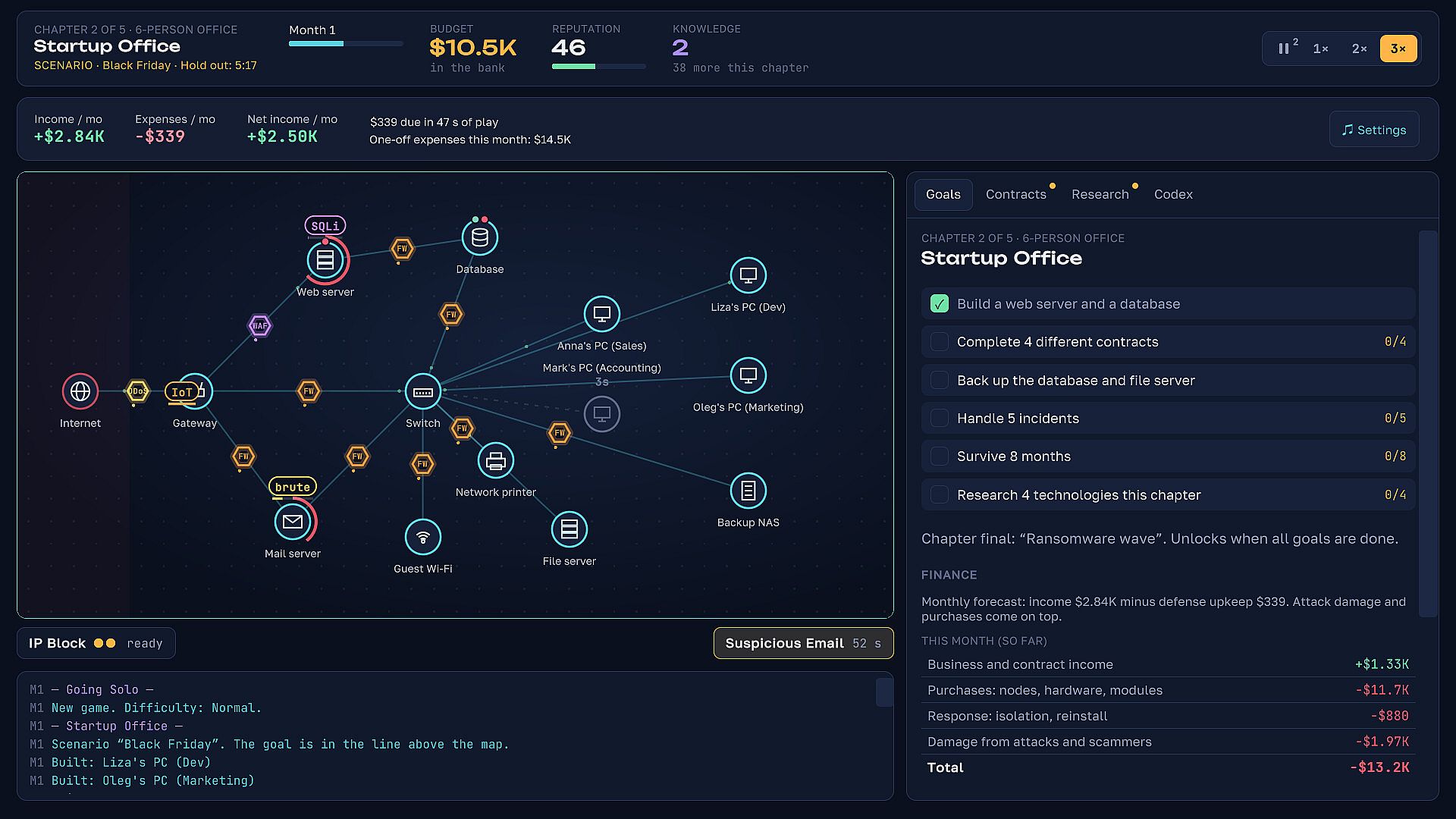

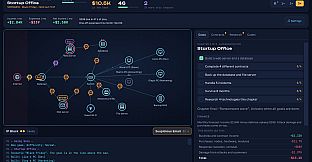
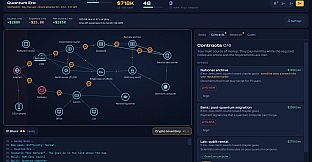
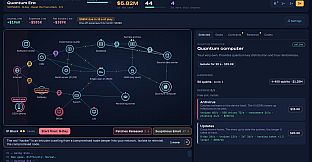



Breachwall: Network Defense is a single-player strategy and simulation game that puts players in the role of an IT specialist building and protecting networks against realistic cyberattacks. The experience begins with basic tools like a laptop and home router before expanding across multiple stages of corporate infrastructure, all while attacks move through network connections in real time. Players position defenses such as firewalls, antivirus software, two-factor authentication, backups, and SIEM systems, then respond when breaches occur.
Gameplay
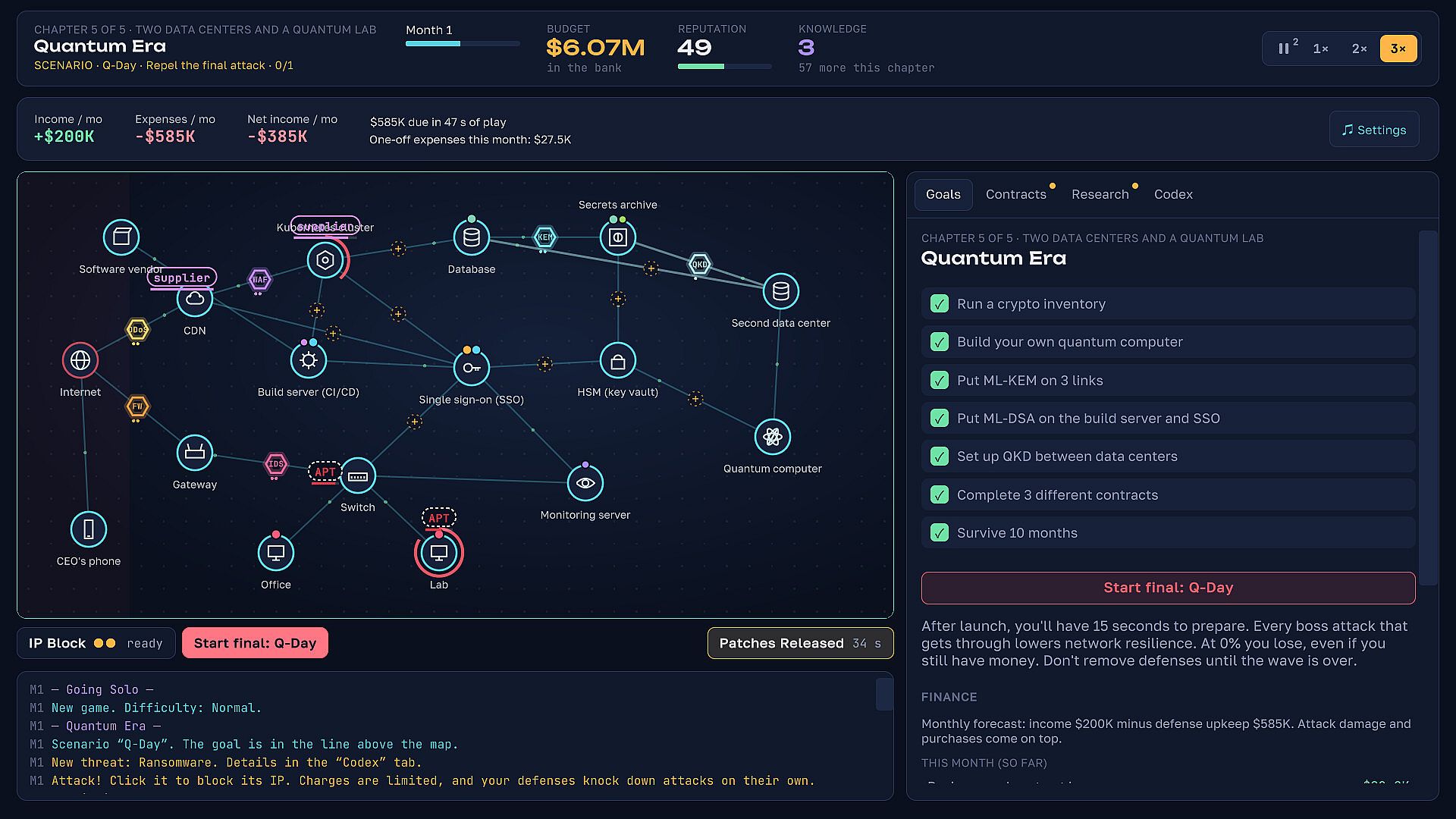
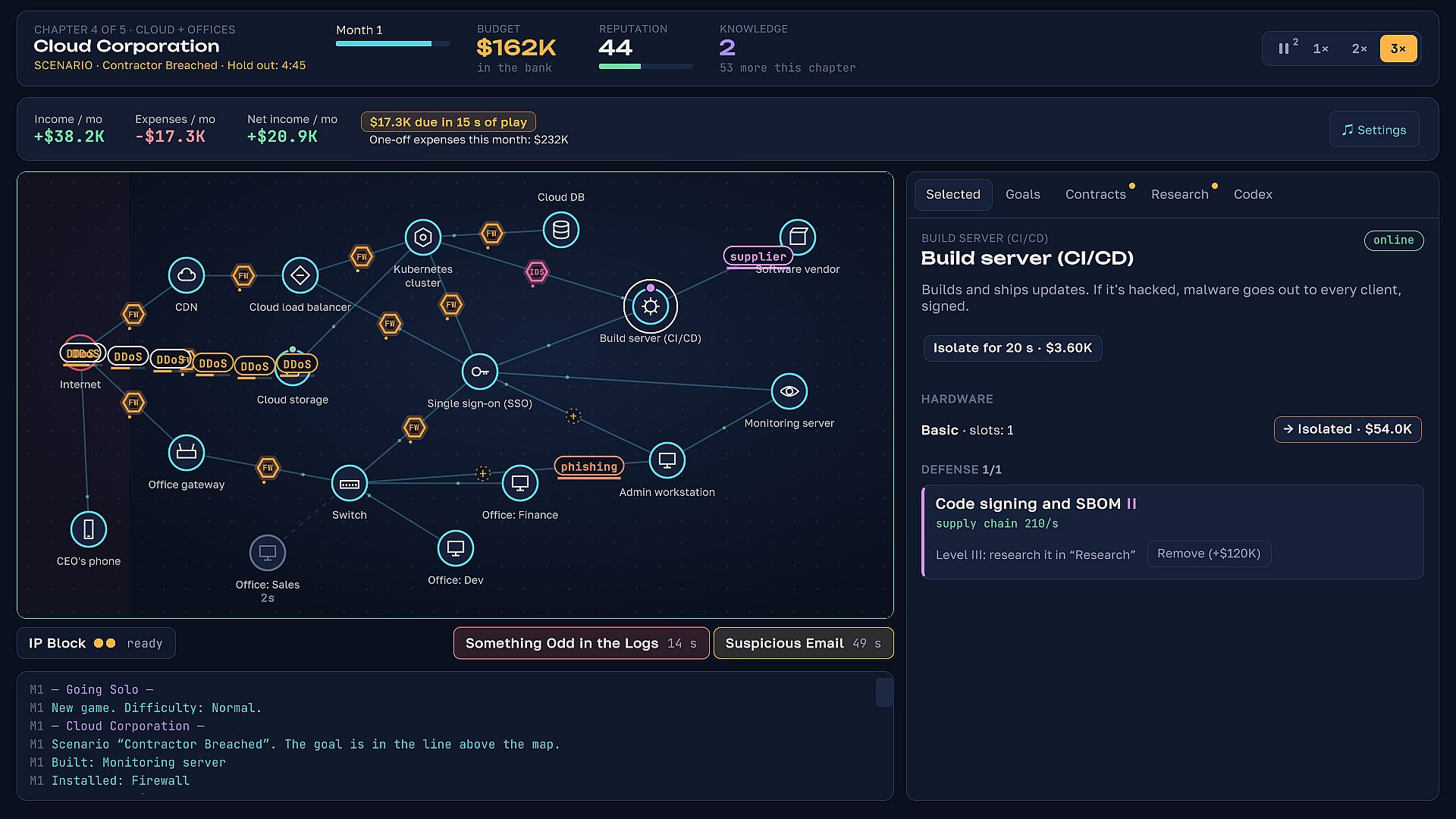
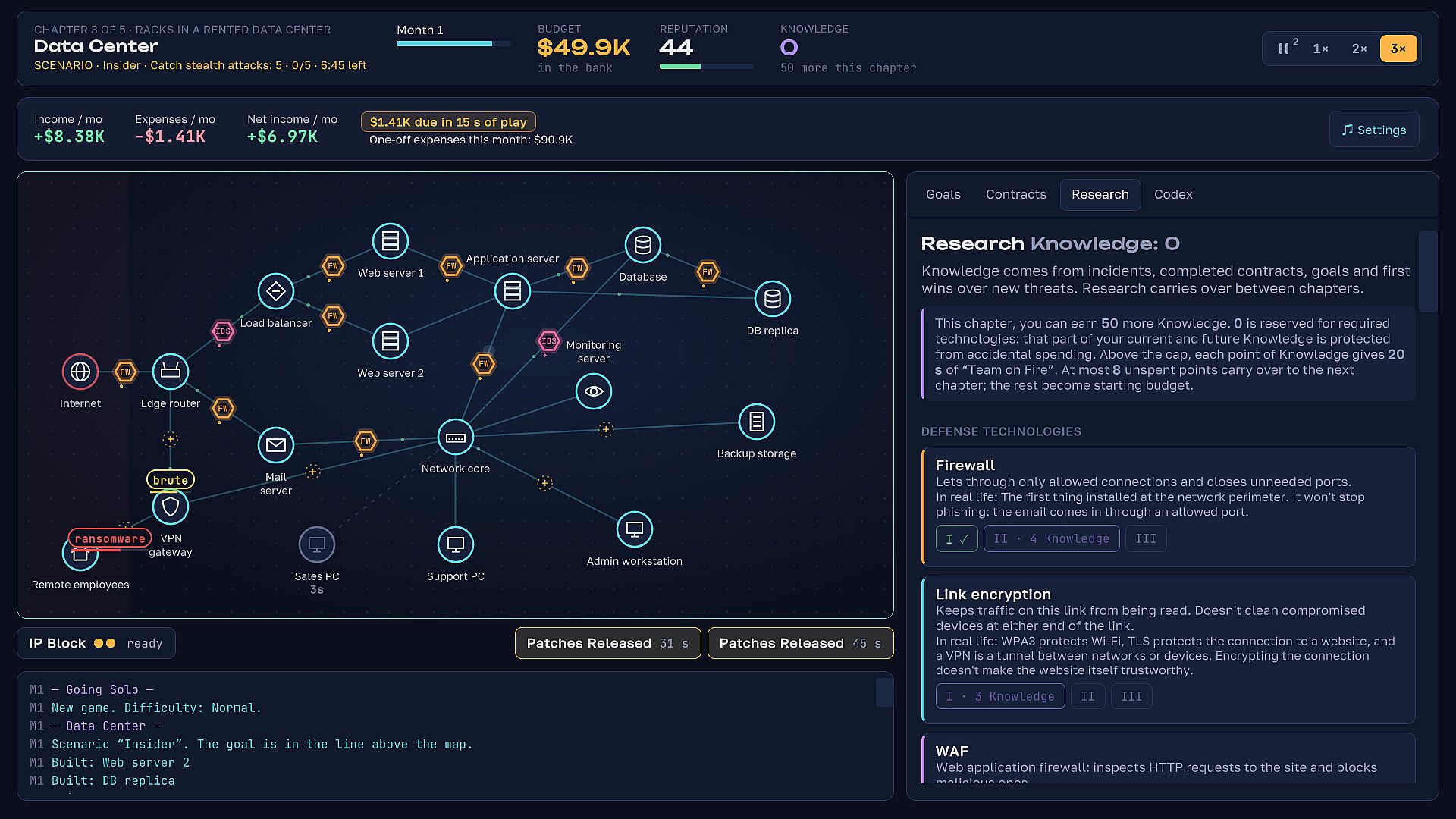
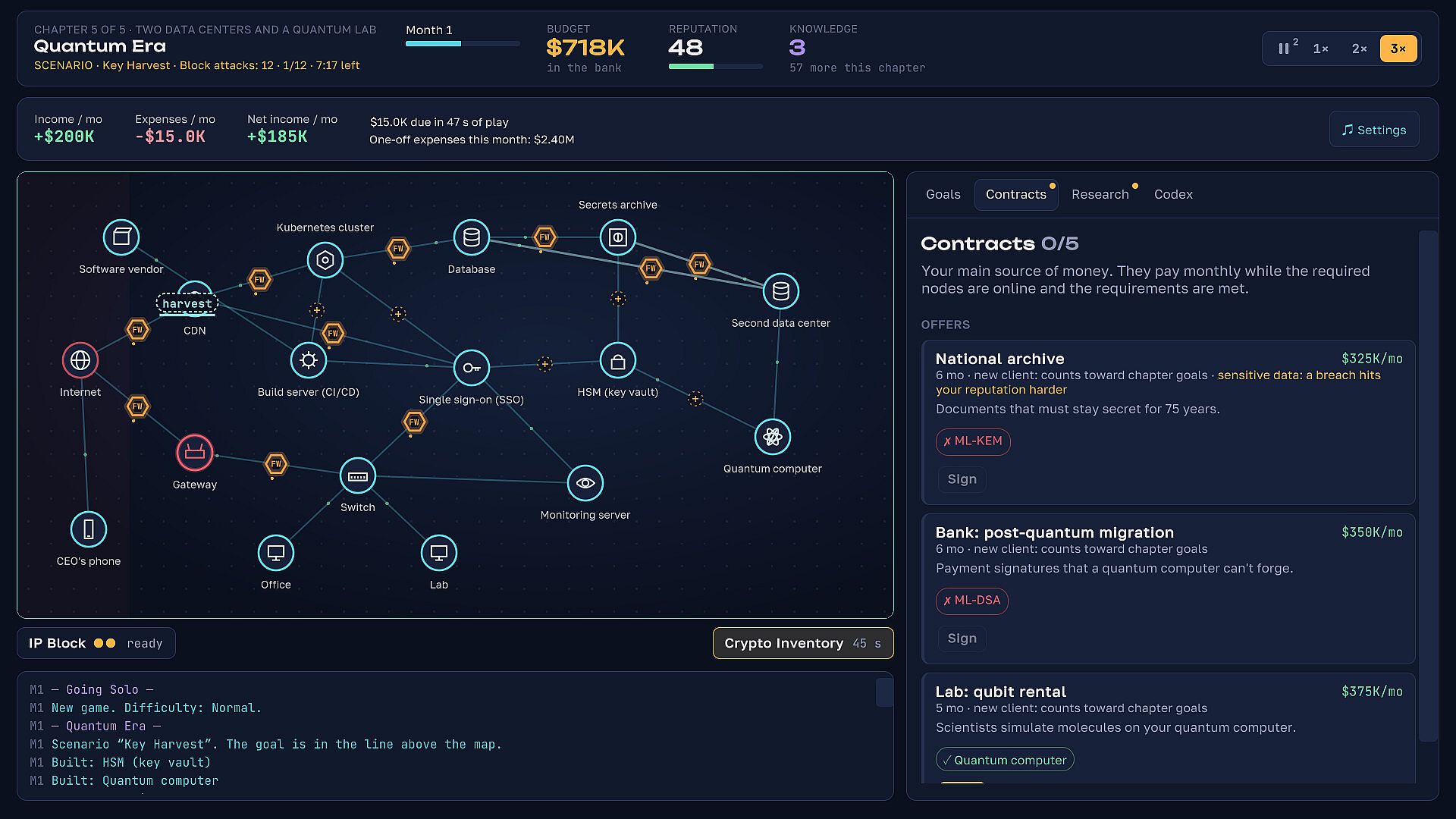
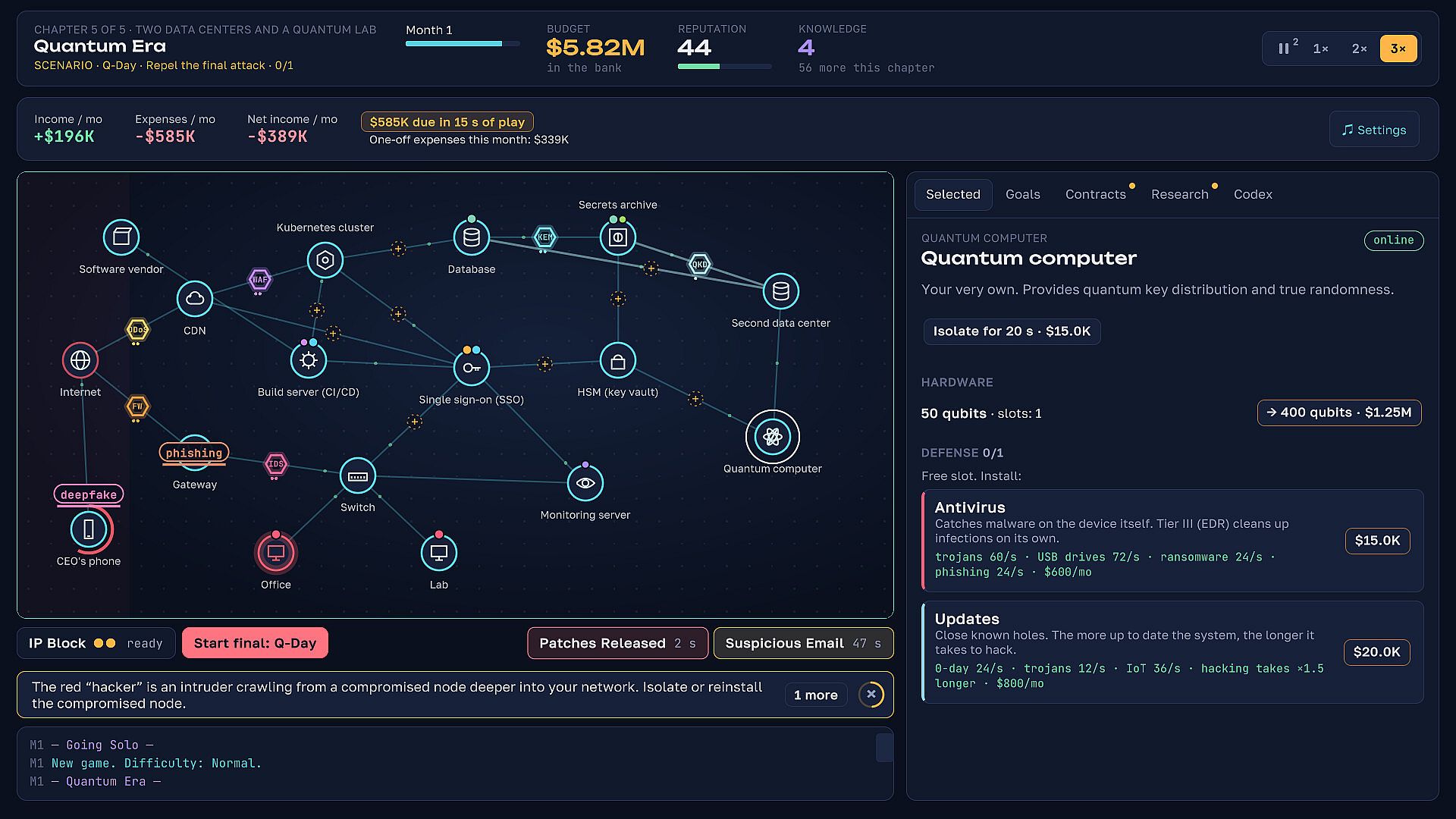
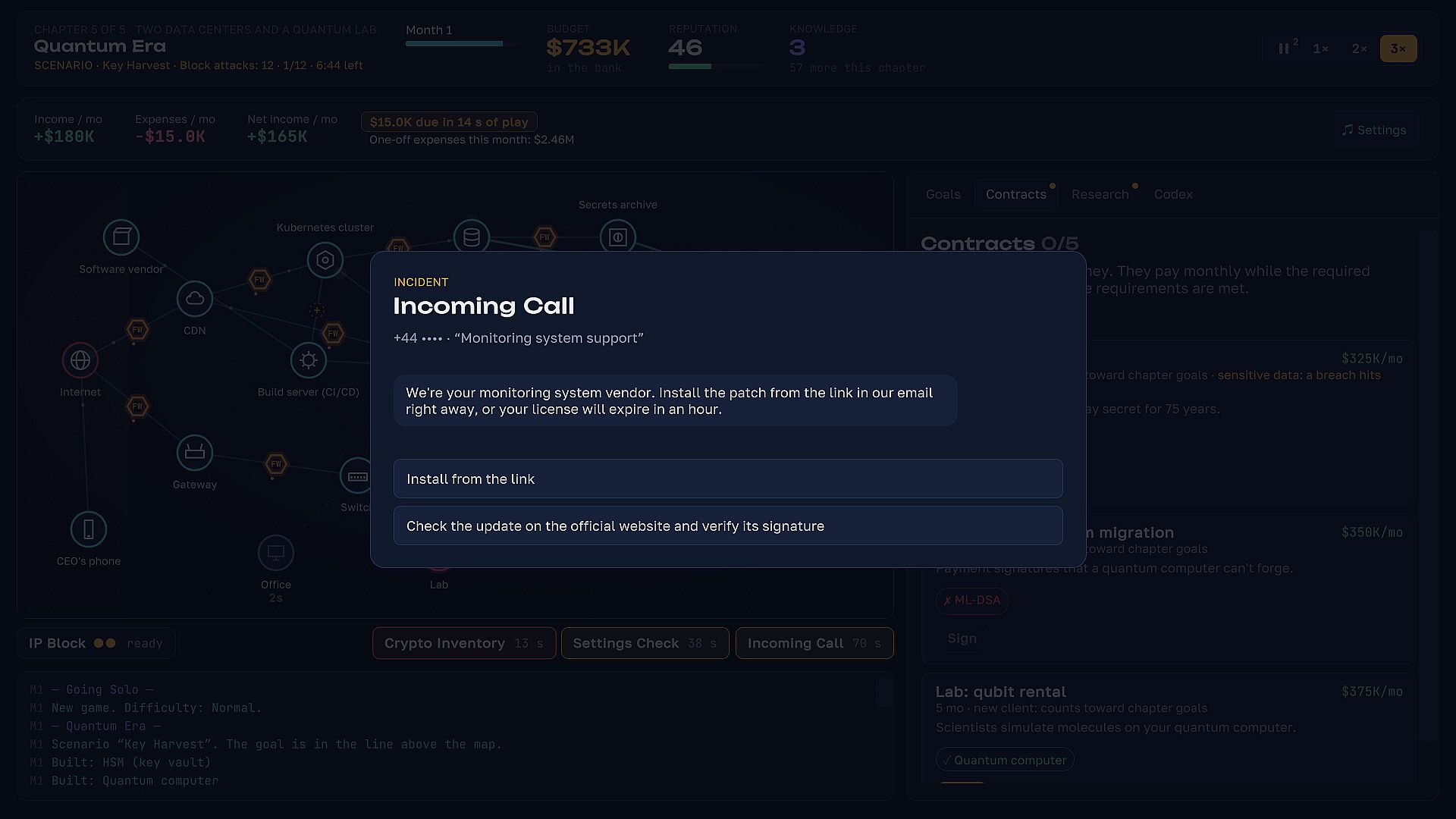
The core loop centers on network construction and incident response. Players expand their setup chapter by chapter, adding clients and infrastructure while selecting optimal placements for 18 distinct defense technologies. These range from standard firewalls to advanced options including post-quantum cryptography methods like ML-KEM and ML-DSA, along with quantum key distribution. Attacks arrive along network links, requiring immediate decisions on resource allocation and response tactics.
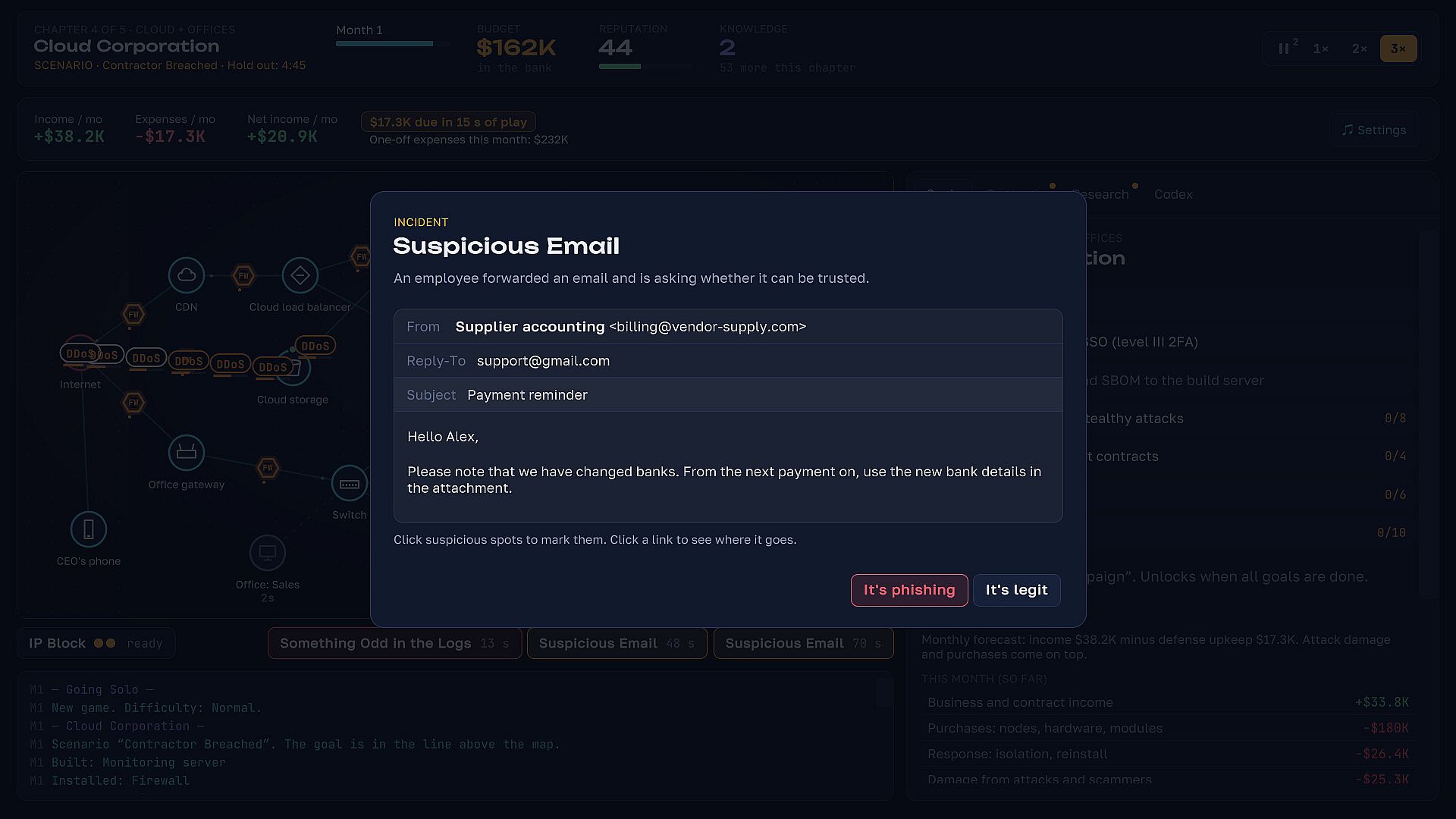
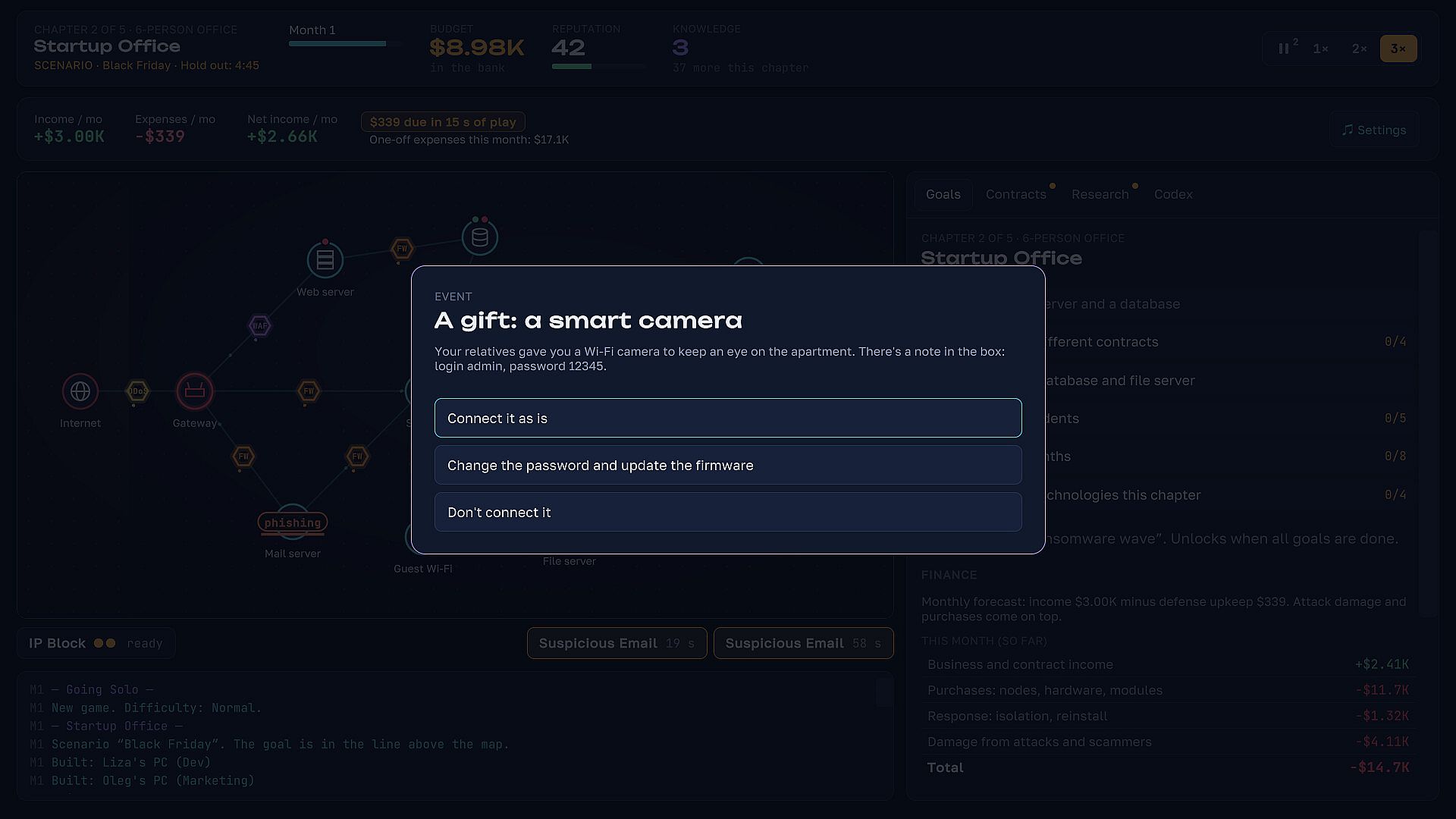
Hands-on elements include examining phishing emails for suspicious details, scanning logs for anomalies, prioritizing software patches, auditing password policies, verifying device settings, and assessing whether incoming calls or messages represent genuine threats from executives. Seventeen major decisions influence ongoing finances, professional standing, and overall security posture. Contracts provide additional income streams that fund research into new technologies, while a codex offers plain-language explanations of every attack type and countermeasure based on actual cybersecurity practices.
Game Modes
The main campaign unfolds across five or more chapters, each introducing a fresh network environment, client base, and set of threats. Progression moves from a modest home office through startup operations, a full data center, a cloud-based corporation, and into the quantum computing era, with the conclusion leaving room for further developments. Every chapter presents unique challenges that build on prior knowledge.
After completing the campaign, players access ten challenge scenarios designed as focused missions with star-based performance ratings. These cover situations such as widespread ransomware incidents and scenarios tied to quantum threats. A weekly challenge operates as an endless mode using a shared seed each week, complete with leaderboards for competitive tracking. New Game+ introduces six combinable modifiers that alter replay conditions, such as increased environmental hazards or limited lives. Completing the primary story also unlocks access to an alternate perspective on the central conflict.
Progression and Customization
Players manage budgets through client contracts and research trees that unlock successive layers of technology. Three difficulty settings accommodate different experience levels, supported by a built-in tutorial and the option for tactical pauses during intense moments. Controls work with mouse and keyboard or a gamepad, and progress saves automatically via cloud features. The game includes 31 achievements that recognize mastery of specific mechanics and scenarios.
Every element draws from documented real-world attack patterns and defensive practices, ensuring decisions feel grounded rather than abstract. The threat codex serves as an ongoing reference that explains mechanics without requiring external knowledge.
Is It Worth Playing?
Breachwall: Network Defense targets players who enjoy deliberate strategy and simulation titles focused on systems management and problem-solving. Its emphasis on realistic cybersecurity concepts, combined with hands-on incident handling and branching consequences from decisions, creates a focused single-player experience. The campaign structure provides a clear narrative arc, while post-campaign modes support repeated engagement through varied challenges and modifiers. With no multiplayer components, the game suits those seeking solo depth over competitive play. As an upcoming title with no player reviews available at this stage, its value depends on interest in the verified mechanics of network defense and incident response rather than established community feedback. Those drawn to methodical planning and educational elements in strategy simulations will find the most alignment with its design.