







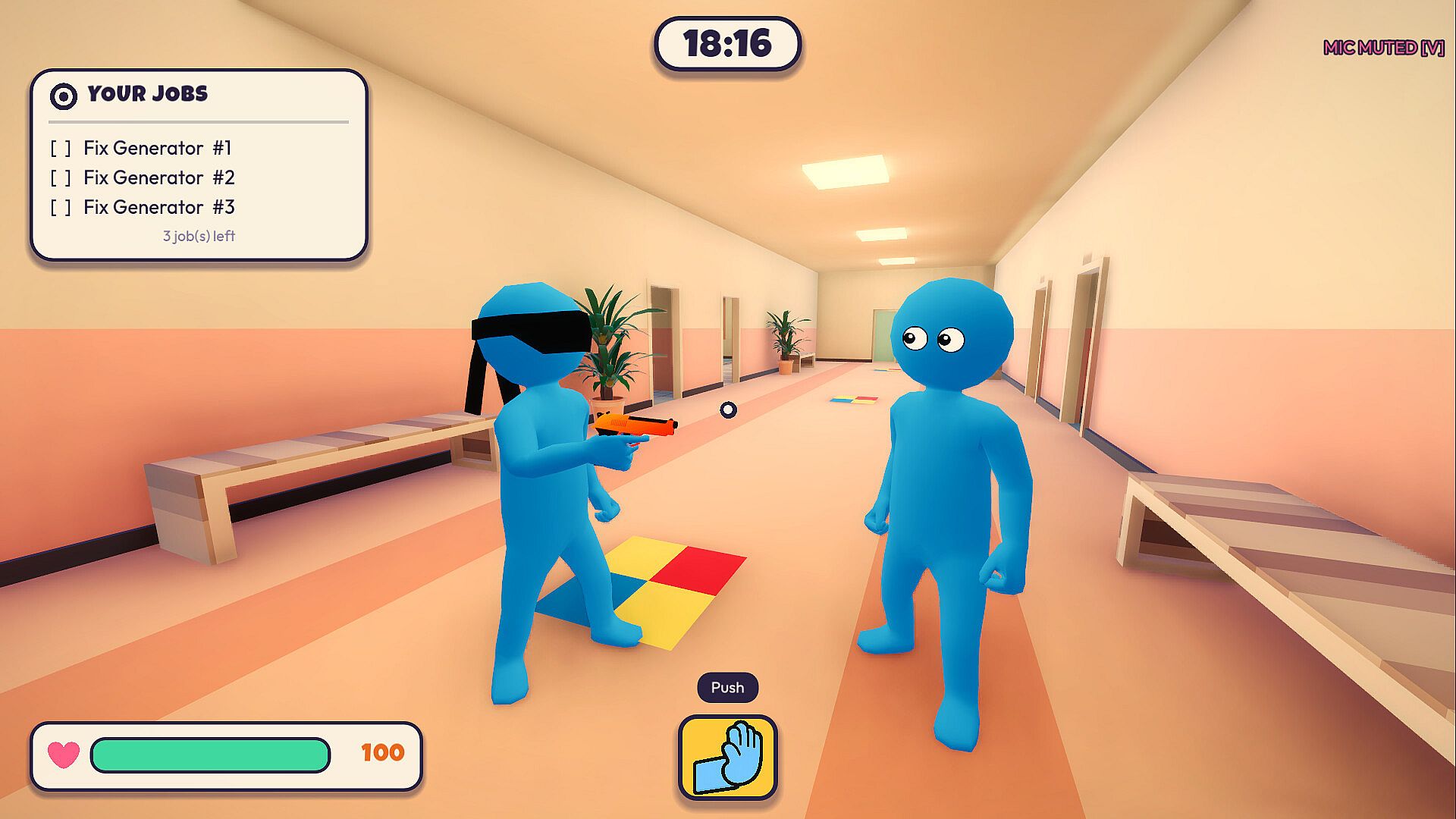
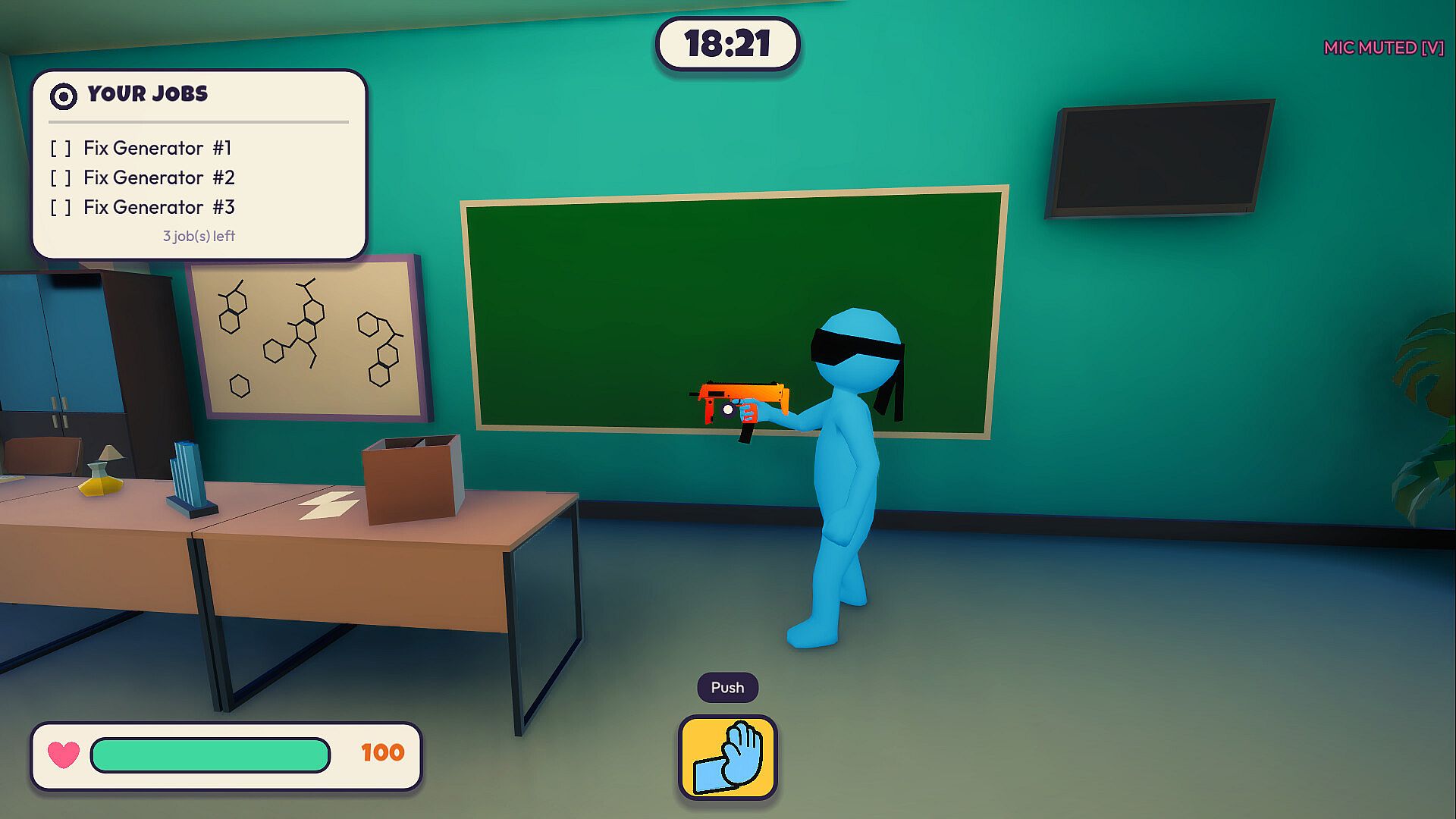
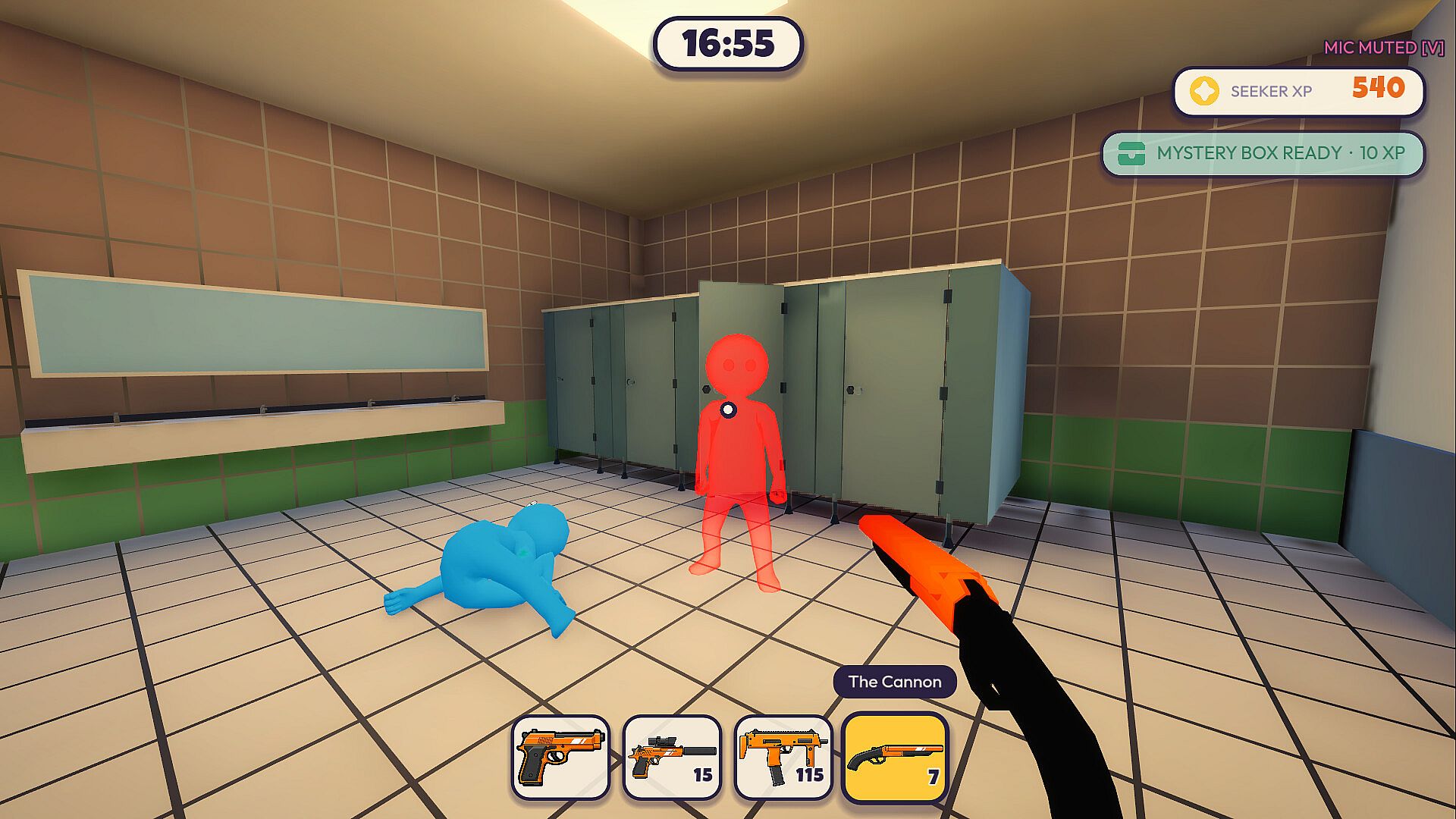
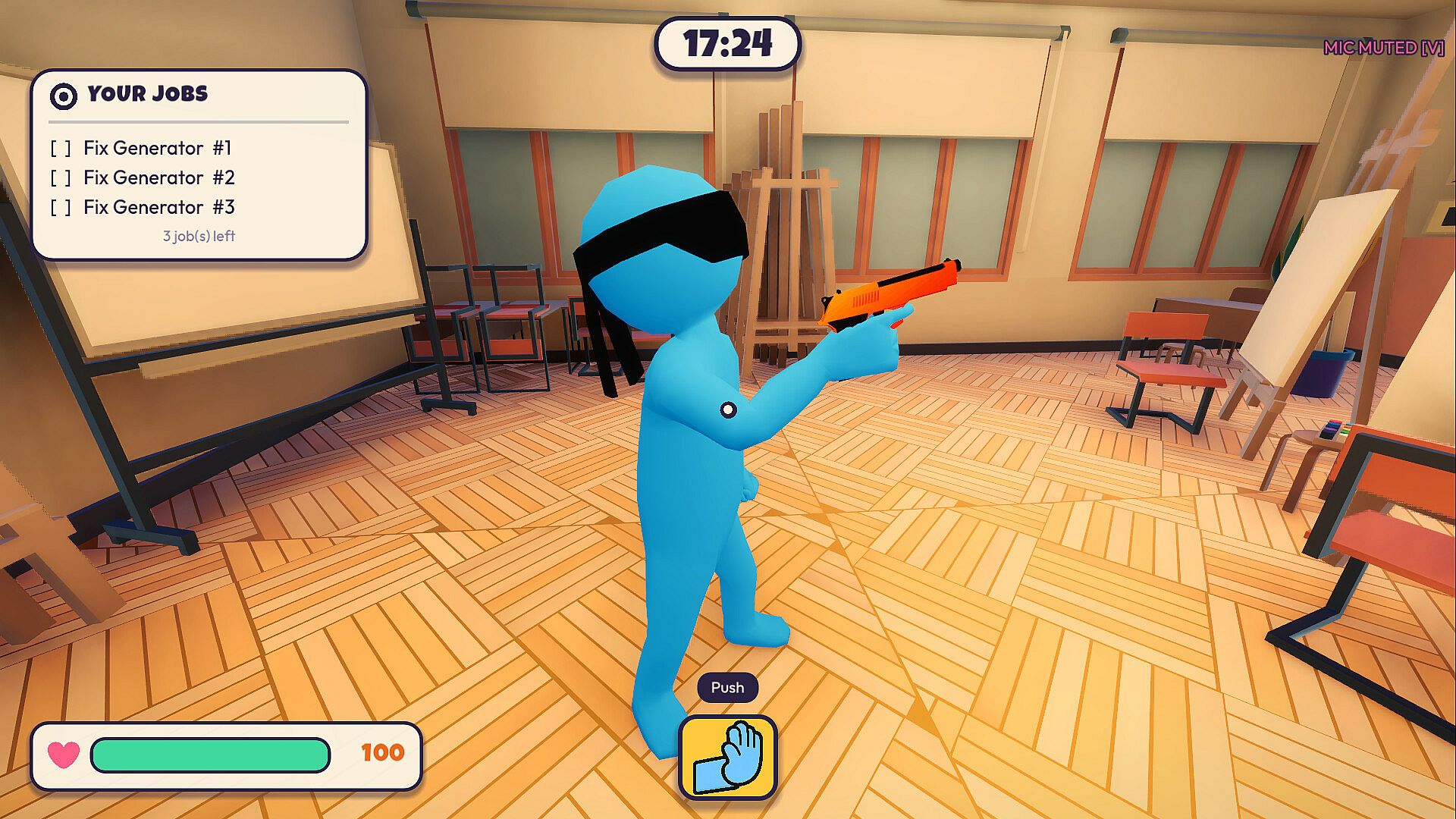
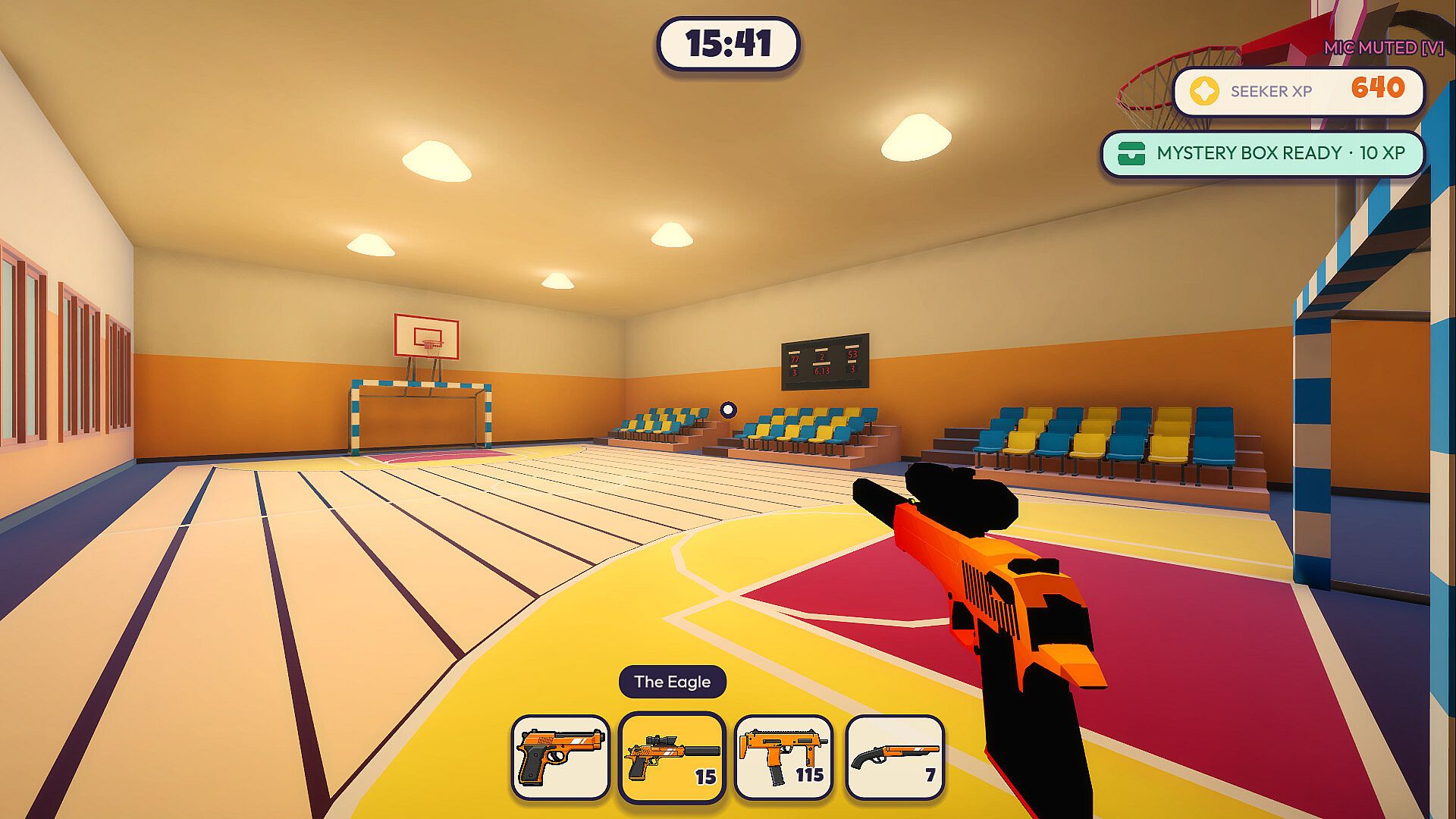
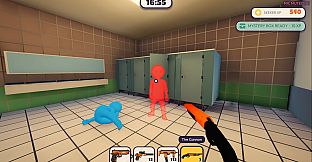

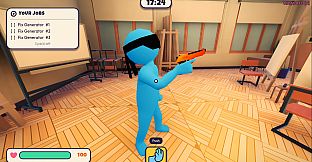
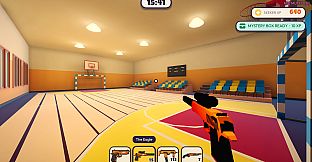
Blind Seek is a casual multiplayer hide-and-seek party game for PC in which one seeker hunts a group of invisible hiders across a shared map. Players switch between roles each round, with hiders working to complete tasks, gather items, and open an exit gate while avoiding detection. The seeker relies on audio cues and environmental clues to locate the others before time runs out.
Gameplay
Hiders remain completely invisible to the seeker but must still navigate the environment with care. Every footstep, interaction with objects, and movement creates detectable noise or visual disturbances that can give away a position. The core loop requires hiders to spread out, finish a set number of tasks to unlock the exit, and coordinate an escape without drawing attention.
Items and power-ups appear throughout the map during each round. Hiders can pick these up to create distractions, slow the seeker, or create openings for teammates. Examples include throwable objects that temporarily freeze or hinder the seeker, allowing the group extra time to reposition or finish objectives.
Voice chat adds another layer of risk and strategy. When enabled, spoken words transmit through microphones and can be heard by the seeker, turning casual conversation into a potential giveaway. Players must decide whether to whisper plans, stay silent, or risk shouting warnings that reveal locations.
Game Modes
The game centers on asymmetric rounds that pit one seeker against multiple hiders. No additional named modes appear in the available information, so every match follows the same core structure of task completion for hiders and audio-visual tracking for the seeker.
Rounds emphasize quick decision-making and adaptability. Hiders balance task progress with evasion, while the seeker listens for patterns in movement and sound to narrow down possible locations. The format supports both planned teamwork and spontaneous chaos when voice chat leads to accidental reveals or conflicting instructions.
Key Mechanics and Features
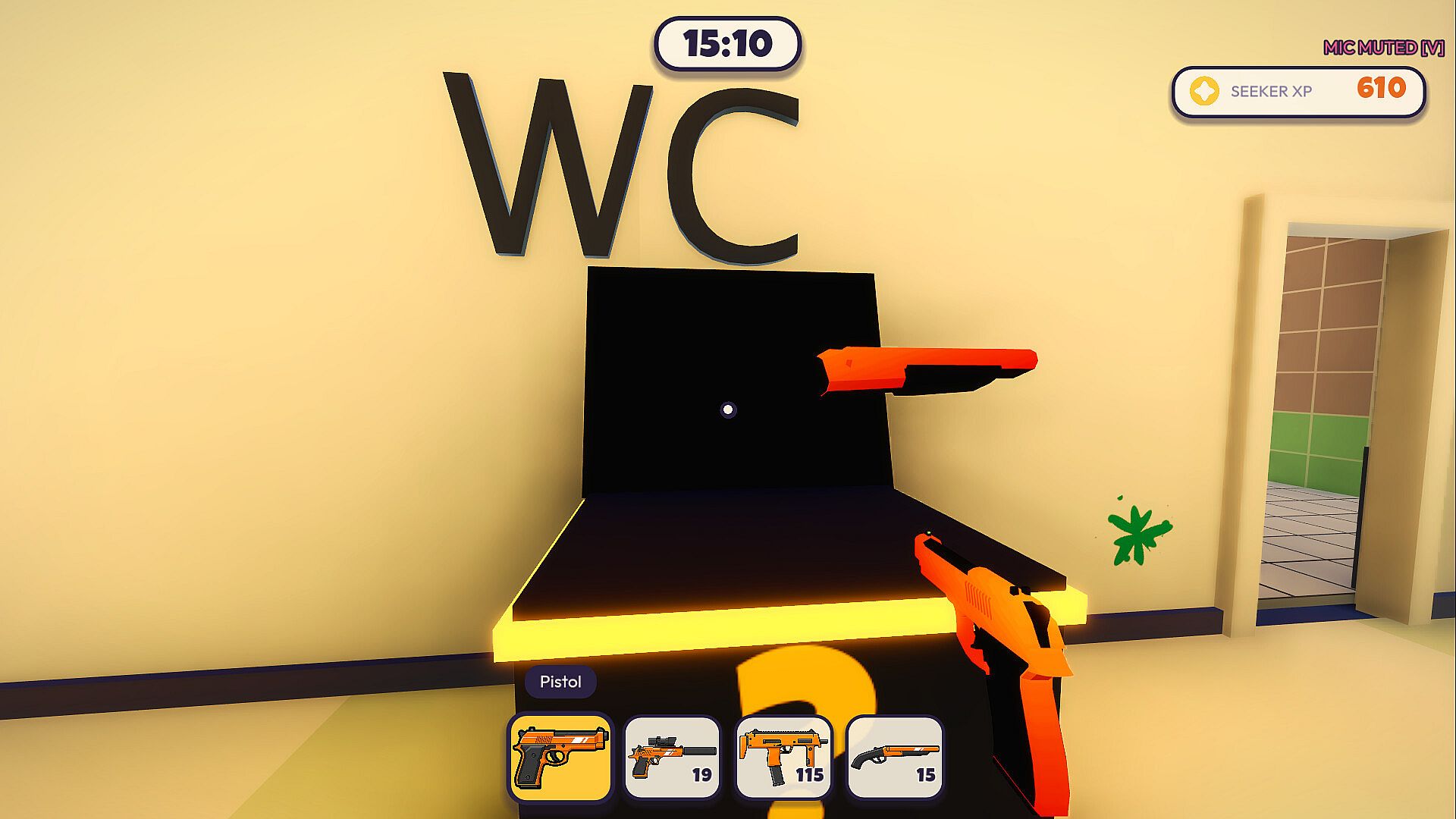
The seeker earns experience points during play that can be spent on a Mystery Box for temporary advantages. These rewards range from stronger detection tools to equipment that counters the hiders' mobility or distractions. Hiders counter with their own collected items, creating back-and-forth moments where a well-timed throw can turn a chase around.
Environmental interaction plays a constant role. Hiders leave traces through noise and object manipulation, while the seeker must interpret subtle clues without perfect information. This design rewards patience and prediction over direct confrontation.
Is It Worth Playing?
Blind Seek suits players who enjoy short, replayable party sessions with friends and a mix of stealth, sound-based tension, and light item chaos. The proximity voice chat mechanic creates memorable moments of panic and laughter when plans unravel over the microphone.
Those who prefer structured competitive play or solo experiences may find the reliance on group coordination and unpredictable voice chat less appealing. The game delivers consistent rounds of hide-and-seek with added layers of item use and task objectives, making it a solid choice for casual groups looking for quick matches filled with blame and unexpected escapes.