






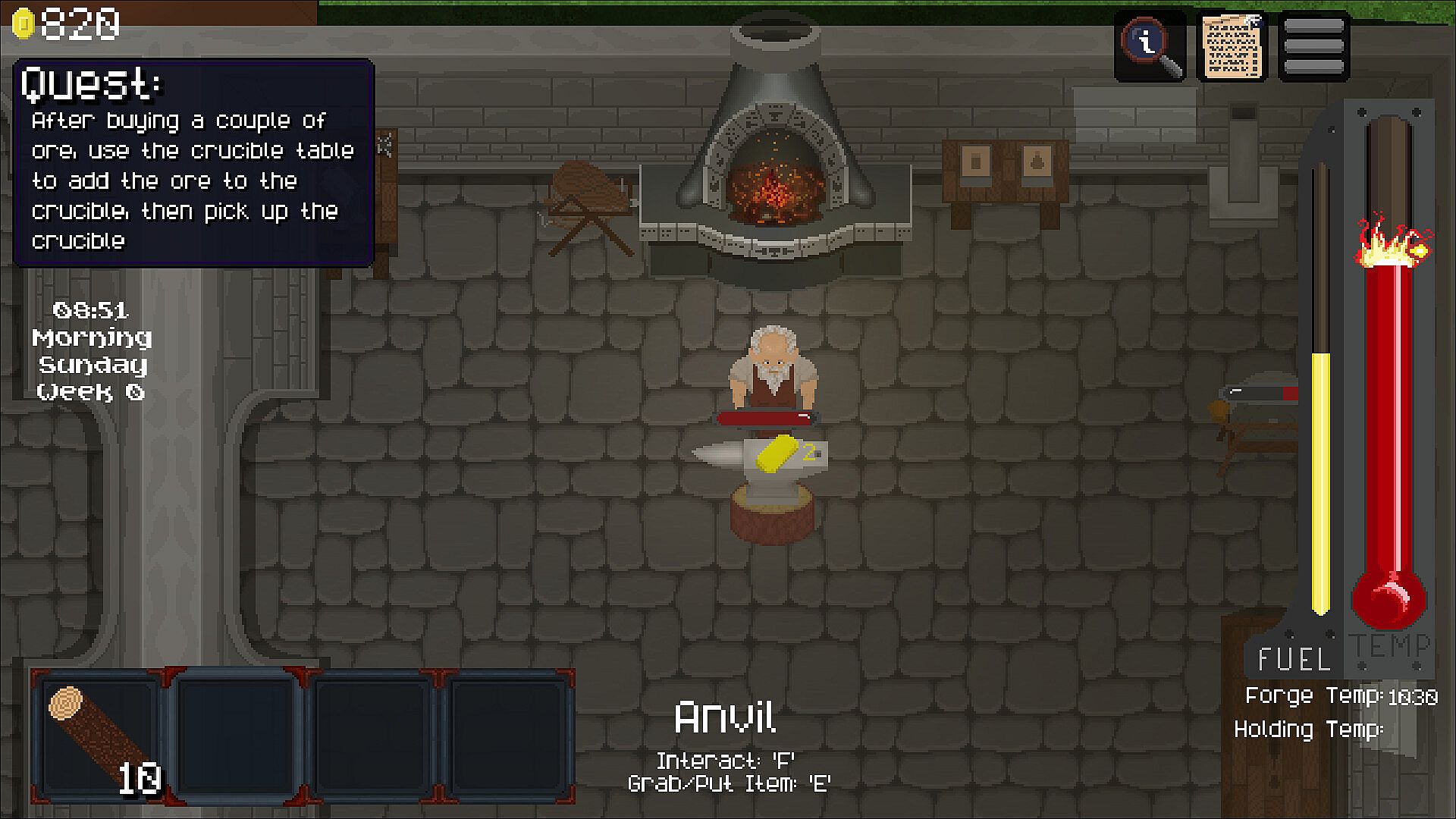
Blessings of the Forge is an indie casual simulation game centered on running a personal smithy and mastering the art of sword crafting on PC.
Gameplay
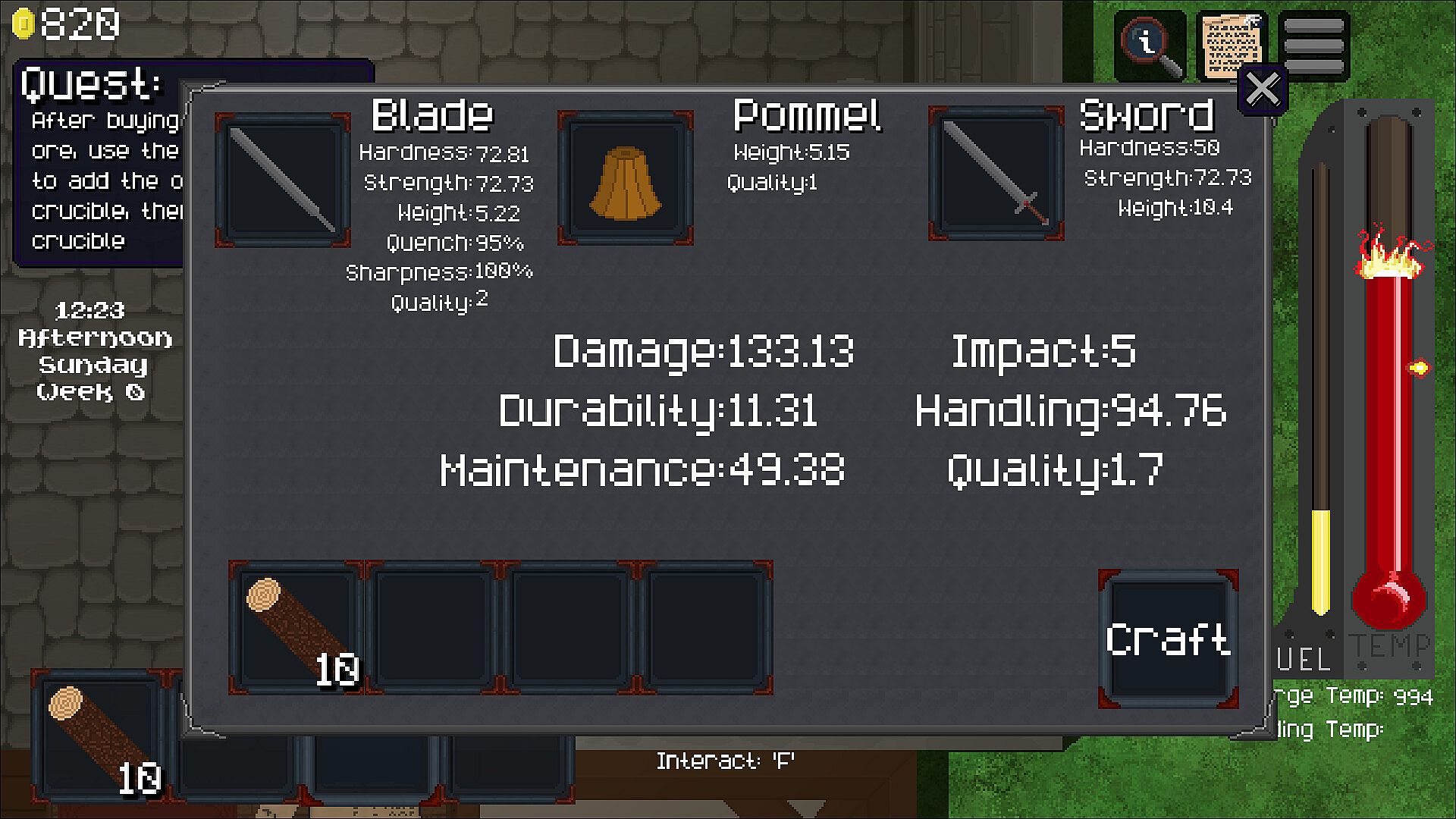
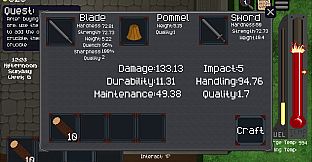
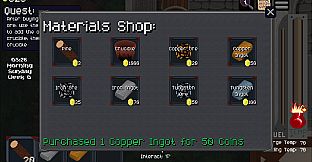
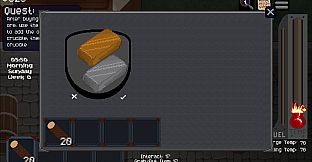
The core loop revolves around selecting metals and guiding them through a sequence of forging steps that directly shape the final product. Players experiment with folding, quenching, grinding, and finishing techniques, where every choice influences attributes such as damage output, handling feel, durability, and overall value. Different metals present unique challenges and opportunities, with some proving harder to work or favoring specific properties over others. As familiarity grows, the process encourages pushing boundaries by combining materials into alloys and refining them to unlock improved base qualities and new possibilities.
Shop operations add another layer once the smithy opens for business. Swords move into display cases, and customers arrive based on the player's growing standing. Each visitor reacts to the offered items according to their own preferences, creating a feedback loop where successful sales improve reputation and draw more varied buyers. Day and night cycles structure the workflow, with time spent at the forge balanced against periods of rest and customer service.
Game Modes
The experience unfolds as a single-player simulation focused entirely on the blacksmithing workflow and shop management. There are no separate competitive, cooperative, or story-driven modes confirmed at this stage. Instead, progression emerges naturally from repeated crafting sessions, material experimentation, and reputation building, with each cycle offering opportunities to refine techniques and expand the range of available metals and tools.
The Metals and Alloys
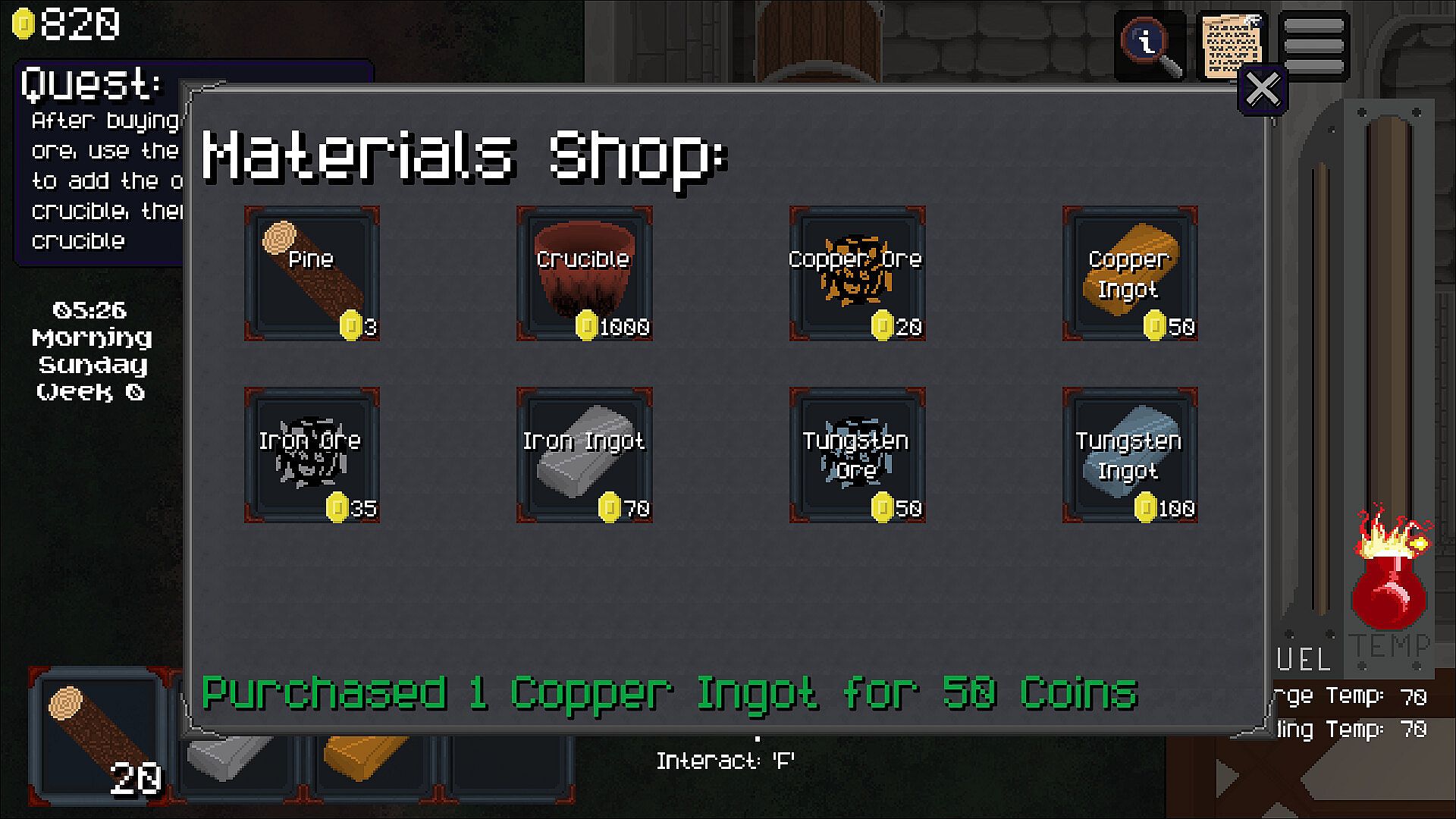
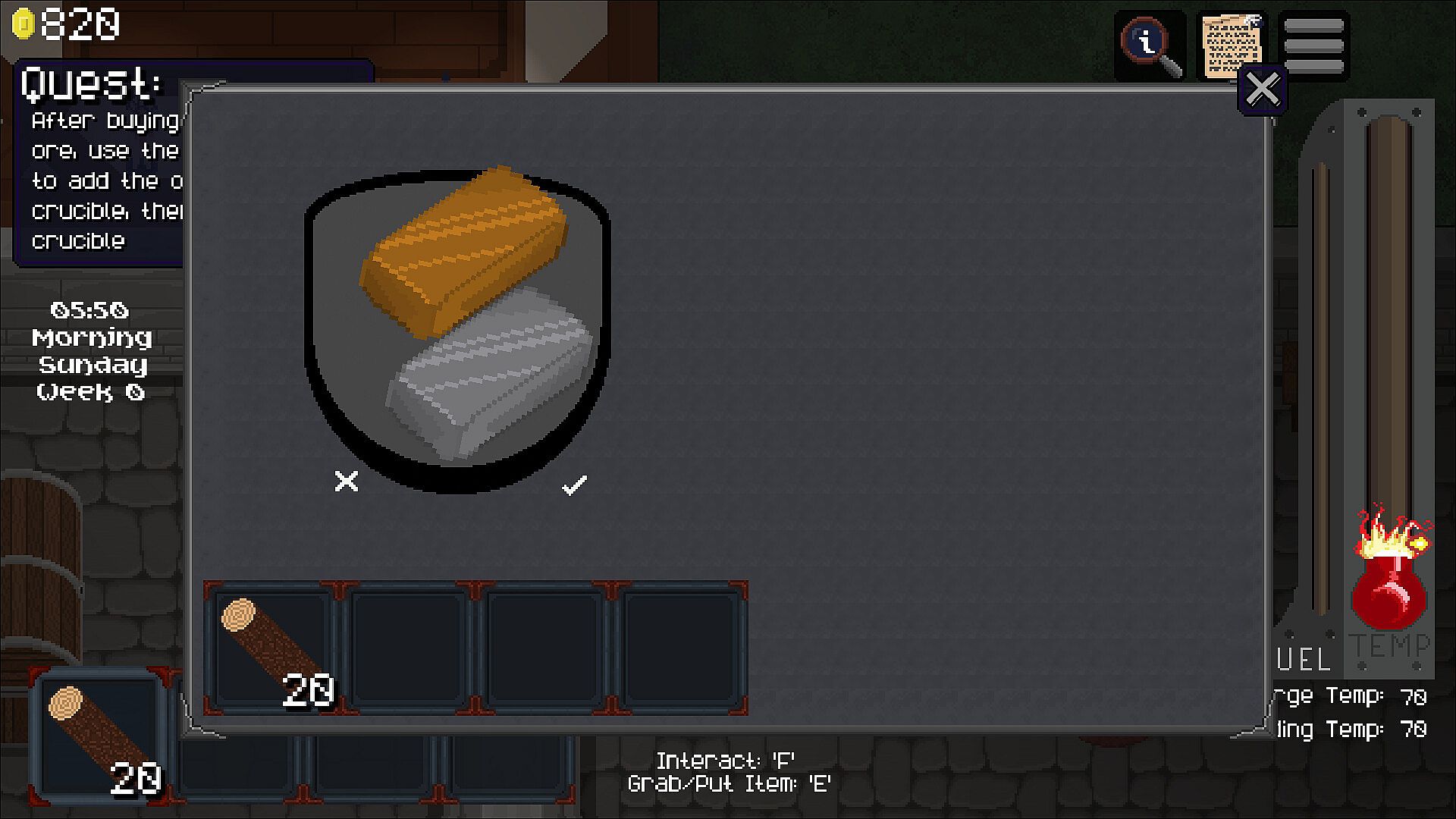
Individual metals behave distinctly during crafting, affecting how readily they accept folds, respond to heat treatment, or contribute to desired traits. Some deliver striking visual results while others prioritize functional improvements. Once basic properties are understood, players can blend any two metals to form custom alloys, then adjust ratios through further mixing. Refining these new materials raises their quality and expands their potential applications, turning trial-and-error into a central part of long-term play.
Building Reputation
Every completed sword sold contributes to standing with different customer archetypes. Higher reputation levels increase the number of visitors, the amounts they are willing to pay, and the selection of upgrades or resources that become accessible. Players decide which requests to prioritize, shaping the direction of their craft while managing limited materials and time. This system rewards consistent quality and attention to client tastes without forcing a single path forward.
Is It Worth Playing?
Blessings of the Forge suits players who enjoy deliberate, hands-on crafting simulations and the satisfaction of watching skills compound over time. The emphasis on material quirks, alloy experimentation, and reputation-driven shop growth creates a focused loop that rewards observation and incremental improvement. Because the project remains in active development with a demo available, interested players can test the current forging and customer systems directly. Those drawn to cozy, skill-based management experiences will find the core mechanics align closely with the described vision, while those seeking fast action or multiplayer elements may prefer to wait for further updates.