




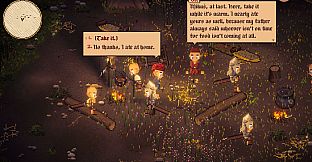
Black Autumn: 1438 is an action RPG adventure set on the PC in the autumn of 1438. The game places players in a historically grounded valley of villages, mining towns and soldiers' camps in Hungary following the death of King Sigismund, where Albert of Habsburg now wears the crown and travel along the Hron below Šášov castle carries real risk. The player begins as an ordinary individual whose presence does not alter the ongoing life of the region.
Gameplay
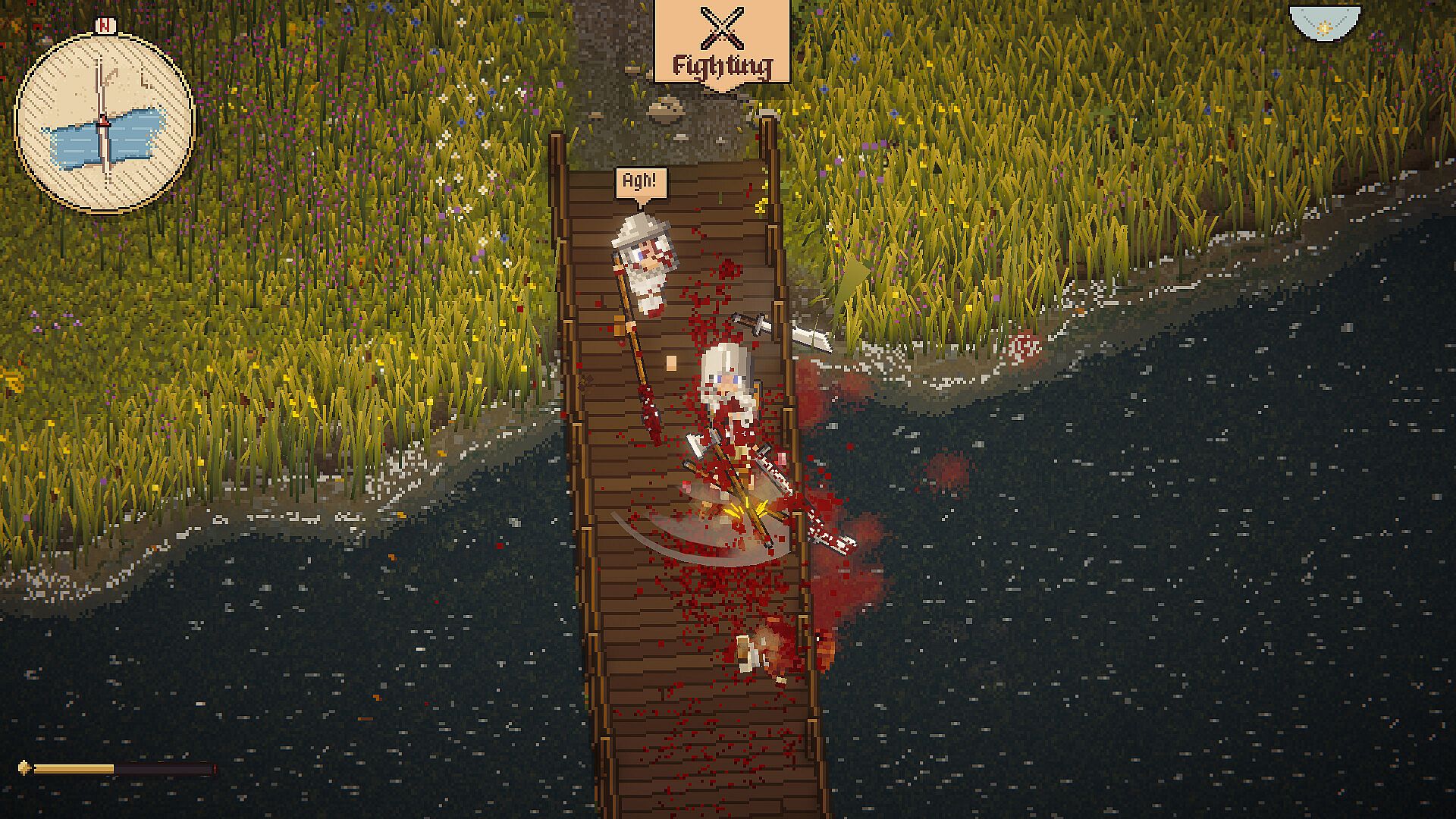
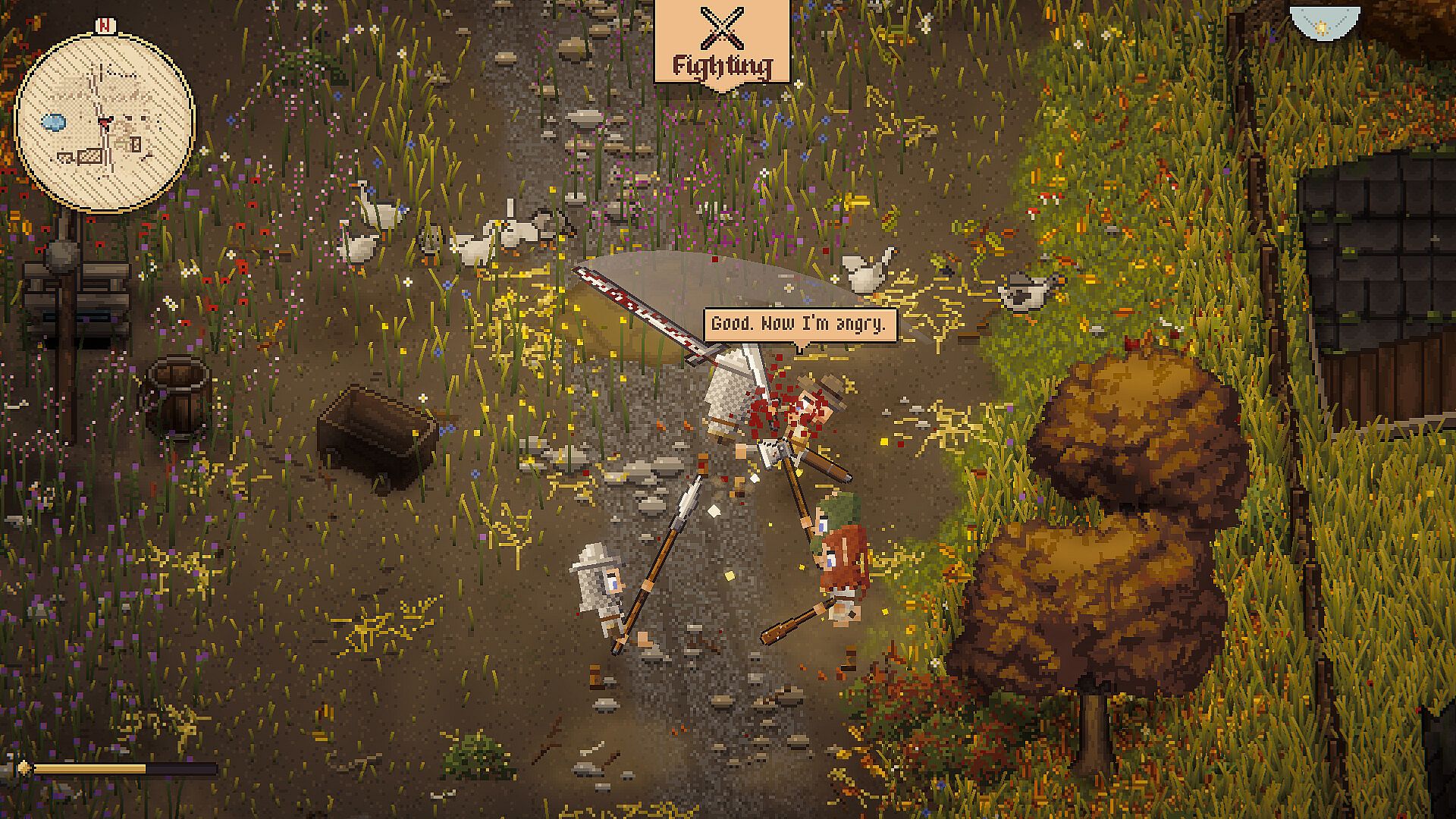
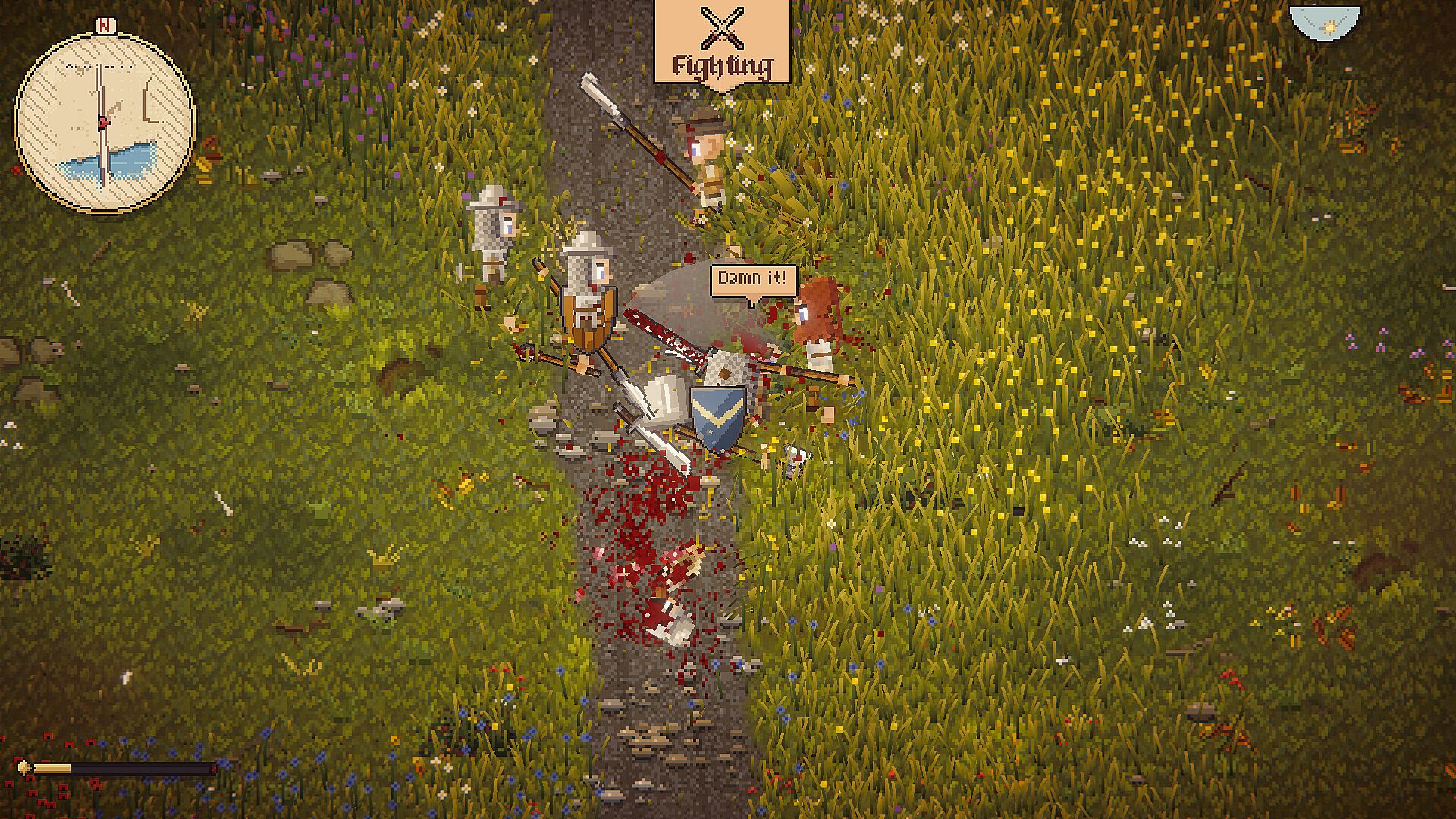
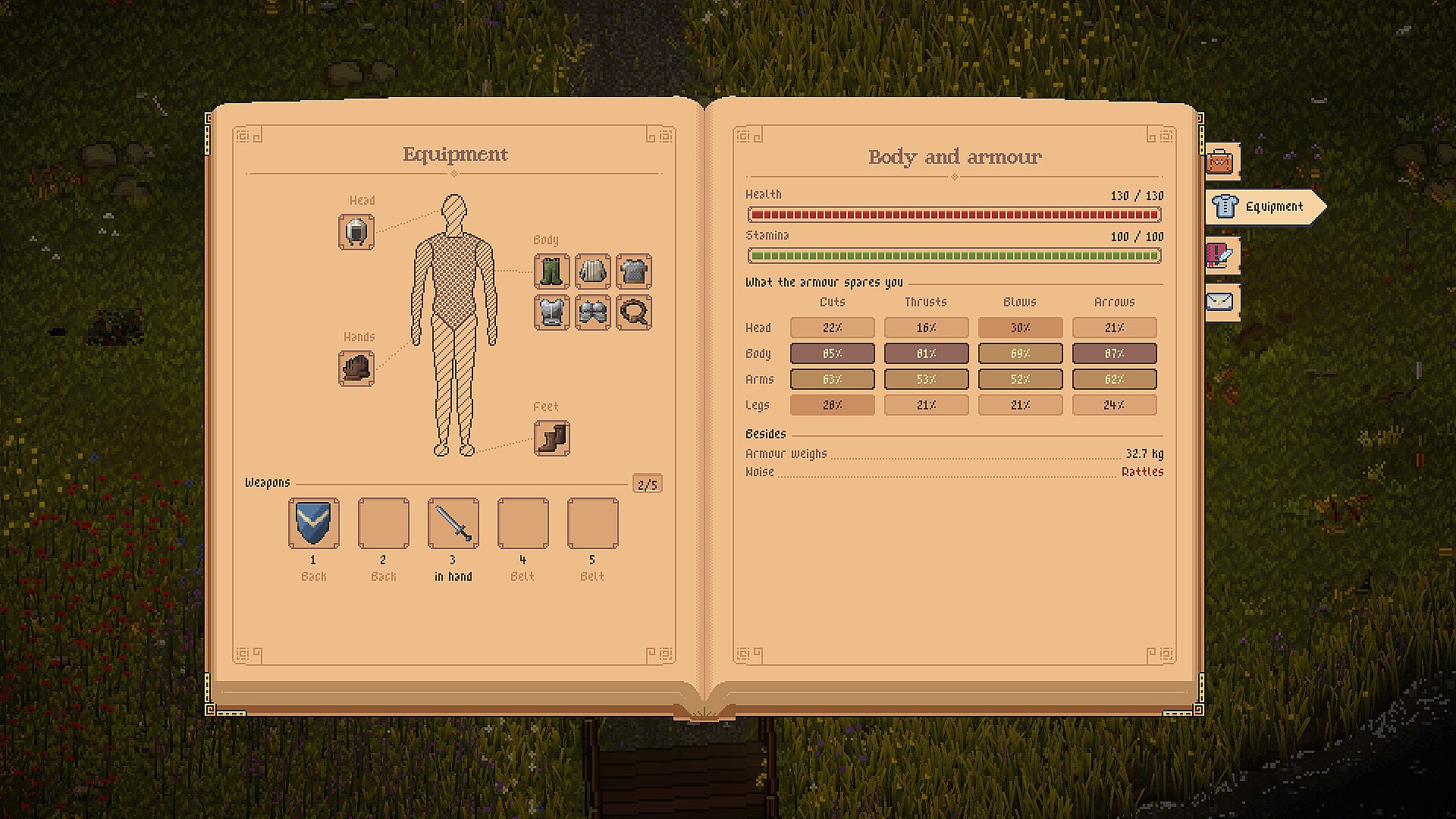
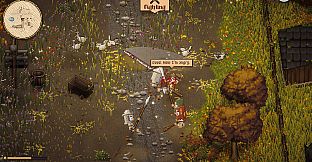
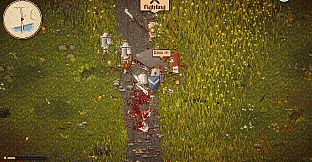
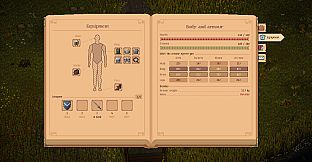
Combat resolves quickly and hinges on the properties of weapons and armor rather than abstract statistics. A sword may glance off plate while a war hammer penetrates it. Injuries such as the loss of a leg force the character to crawl, and fights end when one participant can no longer continue. More than forty weapons range from everyday tools like the pitchfork to military arms such as the halberd. Armor is layered in historical sequence: padding first, then mail, then plate, with the helmet fitted last. Over one hundred individual clothing and armor pieces exist, and a solid strike can dislodge a helmet. Removing the gambeson takes the rest of the equipped layers with it.
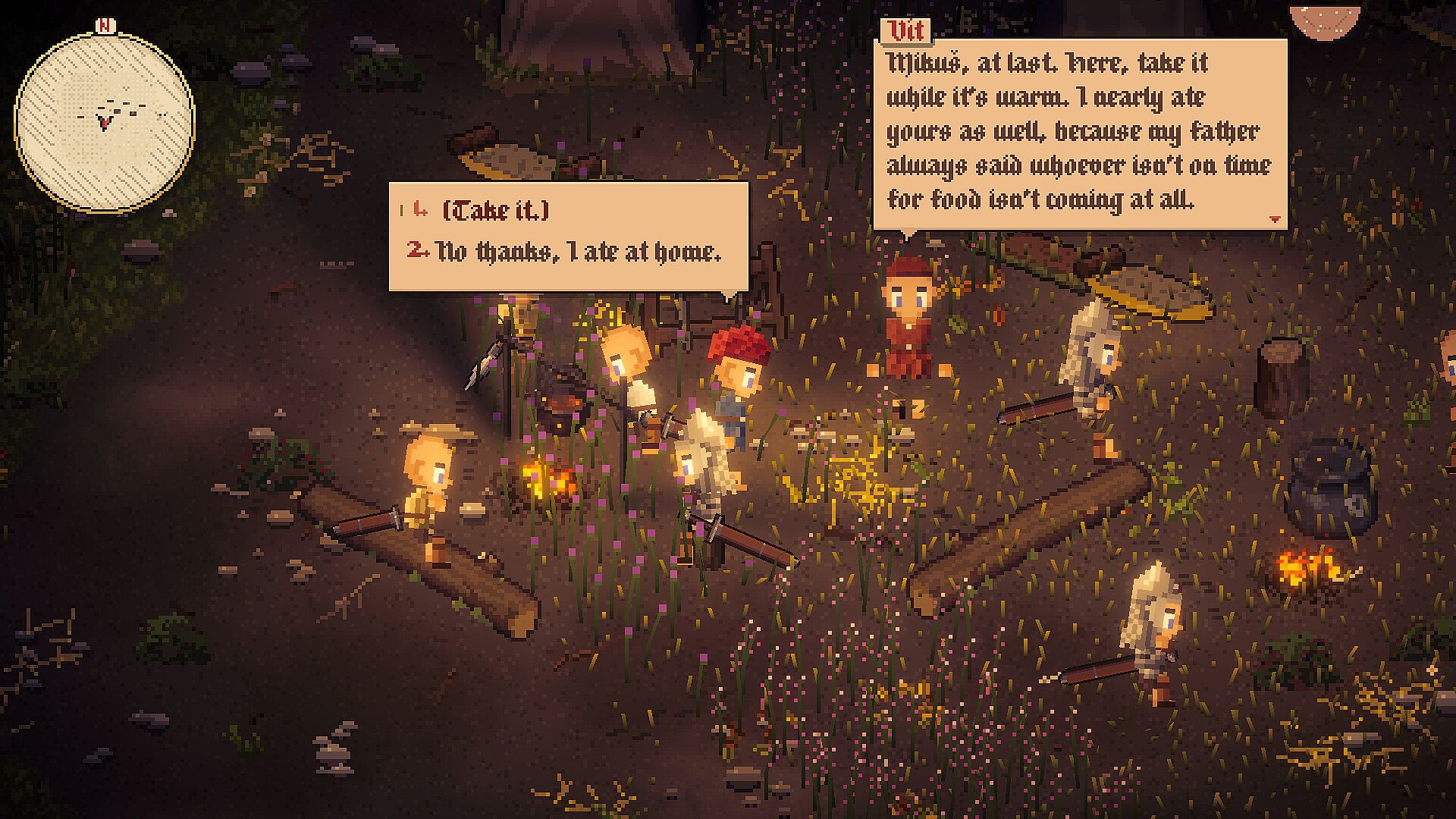
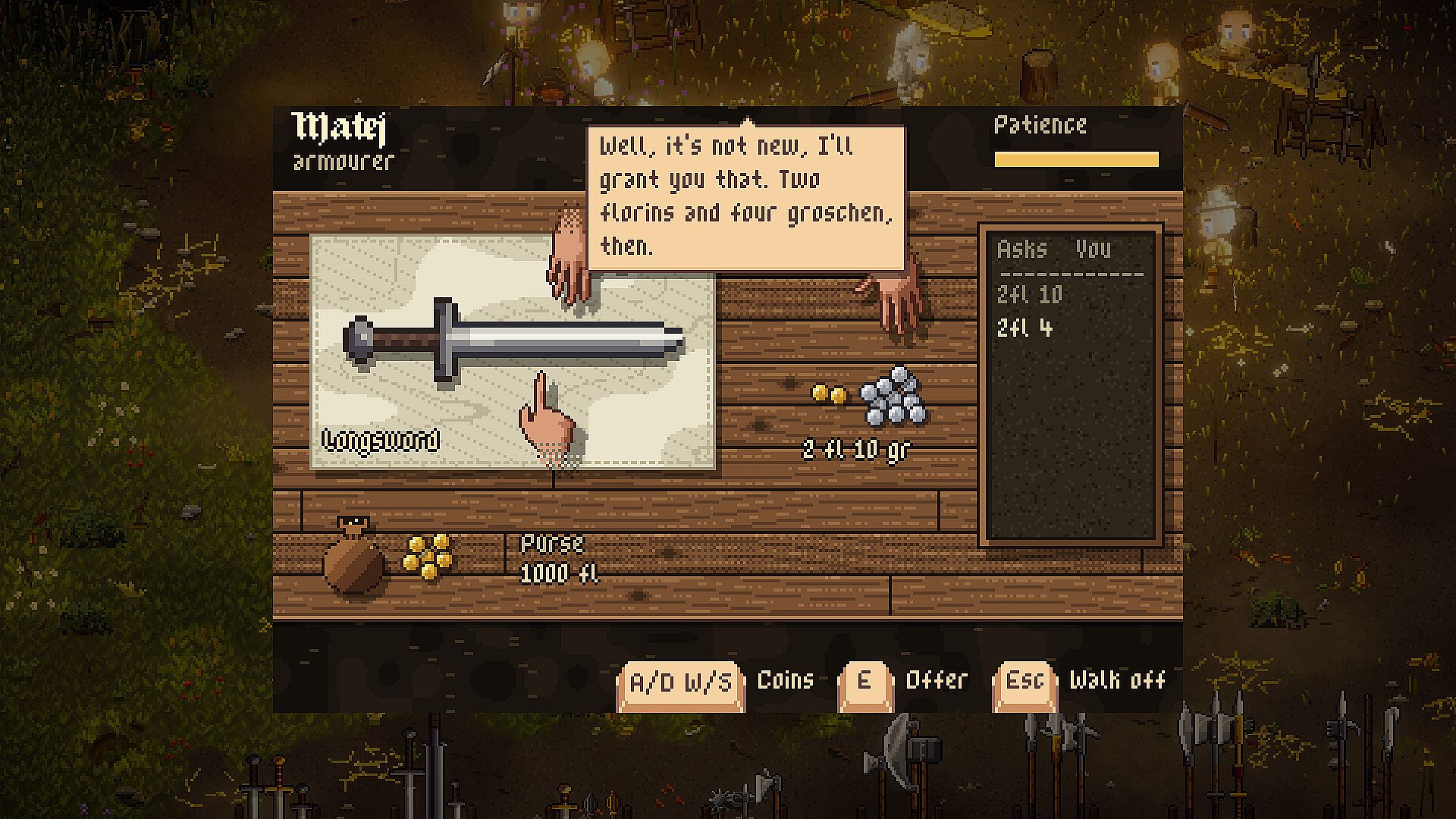
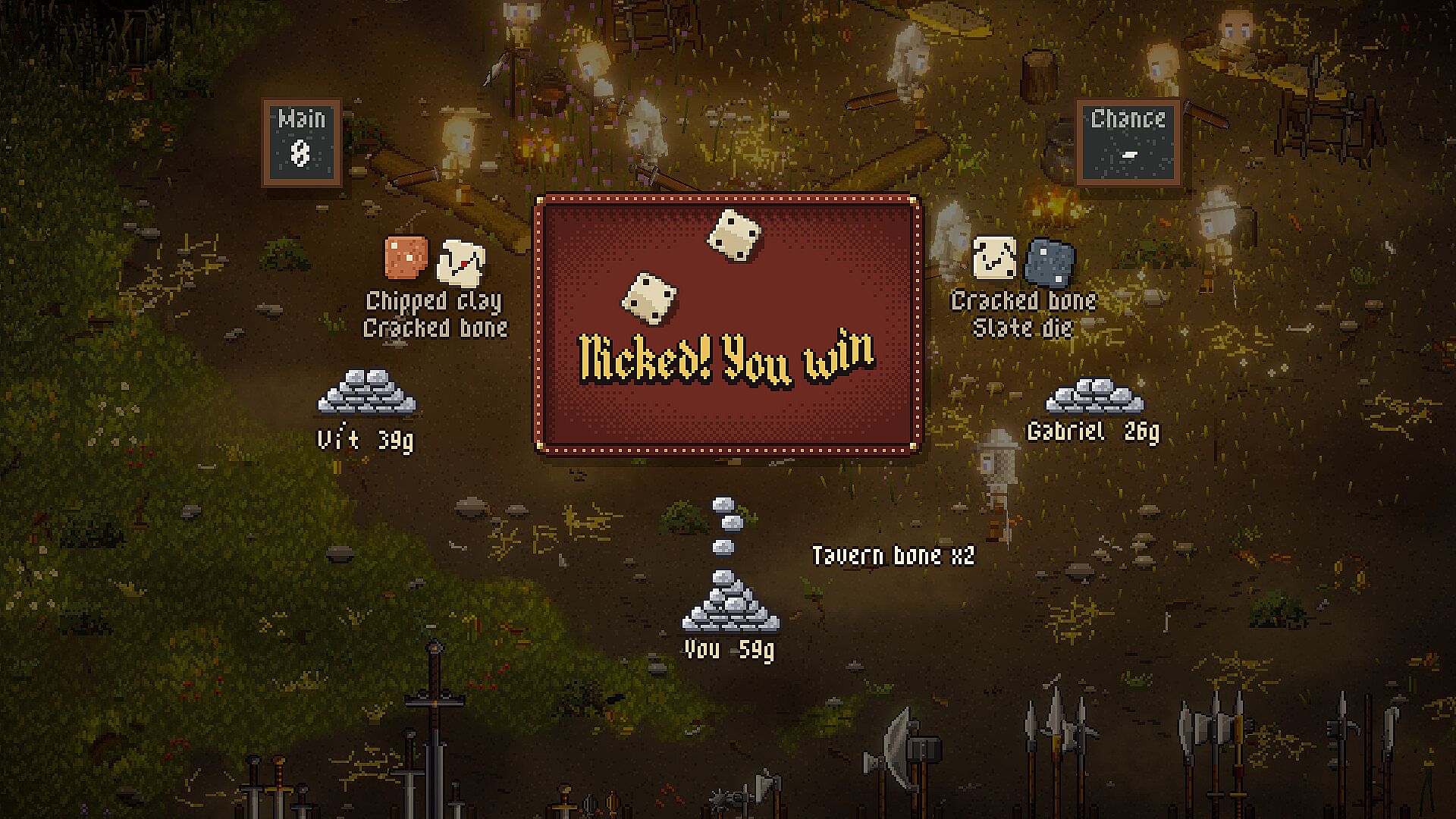
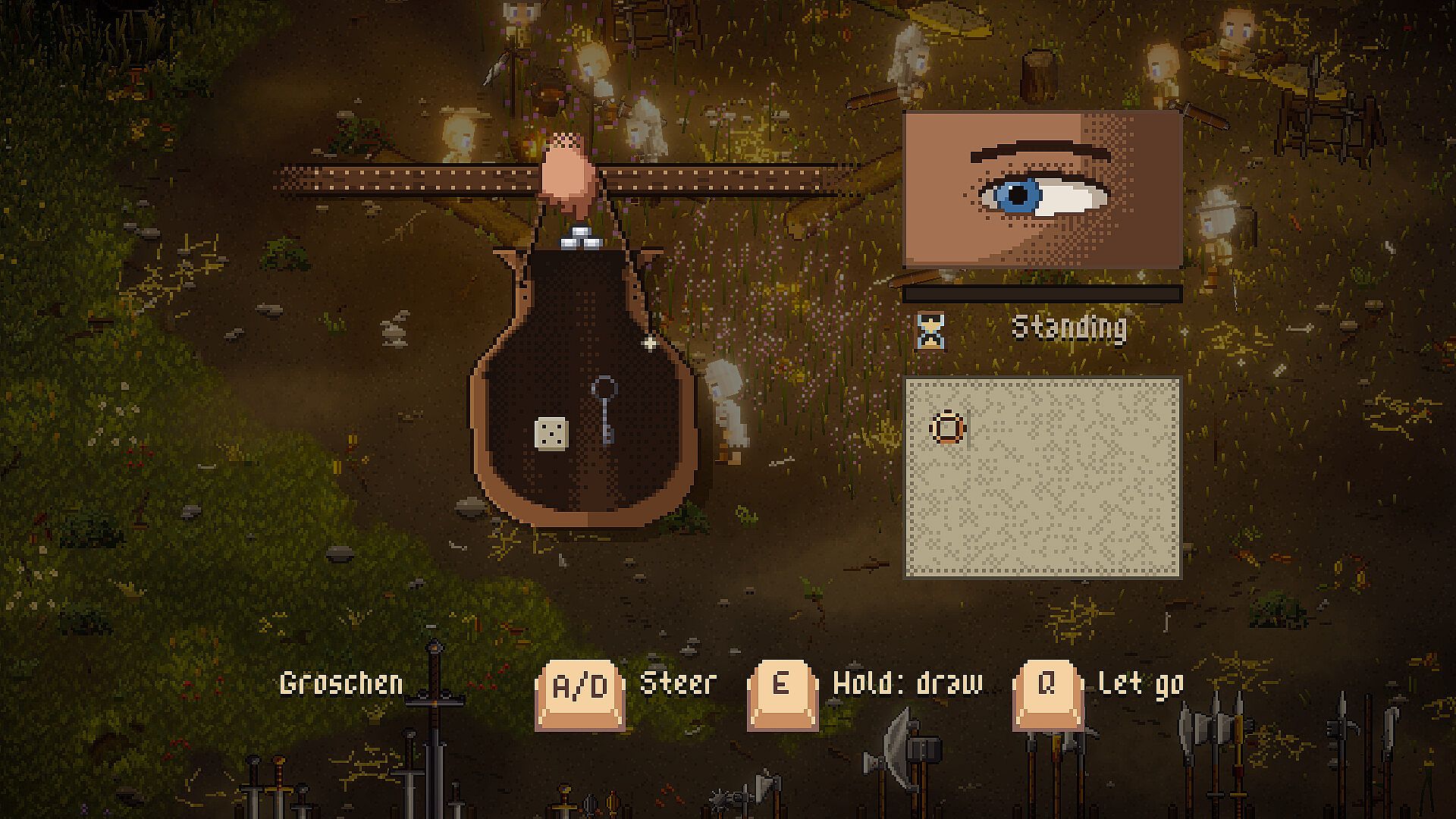
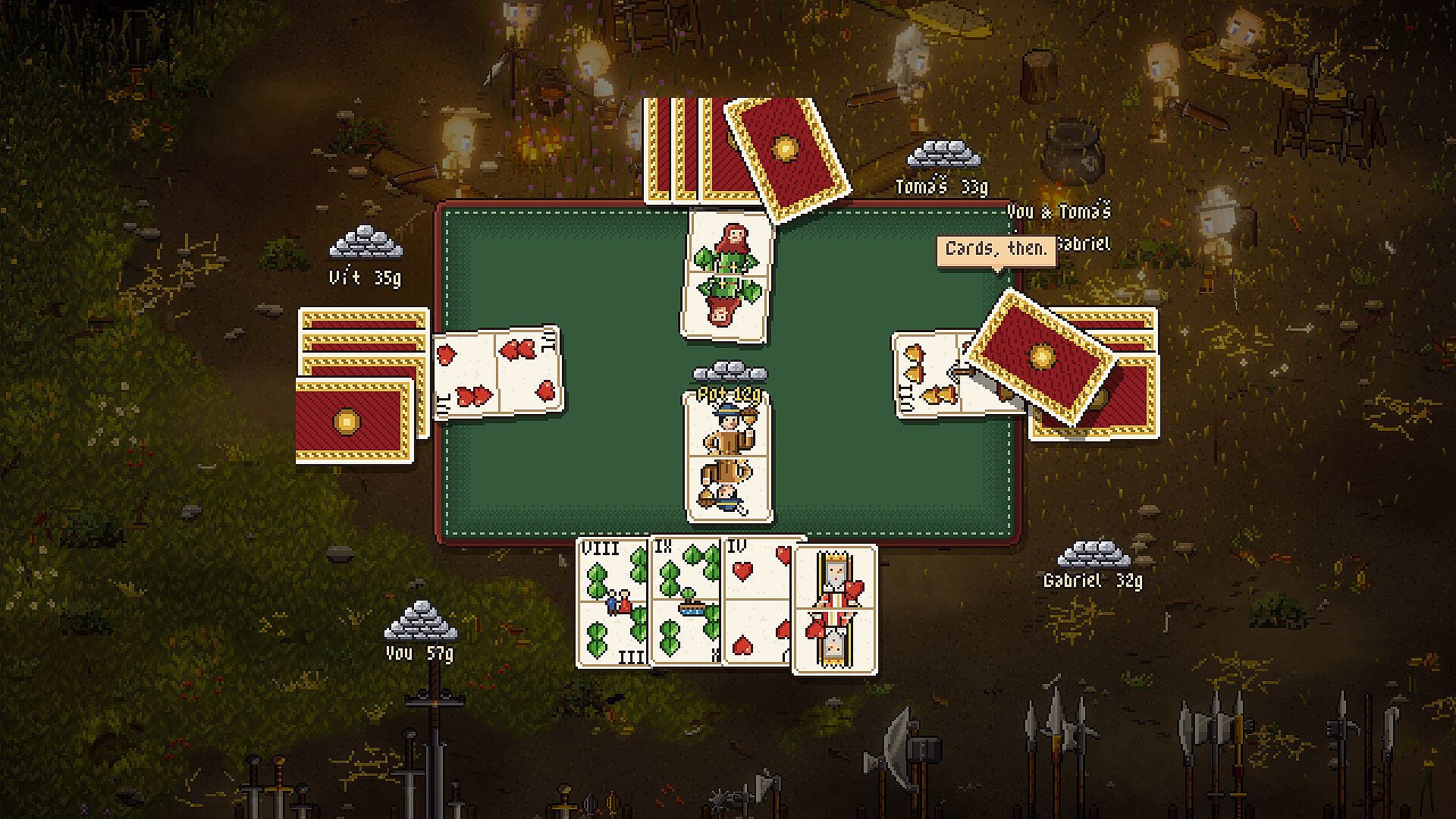
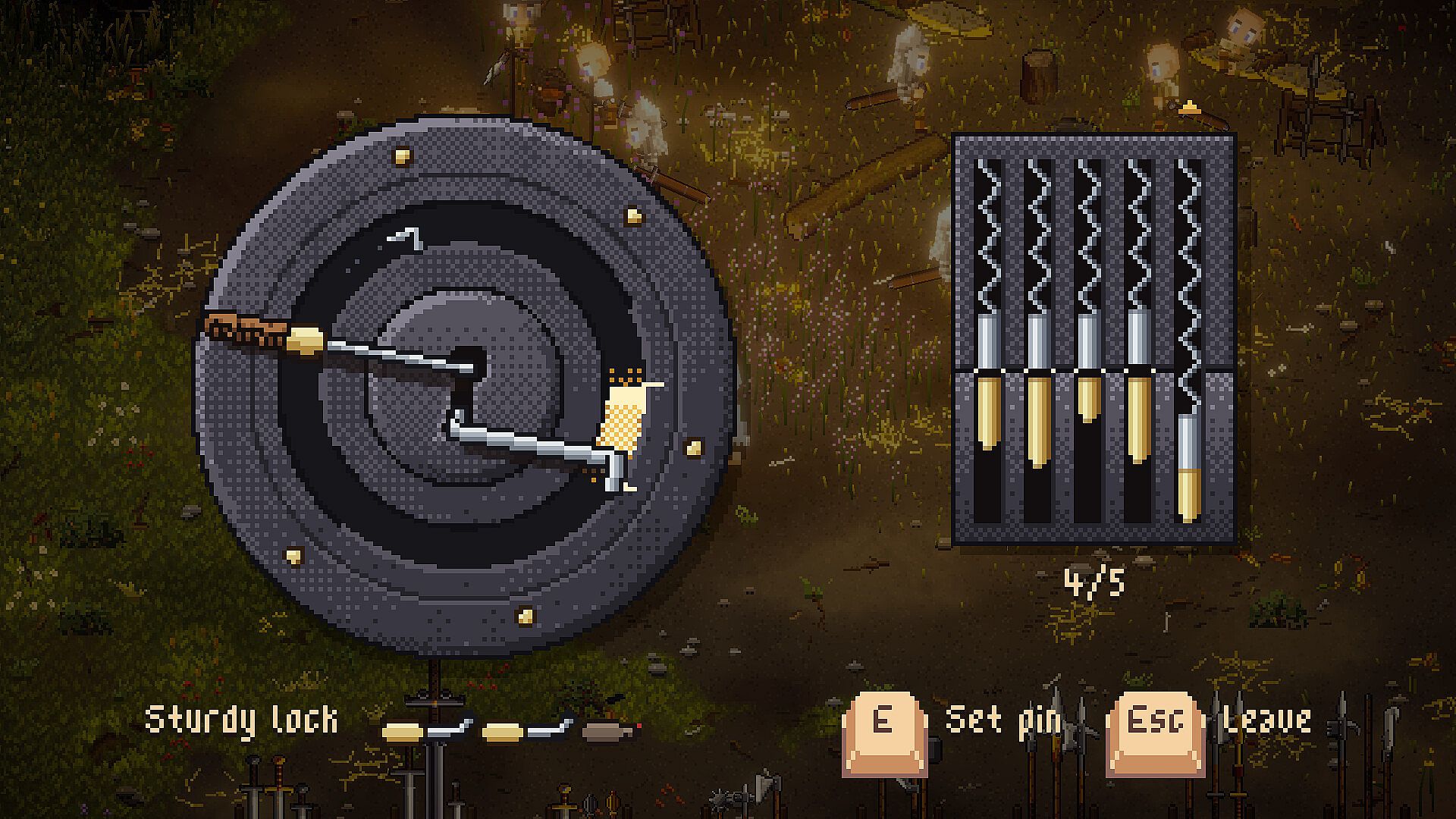
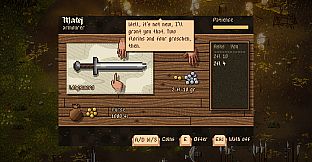
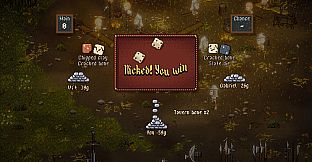
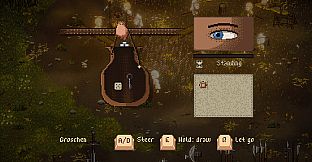
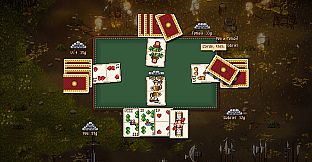
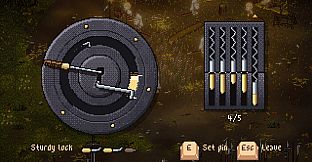
The world operates on observable rules. Villagers follow personal schedules tied to homes and trades. Weather systems move across the hills, shifting from clear conditions to cloud cover, rain, storms and fog. Nightfall limits visibility to the light of fires and lamps. Sound travels differently across surfaces, with footsteps carrying farther on gravel than on mud, encouraging players to crouch in tall grass or stay in shadow. Lockpicking, pickpocketing and haggling appear as practical skills. At tables, players can join games of Hazard using thirty-six varieties of dice, some weighted, or Karnöffel, a card game documented as early as 1426. Other participants at the table may notice cheating.
Horses move through distinct gaits with matching footfalls, kick up leaves and call across paddocks. Players can ride or lead their mount by the bridle. Non-player characters react independently: they hear distant fights before seeing them and flee from losing engagements. When an ally falls in open ground, companions drag the injured person to safety and apply bandages.
Game Modes
The experience centers on a single-player journey through a living medieval landscape. No separate competitive or cooperative modes are defined. Progression follows the choices and encounters of one character moving through villages, camps and the surrounding countryside, where every action occurs within the same persistent world rather than isolated instances.
World and Systems
Every villager maintains a home, occupation and daily routine independent of the player. The environment responds to time of day and weather patterns that roll in from the hills. Stealth relies on terrain and surface noise, while social interactions include bargaining and participation in period games that carry the risk of detection. Horses behave with realistic movement and vocalizations. These elements combine to create a setting where the player remains one person among many rather than the center of events.
Is It Worth Playing?
Black Autumn: 1438 remains in development, with a demo expected after wishlist additions. The documented systems emphasize realistic medieval combat, layered armor management, reactive non-player characters and environmental details such as variable weather, surface-based sound and period gambling. Those interested in action RPGs that prioritize historical accuracy in equipment, injury and daily life over fantasy tropes or large-scale multiplayer will find the described mechanics directly relevant. Players seeking fast-paced arcade combat or extensive multiplayer options should note the absence of such features in the current information. The title targets those who value deliberate, consequence-driven interactions in a grounded 15th-century setting.