




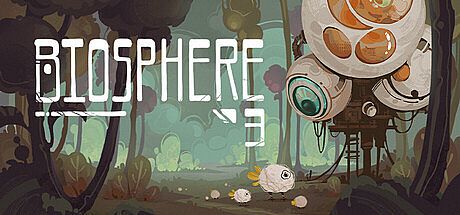


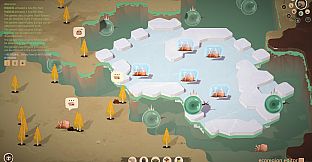
Biosphere-3 is a strategy, indie, casual, and simulation game for PC that places players in the role of a creator overseeing an entire planetary ecosystem from a god-view perspective. The core experience revolves around building and guiding life on a barren world through direct intervention in genetics, terrain, and environmental forces.
Gameplay
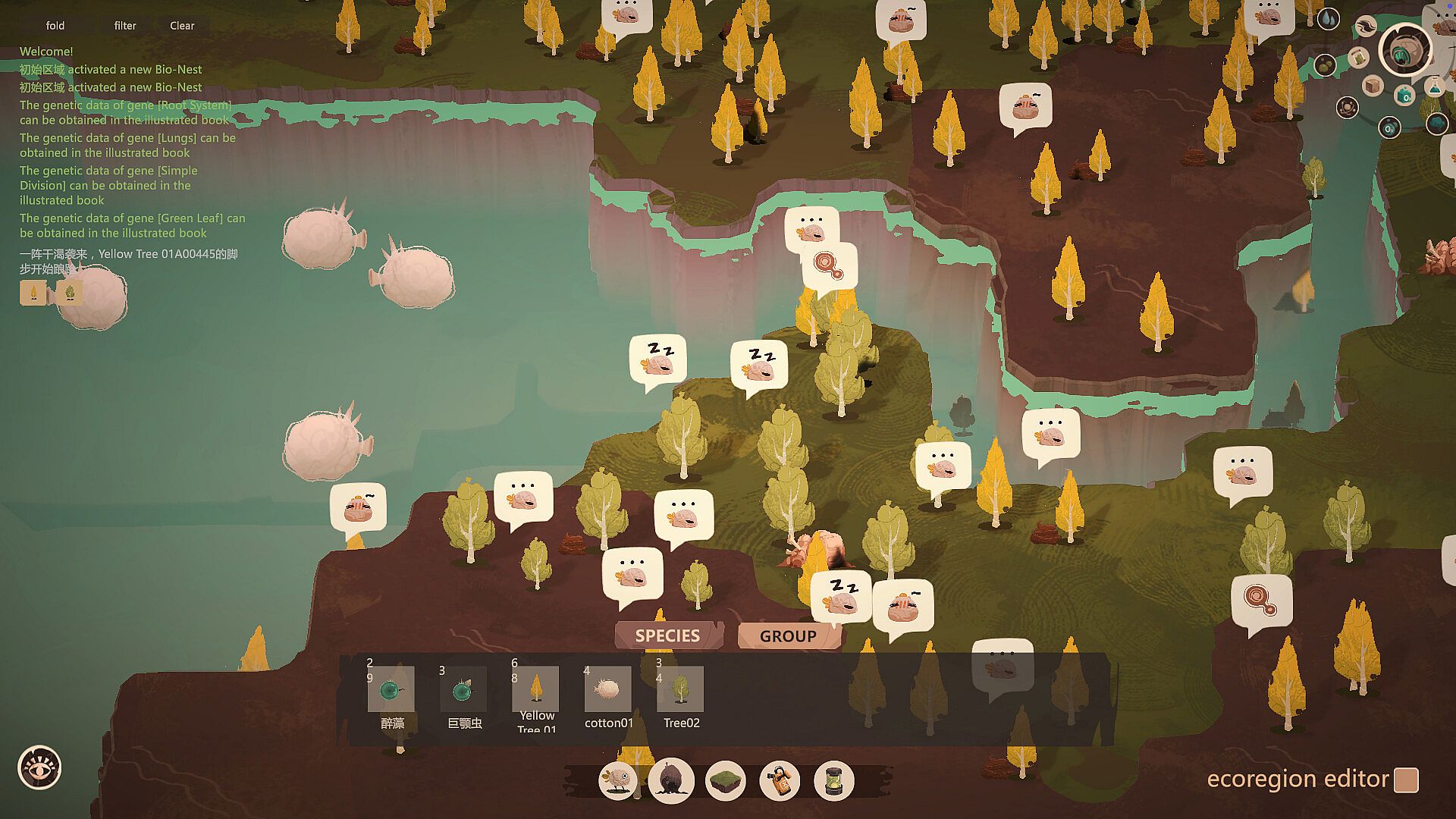
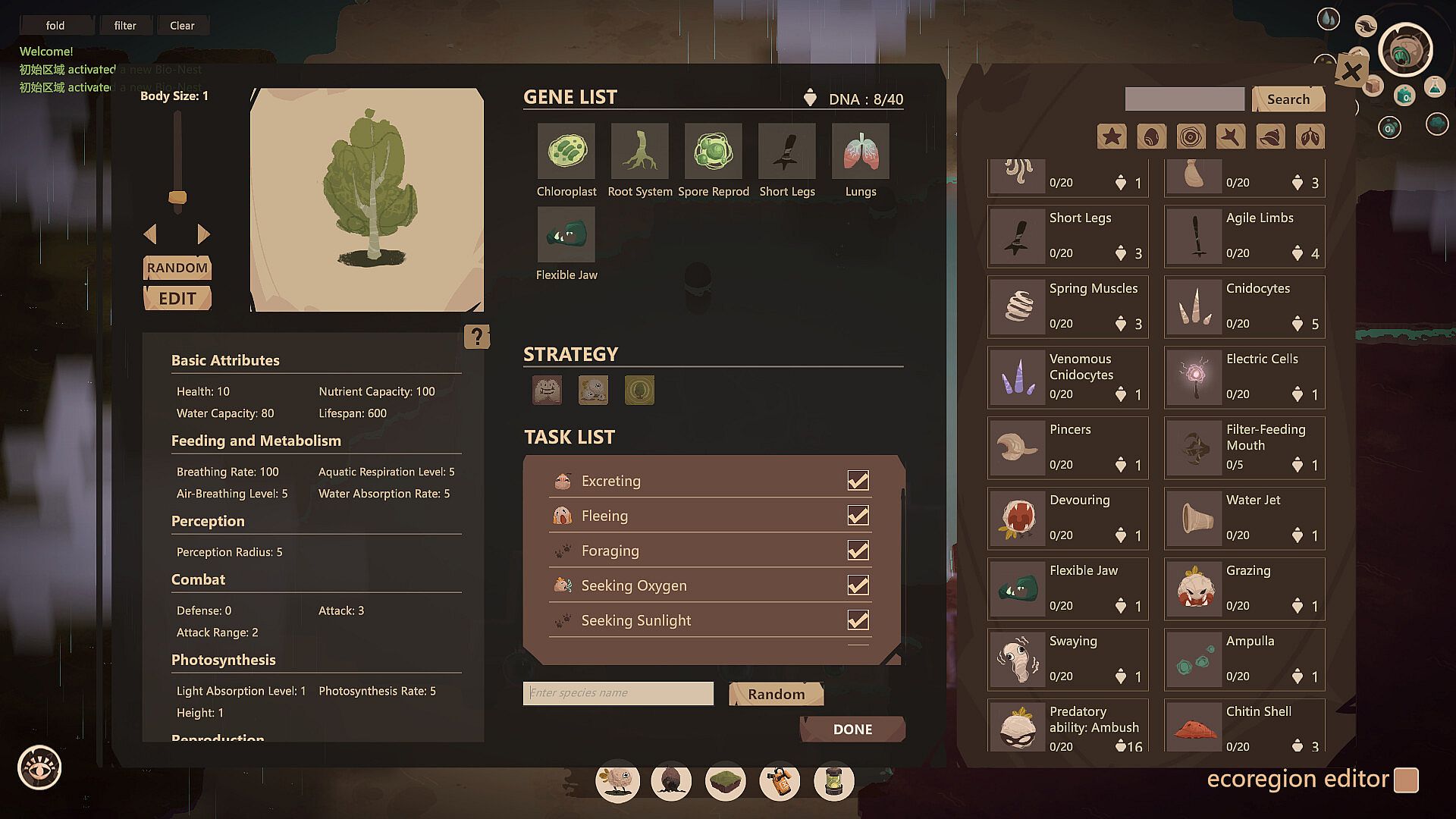
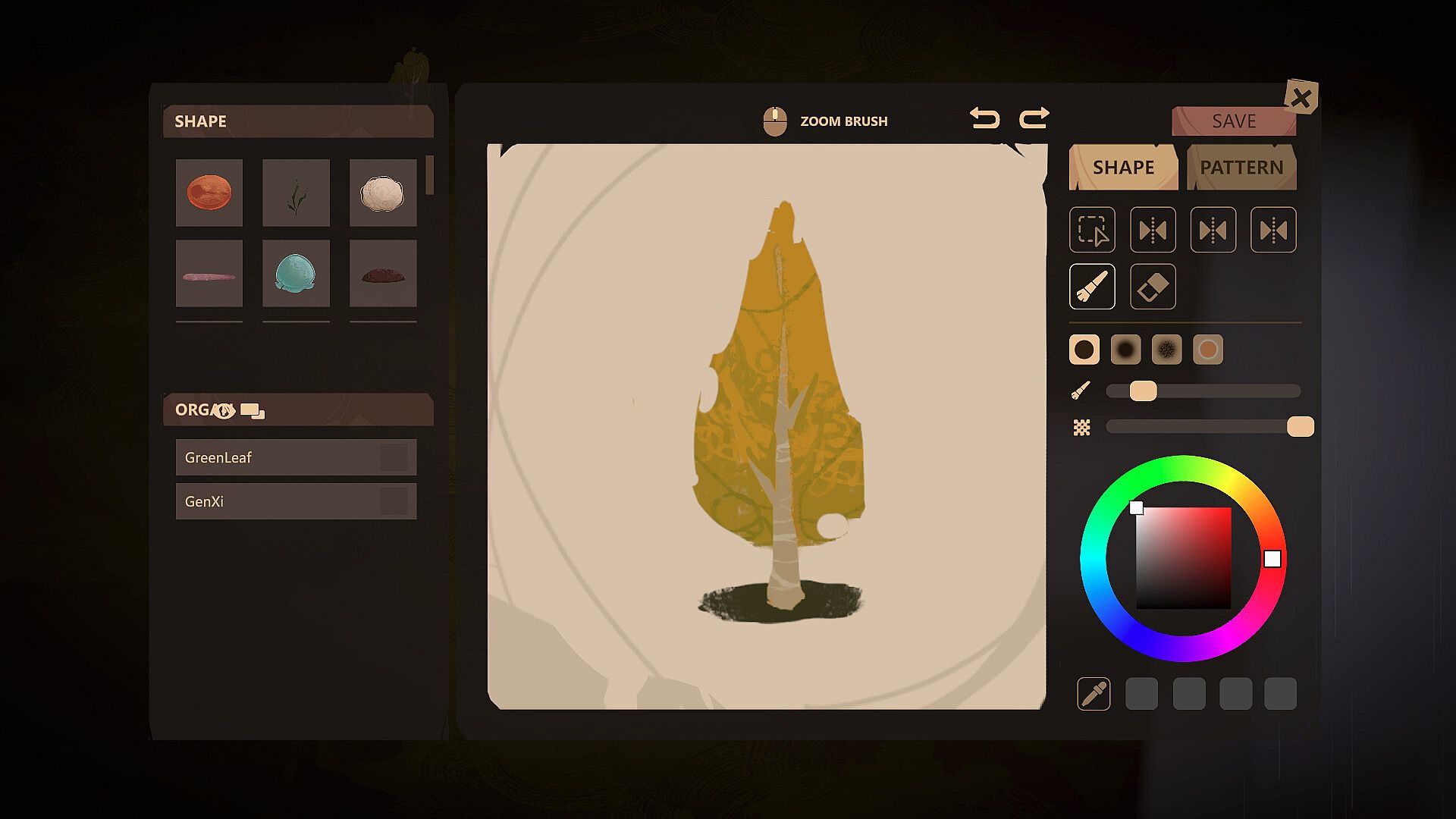
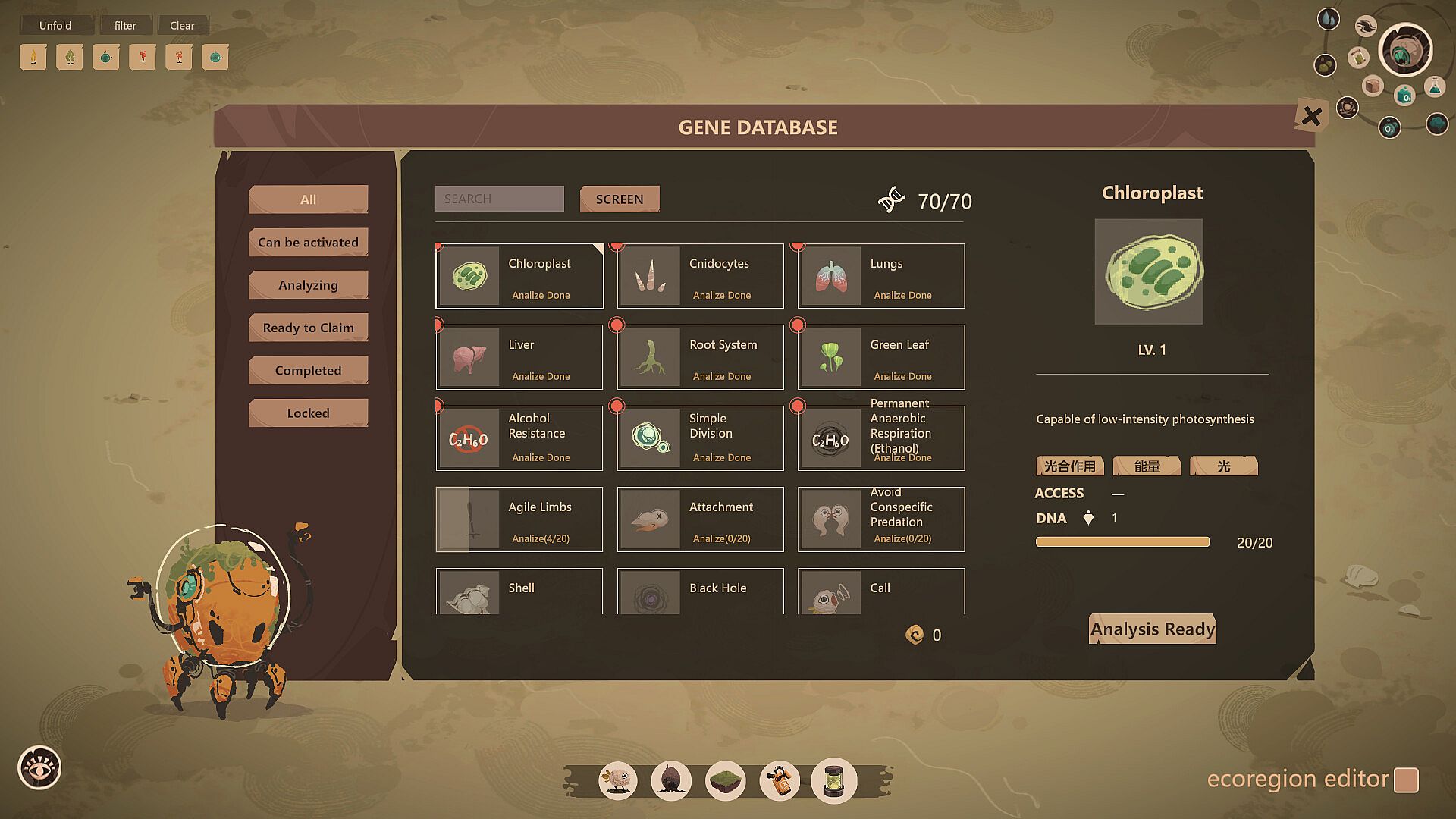
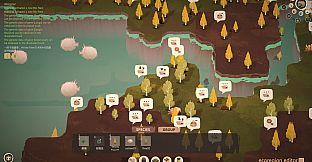
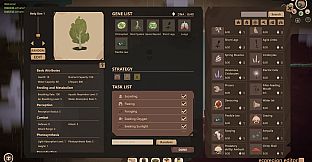
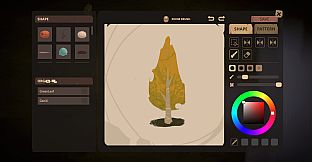
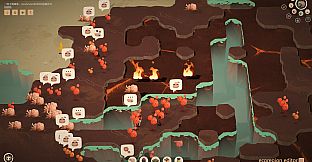
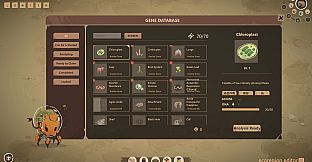
Players begin with a dead planet and use a modular gene editor to design species from the ground up. This system allows swapping of organs, metabolisms, and behaviors to create organisms ranging from simple microbes to complex apex predators. Once designed, these species interact in real time as emergent food webs form, with creatures hunting, mating, migrating, and adapting their strategies based on the conditions around them.
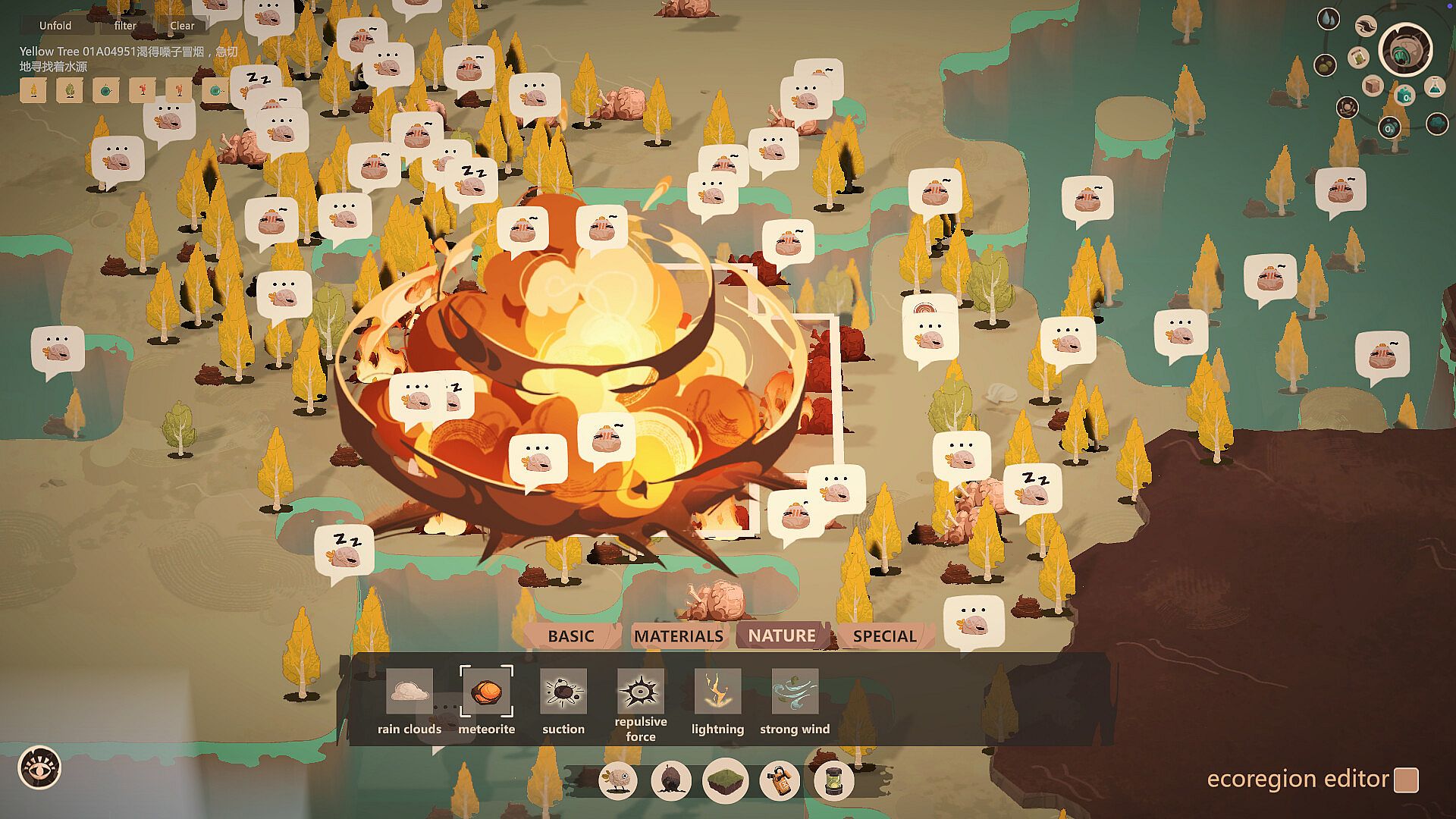
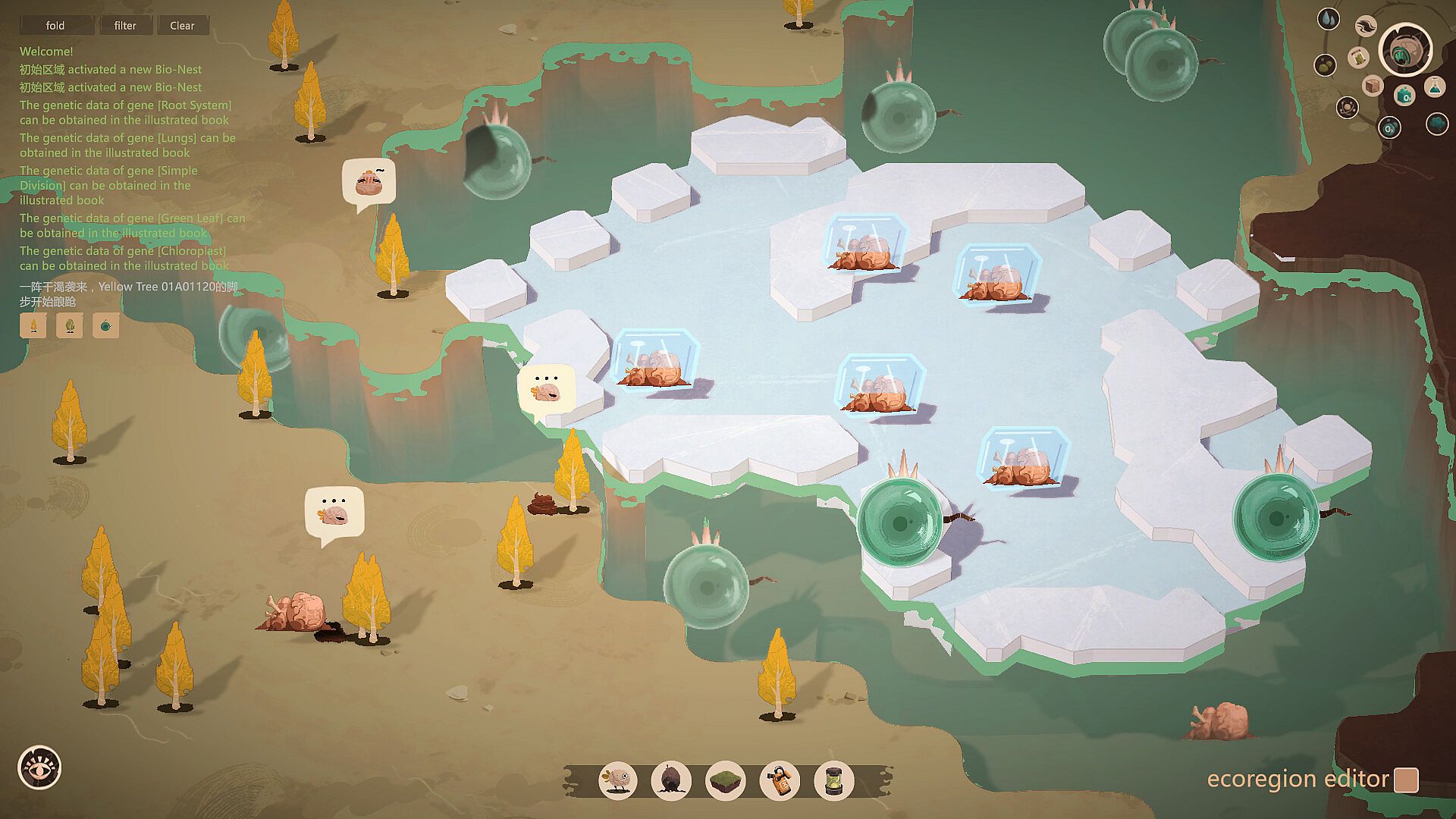
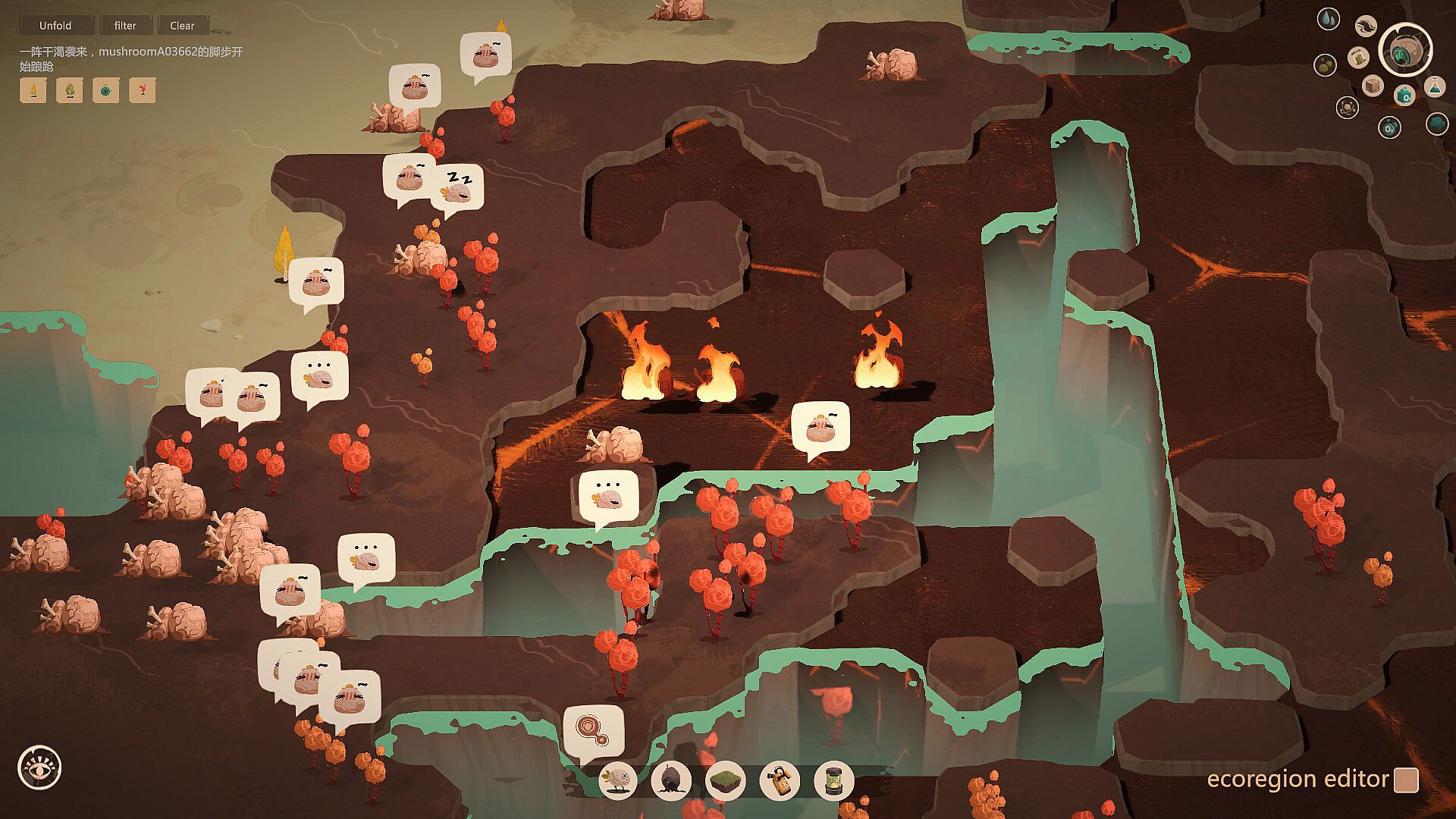
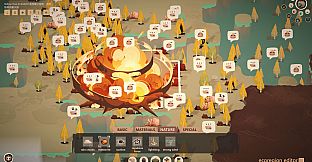
World shaping forms another major pillar. A free-form terrain brush lets users sculpt biomes, rivers, temperature zones, and soil properties directly. The simulation tracks material cycles and environmental factors in detail, so changes to one element ripple through the ecosystem over time. Disasters serve as tools for steering evolution, with options to call down lightning strikes, trigger acid rain, or summon hurricanes that stress populations and force adaptations or extinctions.
The loop emphasizes observation and adjustment rather than rigid objectives. Species evolve their survival tactics organically while the player monitors population dynamics and intervenes when needed to maintain balance or push new directions.
Game Modes
Biosphere-3 operates as a single-player sandbox without separate named modes or competitive structures. All activity occurs within one continuous simulation space where creative design, real-time ecosystem watching, and environmental manipulation blend together. Players can pause or accelerate time to focus on short-term experiments or long-term evolutionary trends, but the experience remains open-ended across every session.
The absence of distinct modes keeps the focus on experimentation. Users switch between gene editing, terrain painting, and disaster deployment fluidly, letting each playthrough develop its own history based on the choices made.
Key Systems and Mechanics
The gene editor stands out for its modularity, supporting incremental tweaks that produce varied outcomes in behavior and survival. Food web simulation runs continuously, revealing how one species' success or failure affects others through predation, competition, and resource sharing. Terrain and climate tools integrate with material cycles, so altering soil composition or temperature can shift which life forms thrive in specific regions.
Disaster mechanics add a layer of controlled chaos. Each event type influences evolution differently, pressuring species to develop new traits or face elimination. This combination of design tools and simulation depth supports both casual tinkering and more deliberate attempts to engineer stable or dramatic planetary histories.
Is It Worth Playing?
Biosphere-3 targets players who enjoy god-view simulation and ecosystem management games. Its systems reward patience and curiosity, as the real-time interactions between designed species and the shaped environment create unpredictable results worth revisiting. With no user reviews available yet and a planned 2026 release, the game remains in development, but the described features align with established sandbox simulation appeal for those interested in evolutionary and environmental experimentation on PC.