







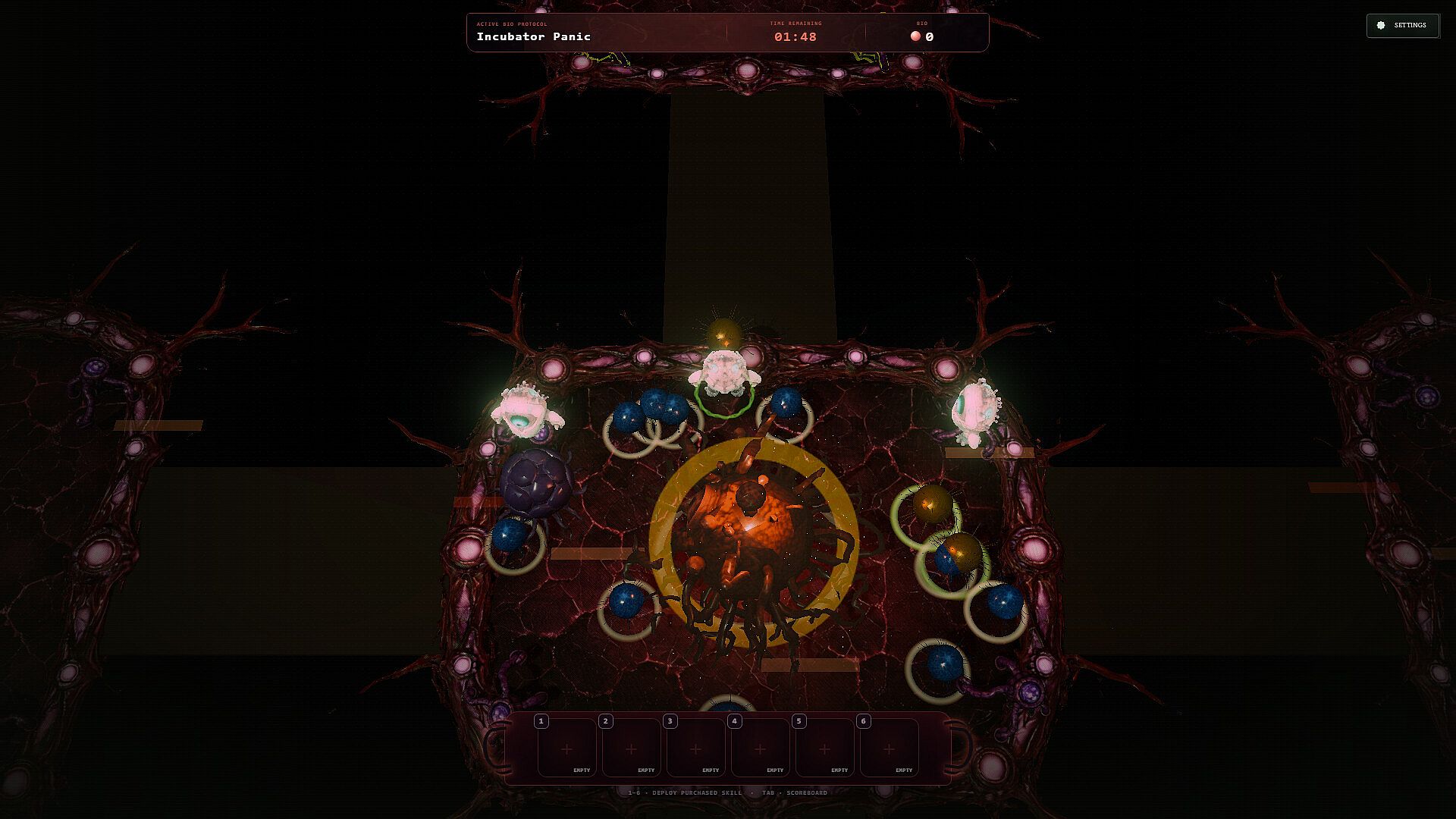
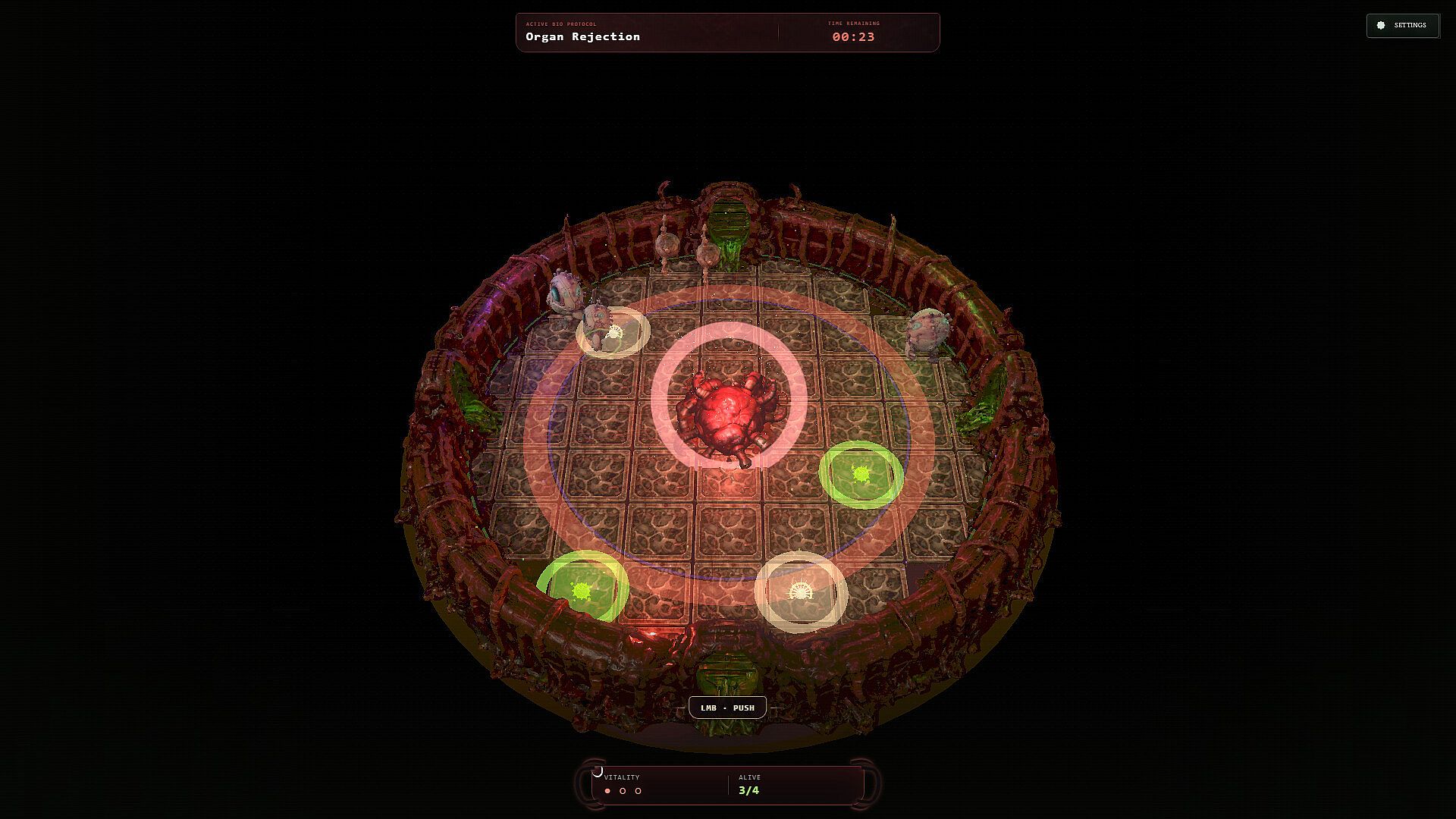



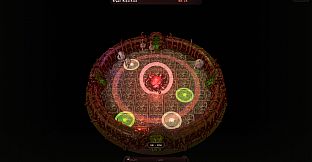
Bio Party stands out as an action indie casual title built for local or online sessions on PC. Players gather in groups of two to four to tackle a rotating lineup of short, unpredictable minigames inside a biological setting filled with odd hazards and interactive elements. The core appeal lies in the constant tension between cooperation and outright sabotage, where every round tests both skill and willingness to disrupt others.
Gameplay
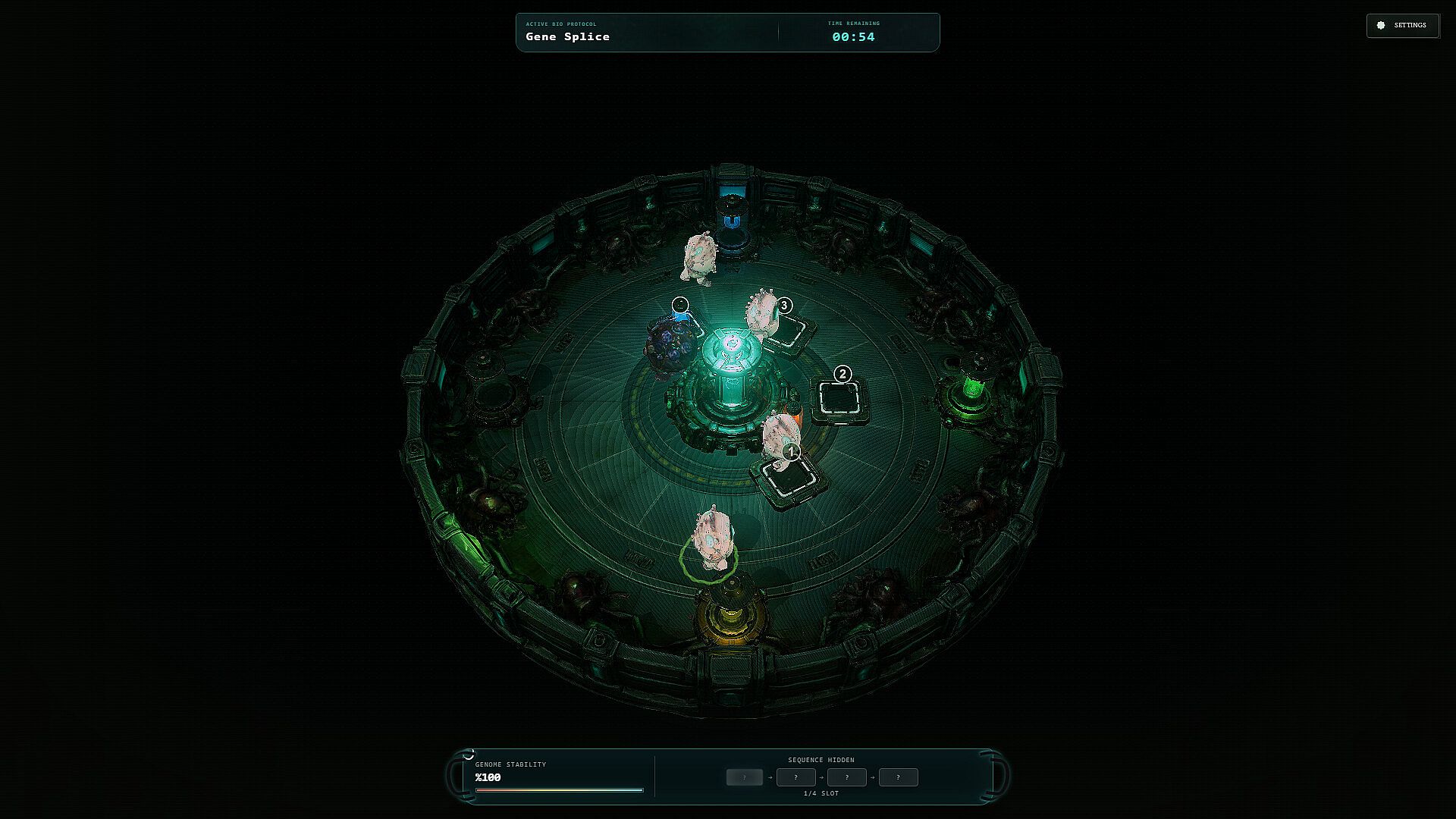
The central loop revolves around quick rounds that mix resource collection, hazard avoidance, and direct competition. Participants move through arenas using physics-driven movement that rewards precise timing and creative positioning. Items appear frequently and can be grabbed or stolen mid-round, turning a strong lead into sudden chaos when a rival snatches a key power-up. Environmental dangers such as shifting terrain or spreading hazards force constant adaptation, while abilities tied to collected objects add layers of strategy without overwhelming the fast pace.
Sabotage forms a deliberate part of the design. Players can shove others away from goals, interrupt ongoing actions, or redirect threats toward teammates. This system encourages creative disruption alongside traditional competition, making each session feel distinct even when the same minigame type returns. The biological theme influences visuals and some mechanics, with organic structures serving as platforms or obstacles that react to player movement.
Game Modes
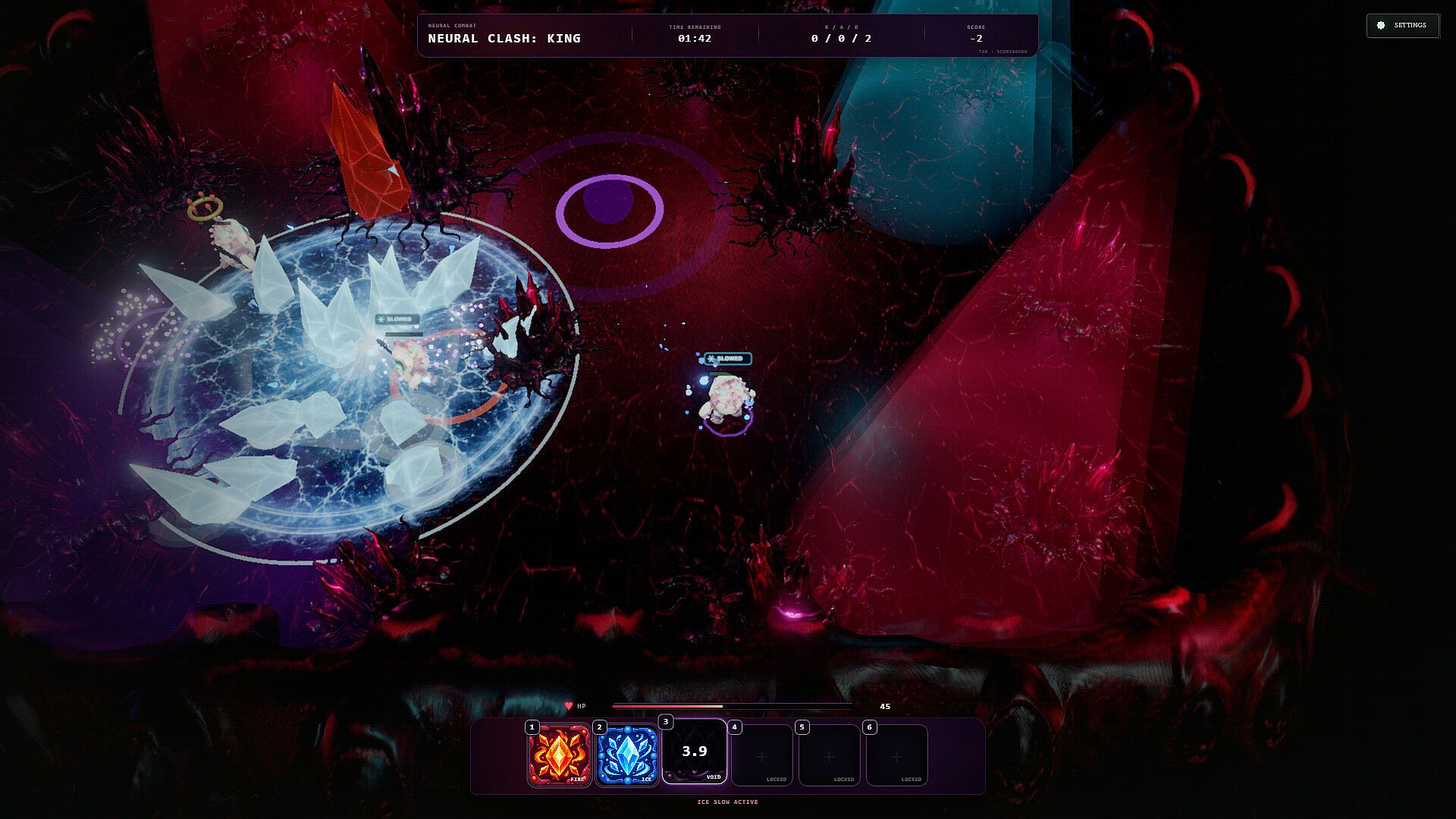
Bio Party does not lock players into a single format. Instead, it cycles through several styles within each session. Competitive rounds pit everyone against one another for points or survival. Some challenges lean toward light teamwork, where two or more participants must coordinate briefly before the opportunity for betrayal reappears. Pure co-op segments exist alongside these, though they remain short and often transition back into free-for-all elements.
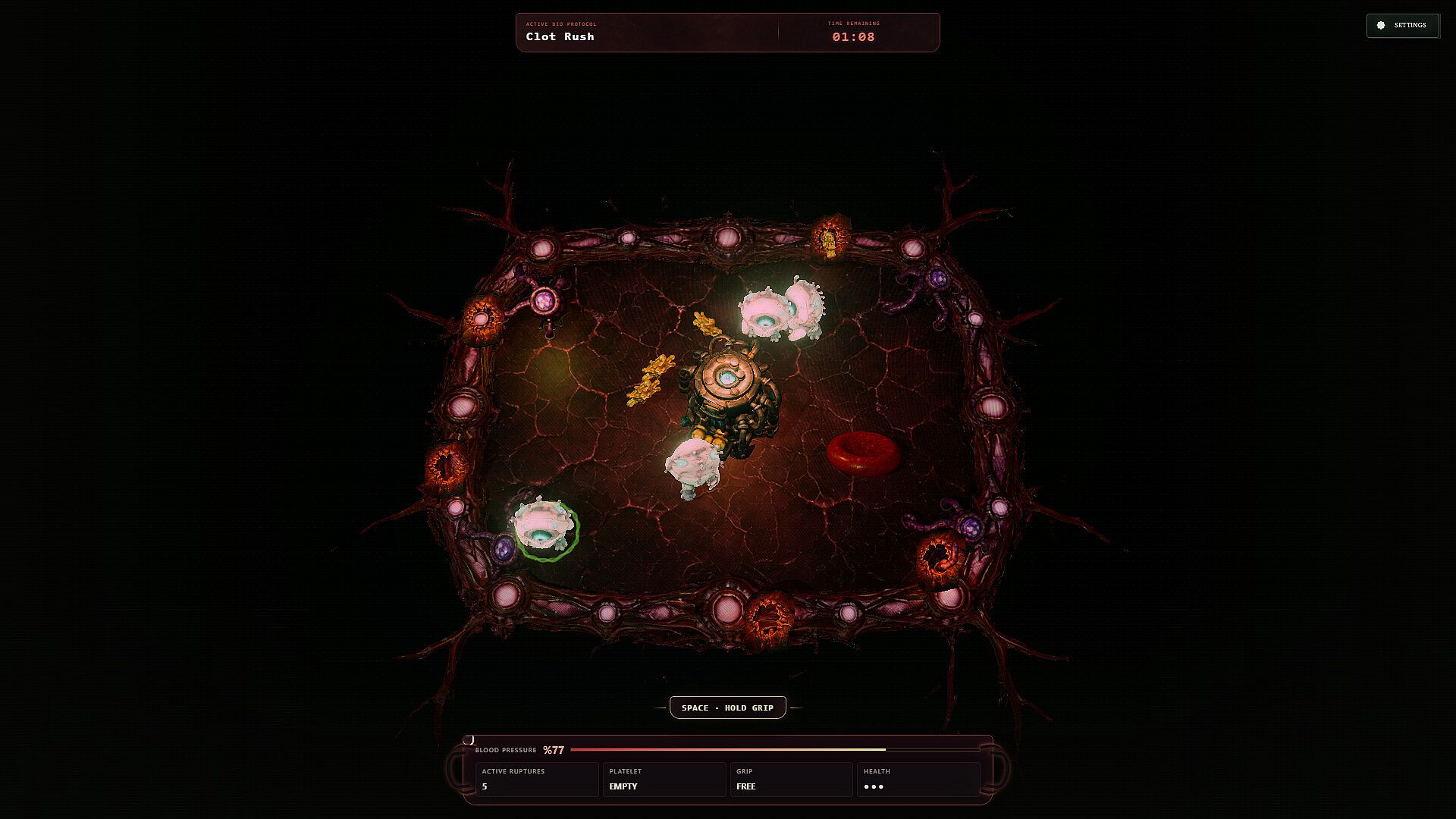
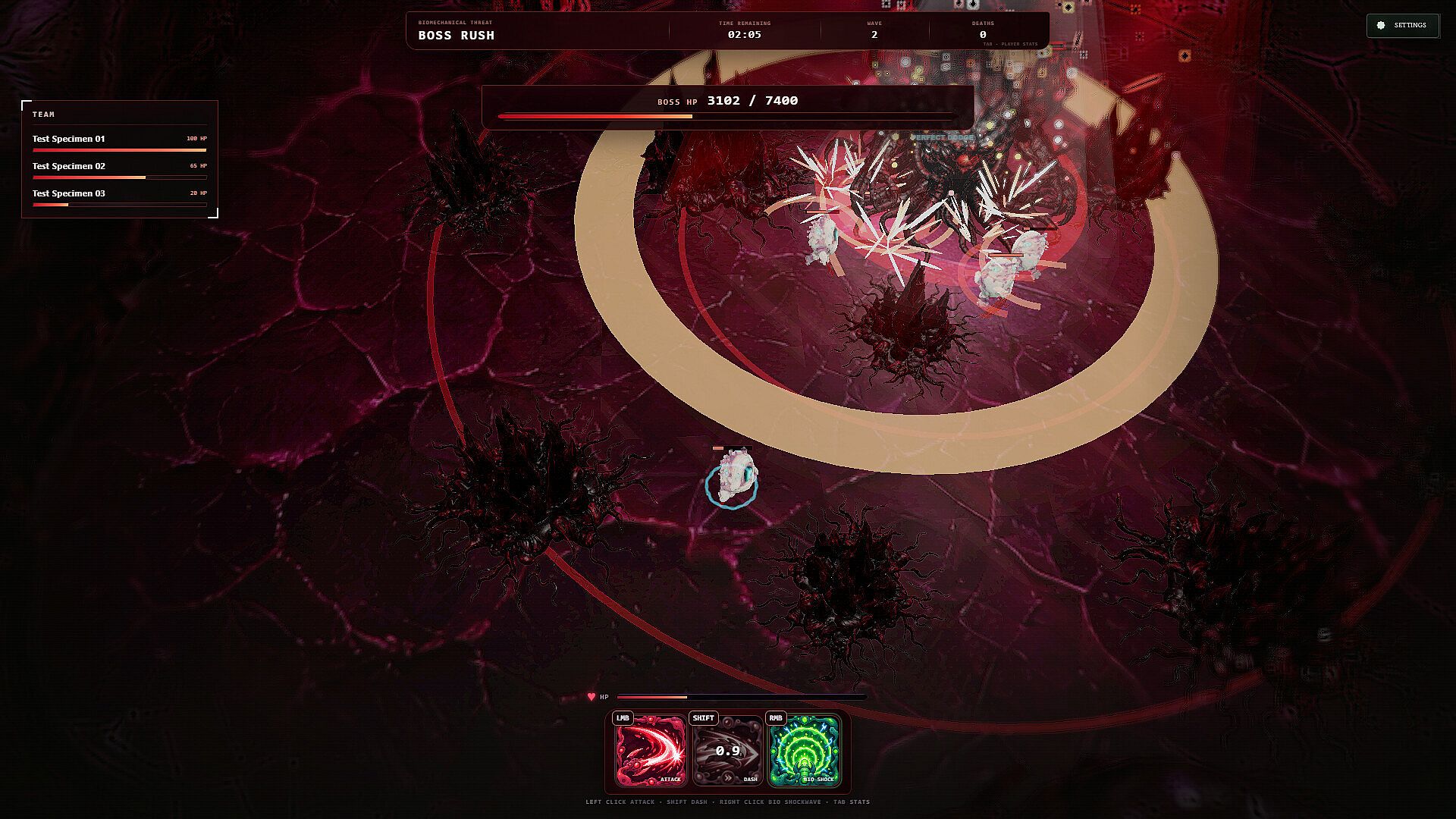
Additional variety comes from physics-focused chaos rounds, direct PvP confrontations, and objective-driven tasks that require holding positions or delivering items under pressure. Survival-style segments test endurance against escalating threats, while hazard-heavy maps emphasize positioning and item use. The rotation ensures no single approach dominates, and the limited player count keeps every participant involved throughout.
Multiplayer Dynamics
With support strictly capped at four players, sessions stay intimate and reactive. Friends quickly learn patterns in one another's playstyles, which heightens the impact of well-timed sabotage. The game rewards both strong individual performance in the minigames themselves and the secondary skill of preventing others from succeeding. This dual focus creates memorable moments where a near-victory collapses because of a single shove or stolen item.
Local play works alongside online options, allowing groups to experiment with house rules or repeated rounds of favorites. The short length of individual minigames supports drop-in play and quick rematches without long commitments.
Is It Worth Playing?
Bio Party suits groups that already enjoy party games built around friendly competition and lighthearted disruption. Its emphasis on short, varied rounds and sabotage mechanics delivers consistent laughs and tension when played with the same people over multiple sessions. The biological setting and physics elements add visual flair without complicating the straightforward controls.
Those seeking deep progression systems or long single-player campaigns will find less here, as the experience centers on repeated multiplayer matches. Availability on PC makes it accessible for most setups, and the small player requirement lowers the barrier for regular play with a consistent group. If the described mix of minigames, hazards, and interpersonal interference matches the group's preferences, the title provides repeatable entertainment without unnecessary complexity.