




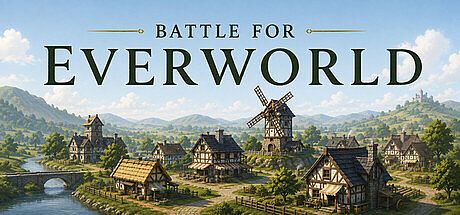


Battle for Everworld is a strategy, indie, simulation, and massively multiplayer game available on PC. It combines city building with persistent world strategy in a shared environment where players govern settlements and manage resources over time.
Gameplay
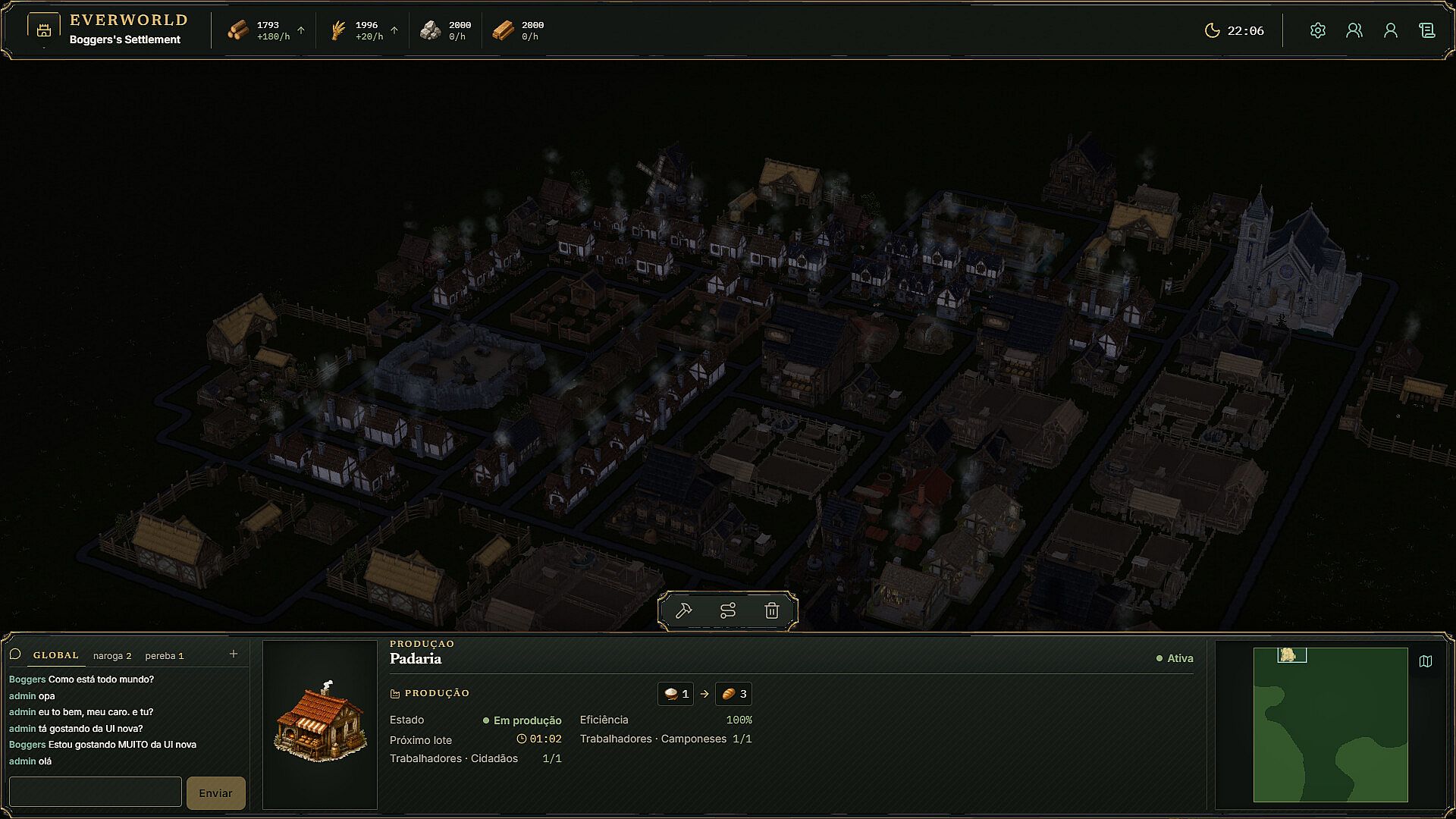
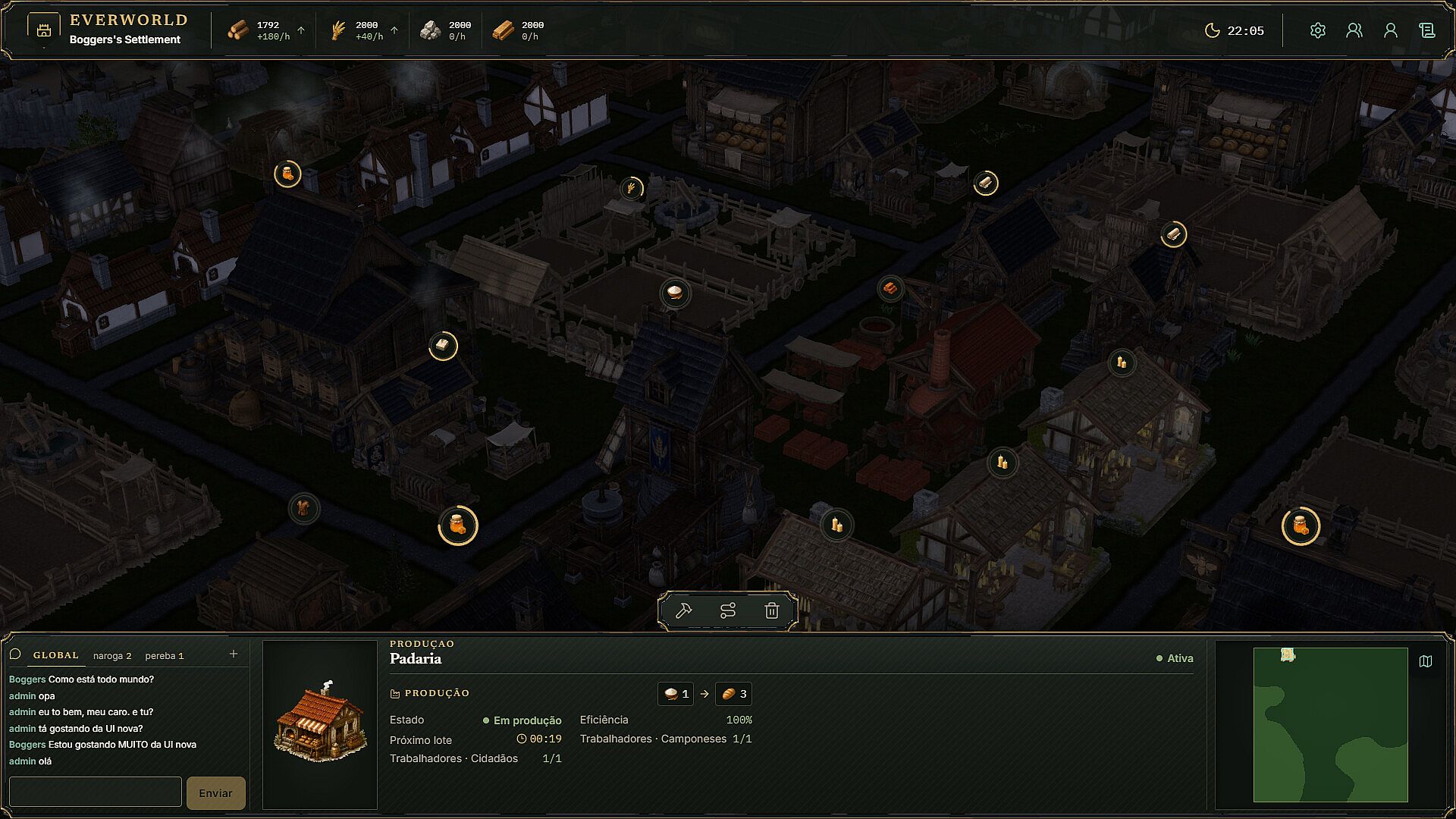
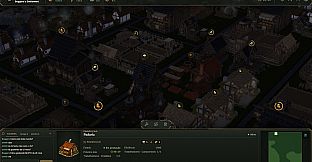
Players begin by planning roads and linking producers directly to the Warehouse to maintain steady resource flow. Balancing workers, raw materials such as wood, stone, wheat, and ore, and the daily needs of citizens forms the central loop. Houses start basic and upgrade into Townhouses as population increases, unlocking higher production demands and new building options.
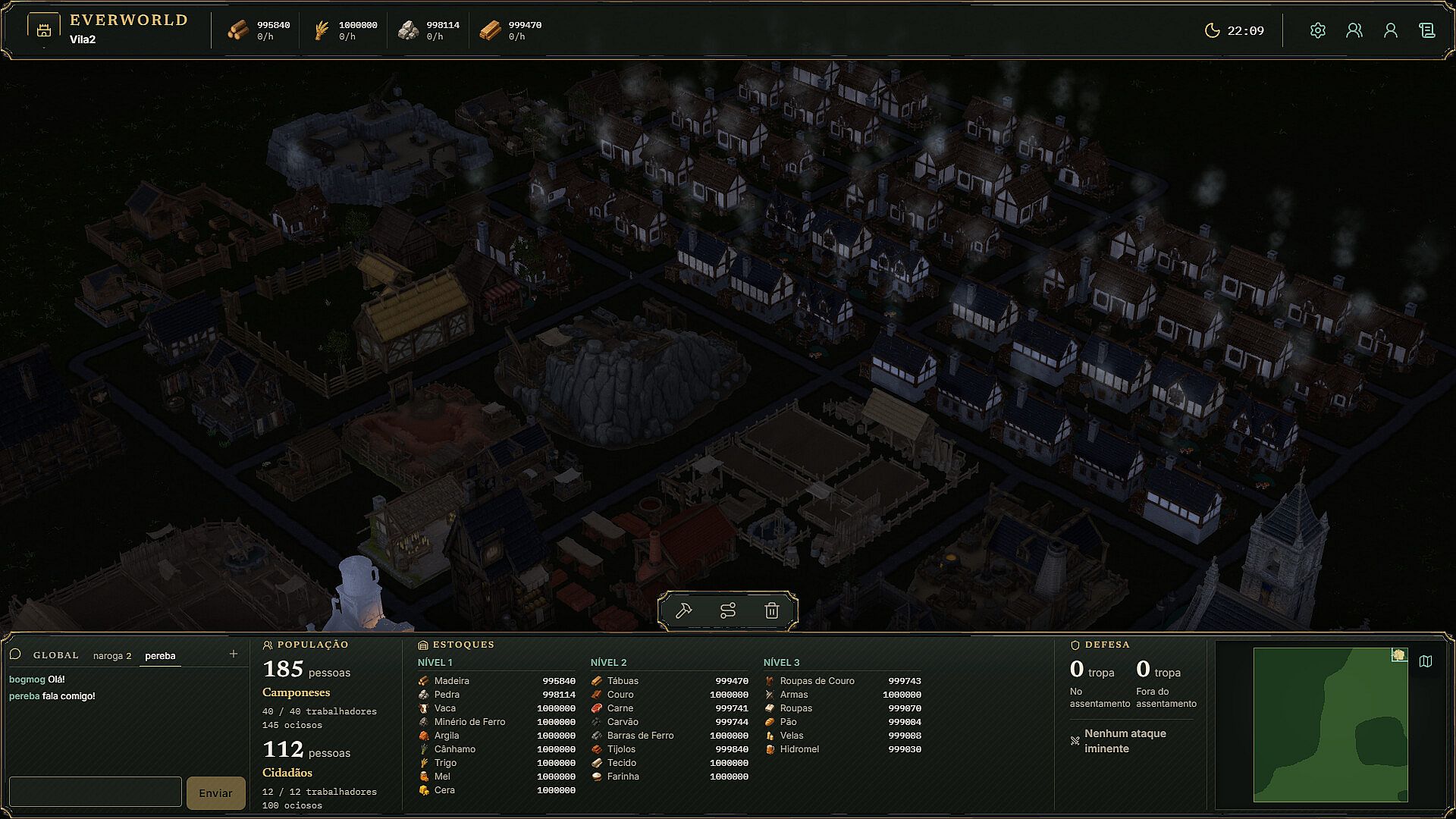
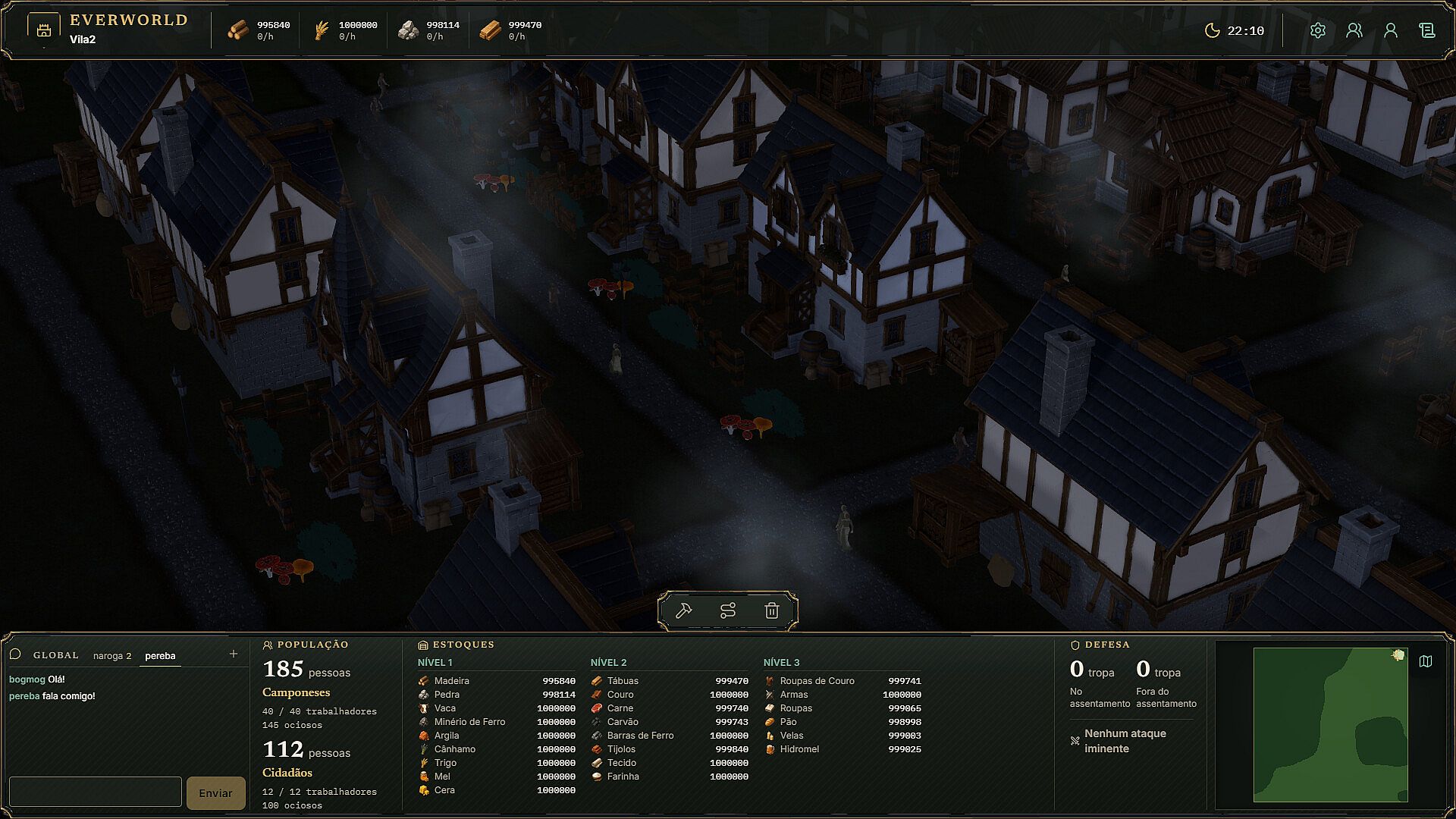
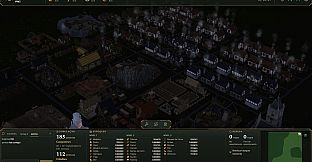
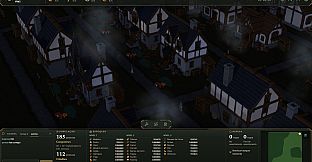
Raw materials convert into finished goods including food, clothing, building materials, and weapons through organized production chains. Construction, training, and army movements continue automatically while offline, allowing settlements to advance between play sessions. The stylized 3D view shows towns with a day-night cycle across varied terrain that includes forests, deserts, mountains, rivers, and lakes.
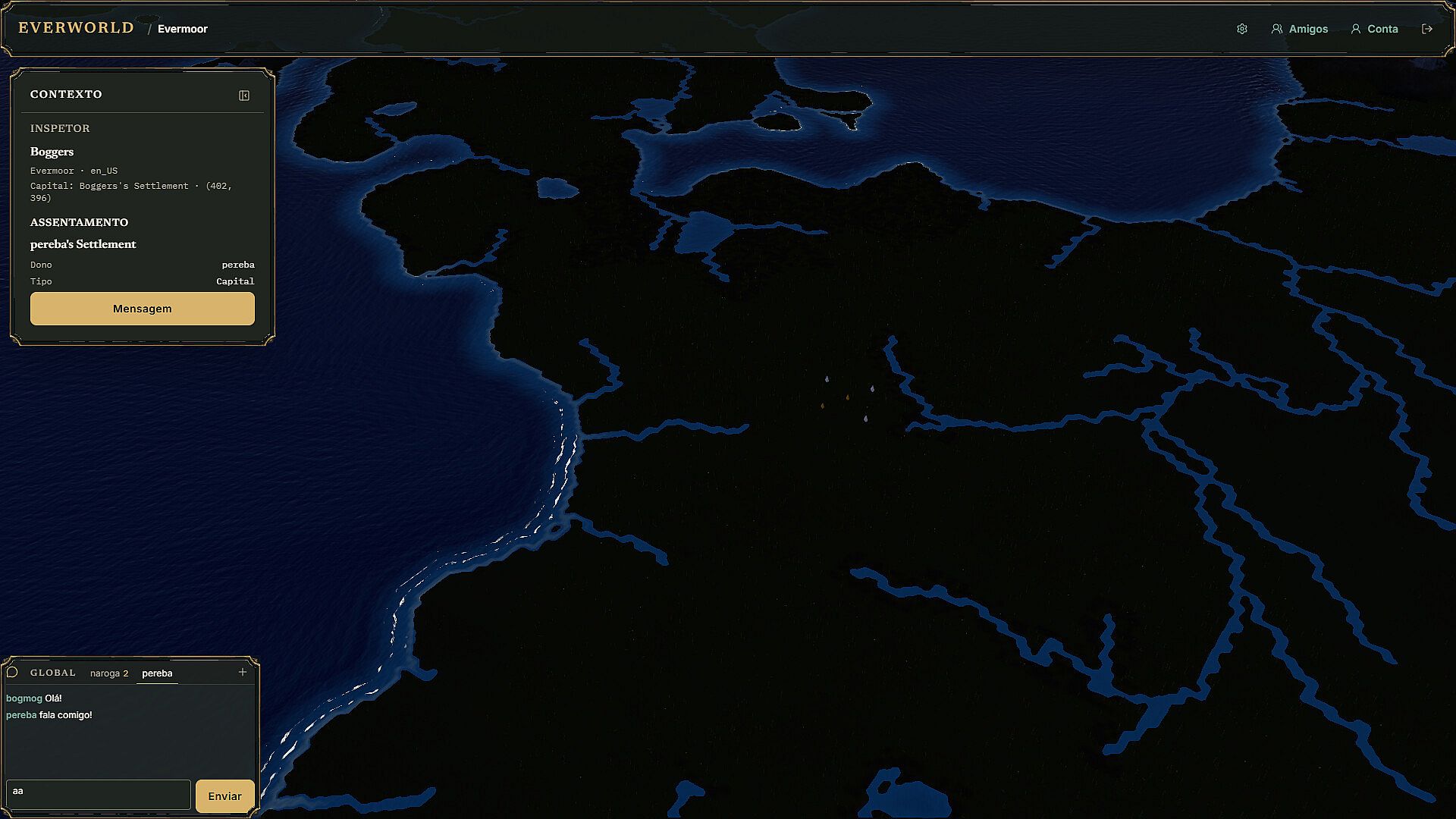
Expansion requires founding new settlements on the shared map. Territory growth depends on careful resource allocation and worker management to support larger populations and stronger defenses.
Game Modes
Each world operates under its own set of rules that players review before joining. Some worlds enable combat while others focus purely on development and expansion. In combat-enabled worlds, trained units such as swordsmen, archers, and spearmen form battalions that march across the map. Raids target rival capitals or contest expansion settlements, though capitals themselves cannot be captured.
Conquering expansion settlements follows the specific victory conditions set for that world. Players organize production and training to support military campaigns while maintaining civilian needs back home. Social features support coordination through friendship requests, private messages, groups, and world chat.
Progression suits varied schedules. Short sessions allow players to issue new orders and check status, after which the settlement continues developing independently until the next login.
Core Systems and Progression
Resource chains connect raw gathering sites to processing buildings and finally to the Warehouse for distribution. Population growth drives upgrades from simple Houses to larger Townhouses, each stage increasing both output and consumption. Military training draws from the same resource pool, requiring players to decide between economic expansion and army strength.
The persistent world means every settlement shares the same map, creating opportunities for both cooperation and competition depending on the chosen world's rules. An internet connection and an Everworld account remain necessary to access any world and maintain ongoing progress.
Is It Worth Playing?
Battle for Everworld suits players who enjoy long-term city management and strategy in a shared environment with automatic offline advancement. The emphasis on production chains, territory expansion, and flexible session lengths appeals to those who prefer thoughtful planning over constant real-time action.
World rules vary, so individuals can select environments that match their preferred balance of peaceful development and optional combat. Social tools help coordinate with others without requiring long daily commitments. Those seeking a persistent strategy MMO with steady progression between logins will find the core loop matches the described systems closely.