







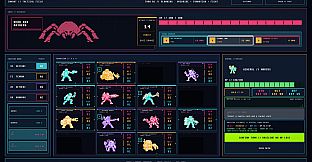
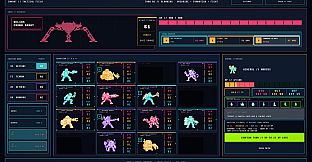
BANNER PROTOCOL is a single-player strategy game that blends roguelike deckbuilding with tactical positioning on a grid. Players take control of a courier named STARLING-12 who must transport a powerful military intelligence called BANNER across a hostile world to reach the Helios Crown Array. The core experience revolves around assembling cards from rival factions, arranging them on a 4x4 field, and managing limited resources while facing escalating enemy forces in a retro-futurist setting.
Gameplay
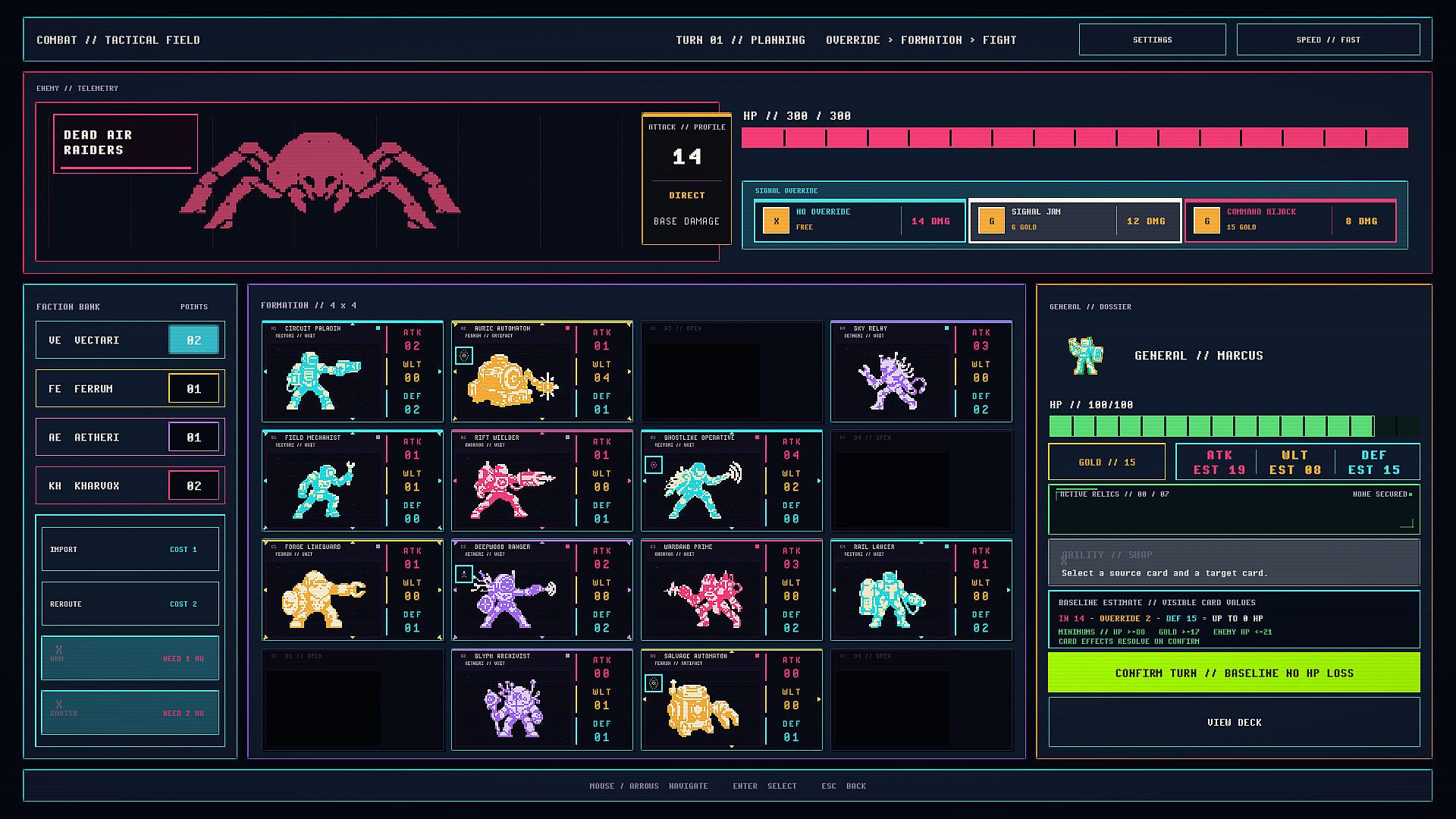
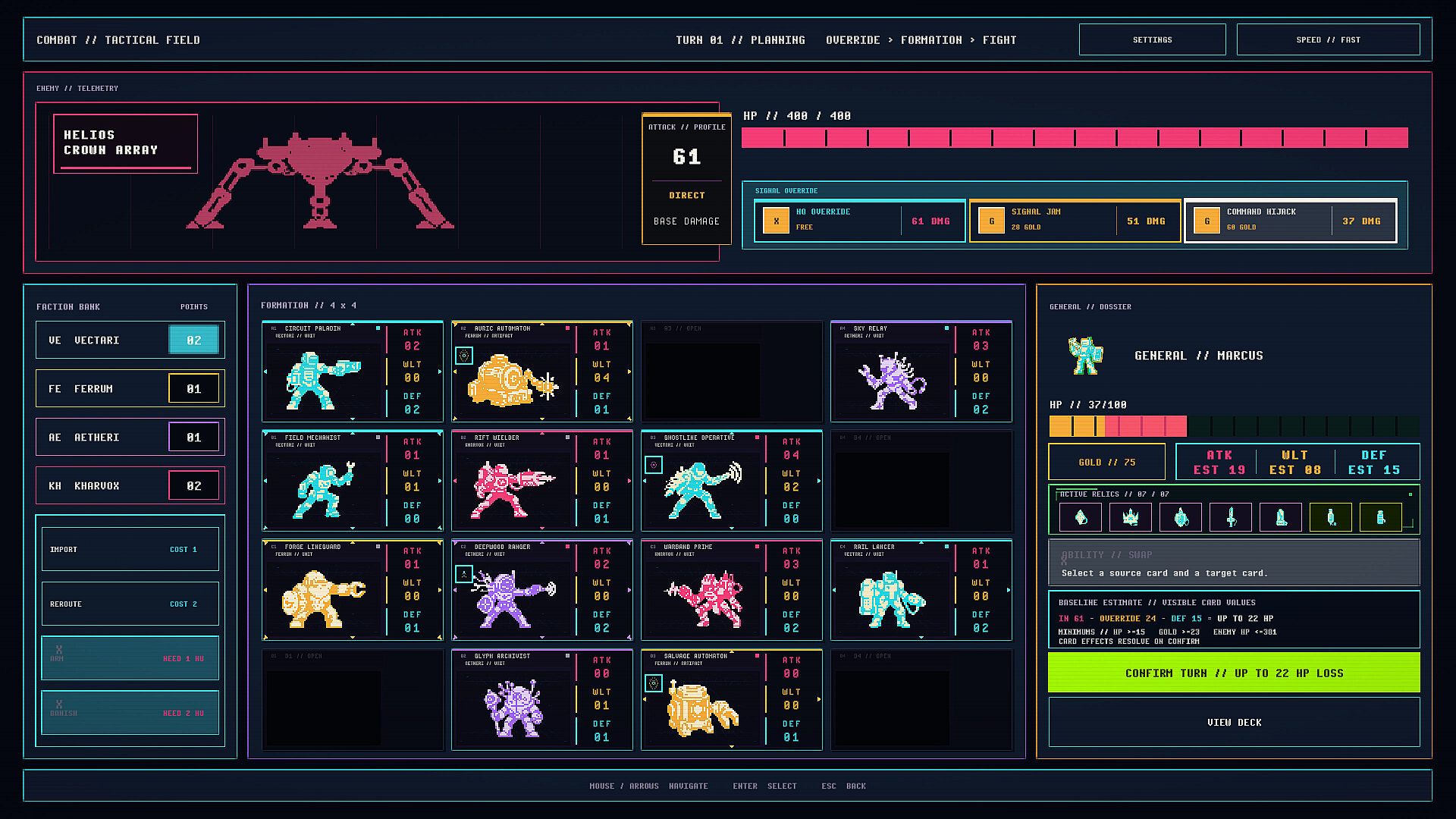
The central loop centers on building and maintaining a formation of units, artifacts, and support cards. Each placement on the 4x4 grid influences attack output, defensive strength, resource generation, and faction-specific bonuses that interact across the entire setup. Position becomes critical because cards do not act in isolation; their combined effects can shift the balance of an encounter through synergies or vulnerabilities.
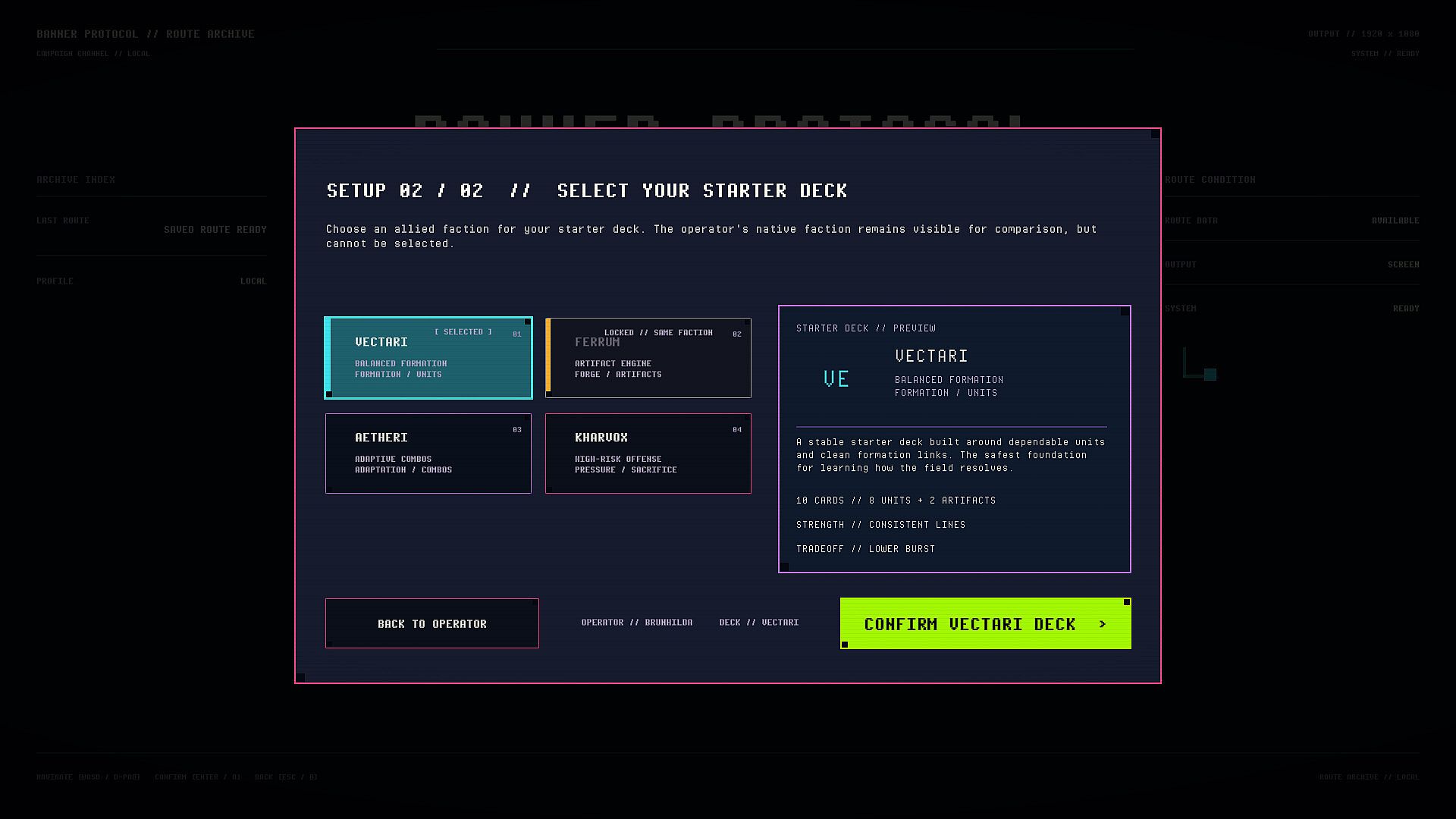
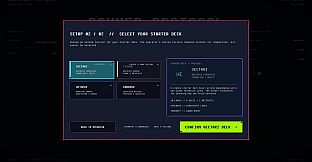
Four factions provide distinct card pools for recruitment. Vectari supplies reliable units suited to steady, balanced lines. Ferrum focuses on artifacts that drive resource engines and long-term advantages. Aetheri emphasizes flexible combinations and utility tools for adapting mid-battle. Kharvox delivers aggressive options that carry higher risk but greater immediate pressure. Selecting an operator at the start determines starting options, after which players mix cards from these groups while handling internal rivalries that can limit certain pairings.
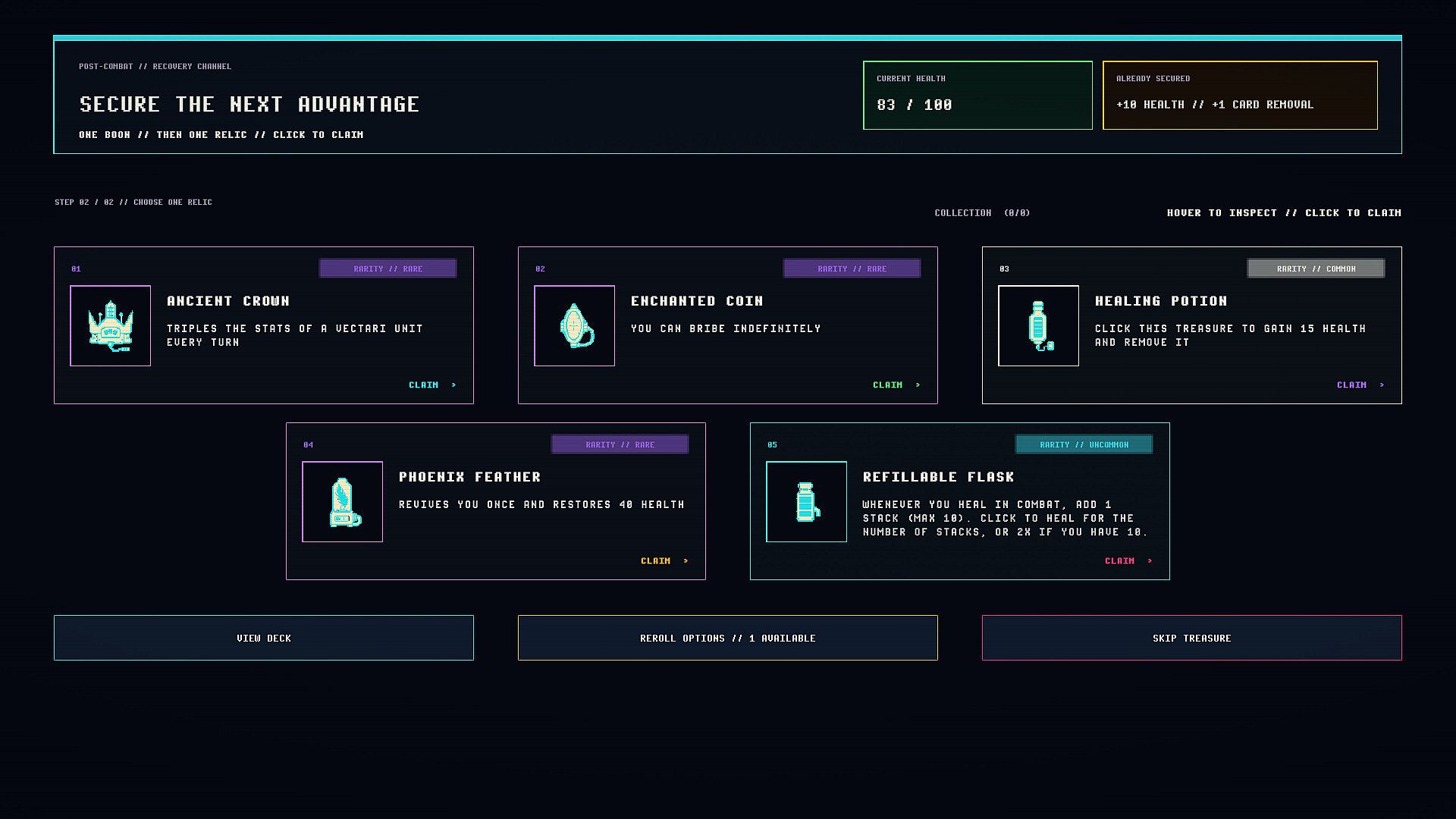
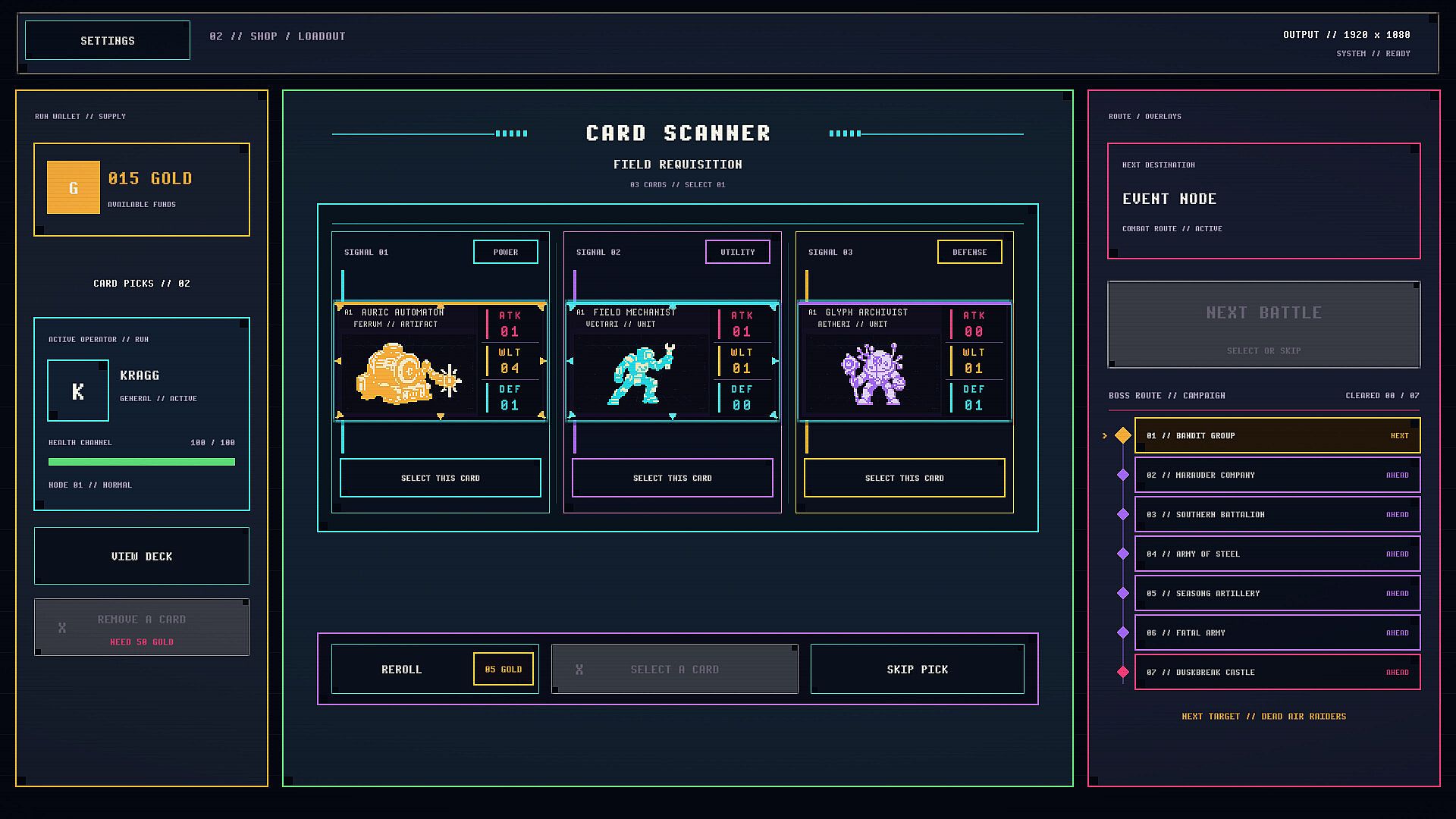
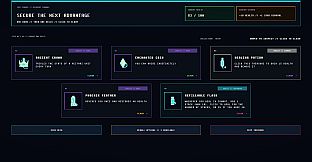
Combat introduces an interception mechanic tied to enemy signals. Opponents telegraph their next action, giving players three choices: absorb the damage, spend gold to disrupt the broadcast, or attempt a full hijack. Successful overrides can neutralize threats but reduce funds available for deck upgrades, rerolls, or new relics between fights. After each encounter, survivors claim fresh cards, powerful relics, and opportunities to refine the deck before the next node on the route.
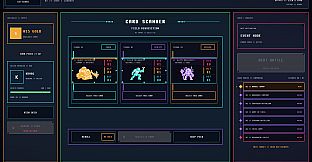
Progression unfolds across a series of nodes that lead toward the final objective. Enemy groups grow more organized and numerous, moving from scattered raiders to structured artillery and mechanized units, then culminating in the Crown's command forces. Each run forces fresh decisions about risk versus reward, as supplies remain finite and every choice reshapes the coalition for the challenges ahead.
Game Modes
The game operates entirely in a single-player roguelike format. Runs consist of sequential battles across procedurally influenced paths, with players rebuilding their formation and deck after each loss or successful advance. No separate competitive or cooperative modes exist; the emphasis stays on repeated attempts to reach the Helios Crown Array while experimenting with different faction mixes and tactical setups. Each attempt generates unique combinations of cards and relics, encouraging players to adapt strategies rather than repeat the same approach.
Key Mechanics and Progression
Resource management ties directly into the signal interception system. Gold serves multiple purposes, from bribing attacks to acquiring new cards or relics, so players must weigh immediate survival against long-term deck strength. Relics obtained after battles can alter card behaviors or provide passive bonuses that compound across a run. The limited supply of these items means decisions about which upgrades to pursue carry weight, especially as enemy difficulty ramps up node by node.
Faction rivalries add another layer to deck construction. While mixing strengths creates powerful coalitions, certain combinations may trigger drawbacks that require careful mitigation through positioning or support cards. This system rewards experimentation within the constraints of a single run, where early choices influence later options without carrying over between attempts.
Is It Worth Playing?
BANNER PROTOCOL targets players who enjoy tactical roguelike deckbuilders that reward precise positioning and faction synergy over pure luck. The 4x4 formation system and signal interception choices create meaningful decisions at every stage, from initial recruitment to mid-run adjustments. Those who appreciate managing rival groups and adapting to escalating threats will find the structure engaging, particularly if they value runs that feel distinct based on card selections rather than fixed progression trees. The game remains in a pre-release state with no player reviews or completed updates available yet, so prospective buyers should monitor its launch for confirmation of balance and feature stability. Fans of similar strategy titles centered on grid tactics and resource trade-offs stand to gain the most from its focused single-player experience.