




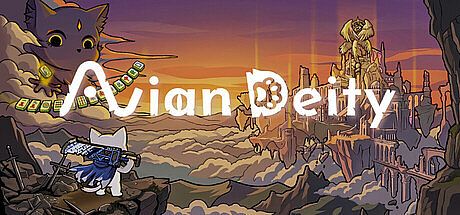




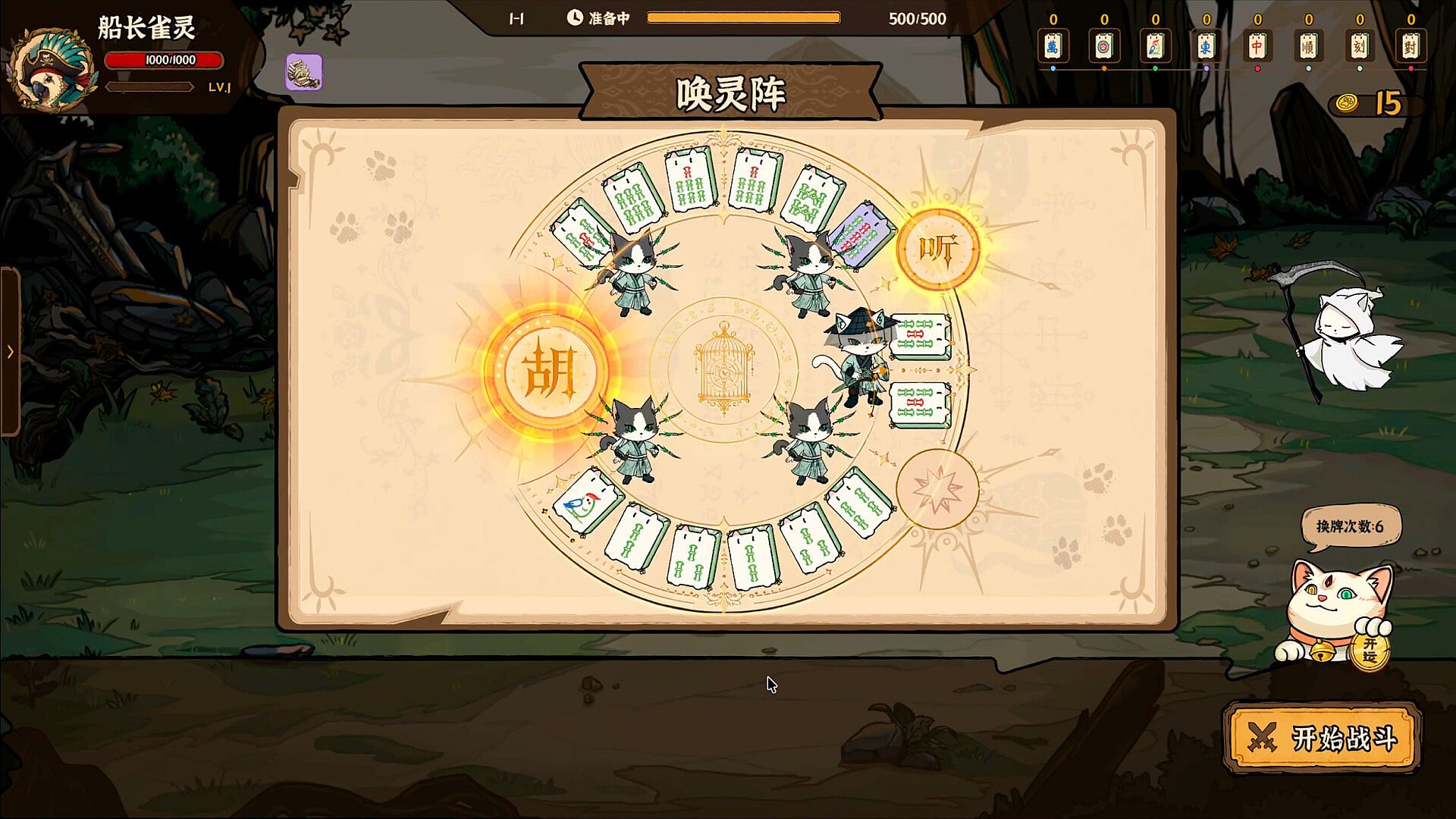




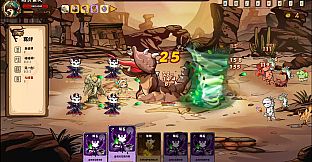

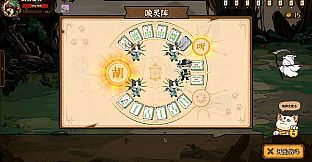




Avian Deity is a strategy indie game for PC that blends mahjong tile placement with familiar summoning and wave defense. A sparrow spirit from another world and a beckoning lucky cat guide players toward becoming the ultimate Mahjong God through careful tile positioning and pattern formation.
Gameplay
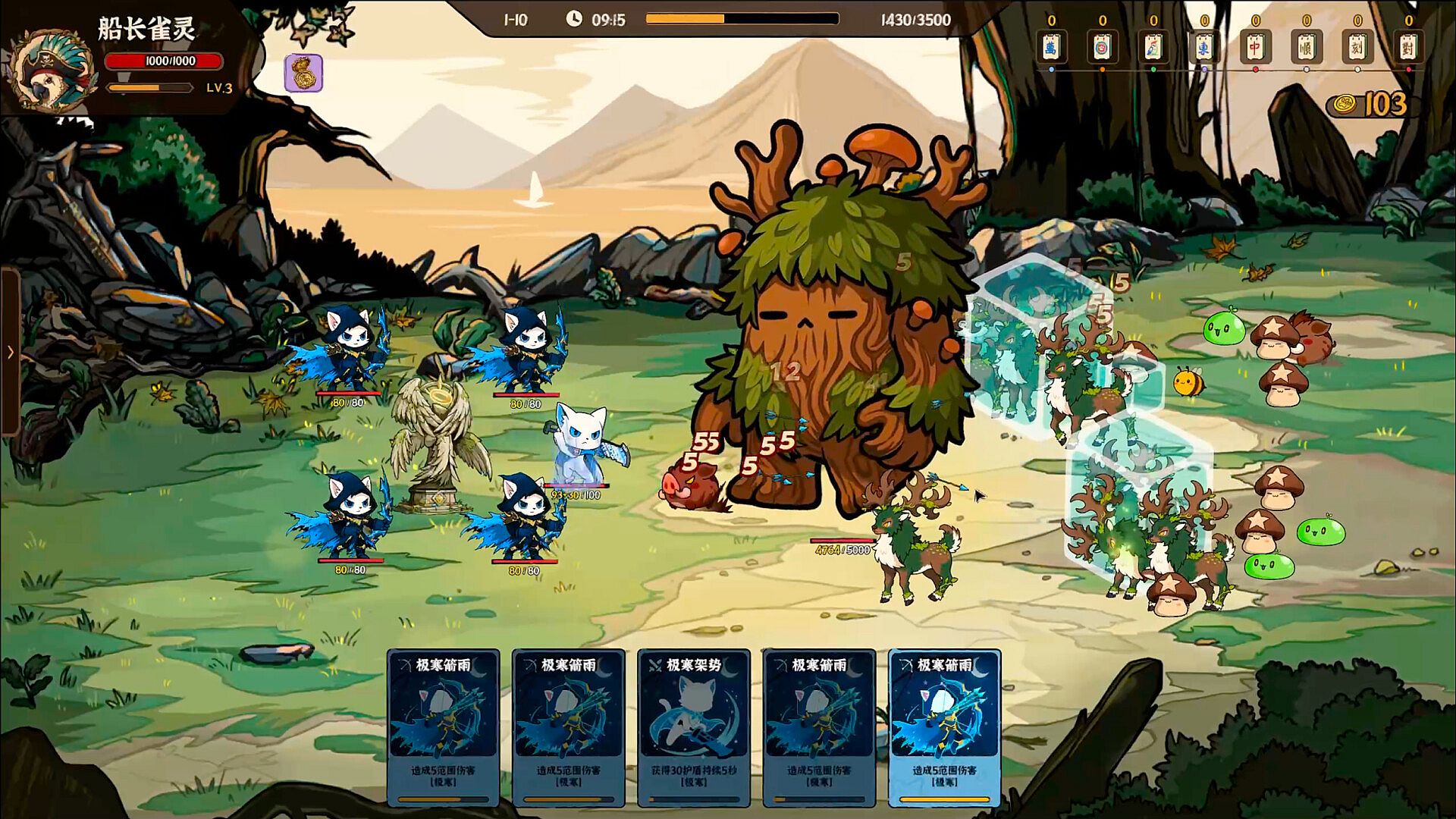
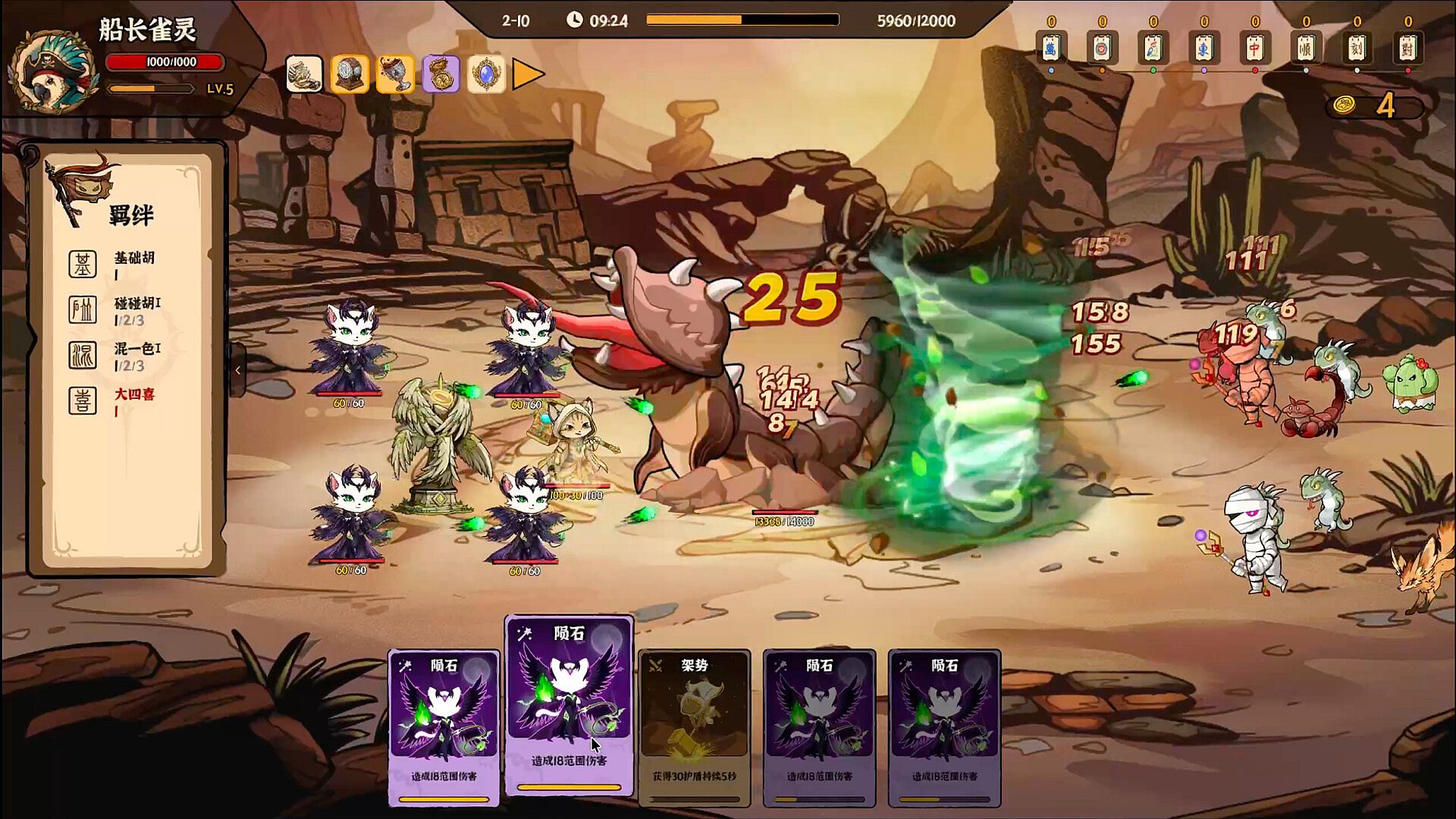
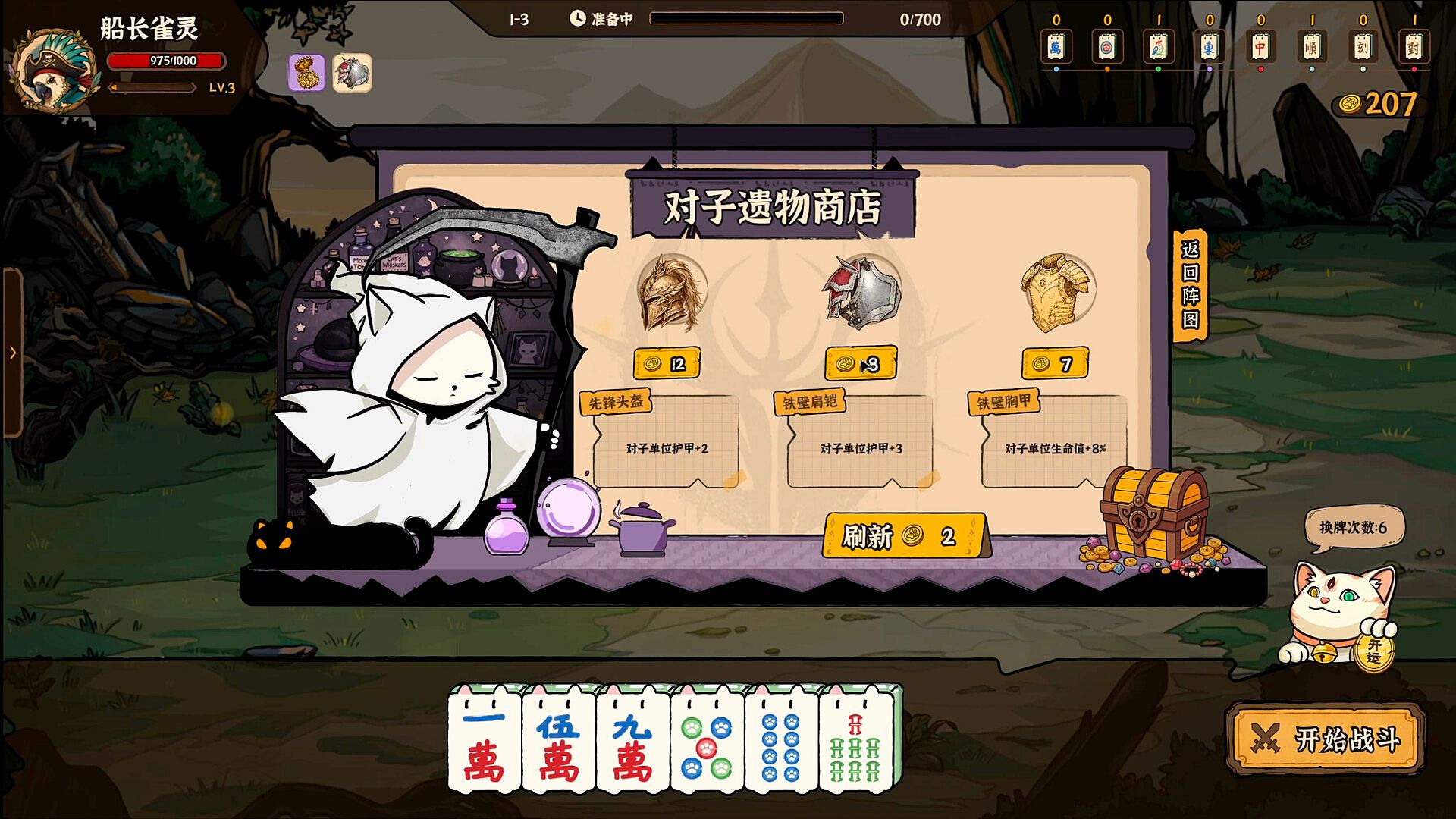
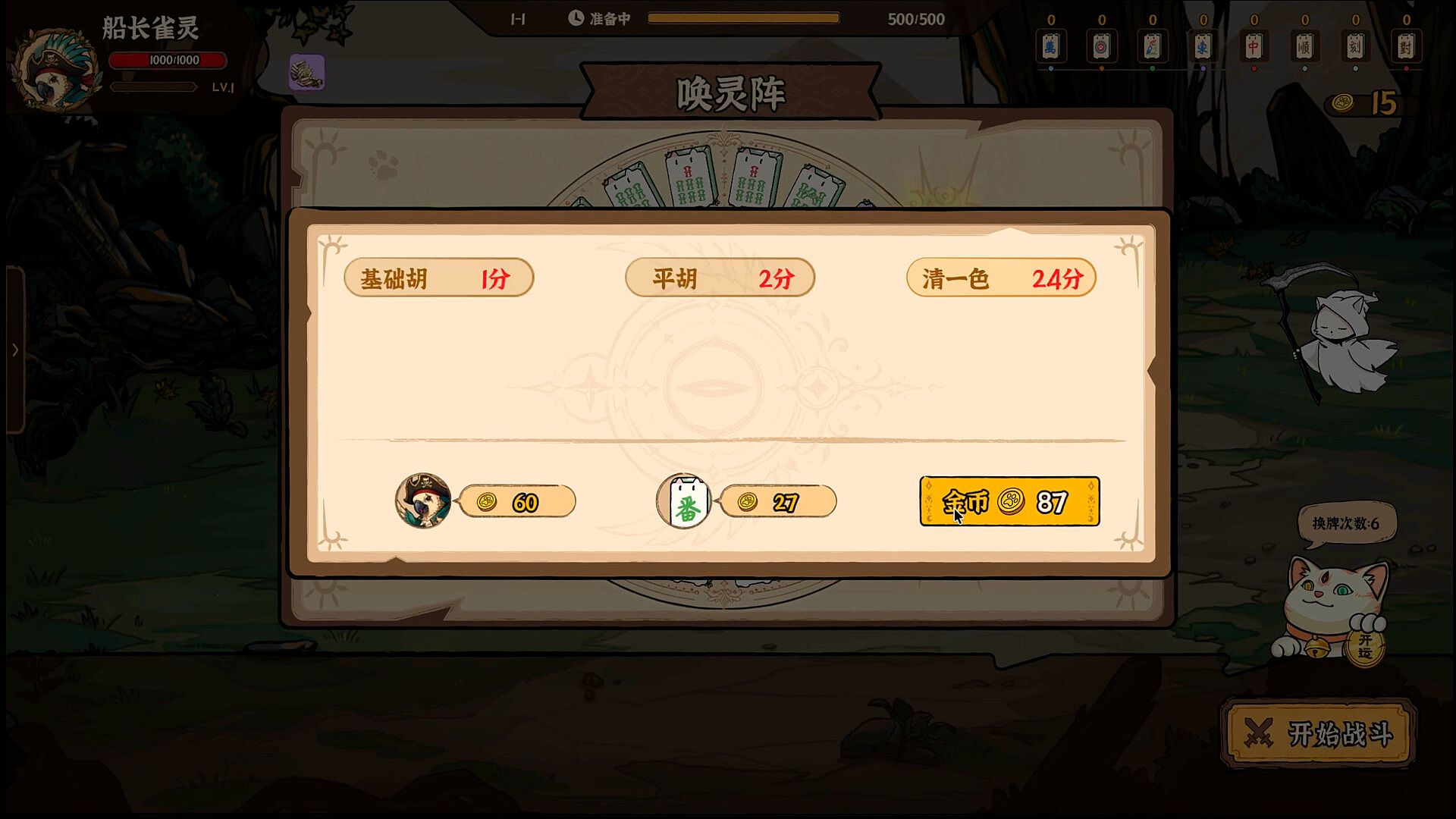
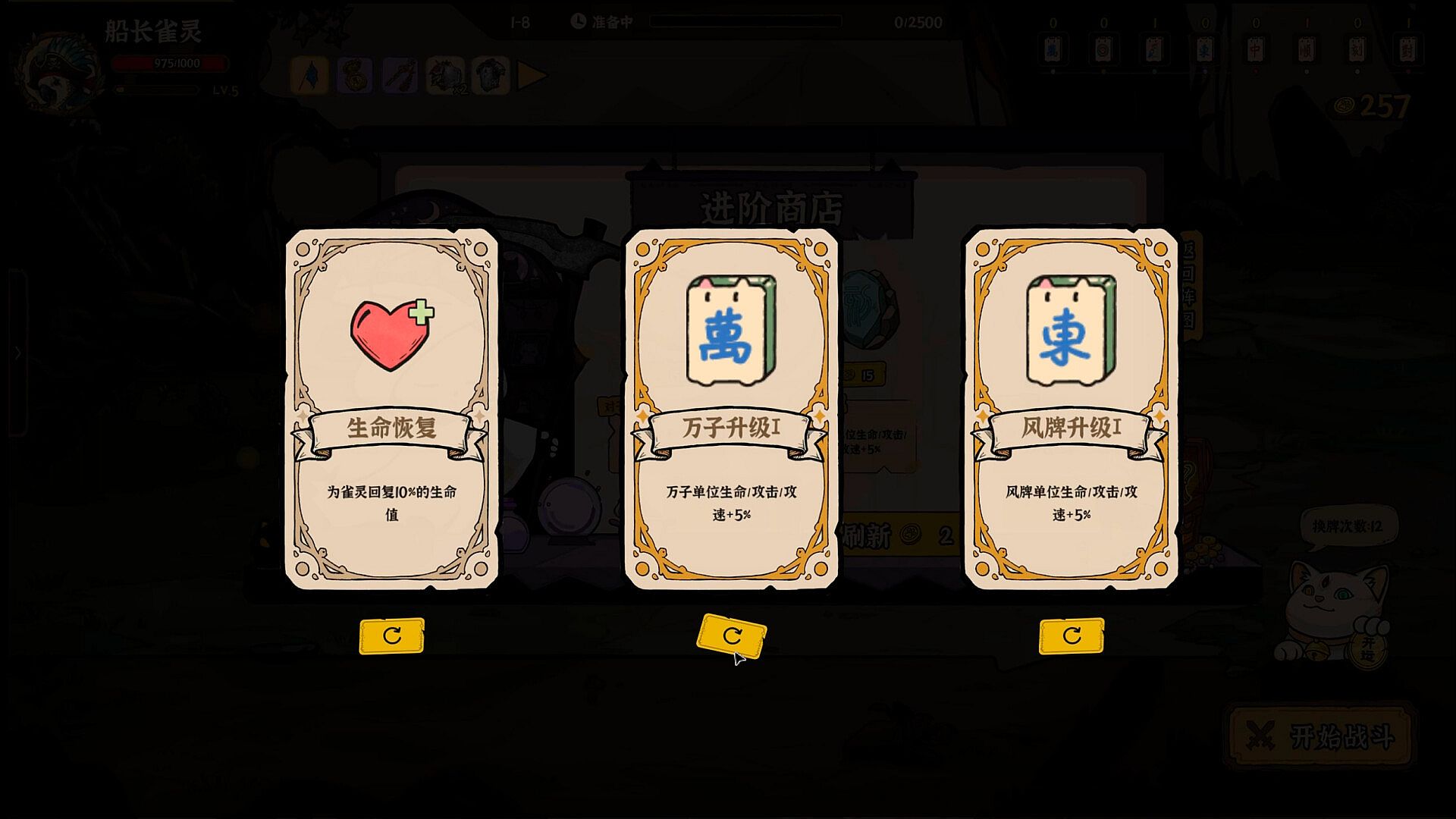
Players place mahjong tiles on the board to summon powerful cat familiars into combat. Specific tile combinations create winning hands that grant bonds, which increase combat strength and generate substantial gold rewards. These resources support ongoing progression across multiple stages filled with advancing monster waves. Between stages, a shop offers relics that enhance particular hand types or suits, allowing gradual customization of summoned units and overall team composition. The core loop revolves around balancing immediate defensive needs with long-term upgrades to handle increasingly intense enemy assaults.
Success depends on recognizing optimal tile patterns quickly while managing resources efficiently. Each summoned familiar contributes unique strengths to repel threats, and accumulated bonds provide multiplicative power boosts during critical moments. Gold earnings fund relic purchases that refine strategies over repeated stage clears, encouraging experimentation with different suit focuses or hand priorities to counter varied monster behaviors.
Game Modes
The experience centers on a stage-based progression system where players defend successive areas against endless monster waves. Between defenses, the shop phase provides opportunities to acquire relics and apply targeted upgrades to hand types or suits. This structure builds toward a final confrontation with the Mahjong God, emphasizing incremental team strengthening through repeated cycles of summoning, combat, and refinement.
No separate multiplayer or alternative modes appear in the available details, keeping the focus on solo strategic depth. The single-player campaign integrates tile mechanics directly into combat flow, rewarding precise pattern recognition and adaptive relic choices across the full sequence of stages.
Core Mechanics and Progression
Mahjong serves as the central summoning medium, with tile placement directly determining which familiars enter battle and how effectively they perform. Forming winning hands not only delivers immediate combat advantages but also unlocks bonds that scale power significantly while providing gold for further investment. Relics purchased in the shop allow specialization, such as boosting particular suits or hand variants, which in turn shapes the composition of the familiar team over time.
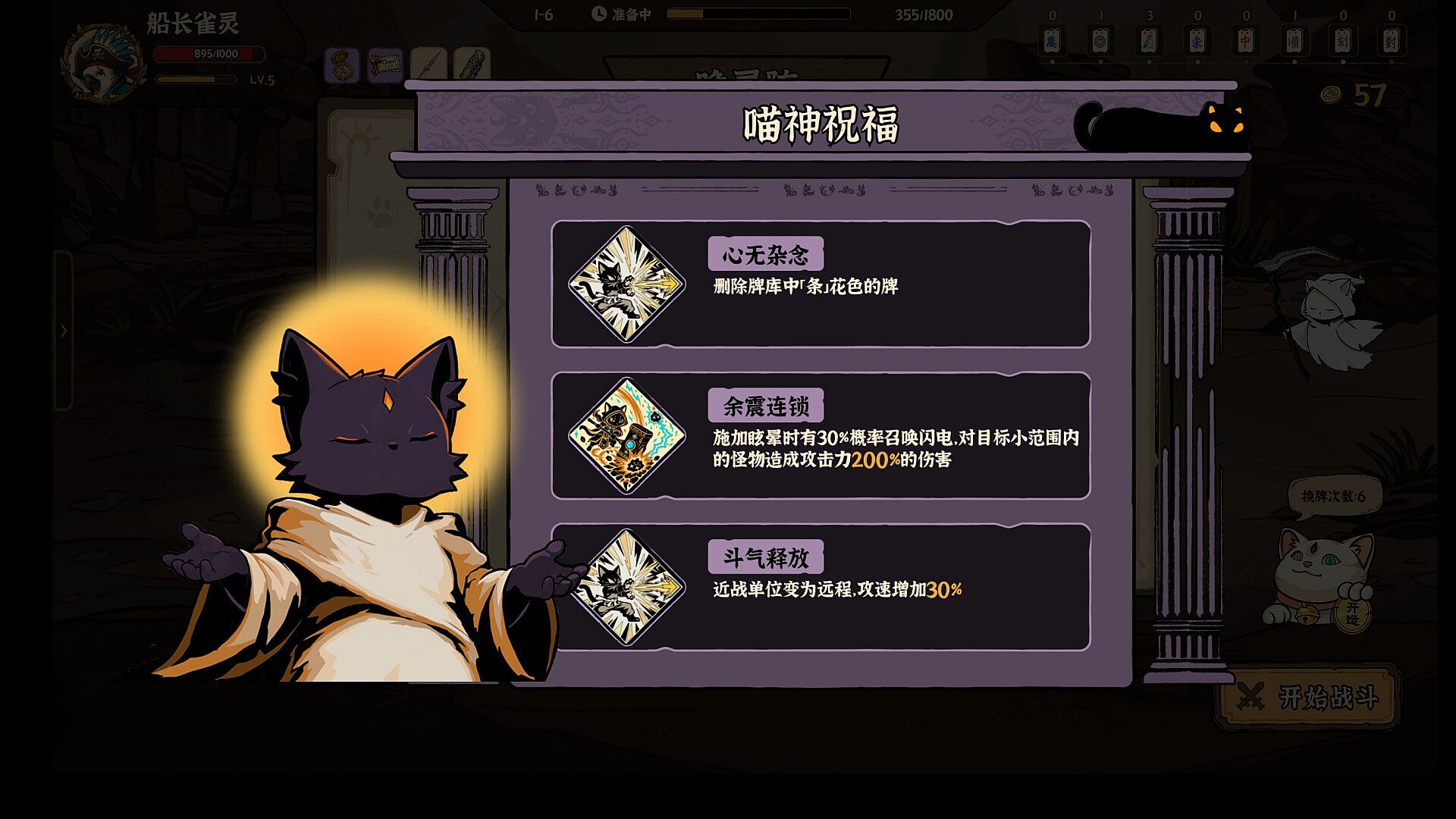
Defense phases require constant attention to wave composition, as monsters arrive in relentless succession. Between these phases, players evaluate current team performance and select upgrades that address weaknesses or amplify strengths. This creates a layered decision process where early tile choices influence later relic synergies and overall viability against tougher encounters.
Who the Game Appeals To
Avian Deity suits players interested in strategy titles that incorporate unconventional mechanics like mahjong into familiar defense frameworks. Those who enjoy building and refining teams through incremental upgrades will find value in the relic system and bond mechanics. The indie scope keeps the presentation focused on core systems rather than expansive narratives or visuals, appealing to enthusiasts of tight, mechanics-driven gameplay.
Is It Worth Playing?
Avian Deity delivers a distinctive fusion of mahjong pattern matching and familiar-based defense that stands apart from standard strategy offerings. The progression from basic tile summons to a fully upgraded team capable of challenging the Mahjong God provides a clear sense of advancement for those who appreciate methodical resource management and adaptive strategies. Without established player reviews or update history available, the recommendation rests on interest in the described systems: the game suits dedicated strategy fans seeking a fresh take on tile placement and wave defense, while those preferring broader multiplayer options or established franchises may find the scope more limited. The single-player structure rewards consistent engagement with its shop and upgrade loops, making it a solid choice for players drawn to indie experiments in hybrid mechanics.