






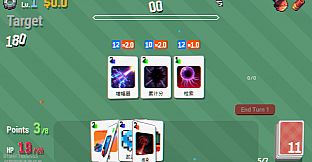
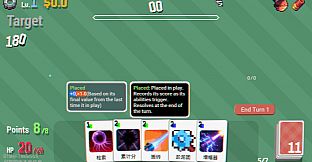
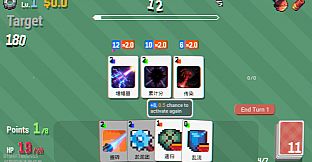
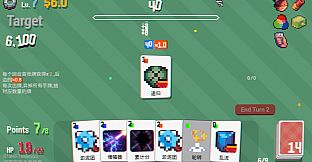
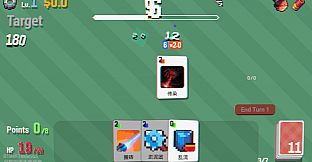
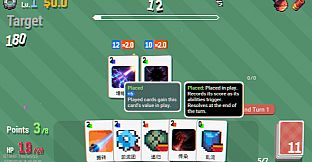
Aster é um roguelike deckbuilder para um jogador que coloca a estratégia no centro da experiência. O foco está na construção e no refinamento de baralhos ao longo de várias tentativas, priorizando sinergias entre cartas e a acumulação de pontuação em vez de progressão narrativa ou combates contra adversários fixos.
Gameplay
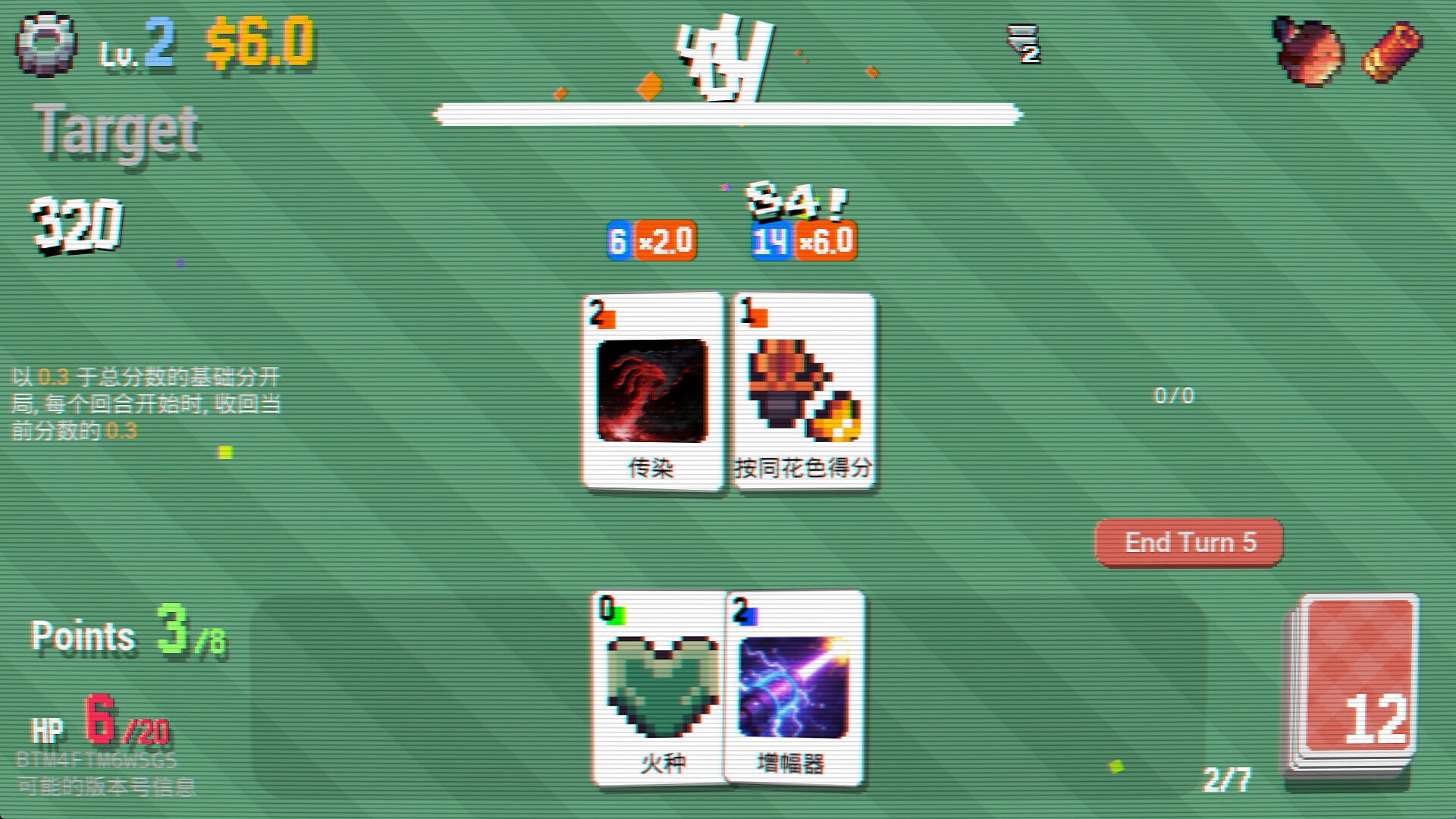
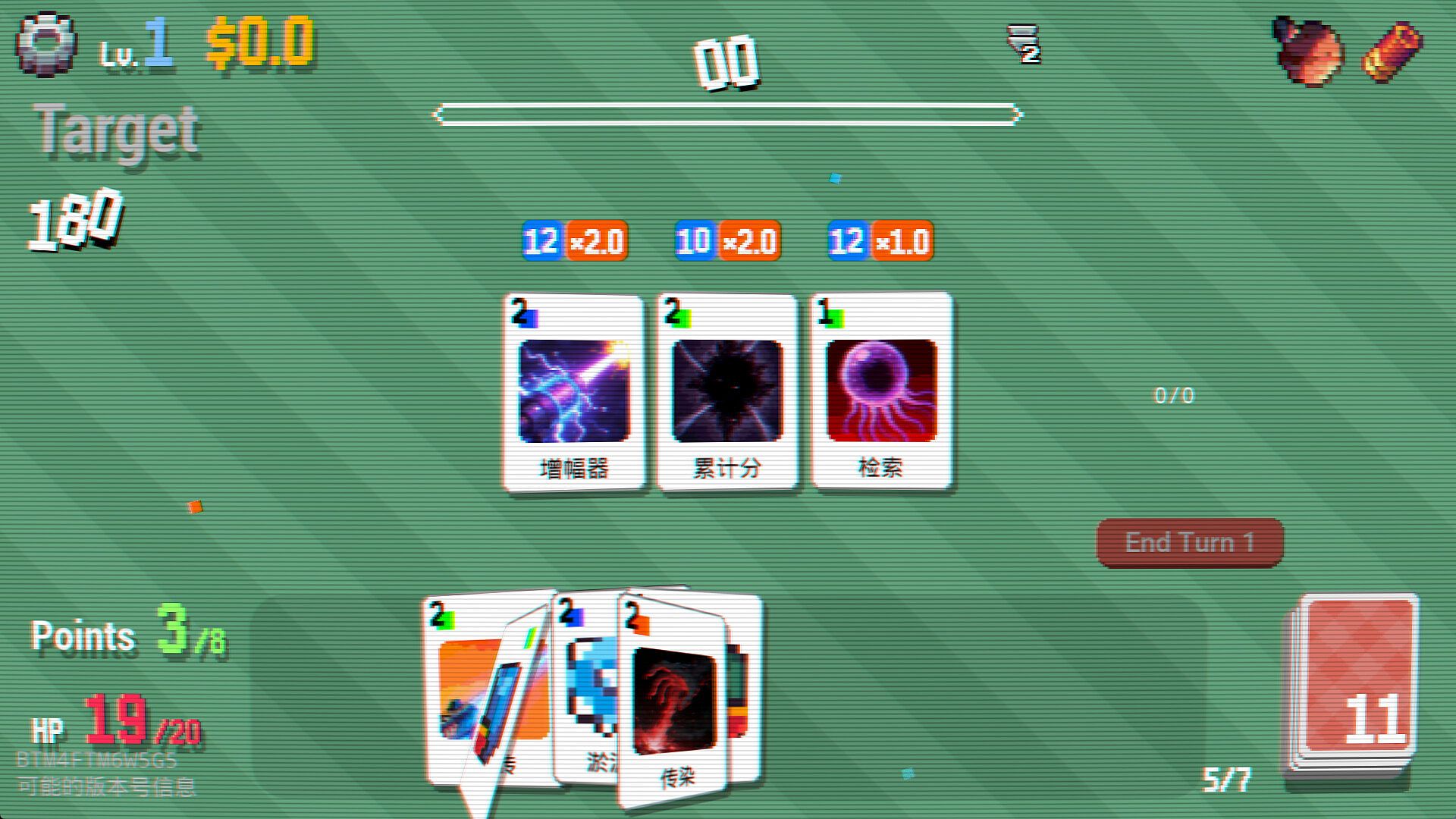
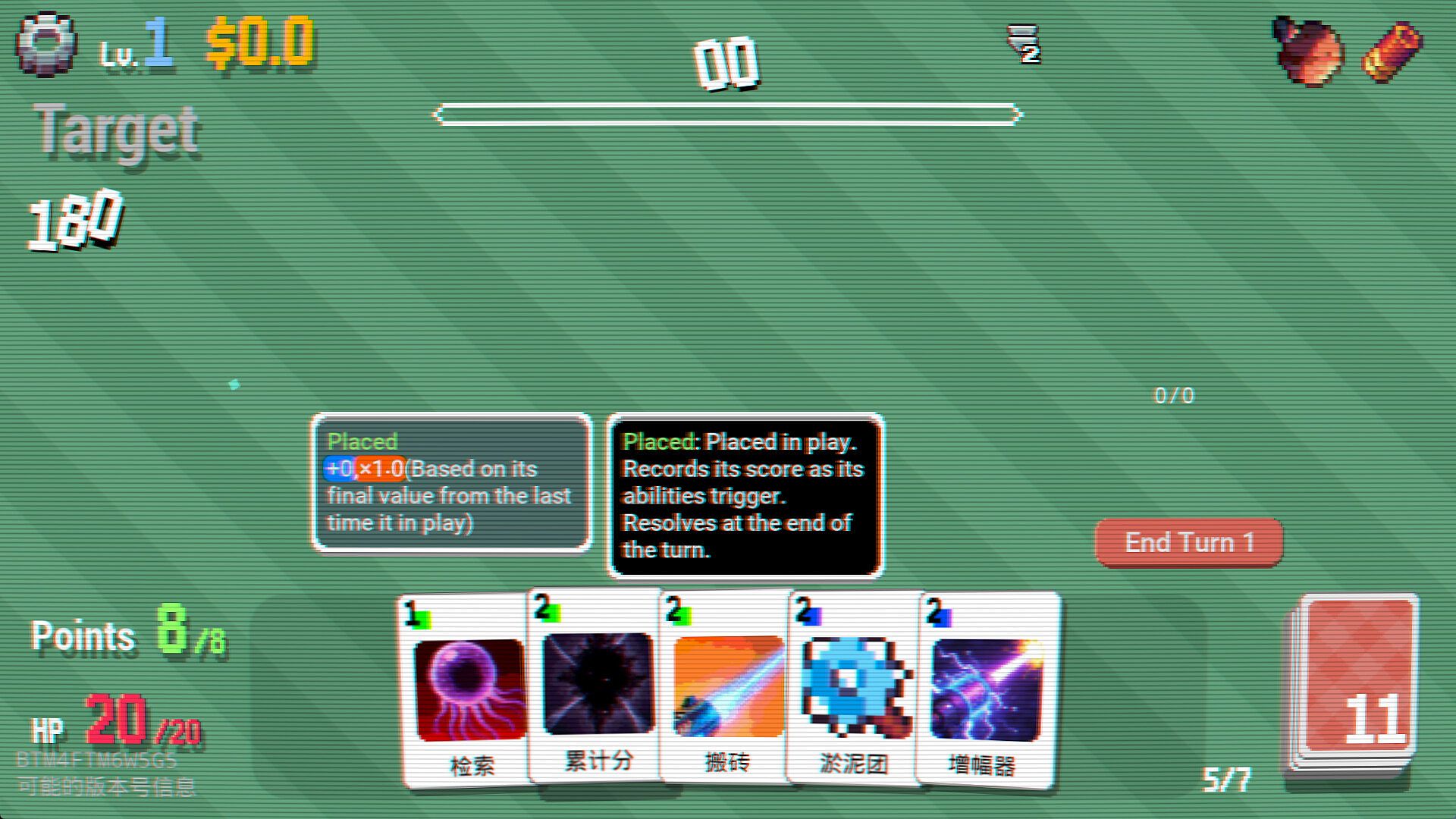
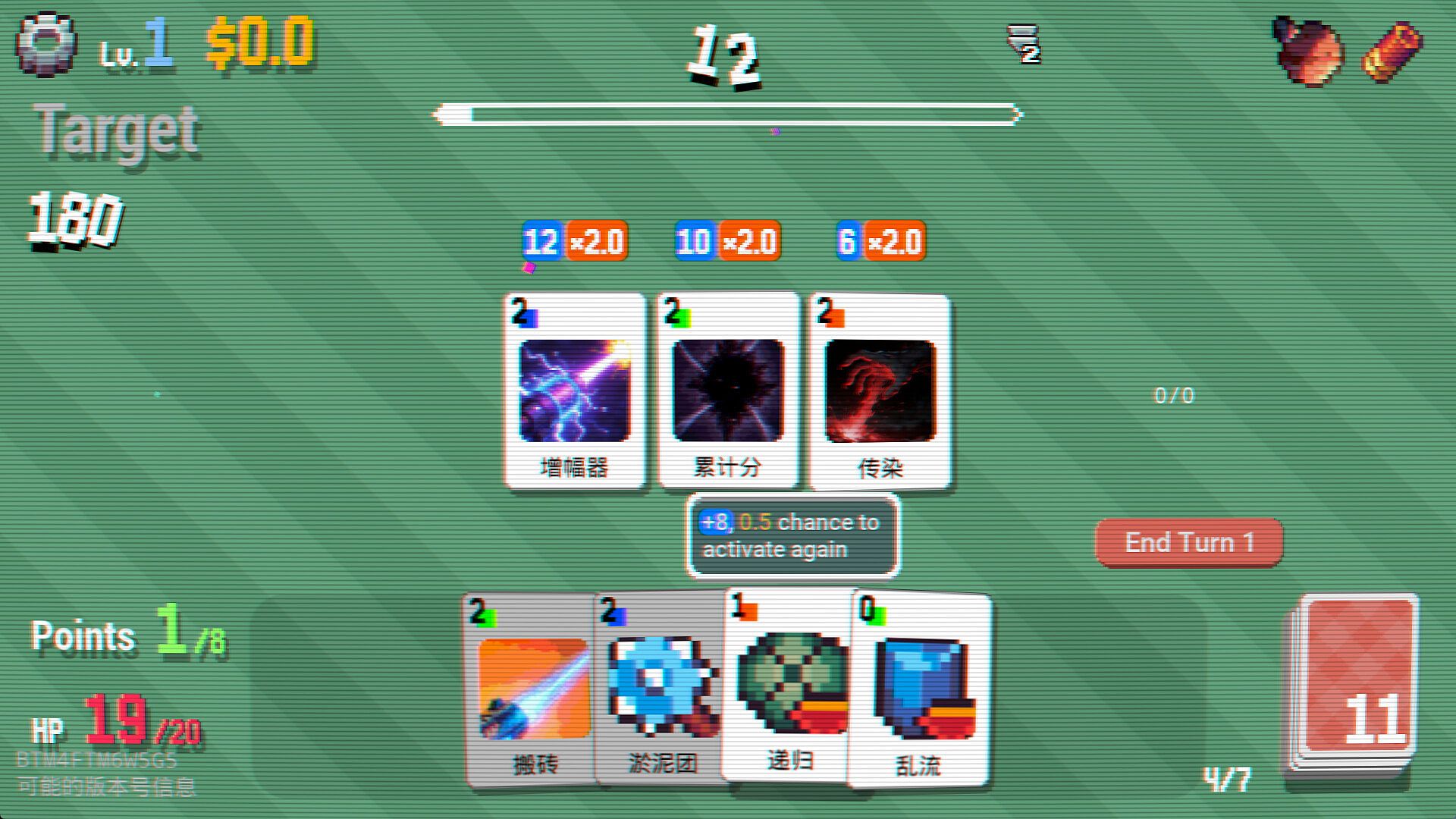
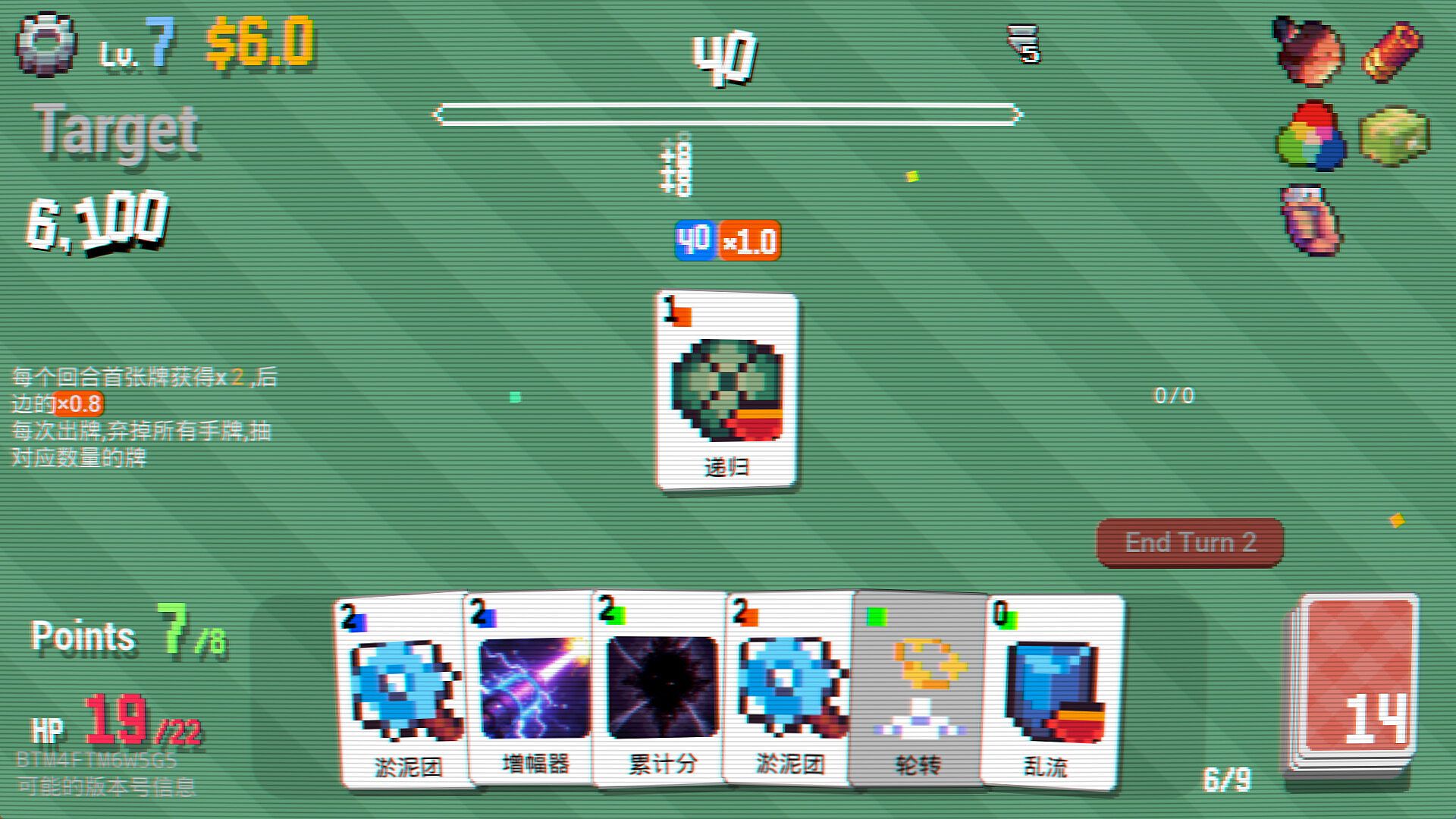
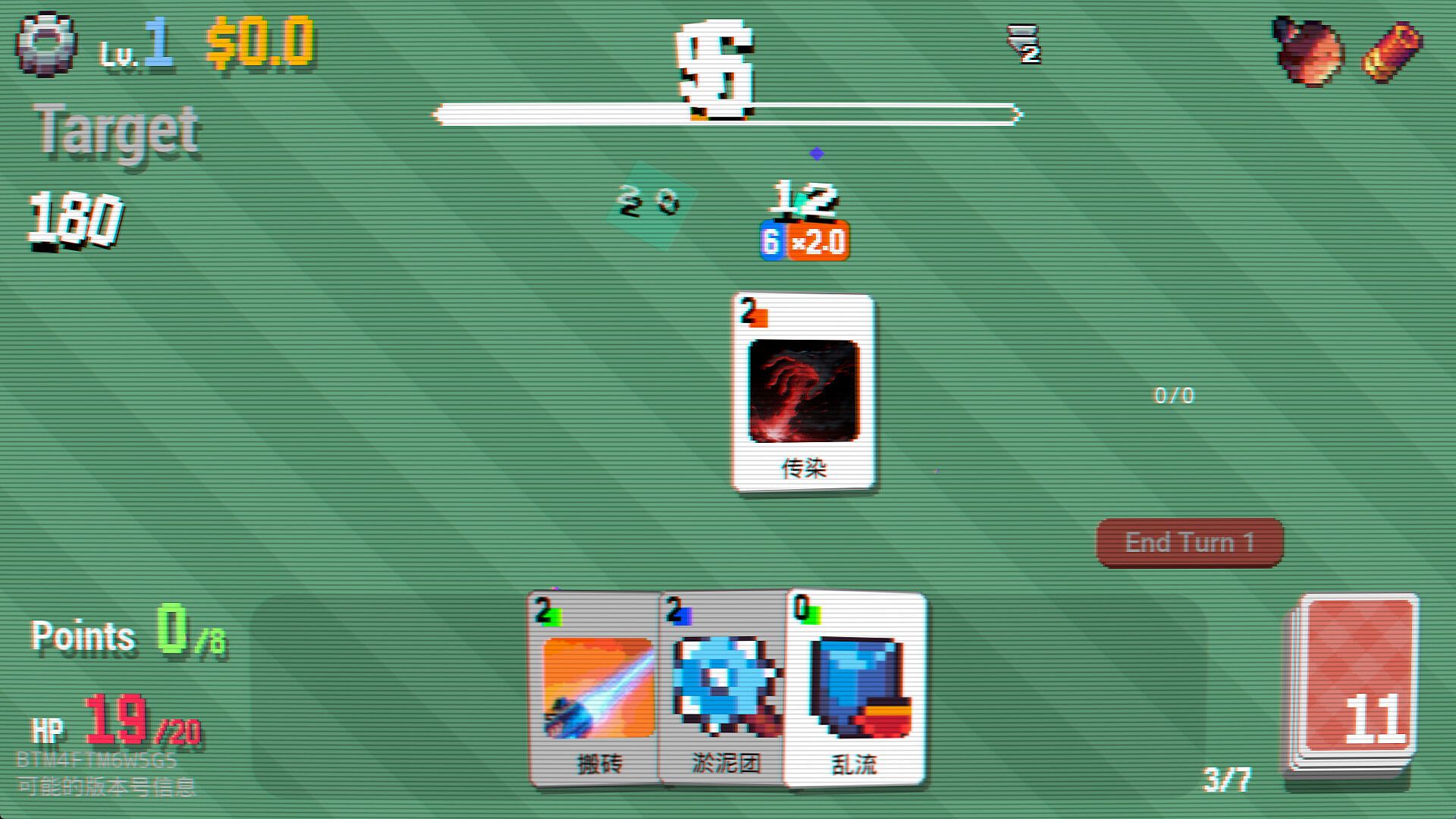
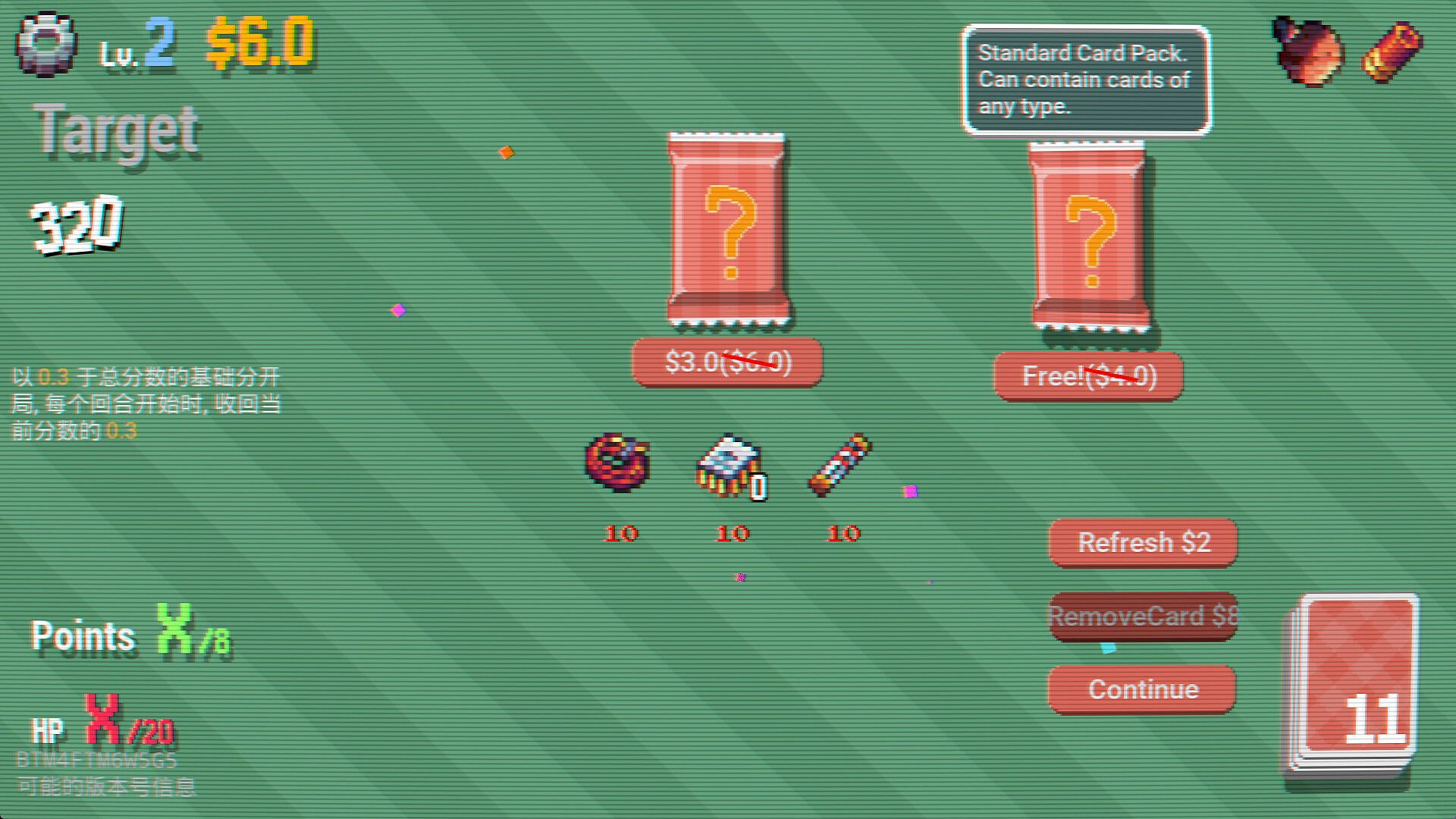
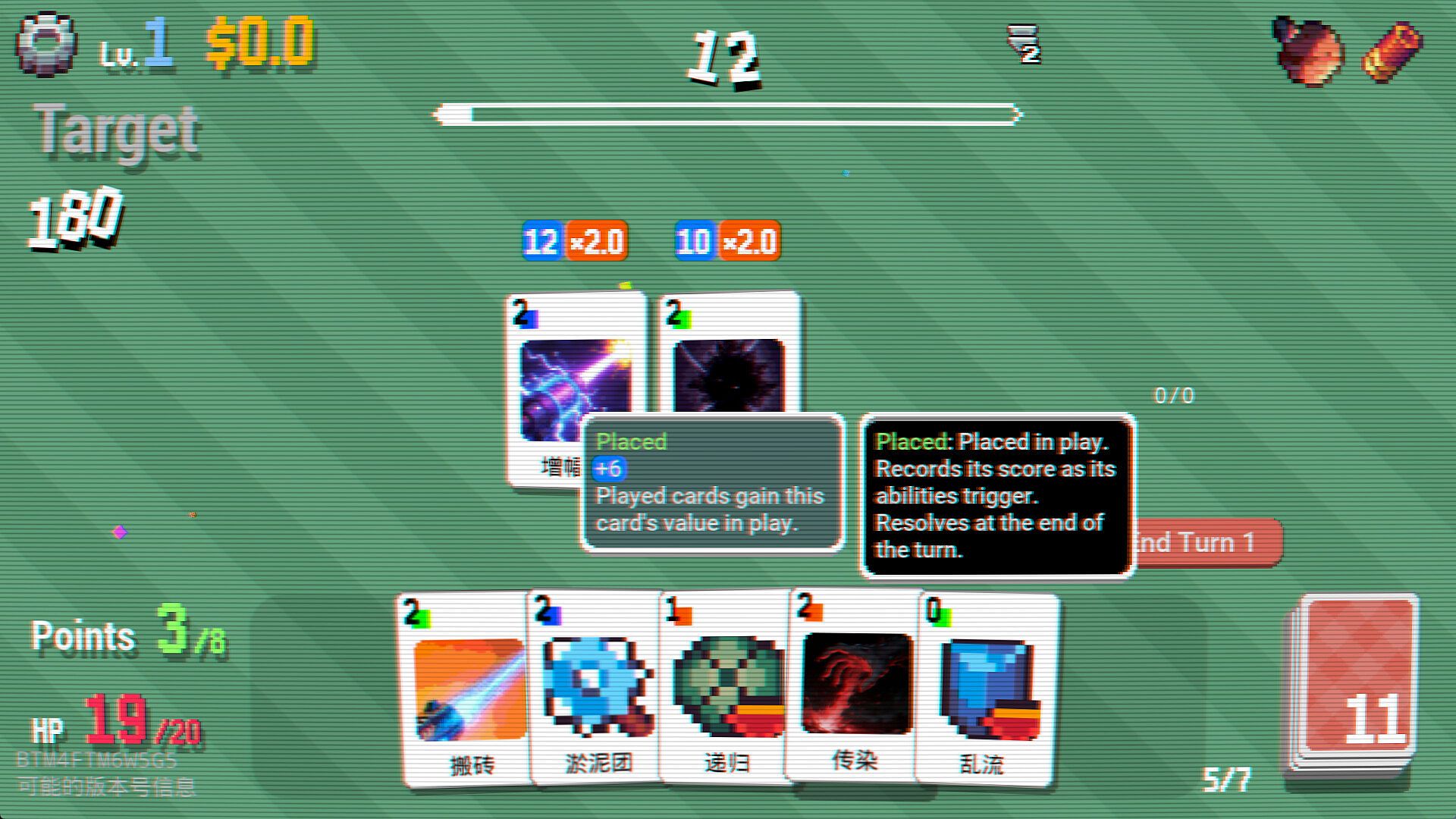
O ciclo principal gira em torno da recolha de cartas, relíquias e habilidades durante cada tentativa. À medida que as runs avançam, surgem novos elementos que permitem remodelar o baralho em torno de combinações que vão surgindo. As interações entre cartas podem criar cadeias de efeitos capazes de multiplicar a pontuação, transformando inícios modestos em sequências de alto rendimento quando as sinergias se alinham.
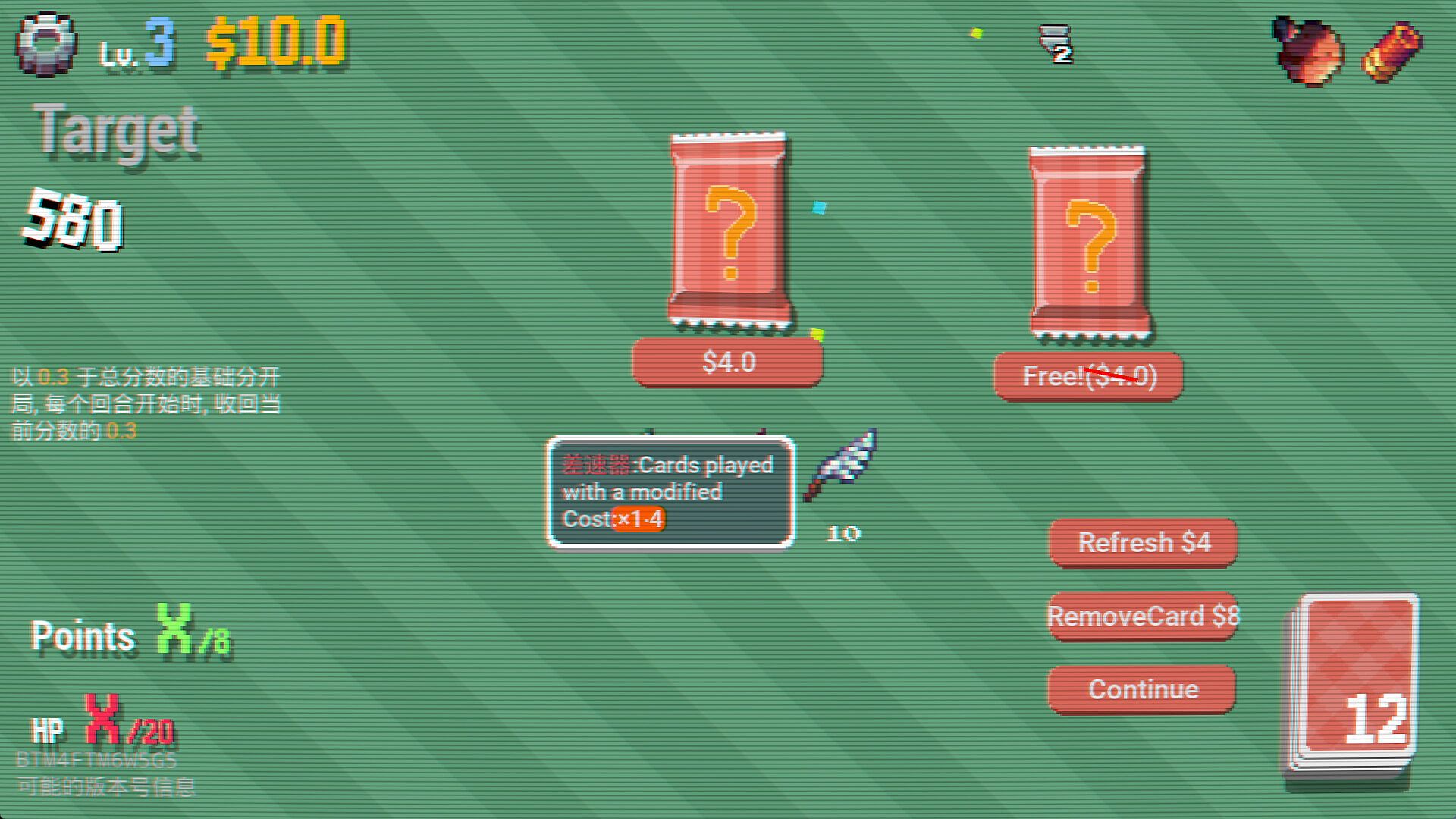
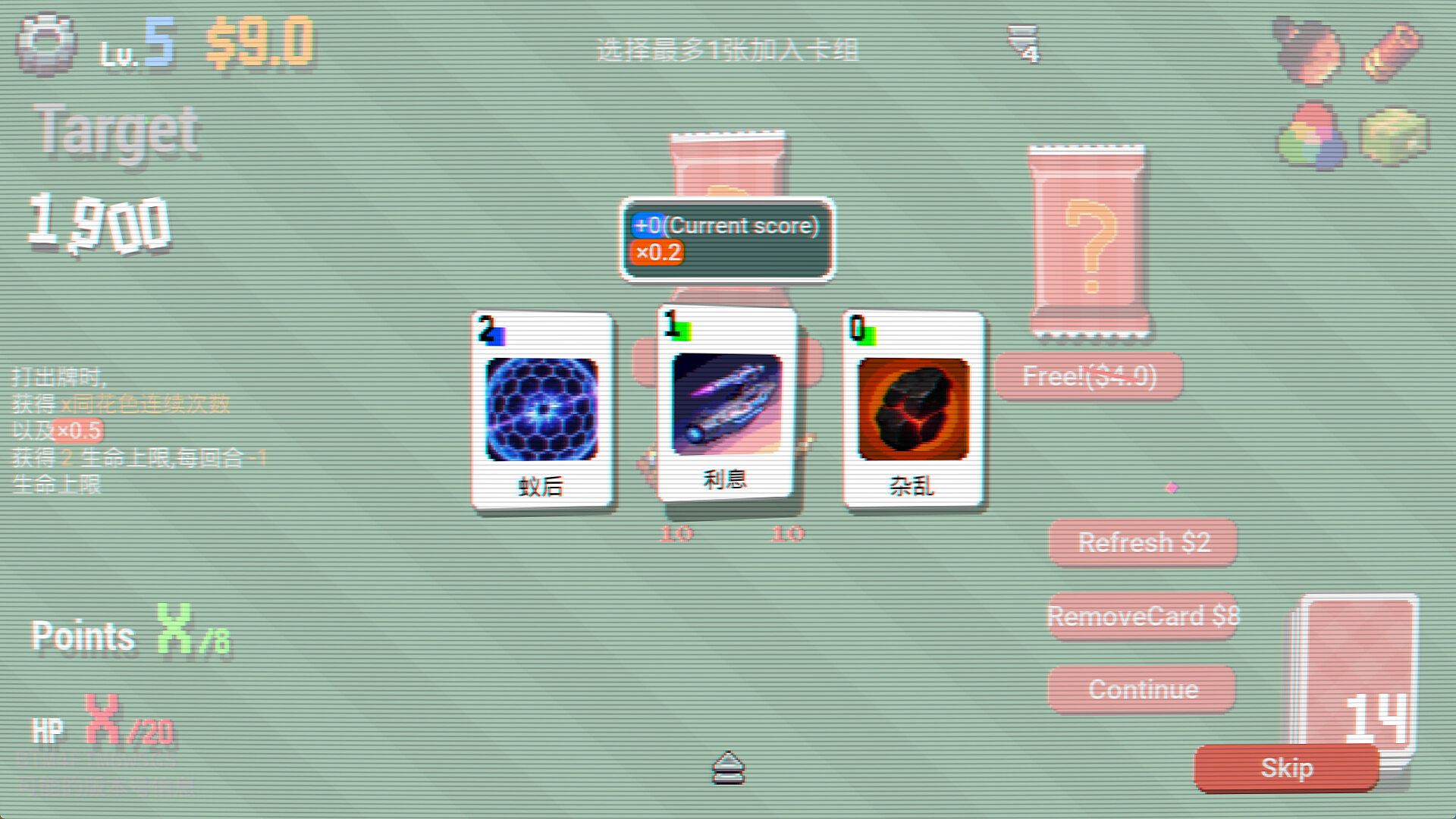
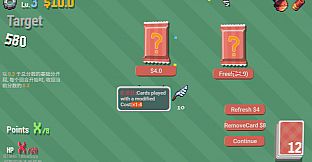
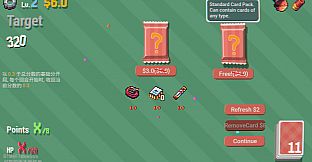
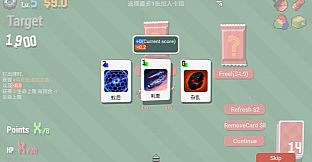
Cada decisão influencia a fase seguinte. As vitórias dão opções para adicionar cartas, obter relíquias que alteram mecânicas ou melhorar peças já existentes. Esta estrutura recompensa o planeamento cuidadoso, mas obriga à adaptação quando os elementos aleatórios mudam as escolhas disponíveis. O resultado é um sistema em que a evolução do baralho parece orgânica e ligada diretamente aos indicadores de desempenho.
A progressão mantém-se aleatória para garantir variedade. Nenhuma sequência oferece o mesmo conjunto de cartas ou oportunidades de relíquias, o que incentiva novas tentativas para testar abordagens diferentes. O destaque continua a ser a construção de cadeias explosivas em vez da superação de obstáculos específicos.
Modos de Jogo
Aster funciona exclusivamente em formato single-player, centrado em runs roguelike sucessivas. Cada run é uma sessão independente em que a construção do baralho e a busca por pontuação definem a experiência. Até ao momento, não foram confirmados modos competitivos ou cooperativos separados.
Os jogadores avançam nas runs ao gerir a adição e o upgrade de cartas após segmentos bem-sucedidos. A ausência de estruturas de campanha ramificadas ou mundos persistentes mantém a atenção nas decisões imediatas de deckbuilding e no seu impacto na pontuação.
Variedade de Builds e Estratégia
Uma ampla seleção de cartas e relíquias suporta diversos caminhos estratégicos. Algumas builds apostam em ganhos incrementais consistentes, enquanto outras procuram combinações de alto risco que geram picos de pontuação maiores quando as condições se alinham. A experimentação revela como certas cartas podem sustentar estratégias inteiras ou funcionar como peças de apoio em setups maiores.
A adaptação desempenha um papel central. Uma run pode começar com um foco e mudar para outro à medida que surgem novas relíquias ou cartas. Esta flexibilidade permite que os jogadores sigam um único tema ou mudem de rumo a meio da run consoante o que aparece, abrindo espaço para diferentes estilos de jogo dentro dos mesmos sistemas centrais.
Vale a Pena Jogar?
Aster é dirigido a jogadores que apreciam roguelike deckbuilders focados na descoberta de sinergias e na otimização de pontuação, em vez de história ou elementos multijogador. Os seus sistemas valorizam a experimentação repetida com combinações de cartas num formato que reinicia de forma limpa entre tentativas.
O jogo continua em desenvolvimento, com lançamento previsto para 2027, e ainda não tem avaliações de utilizadores disponíveis. Quem se sente atraído por mecânicas profundas de deckbuilding e pela perseguição de pontuações altas pode encontrar aqui as funcionalidades que procura, uma vez lançado. A disponibilidade inicial será apenas para PC.