




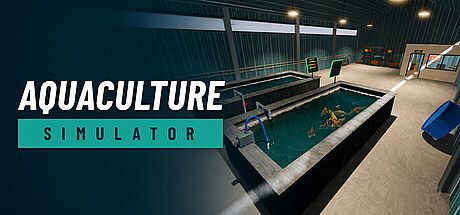


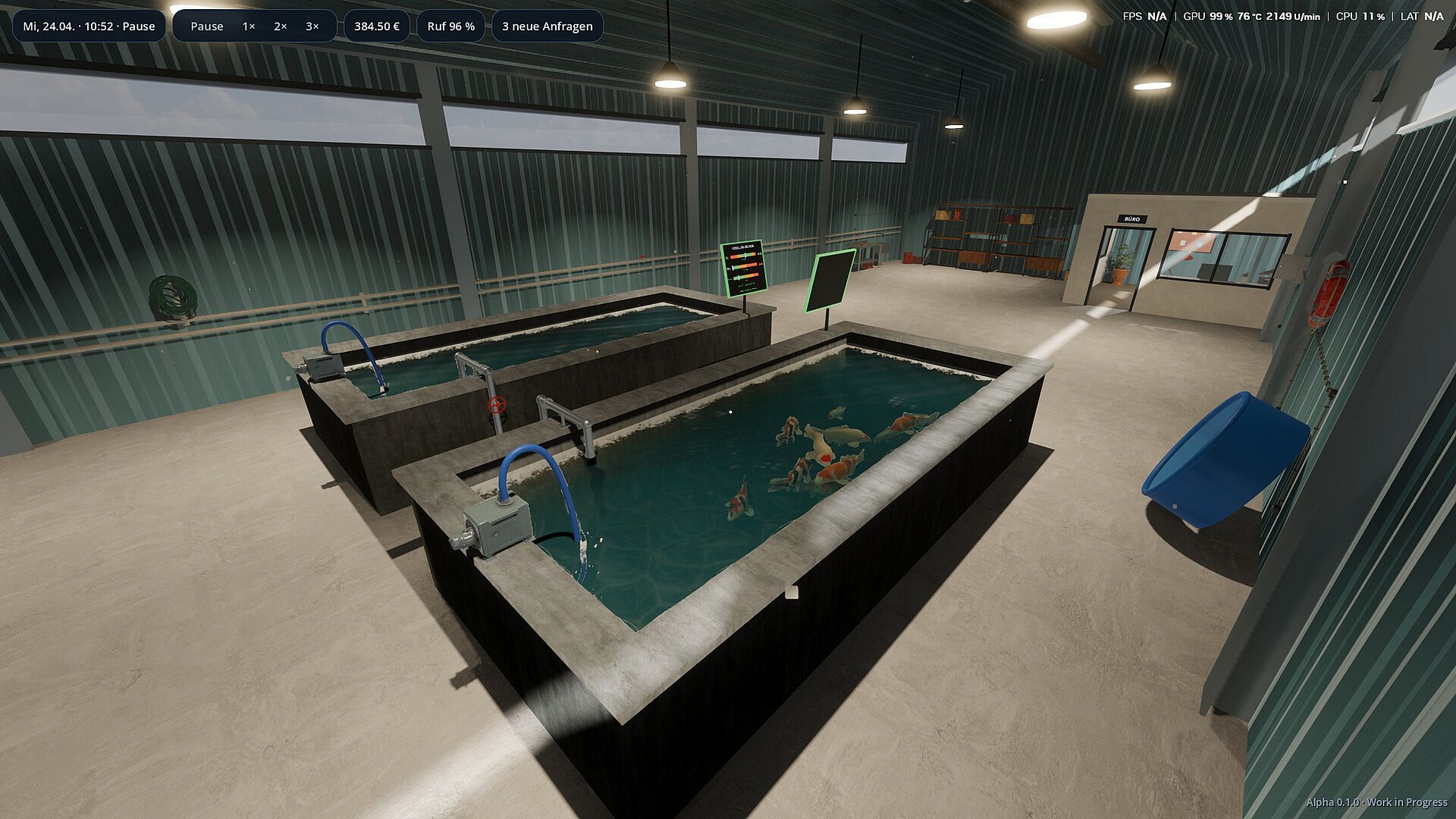

Aquaculture Simulator é um jogo de estratégia e simulação para um jogador que coloca você no comando de uma instalação compartilhada dedicada à criação de trutas arco-íris e carpas koi. O título exige que o jogador gerencie dois sistemas econômicos distintos que disputam os mesmos recursos, especialmente a qualidade da água e o espaço disponível. Desenvolvido por um criador independente na Alemanha com Godot 4, o jogo chega ao Acesso Antecipado em 2026 com os sistemas principais já funcionais, mas abertos a ajustes sugeridos pela comunidade.
Gameplay
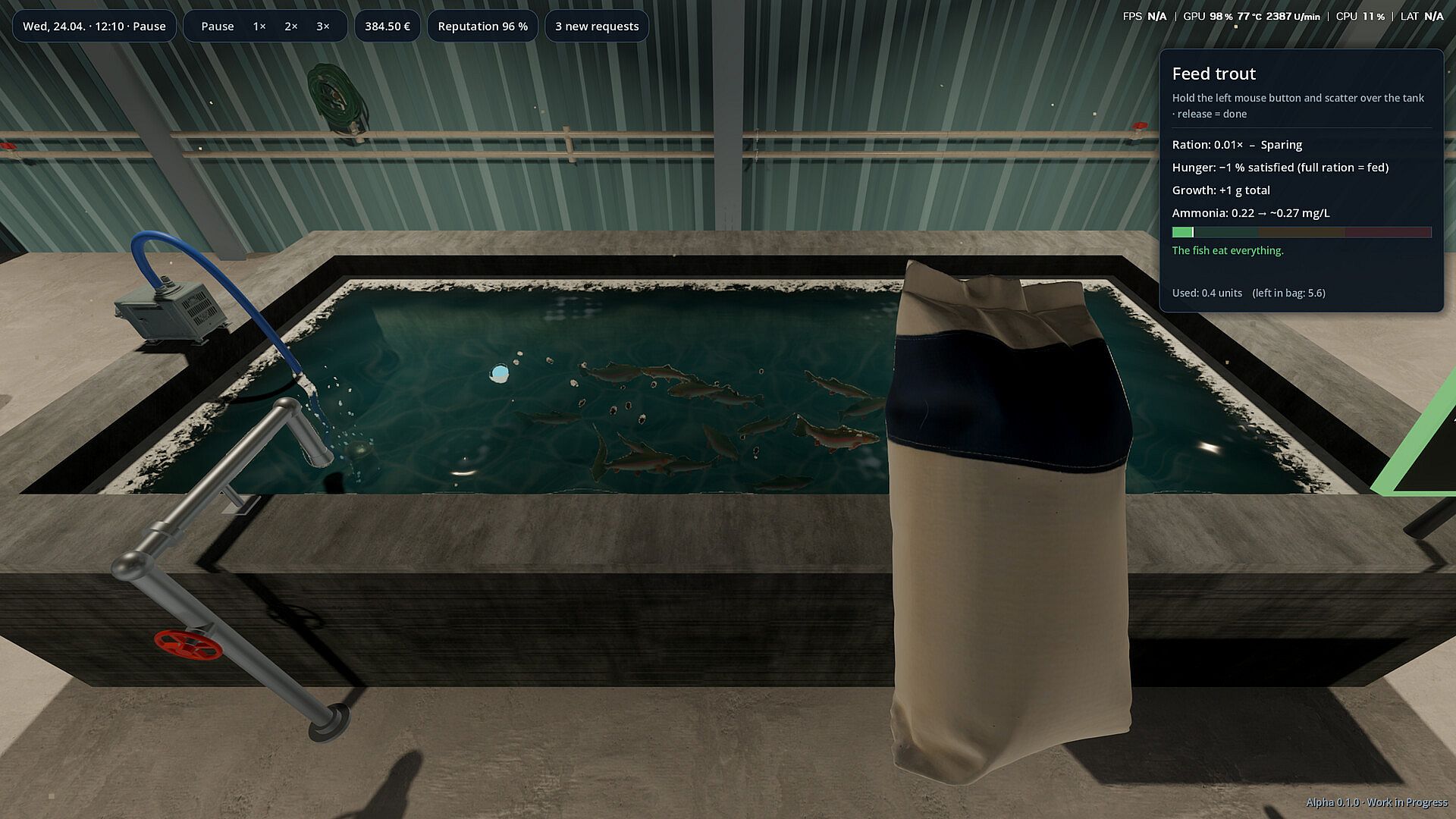
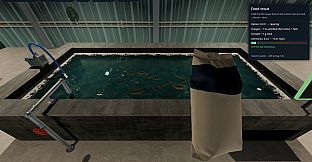
O ciclo central gira em torno do equilíbrio entre produção em volume e decisões de seleção genética. As trutas arco-íris crescem até um peso previsível e são vendidas por quilo, exigindo água fria e bem oxigenada. Qualquer falha na aeração ou na alimentação causa perdas rápidas, pois a espécie não tolera variações nos parâmetros da água.
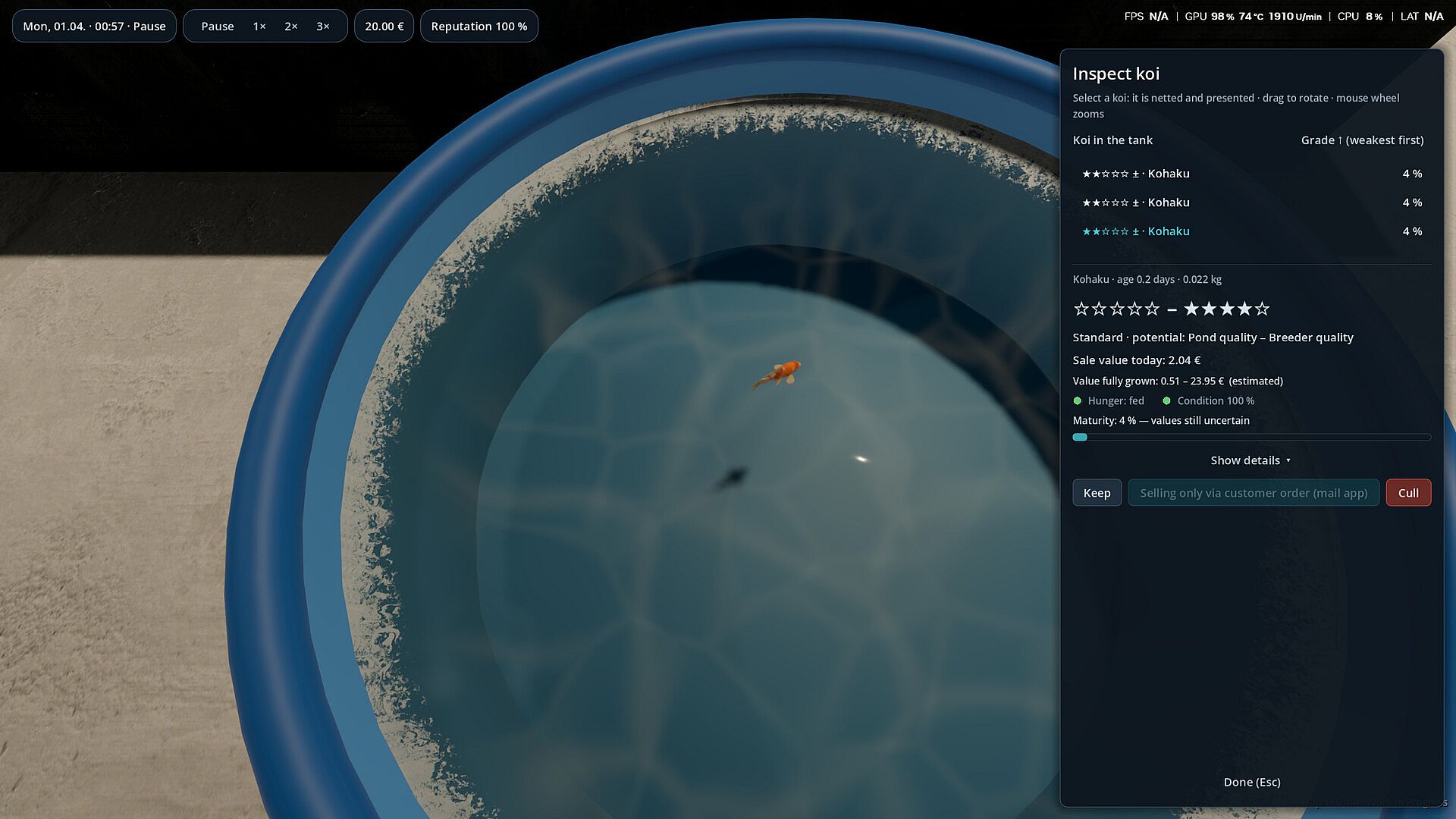
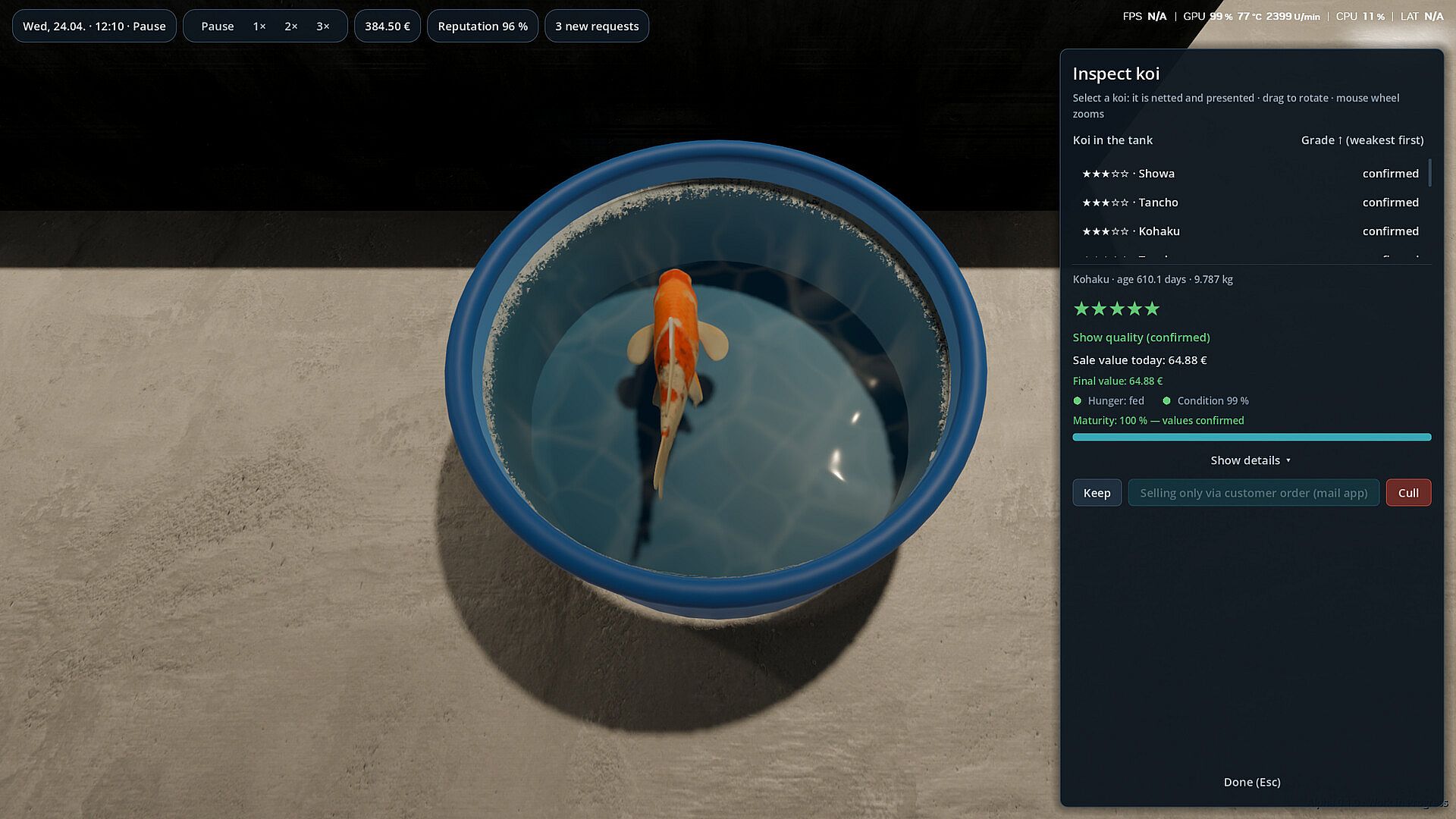
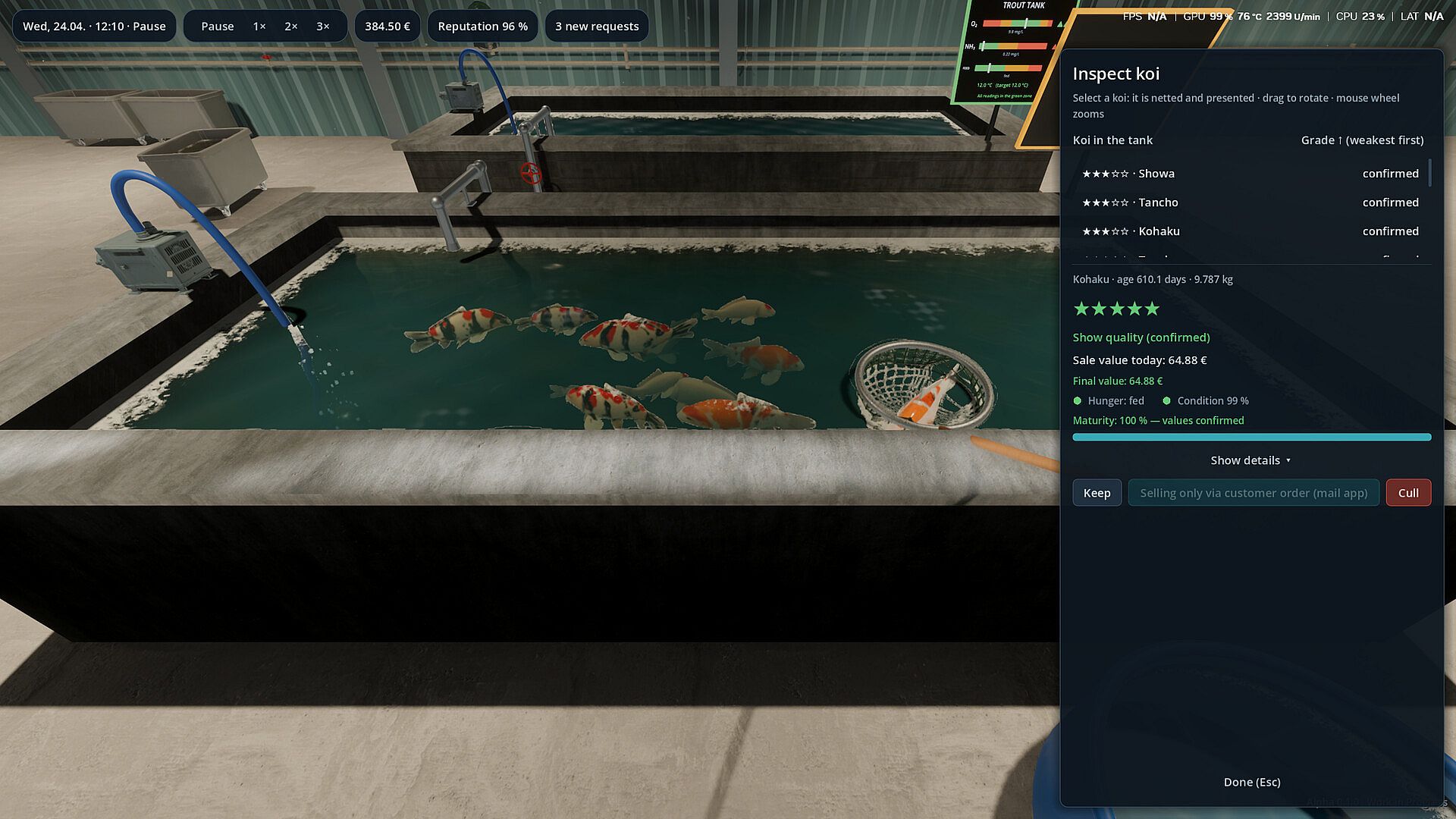
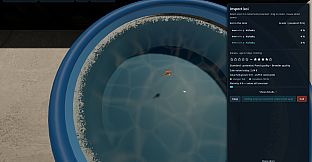
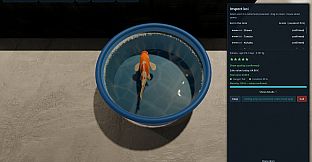
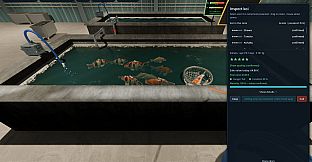
As carpas koi seguem uma lógica completamente diferente. Seu valor depende da avaliação visual de padrão, cor e formato do corpo, e não do peso. Os exemplares jovens mostram apenas uma ampla faixa de resultados possíveis, que vão de qualidade básica para lagos a exemplares premium para exposições. O jogador precisa decidir se mantém cada peixe por até dois anos de alimentação diária ou o descarta cedo, correndo o risco de eliminar um indivíduo de alto valor antes que suas características se desenvolvam por completo.
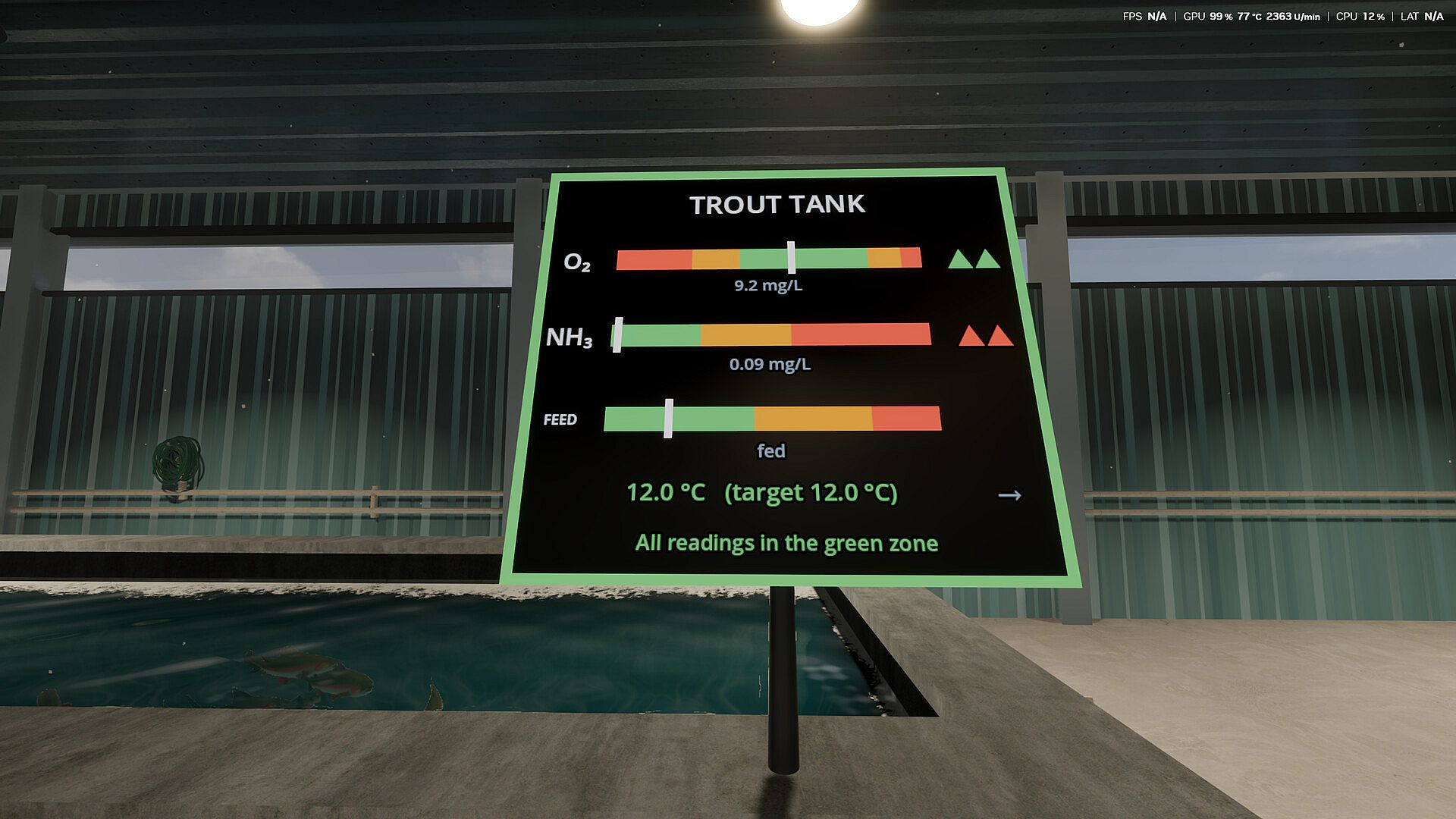
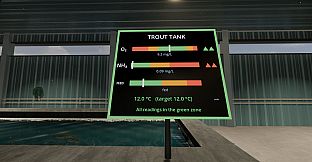
A química da água é o fator limitante que afeta todos os tanques. Os níveis de oxigênio precisam permanecer dentro de uma faixa segura para evitar asfixia ou doença da bolha de gás. A amônia aumenta com a superalimentação, exigindo monitoramento constante e ajustes. A temperatura separa as espécies: condições mais quentes favorecem as koi, enquanto as trutas exigem água mais fria. O jogador acompanha zonas classificadas como seguras, estressadas e críticas, ajustando aeração, filtragem e alimentação, sempre arcando com os custos contínuos de eletricidade.
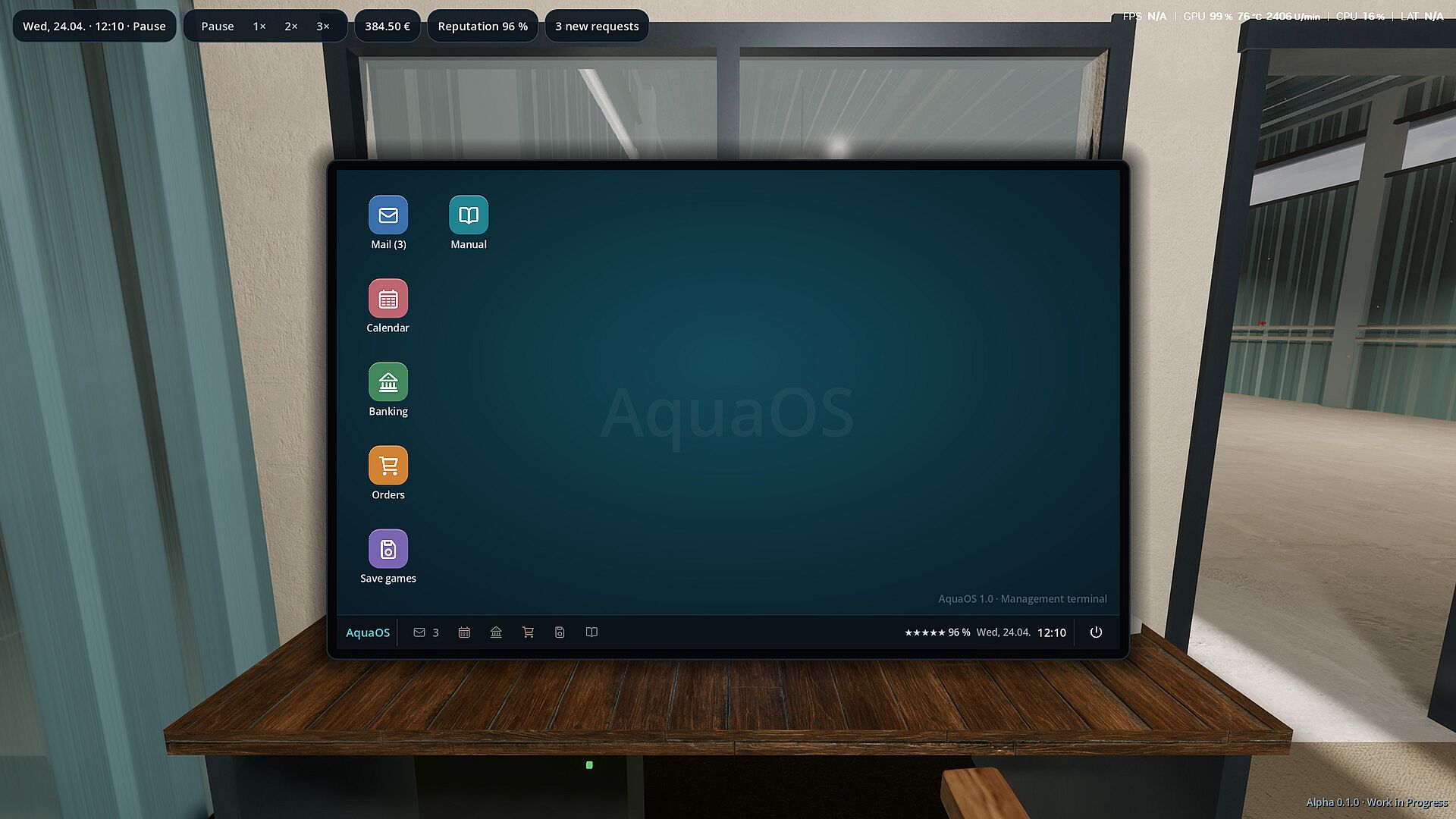
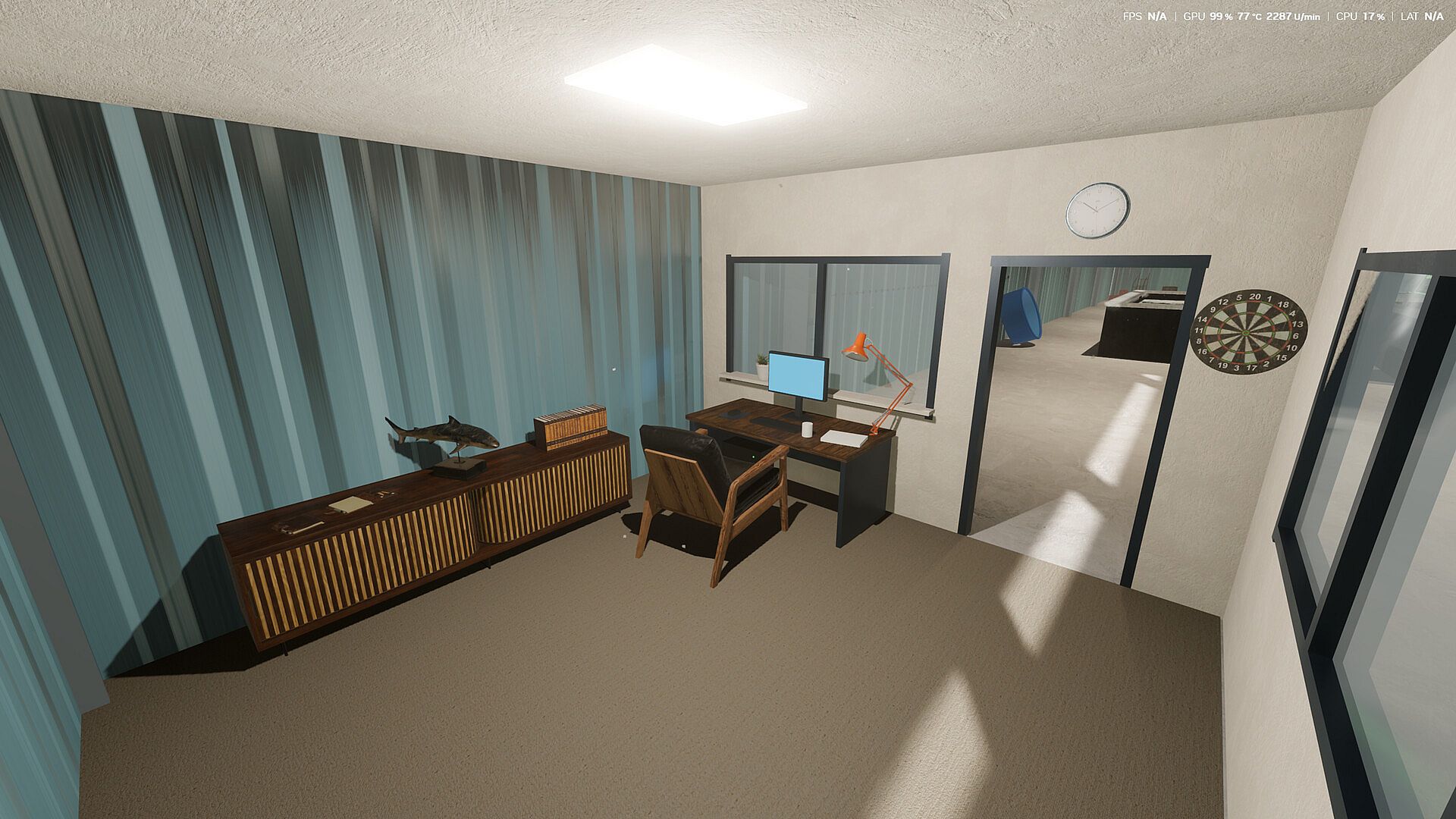
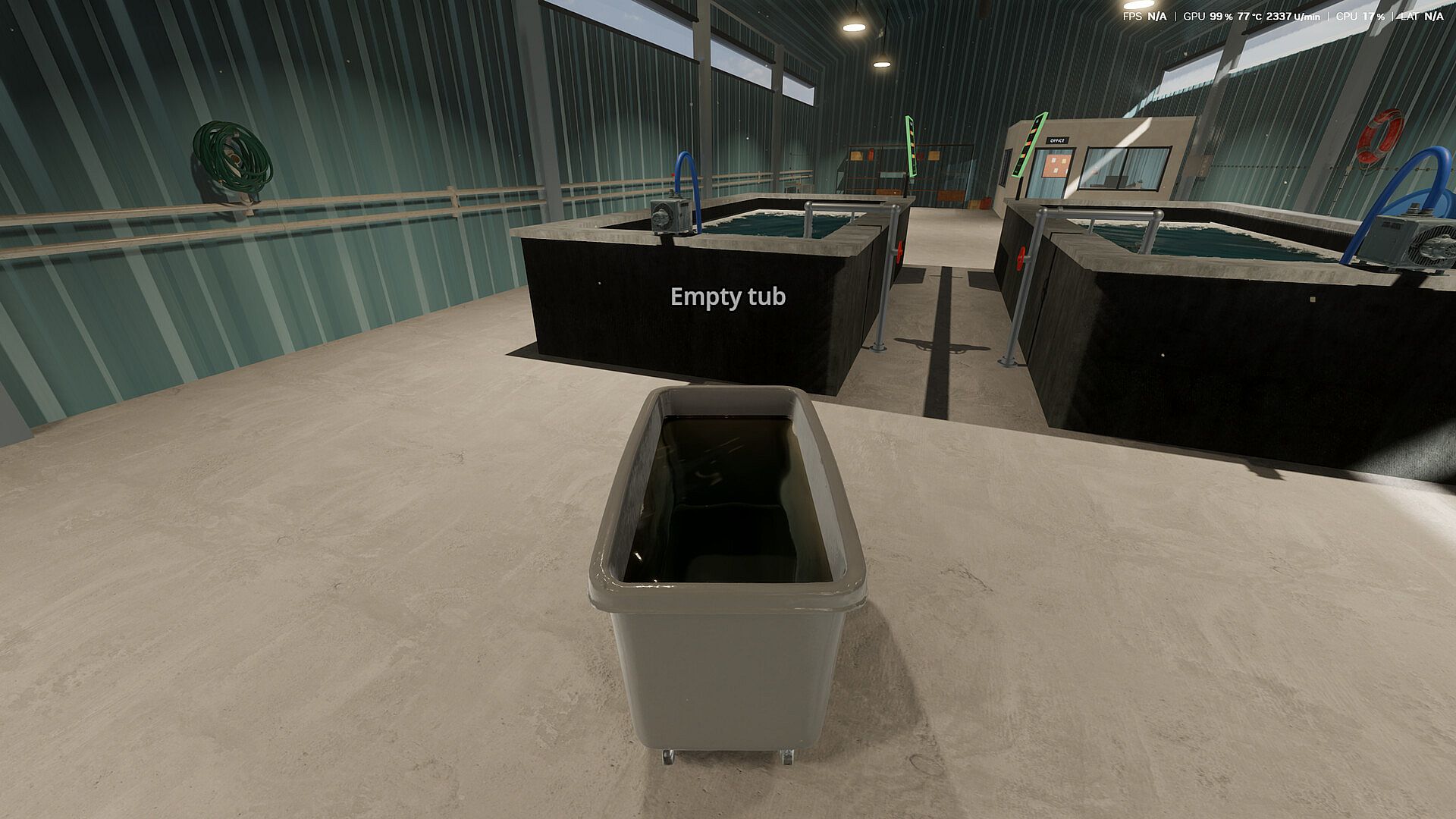
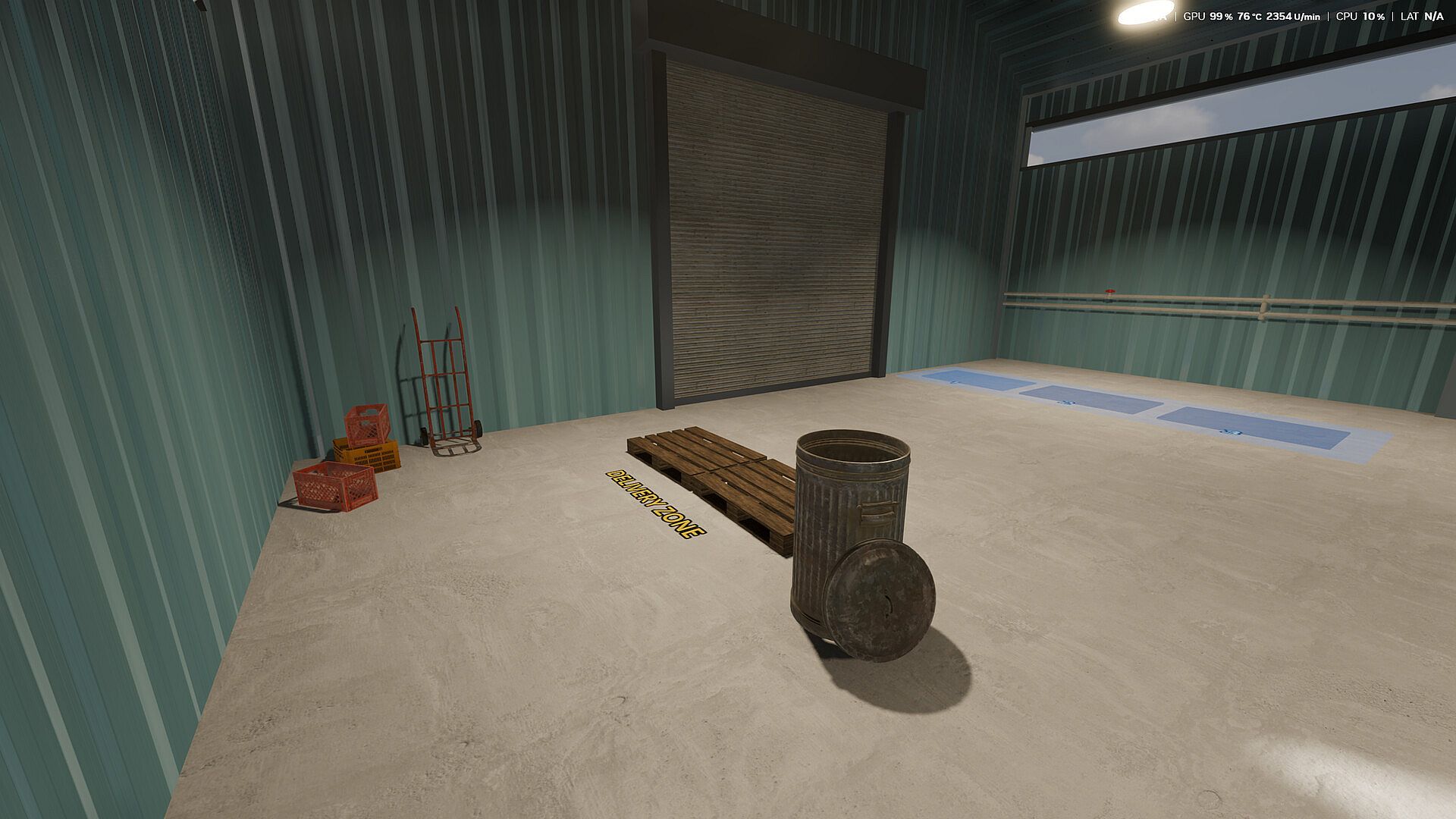
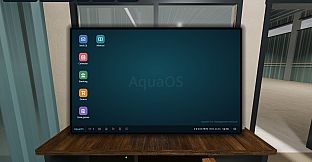
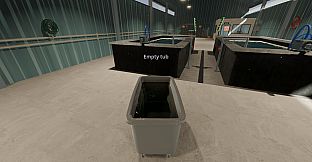
Os pedidos chegam por meio de um computador dentro do jogo que inclui e-mail, calendário e funções bancárias. Os compradores informam preços e datas de retirada. Os contratos aceitos aparecem na agenda, e o jogador precisa capturar os peixes corretos, transferi-los para recipientes de transporte e entregá-los no prazo, evitando atrasos que prejudiquem a reputação.
Modos de Jogo
A experiência se concentra em um único modo contínuo de gerenciamento, no qual o jogador mantém a instalação, cria peixes nas duas economias e cumpre contratos com clientes. Não existem campanha ou modos competitivos separados nesta fase. O ciclo valoriza decisões constantes sobre descarte, ajustes na água e aceitação de pedidos, em vez de níveis ou missões discretas.
O progresso acontece por meio de receita acumulada, melhoria na qualidade dos peixes e expansão das operações dentro do mesmo layout da instalação. A reprodução de koi adiciona outra camada, pois o jogador avalia os descendentes e refina o plantel ao longo de várias gerações, enquanto mantém a linha paralela de produção de trutas.
Sistemas Principais e Desafios
Custos fixos com eletricidade, ração e trocas de água continuam independentemente das vendas, criando pressão constante para evitar manter peixes de baixo valor. A economia recompensa o julgamento preciso sobre o potencial das koi e pune o sentimentalismo que gera gastos desnecessários com alimentação. O prazo de entrega adiciona tensão logística, pois peixes mantidos tempo demais nos recipientes de transporte sofrem e entregas perdidas geram prejuízos financeiros e de reputação.
O PC da instalação funciona como centro operacional, permitindo revisar pedidos, acompanhar o calendário e gerenciar finanças sem sair da tela de gerenciamento. Essa integração mantém todas as tarefas administrativas na mesma interface dos tanques e controles de água.
Vale a Pena Jogar?
Aquaculture Simulator é voltado para jogadores que apreciam gerenciamento detalhado de recursos e consequências de decisões de longo prazo em um ambiente de simulação. A estrutura de duas economias cria trocas significativas entre vendas previsíveis em volume e a criação seletiva de alto risco e alta recompensa. A química da água e os mecânicos de agendamento adicionam camadas de atenção contínua que diferenciam o título de simulações agrícolas mais simples.
Como o jogo ainda está em planejamento pré-Acesso Antecipado e nenhuma versão foi lançada, não há dados de recepção disponíveis. O desenvolvedor confirmou que o ciclo principal de criação de trutas, classificação de koi, gerenciamento da água e atendimento de pedidos já está completo e jogável, com ajustes e maior profundidade previstos por meio do feedback da comunidade durante o período de Acesso Antecipado, que deve durar cerca de seis meses. Quem se interessa por simulações indie desenvolvidas por uma única pessoa e que priorizam profundidade de sistemas em vez de polimento visual ou elementos narrativos pode encontrar a proposta atraente quando o jogo for lançado.