







Approved! A Quiet Day of Paperwork is an indie casual simulation game for PC that turns routine office tasks into a relaxing experience. Players step into the role of a clerk at the Department of Unnecessary Administration, where the core activity involves reviewing and stamping a variety of forms with a simple approval. The game emphasizes a steady, personal pace without any time limits or penalties for mistakes.
Gameplay
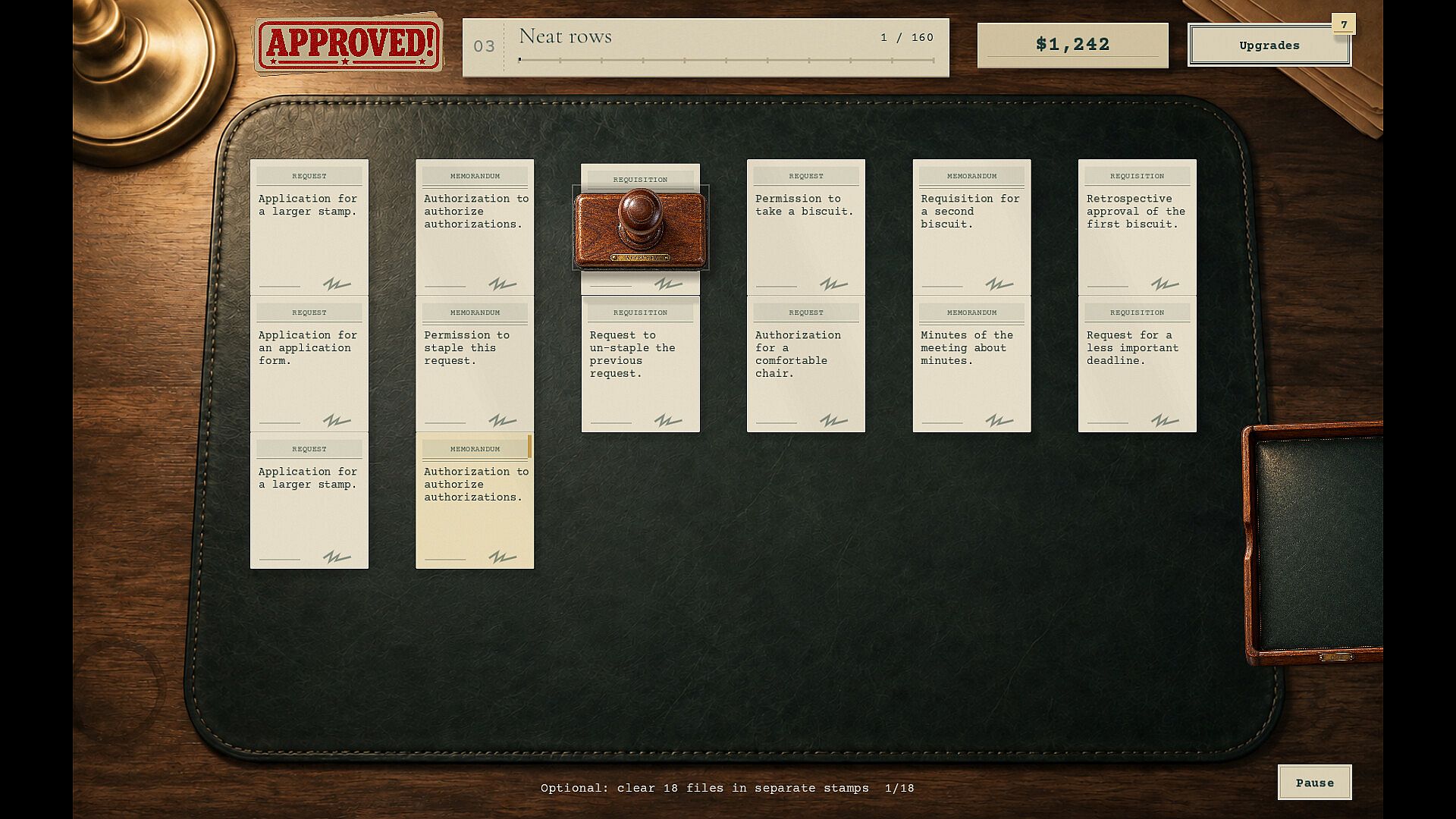
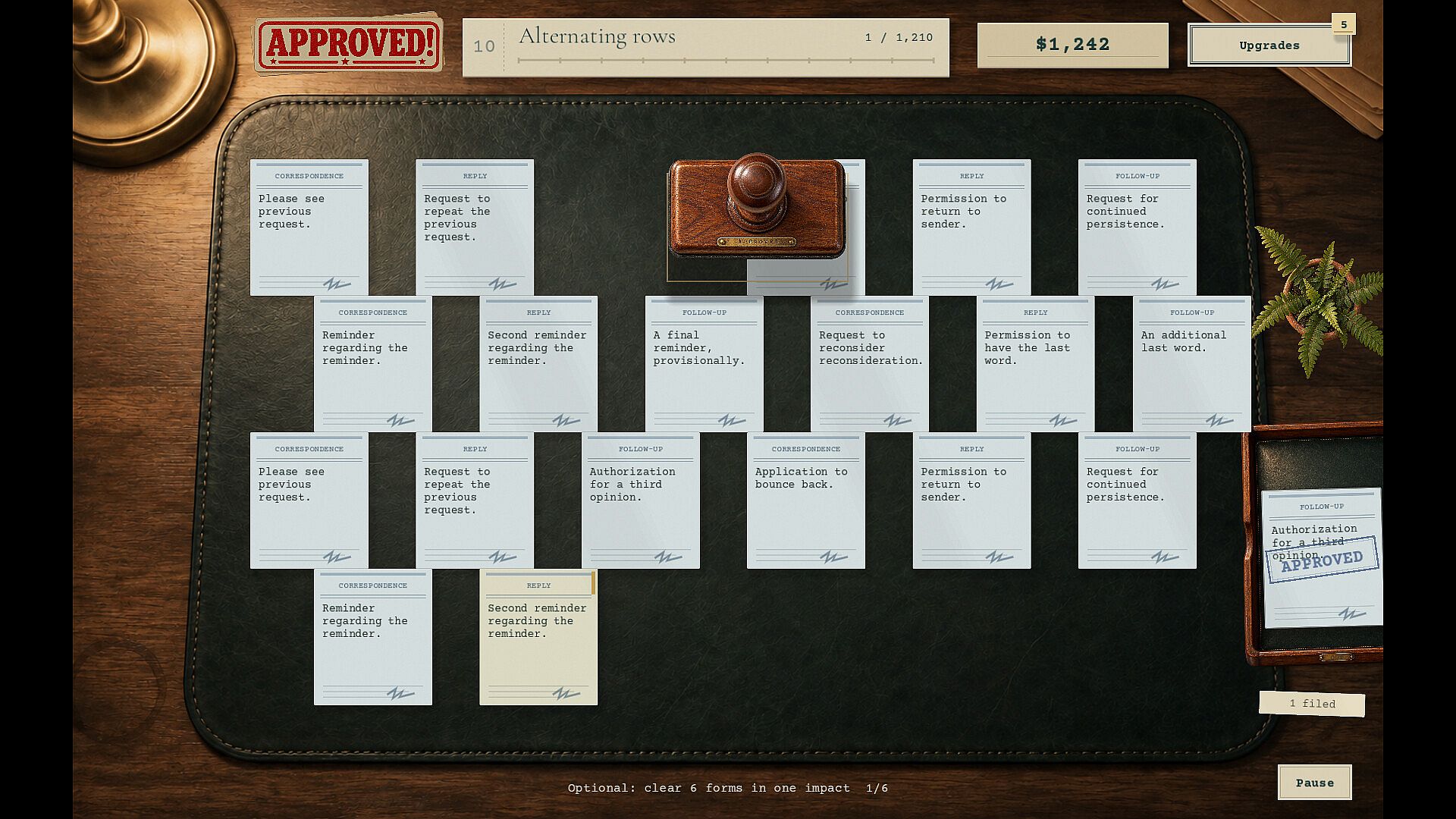
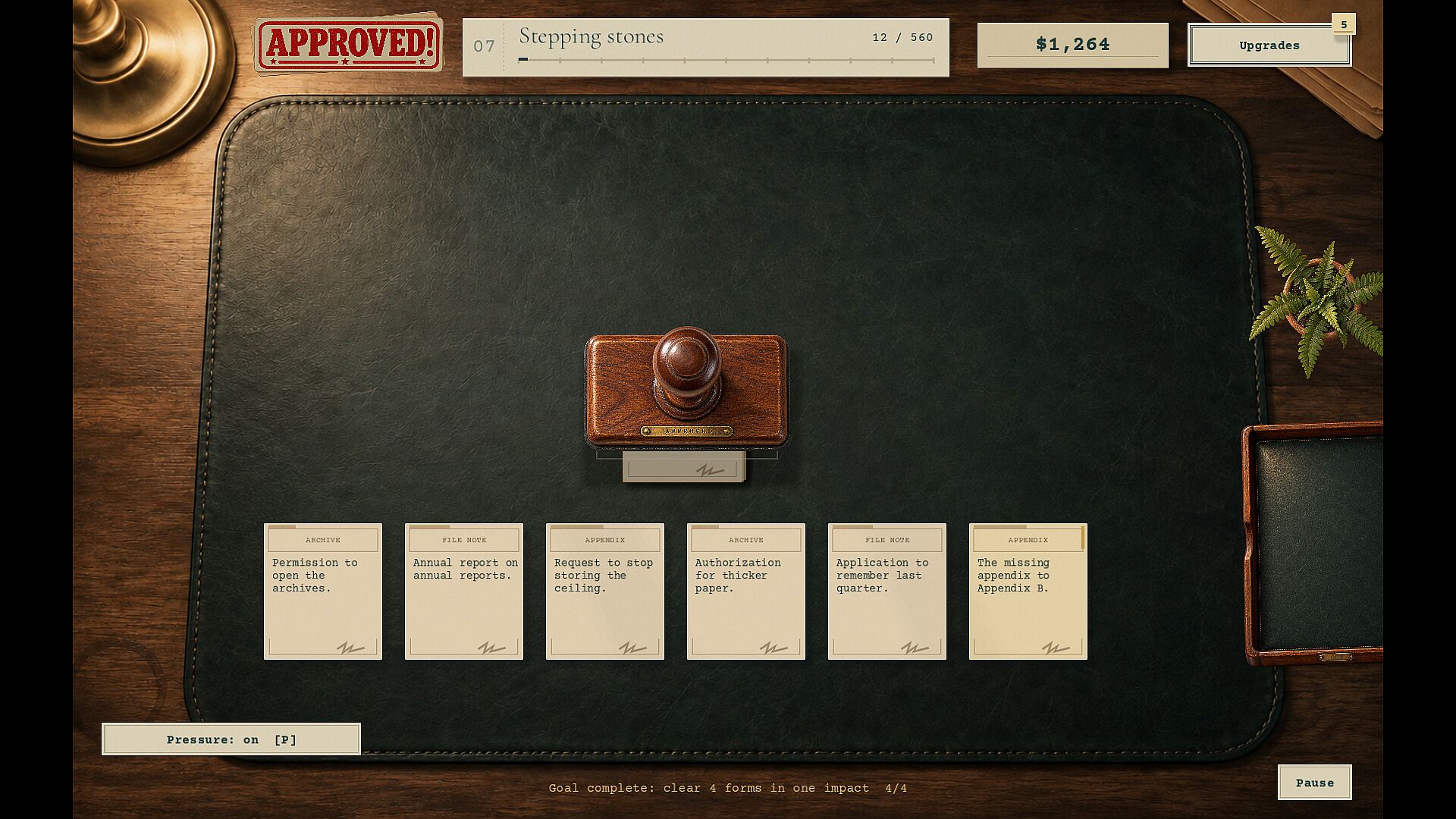
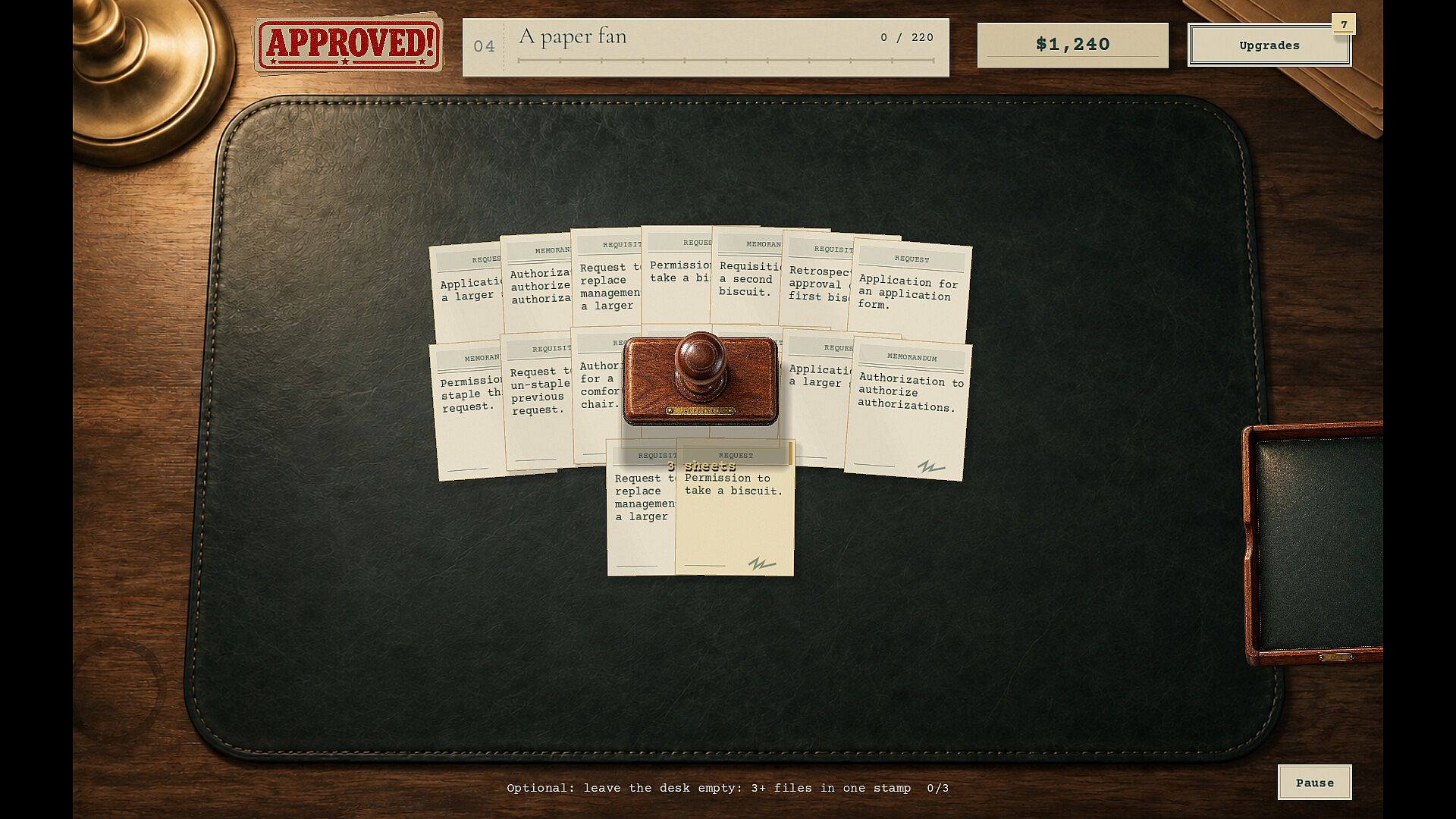
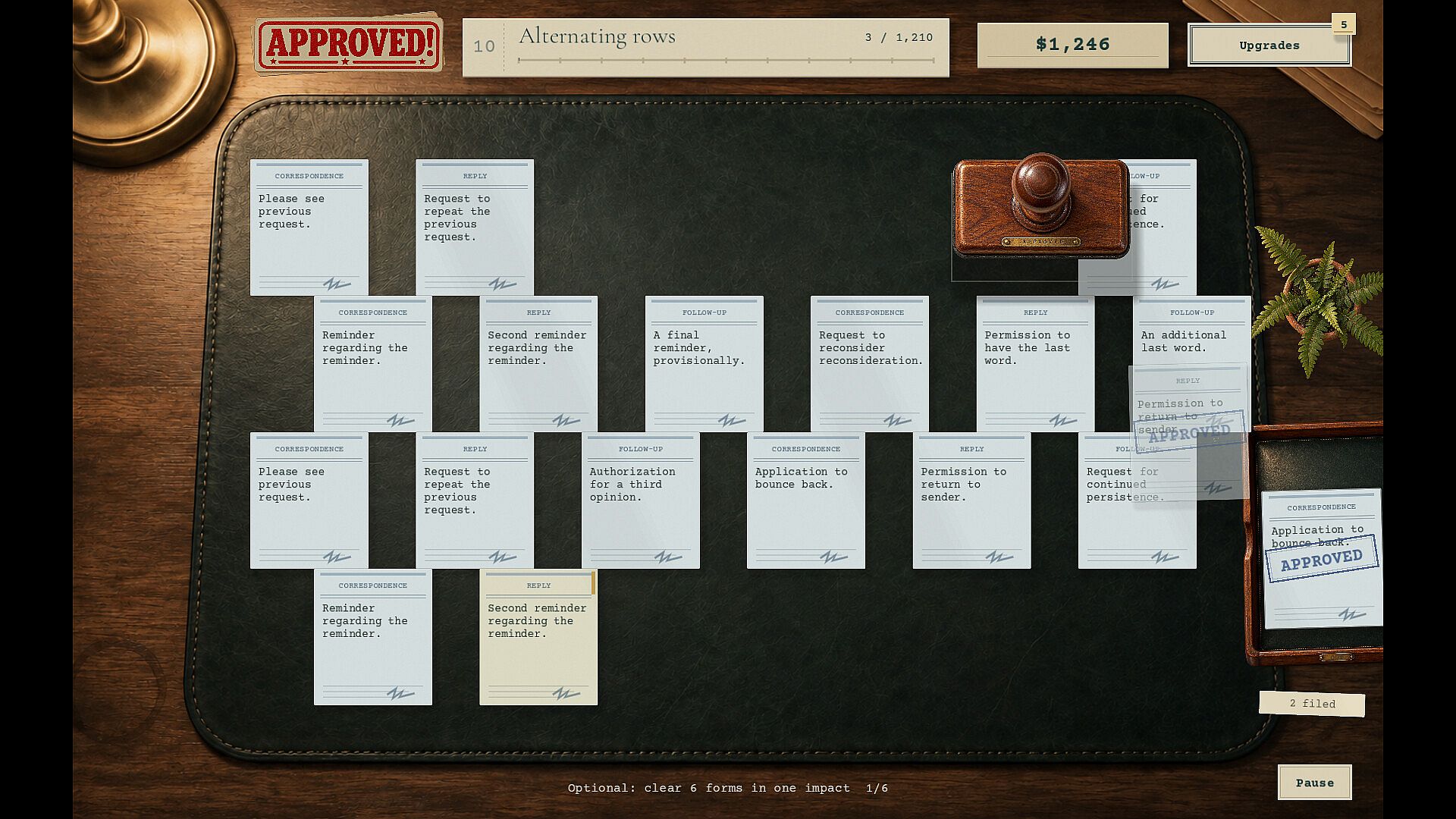
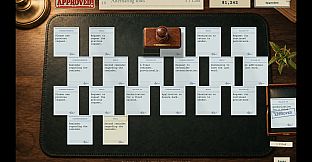
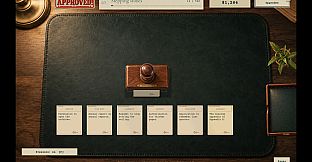
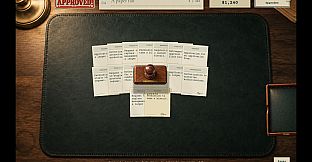
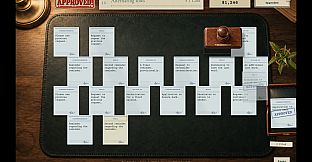
The central loop revolves around handling paperwork one sheet at a time or in small stacks. Forms arrive with requests ranging from second biscuits to authorizations for minor matters, and the task is to apply the stamp marked APPROVED. Players can gather loose sheets into neat piles or spread them across the desk surface for easier access. Once stamped, the documents move to an outgoing tray, creating a satisfying visual progression of completed work. Reading the text on the forms adds a layer of quiet amusement, though skipping the details remains an option for those focused purely on the rhythm of stamping.
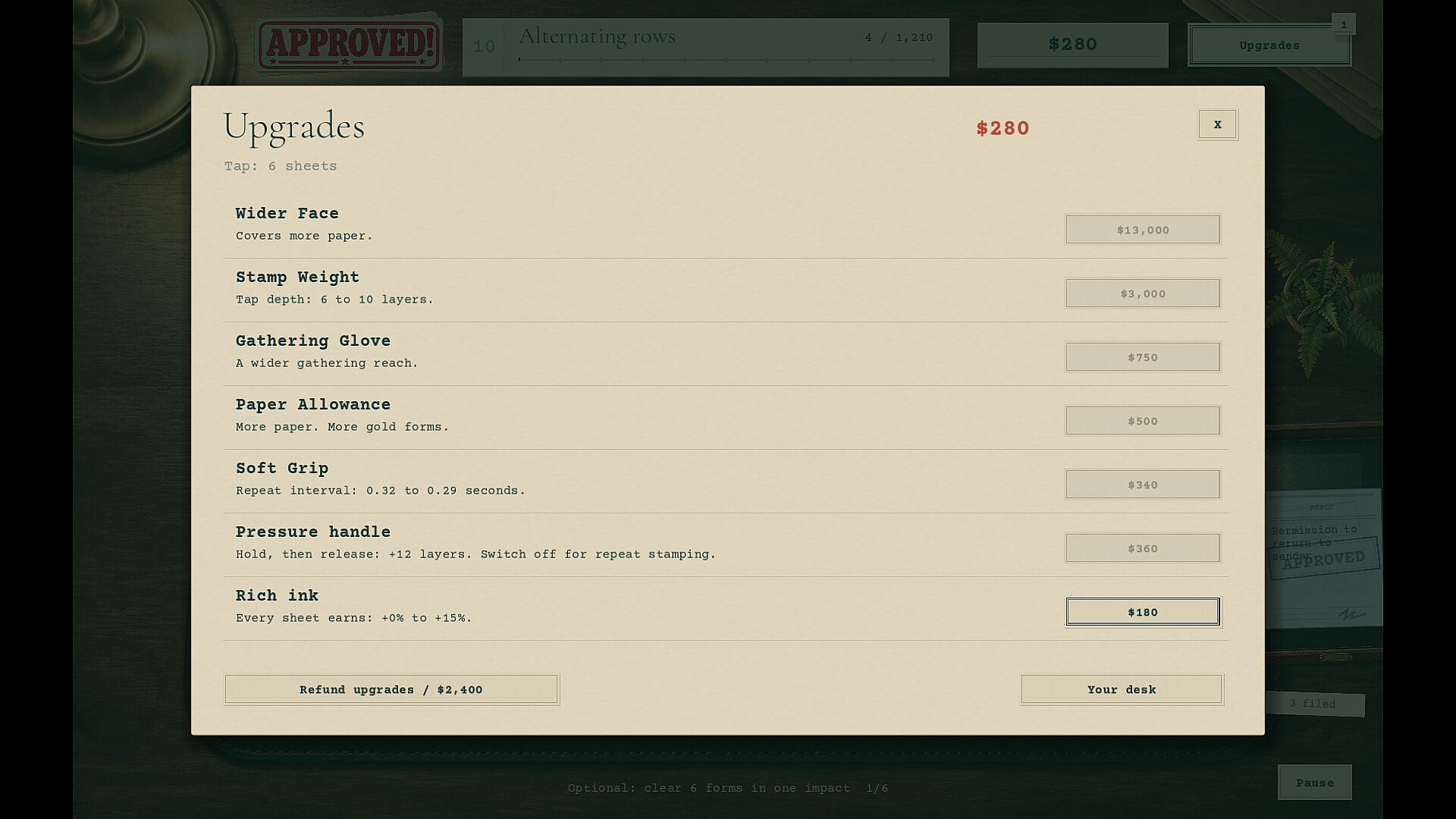
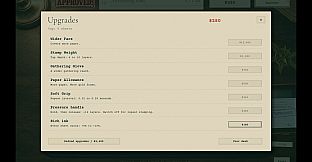
Progress comes through steady repetition rather than complex challenges. The soft sound of paper shuffling and the thunk of the stamp provide the main feedback. Upgrades purchased with earnings expand the stamp's capabilities, such as a wider face for covering more area or added weight for better performance on thicker stacks. A pressure handle offers control over the force applied, while a gathering glove improves efficiency when collecting multiple sheets. These tools keep the hands-on feel central while allowing small refinements to the workflow.
Game Modes
The experience centers on a single, uninterrupted flow through structured assignments rather than separate competitive or timed modes. Thirty-two assignments spread across eight chapters introduce new stationery types and desk arrangements that vary the layout and visual details. Each chapter builds on the previous one with fresh paper designs and organizational setups, maintaining variety without introducing pressure or failure states. Optional goals appear for players who want light direction, yet the core activity stays available at any time without requirements to pursue them.
Letters from office colleagues appear among the forms, adding small narrative touches that unfold gradually. The office fern even contributes its own filing needs in later stages. This structure supports repeated visits to completed assignments, letting players return to familiar desks or try different approaches to the same paperwork.
Atmosphere and Customization
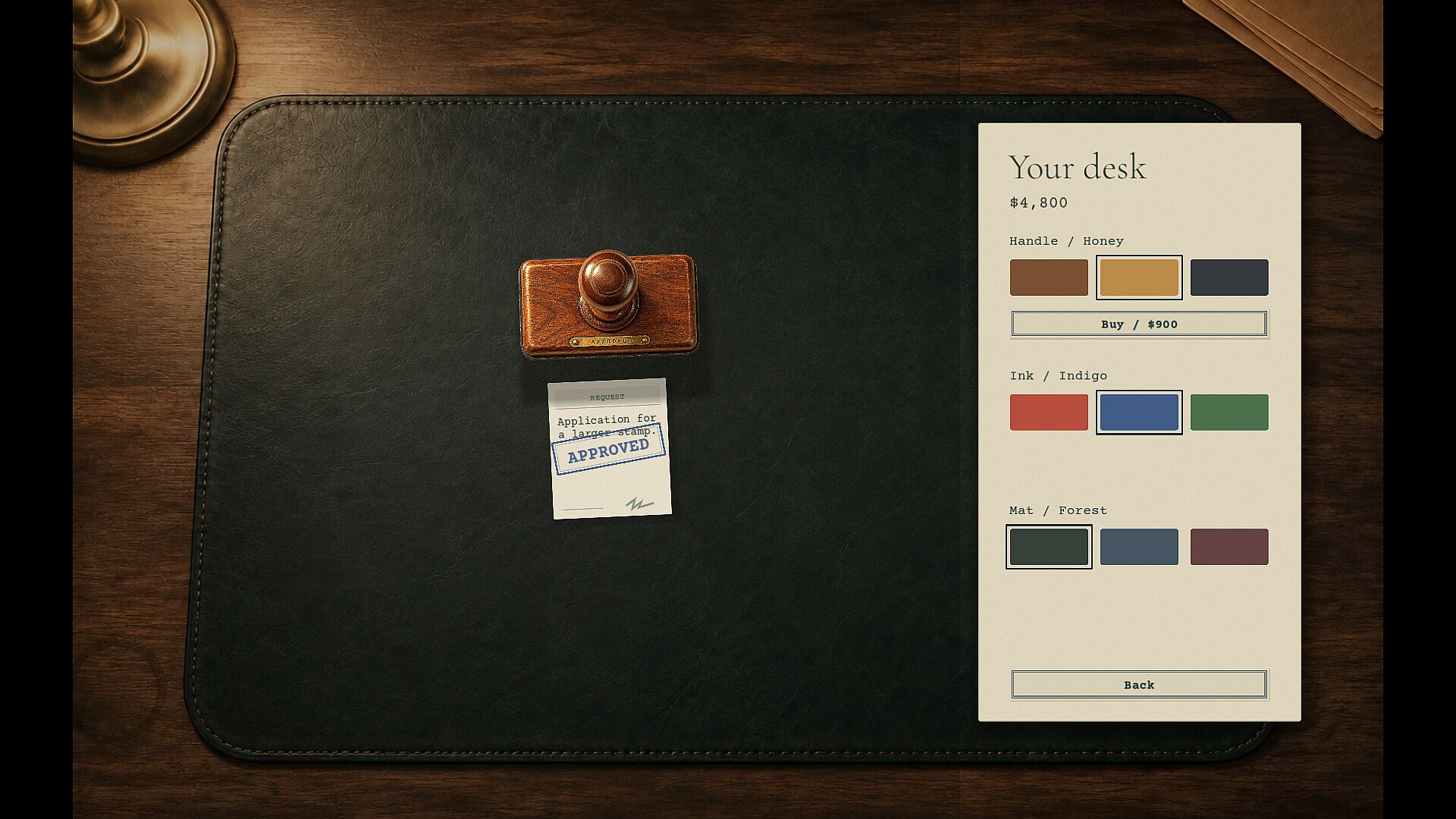
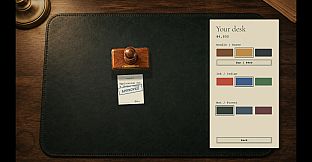
Sound design supports the calm setting with gentle background music that shifts with the time of day, alongside garden sounds and the patter of rain. Players can adjust volume levels and motion settings to match personal preferences for a more comfortable session. Desk customization includes choices for the stamp's wood finish, ink color, and the mat beneath the paperwork, allowing visual tweaks that make the workspace feel personal.
These elements combine to create an environment where the focus remains on the tactile satisfaction of the stamp and the quiet accumulation of approved documents. The absence of inspections or deadlines reinforces the relaxed approach, making the game suitable for short sessions or longer periods of steady play.
Is It Worth Playing?
Approved! A Quiet Day of Paperwork suits players seeking a low-pressure simulation that rewards consistent, mindful interaction with simple mechanics. The progression through chapters and the ability to upgrade tools provide a sense of gentle advancement, while the optional goals offer direction without obligation. Its single-player focus and emphasis on personal rhythm make it a good fit for those who enjoy cozy indie experiences centered on routine tasks rather than high-stakes action or complex strategy.
With no wrong answers and full control over the pace, the game delivers a consistent, approachable loop that many will find satisfying for unwinding. Availability on PC supports easy access for short daily play or extended sessions revisiting earlier assignments.