










Antique Dealer is a strategy indie game for PC in which players take on the role of an antique shopkeeper navigating a complex market of genuine and counterfeit items from different dynasties. The core loop revolves around buying, selling, bluffing, and manipulating prices while managing limited funds across multiple rounds. Success depends on reading market trends, evaluating risks, and outmaneuvering computer opponents through calculated decisions rather than raw luck or hidden advantages.
Gameplay
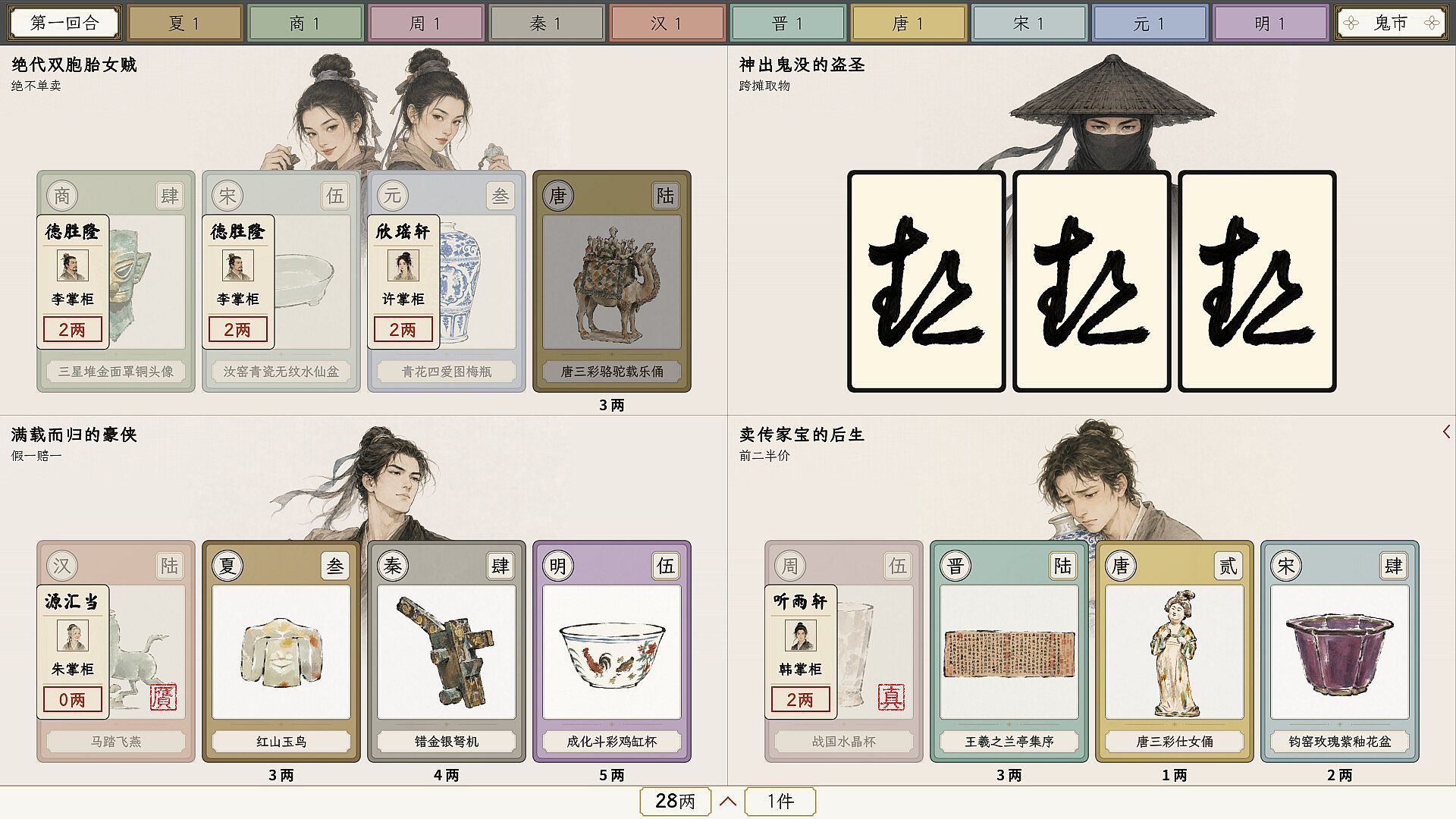
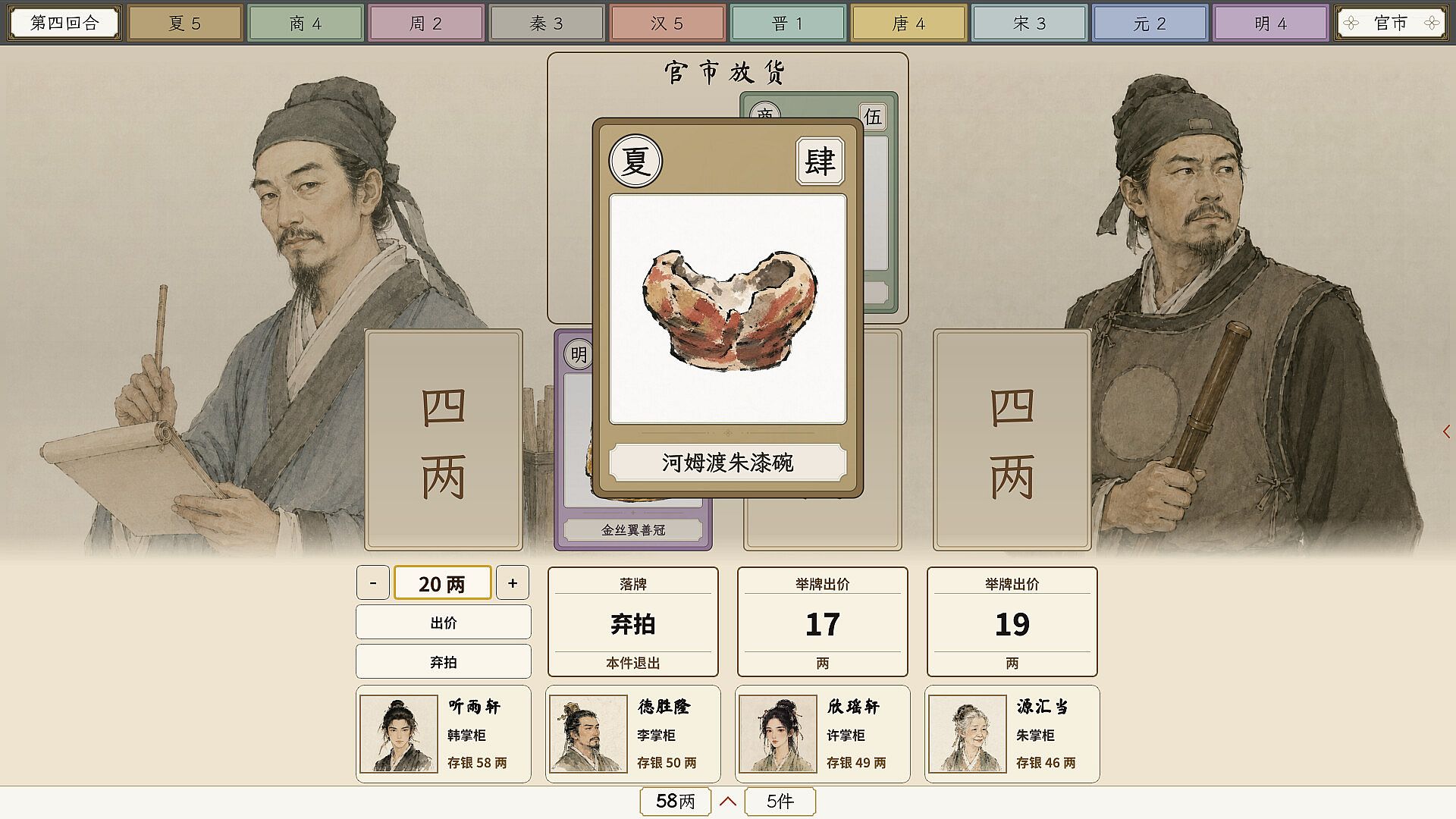
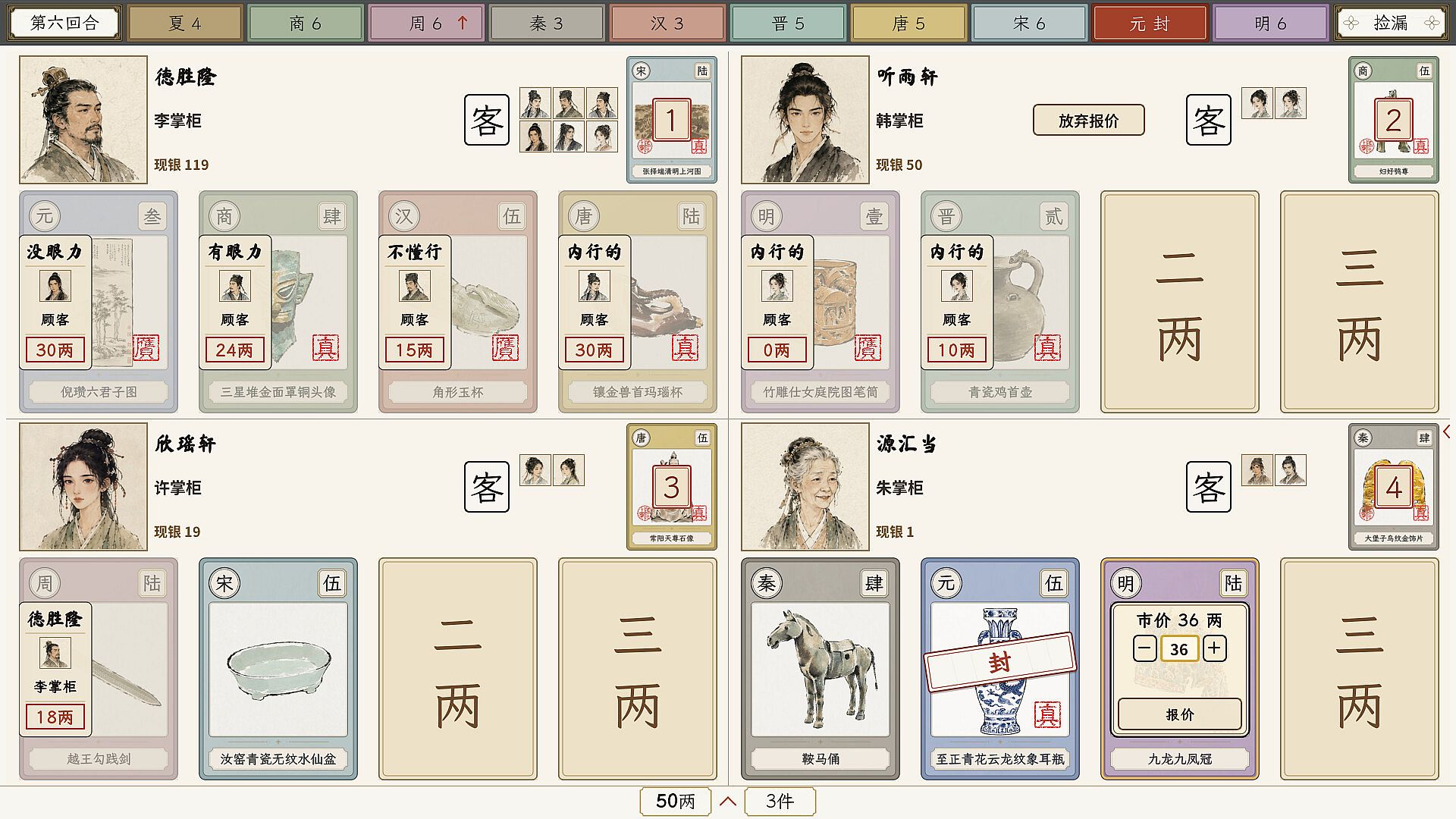
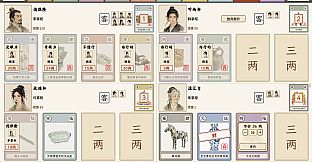
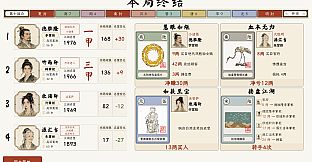
Each session unfolds over multiple rounds divided into distinct phases that simulate the daily operations of an antique market. In the ghost market phase, players interact with a rotating selection of merchants who follow individual rules for pricing, bulk sales, or specialized trades. Observing what others purchase and how prices shift helps determine where to allocate resources. The official market involves secret inspections or insertions of personal items before a bidding process where participants take turns raising offers or withdrawing. Pressing hall allows display of verified authentic pieces to influence turn order and dynasty values, though those items become temporarily unavailable for sale. Opening a stall requires selecting inventory and paying fees, after which customer flow determines sales outcomes based on whether buyers can identify fakes. Bargain hunting lets players acquire unsold goods from rivals at negotiated prices. Market prices for each dynasty fluctuate with every transaction, revelation, or manipulation, eventually triggering inspections that remove all items from sealed dynasties once three reach their peak.
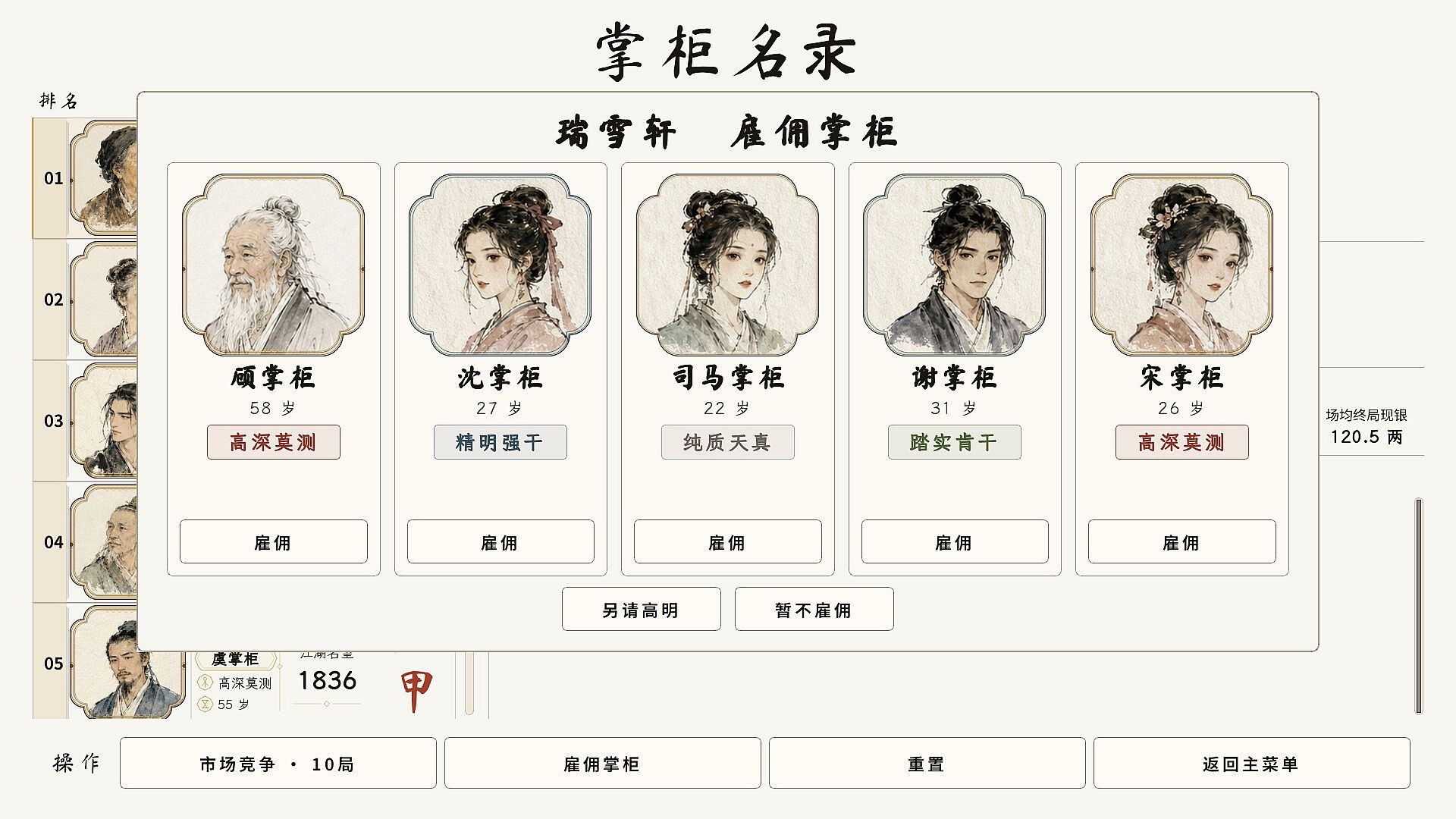
Items carry hidden authenticity details tied to their dynasty and quality. Players may absorb losses on counterfeits, pass them to unsuspecting buyers, or expose fakes to depress values for competitors. Computer opponents operate strictly within the same rules and visible information, making choices that can prove shrewd or flawed depending on the situation. The emphasis stays on information management, timing sales before market caps, and maintaining enough capital to adapt when trends shift unexpectedly.
Game Modes
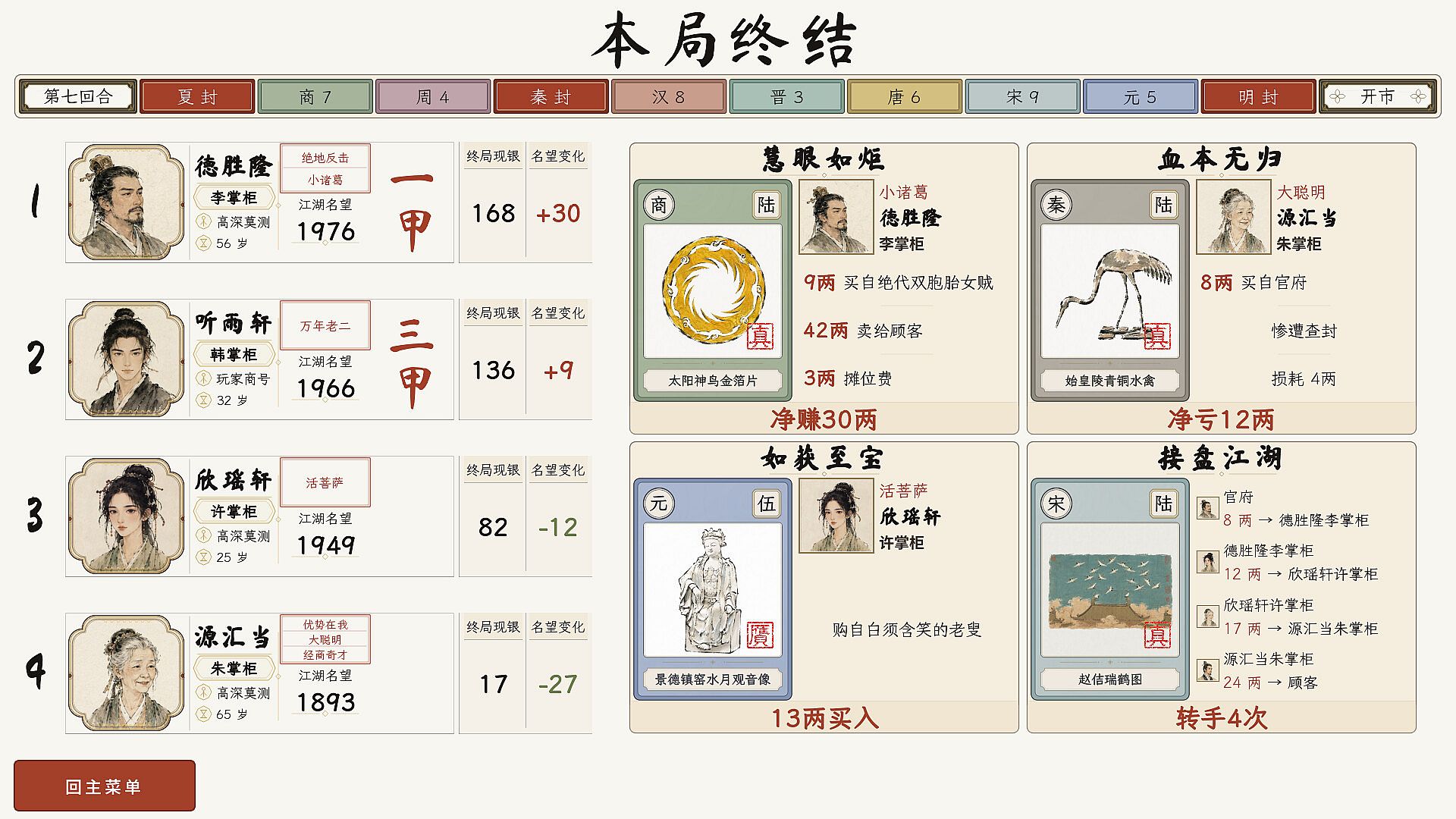
The game centers on single-player sessions against AI opponents in a self-contained market simulation. Each playthrough features a unique combination of merchants and item distributions that alter available opportunities. No separate competitive or cooperative modes exist beyond the core experience of managing one shopkeeper through the full sequence of market phases until three dynasties face closure.
Key Mechanics and Strategy
Players balance short-term profits against long-term positioning. Revealing information or pushing prices can create advantages in one area while creating vulnerabilities elsewhere. The system rewards careful observation of rival actions and merchant behaviors, as well as a willingness to cut losses rather than hold declining inventory. With over 600 item variations and 30 merchant types that change per session, no two games follow identical paths. The design avoids any artificial boosts for AI, ensuring outcomes stem from visible data, personal inspections, and player judgment.
Is It Worth Playing?
Antique Dealer suits players who enjoy deliberate strategy games focused on economic simulation, risk assessment, and opponent reading. The mechanics reward patience and adaptability in a setting where market forces move independently of individual needs. Those drawn to indie titles with layered decision trees and no reliance on reflexes will find consistent depth across sessions. The absence of external updates or additional content keeps the experience focused on the base systems, making it a self-contained option for repeated playthroughs that test different approaches to the same core challenges.