





Anabasis - The Long March is a single-player historical turn-based survival strategy game set in 401 BC. Players take command of the Greek mercenary force known as the Ten Thousand as it marches through the Persian Empire and fights to return home across hostile terrain.
Gameplay
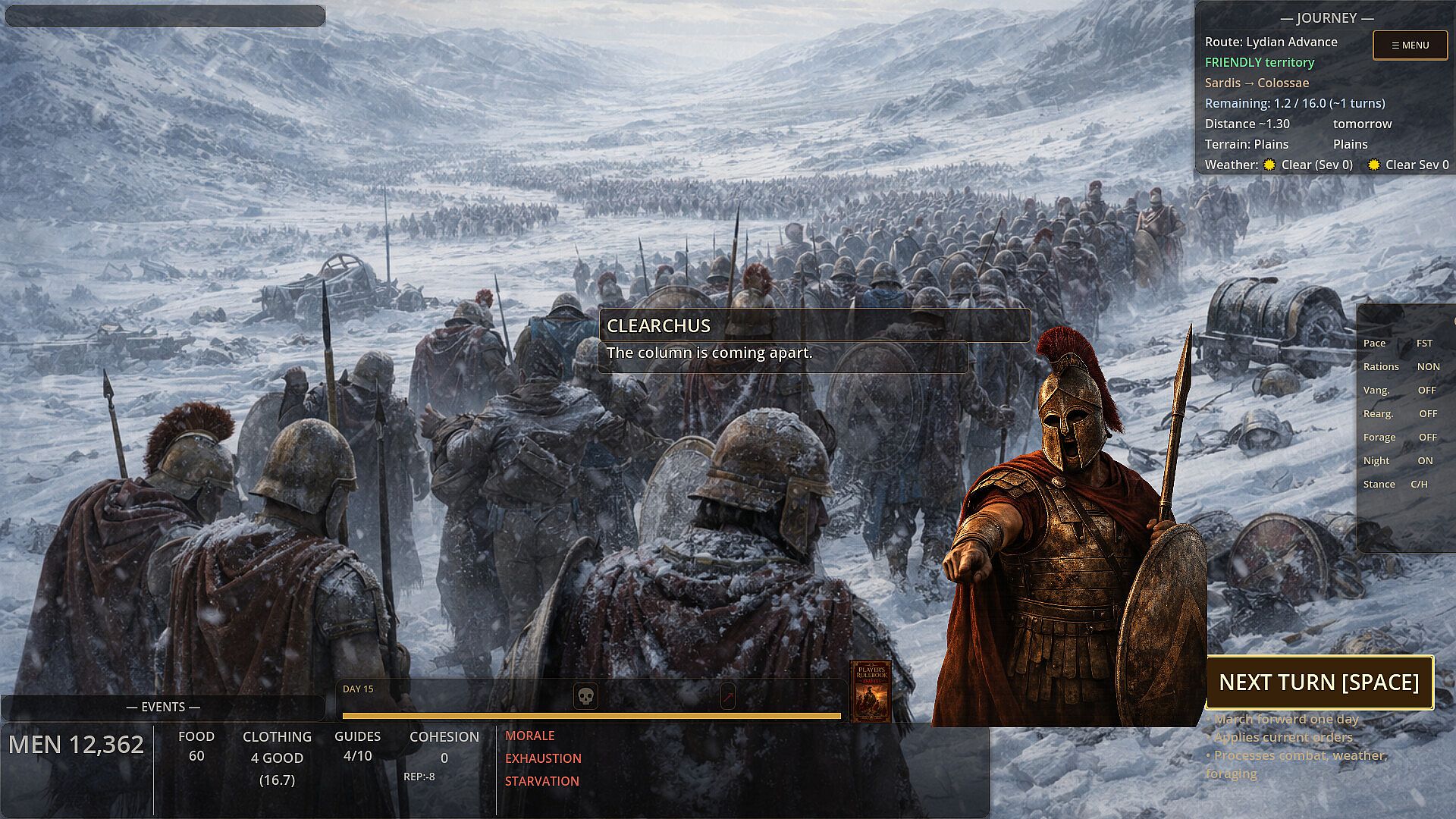
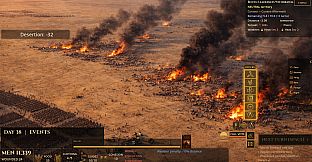
The core loop centers on daily management of a marching column. Decisions cover marching pace, ration distribution, foraging efforts, and rest periods. Pushing the army forward too aggressively risks leaving exhausted or wounded soldiers behind, while conserving supplies can lead to widespread hunger that erodes overall effectiveness.
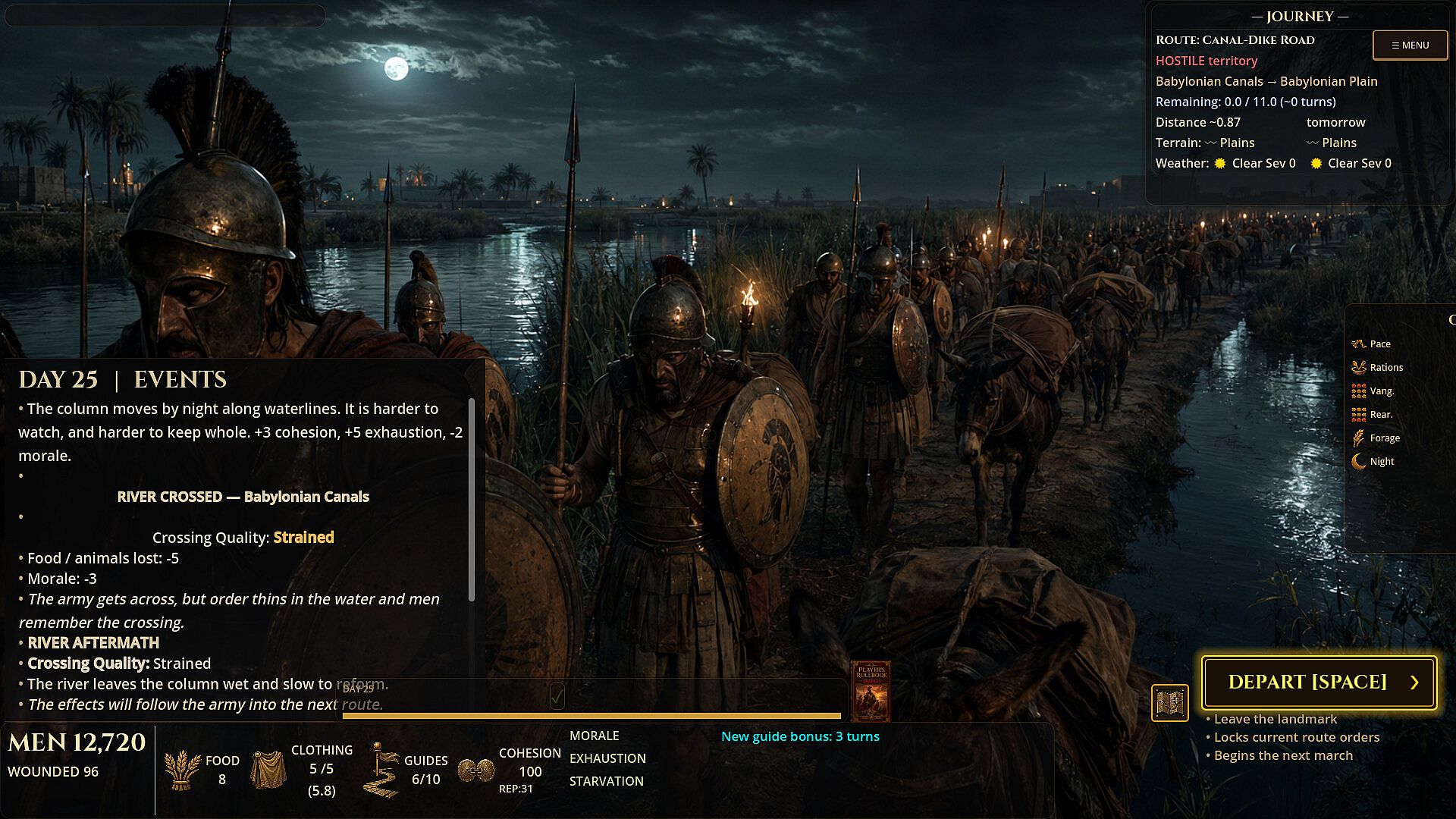
Resource tracking involves multiple interconnected factors. Food stocks, morale levels, exhaustion rates, unit cohesion, and care for the wounded all shift based on choices made each day. These effects carry forward, creating compounding consequences as the journey progresses.
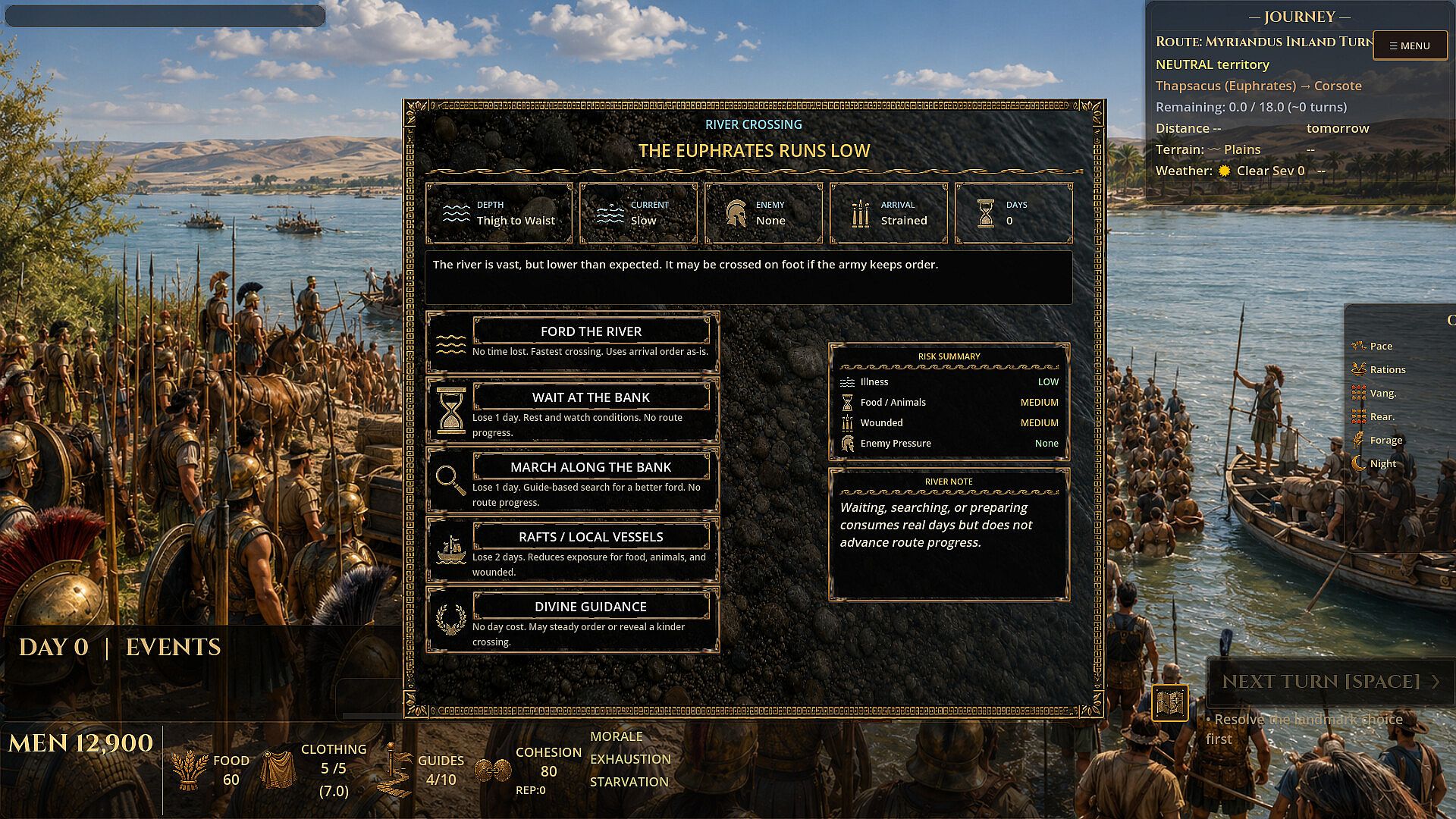
Navigation requires evaluating terrain risks such as open plains, narrow passes, rivers, and mountain snows. Players assess conditions, consult officers, and consider options like fording a river immediately, waiting for improvement, or preparing alternative crossings. Exploration of surroundings and occasional appeals for guidance add further layers to route planning.
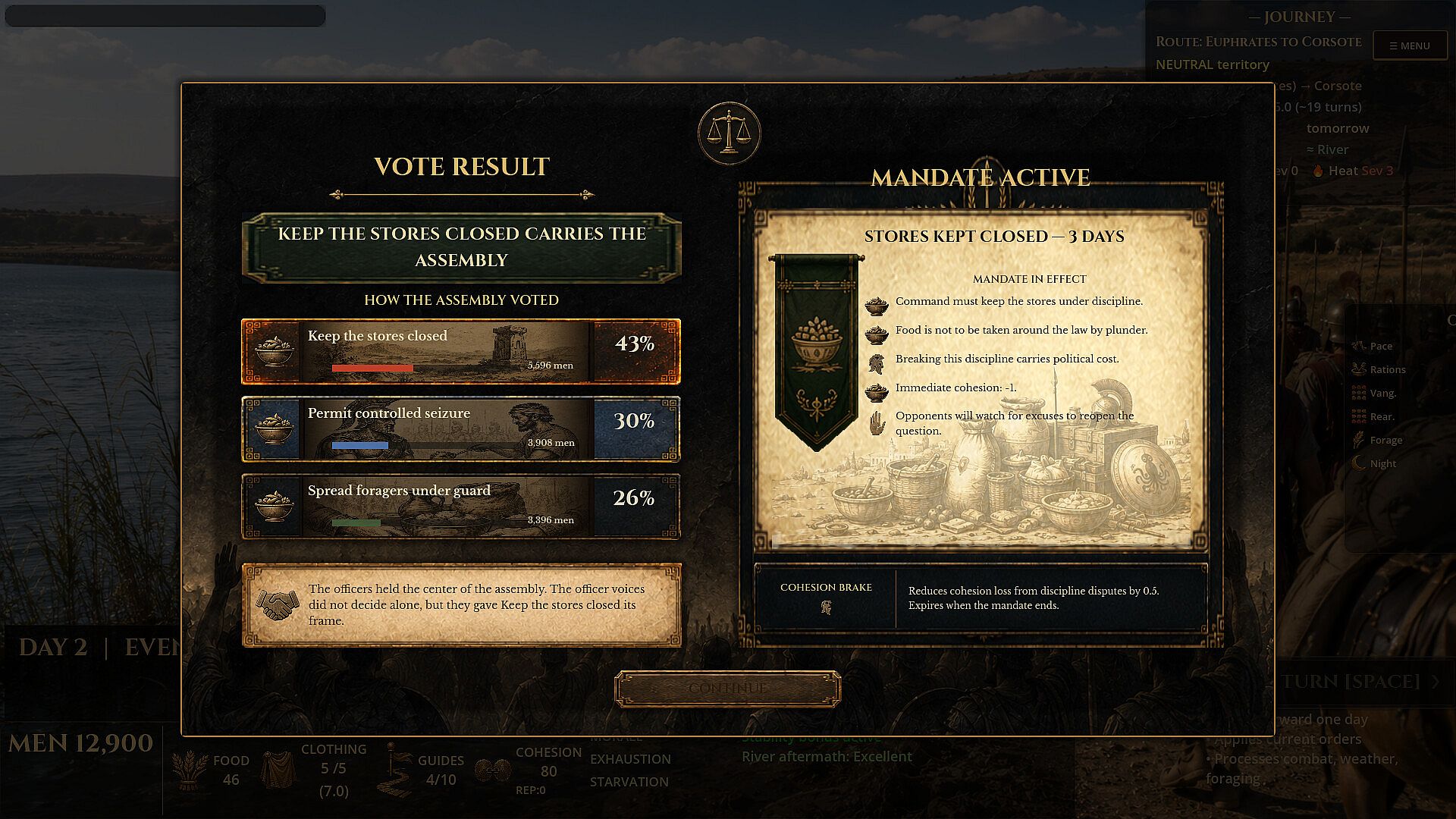
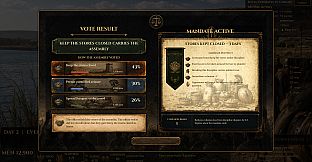
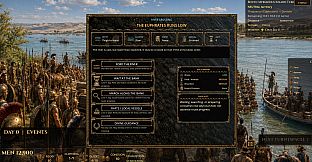
Leadership operates through an assembly system. Soldiers voice opinions on marching, eating, fighting, and endurance. Proposals go before the group, influence is spent to build support, and mandates are secured that shape the next stretch of travel. Different groups within the army hold distinct priorities, and repeated failures or broken agreements can erode trust to the point of a leadership challenge.
Game Modes
The experience unfolds as a single continuous campaign following the historical route of the Ten Thousand. Players advance from the starting point near Sardis toward the Black Sea coast, encountering events drawn from the ancient account. The structure emphasizes sequential survival challenges rather than separate selectable modes.
Progression incorporates historical landmarks, illustrated incidents, and interactions with the army's generals. Negotiations, ambushes, and supply shortages appear as the column advances, with accumulating strain on personnel and equipment. The objective remains reaching Trapezus while preserving as many lives as possible.
Historical Context and Decision Making
The game draws directly from Xenophon's account of the expedition. Players face the same pressures that affected the real mercenary army, including internal divisions and the need to maintain discipline far from home. Choices reflect the human cost of command, where short-term gains can undermine long-term survival.
Environmental and logistical challenges scale with distance traveled. Early advantages in equipment and organization give way to a battered force as wounds mount and loyalties face repeated tests. Adaptation to these shifts determines whether the column holds together.
Is It Worth Playing?
This title suits players who enjoy deliberate, resource-focused strategy games with strong narrative grounding in history. The emphasis on balancing competing needs within a single army column creates a distinctive loop centered on leadership accountability and incremental progress.
Those drawn to simulation elements will find depth in the interplay of physical and social factors that affect the entire force. The turn-based structure rewards careful planning over rapid reflexes, with outcomes that feel tied to the cumulative weight of prior decisions.
Because the game remains in development with no released version or player data available yet, any assessment rests on the described systems. Fans of historical survival strategy who value command mechanics and consequence-driven choices have clear reasons to follow its progress toward release.