




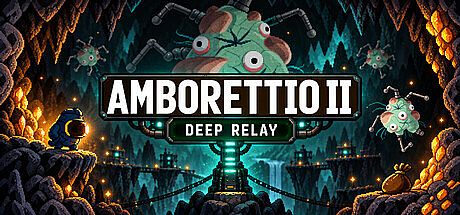


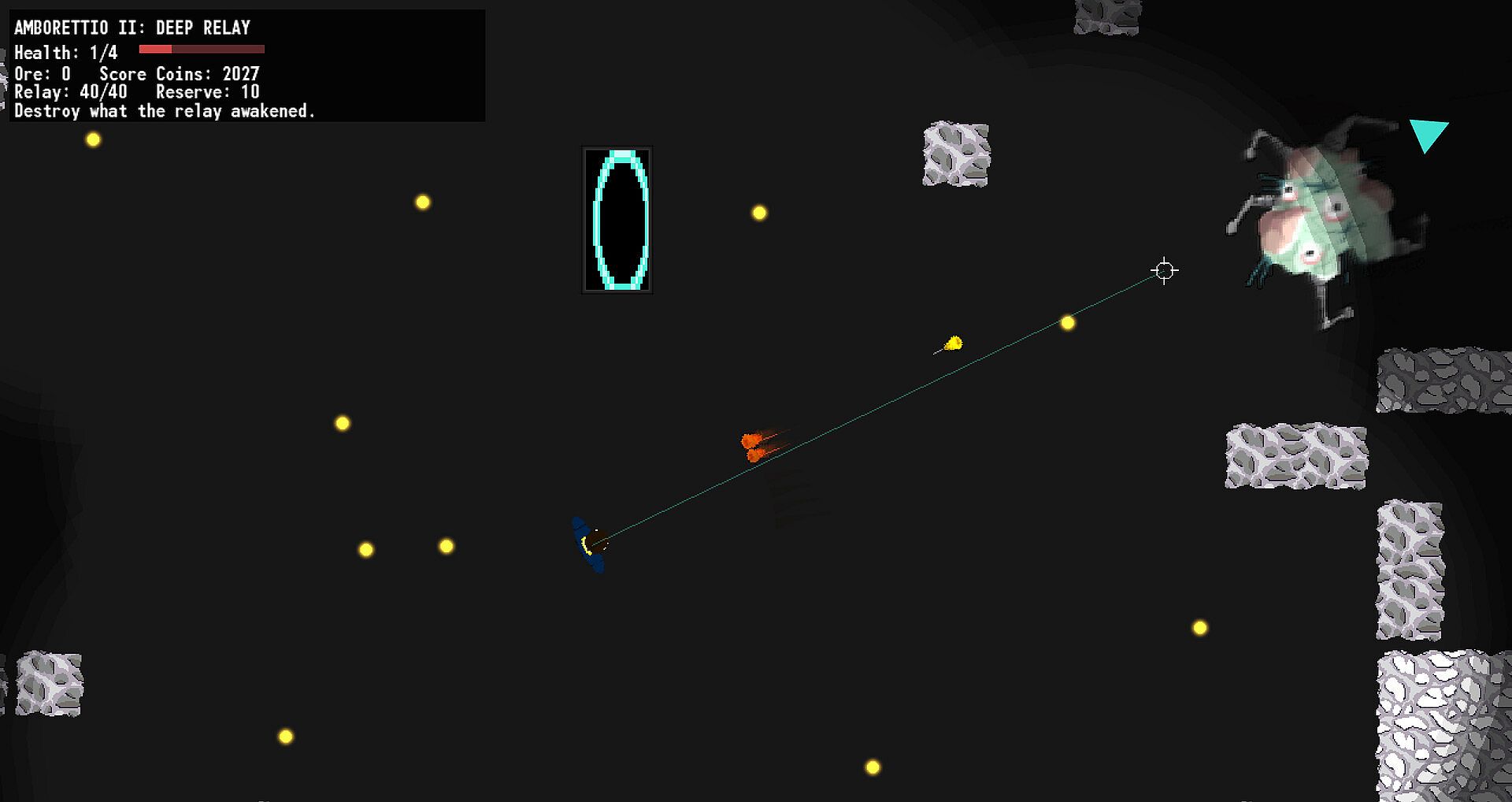
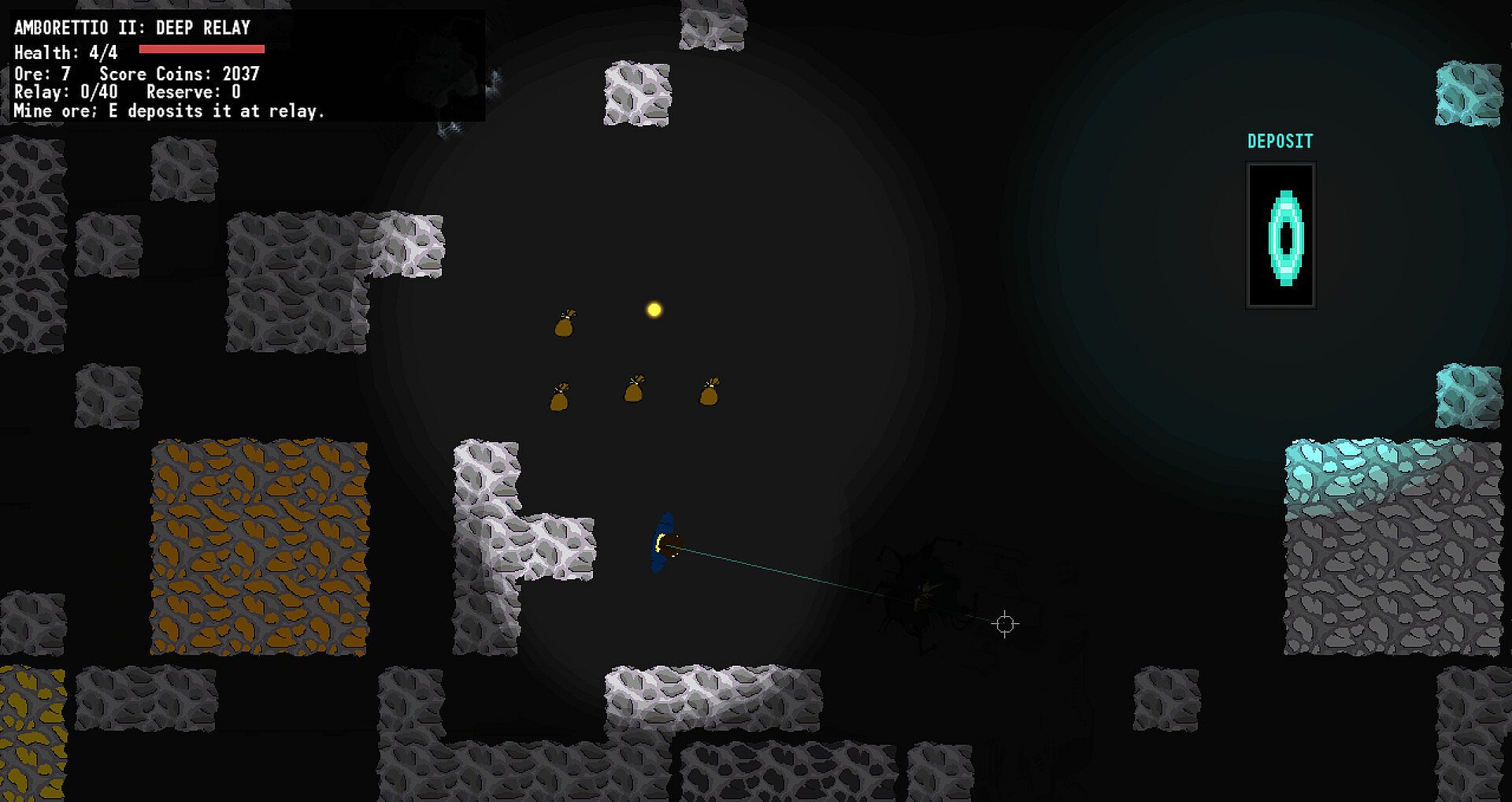
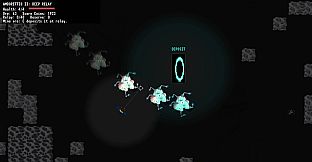
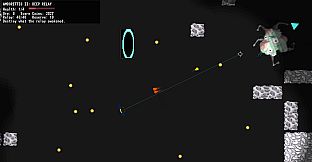
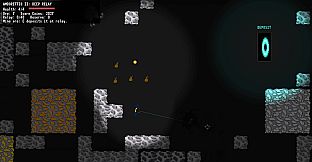
Amborettio II: Deep Relay is a top-down action, indie, and adventure game centered on mining, combat, and extraction in procedurally generated underground caverns. Players descend into new layouts each run, carving paths through destructible terrain while gathering ore, fending off hostile spirits, and working to power a relay for extraction.
Gameplay
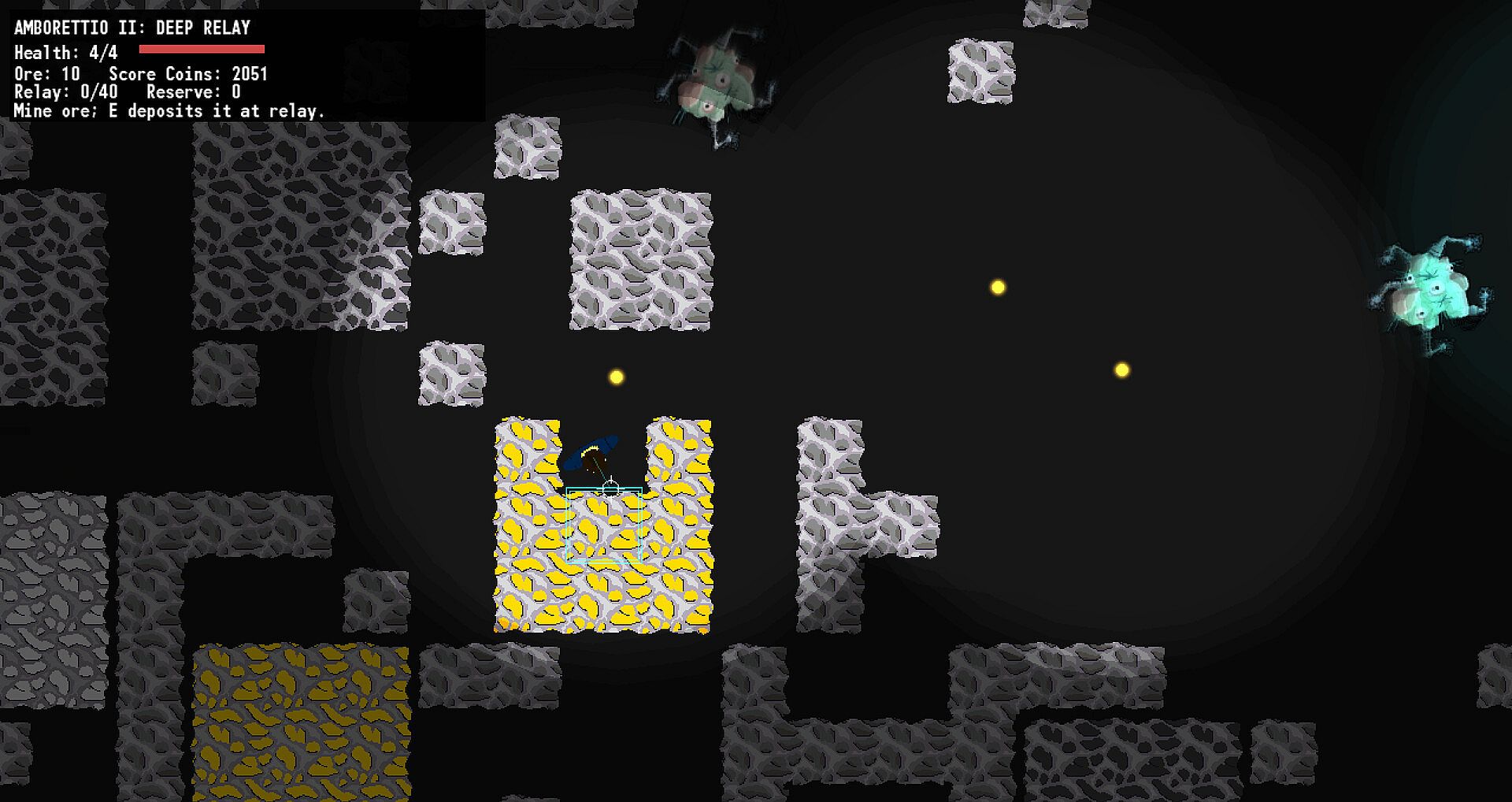
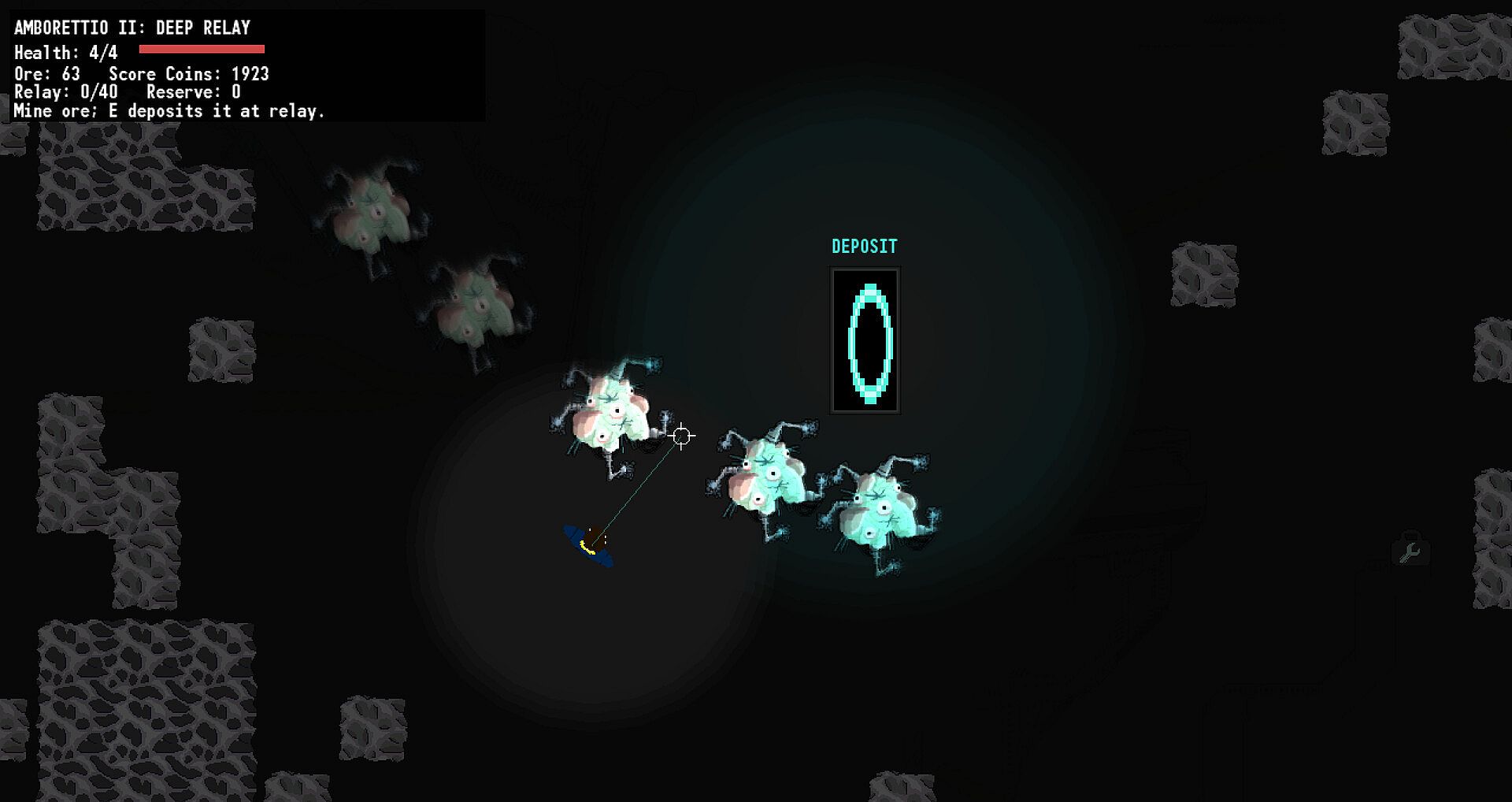
The core loop revolves around expeditions into freshly generated caverns packed with ore deposits, breakable walls, and aggressive enemies. Players mine their own routes, collect multiple types of ore, and decide how to allocate resources between activating the relay, building defenses, or saving for later attempts. Torches create safe zones that push back darkness and repel spirits, while automated turrets provide defensive support when resources allow. Dynamic lighting from the player, torches, turrets, and projectiles shapes visibility and strategy in the dark environment.
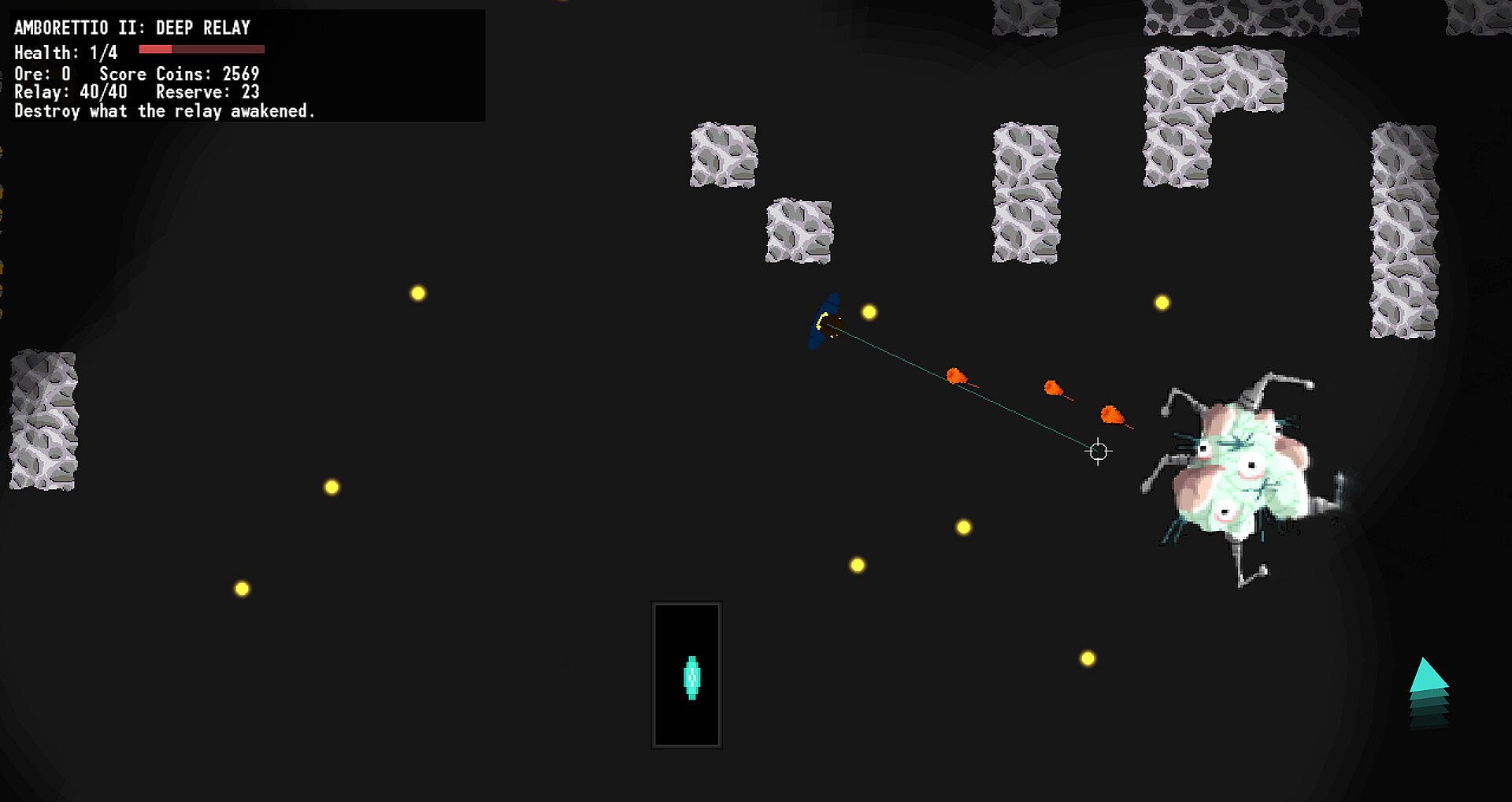
Enemies pursue across the map, chew through terrain, and some launch ranged attacks. Medkits and physical loot such as ore and score coins must be collected directly from the cavern floor. Once enough ore powers the relay, a boss awakens and must be defeated before returning to extract and secure progress. Excess ore beyond the quota enters a persistent reserve that carries over to future expeditions, though death wipes that reserve entirely.
Quick save and save-and-exit options support focused sessions, while Steam achievements track milestones tied to cumulative score coins earned across successful runs. Every descent presents a temporary cavern layout, emphasizing resource management and survival decisions under pressure from pursuing threats.
Game Modes
The game operates as a single-player experience built around repeatable solo expeditions. Each run generates a unique cavern for mining, combat, and extraction, with no additional multiplayer or co-op options available. Players manage their own pace through the procedural layouts, balancing immediate survival needs against long-term reserve building for subsequent attempts.
Progression ties directly to successful extractions that bank excess ore and accumulate score coins. The structure encourages repeated descents, where each expedition tests different resource allocation choices between the relay quota, defensive items, and the persistent reserve. No separate modes alter this core solo loop.
Key Mechanics and Features
Fully destructible terrain lets players excavate custom paths rather than following fixed routes. Clustered deposits of different ore types reward exploration and careful mining. Resource decisions extend to deploying torches for light and safety or investing in turrets for firepower against aggressive spirits that break through walls.
Boss encounters trigger after powering the relay, with the creature capable of smashing through cave sections during the fight. Extraction requires surviving the boss, returning to the relay, and escaping to lock in gains. Persistent score coins build a total across runs, and achievements reward reaching higher cumulative totals.
The system creates tension between short-term spending on survival tools and long-term saving, as any failed run erases the current reserve. Physical collection of all loot reinforces the need to manage inventory space and health during retreats.
Is It Worth Playing?
Amborettio II: Deep Relay suits players who enjoy top-down action-adventure games with roguelike elements, resource-driven survival, and procedural exploration. The focused single-player design delivers a consistent loop of mining, defense building, and extraction without distractions from multiplayer systems.
Those drawn to destructible environments, dynamic lighting challenges, and decisions about ore allocation will find repeated expeditions rewarding through persistent reserve mechanics and score progression. The absence of confirmed updates or seasonal content means the experience stands on its core systems alone.
Anyone seeking a solo cave-delving adventure with clear objectives and risk-reward tension around resource management should consider it a strong fit based on the described features.