




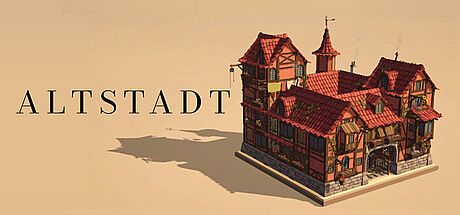


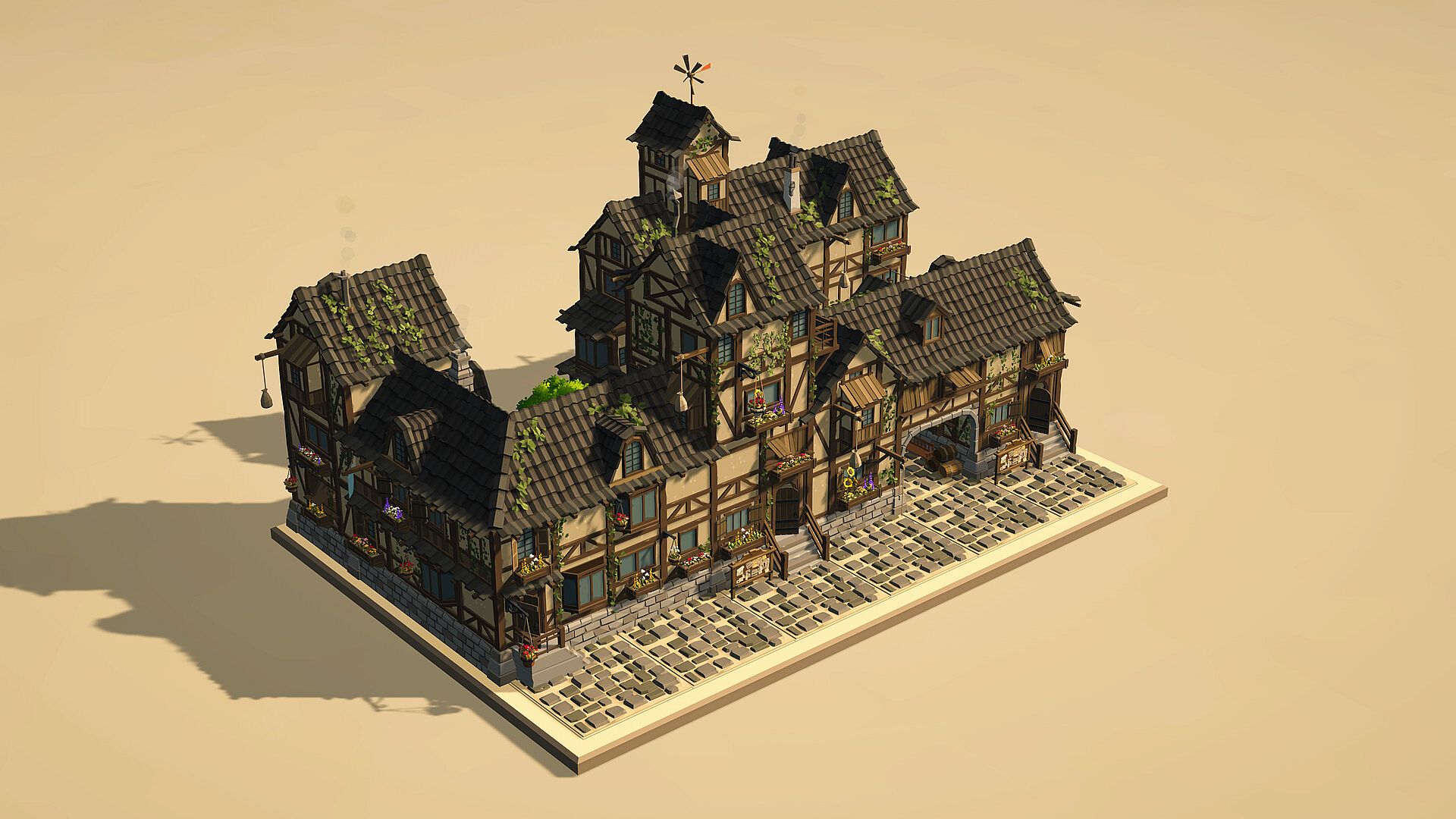
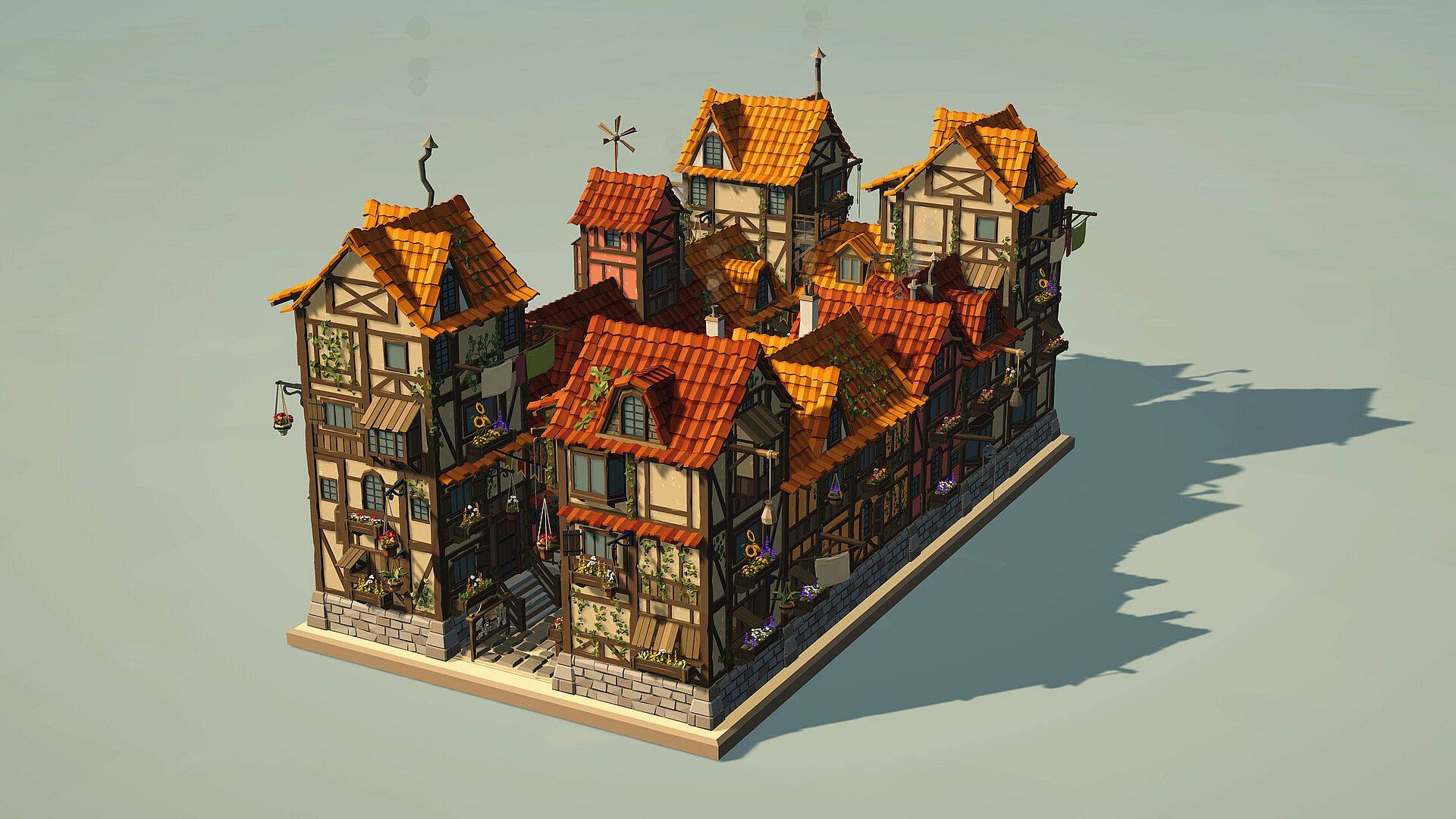
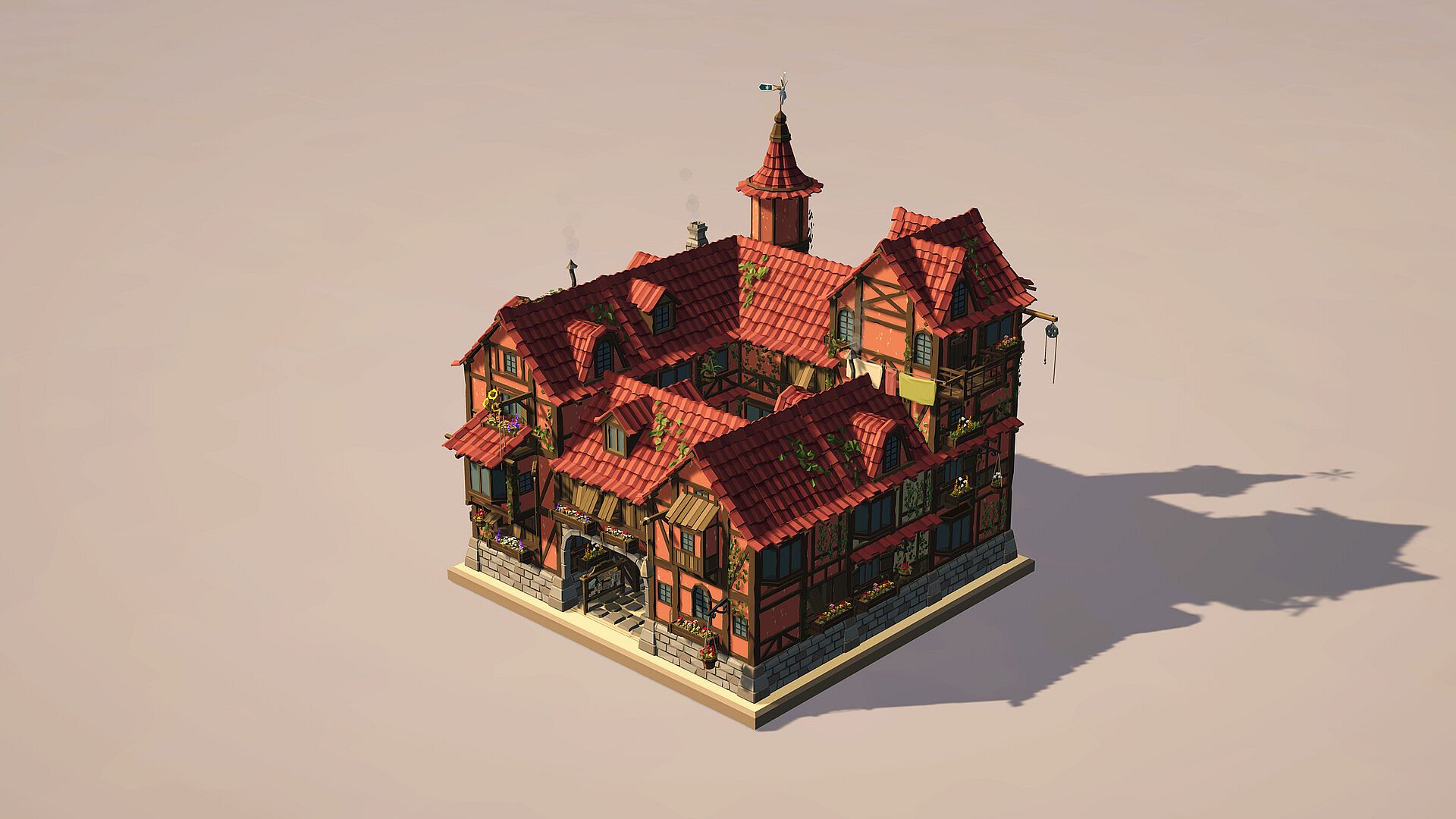
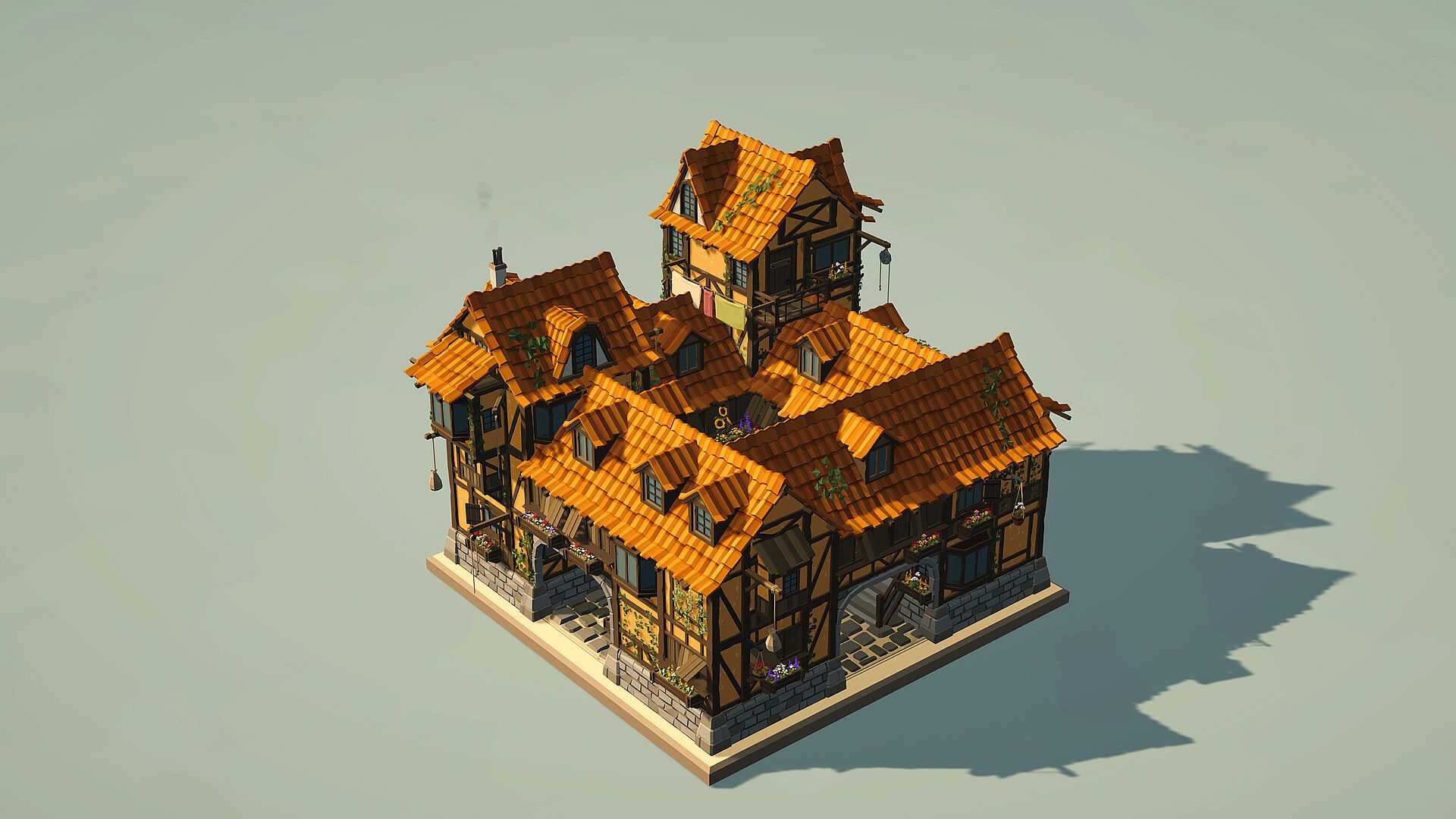
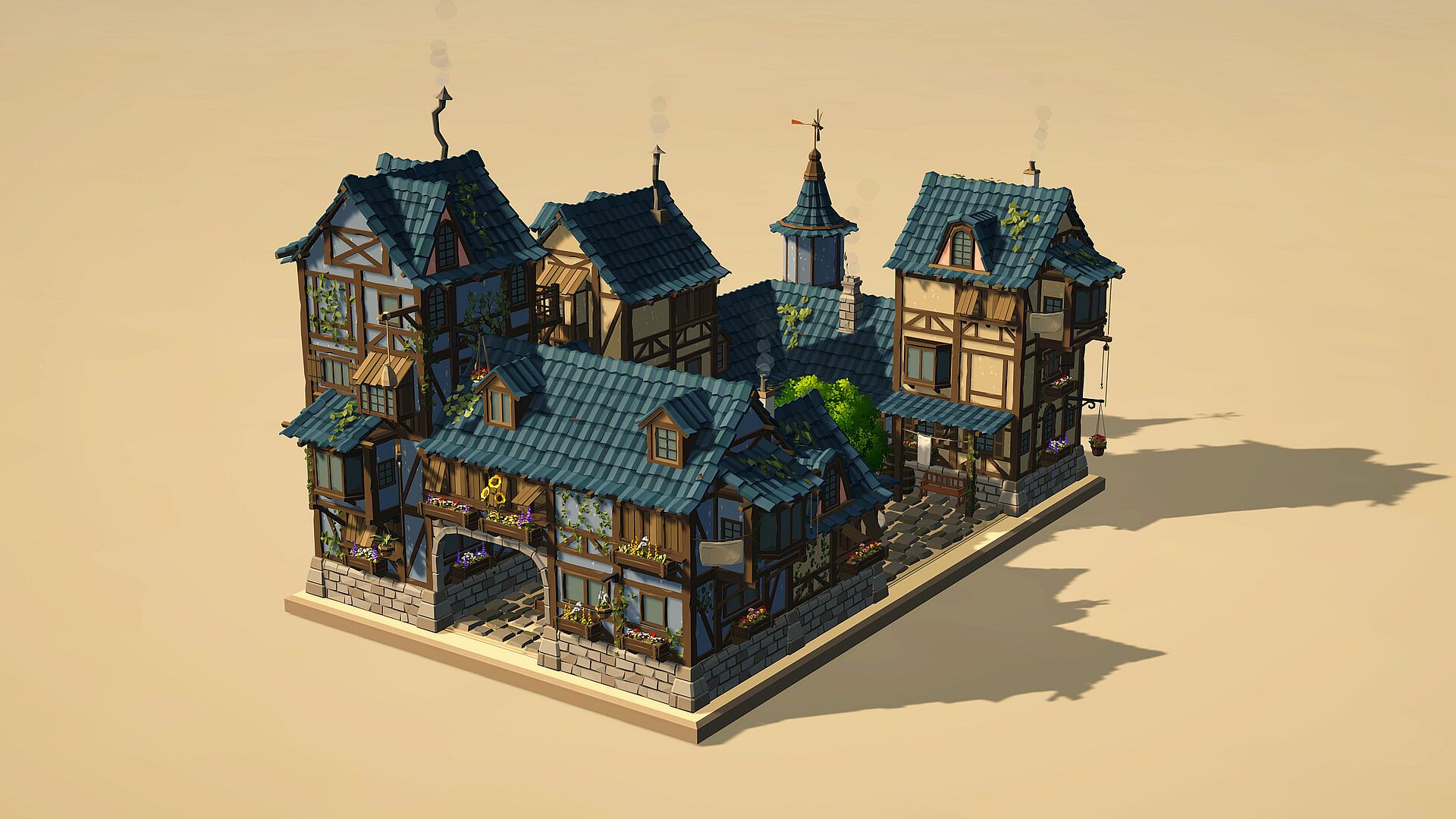
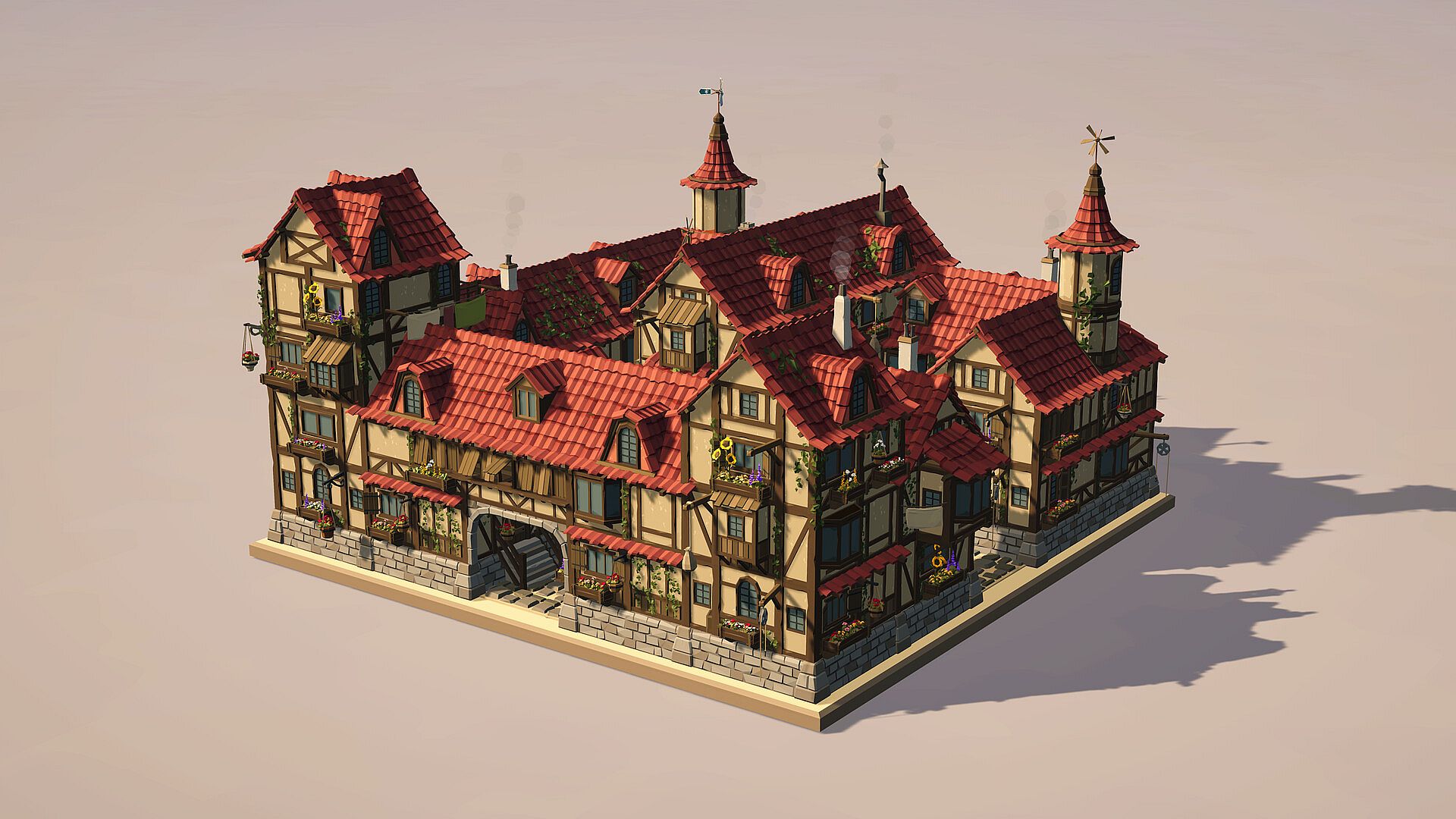
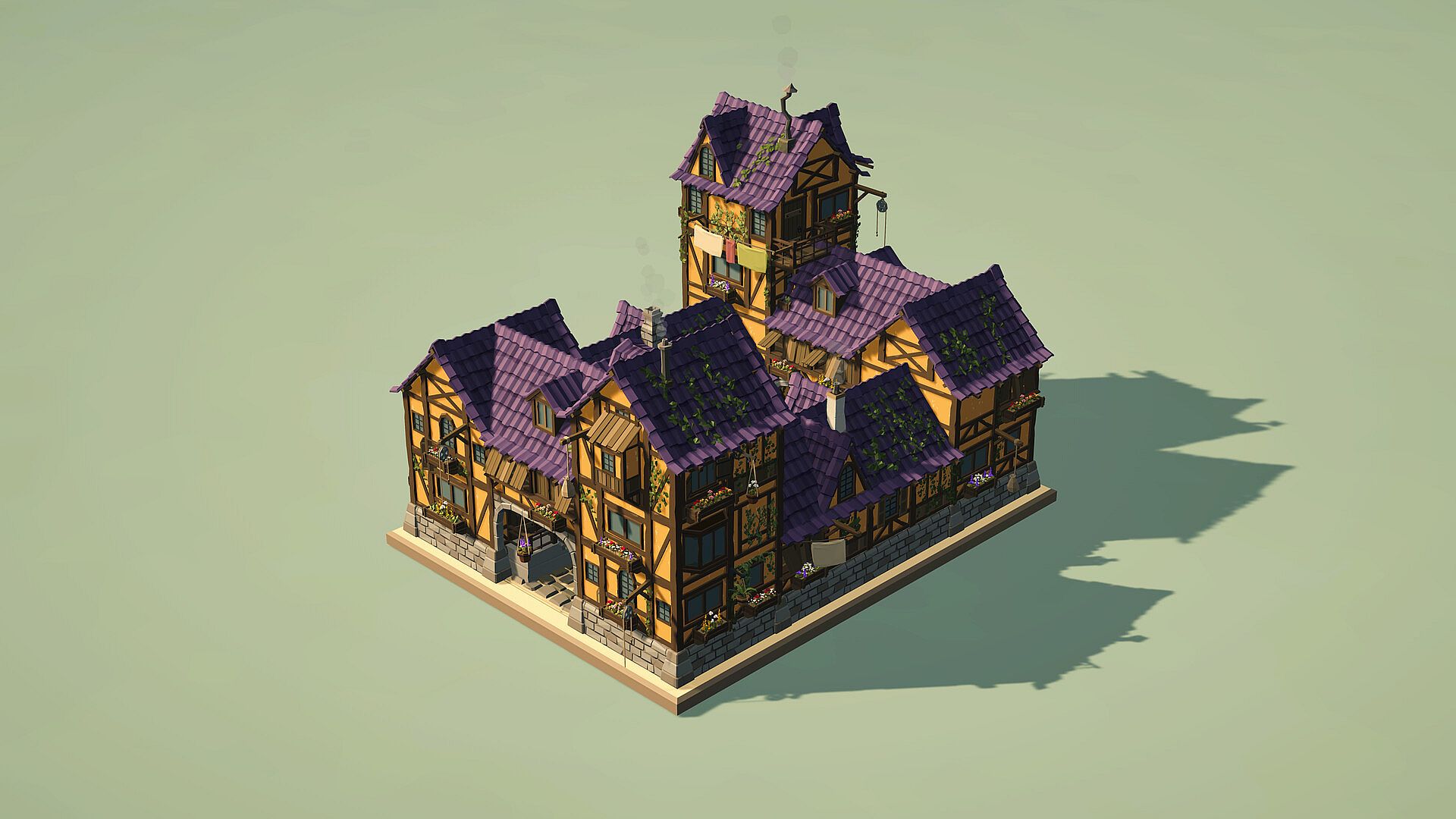
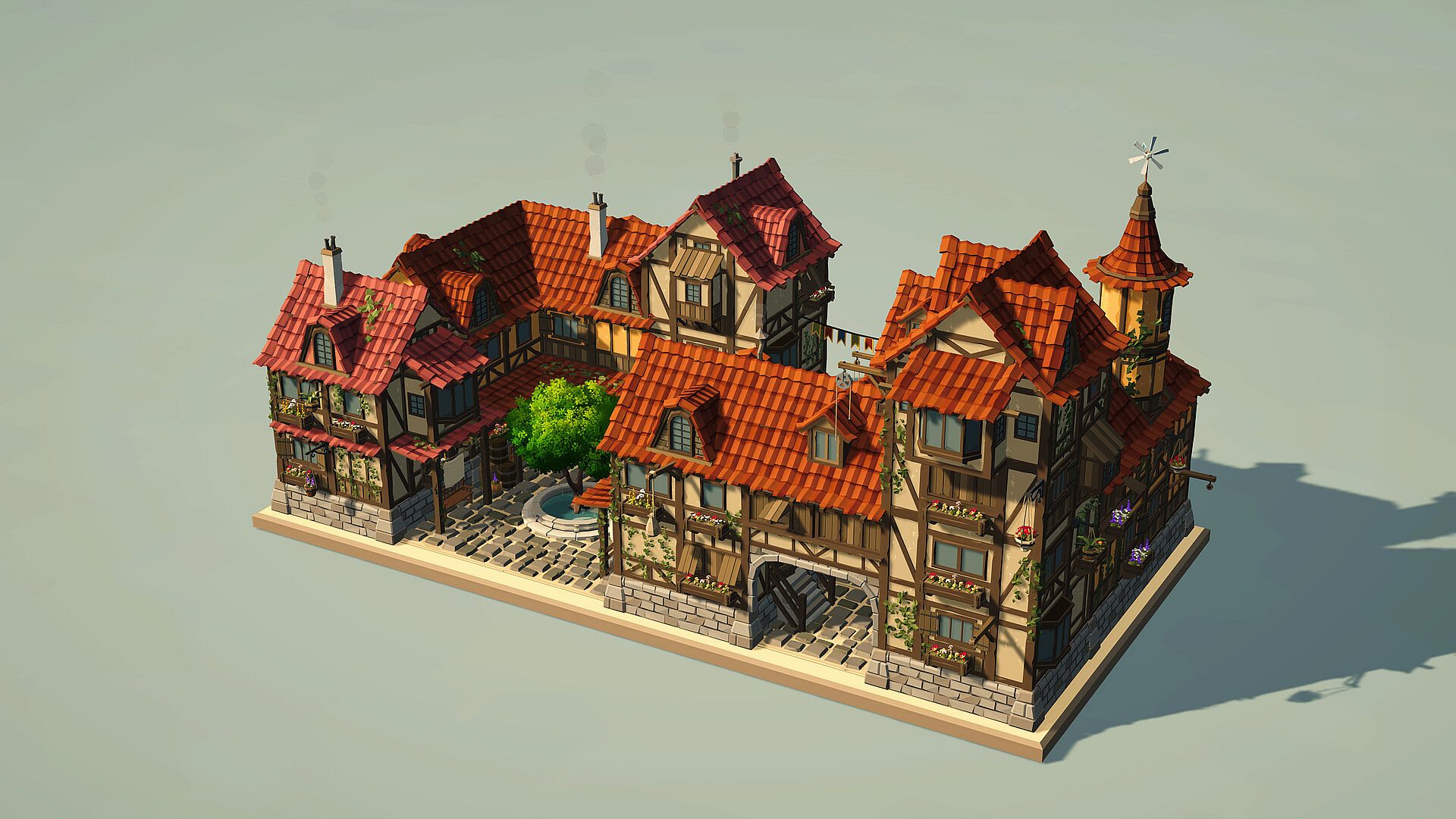
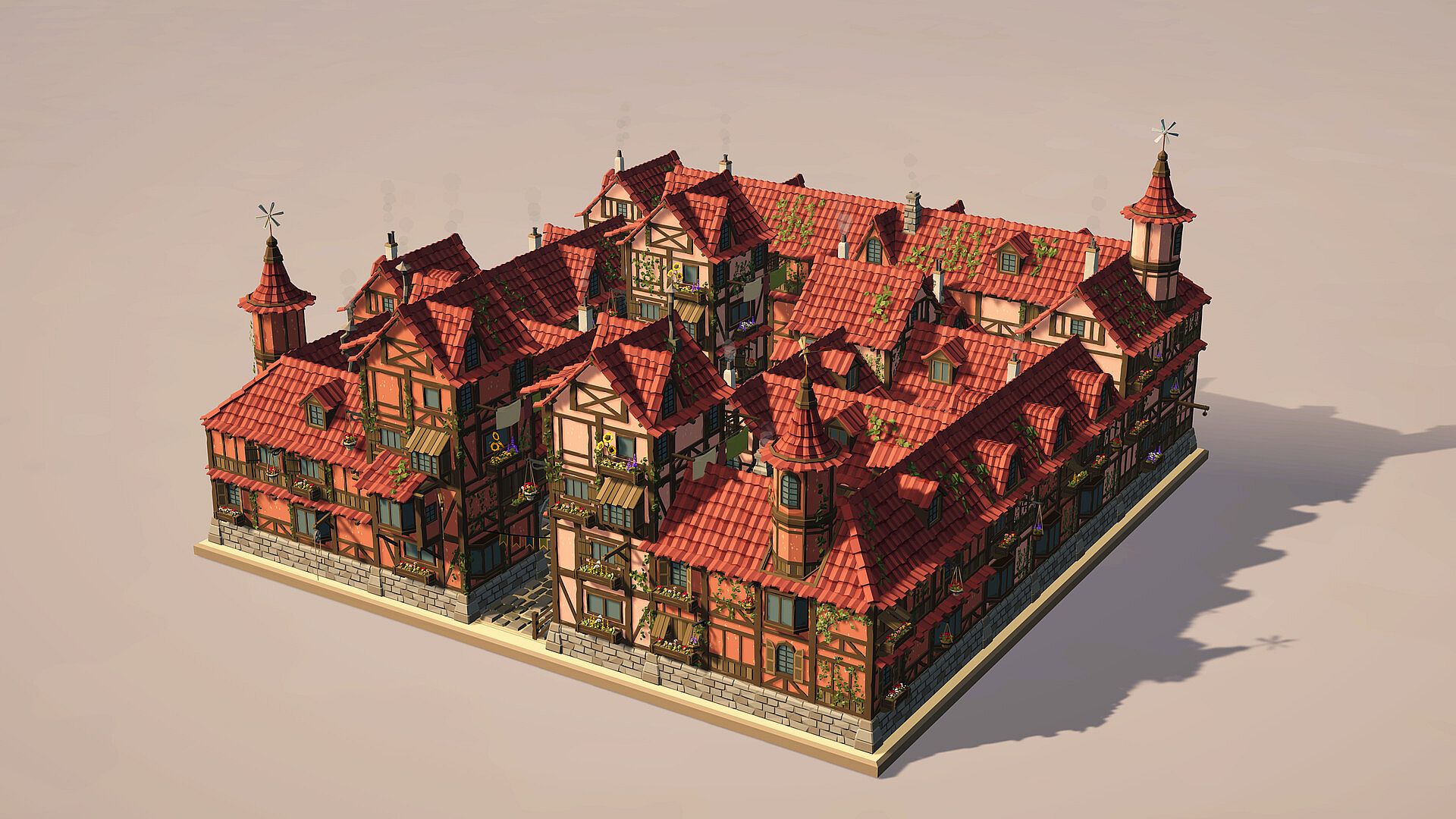
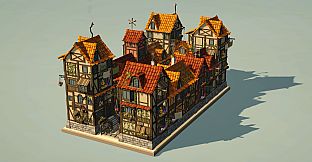
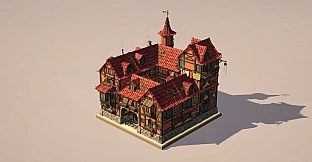
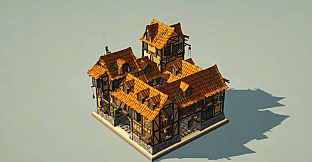
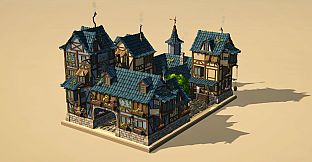
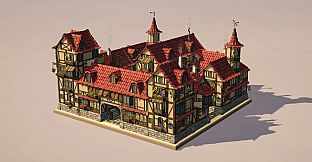
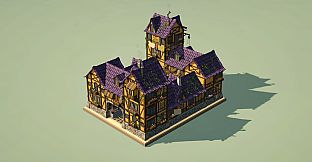
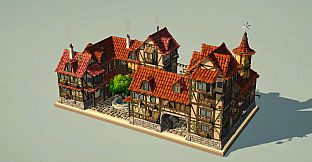
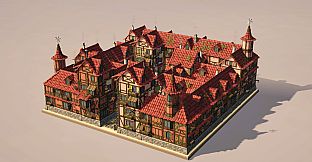
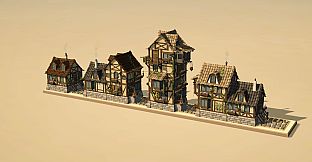
Altstadt is a strategy game centered on creative construction rather than competition or resource management. Players shape a compact miniature German old town on a small board, placing houses and streets to form a detailed diorama that evolves from a simple settlement into a layered urban scene. The experience emphasizes experimentation and refinement without any economic systems, population tracking, or win conditions to interrupt the flow.
Gameplay
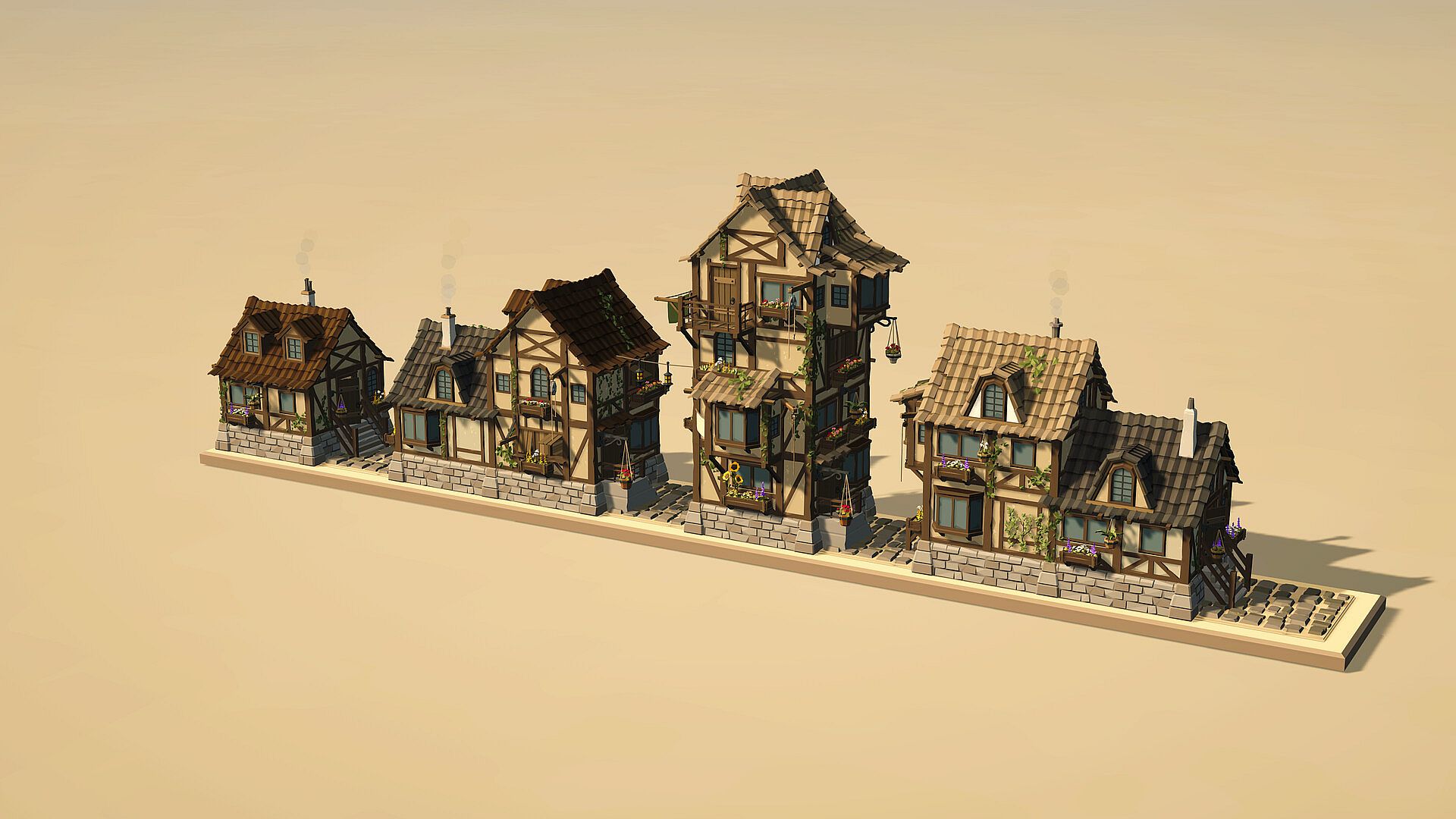
Building begins with individual houses that can be adjusted in height or expanded into larger connected structures. Streets connect these elements to create paved squares and enclosed courtyards. Architectural details respond directly to placement choices, with entrances, shared walls, and rooflines shifting to fit the emerging layout. Certain lanes qualify as covered Schwibbogen passages, adding distinctive German architectural touches to the miniature streets.
Customization extends to coordinated facade and roof colors applied across complete buildings. A renovation option allows swapping to another compatible architectural style on an existing structure without disrupting the overall arrangement. Undo and redo functions support repeated adjustments, encouraging players to test variations until the composition aligns with their vision.
Atmospheric details such as chimney smoke, shutters, laundry lines, greenery, and subtle movements appear on finished streets. These elements convey a lived-in quality while remaining purely visual, preserving the focus on building rather than simulation mechanics.
Game Modes
Altstadt offers a single continuous building session on its compact board. There are no separate modes, campaigns, or competitive formats. The entire experience revolves around free placement and iterative refinement, with the option to clear the board entirely and start a fresh composition at any time. This structure keeps the activity centered on personal creativity without external goals or time limits.
Creative Tools and Details
Every placement decision influences how buildings interact, from height variations that create varied skylines to street arrangements that define intimate public spaces. The system adapts rooflines and connections automatically, rewarding careful observation of how individual pieces fit together. Color choices and style renovations provide additional layers for personalization once the basic layout solidifies.
The compact scale of the board keeps the process manageable and focused. Players can zoom in on specific corners or step back to view the full diorama, adjusting elements until every section feels cohesive. The absence of budgets or objectives means attention stays on visual harmony and architectural detail.
Is It Worth Playing?
Altstadt suits players seeking a low-pressure strategy experience built around construction and visual design. Its mechanics reward patience and experimentation in shaping a miniature town without introducing failure states or mandatory progression systems. Those who enjoy diorama-style building or relaxed creative tools will find consistent support for repeated sessions, whether refining one layout over time or clearing the board for entirely new attempts.
The game maintains a consistent emphasis on architectural adaptation and atmospheric finishing touches that enhance the final result. Availability on PC makes it accessible for extended play sessions where the goal remains personal satisfaction rather than completion metrics. This approach delivers a focused alternative within the broader strategy genre for anyone prioritizing creative freedom over traditional management layers.