


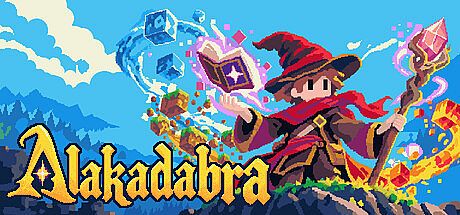


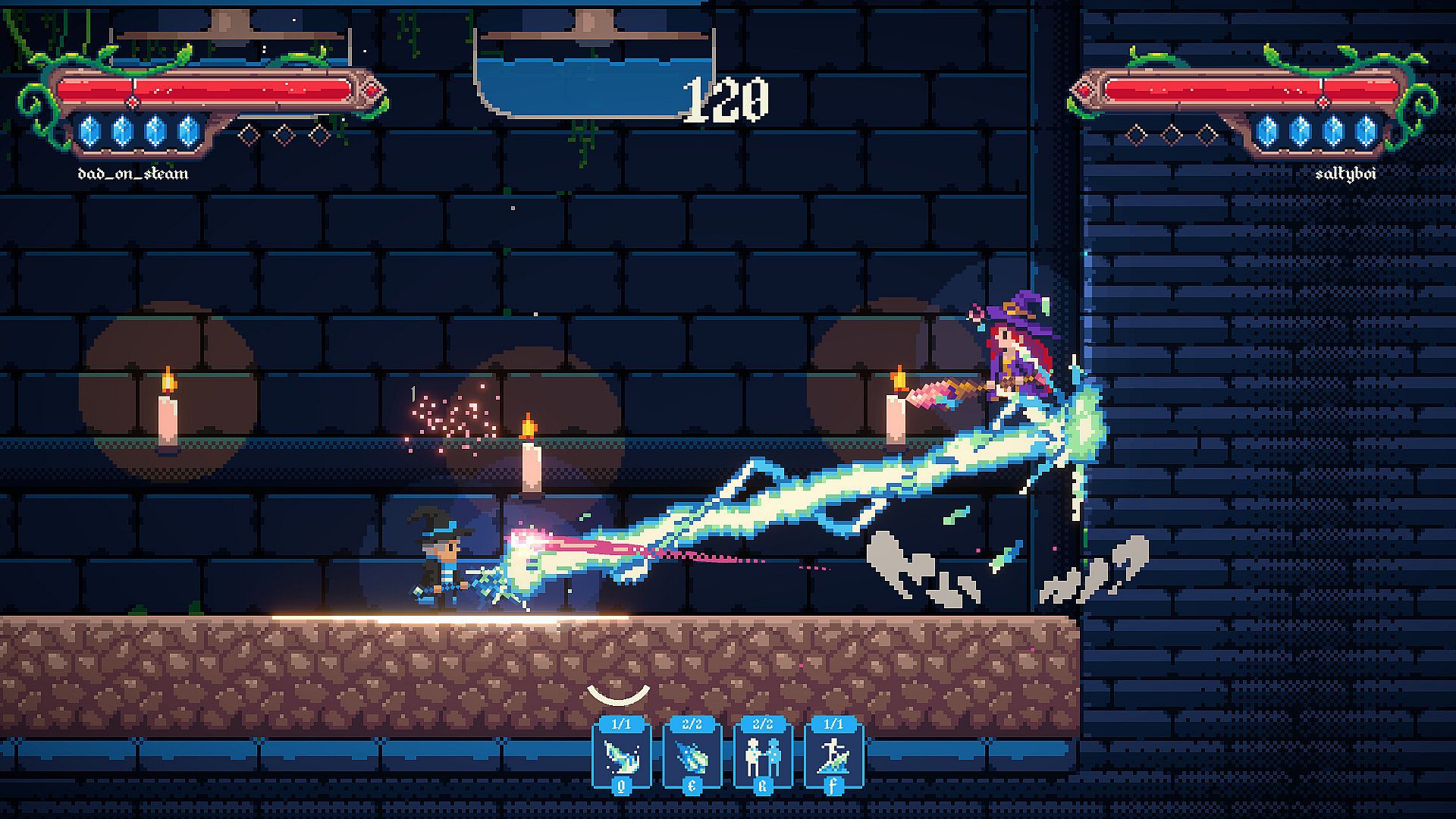
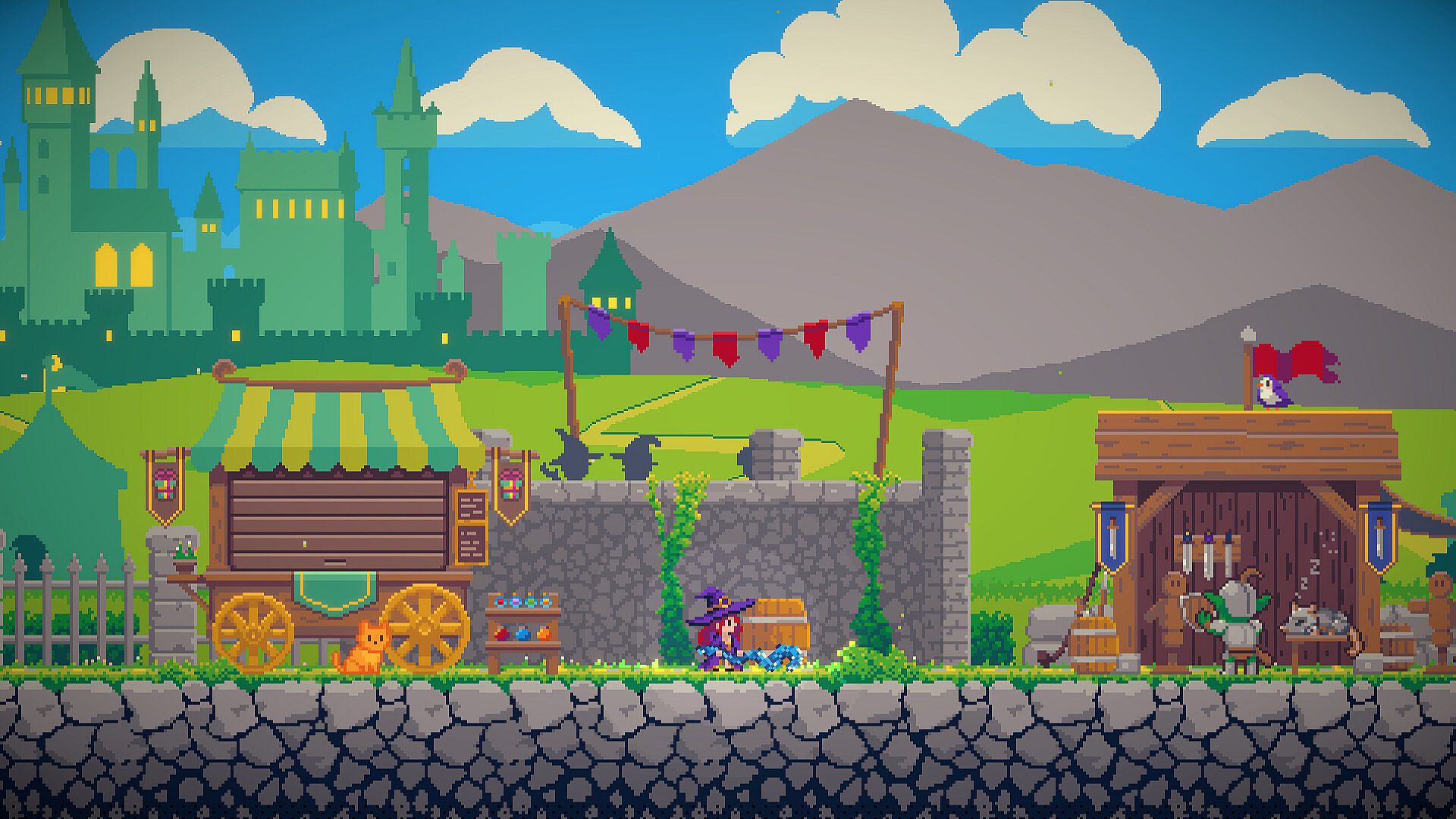
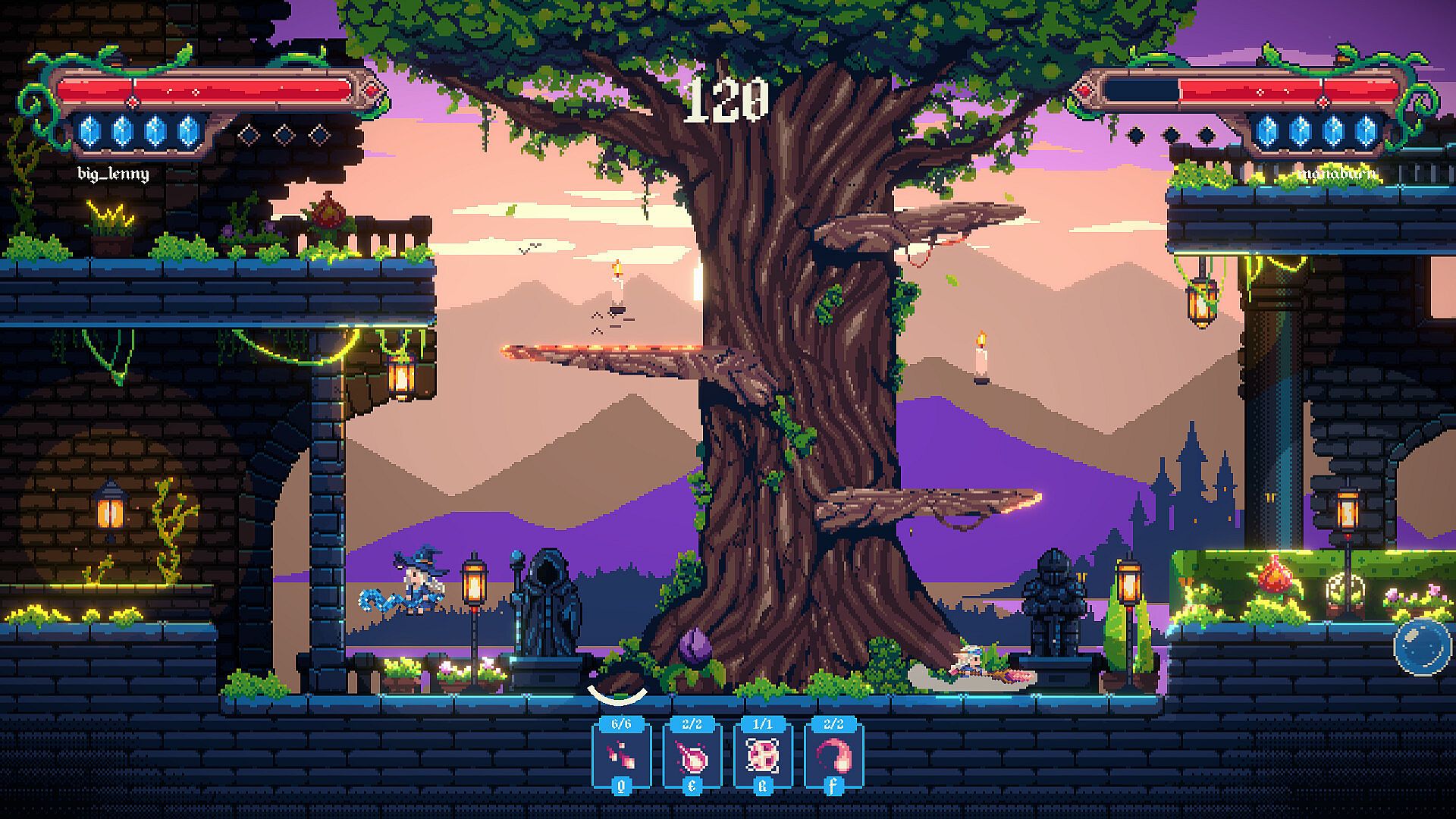
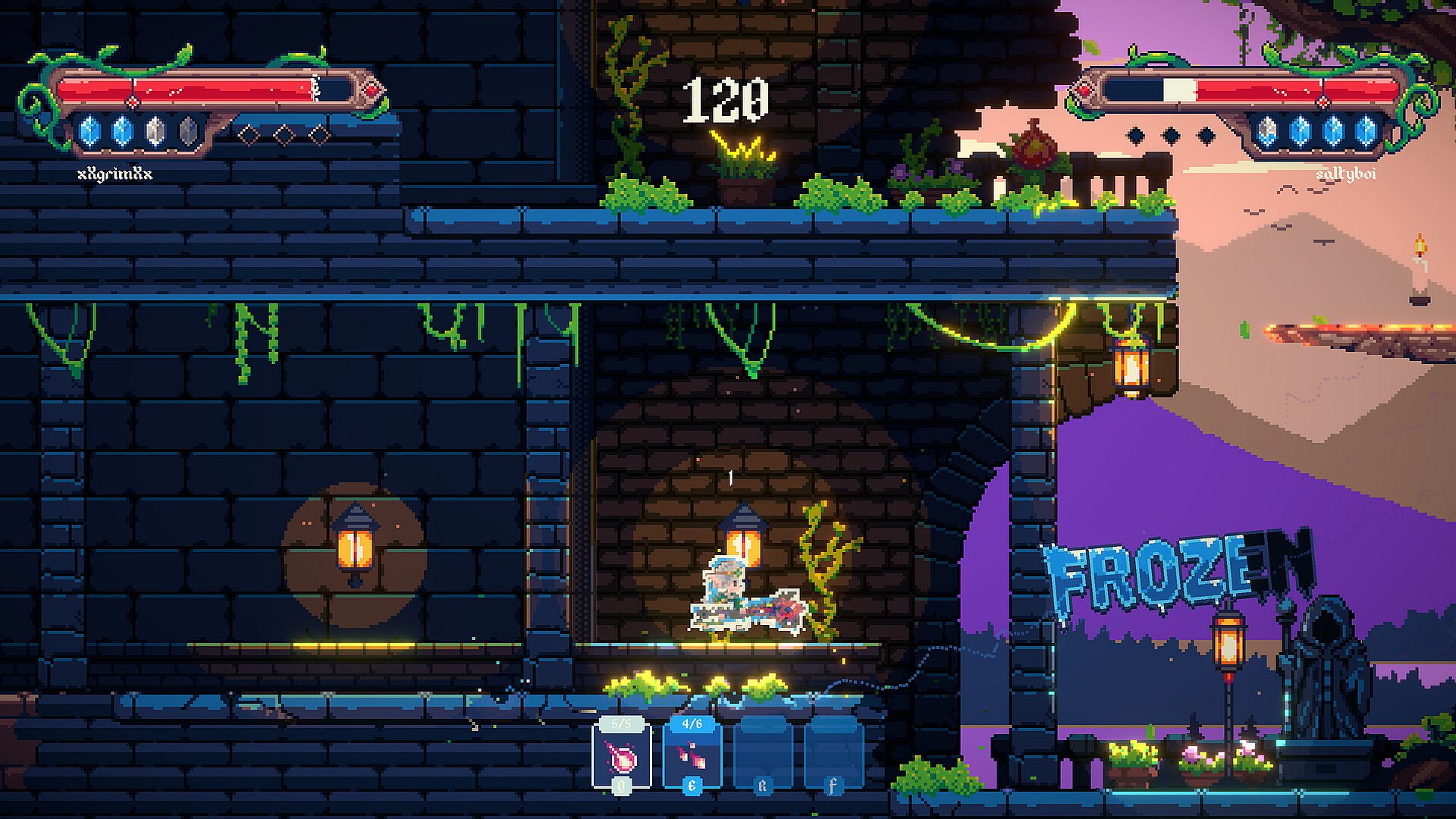
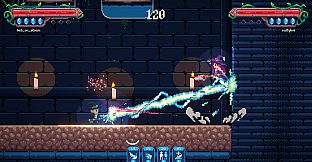
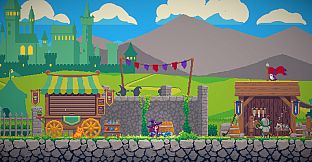
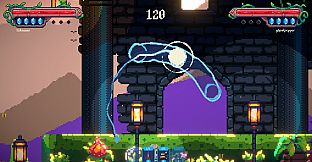
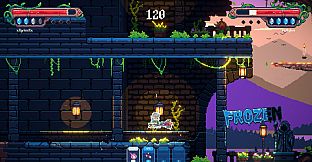
Alakadabra is a multiplayer PvP action indie game on PC where players take on the role of wizards competing in duels set inside a fully simulated world. The premise centers on an annual tournament held at a fair, where wizards and witches gather to test their skills in an arena that undergoes constant change from the spells cast during matches. The overall winner claims the title of the best wizard until the next event, with the arena often requiring major reconstruction afterward due to the destructive nature of the magic involved.
Gameplay
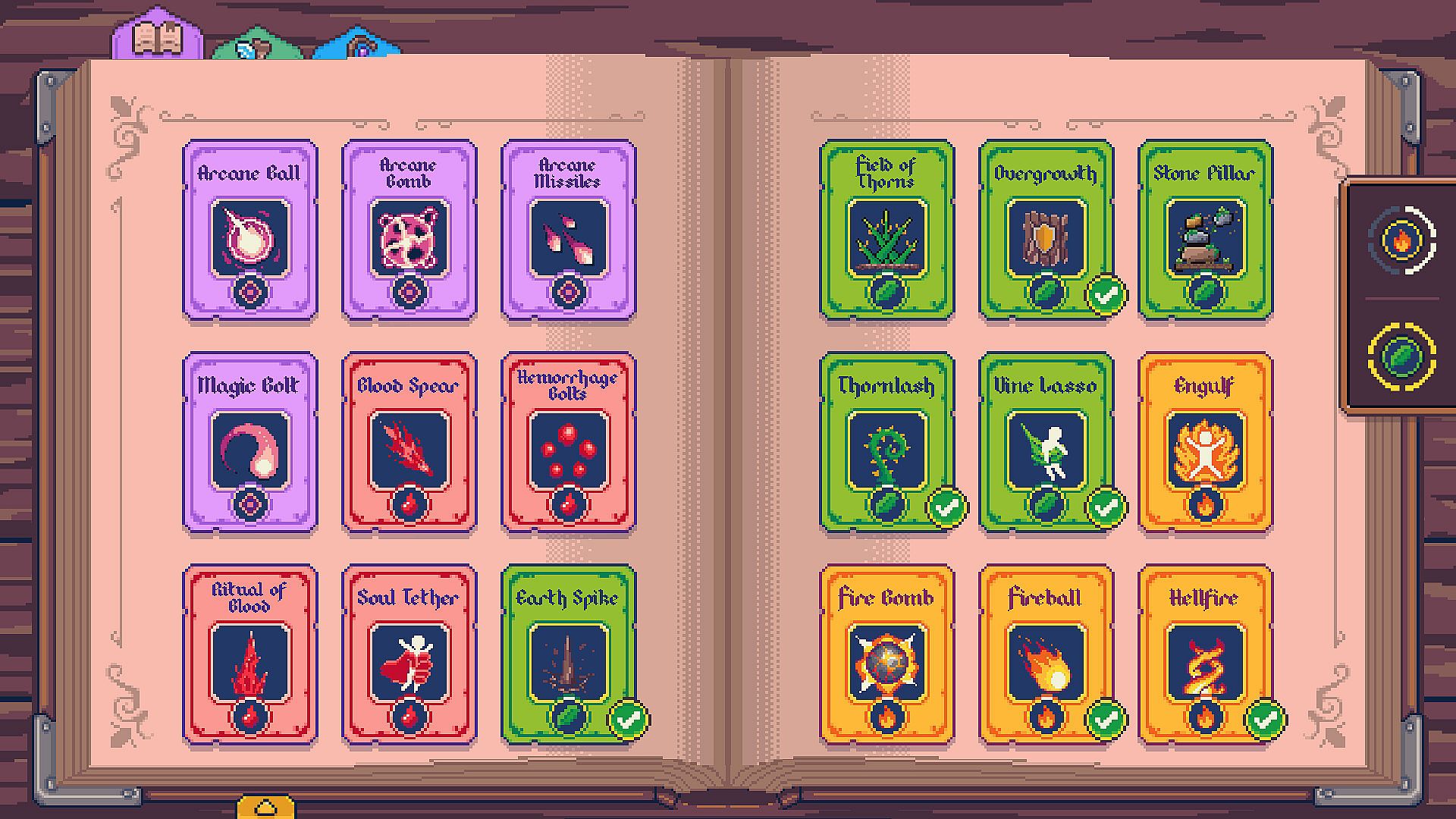
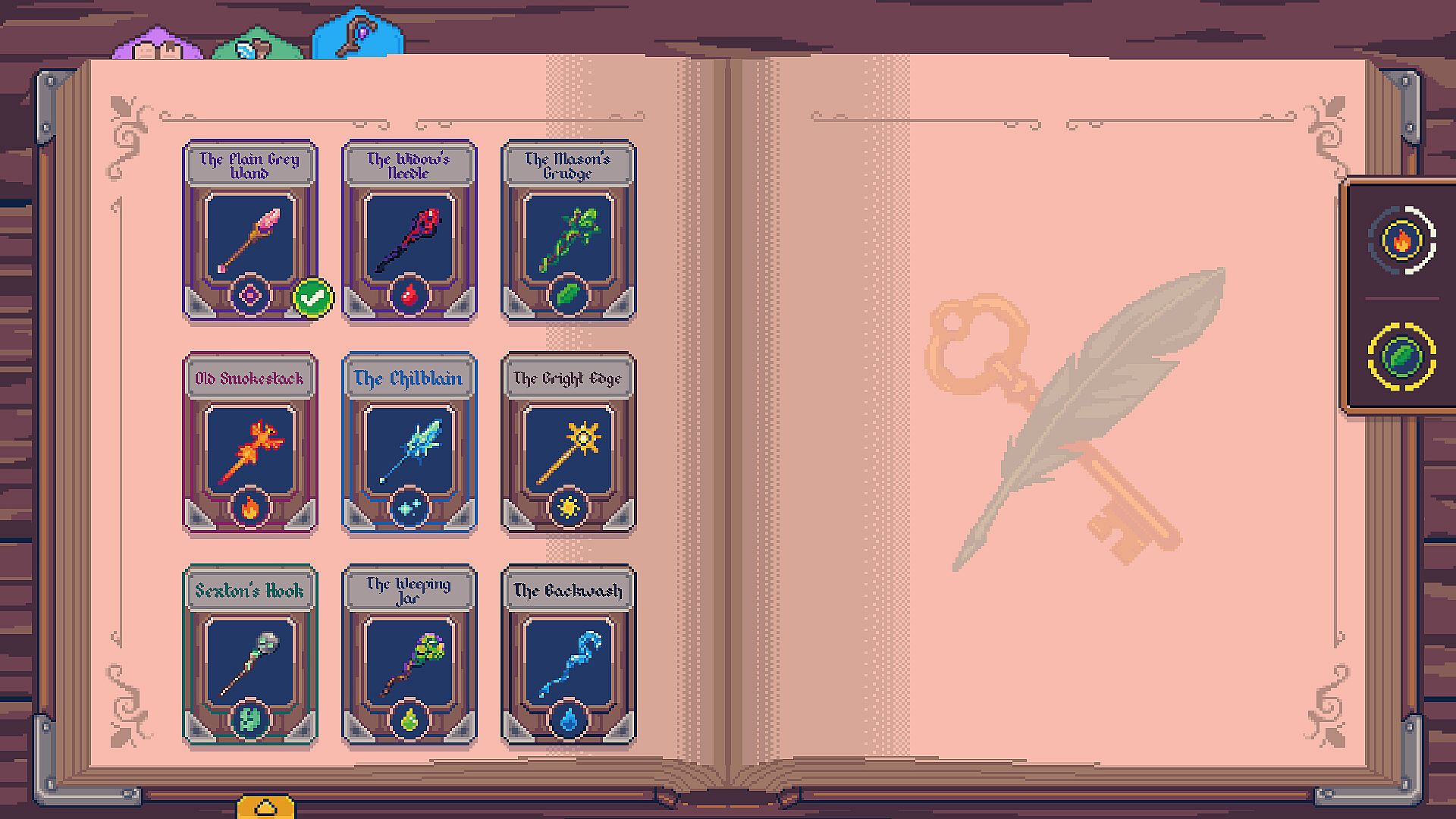
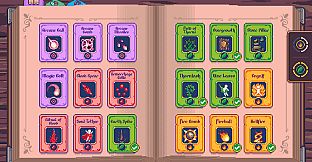
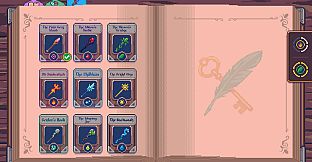
Before each duel, players select from a wide range of spells and abilities that define their approach. Choices include the specific magic to cast, items to carry, methods of movement across the arena, and a chosen school of magic to specialize in. One option involves spreading poison across the ground while maintaining distance from opponents. Another focuses on a wand of light for direct, aggressive engagements. Certain builds allow wizards to summon entities from the floor to handle combat on their behalf. A smaller set of blood spells offers high-risk, high-reward potential that few can execute reliably. These selections encourage distinct playstyles tailored to individual preferences rather than a single optimal path.
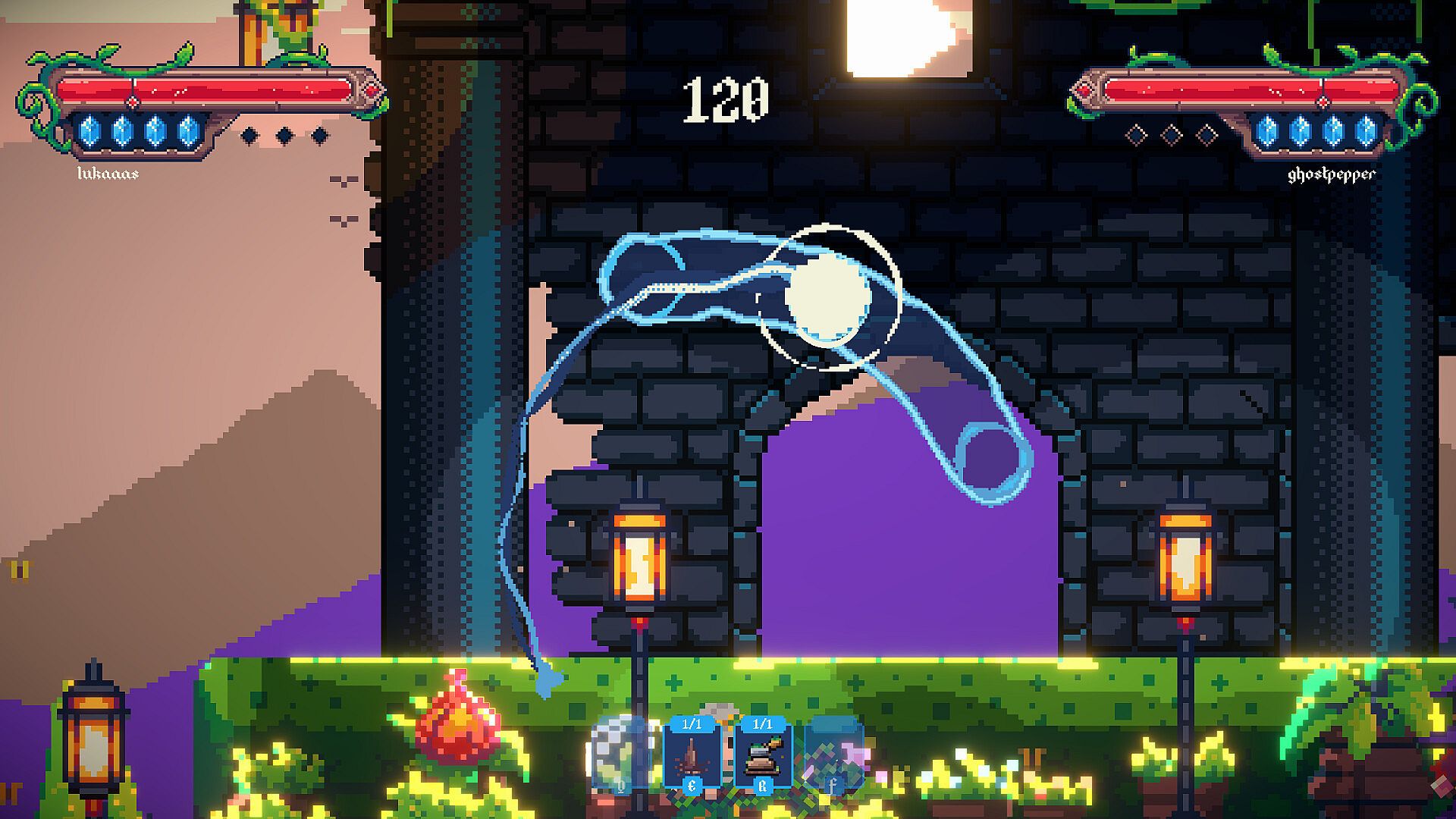
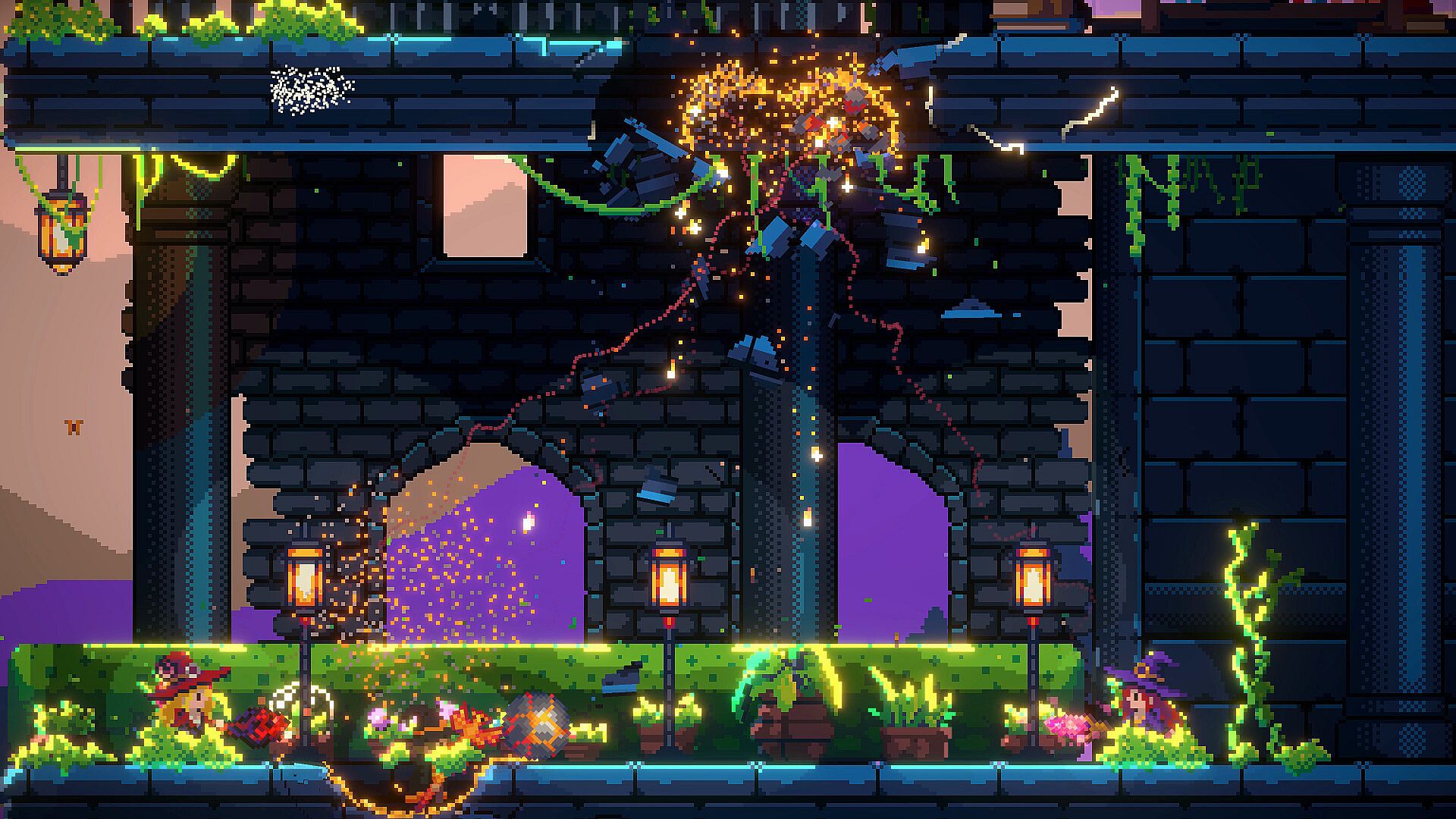
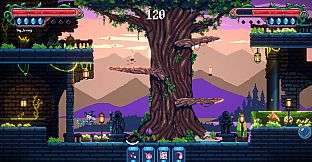
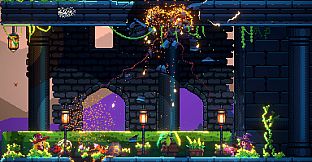
The environment itself reacts to every action in a pixel-by-pixel simulation. Wood ignites when exposed to fire. Water can freeze solid or remain liquid based on the timing and order of spells. Acid damages structures like iron bridges without exception. Any damage inflicted on the scenery remains permanent for the duration of the match, transforming the arena from its starting layout into something entirely different by the end. Stages feature hand-crafted pixel art designs, each incorporating unique environmental elements that players can exploit or suffer from during combat.
Game Modes
Alakadabra revolves around wizard duels within the tournament structure. Matches take place in these evolving arenas where the core loop involves selecting loadouts, entering the space, and applying spells while accounting for the ongoing environmental changes. The simulation ensures that no two duels unfold identically, as destruction and elemental interactions accumulate. Players navigate the shifting terrain, manage their chosen abilities, and adapt to the reactions of wood, water, acid, and other materials that define each stage. The tournament format emphasizes repeated participation, with the arena reset only after significant damage has occurred.
World and Simulation
Every pixel in the game world carries its own properties and responds to external influences. This system turns the arena into an active participant in every duel rather than a static backdrop. Fire spreads through flammable surfaces, freezing alters movement options, and corrosive effects weaken key structures. The persistent changes mean that late-match strategy often differs sharply from the opening moments, as pathways close or new hazards emerge. Each hand-crafted stage introduces its own twist on these interactions, ensuring variety across different tournament entries without relying on procedural generation.
Development Status
Alakadabra remains in active development. A demo is planned for release in 2027, at which point more of the arena and its interactive systems will become available for testing. The focus stays on refining the pixel-level simulation and the spell selection process ahead of that milestone.
Is It Worth Playing?
Alakadabra suits players who enjoy multiplayer PvP experiences built around creative spell combinations and reactive environments. The emphasis on persistent destruction and elemental interactions creates matches where positioning and timing matter as much as raw spell power. Those drawn to indie action games with pixel art and simulation depth will find the core loop of loadout selection and adaptive dueling engaging. Because the game is still in development with a demo scheduled for 2027, interested players can monitor progress toward that release to experience the tournament-style wizard combat firsthand. The absence of fixed modes beyond the central dueling format keeps the experience focused on the interplay between chosen abilities and the changing world.