





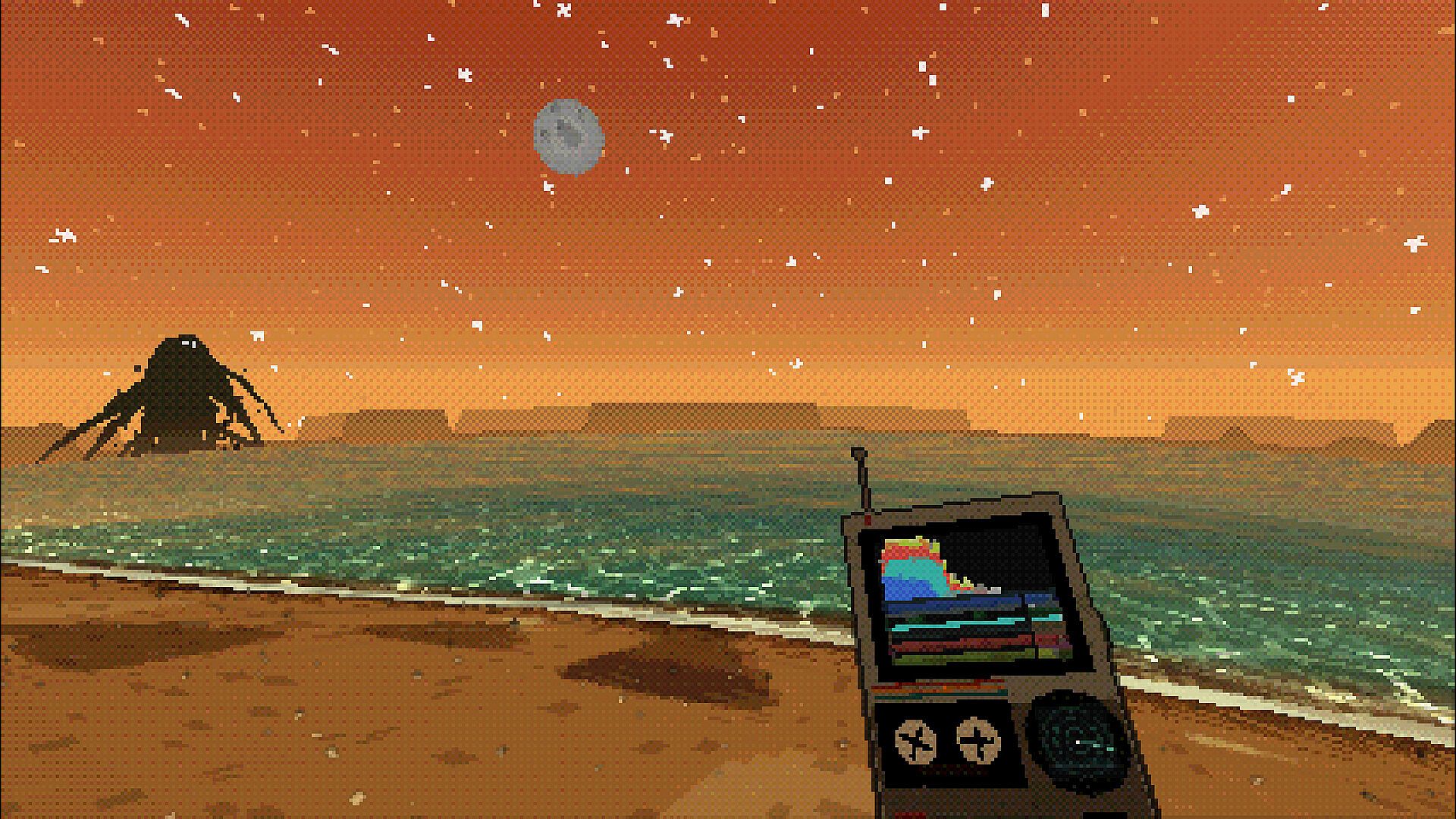
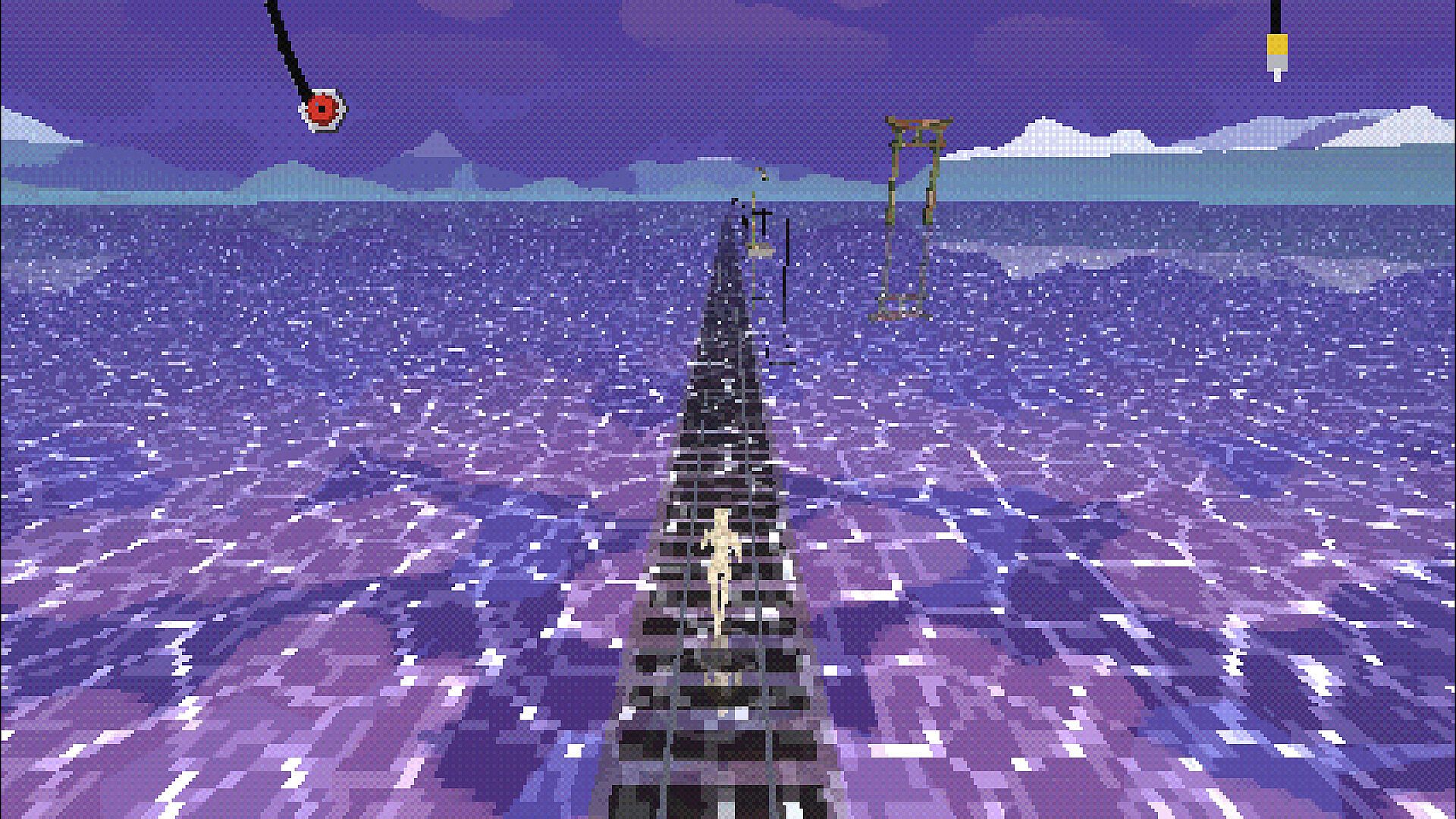
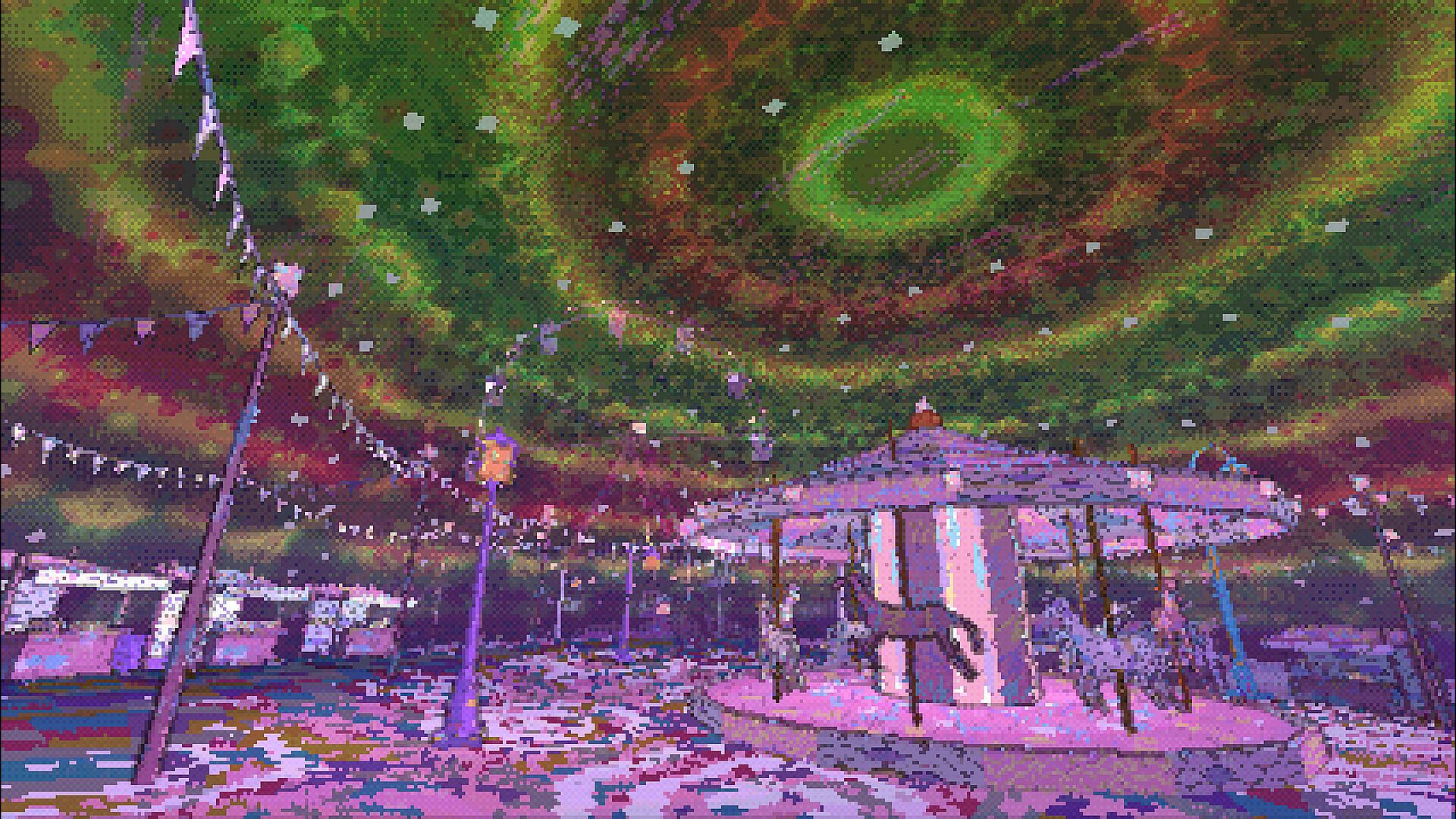
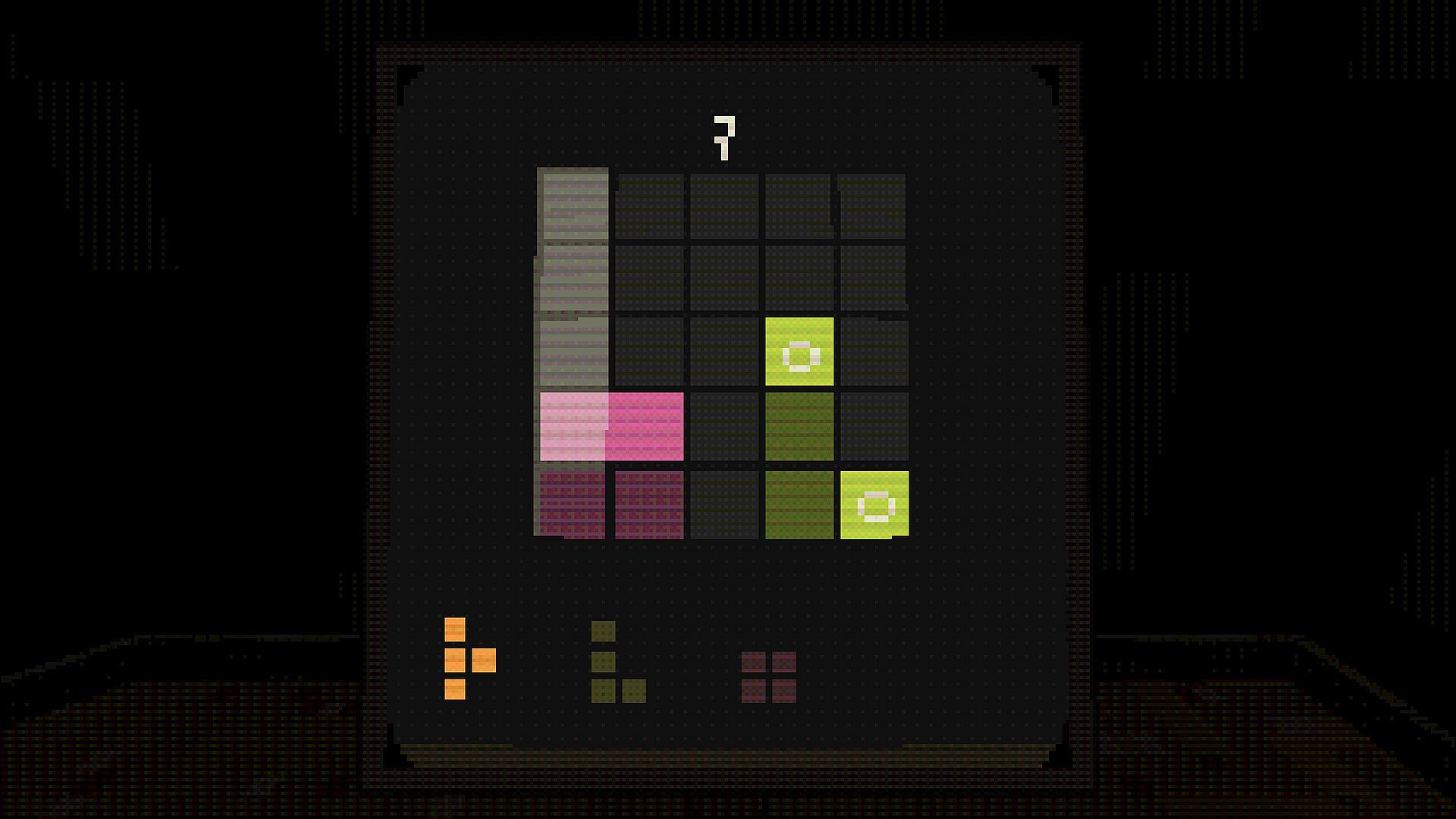

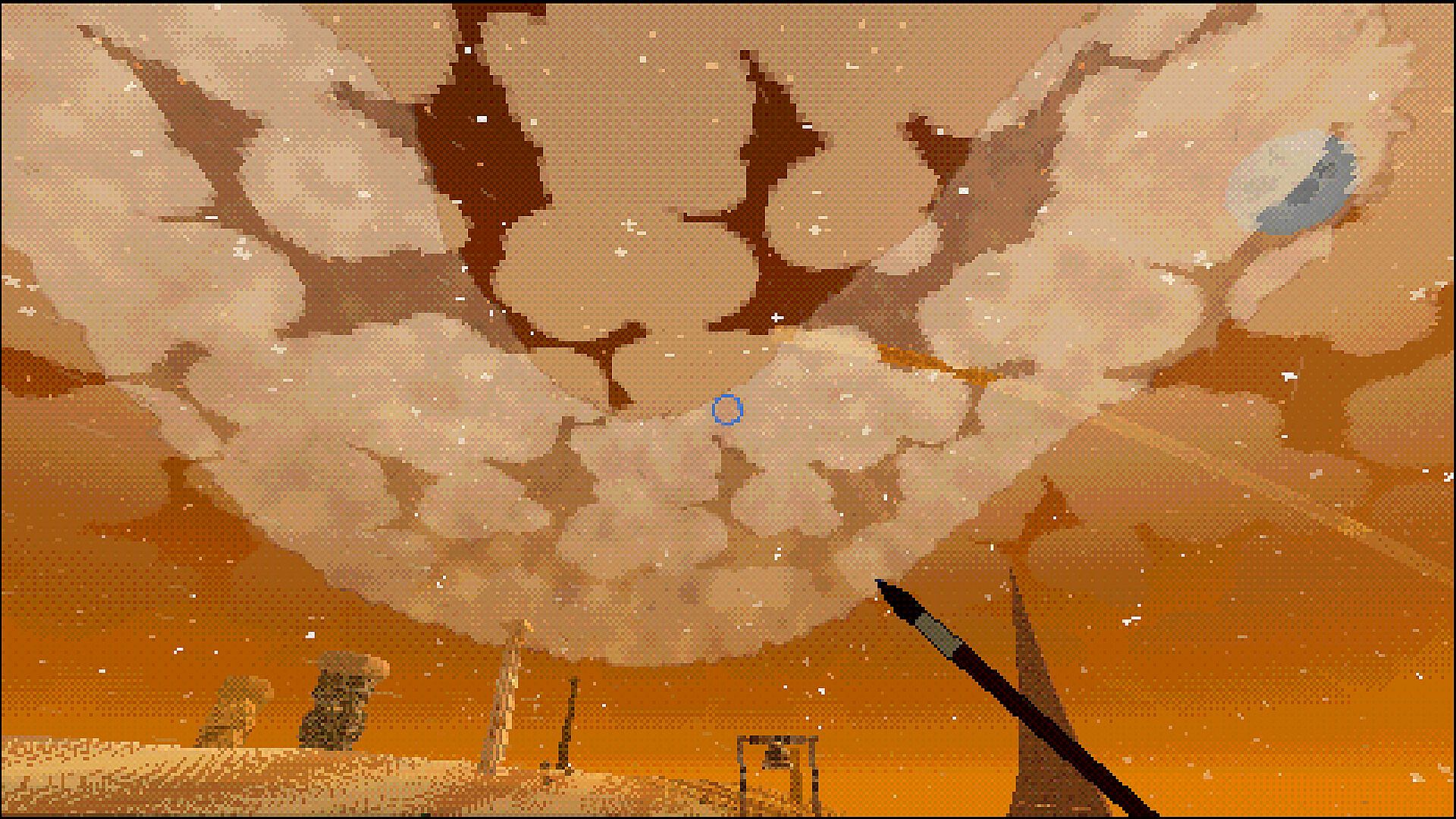
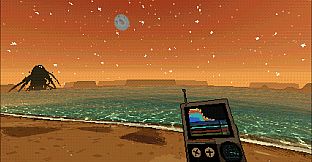
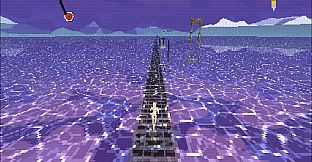
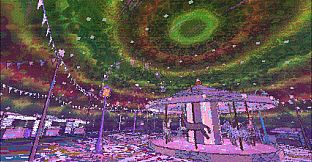

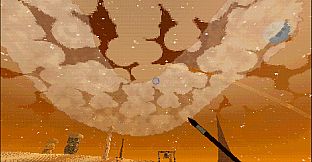
After the Tone is a first-person action adventure indie game built around procedural dream exploration on PC. Players begin each session by waking in a bedroom and stepping through a door into a new night of discovery. The core experience centers on walking through environments that assemble themselves upon entry, with unique combinations of landforms, structures, weather, music, and inhabitants appearing each time.
Gameplay
The gameplay loop revolves around free movement, observation, and interaction in these generated spaces. Players walk across dozens of distinct land types, from flat mesas to jagged peaks, and enter towns, ruins, or isolated buildings. Touching objects serves as the primary mechanic for progression and discovery. Certain interactions can transport the player to entirely different areas or trigger unexpected shifts in the environment. Hidden elements appear only with careful attention, and some locations contain layered details that reward closer inspection.
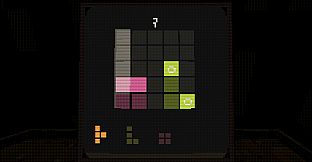
Puzzles form a key part of the experience but provide no instructions or markers. Locked areas and mechanical devices require players to examine surroundings and experiment with touch-based actions to understand their logic. These challenges generate anew with each dream, ensuring solutions differ across play sessions. The absence of a map, HUD, or tutorial emphasizes direct engagement with the world through looking and touching.
Music plays an active role, with scores that generate and adapt based on the dream and player actions. Additional authored music tapes can be collected and played alongside the procedural elements. Several dozen themes influence palettes, weather patterns, and audio, creating varied atmospheres. Shapes, textures, sounds, and songs continue to emerge during play.
Game Modes
The game operates entirely in single-player mode. There are no multiplayer options or separate competitive or cooperative modes listed. Exploration occurs through sequential nights that end when the dream concludes, returning the player to the starting bedroom. Persistent elements carry over between sessions, allowing the bedroom to track discoveries and knowledge gained across multiple nights.
Authored locations that fall outside the procedural dream system provide fixed points of interest. Cutscenes appear between dreams and connect multiple narrative arcs. Dreams remain random in generation but include methods for players to locate specific ones again through in-game means.
Narrative and Persistence
A story unfolds across repeated nights, with multiple possible endings depending on what players notice and retain. Not everything resets upon waking. Certain items or insights found in dreams may return with the player and influence future sessions. This system encourages repeated play to piece together the overarching narrative without relying on checklists or explicit guidance.
Controller support is included, and Steam Achievements track progress through the generated worlds and persistent elements. The experience contains imagery and themes that some players may find unsettling, though it features no combat, blood, or gore.
Is It Worth Playing?
After the Tone suits players who enjoy slow-paced, atmospheric single-player exploration without combat or traditional guidance systems. Its procedural generation combined with touch-driven interactions and persistent narrative tracking creates a distinctive loop focused on observation and deduction. The upcoming release in Q1 2027 means no player reception data exists yet, but the described mechanics align with interests in dream-like worlds and puzzle-solving through environmental interaction. Those seeking structured missions or fast action may find the deliberate pace and lack of direction less appealing. Availability will be on PC once it launches.