




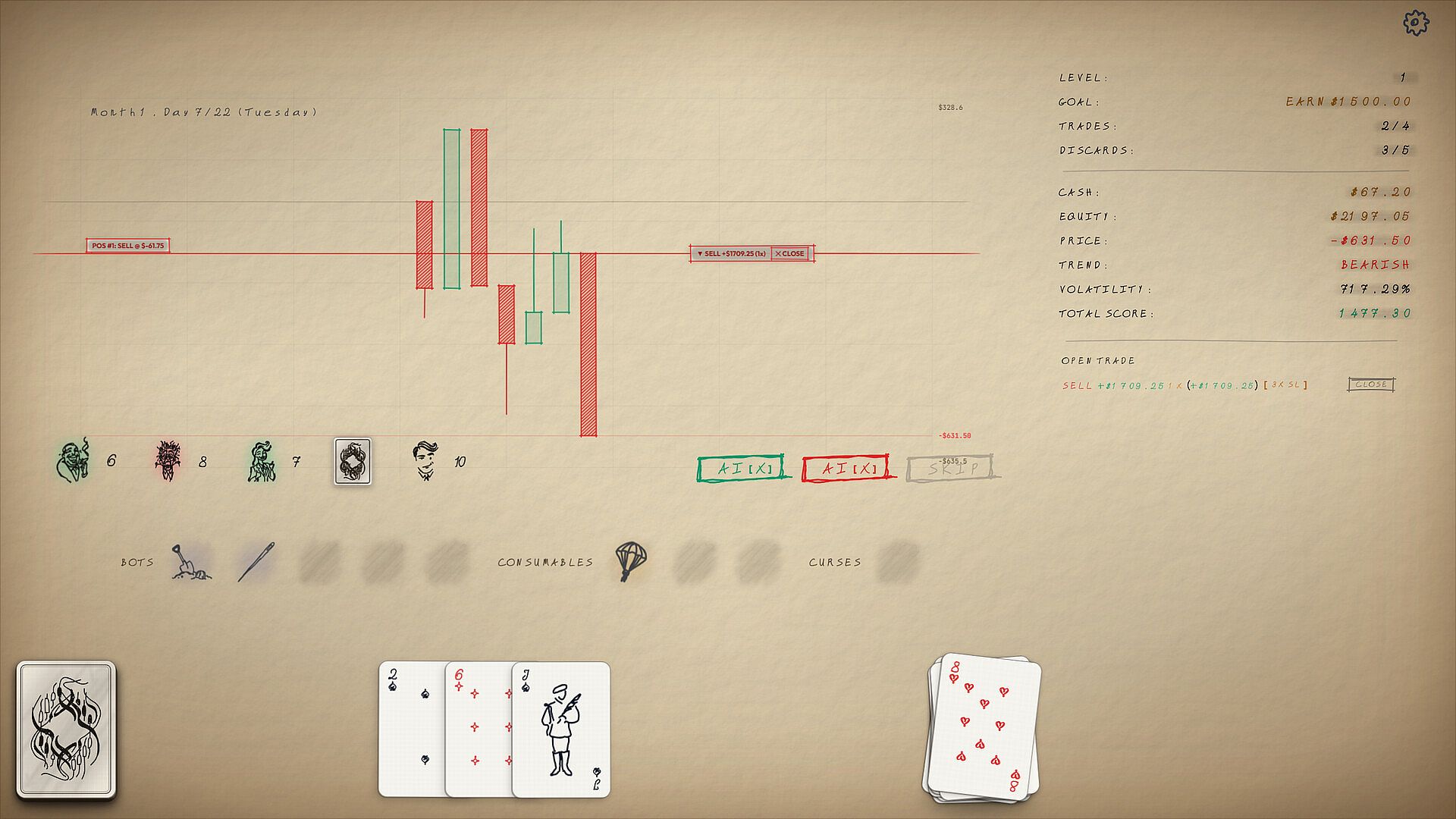
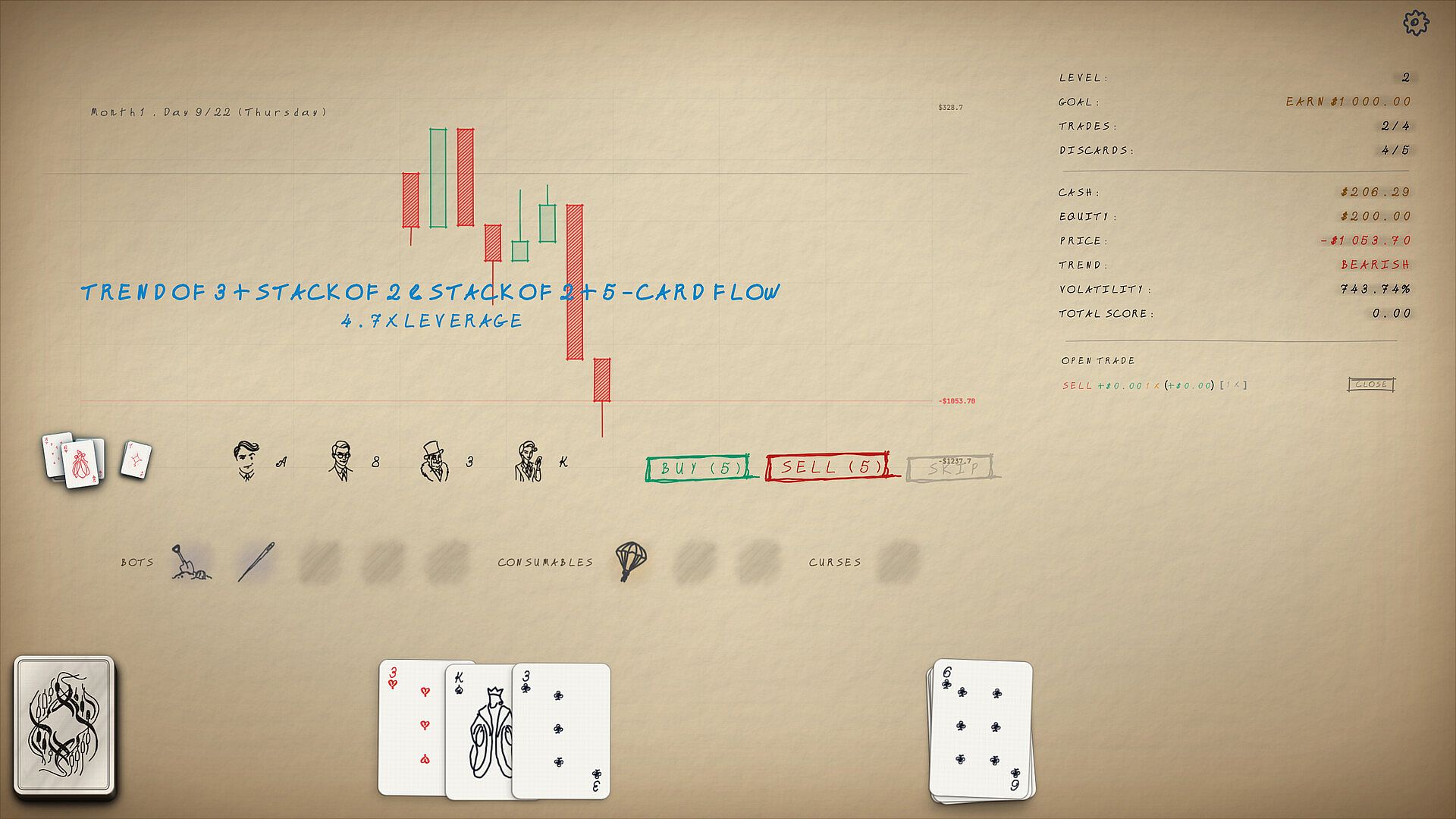
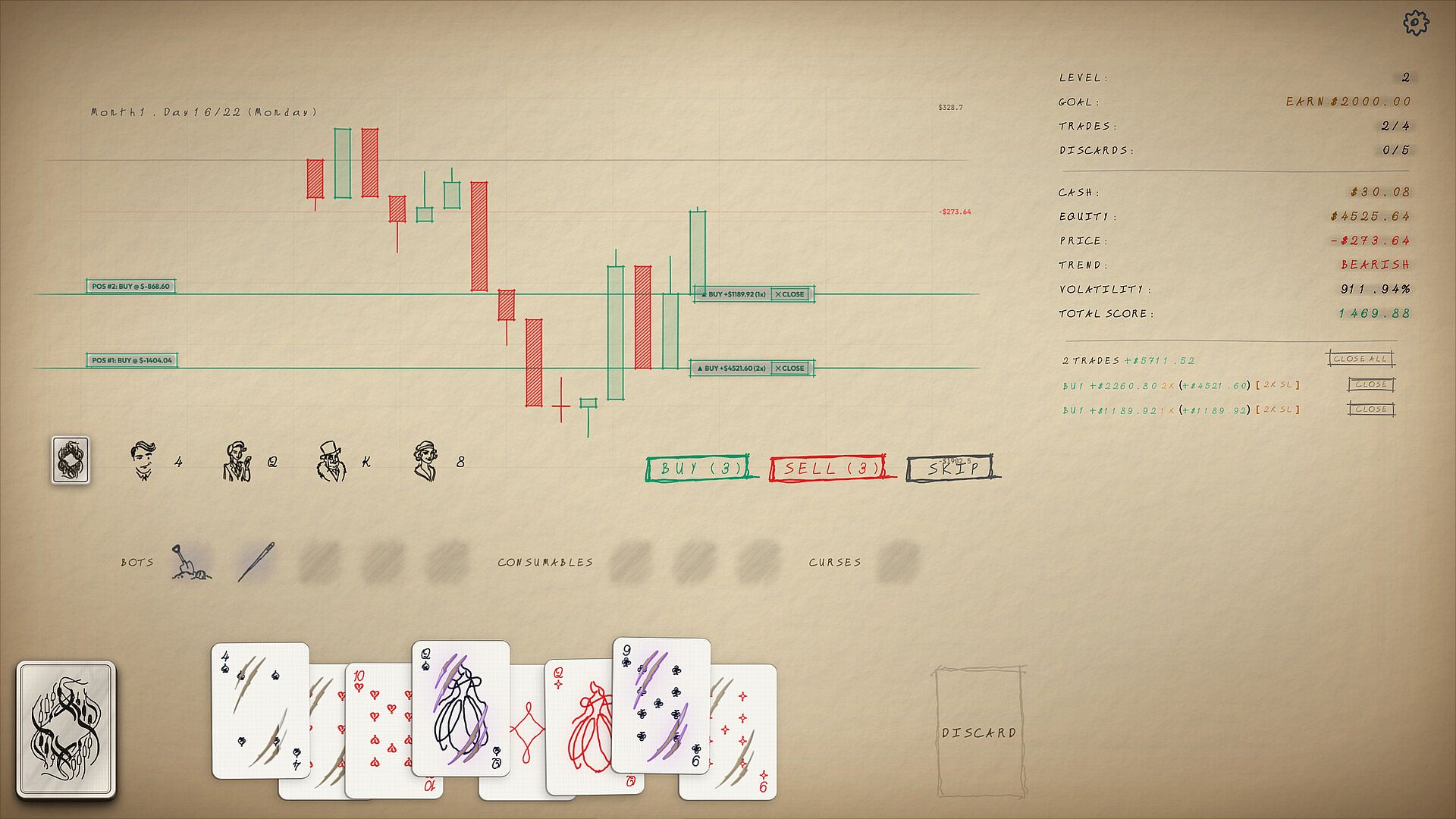
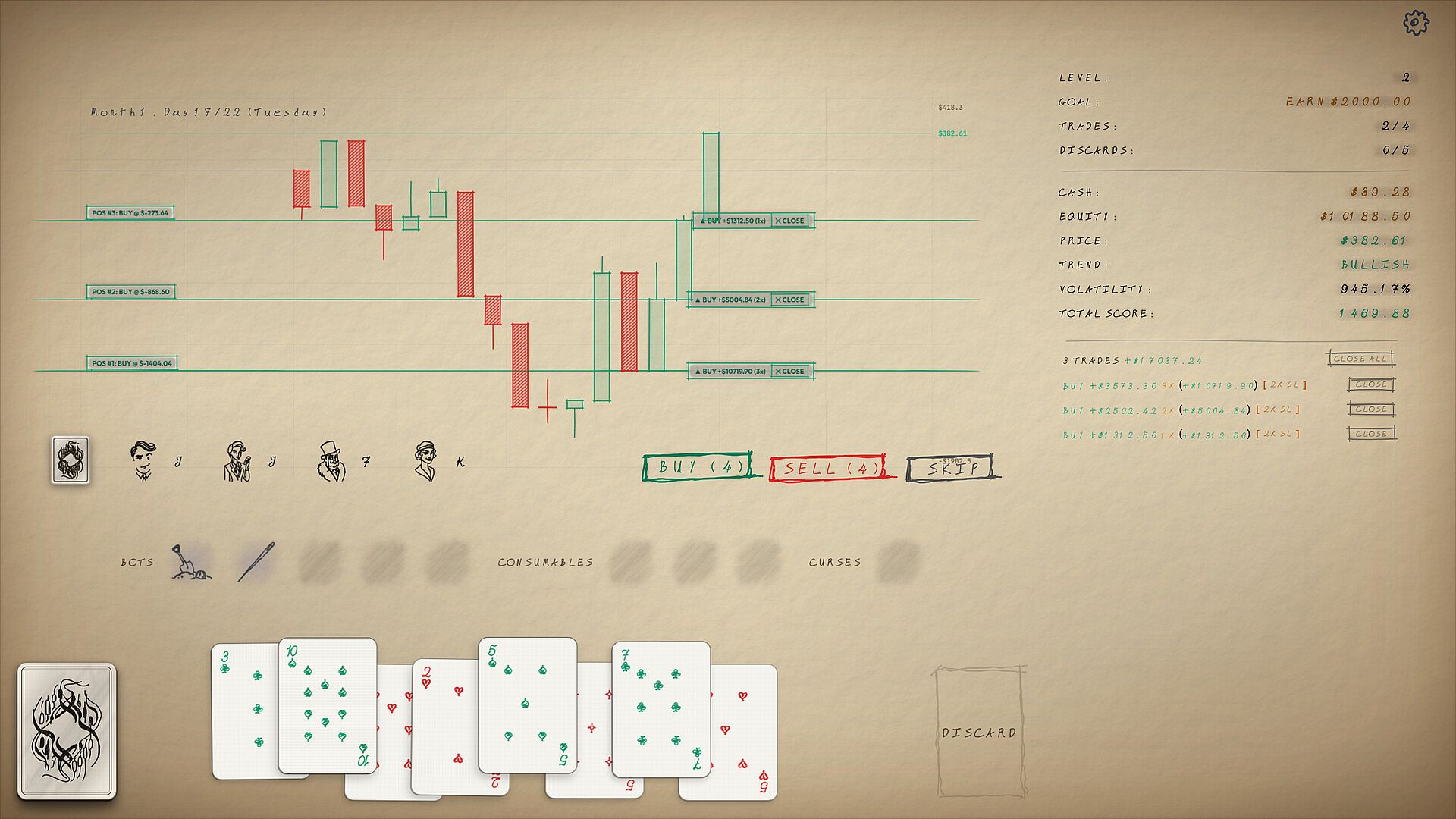
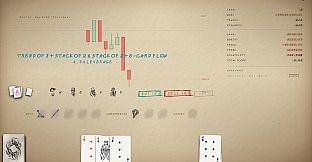
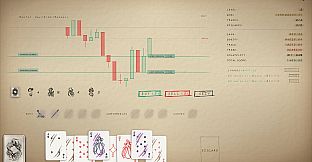
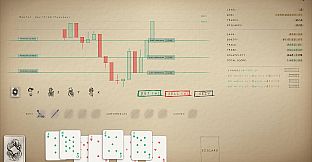
A Trader's Sketchbook is a strategy indie casual game built as a hand-drawn deckbuilding roguelike. Players act as a trader who uses cards to generate price candles on a chart, pushing through rival stop losses while managing margin calls and liquidity in a sketchbook setting. The experience blends roguelike progression with trading mechanics that revolve around non-standard playing cards, algorithmic bots, and consumables that alter market behavior in unexpected ways.
Gameplay
The core loop centers on building and mutating a deck of cards that print candles to move prices. Each run involves facing rival traders who occupy the same market queue, each with distinct behaviors that create opportunities or risks. Cards such as the Werecard shred lower-value holdings to summon stronger effects, while the Possessed Card shifts suits unpredictably and the Underdog pushes modest hands toward outsized results. These tools interact with bots that scavenge graveyards for cash, hunt stops aggressively, or recycle discards into new retail pressure points. Consumables provide emergency cash lines or invert market direction, forcing players to adapt strategies on the fly. Hand-drawn vector ink gives every element a tactile quality, with no generative tools involved in the art process. Between trading sessions, narrative incidents present moral choices that reshape the ongoing run and world state permanently.
Game Modes
The game operates as a single-player roguelike experience where each attempt forms a complete run shaped by deck synergies, modifier stacks, and candle interactions. Progression relies on stacking hands and wicks to reach higher profit thresholds before a margin call ends the attempt. Narrative dilemmas occur outside active trading, offering branching decisions that carry forward and alter future encounters. No separate multiplayer or co-op systems exist, keeping focus on solitary runs against AI rivals and self-imposed limits. The structure emphasizes repeated attempts with accumulating knowledge of card interactions and rival patterns rather than fixed campaign levels.
Key Mechanics and Features
Roguelike synergies form the backbone of long-term play, allowing combinations of cards, bots, and modifiers to scale profits dramatically across successful runs. Rival traders function as living liquidity sources whose flawed strategies become targets, with avatars reacting visibly to price sweeps. Institutional bosses appear as high-stakes encounters that test accumulated tools against larger market forces. The hand-drawn presentation extends to all cards and characters, created stroke by stroke on a tablet for a consistent artistic identity. Moral dilemmas add a layer of permanent consequence, encouraging players to weigh short-term gains against lasting changes to the run environment.
Is It Worth Playing?
The game remains in a coming-soon state on its primary distribution platform, with no user reviews or completed release available yet. Its appeal lies in the unique fusion of roguelike deckbuilding and stylized trading mechanics for players who enjoy strategic card interactions, humorous rival personalities, and hand-crafted visuals. Those drawn to single-player roguelikes with progression through synergies and light narrative choices will find the described systems align closely with that preference. Availability depends on the eventual release, after which reception can be assessed through actual play. The emphasis on original art and unconventional card effects sets it apart from standard trading simulations or generic deckbuilders.