




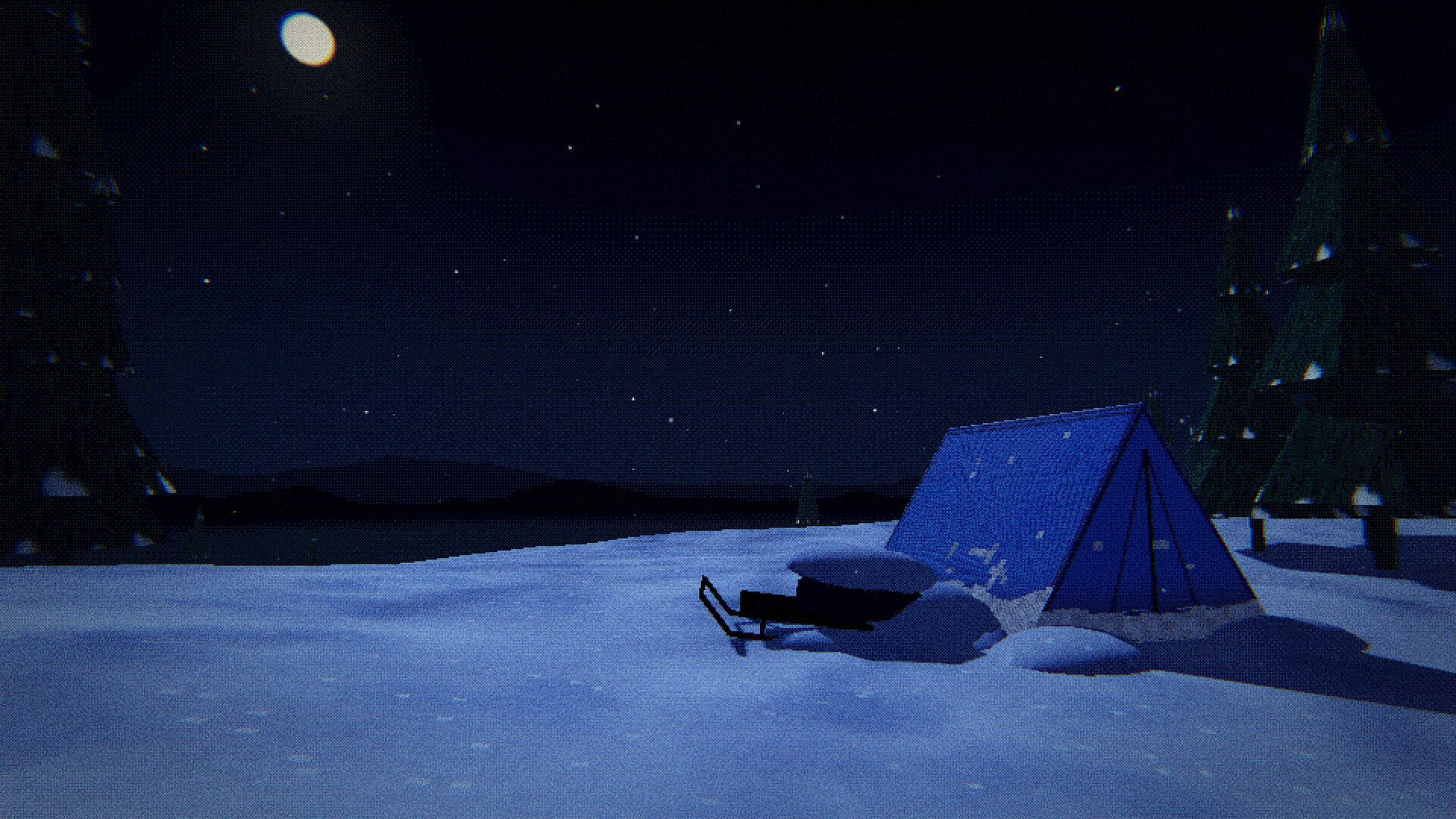
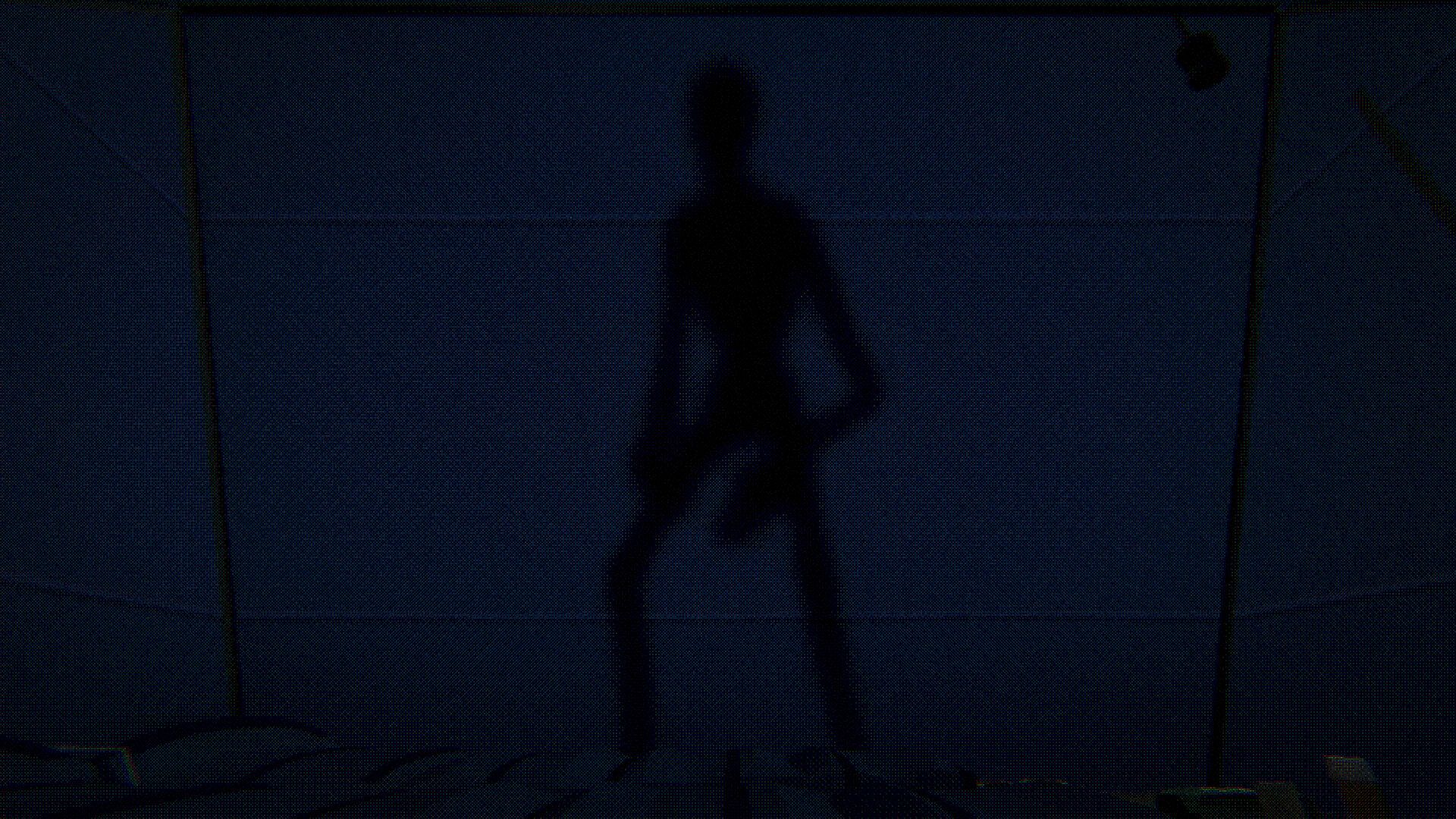
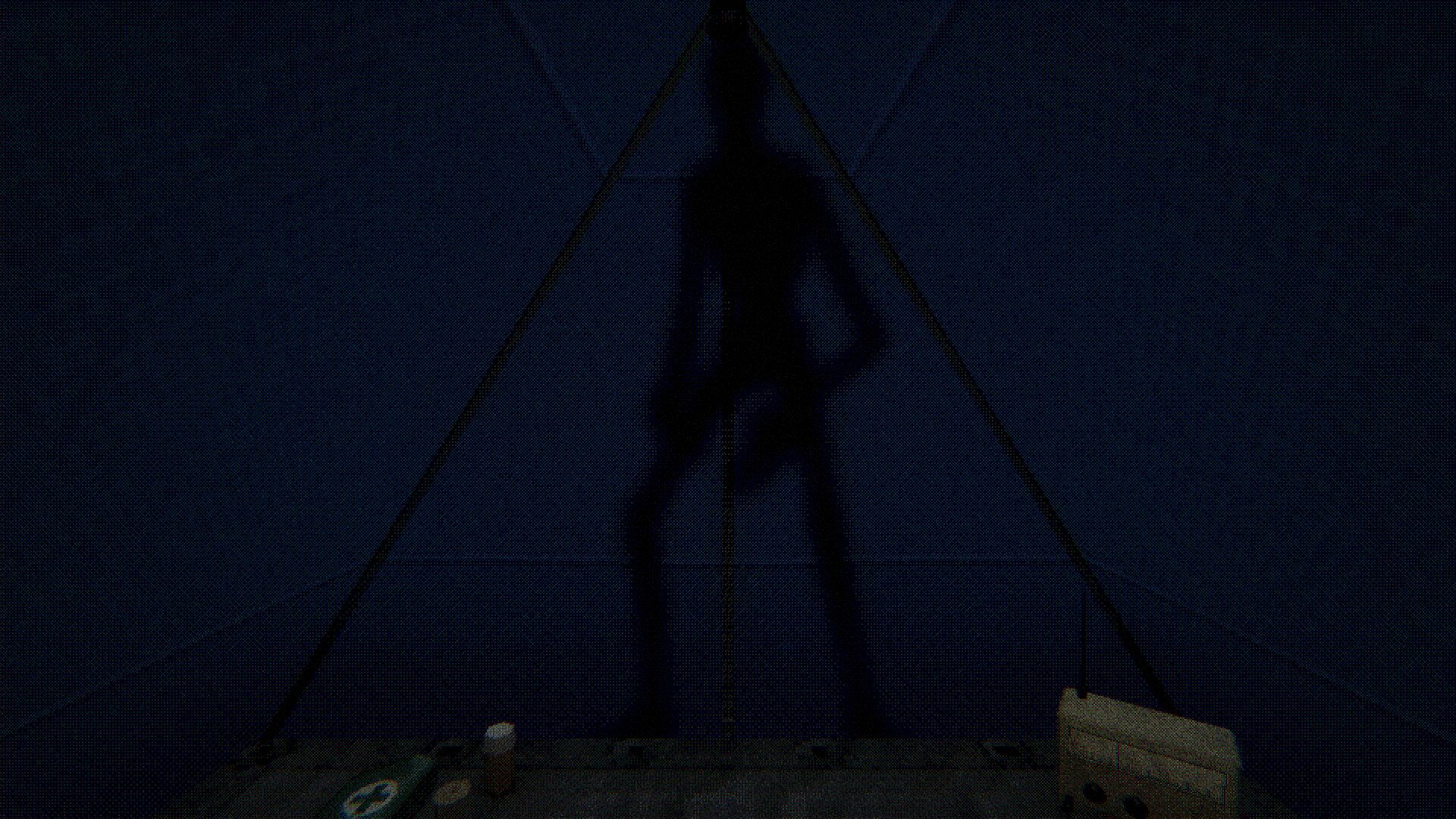





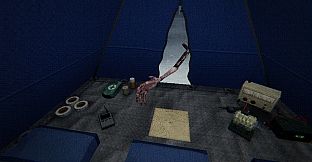

6 Days Out is an indie single-player survival horror game set entirely within the confines of a mountain tent. Players take on the role of an injured hiker who cannot walk after breaking a leg in a fall on the ice. The group sets up camp at the site of the accident, and the experience unfolds over six nights as friends venture out for supplies during the day and attempt to return each evening. The core tension comes from deciding who or what to allow inside when something approaches the tent at night, mimicking the voices and appearances of companions.
Gameplay
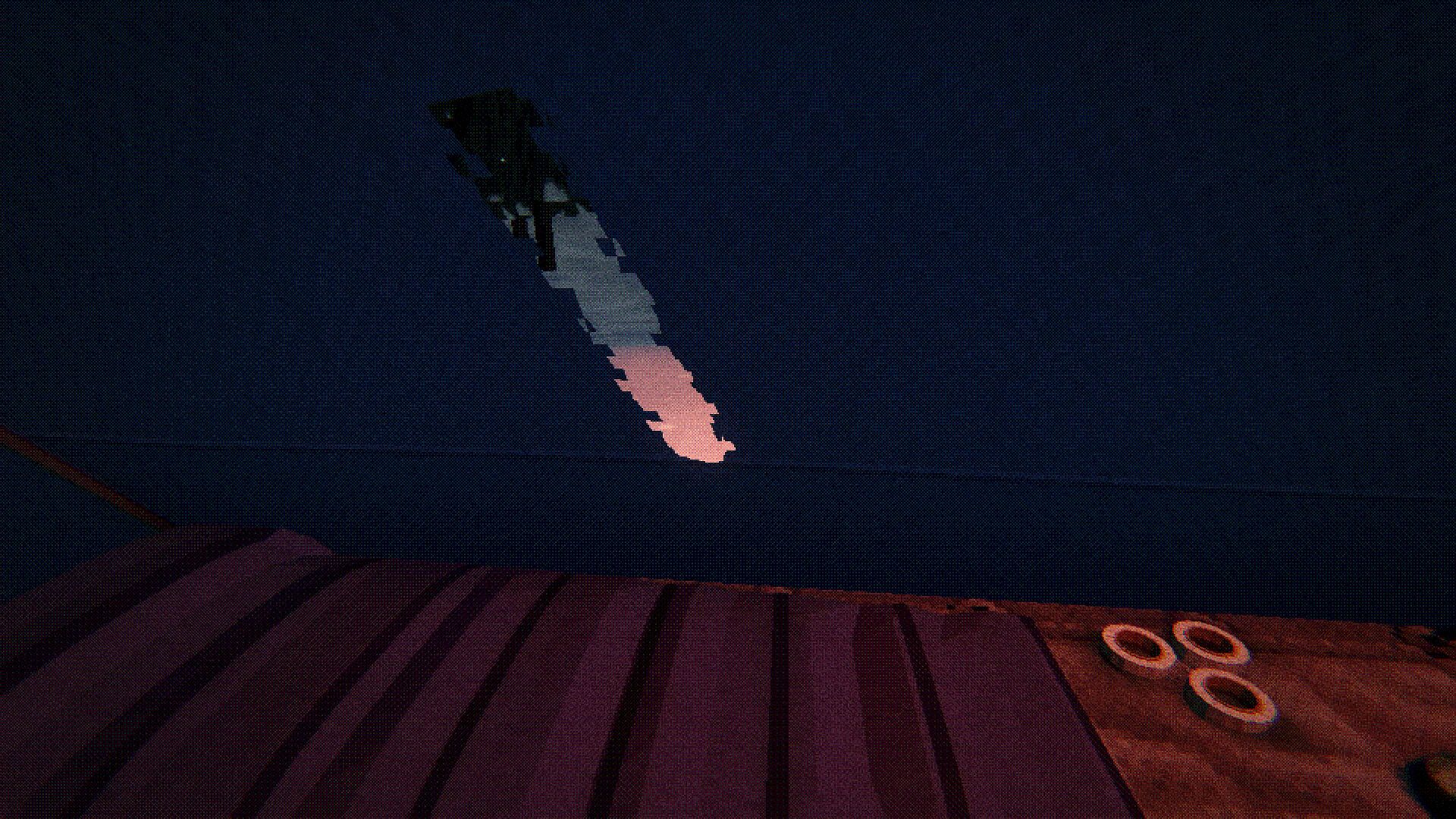
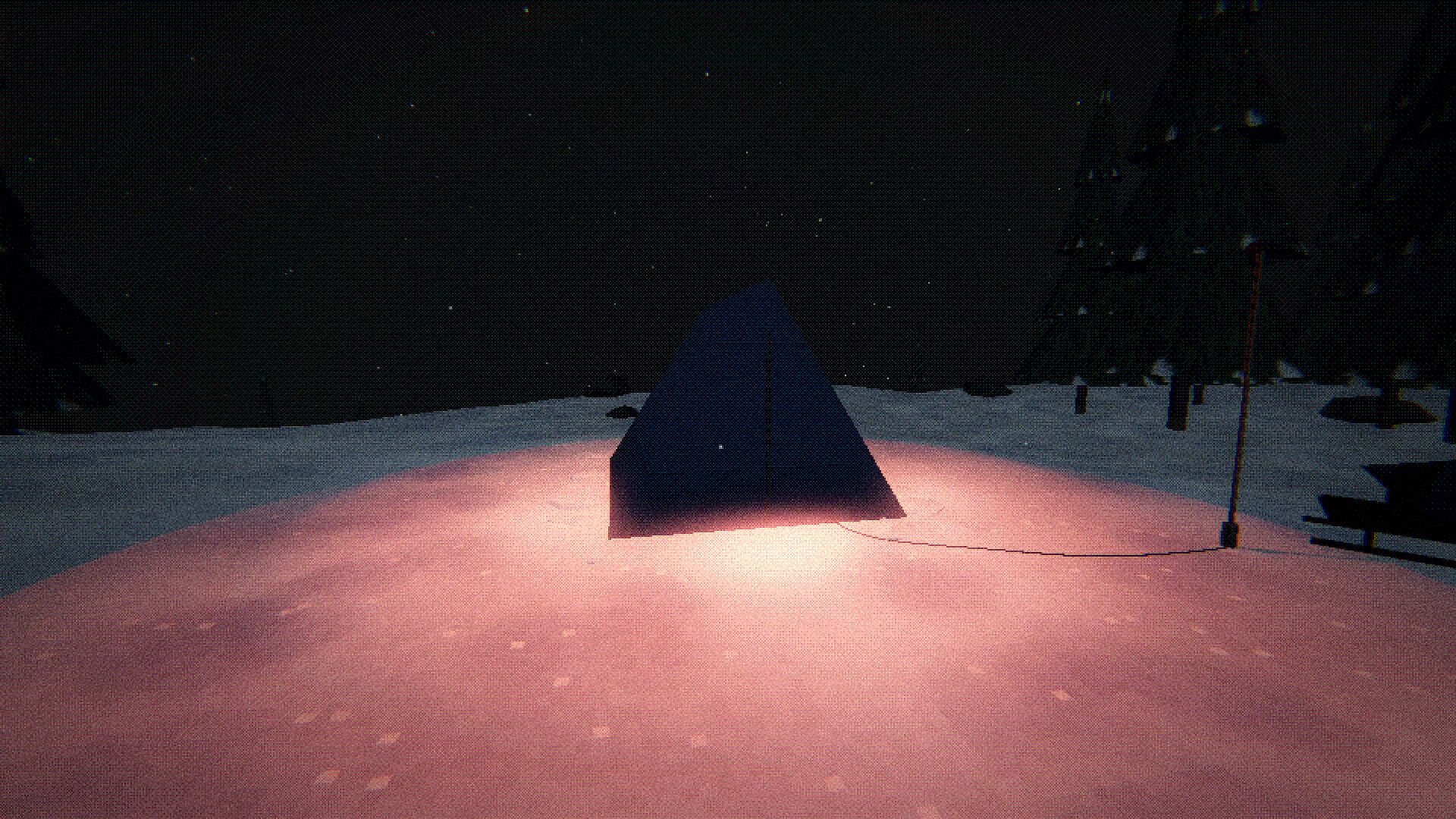
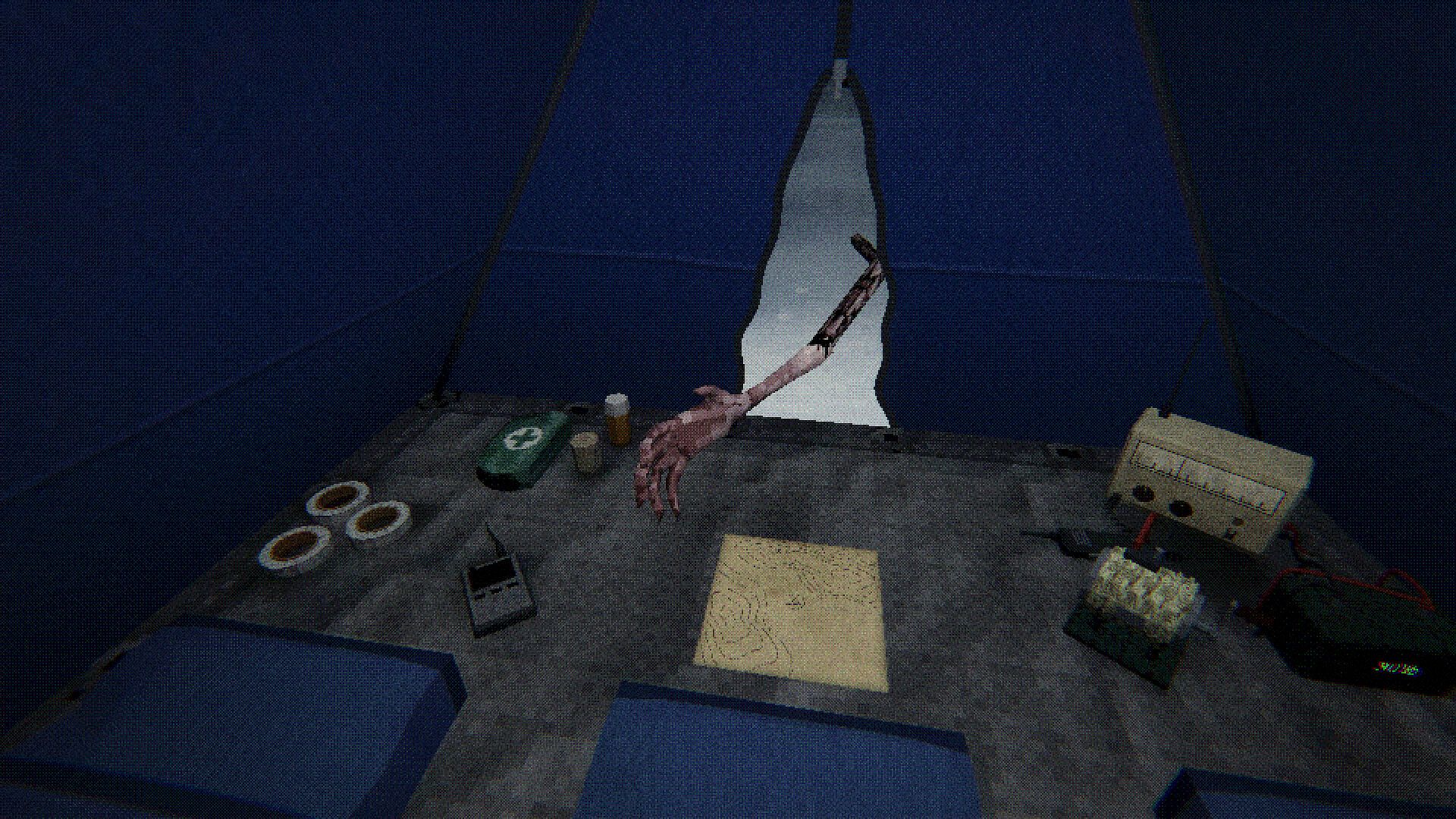
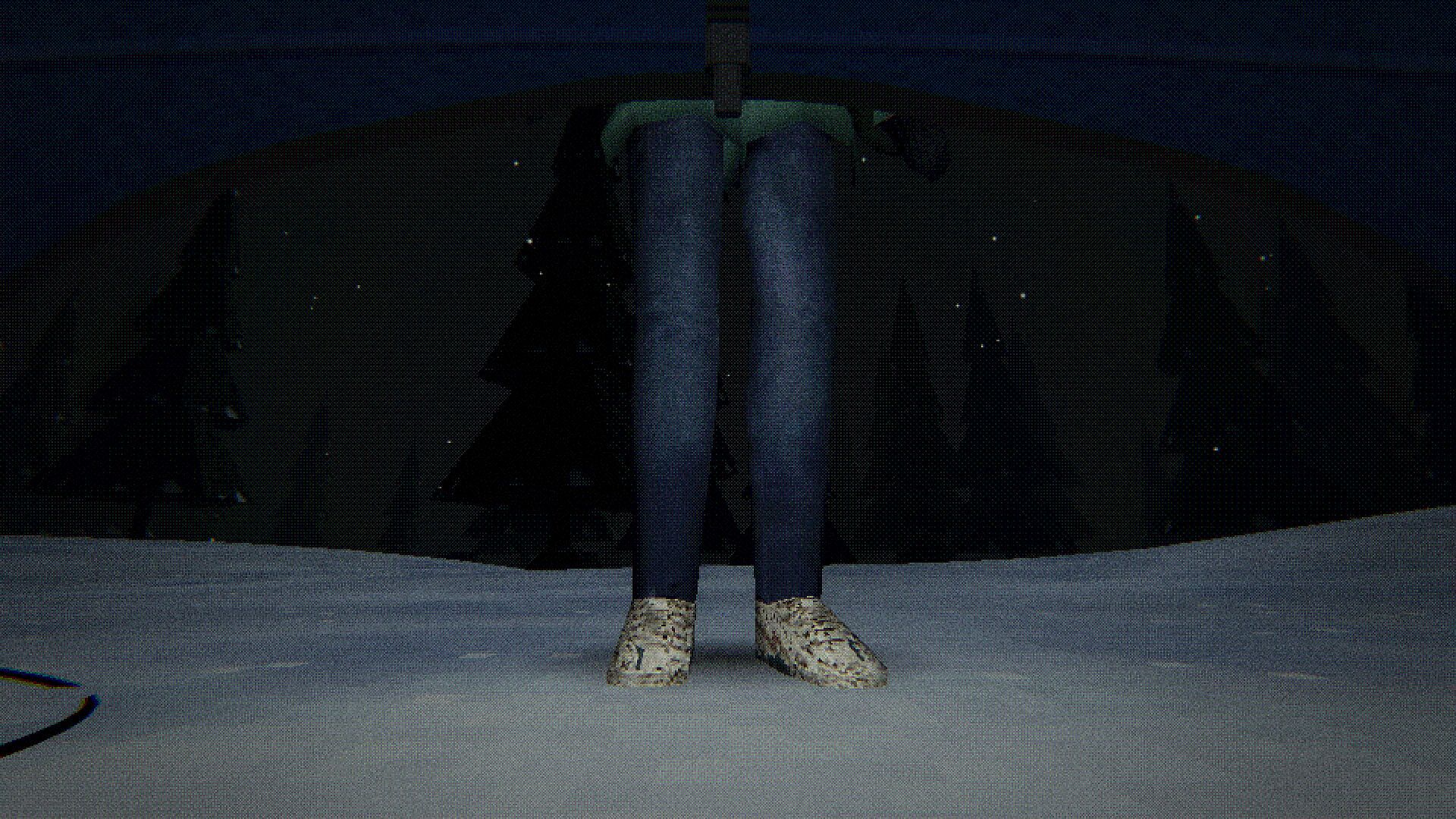
The entire game takes place inside one tent on a mountain pass. Limited mobility keeps the action focused on a small space that includes the entrance flap, two slopes, a red lamp, a radio, and a sleeping bag. Daytime involves sending companions Mark and Lena out for supplies while monitoring their progress on a GPS device and maintaining radio contact. Night brings the central challenge of identifying visitors at the entrance through voice patterns, exact word repetition, and visual cues under the flap.
Resource management adds layers of pressure. The injured leg causes vision to swim at times, requiring bandages and pills for temporary relief. The radio battery drains steadily, with fresh power arriving only when companions return successfully. Snow accumulation on the slopes can disrupt the radio signal, forcing players to clear it manually. Physical interactions at the entrance include holding the zipper slider against pulling forces or pushing back against pressure on the fabric.
Radio communications with dispatcher Nick provide daily updates on a promised helicopter rescue. These brief exchanges set expectations that carry through each morning's orders to the departing friends. The setup creates a tight loop of preparation, observation, and high-stakes choices that repeat with increasing intensity across the six nights.
Game Modes
6 Days Out offers a single-player narrative experience with no separate multiplayer or competitive modes. The game unfolds as one continuous story across six nights, with all mechanics tied directly to the tent environment and the daily cycle of sending companions out and managing their return. Decisions about entry at night influence resource availability and the overall progression toward the final night, when companions lack the strength to walk and a final choice determines the outcome.
Players interact with the same core systems throughout, including radio contact, GPS tracking, physical tent defense, and personal injury management. There are no alternate campaigns, difficulty variants, or additional scenarios confirmed beyond this focused single-player structure. The design emphasizes replay through different choices in identification and resource allocation rather than through distinct modes.
Atmosphere and Tension
The confined setting builds unease through isolation and uncertainty. Every sound at the entrance carries weight because the entity outside replicates voices and appearances with precision. Players must listen carefully for inconsistencies in speech patterns and weigh the risks of opening the flap against the need for supplies and company. The blizzard outside and the promise of rescue create a constant backdrop of hope mixed with dread.
Visual and audio cues remain minimal yet effective. The red lamp serves as a beacon for returning friends, while the radio delivers both practical information and subtle narrative beats. Pain from the leg injury occasionally distorts perception, mirroring the growing fatigue and doubt that set in over successive nights. This combination keeps attention fixed on immediate survival choices within the tent.
Is It Worth Playing?
6 Days Out targets players who enjoy deliberate, choice-driven horror experiences in tightly controlled environments. The single-player format delivers a complete story through resource juggling and identification mechanics that reward careful observation. Those drawn to narrative tension and moral decisions in survival scenarios will find the premise engaging, especially if they appreciate games that unfold over a short, focused timeframe without extraneous systems.
The game remains in development with a planned release in Q1 2027, so current details rest on the confirmed single-player structure and core loop. Individuals seeking expansive open worlds or multiplayer cooperation may want to explore other titles, while fans of intimate indie horror should monitor updates for the final release. The emphasis on personal judgment and limited resources makes it a distinctive entry in the genre for the right audience.