




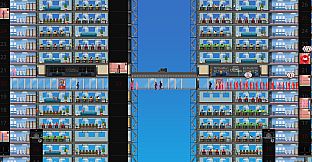
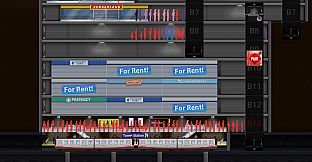
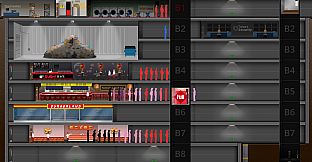
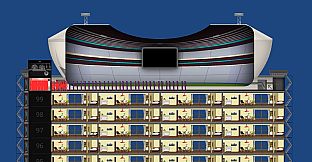
2D Tower is an indie simulation game focused on constructing and operating a skyscraper in two dimensions. Players handle everything from leasing office space and running hotels to overseeing residential condos, with the central challenge revolving around efficient vertical transportation through carefully designed elevator networks and supporting infrastructure.
Gameplay
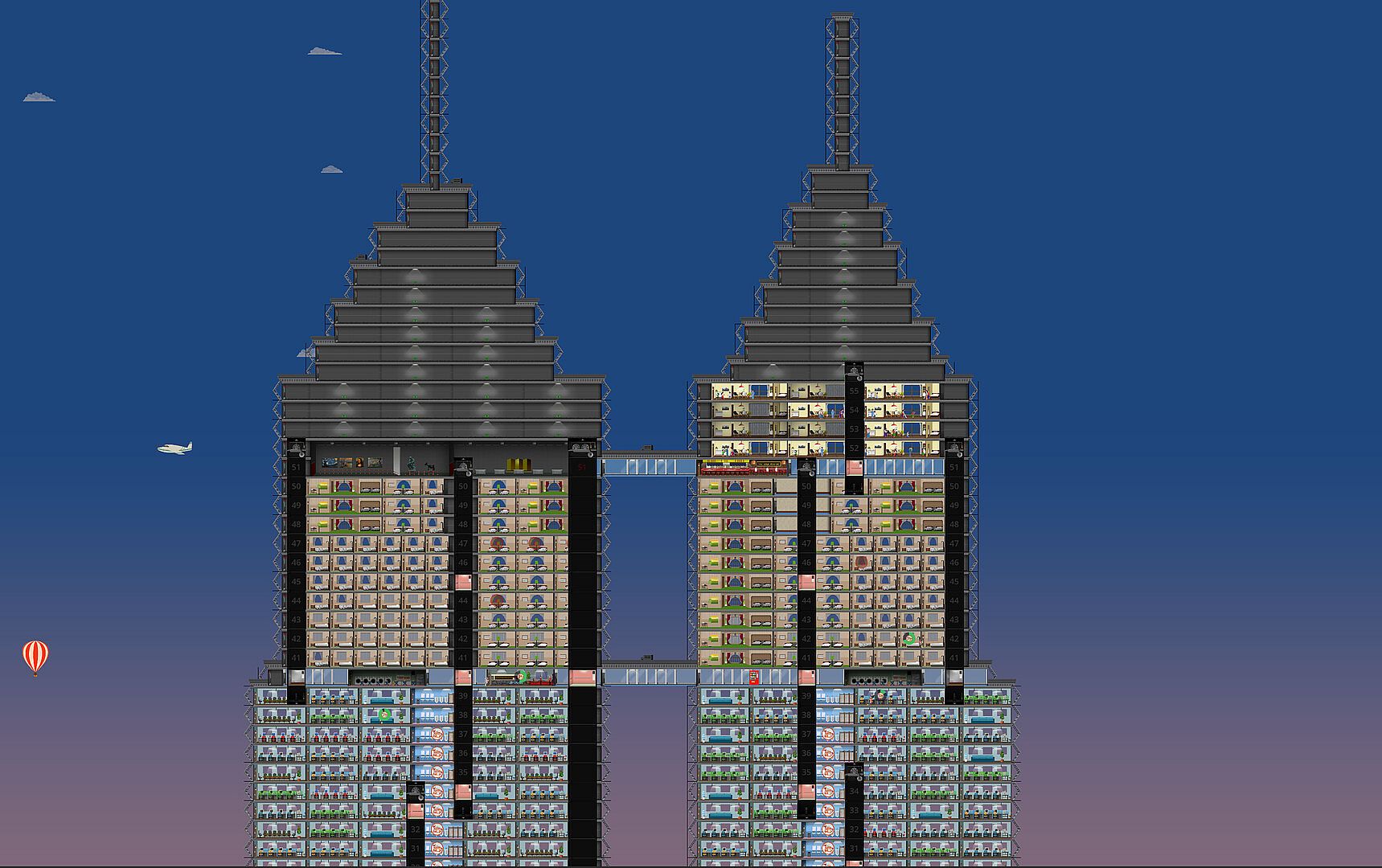
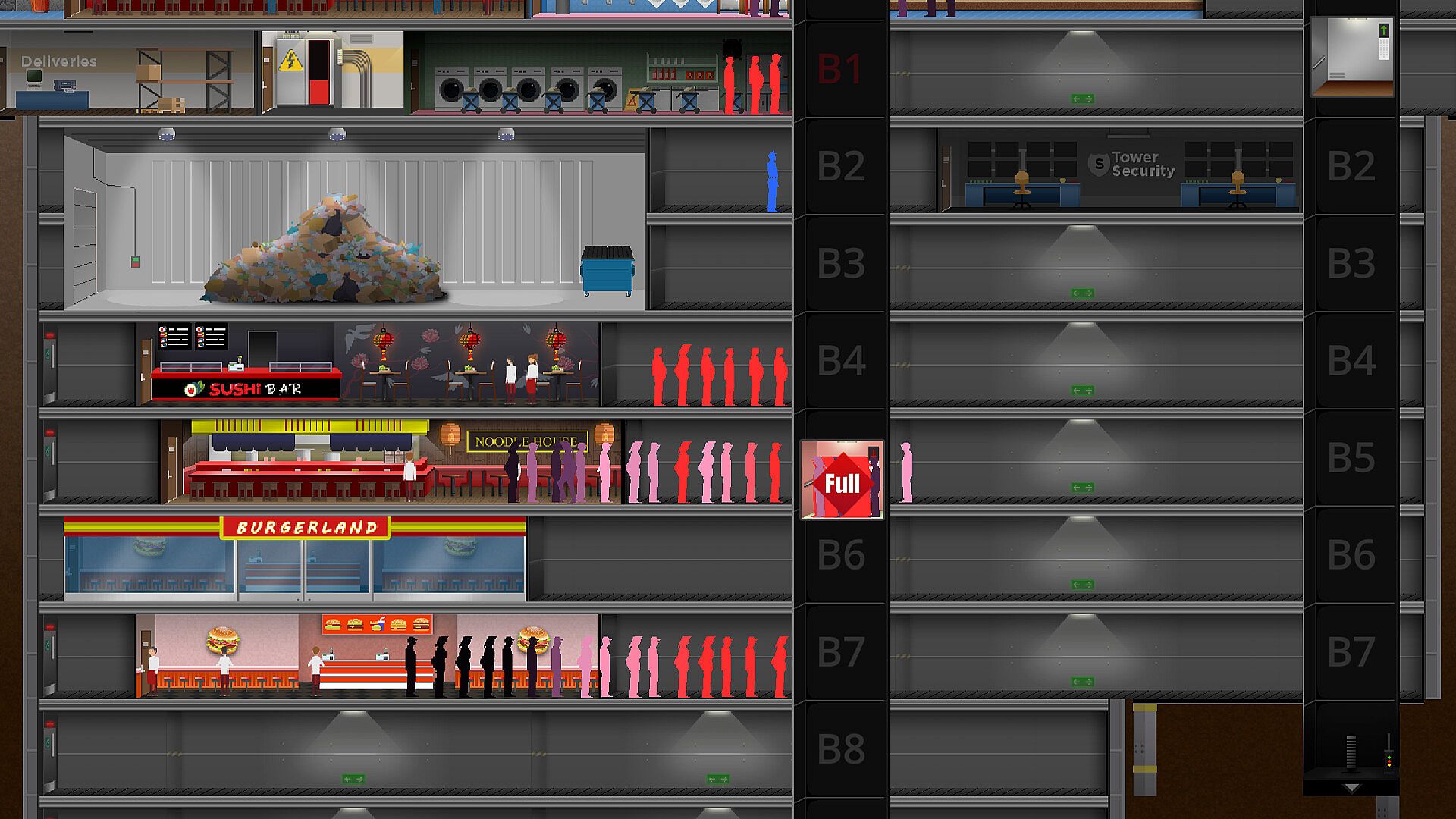
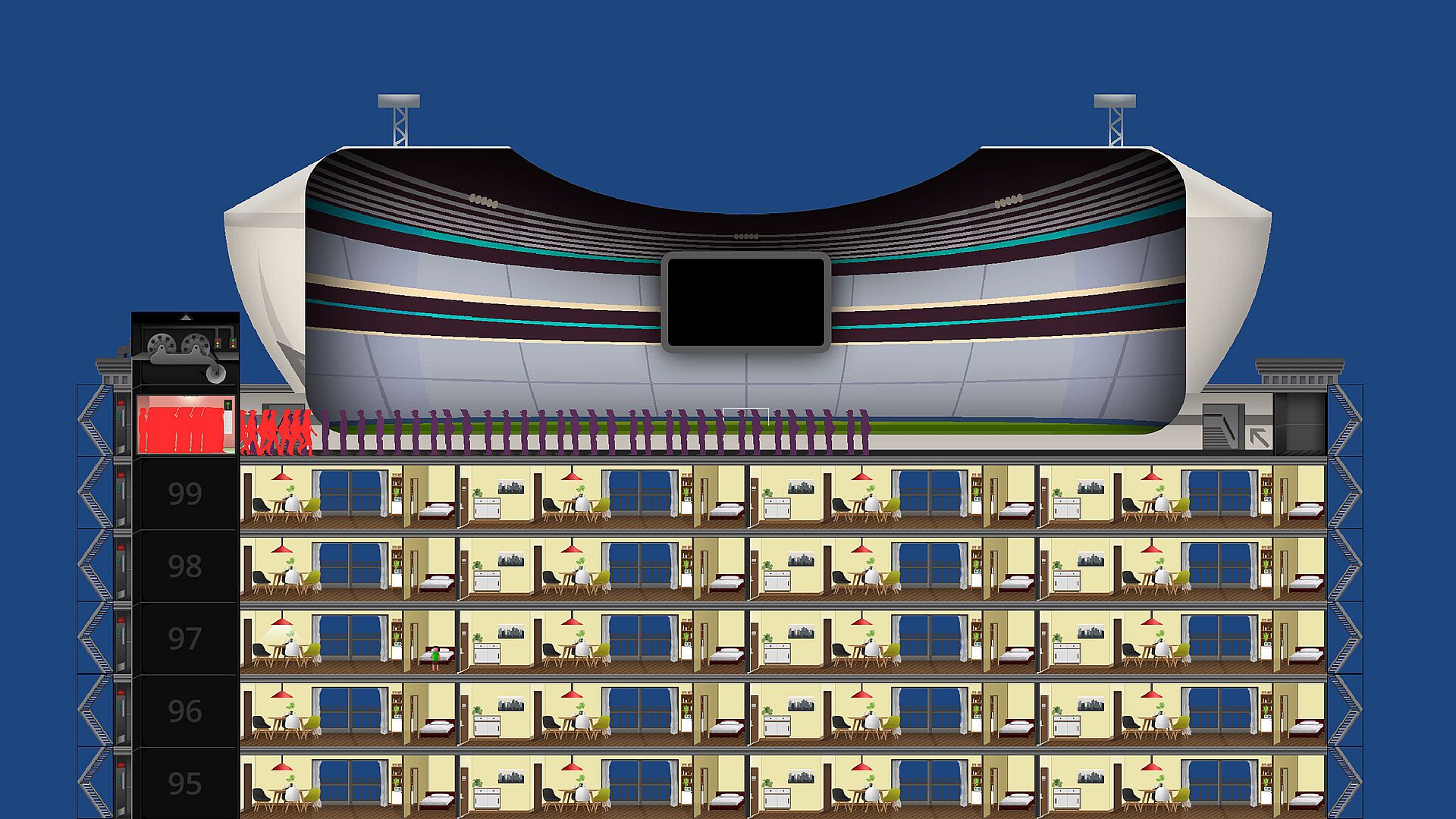
The core loop centers on expanding a tower floor by floor while placing rooms that attract different types of tenants. Offices generate steady income once leased, hotels require front desks and housekeeping to maintain guest satisfaction, and condos provide upfront sales revenue plus ongoing fees. Restaurants draw visitors, while restrooms, security posts, and garbage facilities keep the building functional. Each addition influences foot traffic patterns across multiple floors.
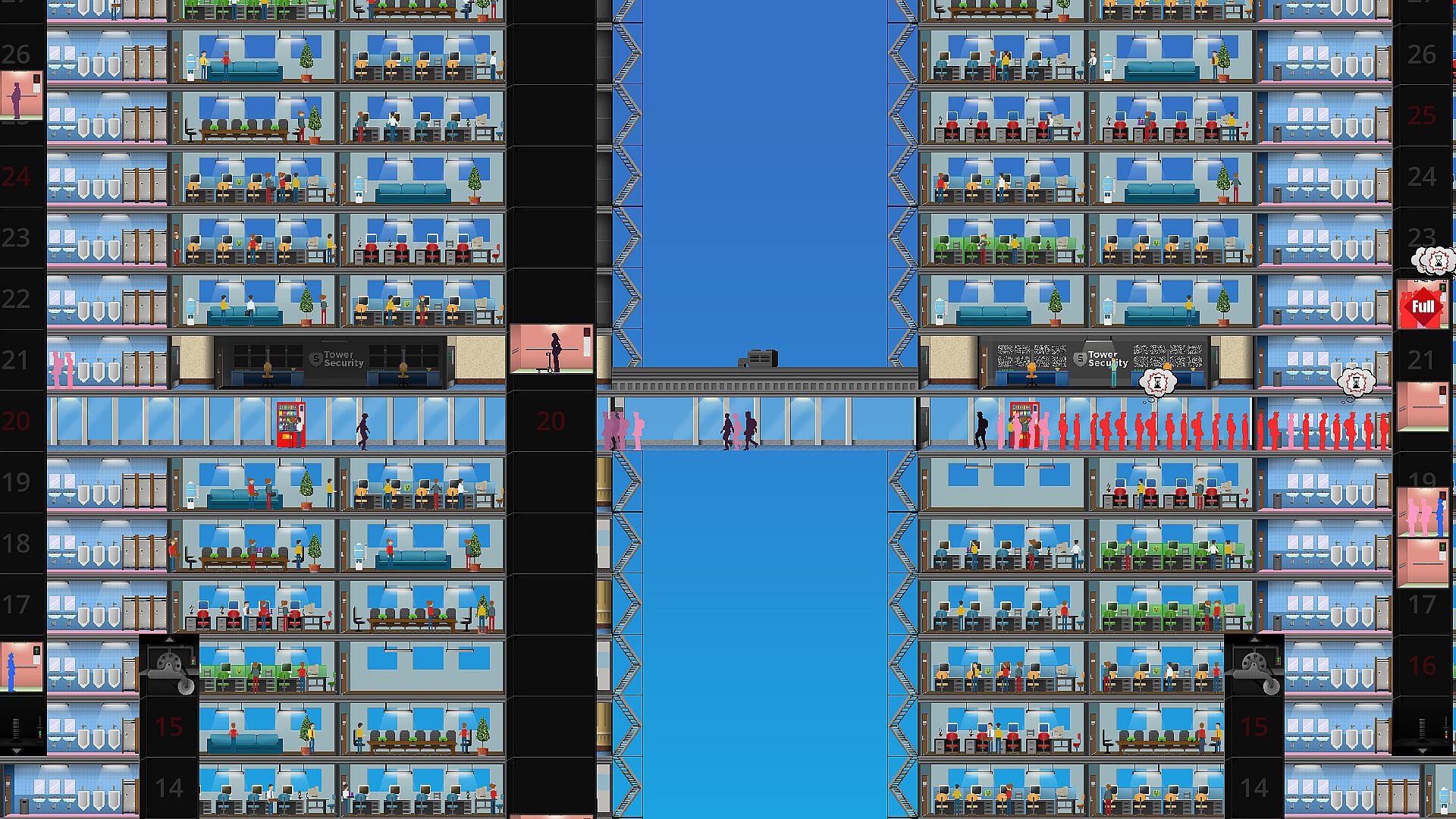
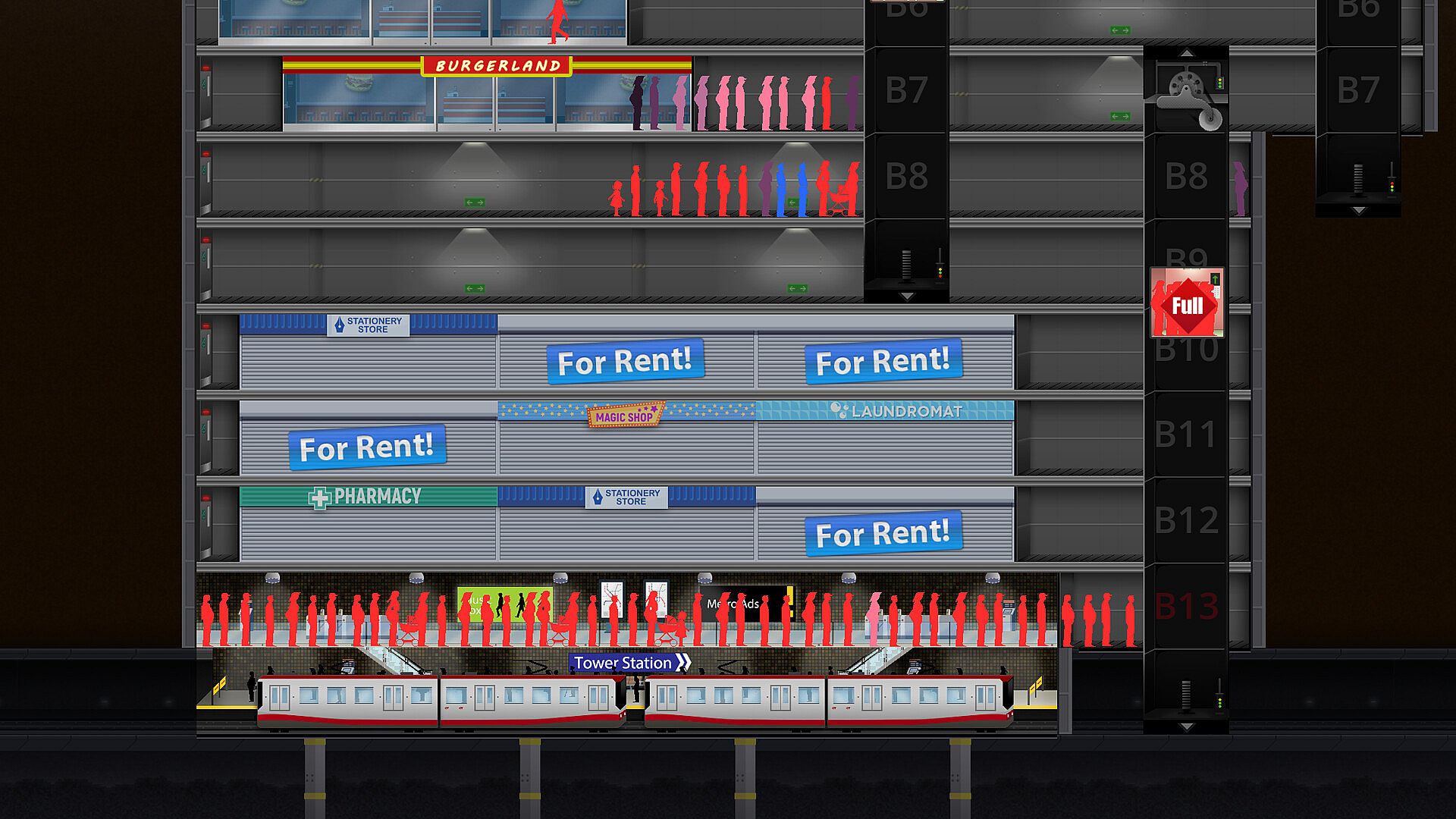
Elevator placement forms the heart of the experience. Standard, express, and service elevators can hold multiple cars with adjustable parking floors and door timings. Escalators and stairs offer alternatives for shorter trips, though they limit certain workers carrying carts or handling deliveries. A paternoster provides another vertical option for continuous movement. Poor routing leads to congestion that frustrates agents and reduces overall building performance.
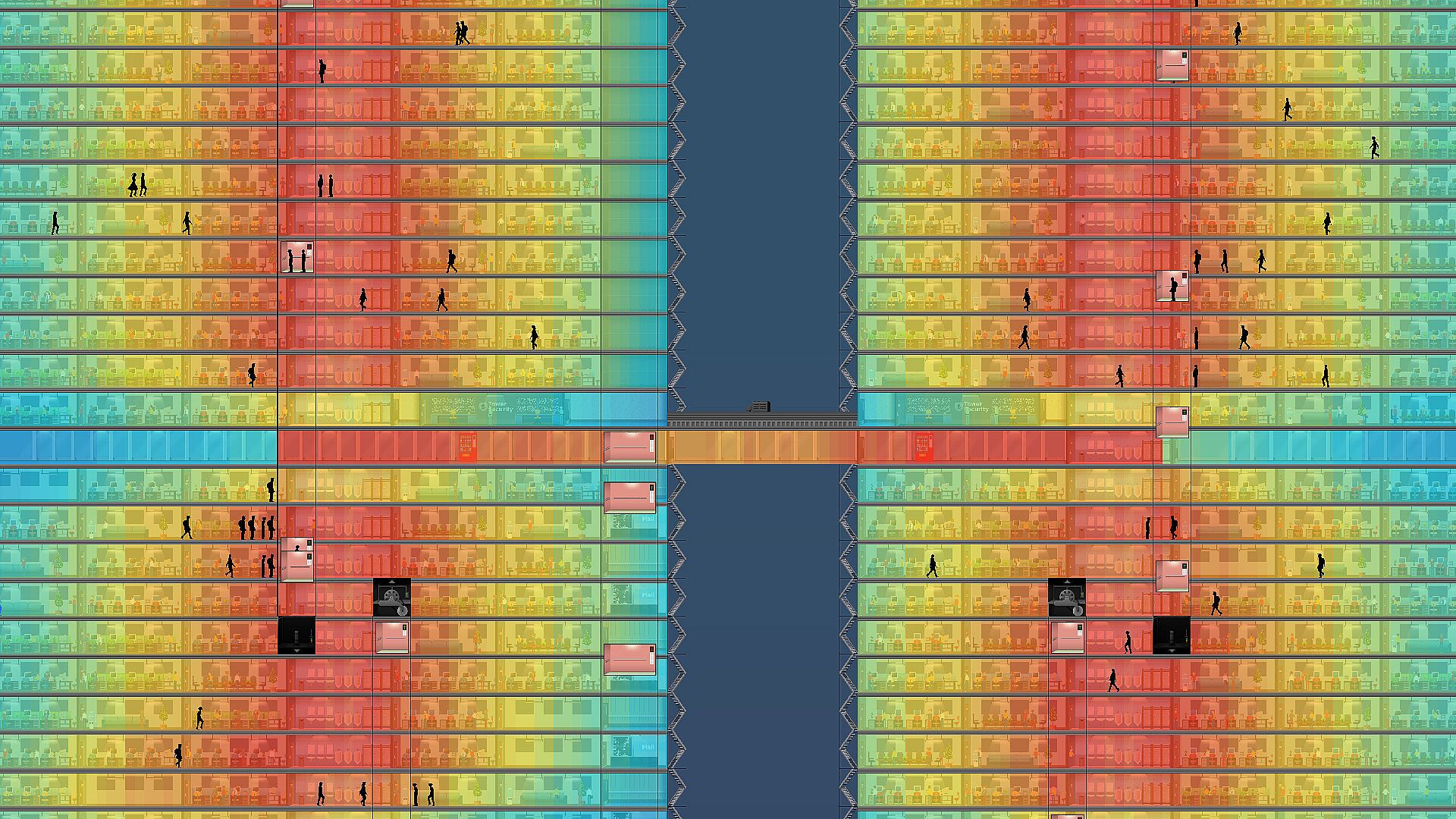
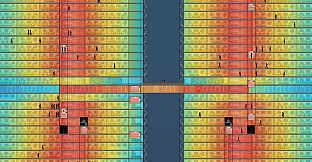
Individual agents representing workers, tenants, and visitors move independently, creating realistic occupancy and flow. These agents interact with every system the player manages, revealing bottlenecks that require adjustments to elevator banks or corridor layouts. External threats such as fires, power outages, and traffic jams demand proactive responses to protect revenue and reputation. VIP visits serve as periodic tests of the tower's design and operational efficiency.
Game Modes
2D Tower operates as a single-player simulation without separate named modes. The experience revolves around progressive tower construction and ongoing management in one continuous session. Players begin with basic structures and expand upward, balancing commercial, residential, and support facilities while refining transportation networks. The simulation runs in real time as agents populate and navigate the building, allowing for iterative improvements based on observed behavior and emerging issues.
Strategic decisions accumulate across the entire structure. Early choices in elevator configuration affect later growth, and expanding the tower height introduces new challenges in maintaining quick access for all residents and staff. The absence of discrete modes keeps focus on the interconnected systems of building layout, agent movement, and resource flow.
Key Mechanics and Systems
Multi-agent simulation adds depth beyond simple placement. Each person follows individual paths influenced by room types, elevator availability, and corridor congestion. Housekeeping routes, delivery schedules, and guest check-ins all depend on the transportation network the player builds. Adjusting car parking positions or door hold times can resolve specific delays without rebuilding entire sections.
Protection systems integrate directly into management. Fire safety, backup power considerations, and traffic control measures prevent cascading problems that could empty floors or damage the tower's appeal. These elements encourage layered planning rather than isolated fixes.
Is It Worth Playing?
2D Tower targets players who enjoy detailed building simulations with an emphasis on logistics and optimization. The focus on elevator systems and agent behavior offers a fresh angle within the skyscraper management genre, rewarding careful observation and incremental refinements. Those drawn to games involving resource flow, spatial planning, and long-term facility growth will find substantial depth in the mechanics described. With a planned release in Q4 2026 and features centered on realistic simulation rather than action or competition, it suits solo sessions where experimentation with layouts and transport solutions drives engagement. Early previews highlight the potential for satisfying progression as towers scale and agent interactions become more complex.