




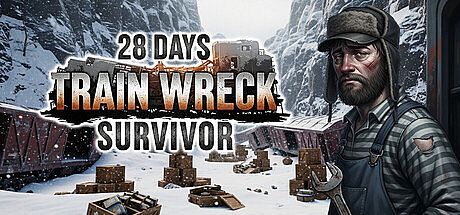


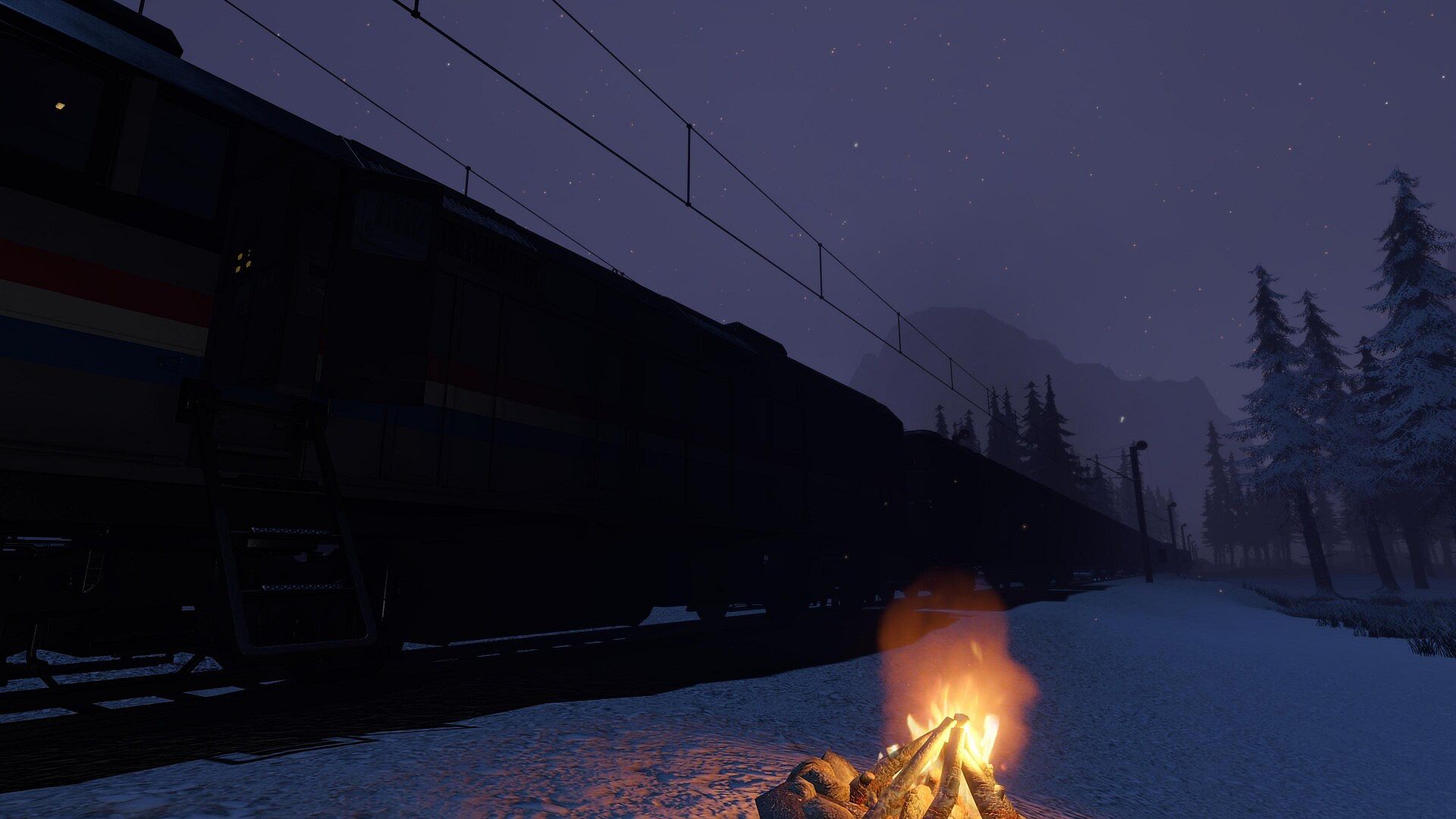
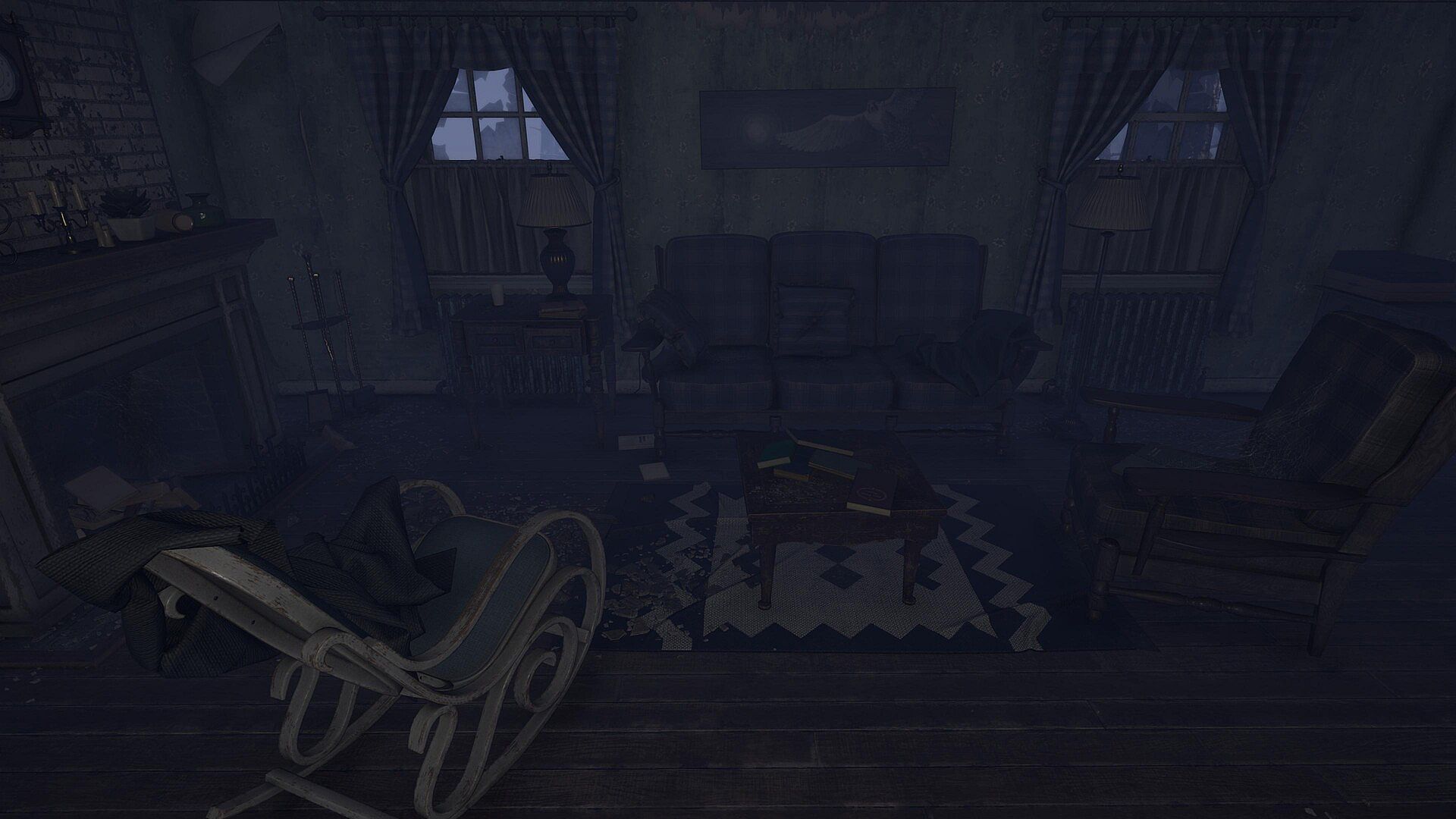
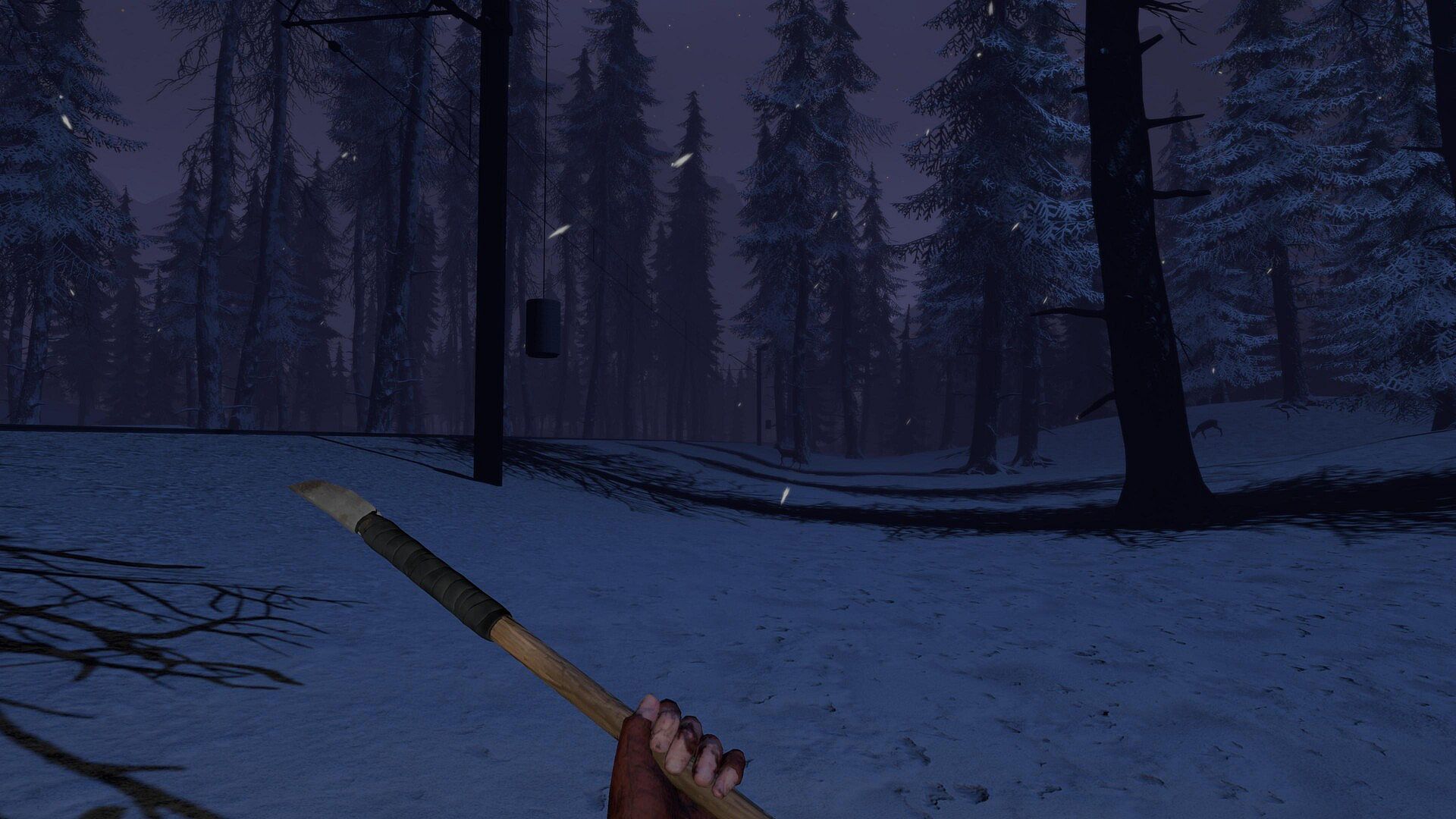
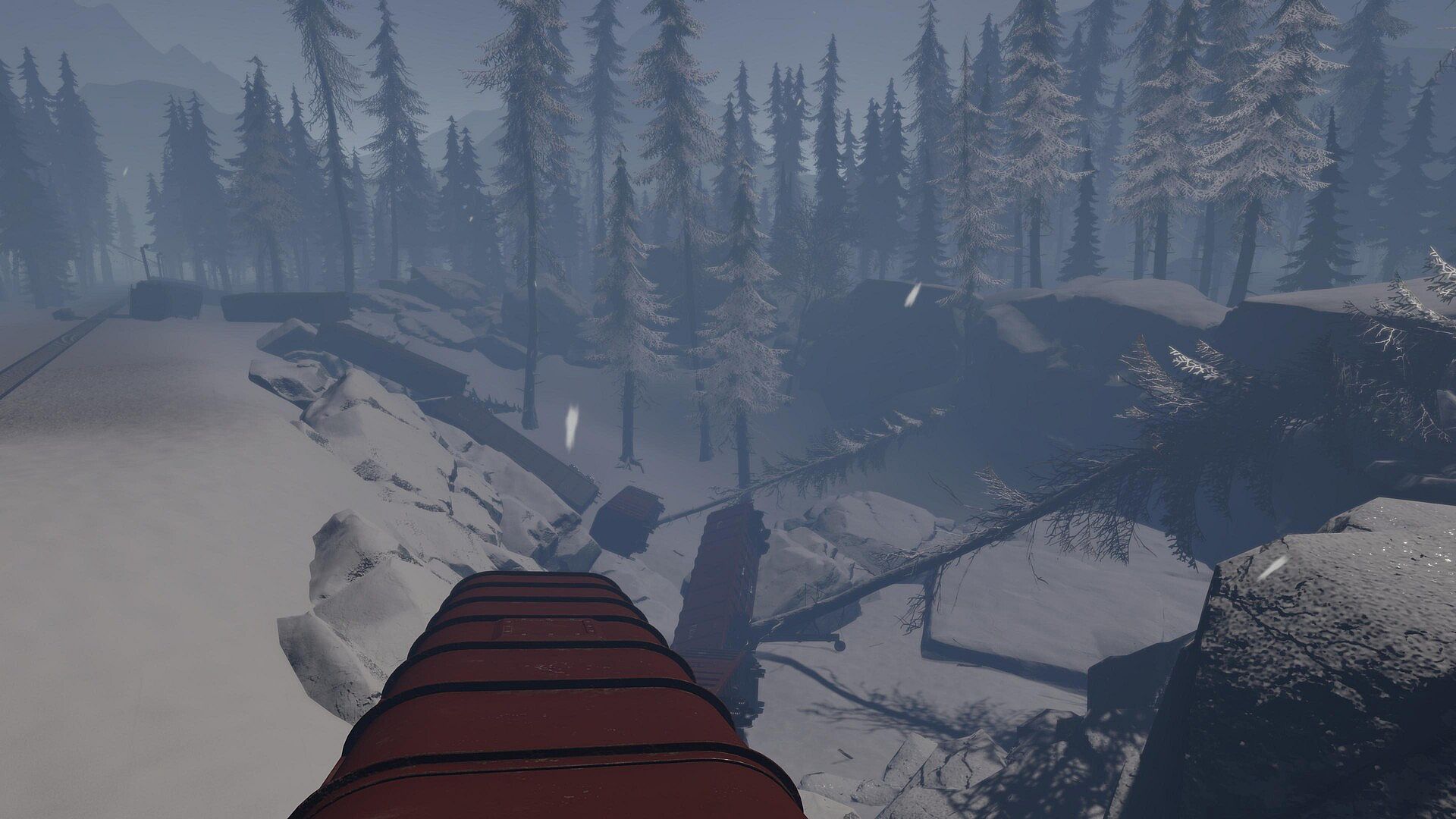
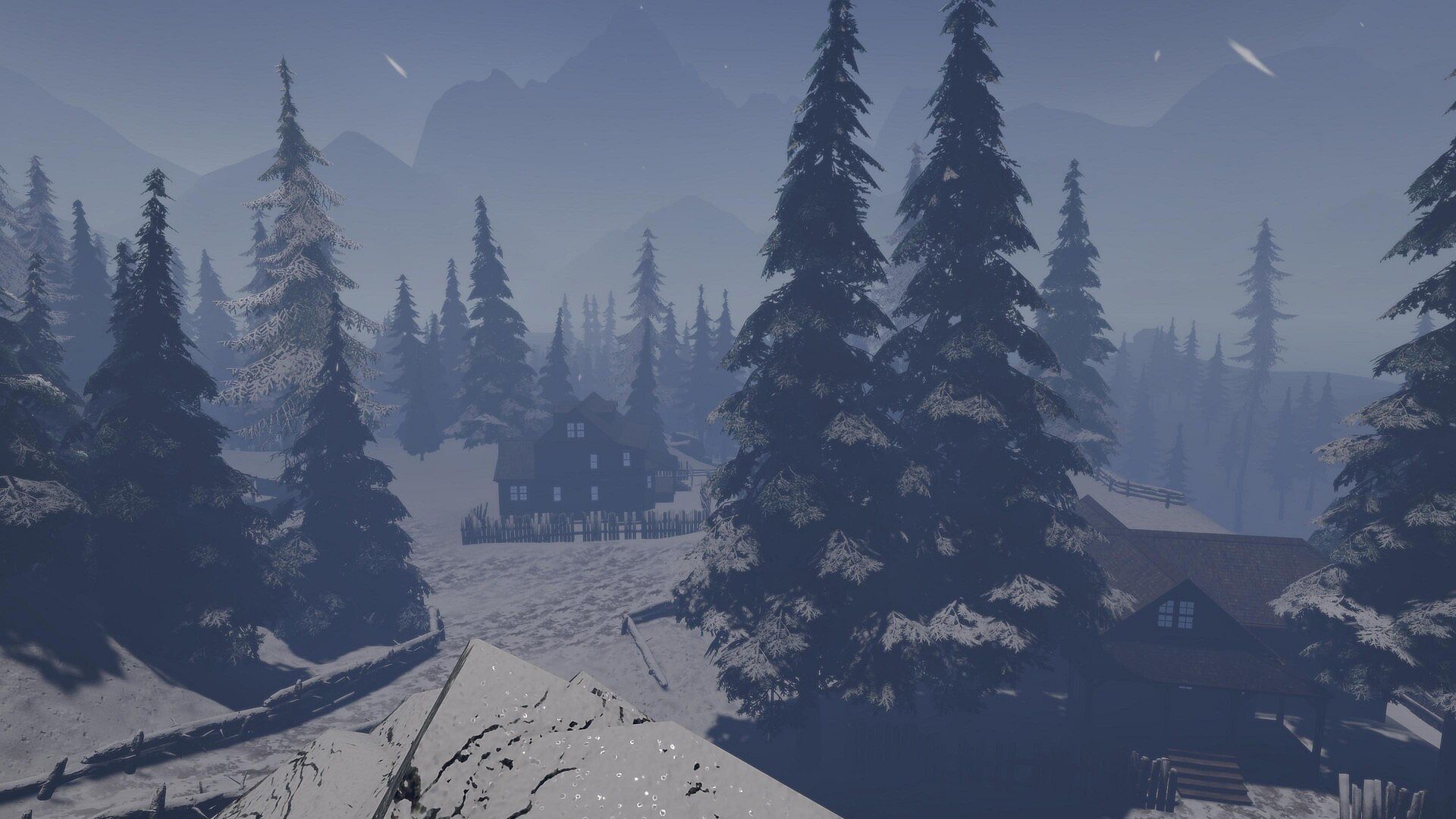
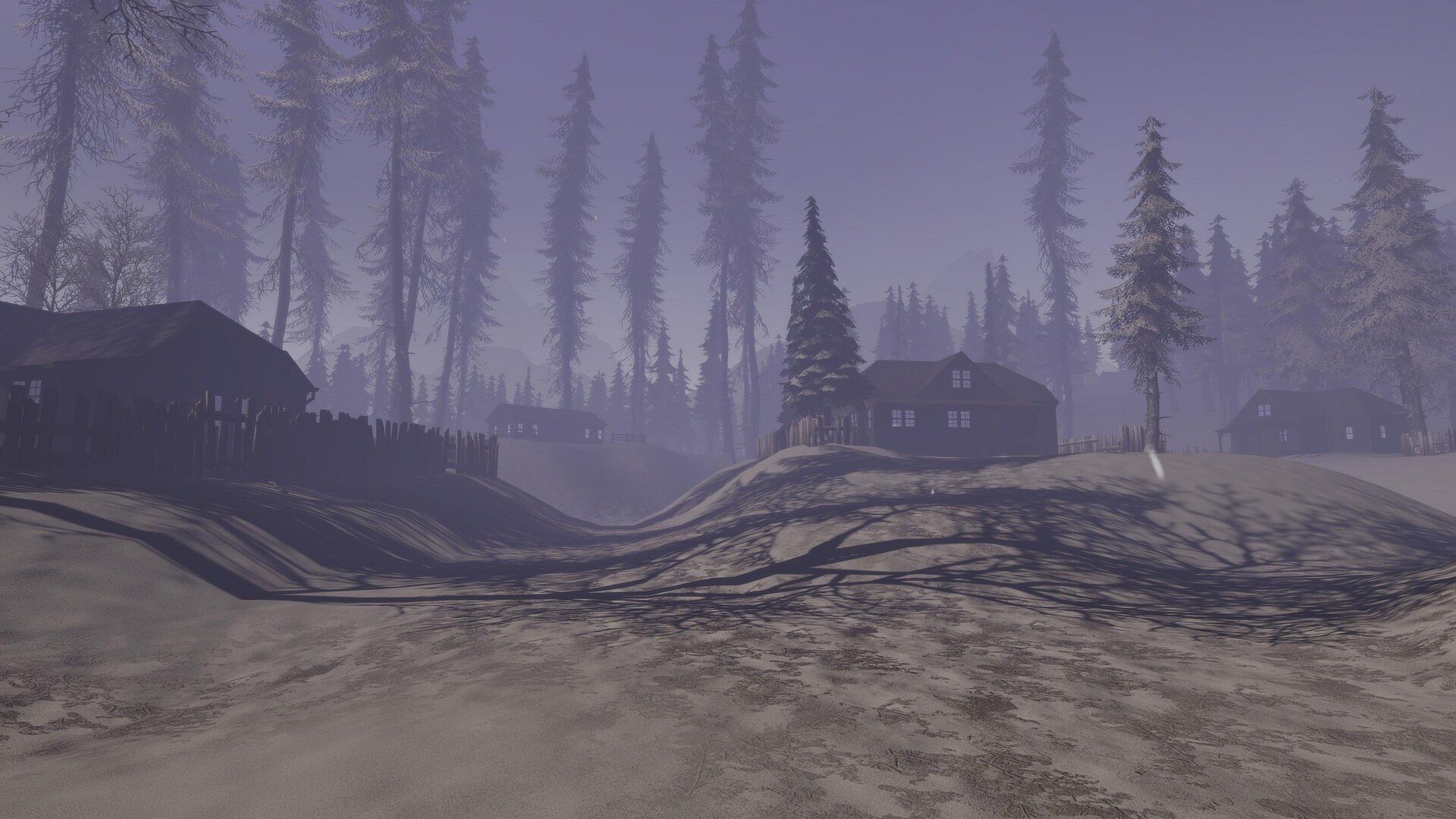




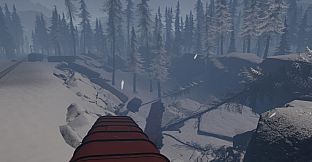
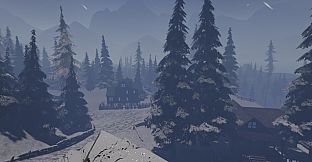

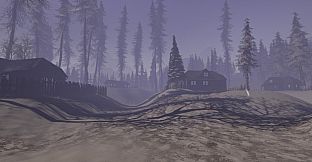
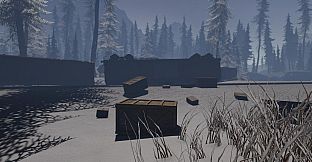
28 Days Train Wreck Survivor is a single-player survival game that places players in the role of a lone survivor after a freight train derails in a remote, snow-covered wilderness. Trapped between steep cliffs and a frozen landscape with no immediate rescue in sight, the core challenge involves lasting exactly 28 days while managing dwindling supplies and escalating environmental threats. The experience blends action, simulation, and adventure elements through resource scavenging, crafting, and daily decision-making that grows more demanding as temperatures fall.
Gameplay
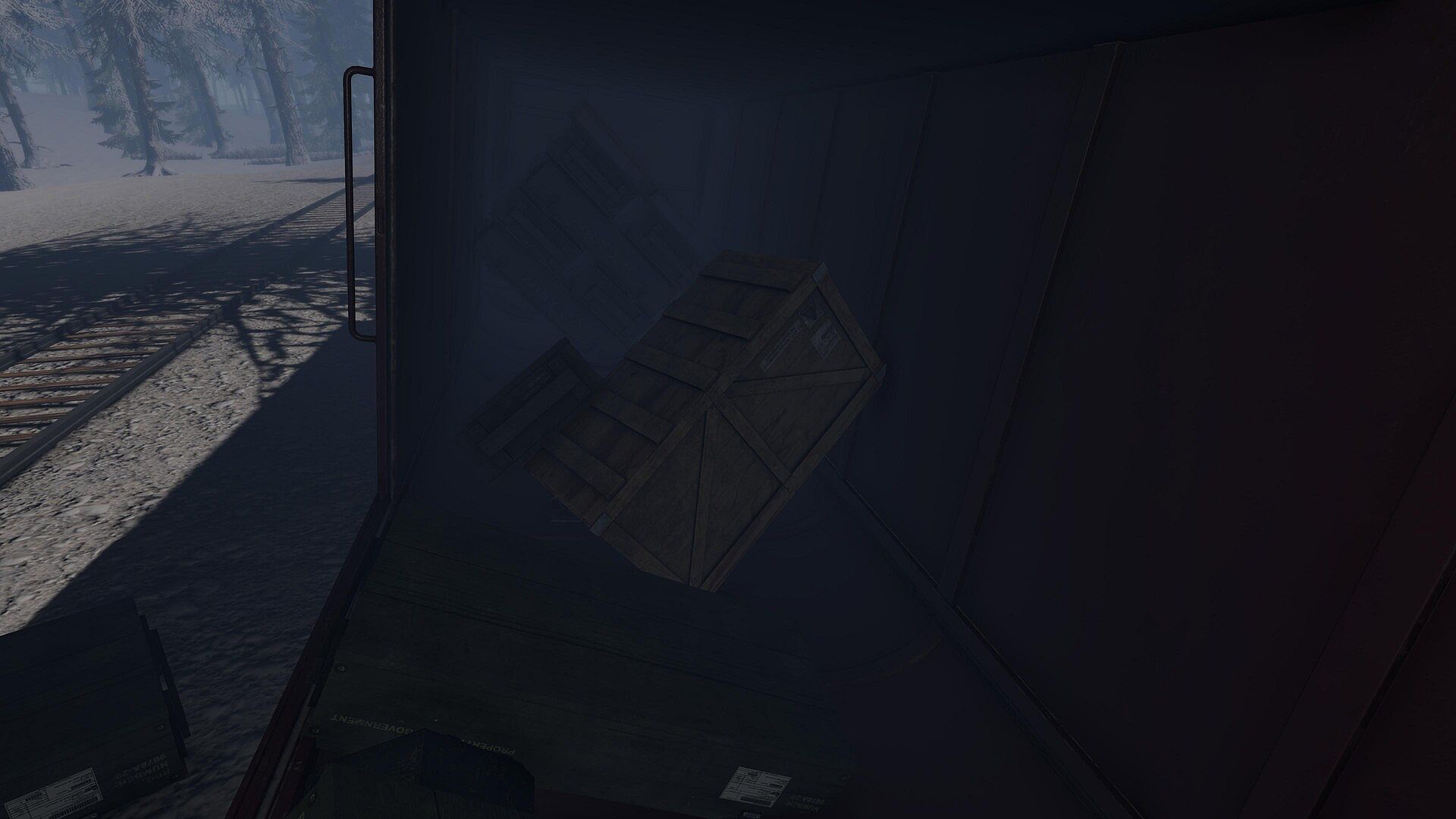
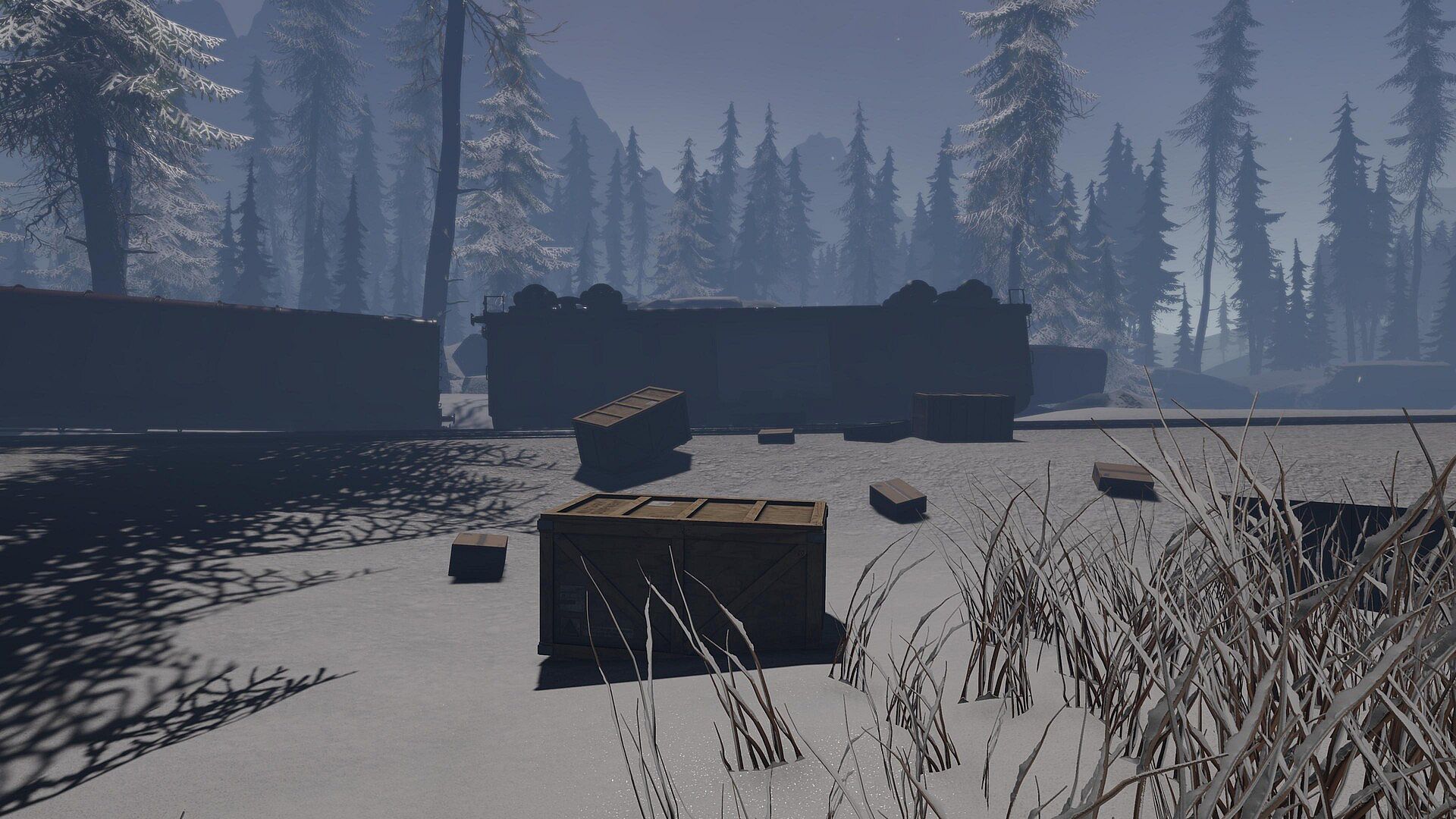
The gameplay centers on methodical exploration of the massive train wreck site. Players search individual freight cars for food, tools, clothing, medicine, and raw materials. Some cars remain locked at first, requiring players to locate or craft specific tools to gain access, while others yield only partial components that must be combined later. Containers such as lockers, crates, and bags vary in contents, sometimes holding multiple useful items and other times proving empty.
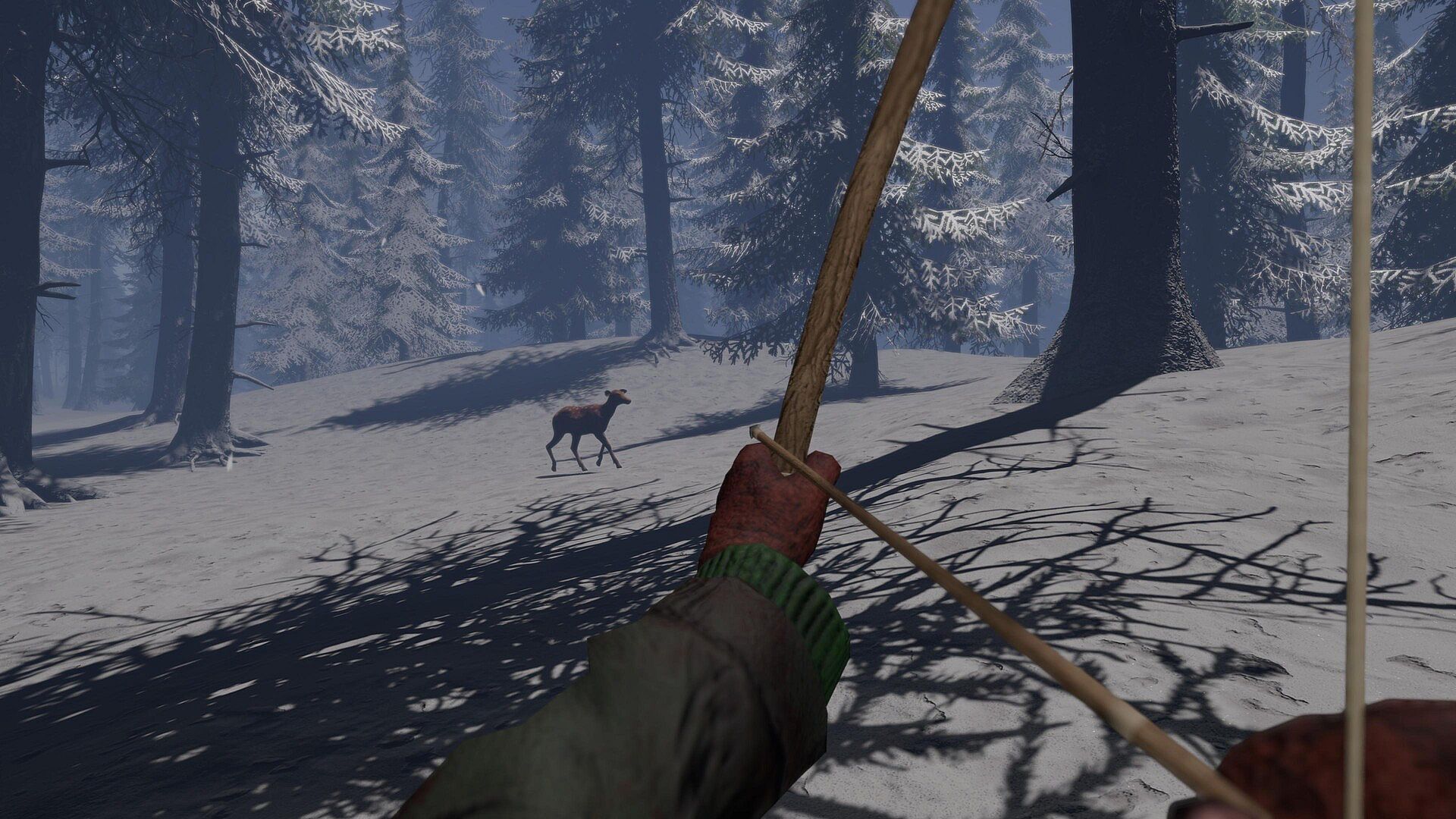
Resource gathering forms the backbone of each day. Hunting animals provides meat and hides, while foraging yields mushrooms, berries, and firewood. Players must maintain a fire for warmth and cooking, using salvaged materials to create tools, weapons, clothing, and other necessities. Sewing garments helps counter the intensifying cold, and cooking improves food efficiency. Limited inventory space forces careful planning of what to carry on each outing.
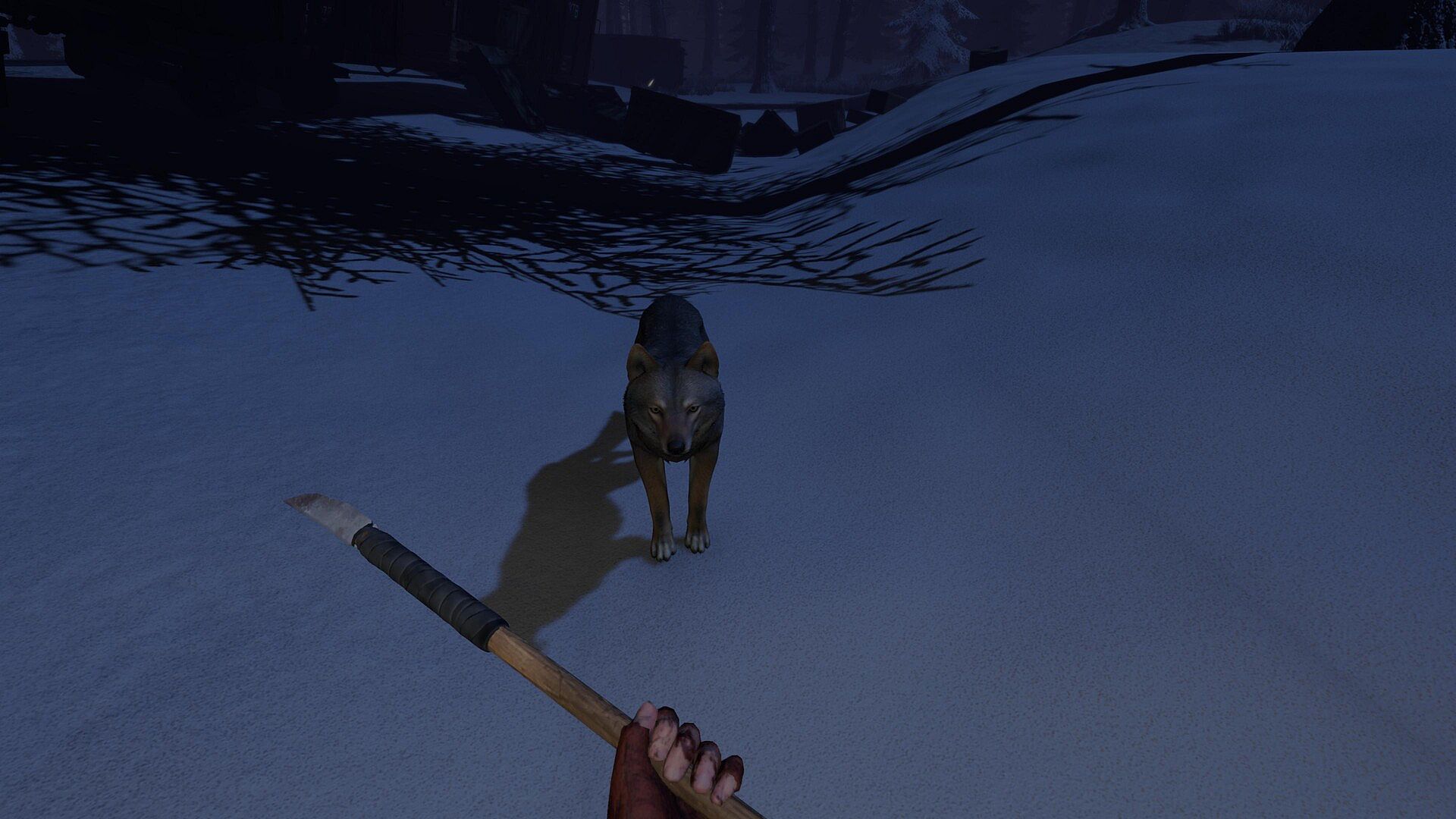
Survival systems track hunger, thirst, fatigue, warmth, and overall health. The cold intensifies progressively, making longer trips riskier as days pass. Predators in the surrounding wilderness add tension during supply runs, requiring players to craft defenses or decide whether to engage or retreat. Balancing exploration with preparation becomes essential, as venturing too far without adequate gear can lead to rapid deterioration.
Game Modes
The game operates as a single continuous survival challenge with no separate multiplayer or alternate modes. Players work through the fixed 28-day period, adapting strategies as conditions worsen. Daily cycles emphasize risk assessment, with early days offering more leeway for setup and later days demanding stricter resource conservation and shelter focus. Progression ties directly to surviving each successive day while unlocking better crafting options through gathered materials.
Key Survival Mechanics
Core systems revolve around constant management of needs and environmental pressures. Fire maintenance prevents freezing, while crafted items like sleeping bags and boots provide incremental improvements. Encounters with wildlife test combat readiness using improvised weapons. The structure encourages repeated playthroughs through different approaches to scavenging routes and crafting priorities, though the core loop remains consistent across attempts.
- Exploration of locked and unlocked train cars for mixed resource yields
- Progressive temperature decline affecting travel safety
- Combination of hunting, foraging, and salvaging for crafting inputs
- Health and status tracking that penalizes poor planning
Is It Worth Playing?
28 Days Train Wreck Survivor suits players who appreciate deliberate, resource-focused survival experiences with a strong emphasis on atmosphere and incremental progress. Its strength lies in the tangible sense of isolation and the steady escalation of challenges over the 28-day span. Those seeking deep systems or varied scenarios may find the pacing repetitive after initial hours, as the mechanics follow established survival patterns without extensive branching. The game remains available on PC and major consoles following its December 2025 release, with ongoing single-player support but no confirmed seasonal content or major updates to date. It delivers a focused test of endurance for fans of the genre who value careful preparation over fast-paced action.