








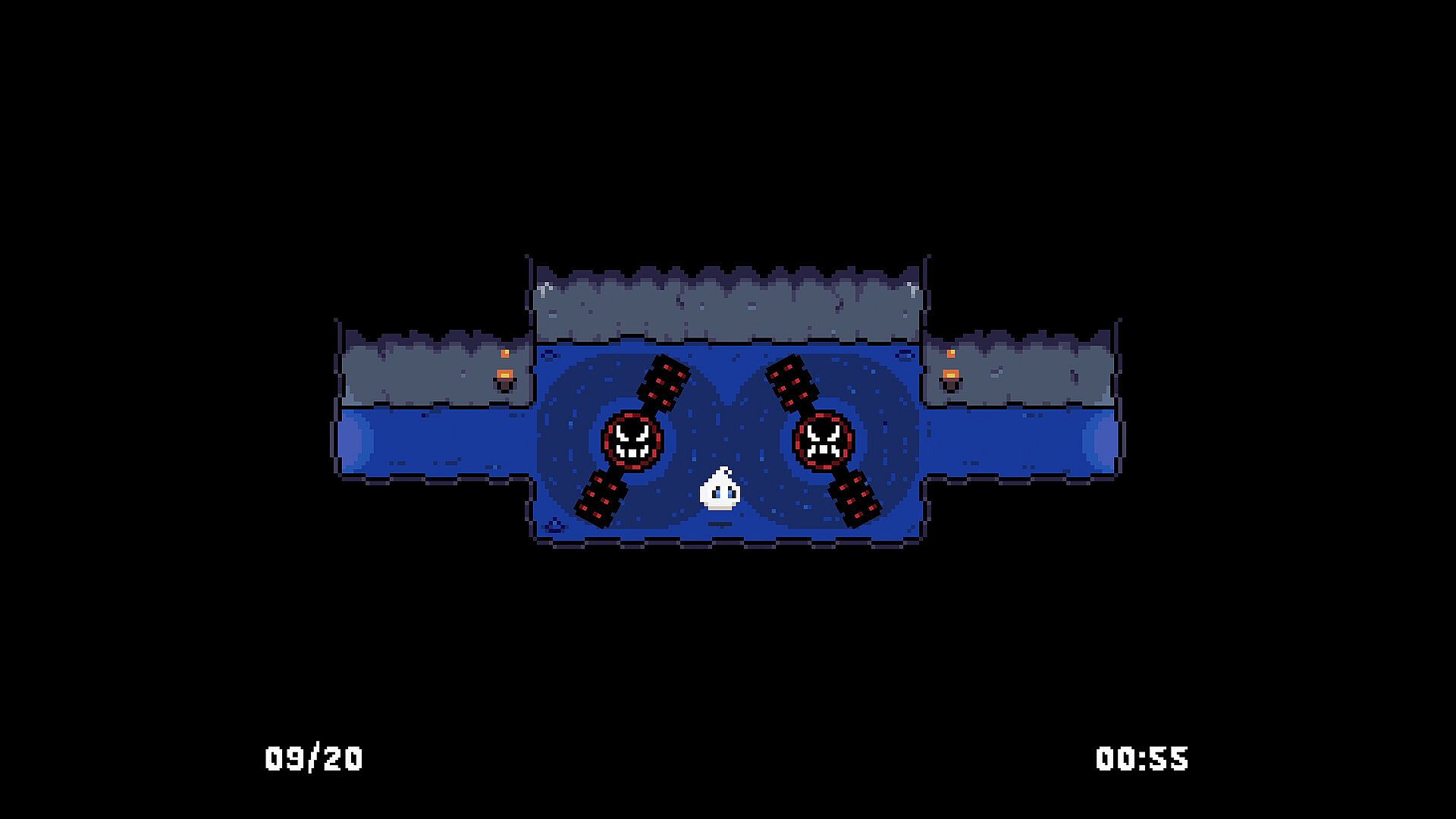
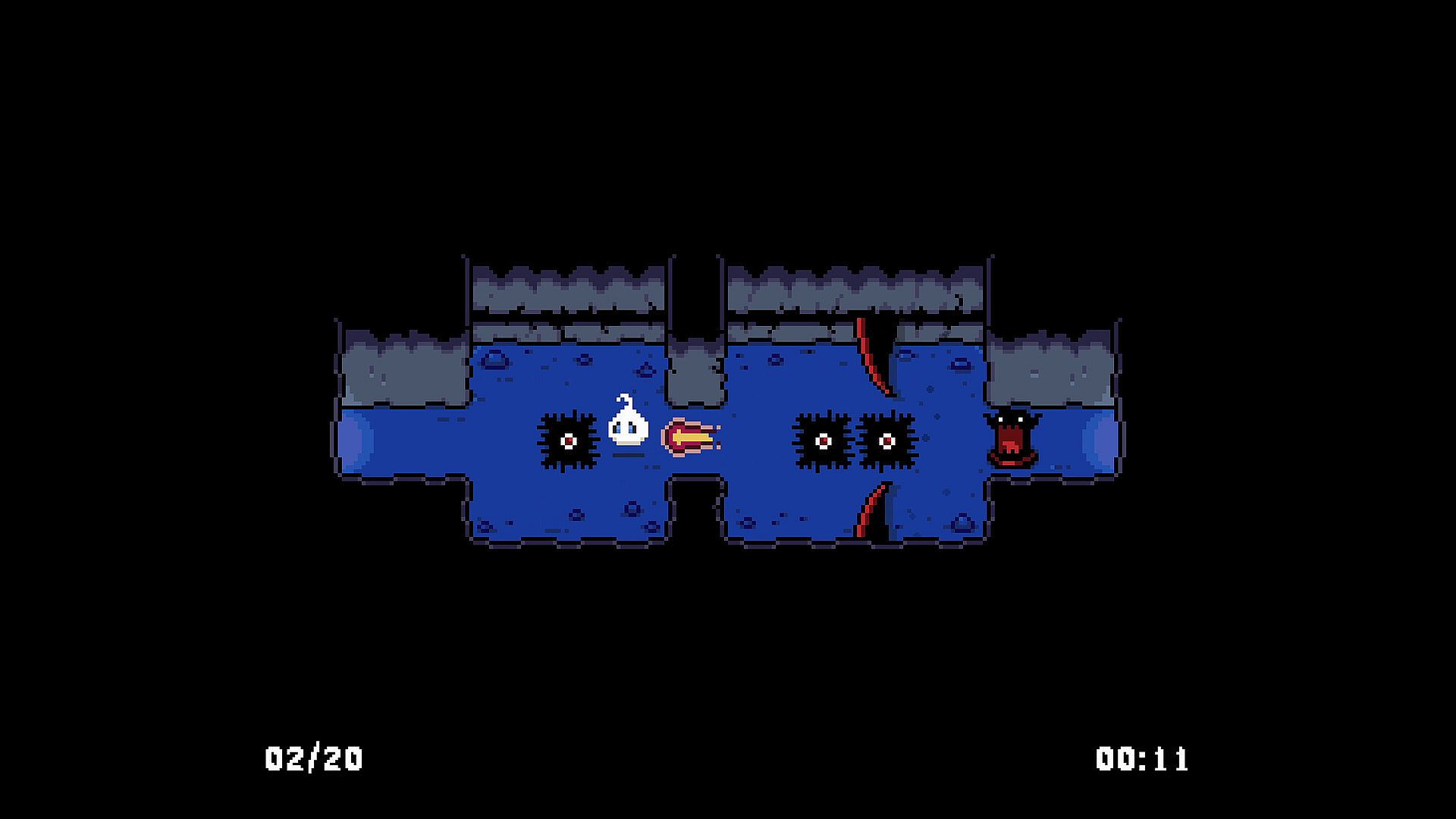
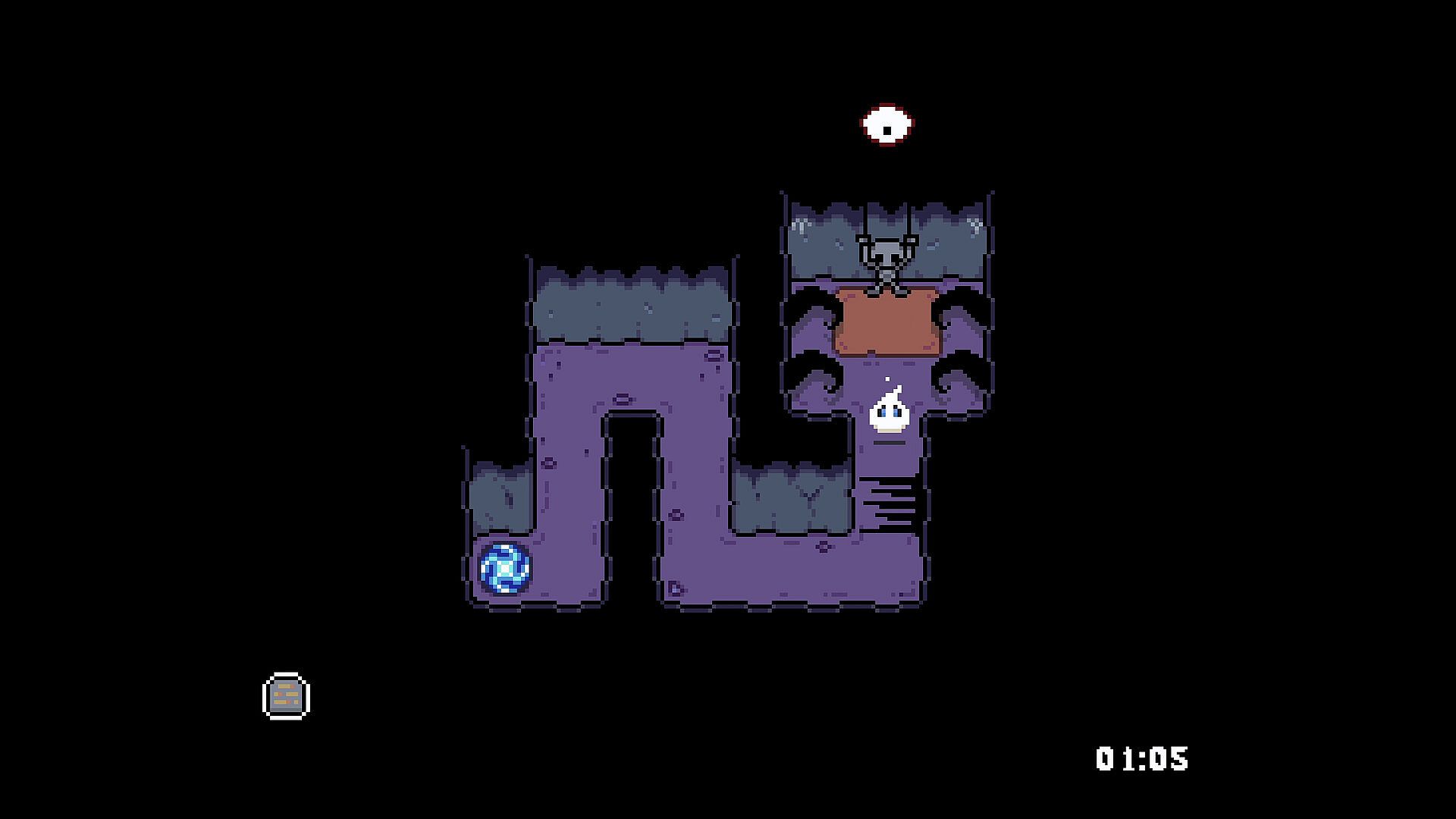
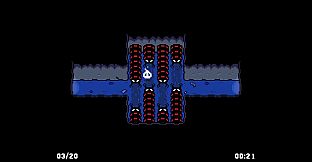
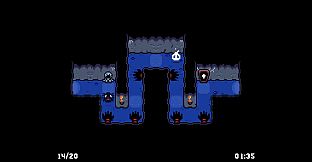
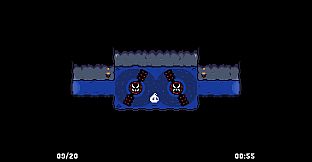
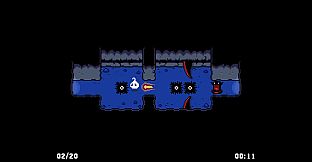
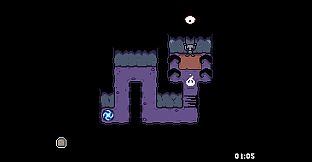
20 Trials to Heaven é um jogo indie de aventura gratuito para PC que coloca o jogador no papel de uma alma perdida que atravessa uma sequência linear de desafios no Purgatório. A experiência é composta por vinte provas distintas, que exigem precisão e paciência enquanto a alma busca o julgamento final. Sem mundo aberto ou caminhos alternativos, o foco permanece na progressão direta, com alguns elementos ocultos ao longo do trajeto.
Gameplay
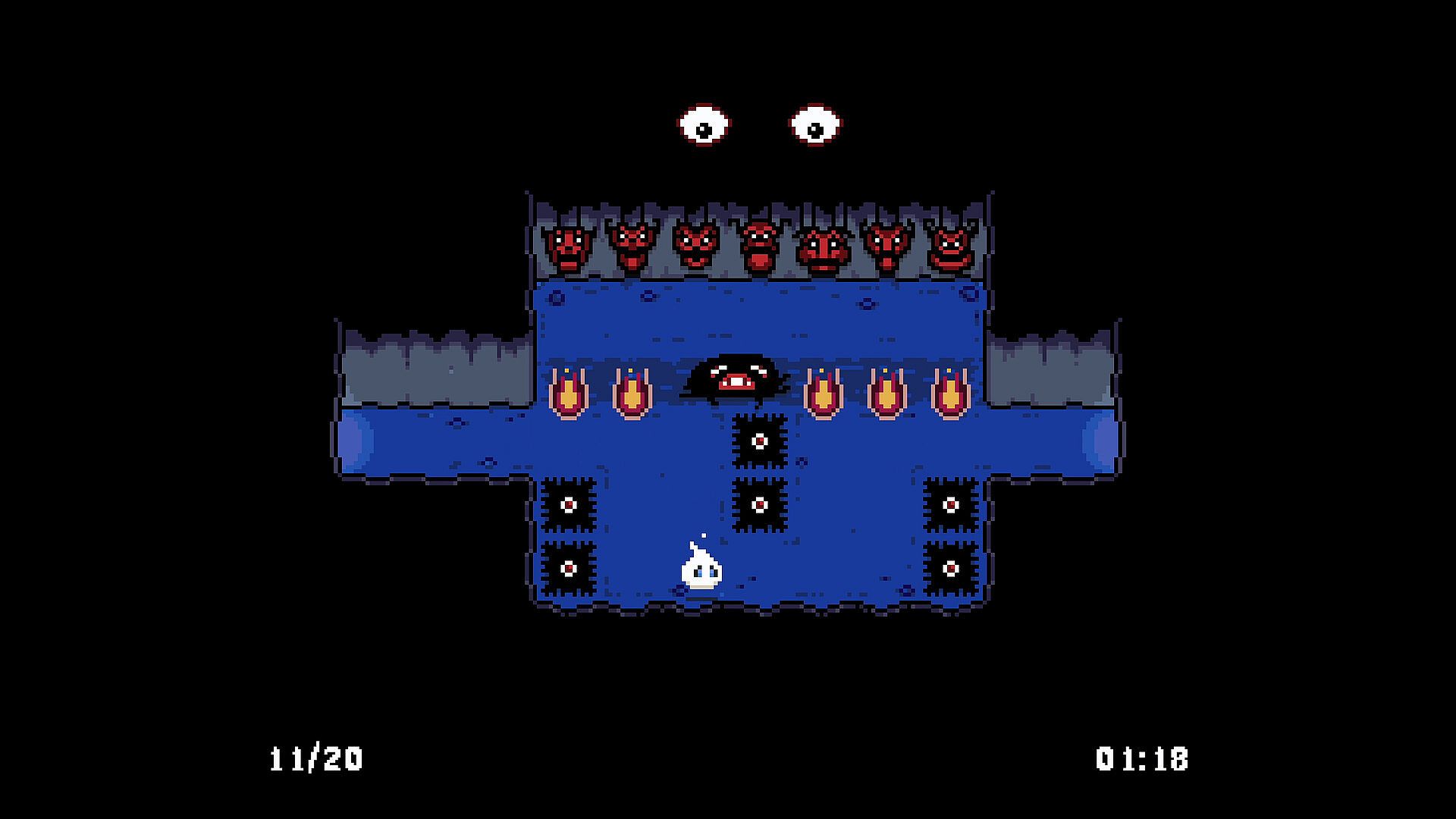
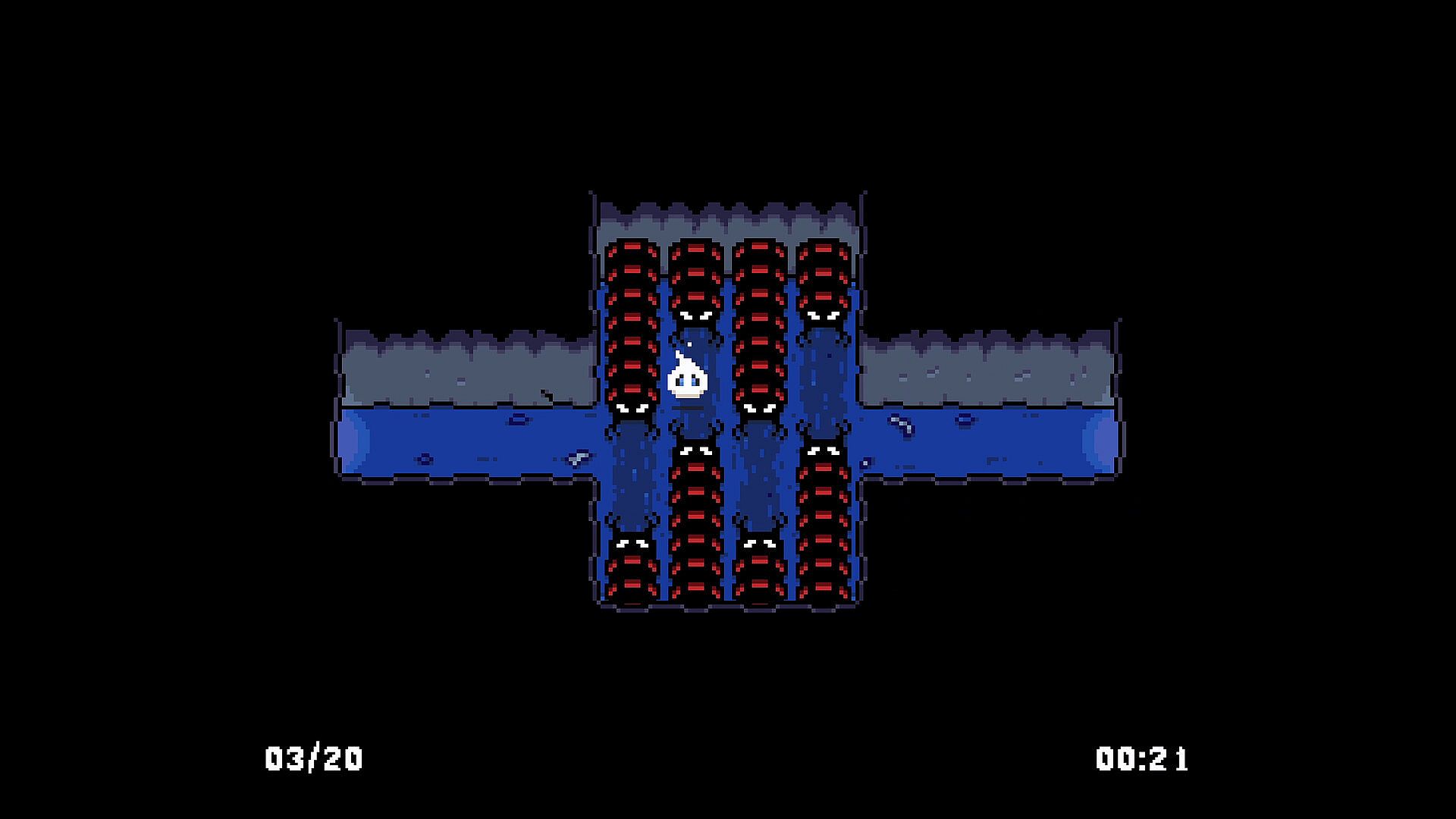
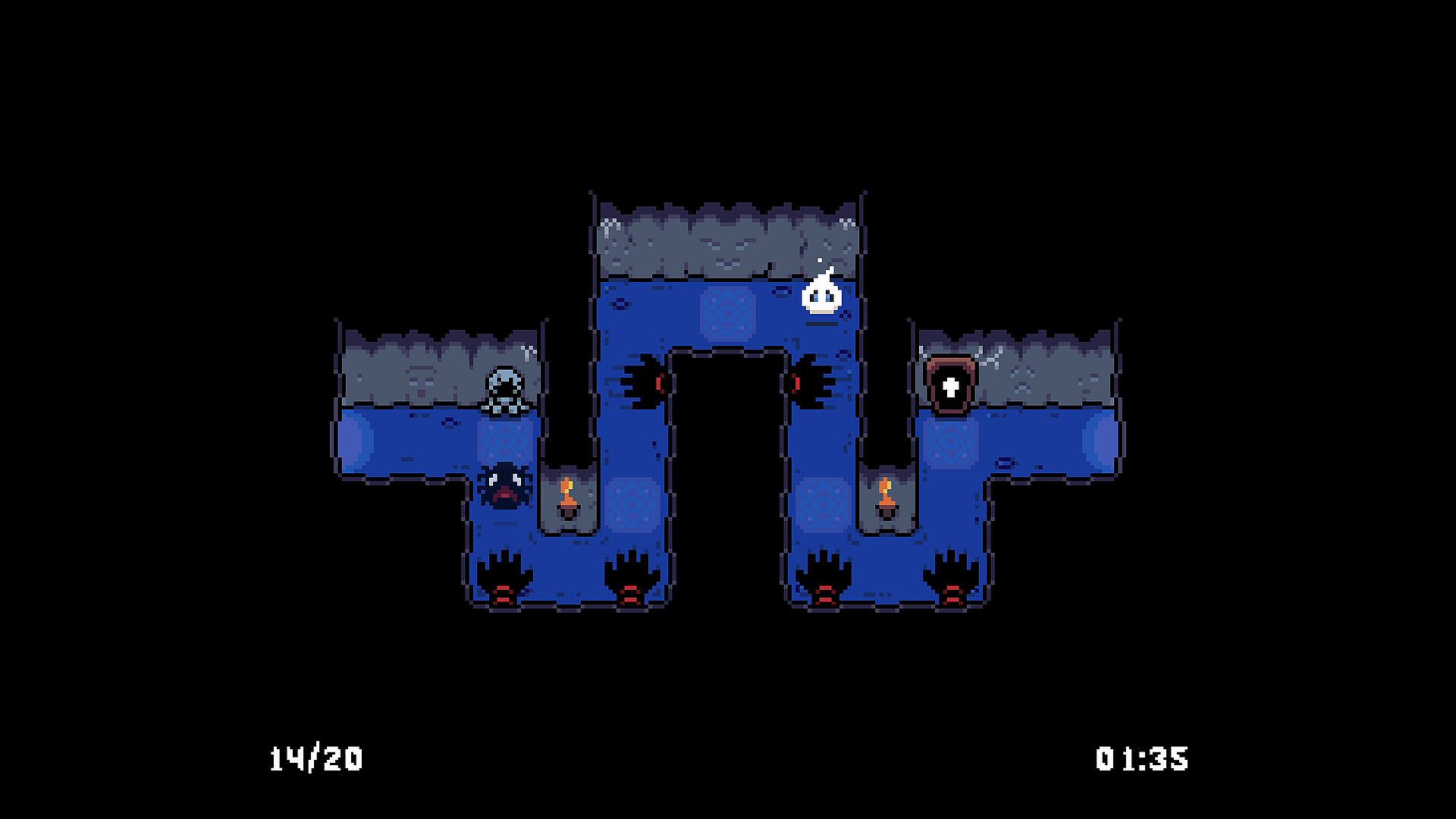
O ciclo central exige observar cada sala antes de se mover. As armadilhas variam em forma e, ao morrer, o jogador retorna ao início da tentativa atual, sem checkpoints ou progresso salvo. Essa estrutura incentiva repetições para identificar rotas seguras e janelas de tempo. Os controles se limitam às quatro direções, mantendo as ações simples e sem sequências complexas ou árvores de habilidades.
Um cronômetro visível registra o desempenho em cada tentativa e influencia a classificação final. É preciso equilibrar cautela e agilidade para alcançar melhores posições. Com apenas uma vida por tentativa, qualquer erro encerra a corrida imediatamente, reforçando a atenção ao reconhecimento de padrões e à adaptação rápida após cada falha. Existem poucos segredos, recompensando quem examina o ambiente sem se afastar do caminho principal.
Modos de Jogo
O jogo é exclusivamente single player. Não há opções cooperativas, tabelas de classificação competitivas além do ranking pessoal, nem modos adicionais além da sequência principal de provas. Toda a experiência consiste em progredir pelas vinte fases em ordem, com o cronômetro e o sistema de classificação como únicos objetivos mensuráveis além de chegar ao fim.
O valor de replay vem da busca por melhores classificações por meio de conclusões mais rápidas ou da descoberta dos poucos elementos ocultos. Não há ajustes de dificuldade ou regras alternativas que modifiquem os parâmetros fixos de uma única vida e ausência de checkpoints.
Mecânicas e Estrutura Principais
Cada prova funciona como uma sala de quebra-cabeça autônoma, onde os perigos ambientais exigem navegação precisa. A falta de checkpoints obriga reinícios completos em caso de falha, transformando cada morte em uma oportunidade de aprendizado sobre a posição das armadilhas e os momentos de movimento. O cronômetro adiciona pressão sem alterar a regra fundamental de uma única vida, criando corridas que exigem tanto planejamento quanto agilidade.
A progressão segue uma ordem linear fixa, da primeira à vigésima prova. Não há facções, classes de personagem ou sistemas de aprimoramento. O design prioriza observação e repetição em vez de gerenciamento de recursos ou variedade de combate.
Vale a Pena Jogar?
O título é indicado para quem prefere sessões curtas e de alta tensão baseadas no domínio de comandos simples e na evasão de padrões. Quem aprecia ciclos punitivos de tentativa e erro sem facilidades modernas, como salvamentos ou ajuste de dificuldade, encontrará uma estrutura alinhada ao proposto. O lançamento previsto para 28 de agosto de 2026 significa que o jogo ainda está em fase pré-lançamento, sem base de jogadores consolidada ou atualizações pós-lançamento disponíveis para análise.
O acesso gratuito reduz a barreira para quem tem curiosidade sobre sua abordagem minimalista. Quem busca narrativas extensas, interação multiplayer ou campanhas longas deve procurar outras opções, pois a experiência evita deliberadamente esses elementos. O cronômetro ranqueado e a busca por segredos oferecem objetivos mensuráveis para novas tentativas após a conclusão do caminho inicial.
