




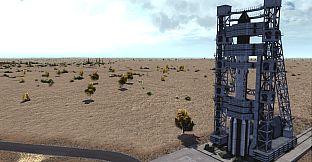
Workers & Resources: Soviet Republic - Space Program is a strategy simulation game that extends the core city-building and management systems of its base title into orbital exploration. Players develop a Soviet republic through intricate production networks, citizen oversight, and industrial planning, now incorporating research, fuel synthesis, rocket construction, and launch operations drawn from historical programs such as Sputnik and Vostok.
Gameplay
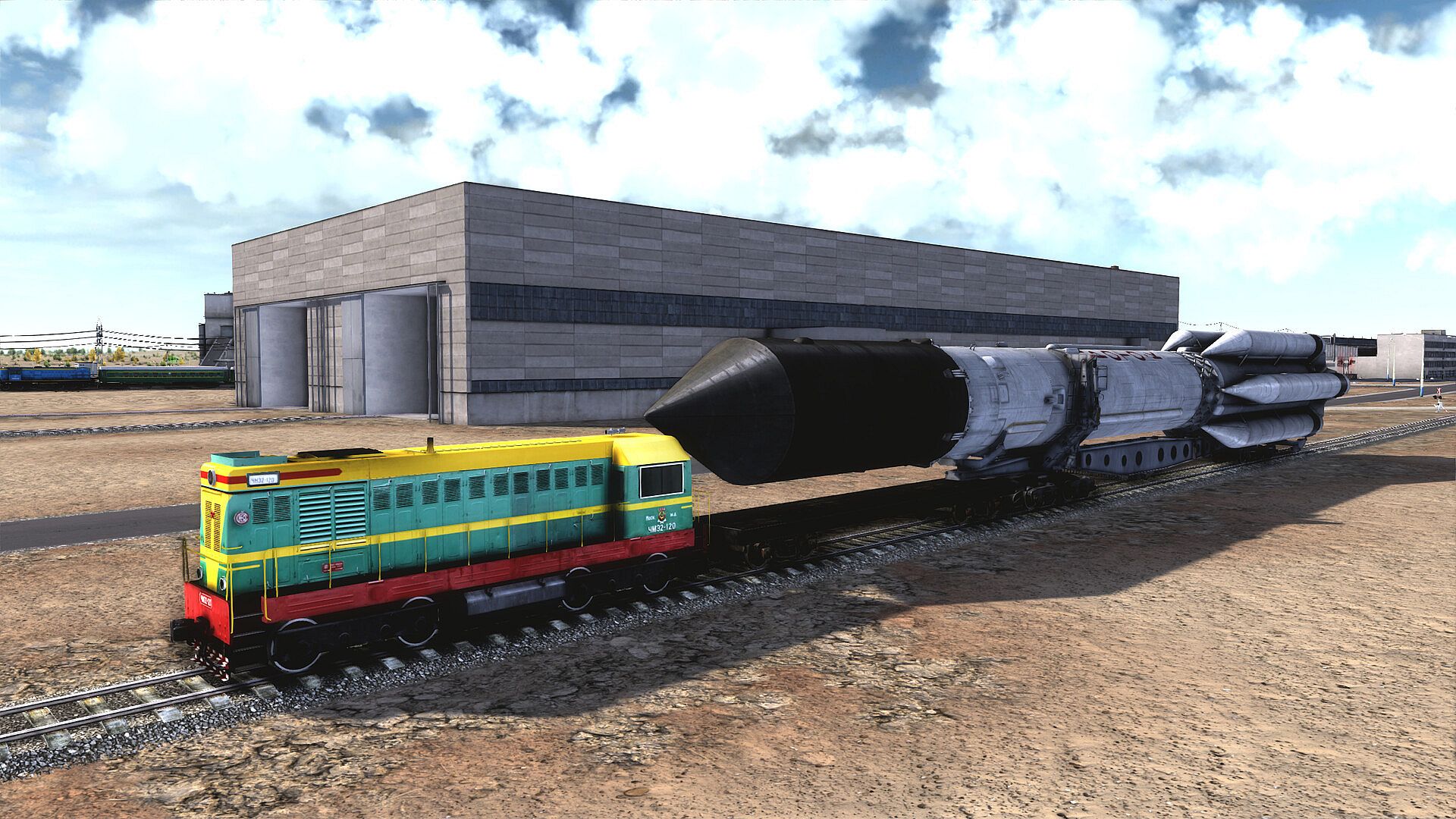
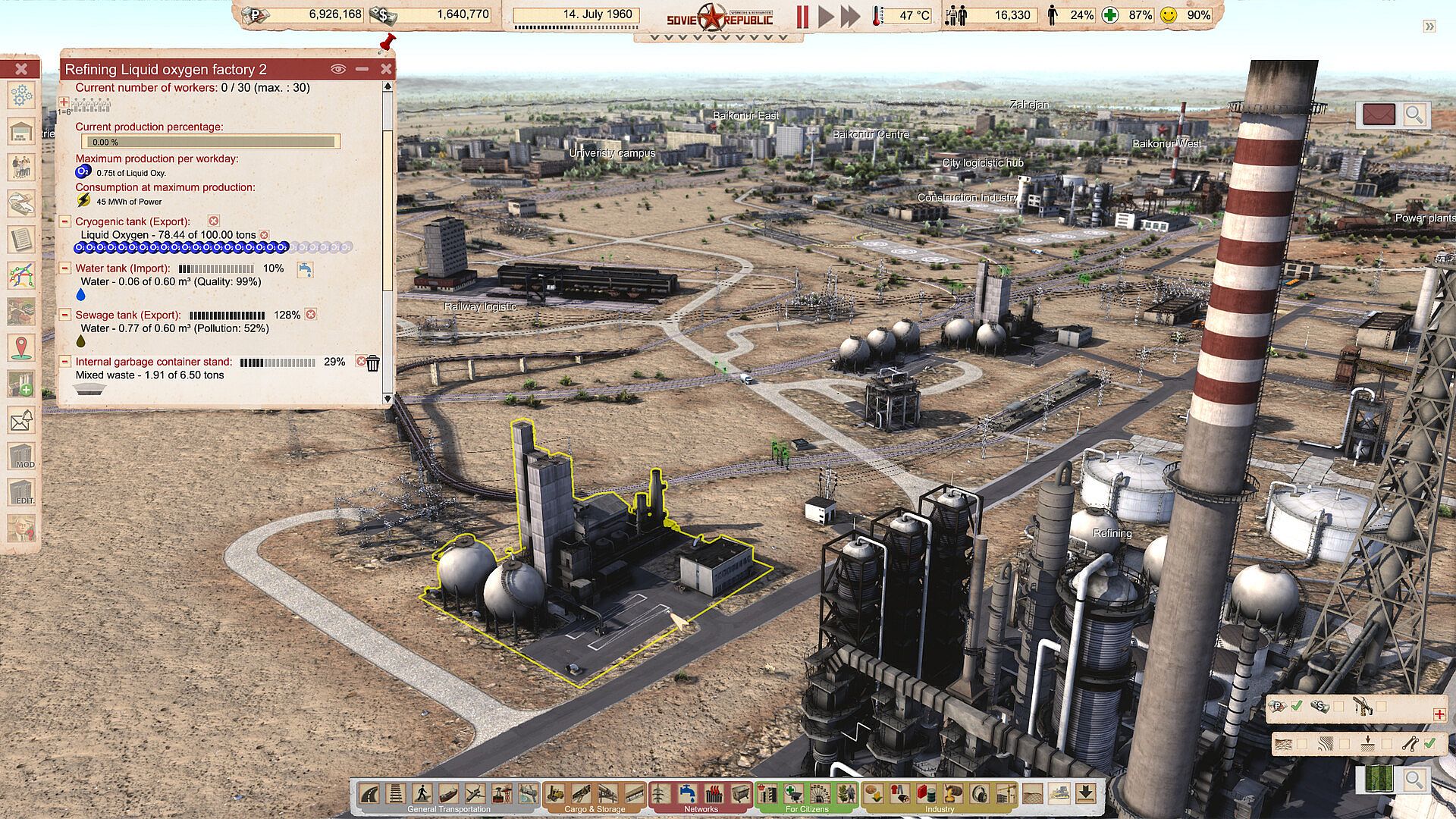
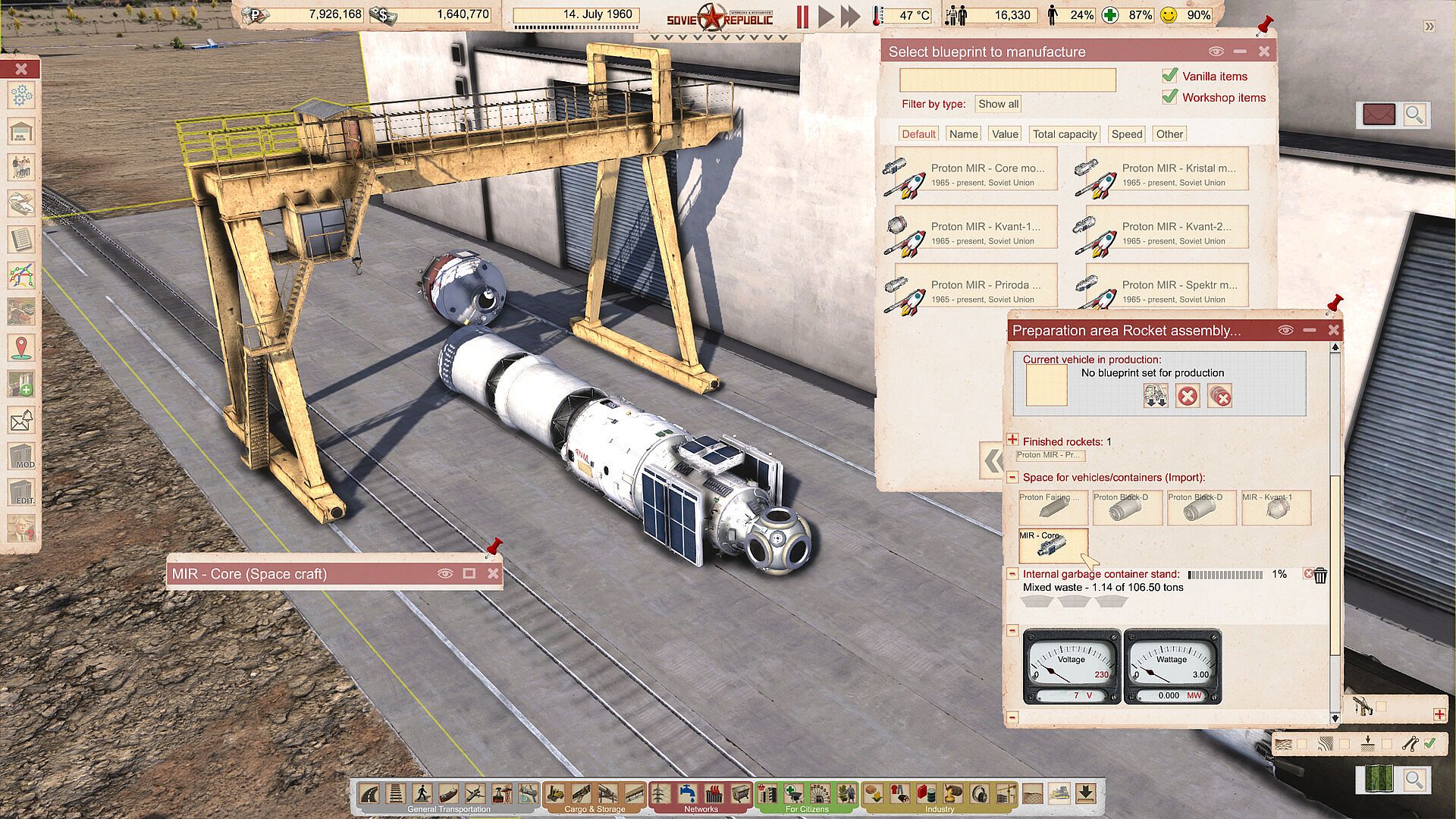
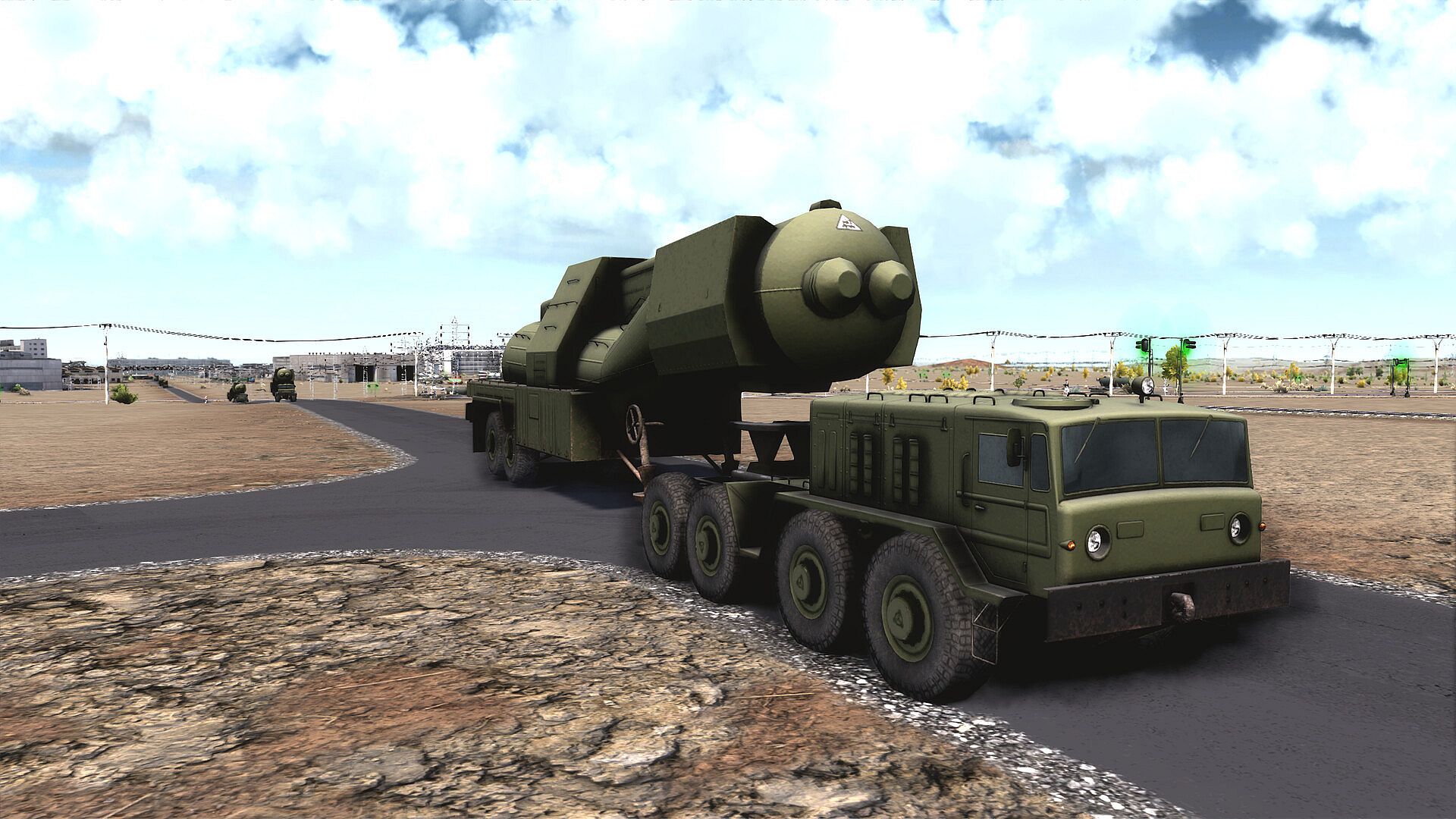
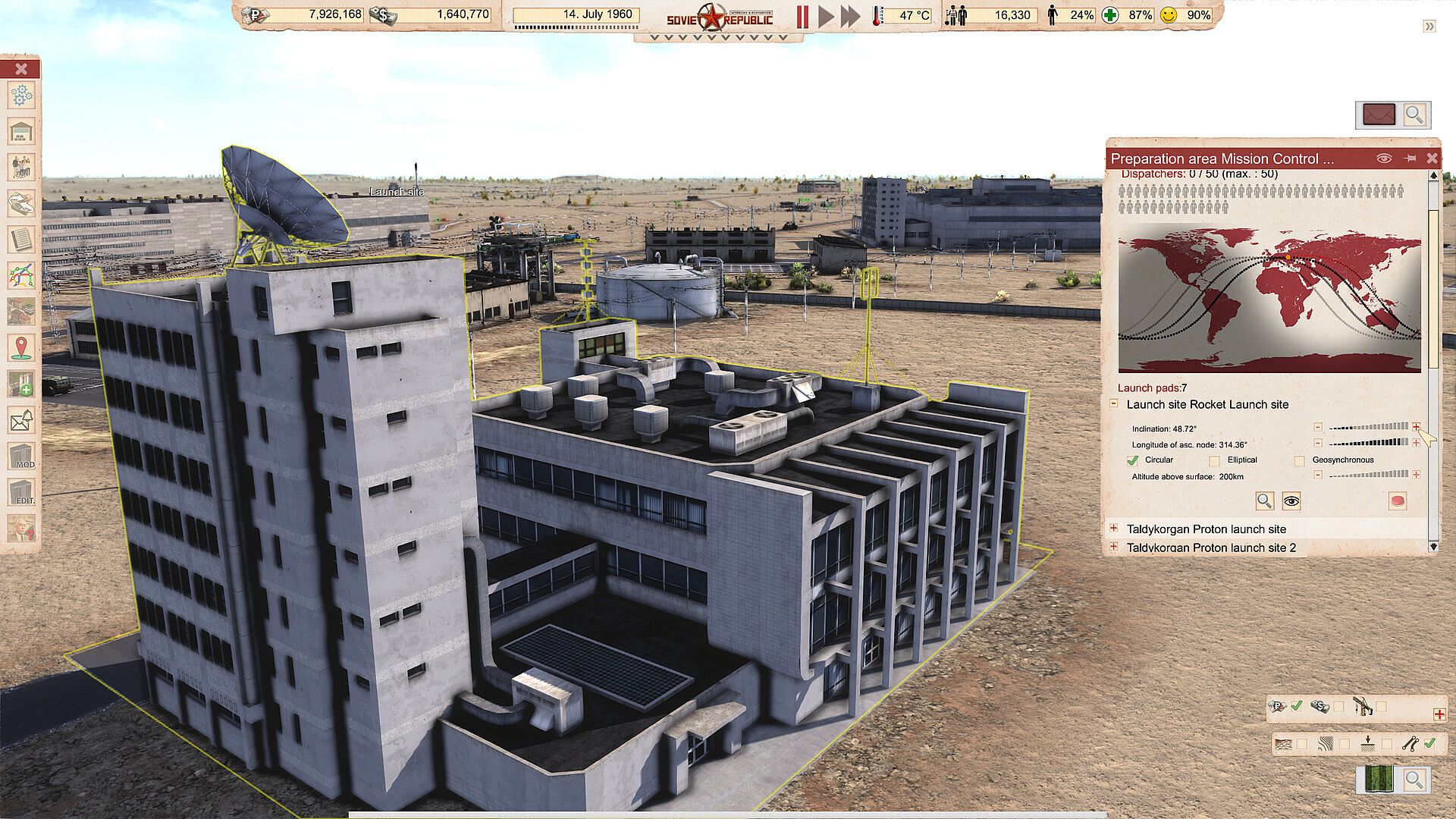
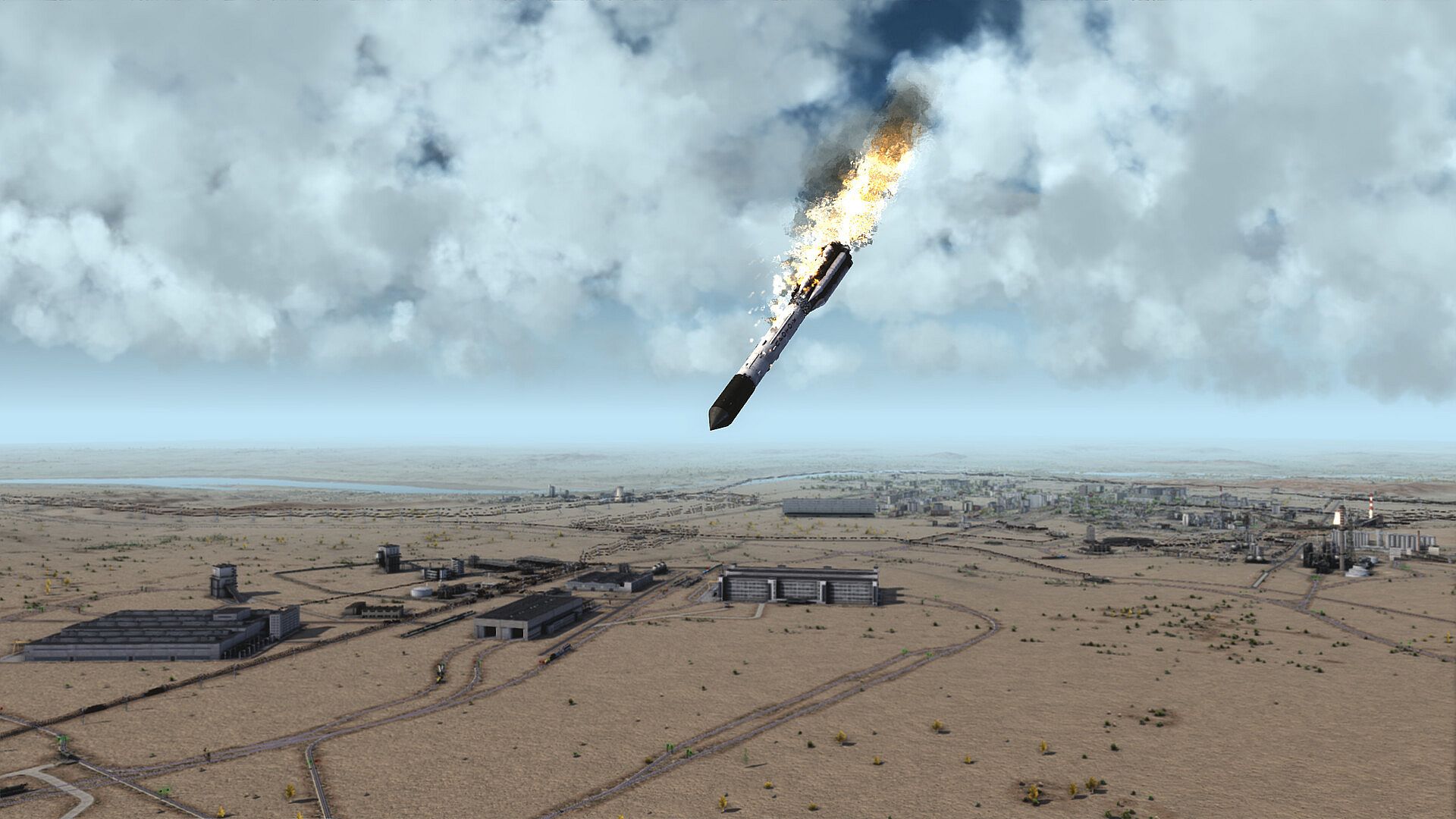
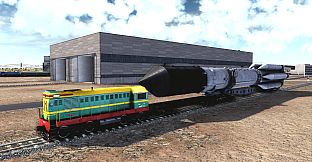
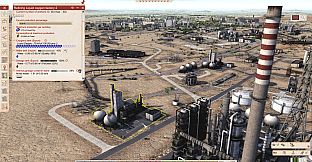
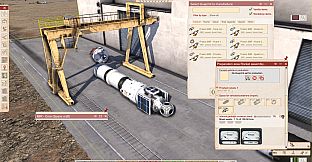
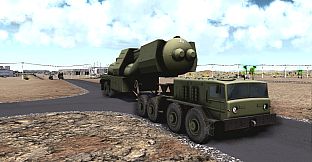
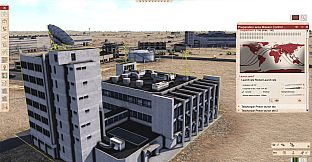
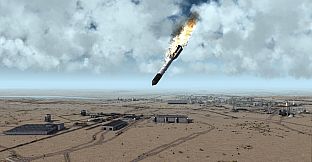
The central loop revolves around establishing and maintaining complex supply chains that link raw resources to finished goods and services. Oil, chemicals, power, and water feed into refineries and plants that produce kerosene along with oxidizers N2O4 and UDMH. These materials move via dedicated vehicles on rail and road networks to storage facilities and ultimately to launch pads. Universities unlock progressive technologies that expand rocket modules and mission options, ranging from basic orbital satellites to crewed flights. Assembly halls of different scales combine individually manufactured components including electronics, steel, plastics, and mechanical parts into complete vehicles. Mission control centers allow players to set launch parameters, track orbital assets, and coordinate multiple sites, while engine testing facilities lower failure risks. Failed launches can affect nearby settlements, requiring careful placement of infrastructure. Ground-level payoffs include observatories and planetariums that draw visitors and new monuments that reflect technological milestones.
Game Modes
Two primary modes structure play. Custom or sandbox sessions let players shape their republic on chosen maps with adjustable starting conditions, focusing on long-term optimization of logistics and industry without preset objectives. Campaign mode provides structured scenarios with defined goals and historical framing. The Space Program expansion introduces a dedicated campaign set at Baikonur in the early 1960s, supplying initial infrastructure, industry, and a stable population so players can concentrate on integrating the new research, production, and launch systems.
The Space Program Expansion
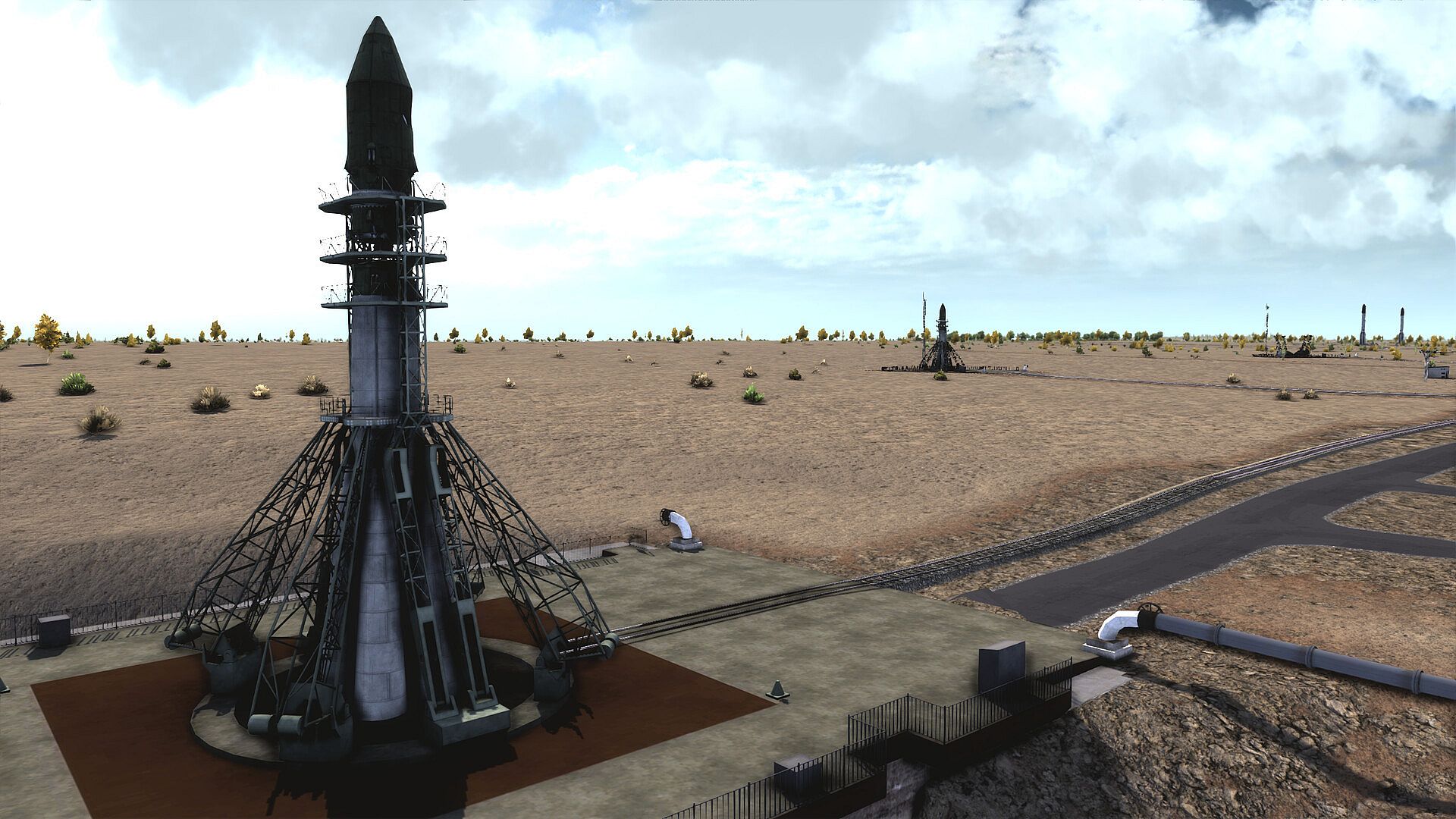
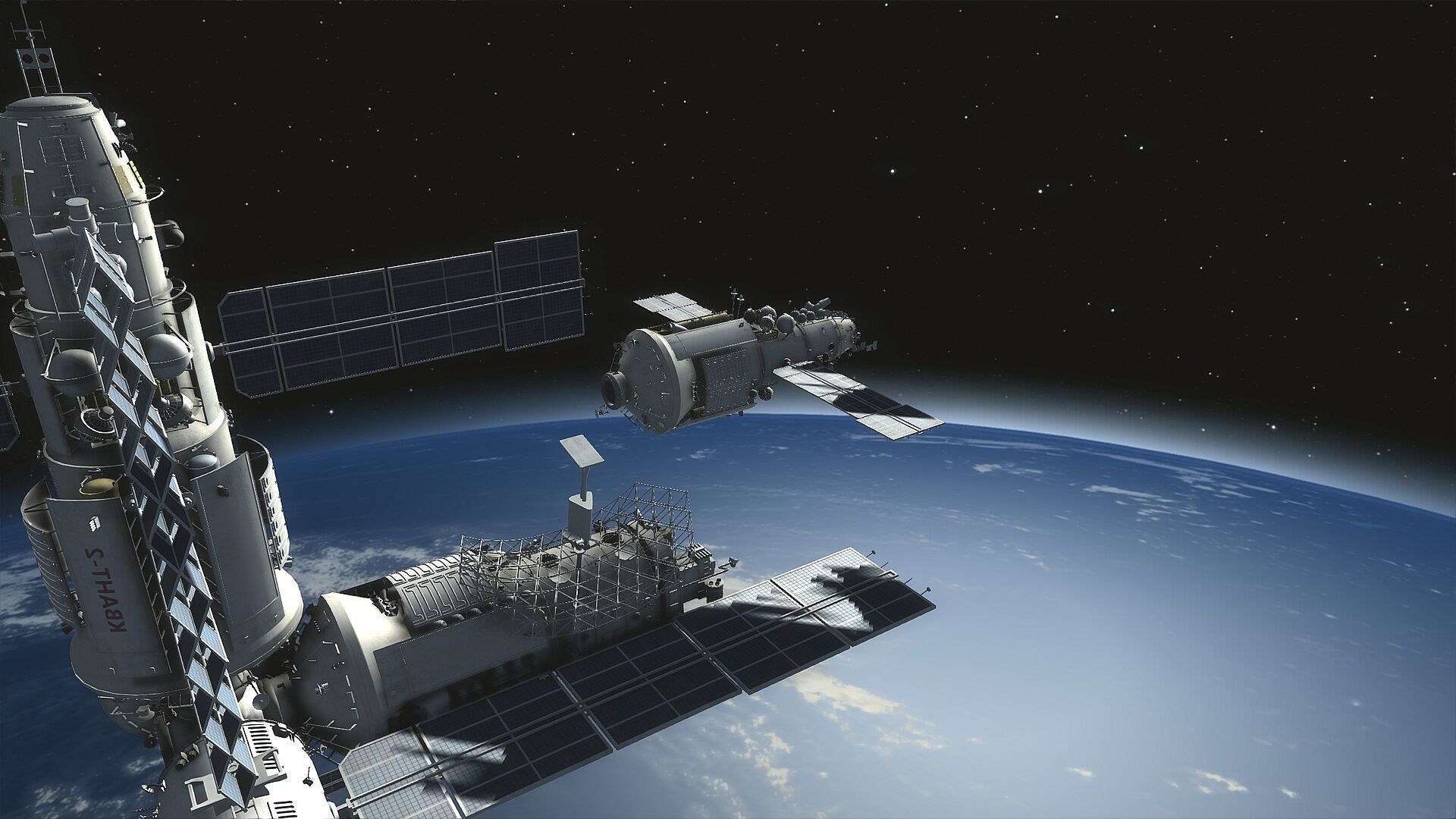
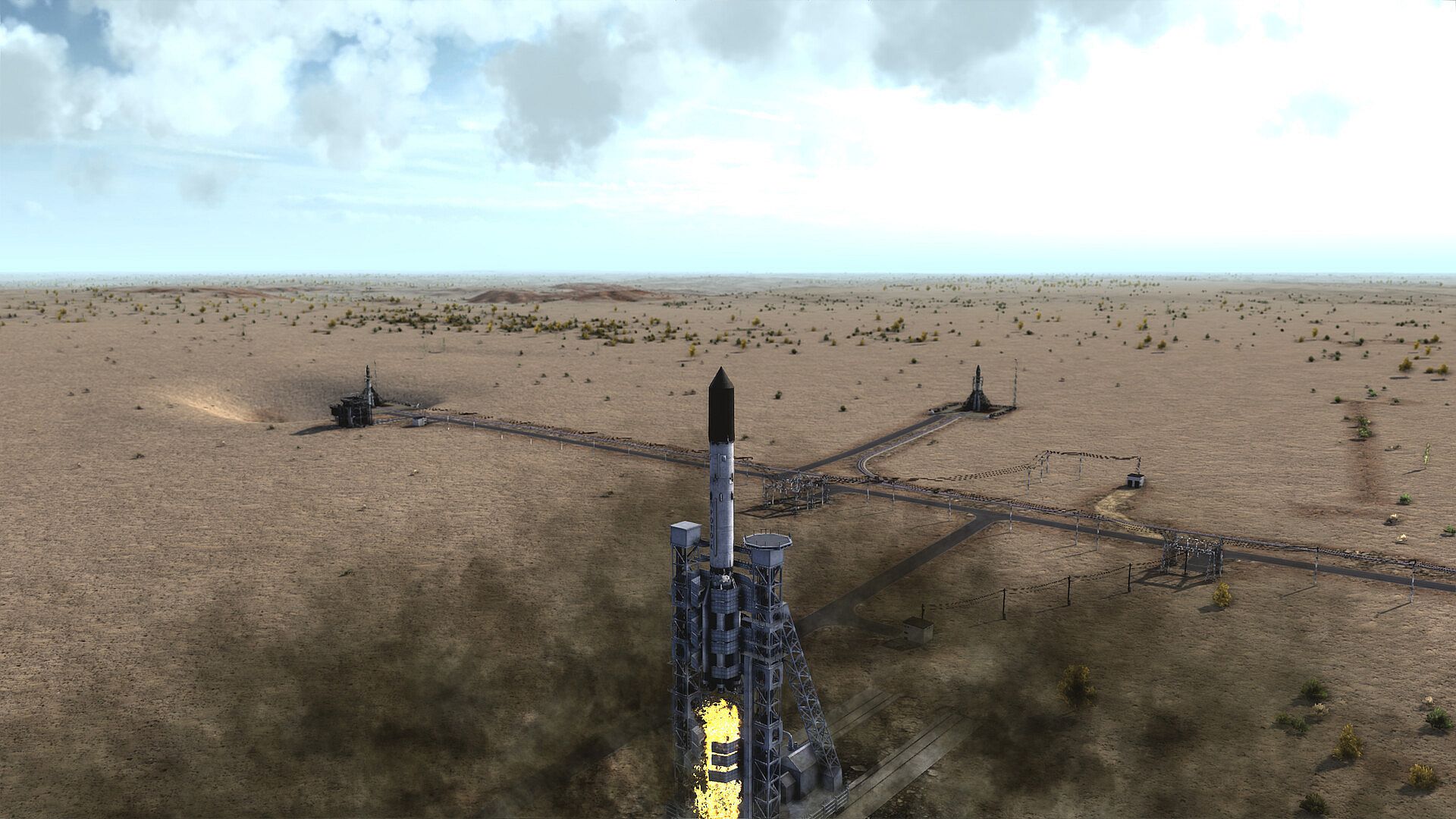
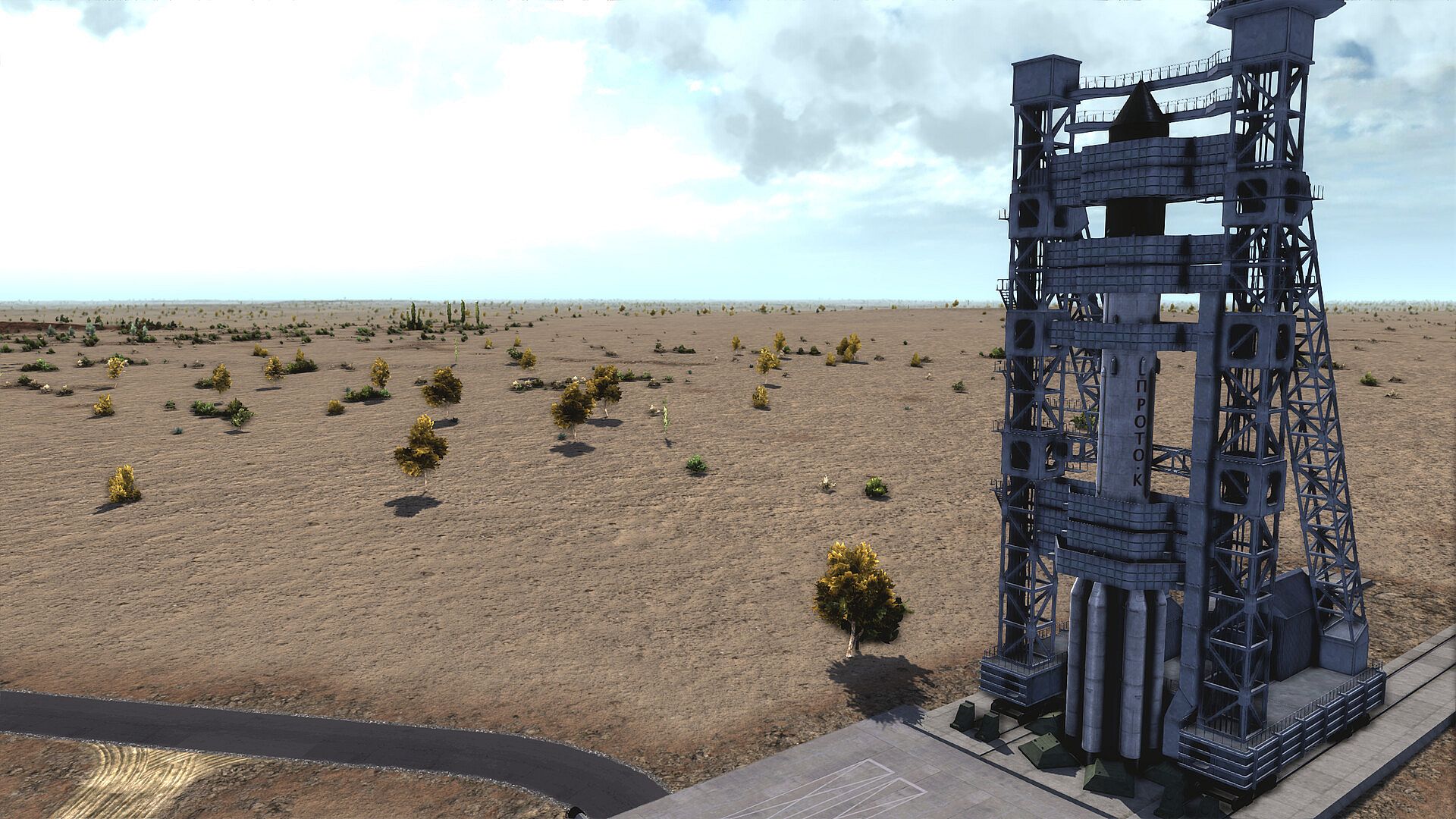
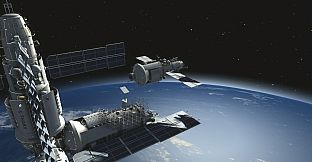
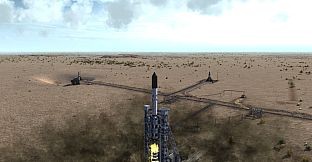
This content layer adds specialized buildings and mechanics that integrate directly into existing production and transport systems. Standard and Proton launch sites handle different payload capacities, with visible staging and orbital insertion sequences. Hypergolic storage and new vehicle types address the unique handling requirements of space fuels. Research trees at universities drive incremental advances in capability, while component manufacturing demands precise coordination of multiple industrial halls. The expansion emphasizes the interplay between scientific progress and industrial throughput, where delays in any link can halt progress toward more ambitious missions such as space station assembly through orbital rendezvous.
Is It Worth Playing?
The base game maintains a Very Positive rating on its primary platform from tens of thousands of reviews, with players consistently praising the depth of logistical simulation and the satisfaction derived from functional, large-scale networks. The Space Program expansion builds on that foundation by layering additional production chains and research progression that reward careful planning and iterative improvement. It suits players who already appreciate the title's emphasis on manual oversight of transport, staffing, and resource flows. Those seeking lighter city-building experiences may find the combined systems demanding, yet the new campaign provides a supported entry point for learning the added mechanics. The result is an expanded single-player experience that deepens the existing challenge without altering the fundamental focus on realistic industrial management.





