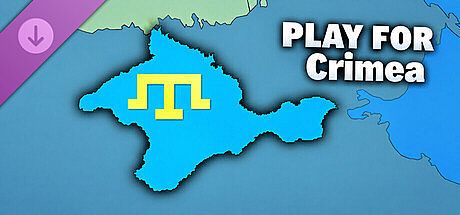



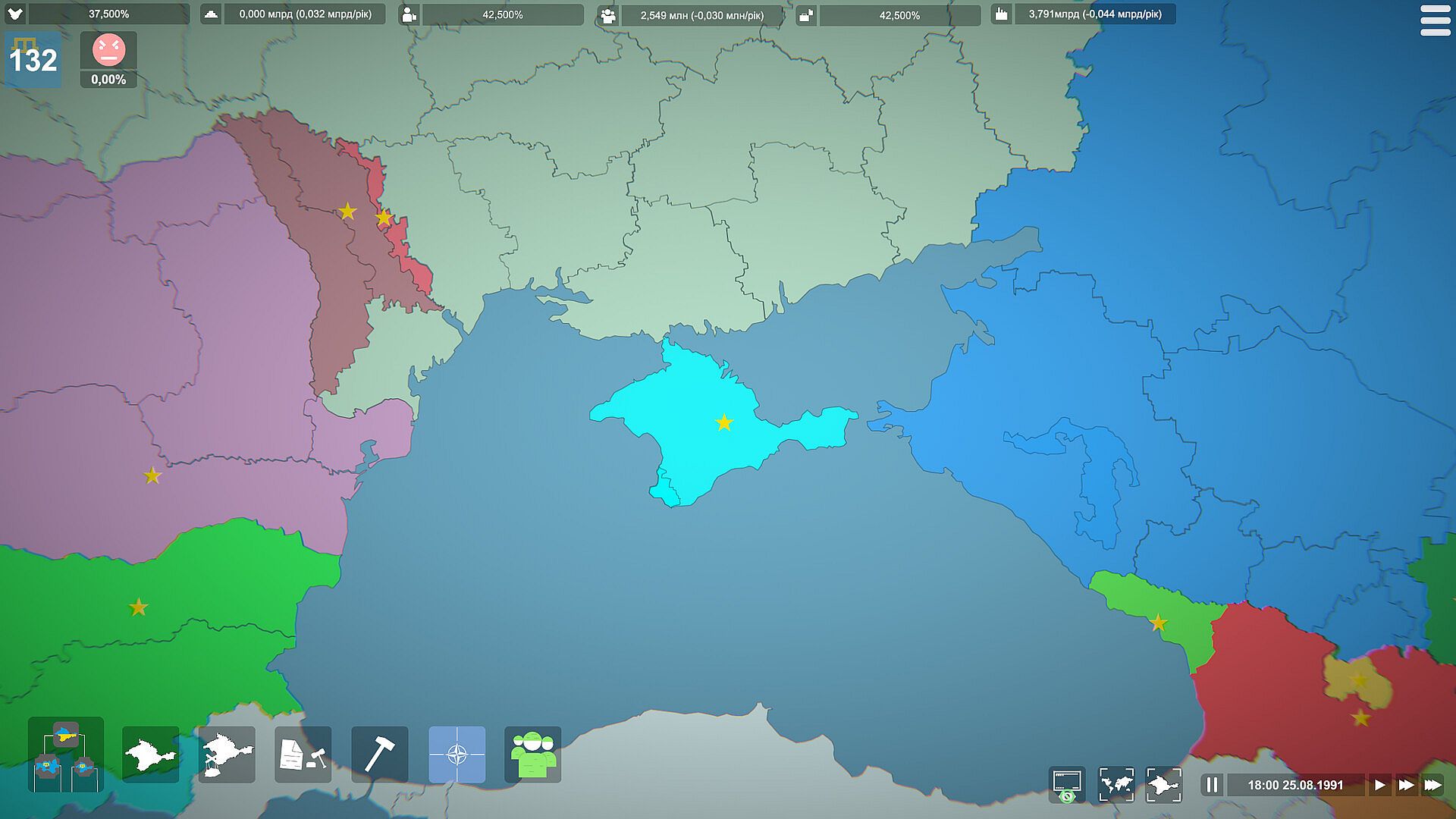
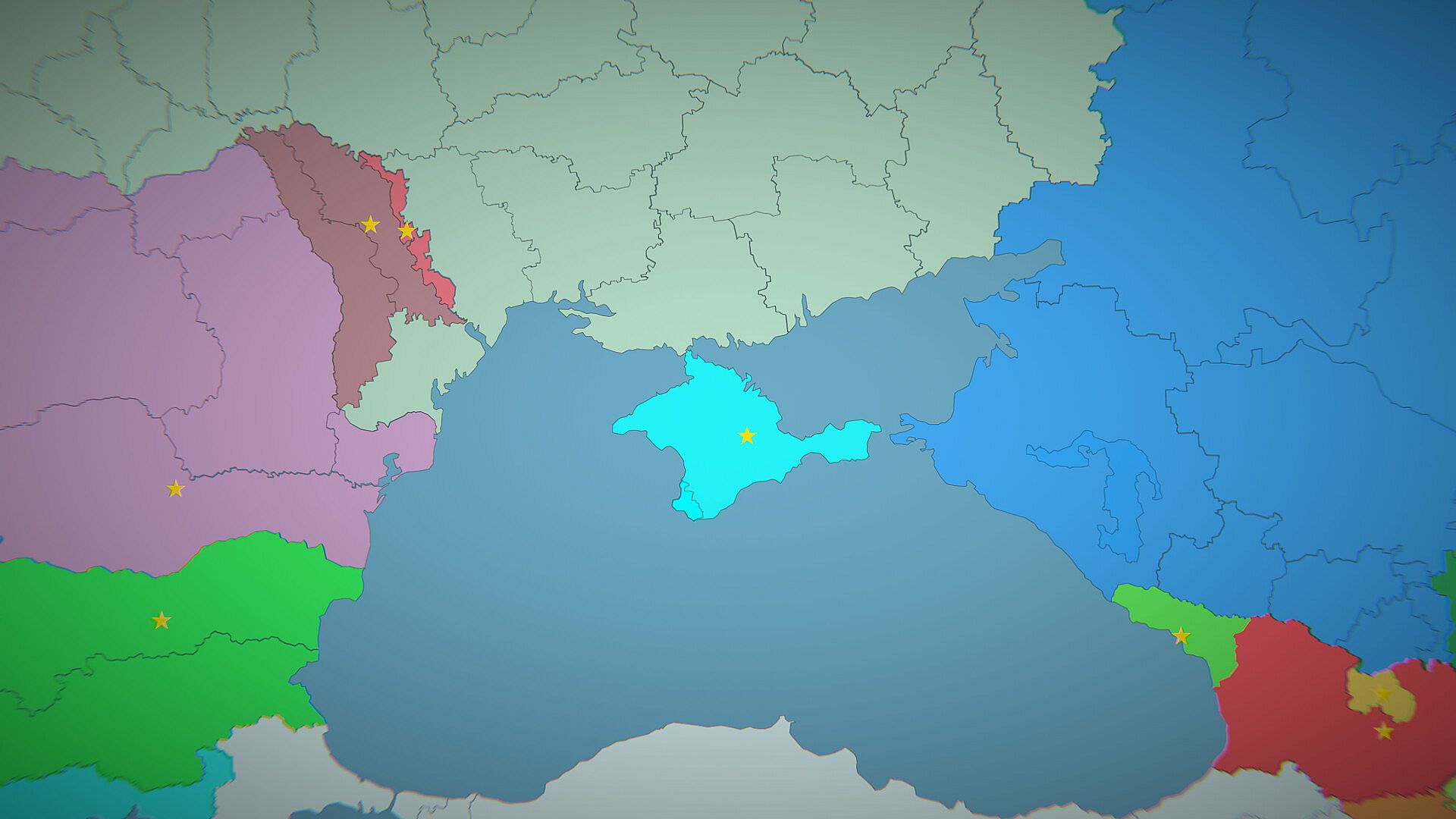
Simulator of Ukraine 1991 - Play for Crimea is a single-player grand strategy and simulation title set in the early 1990s. Players take control of Crimea during the period immediately after the Soviet withdrawal, managing limited resources while balancing identity preservation and economic growth in an alternate-history scenario.
Gameplay
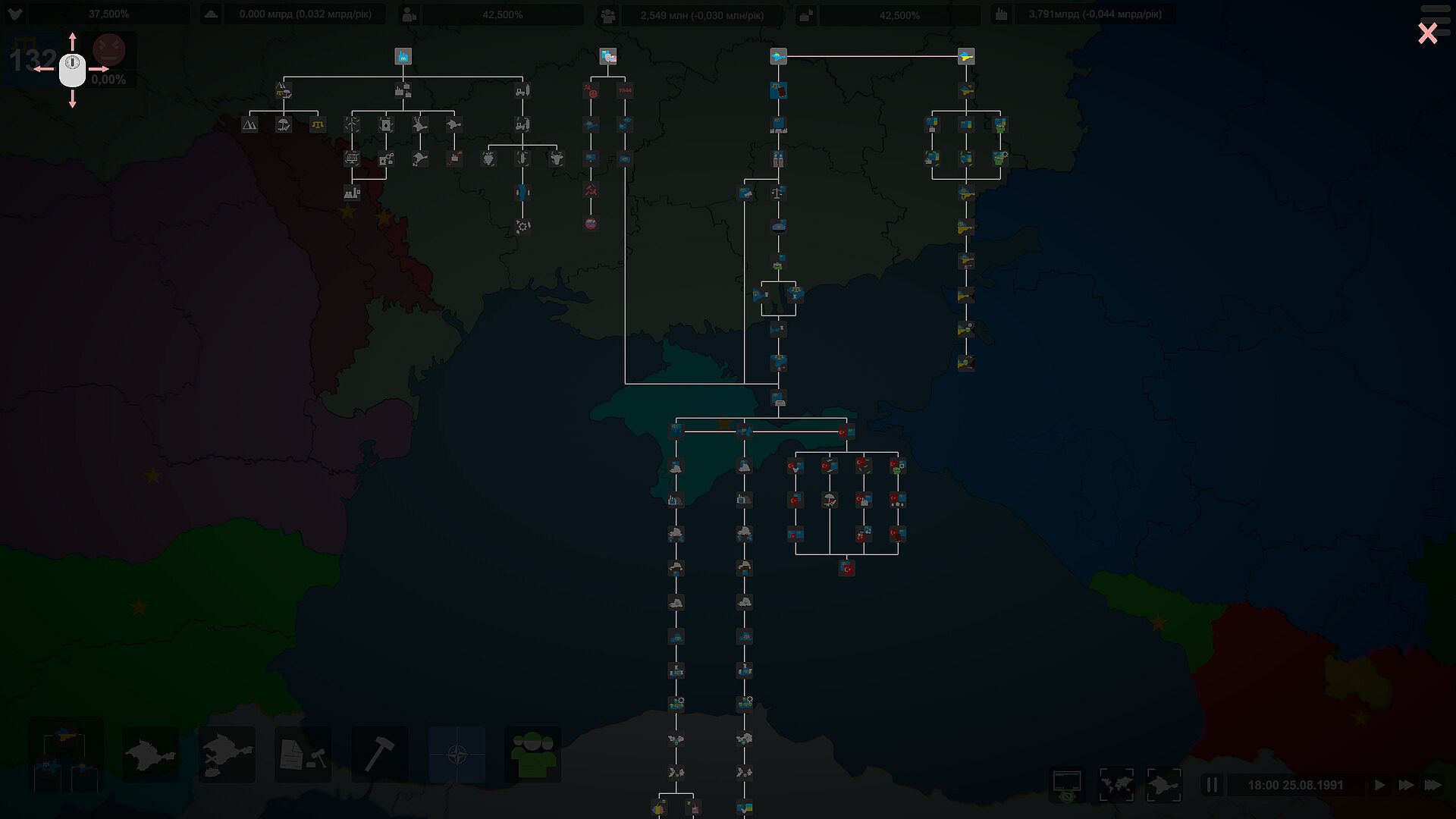
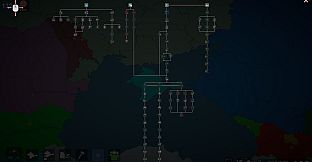
The core loop centers on a focus tree system that drives major decisions and world changes. Completing focuses advances national goals and alters diplomatic relations. An influence mechanic lets players engage with neighboring regions, raising their sway to enable purchases or annexations of territory. Controlled areas improve through targeted support from investors and local populations, which boosts stability and output over time.
Resource management begins from a minimal base. Early choices revolve around infrastructure and alliances that determine long-term viability. The simulation emphasizes internal development alongside external maneuvering, with each decision carrying consequences for economic output and regional cohesion.
Game Modes
The experience remains single-player throughout. The primary path splits into two broad directions: full independence or alignment with Ukraine. Independence opens three distinct branches. One emphasizes ties with Turkey for trade and security benefits. Another focuses on expanding control across the Black Sea through naval and territorial gains. The third centers on reclaiming historical lands via diplomatic or forceful means.
Supporting Ukraine instead integrates Crimea into a larger national framework, shifting priorities toward coordinated economic projects and shared defense. All routes start with scarce assets, requiring careful prioritization of identity-focused policies and basic industry to avoid early setbacks.
Key Mechanics and Systems
Focus trees serve as the main progression tool, similar to other grand strategy titles but tailored to the 1991 Ukrainian context. Influence accumulation requires consistent diplomatic effort and can unlock permanent territorial changes. Regional upgrades rely on dual support tracks: investor capital for rapid infrastructure and population backing for sustained stability.
Economy building stays grounded in realistic constraints of the era. Players must weigh short-term survival against long-term identity goals, with limited starting options forcing trade-offs between military readiness, trade deals, and domestic reforms.
Is It Worth Playing?
The base game and its DLCs, including this Crimea scenario, hold Very Positive ratings from roughly 200 reviews on the primary distribution platform. Players who enjoy focused single-player grand strategy with alternate-history elements and political simulation find the systems engaging despite the modest scope.
It suits those interested in niche historical what-if scenarios and incremental nation-building from humble beginnings. The short-to-medium play sessions and clear branching paths reward experimentation without overwhelming complexity. Recent updates have expanded available factions through additional content, keeping the experience fresh for returning players.
Those seeking deep multiplayer competition or large-scale real-time battles may find the single-player focus limiting. For fans of strategy simulations centered on 1990s Eastern Europe and alternate paths to sovereignty, the title delivers a concise, decision-driven experience that matches its premise.