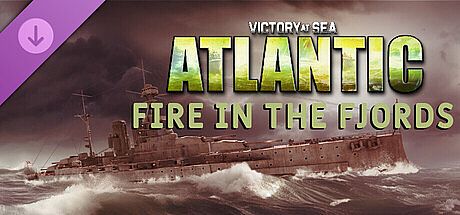


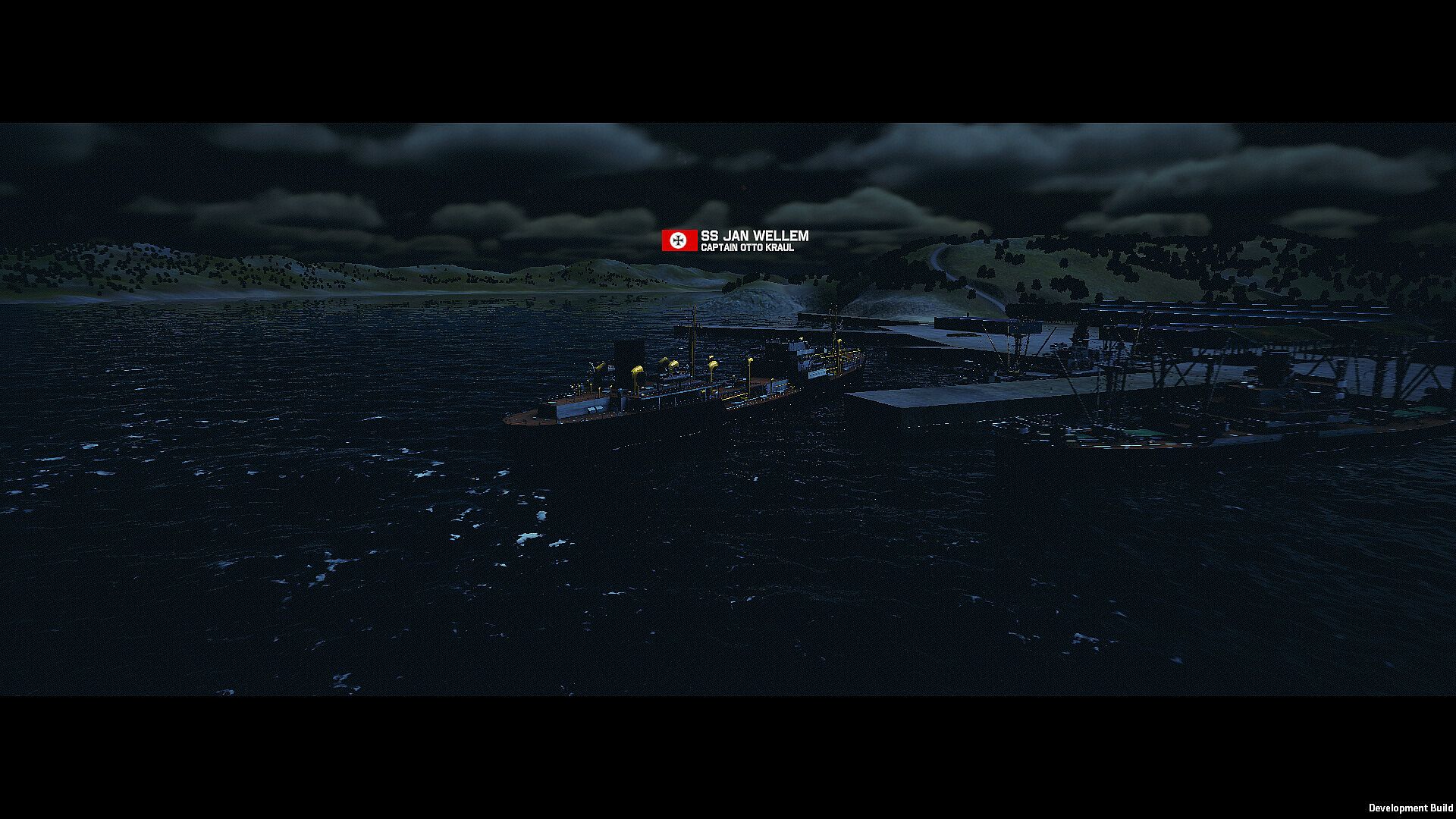
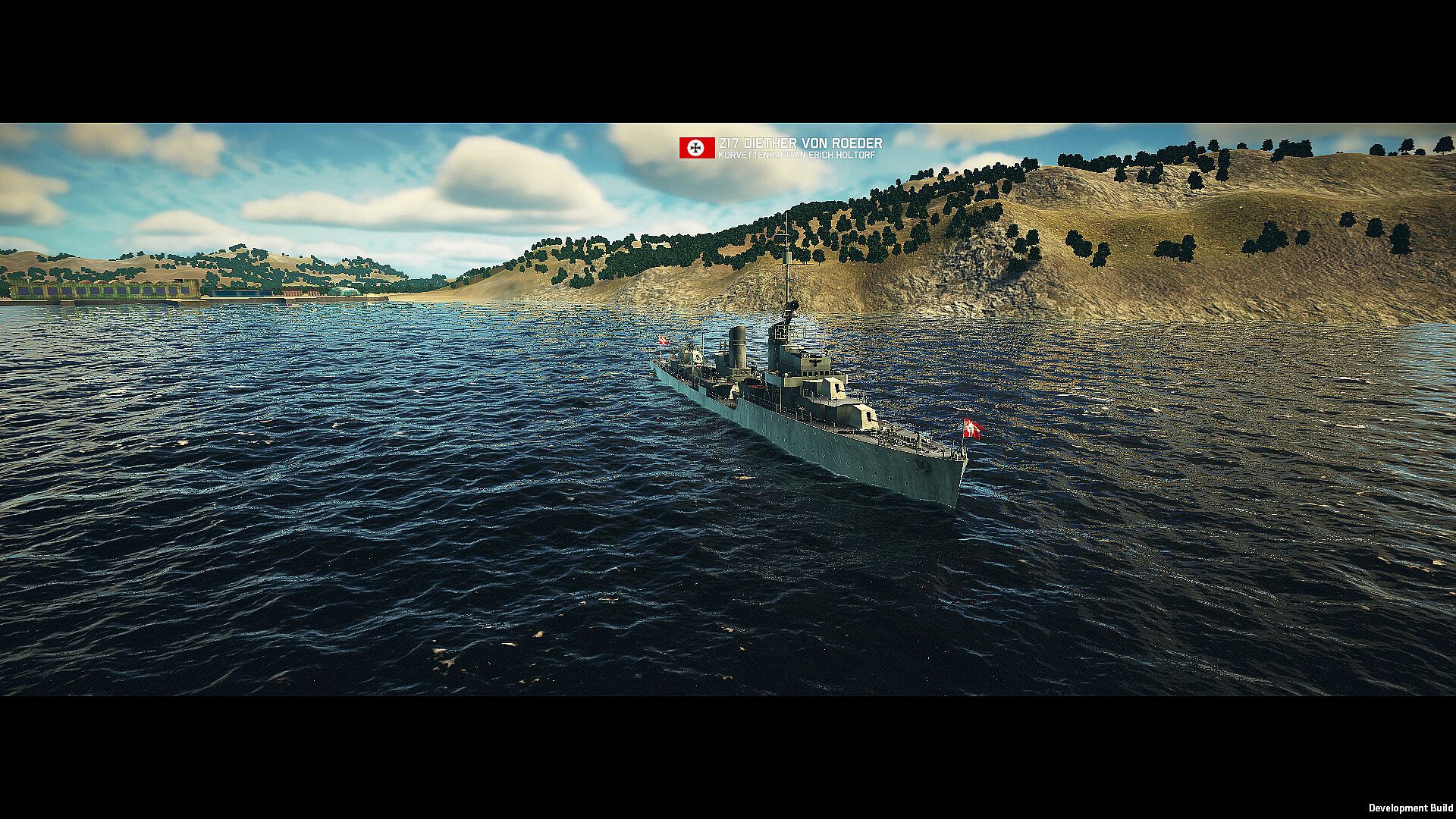
Scenario Pack 3 "Fire in the Fjords" is a content expansion for the naval strategy game Victory At Sea Atlantic. It adds four historical scenarios set during World War II and introduces new ship classes for the Royal Navy and the Regia Marina. The pack focuses on naval combat in the Atlantic and Mediterranean theaters, with emphasis on destroyer and cruiser engagements in challenging conditions.
Gameplay
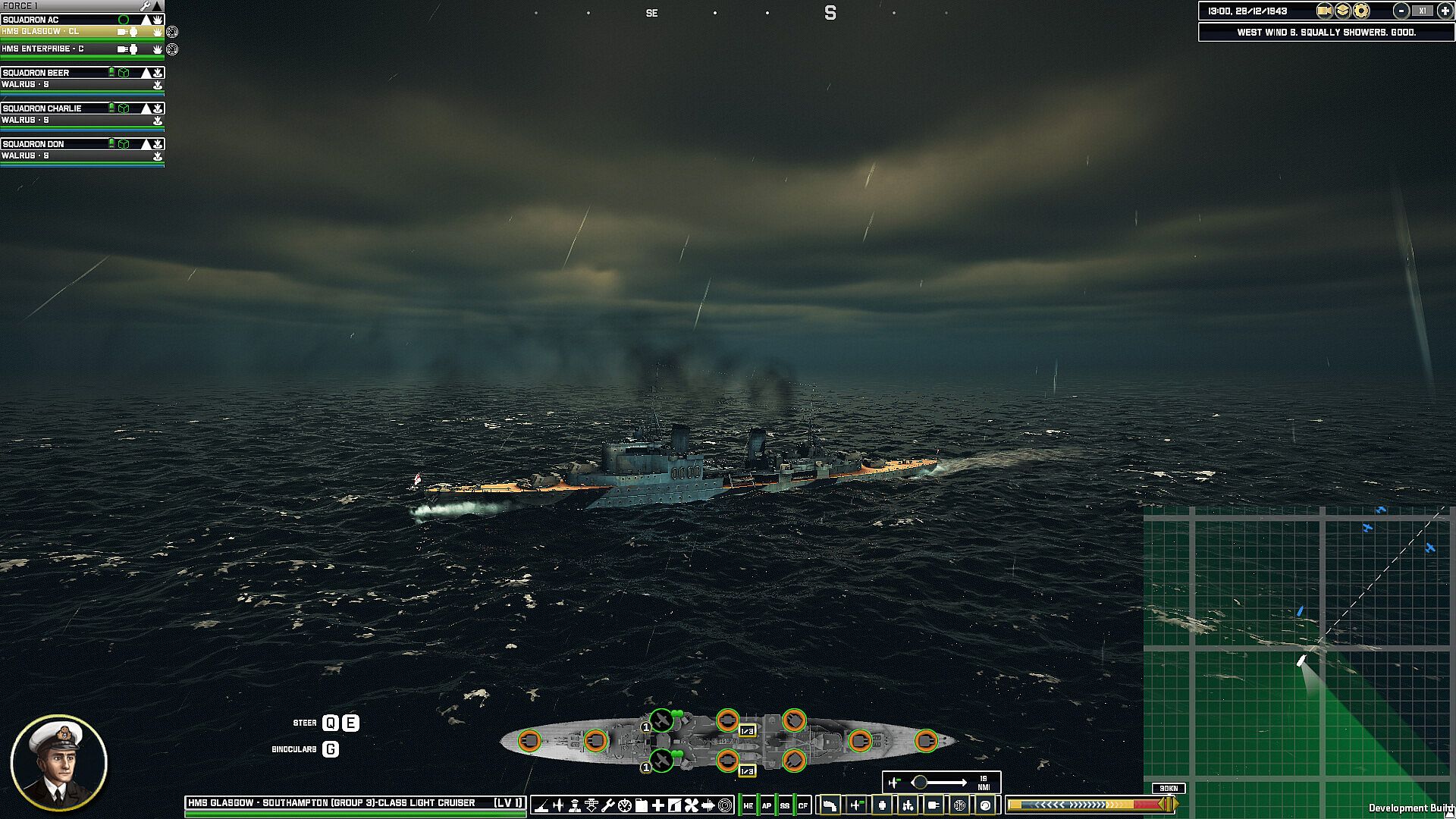
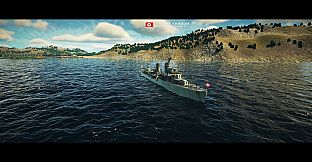
Players command fleets of warships in real-time naval battles that recreate specific World War II encounters. Core mechanics revolve around positioning ships, managing firepower, and responding to environmental factors such as snow-covered fjords, heavy weather, and night operations. The expansion integrates new vessel types that expand tactical options for both factions, including light cruisers and various destroyer classes that emphasize speed, torpedo attacks, and gunnery duels.
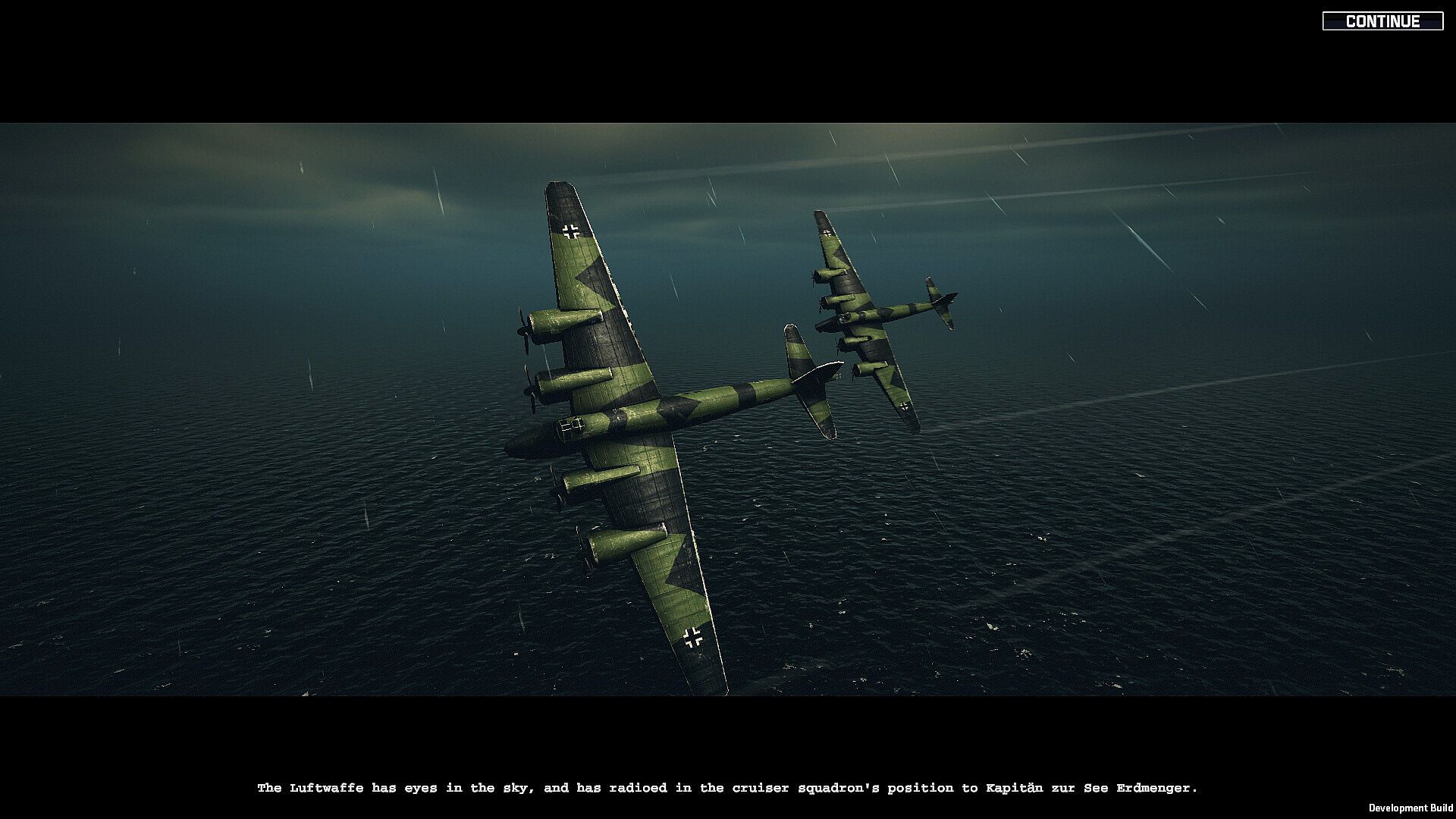
Combat occurs at sea with attention to historical details like the advantage of high ground for German forces in Norwegian waters or the threat posed by reconnaissance aircraft in the Bay of Biscay. Resource and fleet management elements from the base game carry over, allowing players to deploy these new classes in broader strategic contexts. The simulation aspects cover ship handling, damage modeling, and coordination between different vessel roles during engagements.
Game Modes
The pack centers on four standalone historical scenarios that players can select directly. These present fixed-force battles with defined objectives and opposing fleets drawn from the historical record. In addition, all new ship classes become available in the sandbox campaign mode, where players build and maintain fleets across a larger strategic map involving patrols, territory control, and encounters with enemy forces.
Scenarios run as self-contained missions that test specific tactical approaches without requiring progression through a larger campaign. The sandbox mode supports ongoing fleet operations where the added vessels integrate alongside existing roster options from the base game and other expansions.
Historical Scenarios
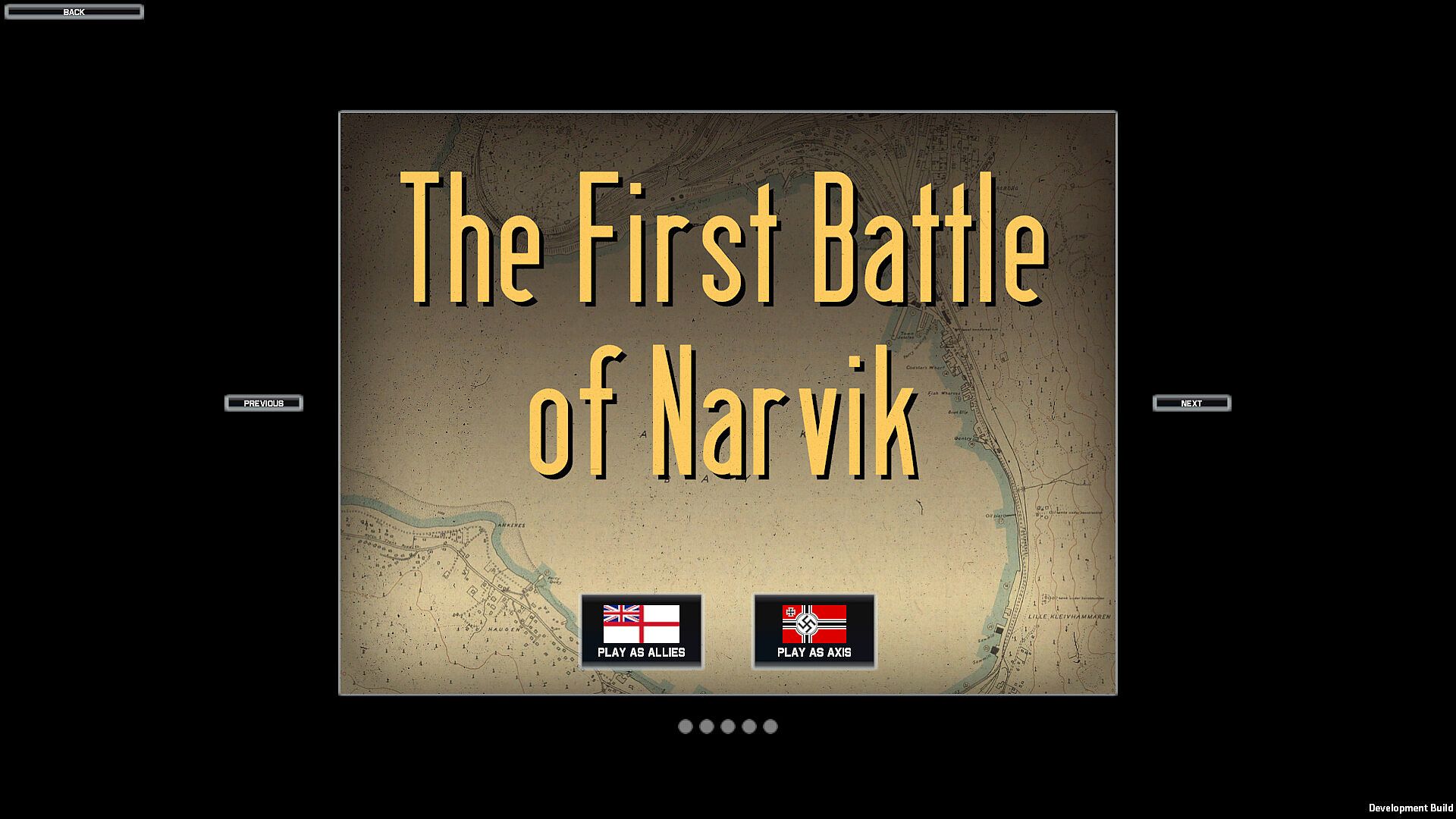
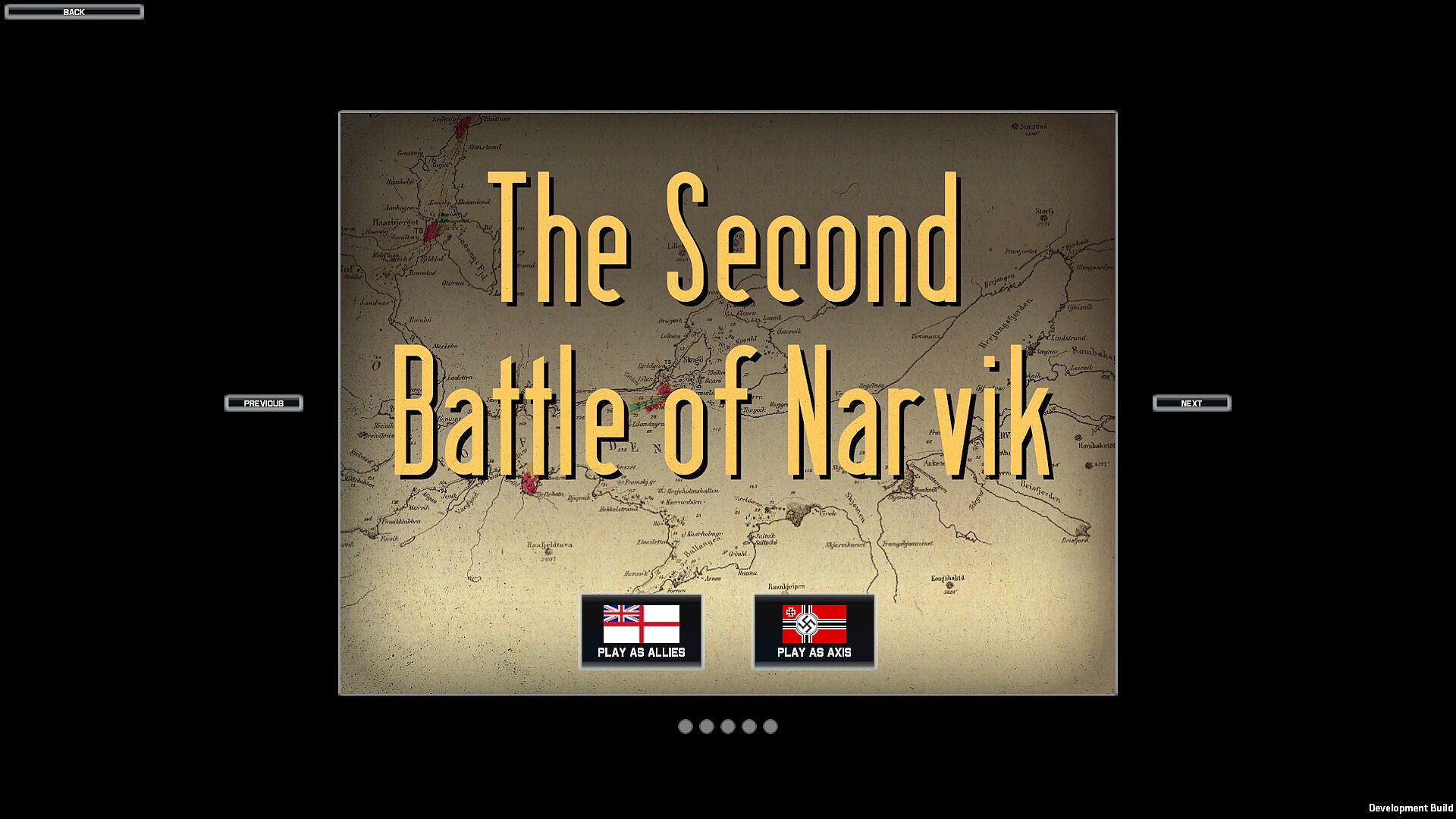
First Battle of Narvik places British destroyers in a direct assault against a larger German force holding a Norwegian port under winter conditions. Second Battle of Narvik follows with a reinforced British squadron including the battleship Warspite attempting to clear remaining German destroyers from the same fjord system.
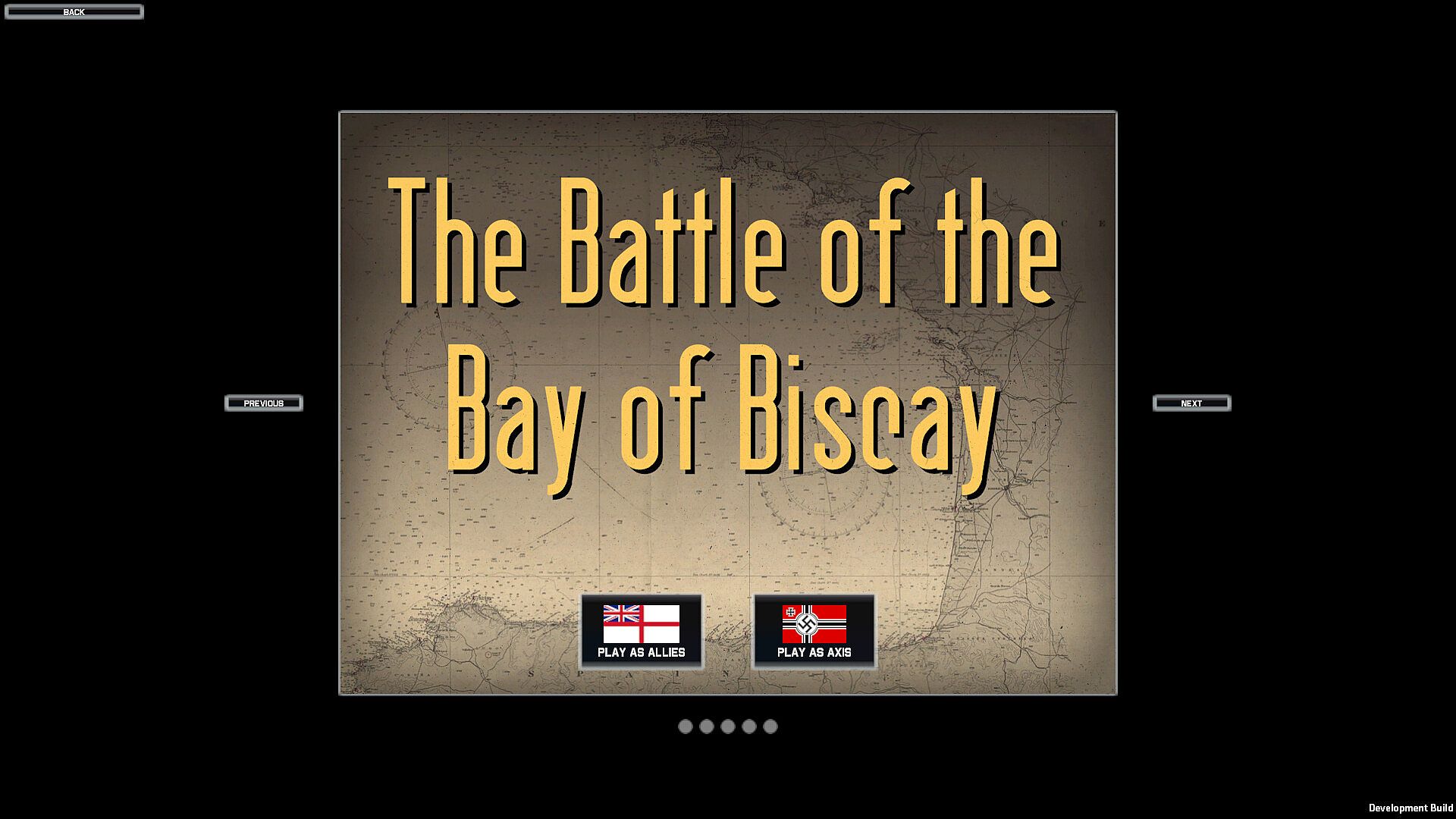
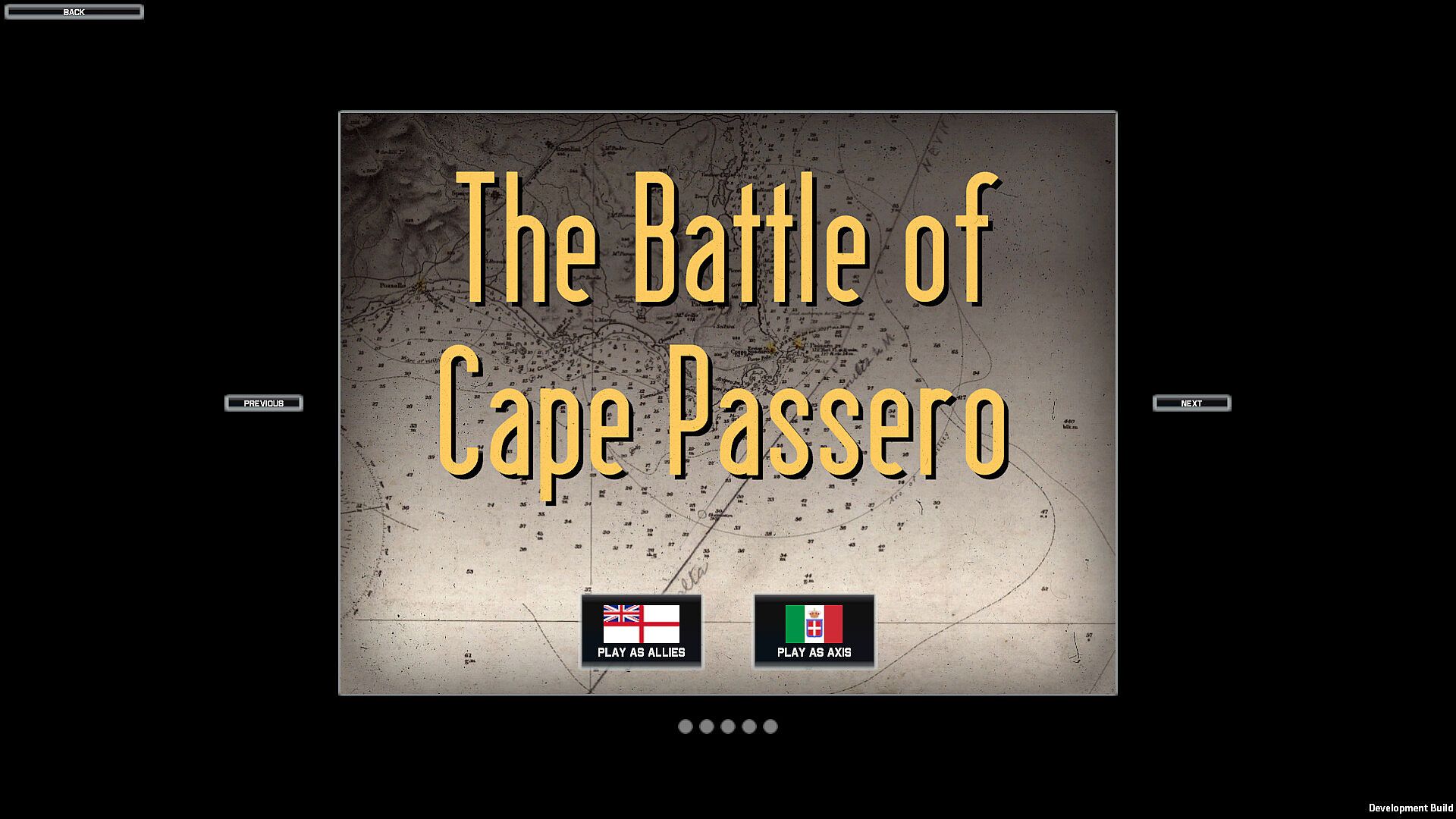
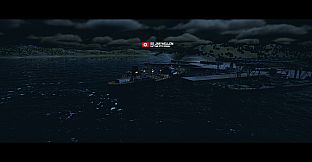
Battle of Cape Passero involves a British cruiser and destroyer group intercepting an Italian torpedo boat convoy at night near Sicily, where detection and rapid response determine the outcome. Bay of Biscay depicts British cruisers pursuing German destroyers in rough seas while facing potential air reconnaissance from a Condor aircraft overhead.
New Ship Classes
The Royal Navy gains access to Emerald-class light cruisers, the Town-class cruiser Glasgow, and E&F, G&H, and Tribal-class destroyers. The Regia Marina receives Spica-class torpedo boats and Soldati-class destroyers. Several destroyer classes appear in both factions' lineups and carry over to related content packs when owned.
These additions focus on lighter, more agile vessels suited to the close-quarters fighting and escort duties featured in the new scenarios. All classes function in both the historical missions and the open sandbox campaign.
Is It Worth Playing?
This expansion suits players interested in detailed World War II naval simulations and historical scenario play. It provides targeted additions to fleet composition and mission variety without altering the core structure of the base game. The scenarios deliver focused tactical challenges that highlight specific ship types and environmental conditions, while the sandbox integration extends long-term fleet building options.
Those who enjoy managing naval forces across campaigns and testing historical matchups will find the content adds meaningful depth. Availability requires ownership of Victory At Sea Atlantic, and the pack operates entirely within the existing single-player framework of naval strategy and simulation.