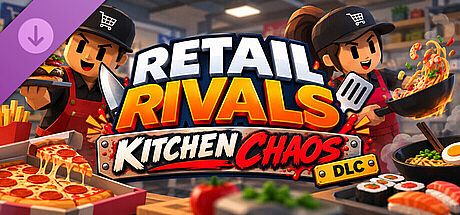


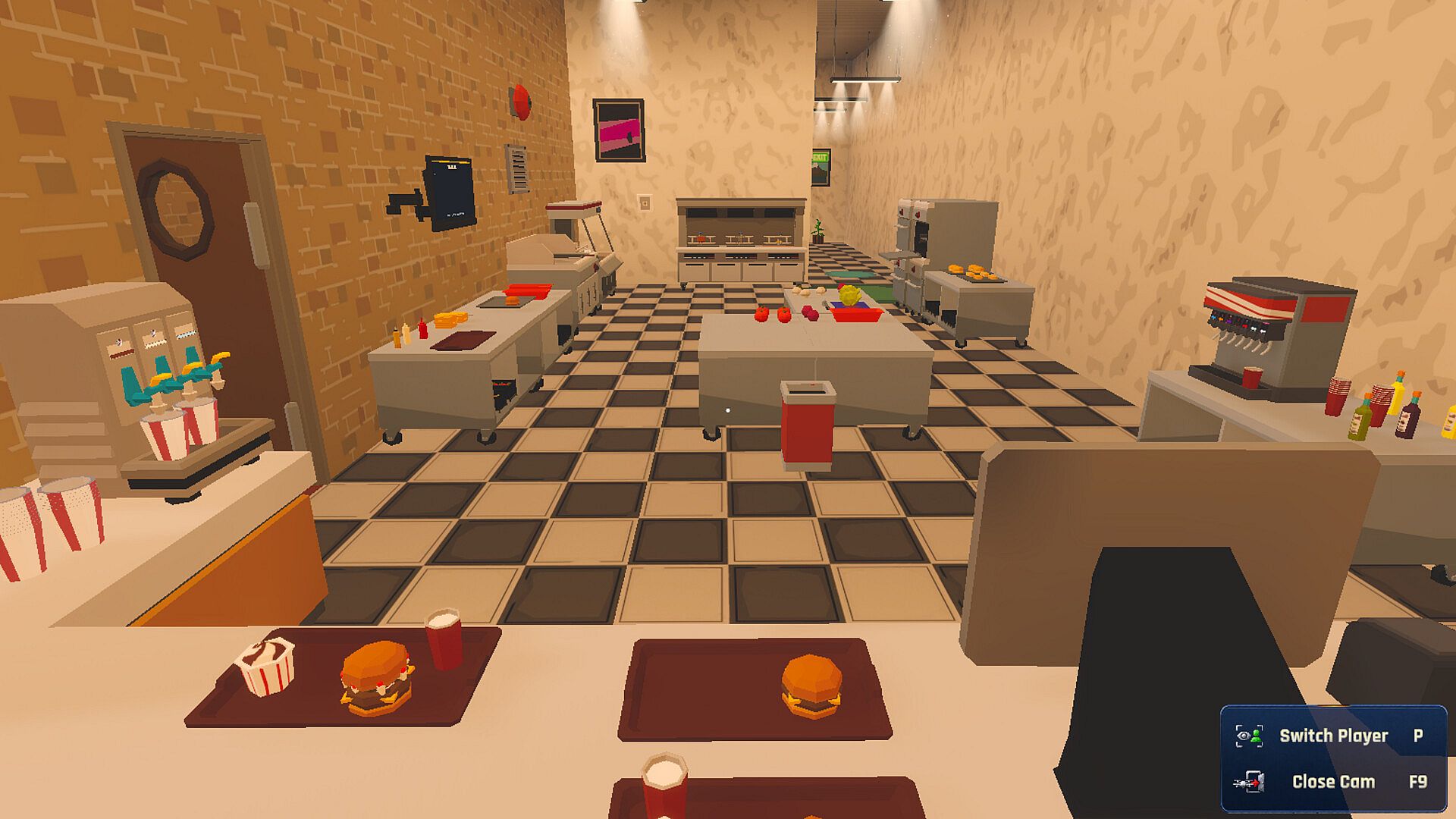
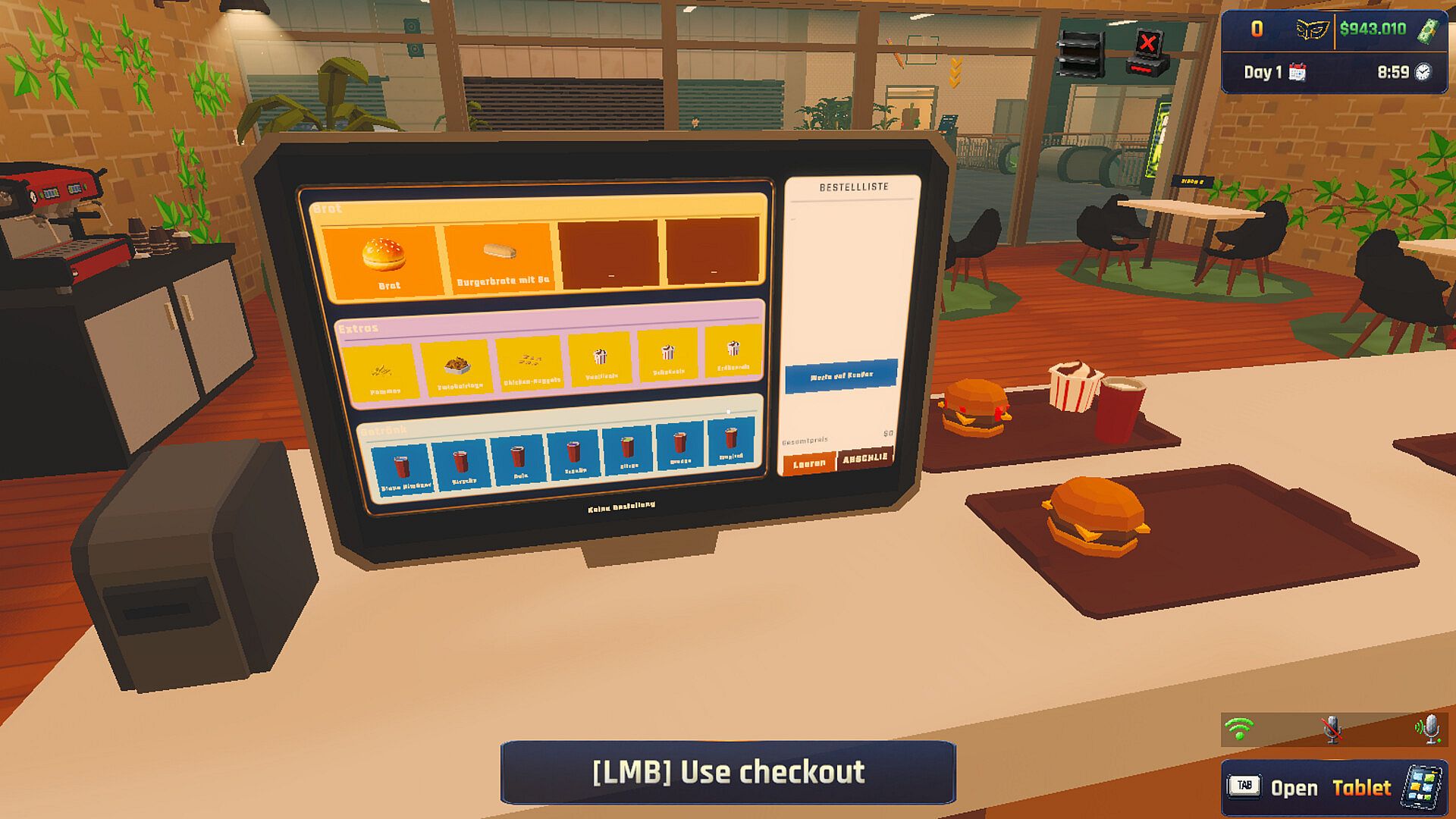
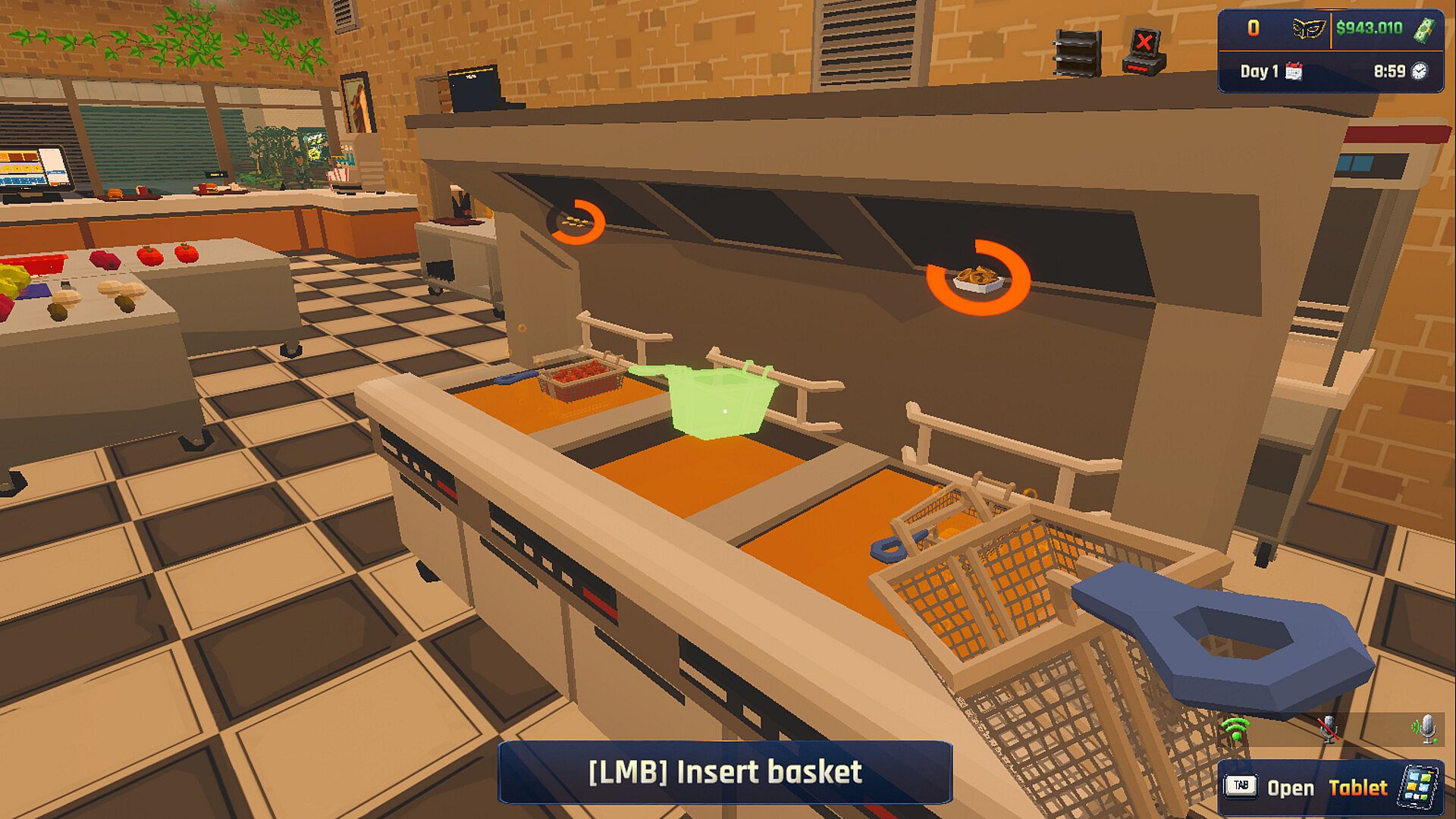
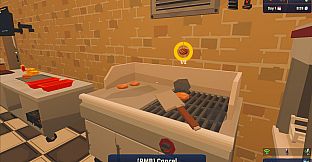
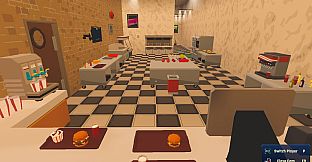
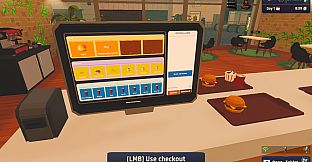
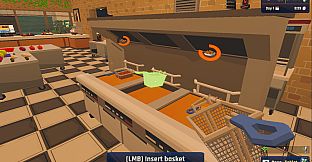
Retail Rivals: Kitchen Chaos is an indie casual simulation game on PC that blends shop management with hands-on restaurant operations. Players manage burger or pizza restaurants inside the competitive world of Retail Rivals, where cooking meals, expanding facilities, and serving customers form the core loop alongside rivalry tactics.
Gameplay
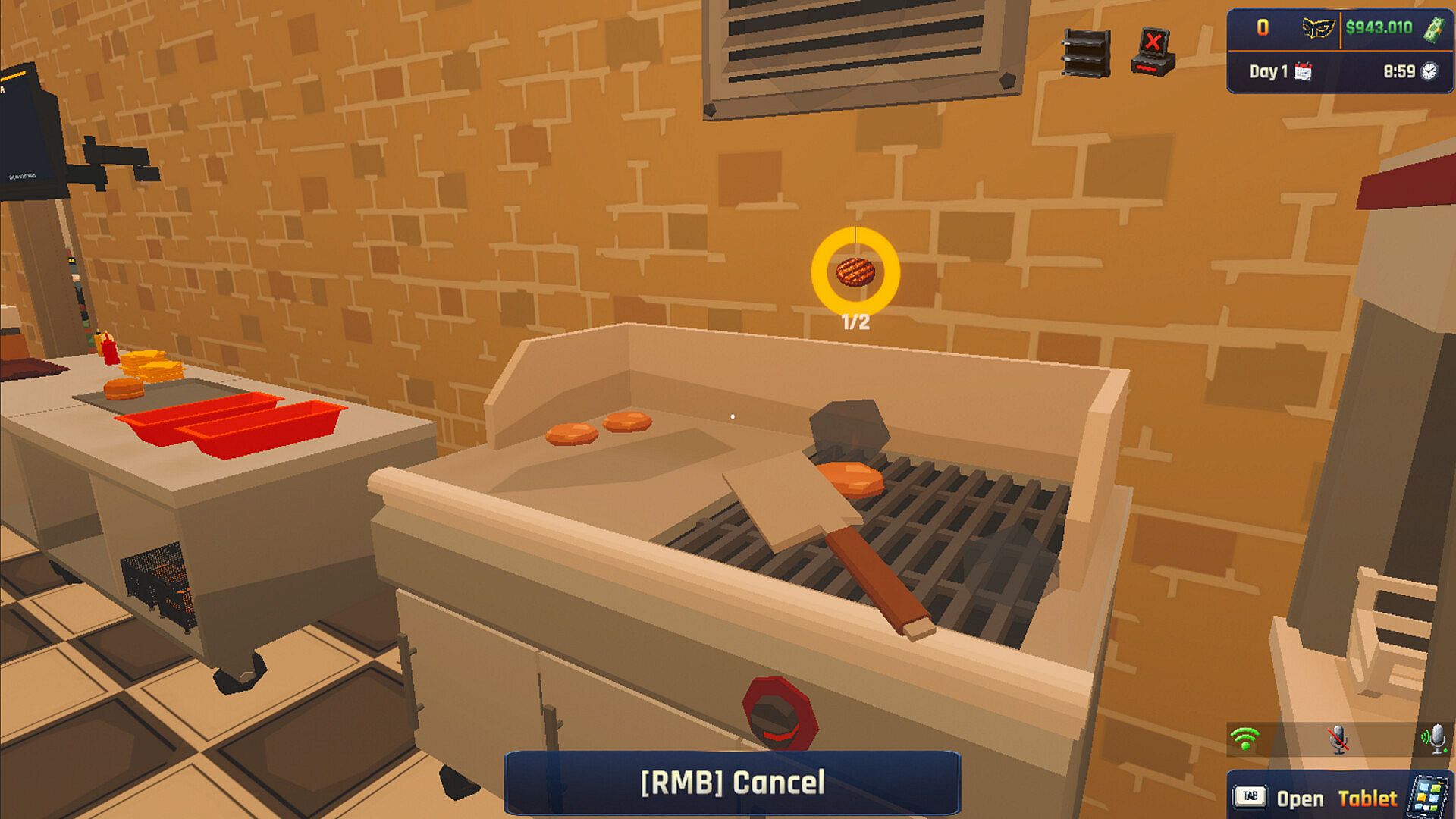
The experience centers on preparing food from scratch rather than stocking shelves. Players order ingredients, follow recipes to cook items, and deliver completed meals to waiting customers. Progress unlocks additional recipes that expand the menu and require upgrades to kitchen equipment for efficient handling of multiple orders at once.
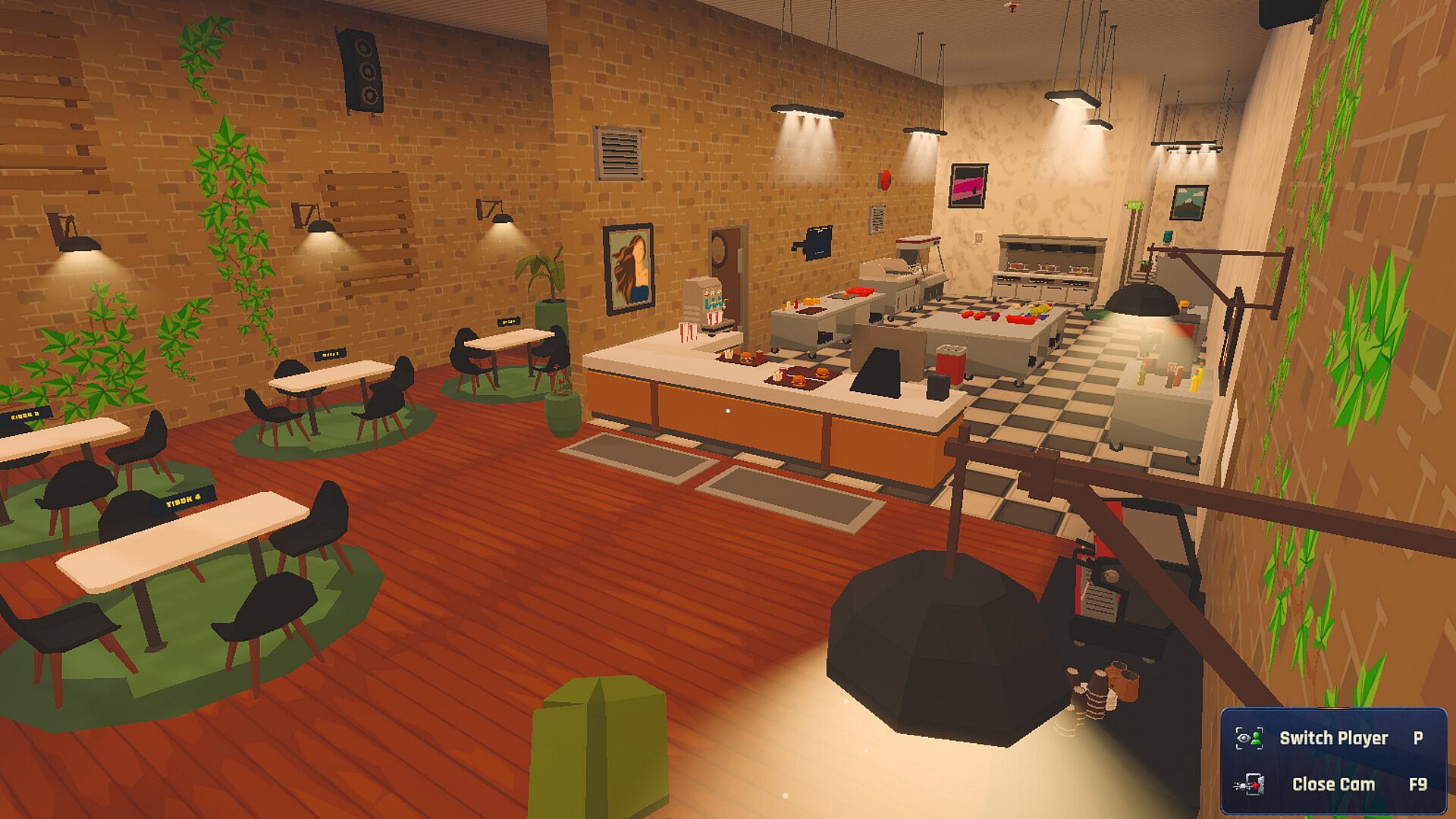
Restaurant growth happens through targeted expansions of separate zones. The kitchen area supports more cooking stations, the dining section accommodates larger crowds, regular storage holds dry goods, and cold storage preserves perishables. Each addition increases capacity but demands better multitasking to avoid bottlenecks during busy periods.
These restaurant systems connect directly to the existing Retail Rivals framework. Sabotage options against competing businesses remain available, regular shops continue to operate in the same environment, and overall progression ties into profit goals and customer flow across the shared space.
Game Modes
Matches support varied victory conditions carried over from the base experience. Players can compete until a set number of days pass, aim for the highest total profit, or focus on owning the most shops. Custom objectives allow tailored rules for specific sessions.
An endless mode removes fixed endpoints and lets competition continue indefinitely. A dedicated Kitchen Chaos mode emphasizes the new restaurant mechanics while keeping the broader rivalry elements intact.
Multiplayer sessions require every participant to own the content for access to the restaurant features and associated mode. Up to eight players can join in cooperative or competitive setups, with sabotage and shop interactions affecting all participants equally.
Restaurant Development and Competition
Menu planning involves choosing which recipes to prioritize as the business scales. Early unlocks focus on basic burgers or pizzas, while later options introduce more complex preparations that benefit from expanded storage and cooking capacity. Decisions here shape daily customer throughput and revenue potential.
Integration with rival mechanics adds tension. While focusing on kitchen efficiency, players must still monitor and counter actions from other stores in the shared environment. This creates overlapping priorities between internal restaurant management and external competition.
Is It Worth Playing?
The game suits players who enjoy management simulations that combine steady progression with direct competition. Those drawn to building and optimizing systems will find depth in the cooking and expansion layers, while the retained sabotage and multiplayer elements reward strategic thinking against others.
Recent player feedback on the base Retail Rivals experience has been very positive, with strong ratings reflecting enjoyment of the core shop management and rivalry loop. The added restaurant content extends that foundation with new systems that feel distinct yet connected. Availability on PC makes it accessible for solo sessions or group play when all participants meet the ownership requirement.
Overall, it delivers a focused evolution for fans of the original mechanics who want more hands-on preparation and growth options without losing the competitive edge. Those seeking pure single-player management or entirely separate experiences may prefer sticking to standard shops, but the combined package offers meaningful variety for repeated sessions.