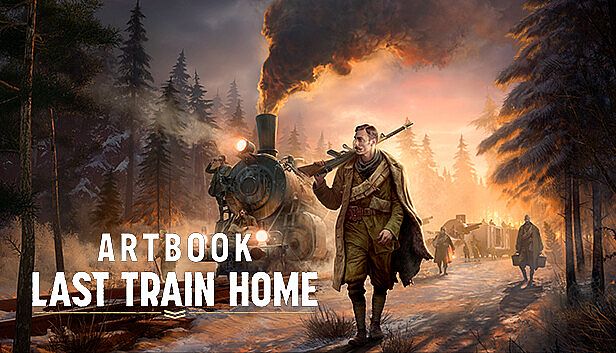



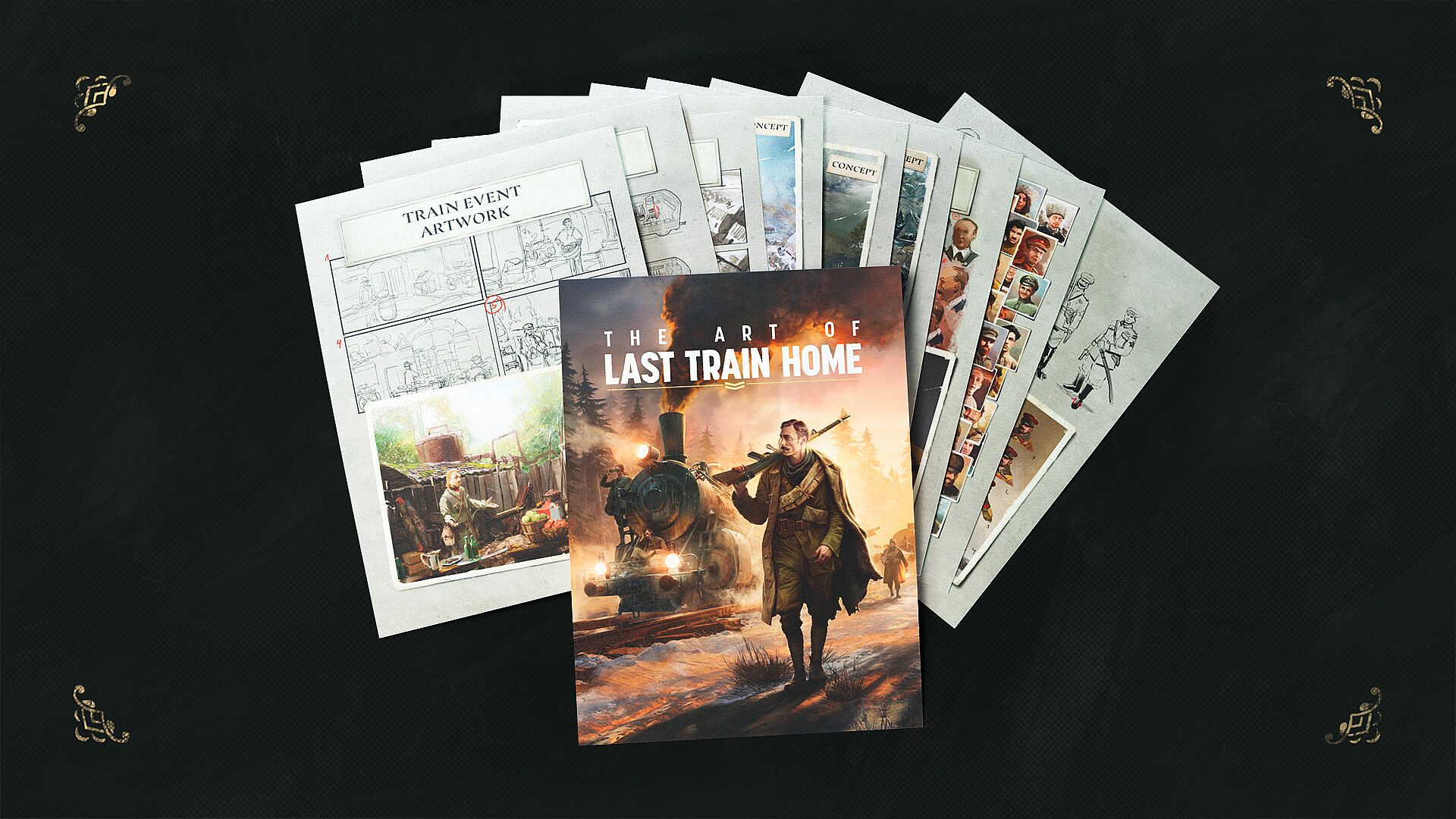
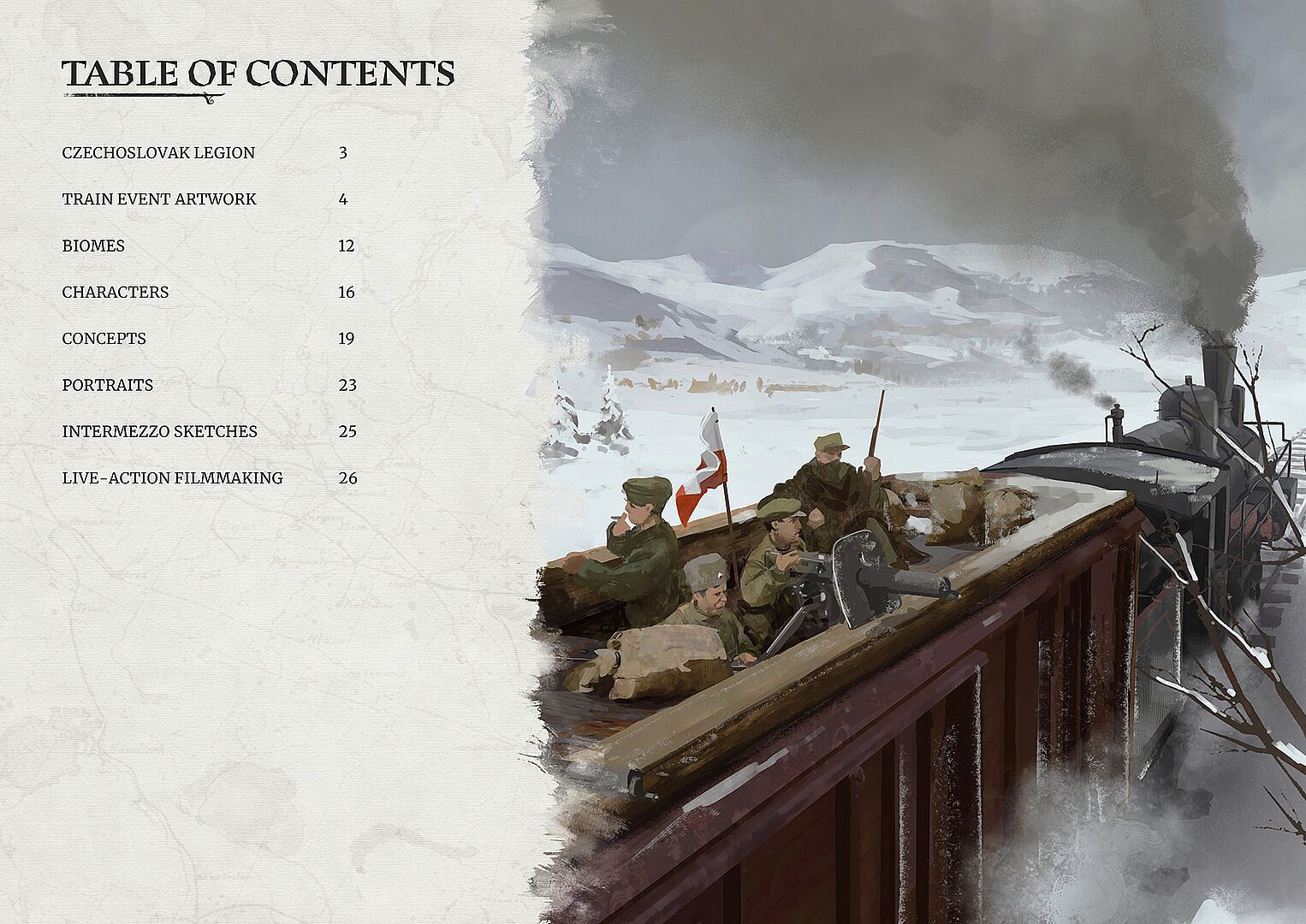
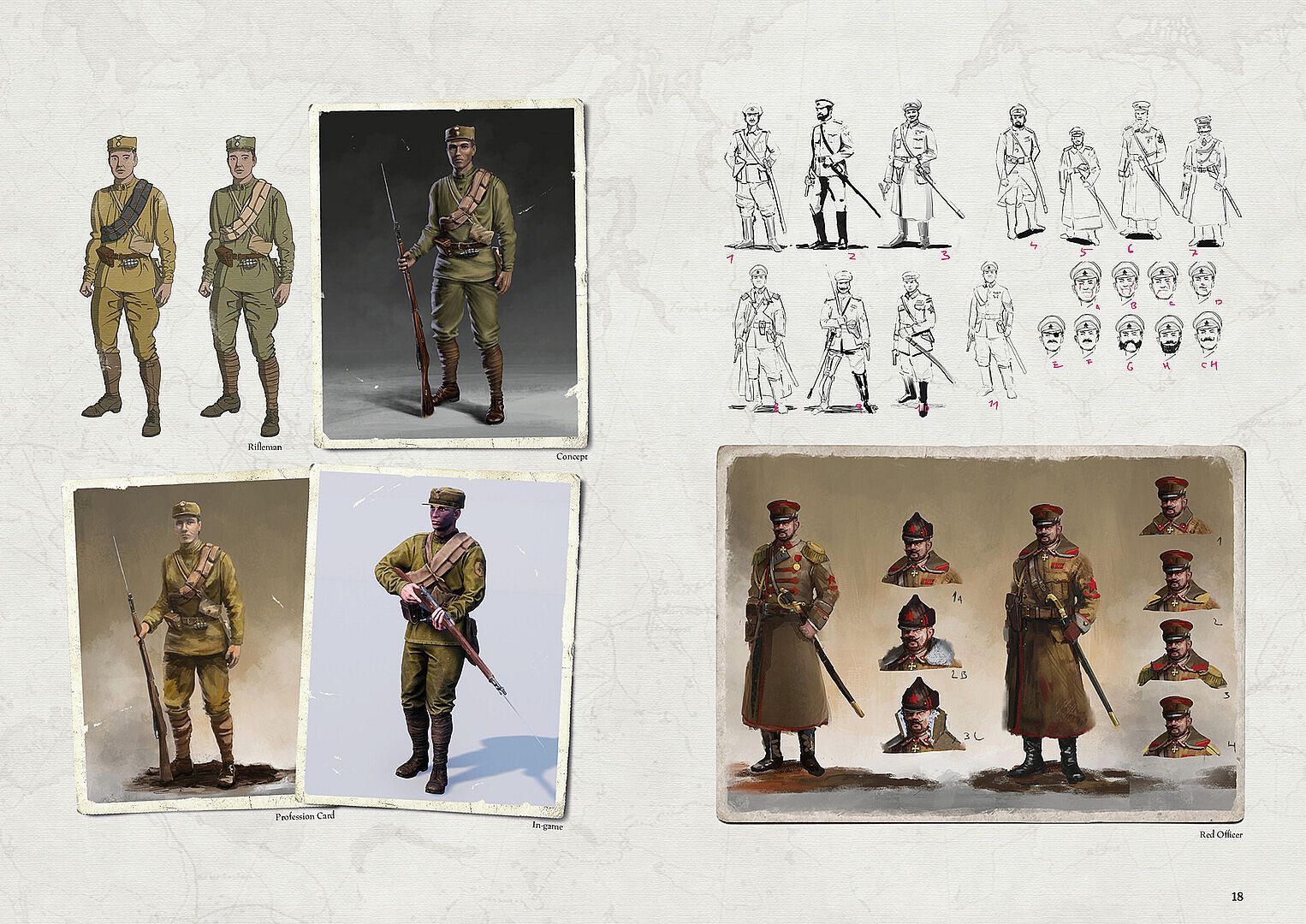

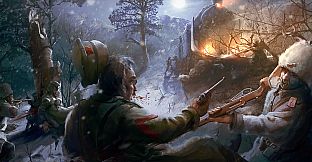
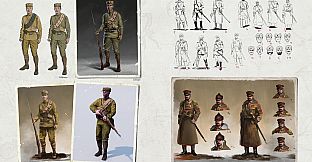
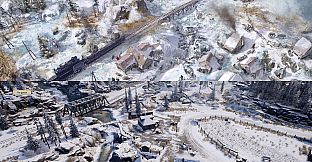
Last Train Home é um jogo de estratégia em tempo real para um jogador ambientado no turbulento período após a Primeira Guerra Mundial. O jogador comanda um destacamento de soldados tchecoslovacos em um trem blindado, tentando atravessar a Sibéria e voltar para casa em meio à guerra civil, ao clima rigoroso e à escassez de recursos. A experiência combina gerenciamento do trem, supervisão da tripulação e combates táticos em uma única jornada contínua, dividida em capítulos.
Gameplay
O ciclo principal gira em torno da operação do trem em um mapa aéreo que avança em tempo real. Os soldados precisam ser distribuídos em funções essenciais, como conduzir, alimentar a caldeira e realizar manutenção para manter a locomotiva em movimento. Os recursos coletados ao longo do caminho permitem aprimorar os vagões e o motor, aumentando durabilidade, capacidade de armazenamento e condições de vida da tropa.
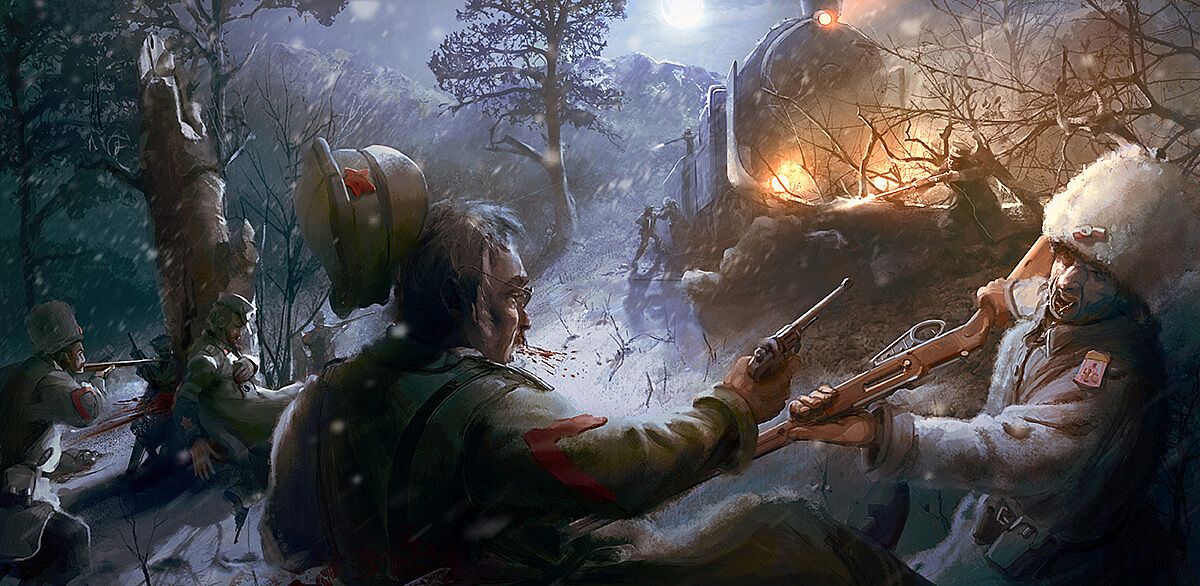
Fora do trem, o jogador forma esquadrões com a tripulação e os envia para interagir com pontos de interesse. Esses locais oferecem oportunidades para coletar suprimentos, negociar mercadorias ou enfrentar inimigos. Os combates acontecem em tempo real e priorizam o planejamento em vez da força bruta, já que as forças inimigas costumam superar numericamente as unidades do jogador. Táticas como flanqueamento, uso de explosivos e abordagens furtivas tornam-se indispensáveis para cumprir os objetivos sem sofrer perdas pesadas.
Os soldados ganham experiência nas missões. Habilidades são desbloqueadas com o tempo, o equipamento melhora conforme os itens coletados e as histórias pessoais se desenvolvem à medida que patentes e medalhas são concedidas. Moral e saúde exigem atenção constante por meio de tarefas realizadas dentro do trem, como produção de itens, cuidados médicos e períodos de descanso.
Modos de Jogo
O jogo é composto exclusivamente por uma campanha para um jogador, estruturada em capítulos sequenciais. Cada capítulo apresenta uma série de missões em tempo real com objetivos variados, que combinam deslocamento pelo mapa, coleta de recursos e confrontos diretos. Não há componentes multijogador ou modos independentes.
As missões integram o deslocamento do trem com o envio de esquadrões, exigindo que o jogador equilibre o avanço da locomotiva com a necessidade de explorar e garantir suprimentos. Os objetivos variam desde a defesa de posições até ataques a postos inimigos, sempre dentro das limitações de pessoal e da necessidade de retornar ao trem antes que as condições piorem.
A Jornada Siberiana
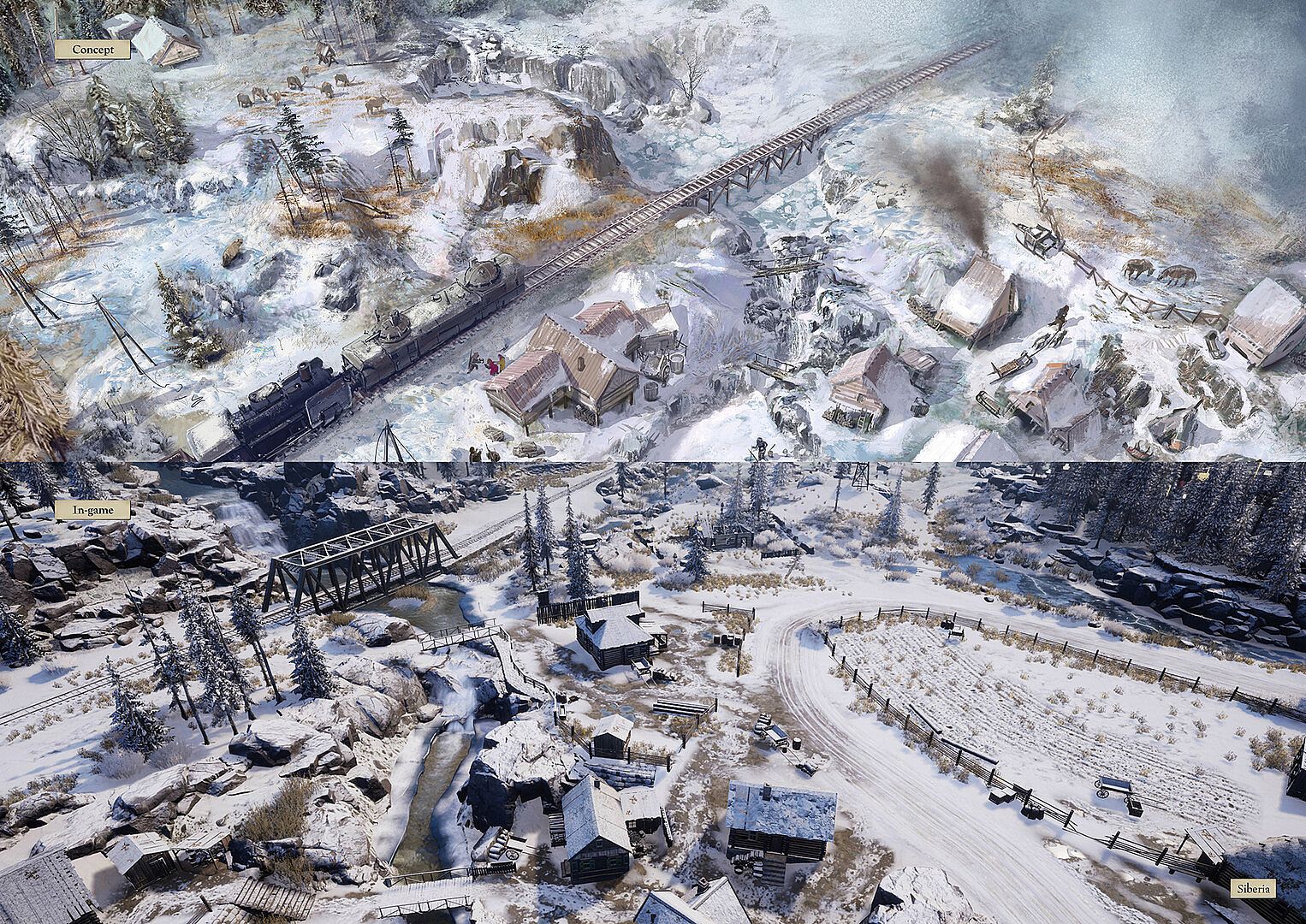
O progresso se desenrola ao longo da Ferrovia Transiberiana e da região selvagem ao redor. Fatores ambientais, como o frio extremo e o terreno difícil, afetam tanto a operação do trem quanto a eficácia em combate. Povoados e locais naturais funcionam como pontos de parada onde a tripulação pode reabastecer e obter informações.
O desenvolvimento dos personagens adiciona profundidade à campanha. Cada soldado carrega um histórico próprio que aparece em diálogos e decisões, enquanto as melhorias no trem refletem o crescimento das capacidades do grupo. A jornada exige adaptação constante, à medida que novas ameaças e oportunidades surgem a cada capítulo.
Vale a Pena Jogar?
Last Train Home é indicado para quem gosta de unir gerenciamento de recursos e decisões táticas em tempo real em um cenário histórico. A campanha oferece uma experiência focada para um jogador, sem distrações de recursos online, e a integração entre manutenção do trem e combates em esquadrão cria um ritmo próprio.
A recepção tem sido muito positiva, com a maioria dos jogadores destacando os sistemas de progressão satisfatórios e o peso de comandar uma força reduzida em território hostil. Quem aprecia um ritmo mais deliberado e atenção ao bem-estar da tripulação encontra mecânicas recompensadoras. O jogo continua disponível no PC sem sinais de suporte interrompido, sendo uma boa opção para fãs de estratégia que buscam uma campanha autônoma.