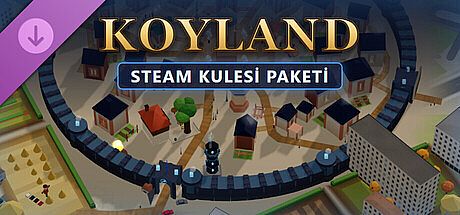


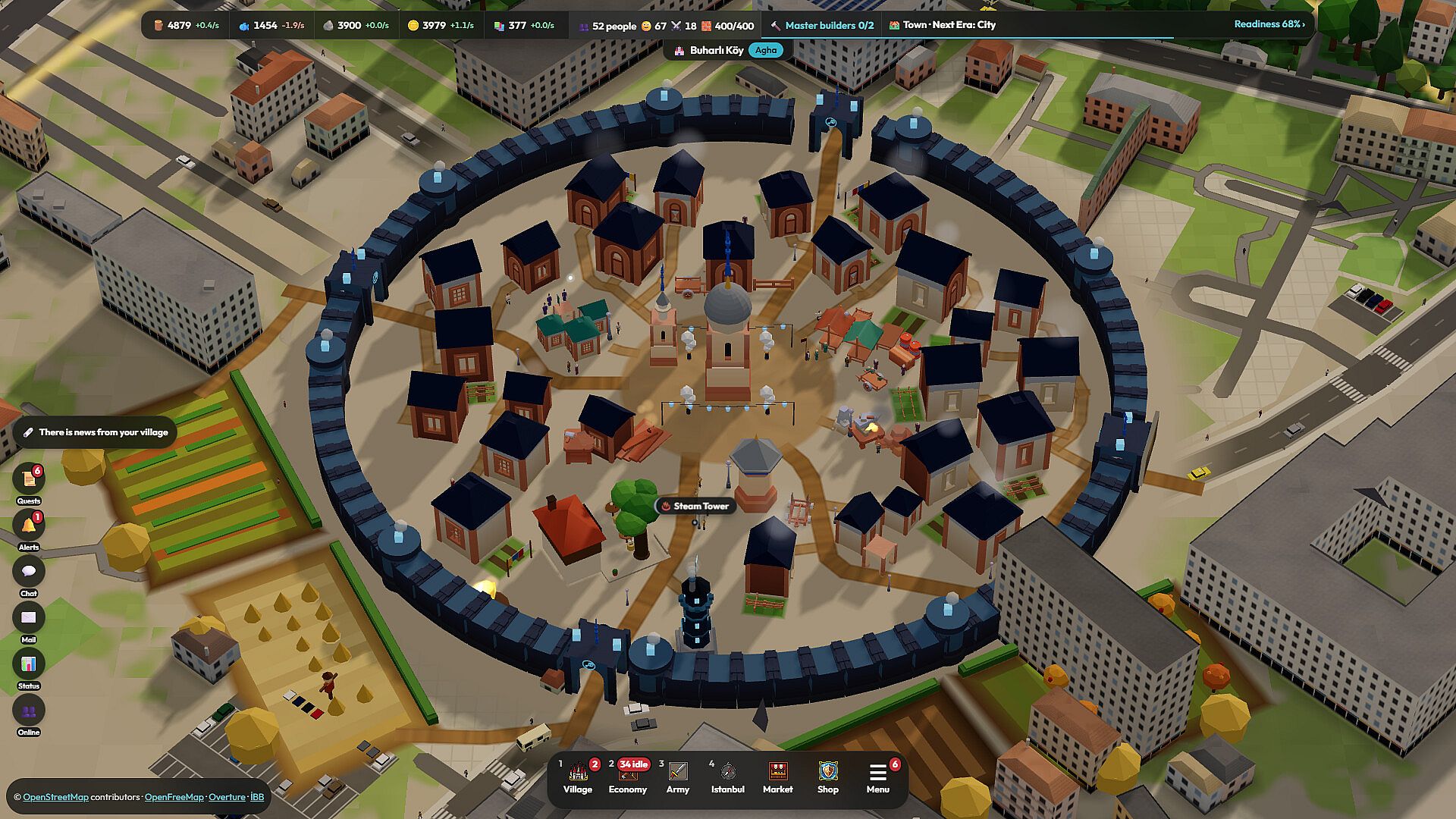
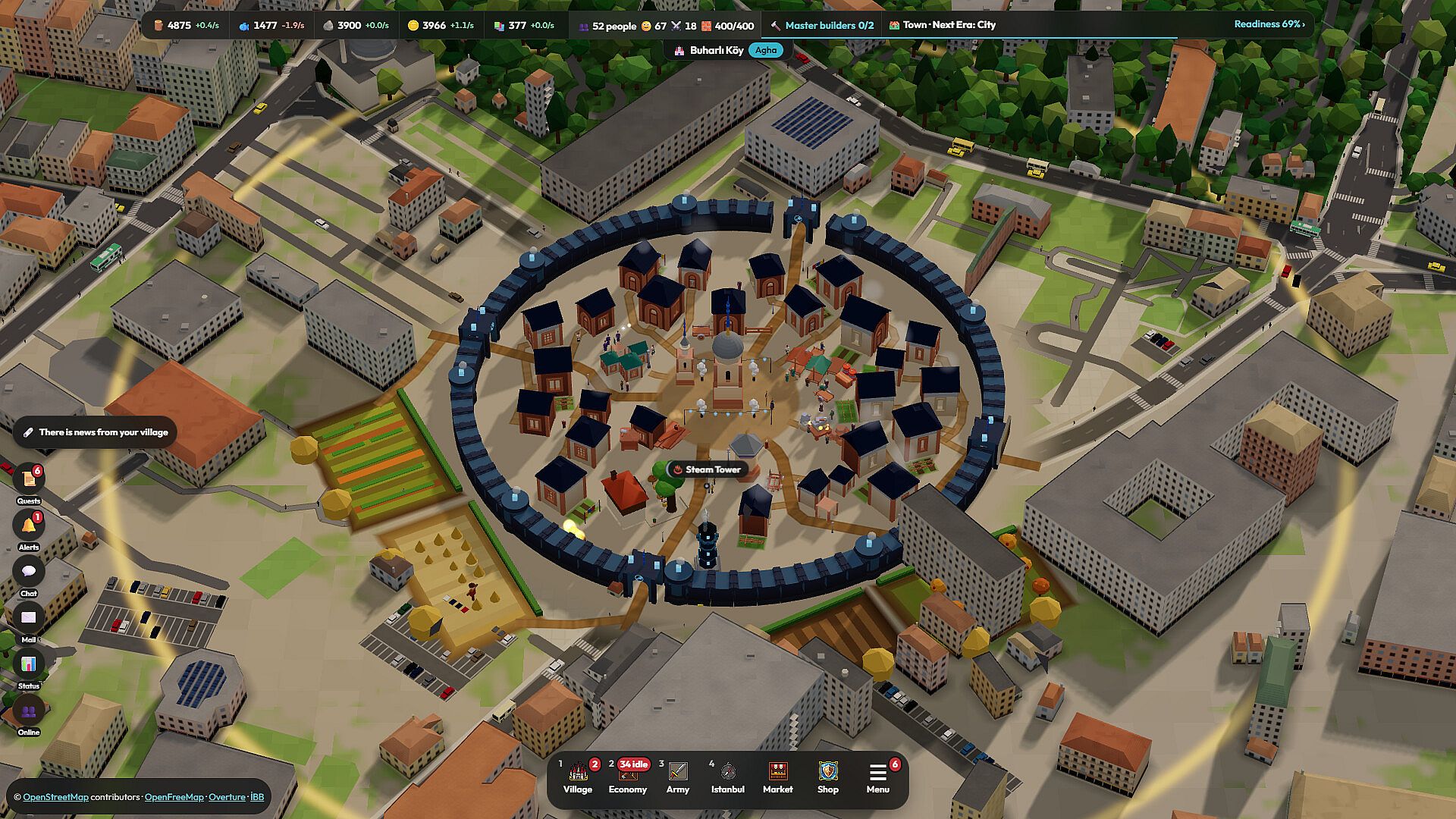
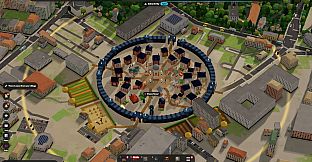
Koyland is a free-to-play strategy simulation game with massively multiplayer elements set on the real map of Istanbul. Players establish and expand a village using authentic OpenStreetMap data that includes the Bosphorus, bridges, streets, and districts in their correct locations. The experience blends city building, resource management, and player interactions in a persistent online world where every landmark matches its real-world counterpart.
Gameplay
Core progression centers on gathering resources and assigning villagers to tasks that support building upgrades and technological advancement through historical ages. Structures rise on the actual city layout, with caravans dispatched along genuine ferry lines and bridges to support trade and expansion. A living environment surrounds the village, featuring flowing traffic, pedestrians, trains, trams, and ferries that operate throughout the day, while nighttime brings illuminated streets and landmarks.
Players raise defensive walls, train soldiers, and conduct raids against neighboring camps or launch sieges against fortified positions. First-person exploration lets the player walk through their own village as the bey, observing details up close. Villagers interact naturally when grouped, displaying speech bubbles during conversations. The system supports both individual growth and coordinated efforts through guilds and market trading.
Game Modes
Building and management form the foundation, where resource allocation and upgrades drive long-term development into a regional beylik. Combat elements include army training, camp raids, and wall sieges that introduce direct confrontation with other settlements. Social and economic layers cover guild membership, market trading, caravan routes, and real-time chat with other players across the shared map.
Exploration integrates seamlessly through the detailed city representation, allowing observation of daily life and movement patterns. Multiplayer features emphasize cooperation in trade and defense alongside competitive sieges and territorial growth. Cross-platform access supports play on PC and mobile devices with account linking.
Customization and Atmosphere
Village appearance can be altered through various cosmetic options that change building styles, lighting effects, and environmental details without influencing production rates, combat strength, or movement speed. Profile elements such as emblems and frames provide additional visual distinction on the shared map. These changes create distinct village identities while preserving the underlying simulation mechanics.
Is It Worth Playing?
Koyland appeals to players who enjoy city-building strategy combined with large-scale multiplayer interactions and a historically grounded setting. The free-to-play model removes entry barriers, and the focus on real-world geography adds a layer of authenticity uncommon in similar titles. Current development emphasizes ongoing refinements to the living city simulation and player tools.
Those drawn to resource management, gradual progression, and social trading will find consistent engagement through daily tasks and long-term projects. Combat-oriented players can pursue army development and sieges, while explorers benefit from the first-person village view and detailed map. The game remains in active development with support for multiple languages and cross-platform play.