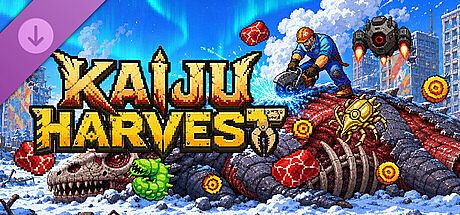




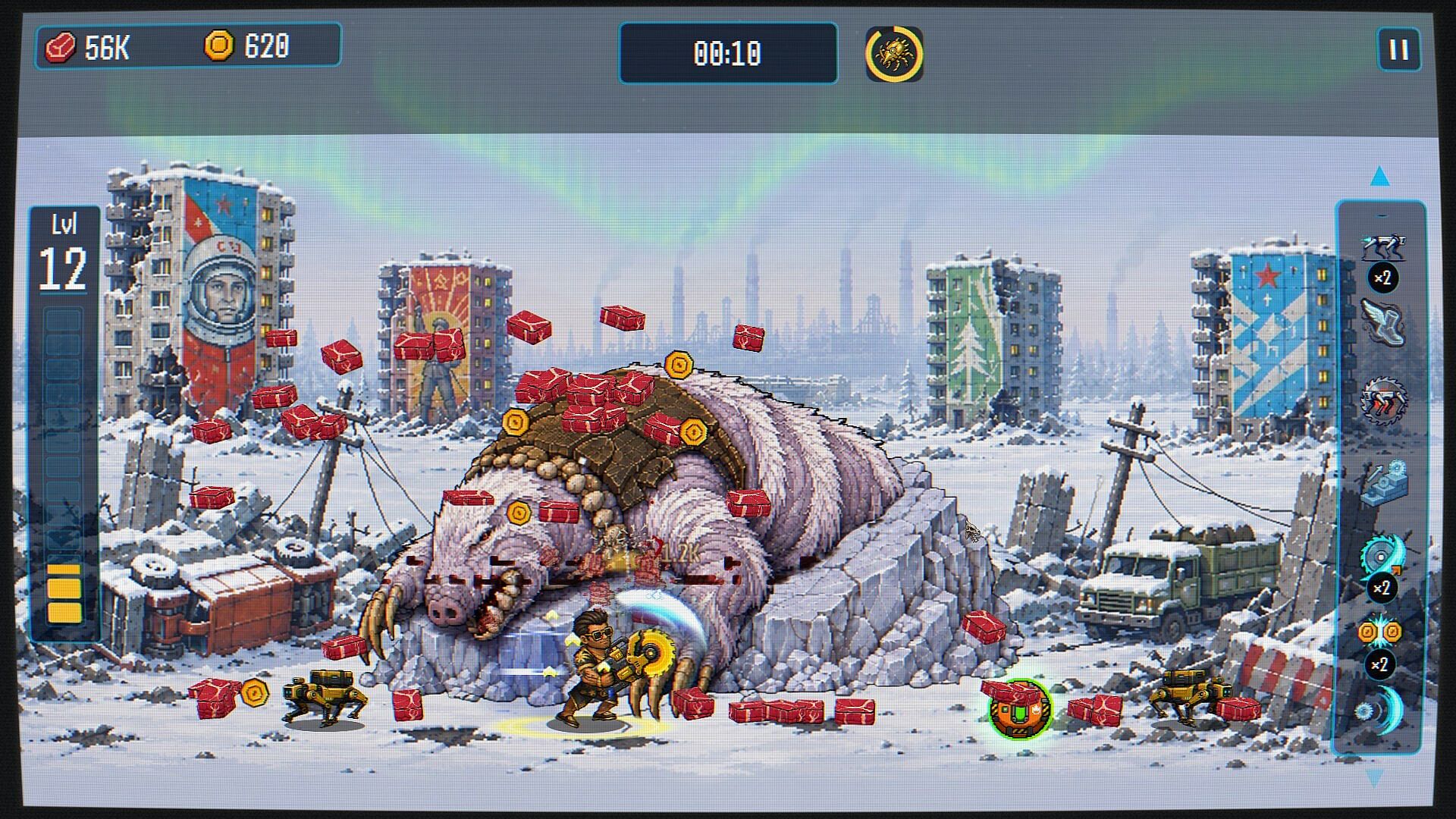

Kaiju Harvest is an indie casual simulation game built around pixel-art action-idle mechanics. Players step into the role of a harvester who processes the remains of defeated kaiju in the aftermath of monster attacks on cities around the world. The experience centers on carving resources from massive carcasses, collecting materials, and steadily improving equipment to handle larger threats more efficiently.
Gameplay
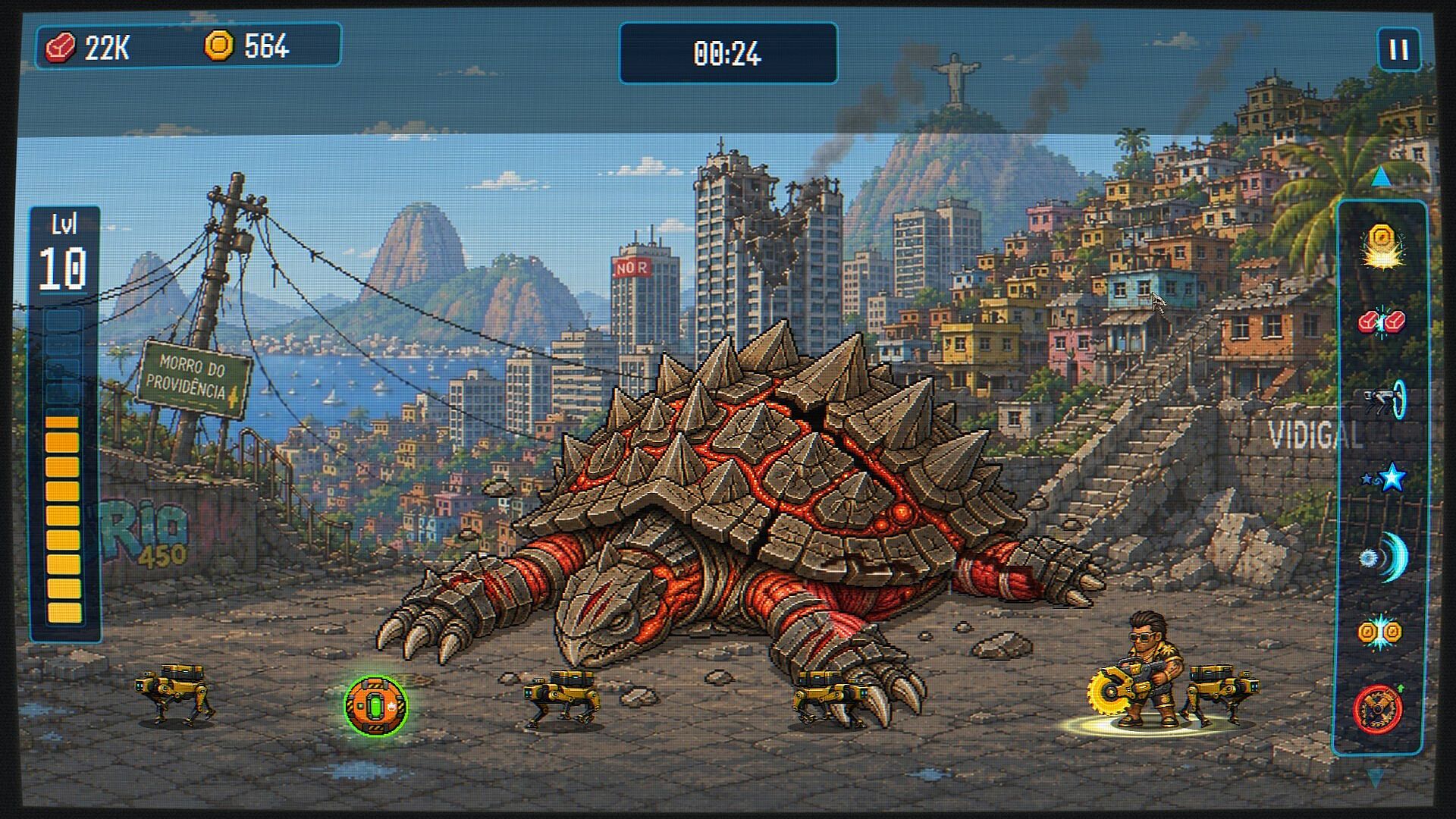
The core loop involves approaching fallen kaiju and using a saw to extract meat, bones, organs, and heart-cores. These resources fund upgrades to saw performance, critical hit chances, and overall damage output. Players also unlock and deploy collector robots along with helper drones that assist in gathering materials automatically. Supply drops, critters, and booster drinks further speed up the process as gear improves. Progression moves from smaller monsters to enormous body parts that span beyond the screen edges. The pixel-art style keeps the focus on the harvesting actions while depicting stylized fantasy violence and dismemberment of fictional creatures.
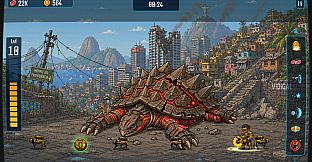
Five initial disaster zones draw from real-world locations, including Los Angeles, Rio de Janeiro, Istanbul, Siberia, and Tokyo. A major update later added Beijing along with four new kaiju variants and adjustments to attack effects and overall balance. Control scheme options were expanded at the same time to accommodate different player preferences. The game runs on PC and emphasizes steady automation once upgrades accumulate.
Game Modes
Kaiju Harvest follows a single continuous progression system without separate named modes. Players advance by completing harvests in each zone, unlocking better tools, and tackling progressively larger kaiju. The structure encourages repeated runs through the same areas with improved gear to maximize resource gains and automation efficiency. No multiplayer or competitive elements appear in the verified details.
Progression and Upgrades
Equipment upgrades form the main driver of advancement. Early focus stays on basic saw improvements and manual collection. Later stages introduce automated systems that reduce active input while still requiring strategic choices about which upgrades to prioritize. Collector robots and drones handle much of the repetitive work once unlocked, shifting the pace toward idle elements. The five zones plus the Beijing addition provide variety in kaiju sizes and layouts, keeping the harvesting tasks fresh as players scale up.
Is It Worth Playing?
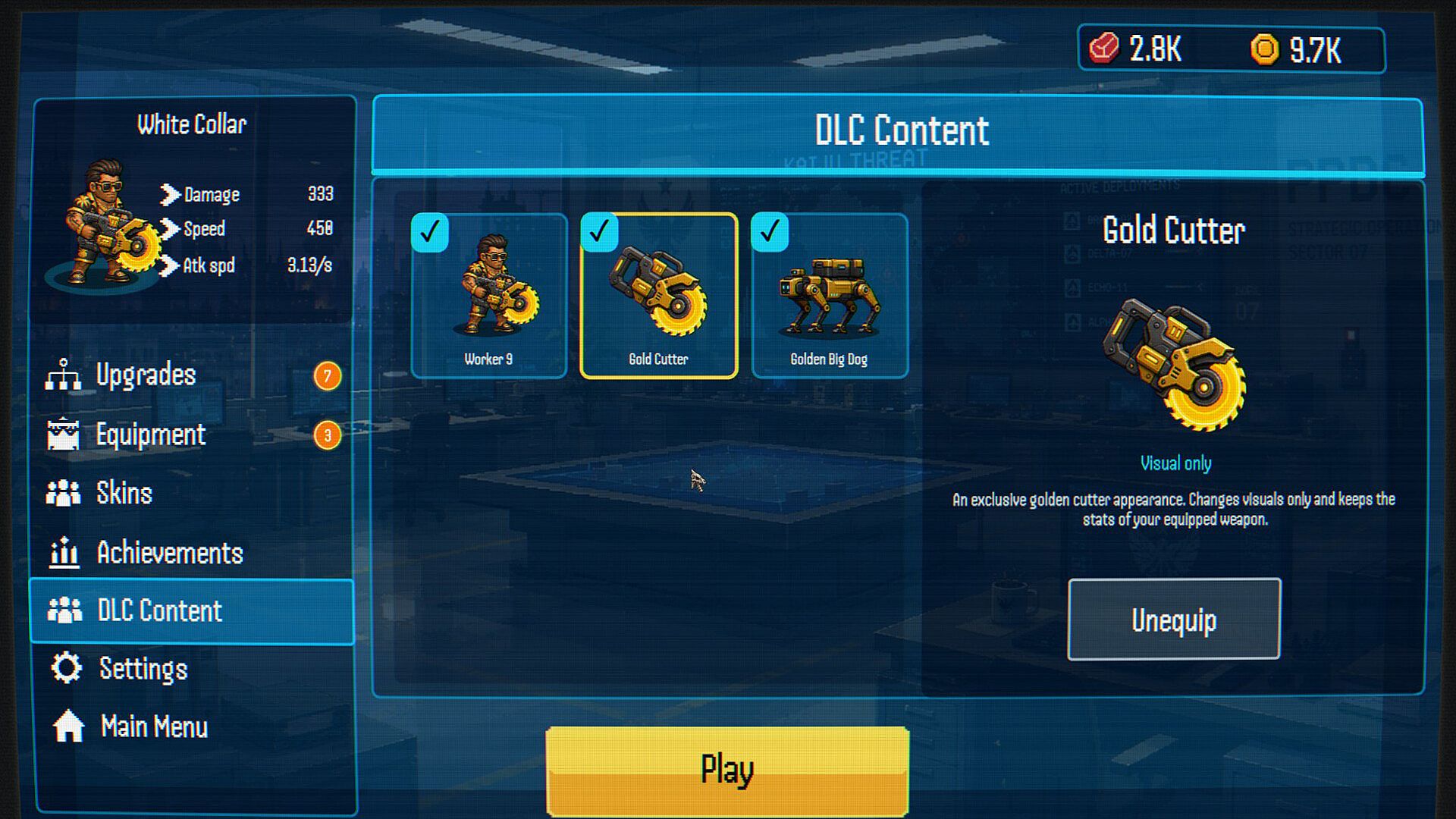
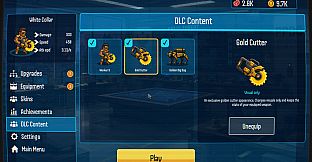
Kaiju Harvest received a Very Positive rating on its platform, with 81 percent approval from 69 user reviews at the time of the latest data. The game launched in Early Access on August 19, 2026, and has seen at least one major content update that introduced new locations, kaiju, and balance changes. It suits players who enjoy casual simulation combined with action-idle progression, where the satisfaction comes from optimizing harvests and watching automation take over. The purely cosmetic supporter pack offers golden skins for the hero, saw, and collector robot without altering any mechanics or balance. Those drawn to pixel-art resource gathering and steady upgrade loops will find a focused experience that continues to receive developer attention through updates.