



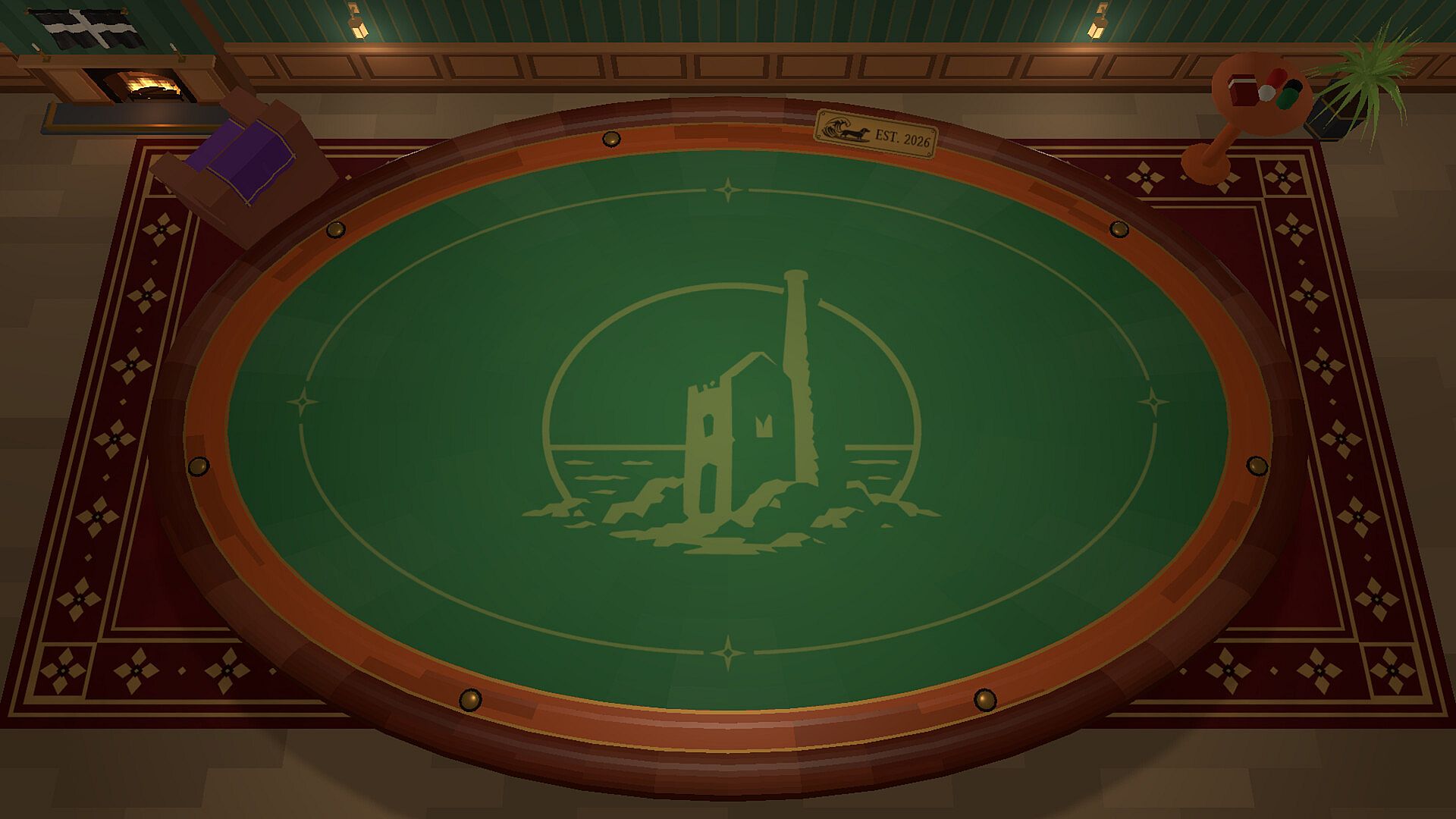
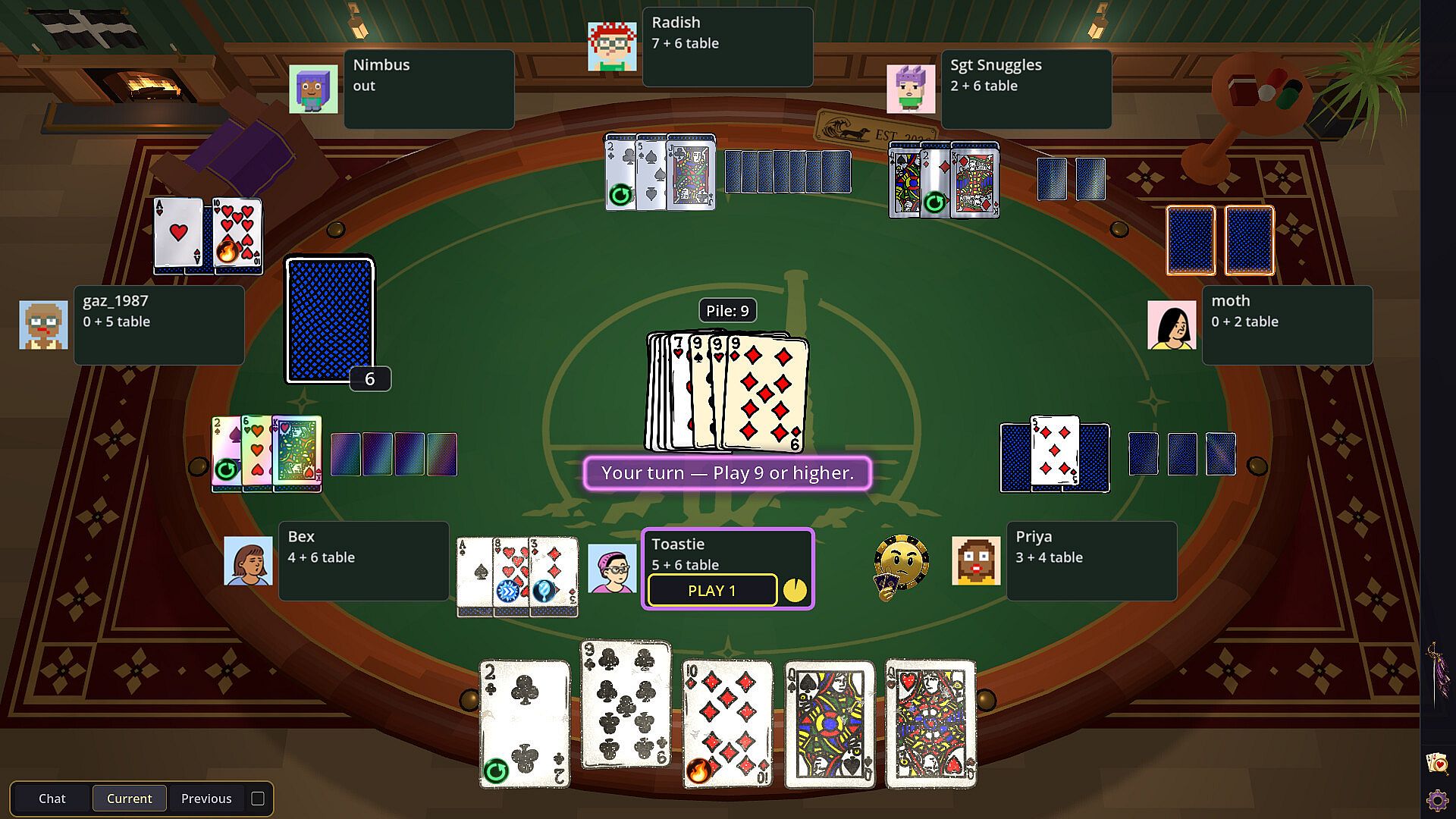
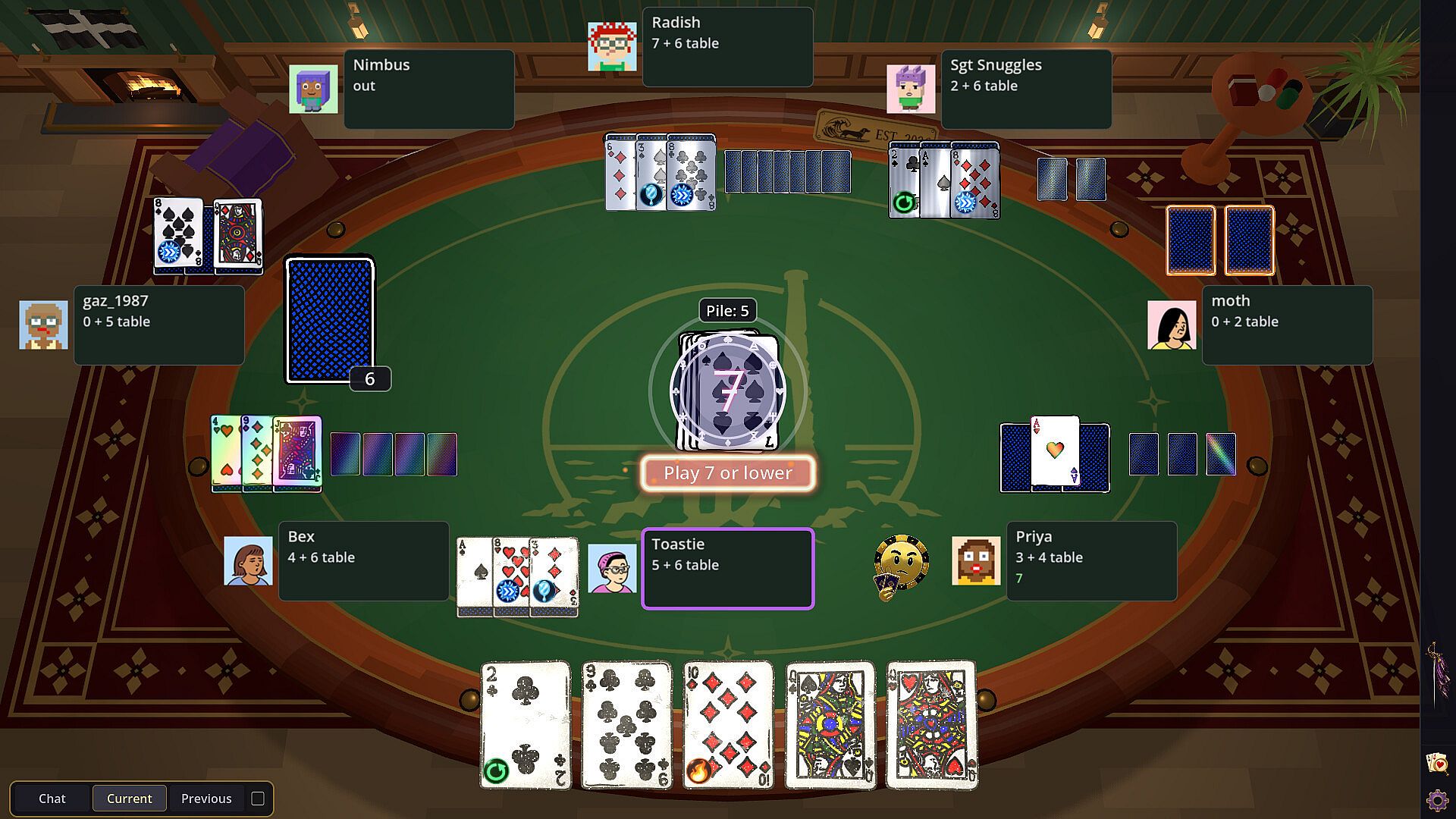
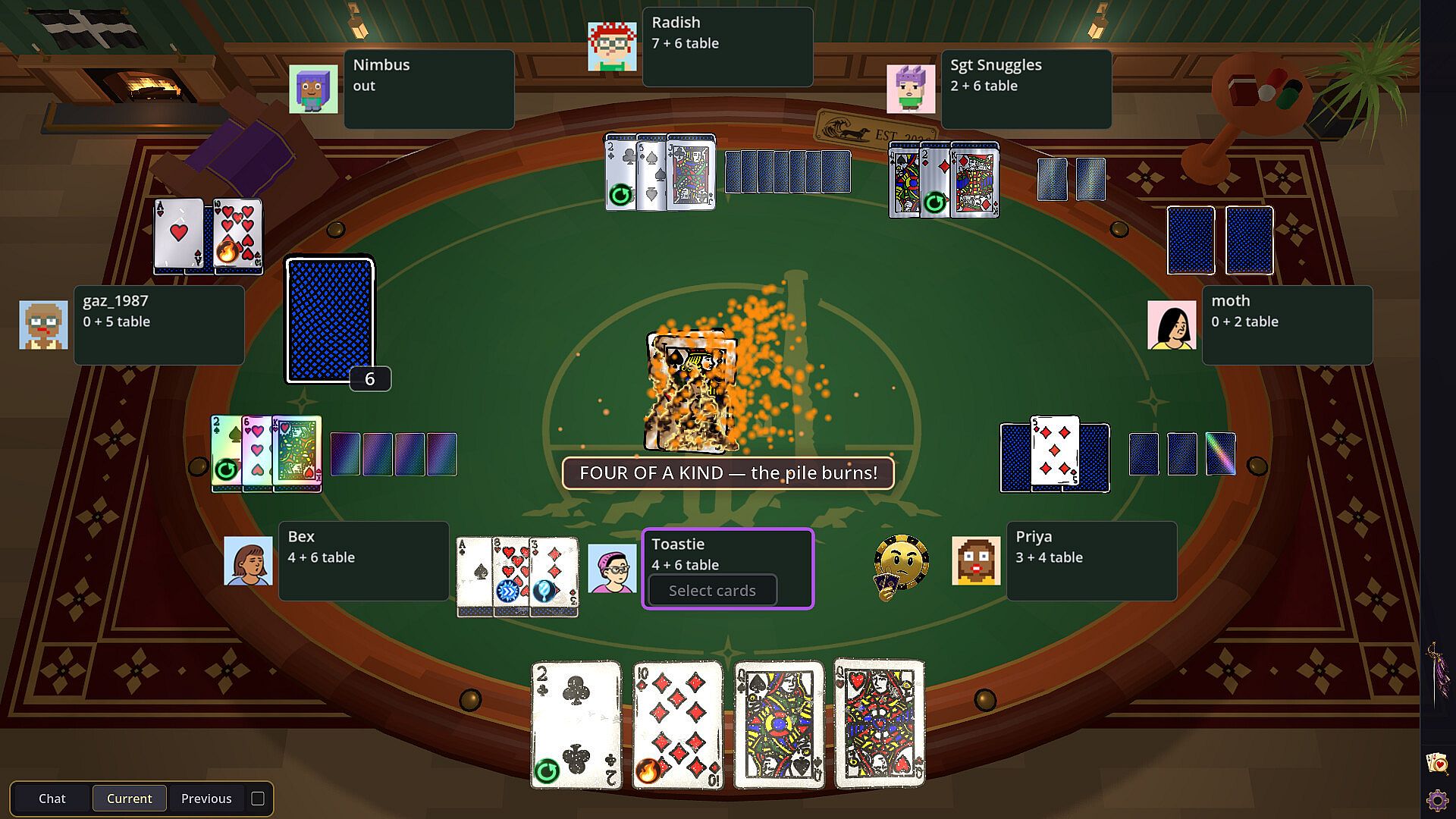
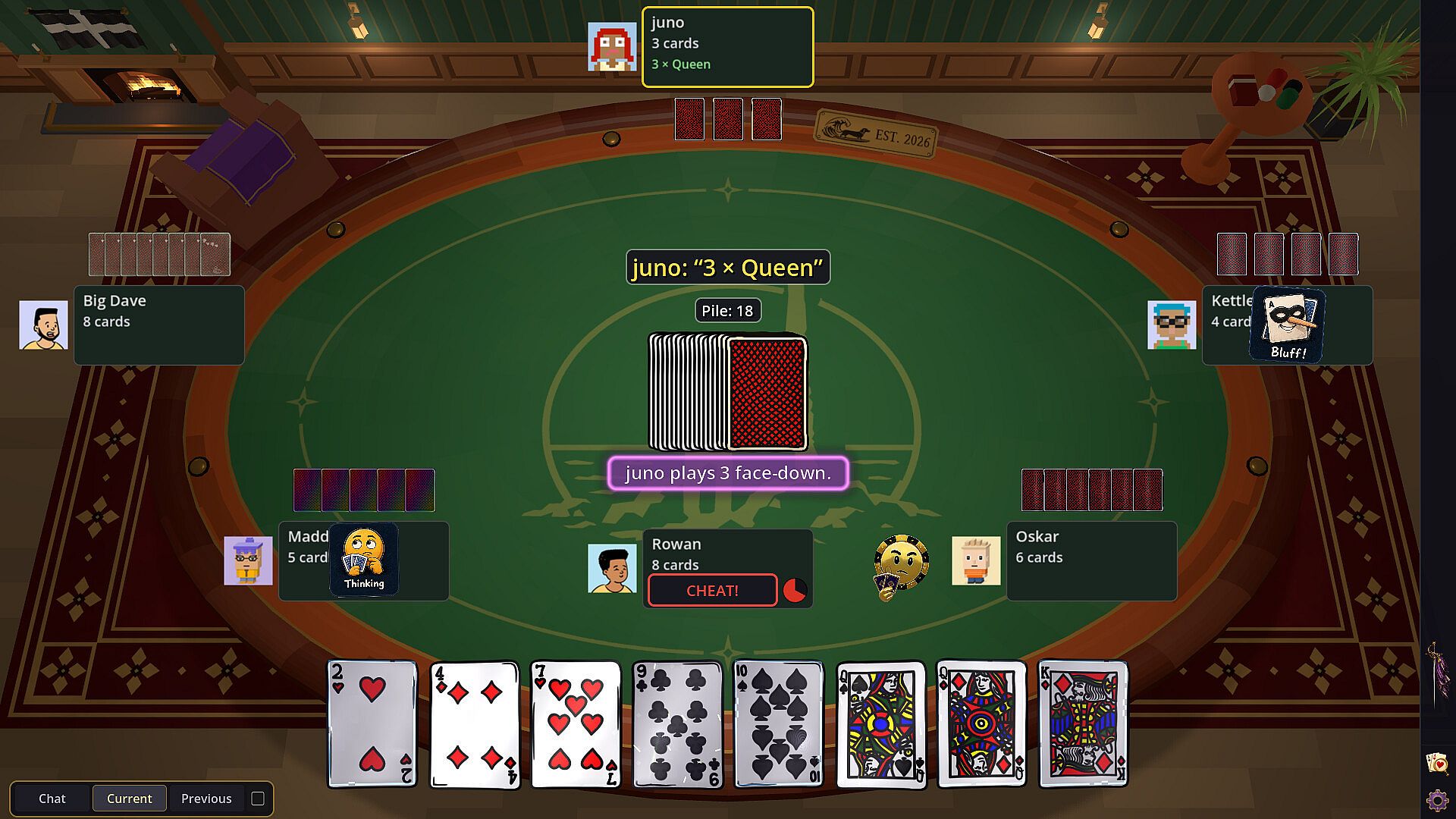
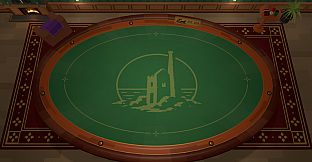
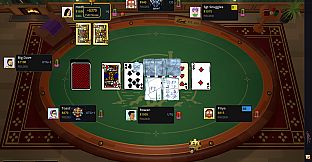
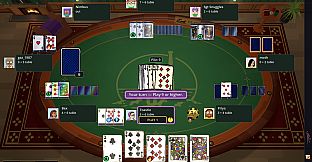
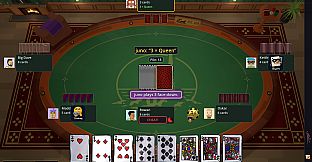
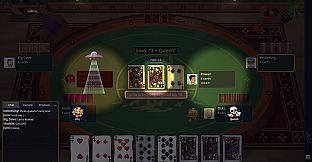
Hold'em Fold'em Poker is a casual Texas Hold'em card game developed for PC by an independent studio. It focuses on straightforward poker sessions that suit both quick solo practice and relaxed multiplayer matches with friends. The title emphasizes clean mechanics without timers, energy systems, or premium currencies that interrupt play. A founders reward table featuring a hardwood 3D design with a Cornish engine house motif on the felt becomes available ahead of the shift to free-to-play status around late October.
Gameplay
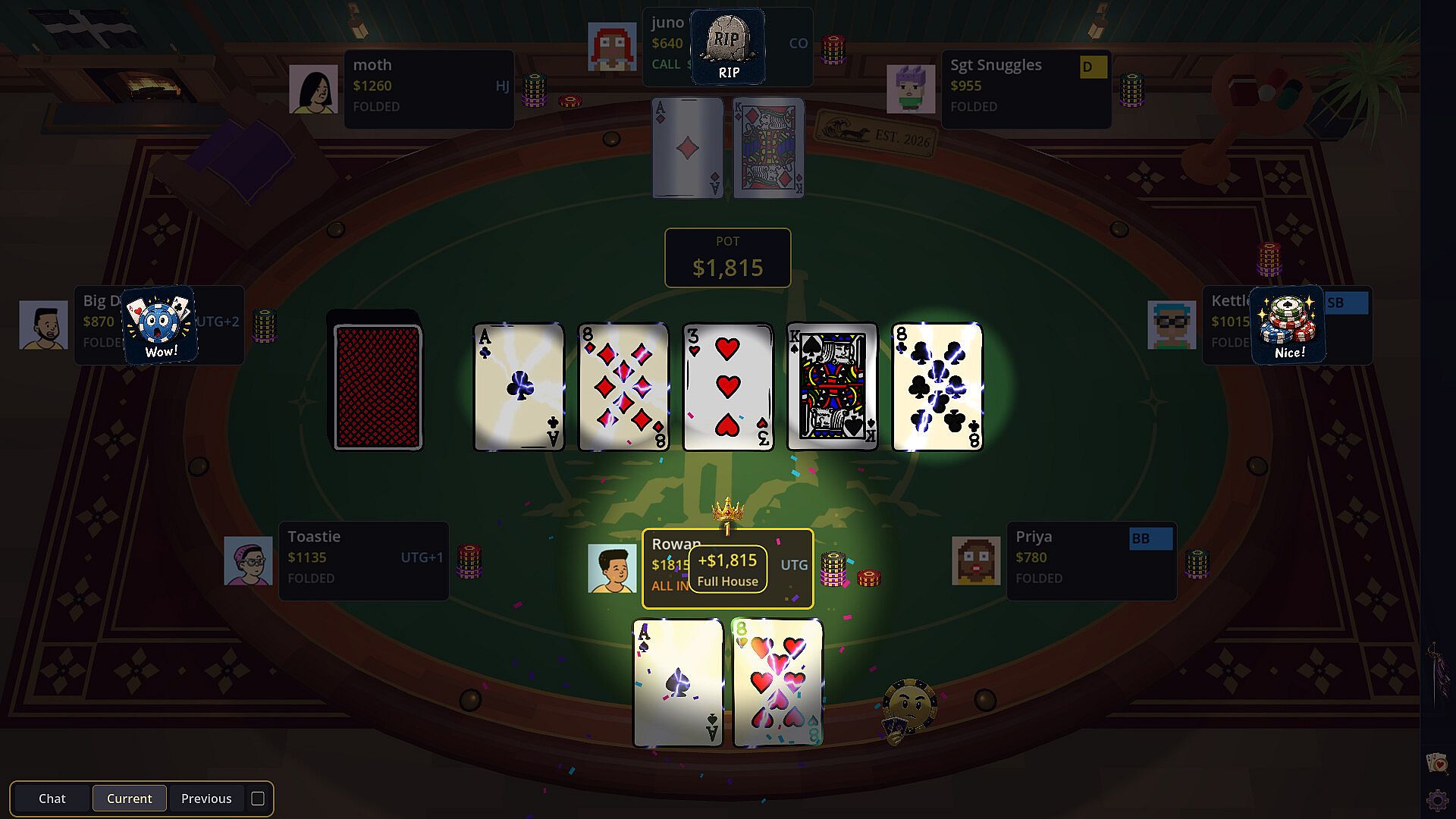
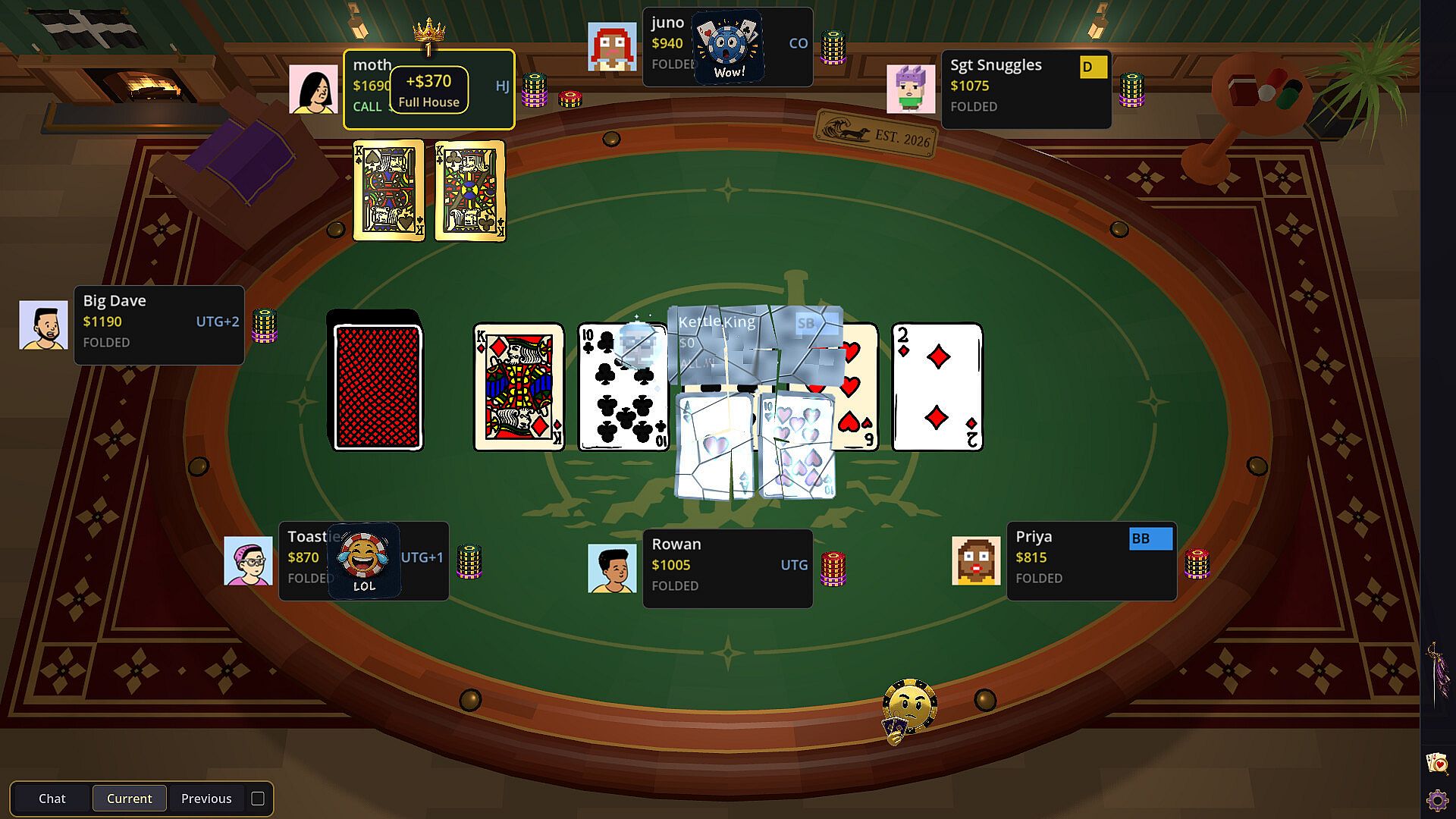
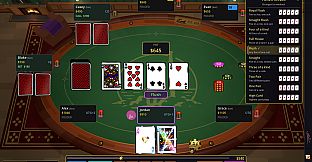
The core loop follows standard Texas Hold'em rules with two private hole cards dealt to each player and five community cards revealed across betting rounds. Action proceeds through preflop, flop, turn, and river stages where participants decide to check, bet, call, raise, or fold based on their hand strength and table position. Bots fill seats in solo sessions and respond according to one of five distinct personality types that alter aggression levels and decision patterns. Multiplayer relies on peer-to-peer connections that support two to eight participants in private or public lobbies, with seamless host handover if the original host disconnects. An 80s lounge soundtrack plays throughout rounds, and players can swap in their own tracks that the game recognizes automatically from a content folder.
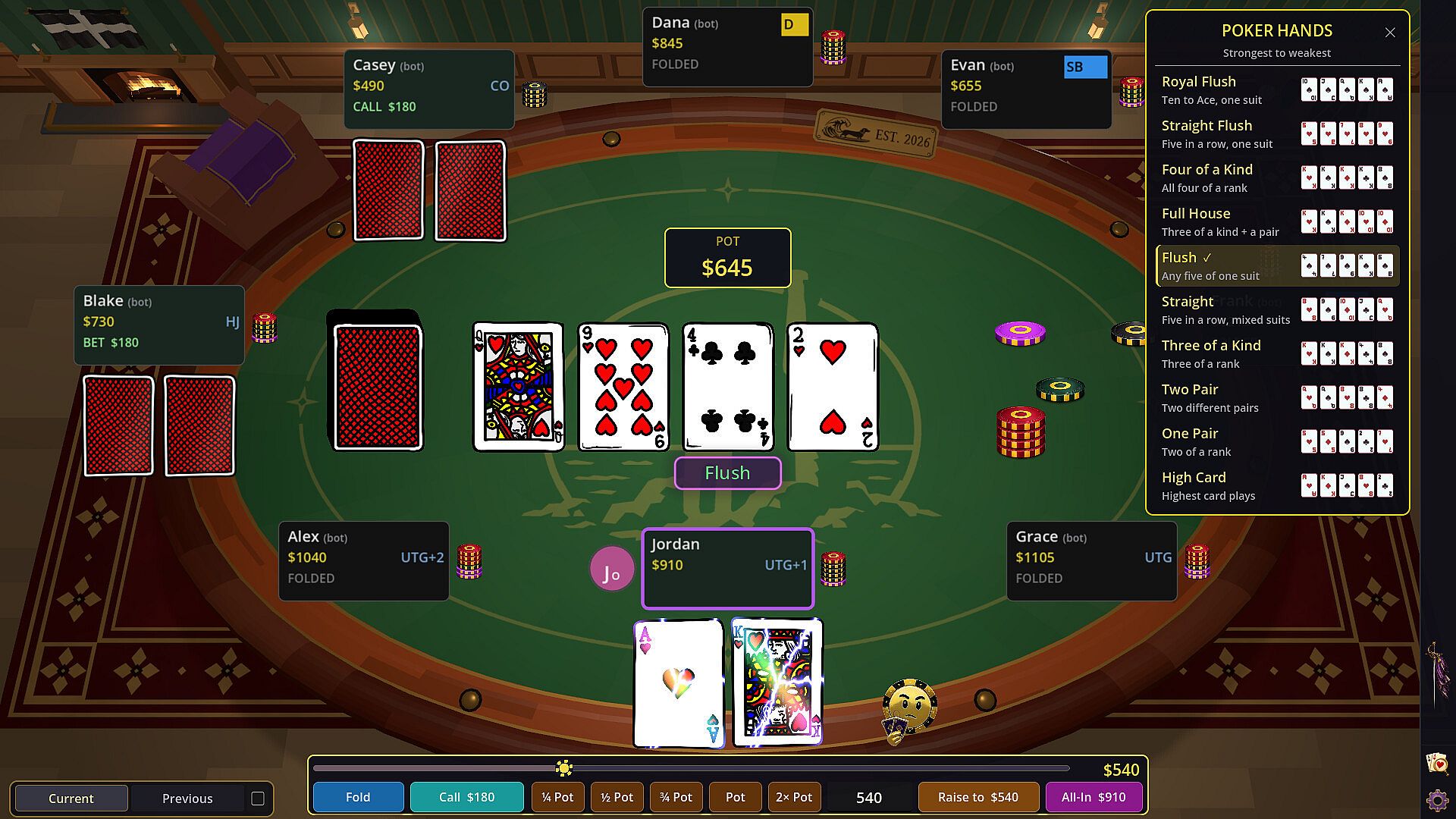
Betting remains flexible through match presets that adjust starting stacks, blind structures, and re-buy limits. A hand helper tool displays current holdings and potential future combinations to assist newer players without altering outcomes. Controller support covers every menu and in-game action, allowing full navigation with standard gamepads. The experience stays focused on card play rather than progression grinding or cosmetic farming.
Game Modes
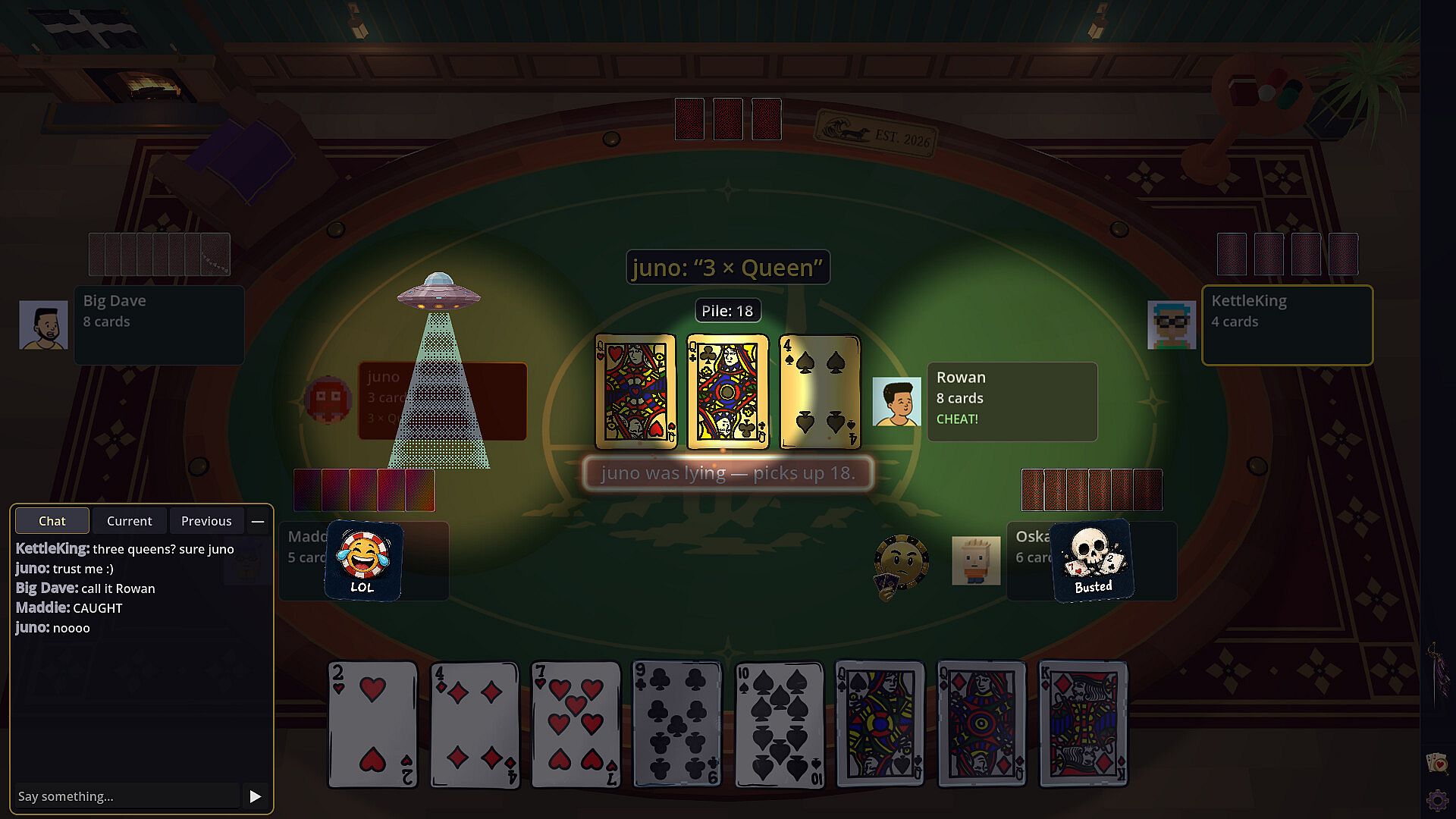
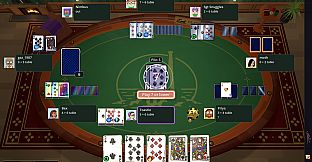
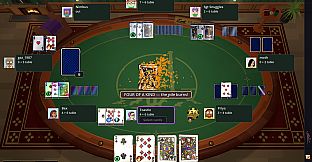
Texas Hold'em serves as the primary mode and appears in three preset formats: casual for extended sessions, tournament for structured elimination play, and fast for quicker rounds with adjusted timing. Each preset allows further tweaks to house rules such as maximum re-buys or game length before the table resets. Additional card games expand the library beyond poker. Cheat challenges players to call out bluffs during a shedding-style match where the goal is to empty one's hand first. Palace, also known as Shithead, involves discarding cards in ascending or descending order while avoiding penalties for the last player holding cards. Both extra modes support solo play against bots immediately, while online versions require ownership of their respective multiplayer packs.
Public game browsing lets users join open tables without prior invitations, and private lobbies integrate directly with Steam friends lists for easy group formation. Game saves allow solo sessions to resume later, preserving chip stacks and progress against the AI opponents.
Customization Options
Players adjust nearly every visual element through built-in presets or user-added files. Card faces, backs, and finishes can be swapped, along with table felts, reaction emotes, mouse cursors, and music selections. The founders reward introduces a distinctive hardwood table with regional Cornish detailing and a cozy fireside room setting that fits the relaxed atmosphere. Workshop integration supports community-created content that loads automatically when placed in the designated folder. These options keep the table looking fresh across repeated sessions without affecting gameplay balance or introducing pay-to-win elements.
Is It Worth Playing?
Player feedback highlights the straightforward approach and absence of intrusive monetization as major strengths. Reviews describe the title as a reliable option for casual poker enthusiasts who want to play with friends or practice against varied AI opponents without additional costs or distractions. The upcoming free-to-play transition removes the initial purchase barrier for new users while preserving the same core experience. Those who enjoy Texas Hold'em sessions that last an evening rather than quick mobile-style matches will find the pacing and customization appealing. Solo players benefit from the bot personalities and hand helper, while groups appreciate the easy lobby setup and extra card games. The small but consistently positive reception indicates steady support through regular updates that add languages, effects, and quality-of-life improvements. If your preference leans toward no-nonsense card play on PC with options for both private gatherings and public tables, the game delivers a focused experience worth trying once it becomes freely available.