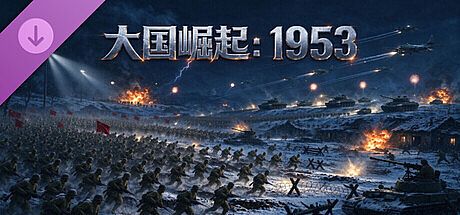


大国崛起:1953 is a turn-based strategy wargame that places players in command of forces during the Korean War from 1950 to 1953. The title recreates the conflict on the Korean Peninsula as a test of logistics, terrain mastery, and tactical adaptation between two very different military systems.
Gameplay
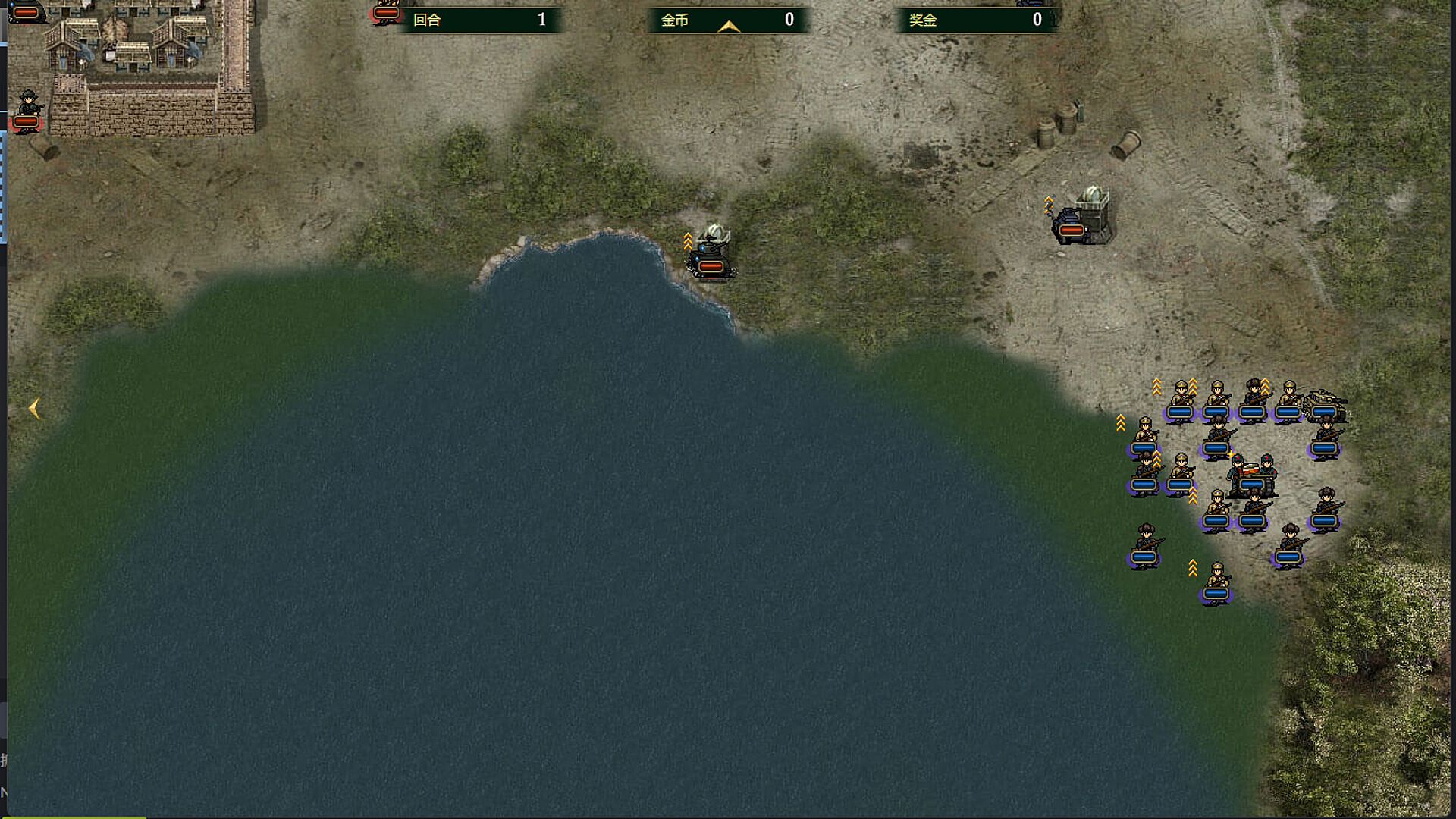
The core loop centers on grid-based battles where terrain, supply lines, and timing determine outcomes. Players manage units across varied landscapes including mountains, rivers, and defensive positions. Infantry, artillery, and other arms each carry distinct attributes for attack, defense, mobility, and morale, with losses removing units permanently from the roster.
One side fields the United Nations Command, which holds advantages in air power, armor, and overall firepower. The opposing forces, the Chinese People's Volunteers and Korean People's Army, operate with fewer heavy assets and rely instead on mountain cover, night operations, and infiltration to offset the imbalance. Supply constraints shape every decision, as prolonged advances or defensive stands can stall without adequate resupply.
Historical details shape the experience. Players can direct ambushes in the bitter cold around Chosin Reservoir or establish tunnel networks along the 38th Parallel for extended positional fighting. Enemy AI follows patterns drawn from the period, such as multi-pronged advances or concentrated strikes, while the battlefield restores authentic unit placements for each engagement.
Game Modes
The game focuses on single-player historical scenarios that cover key phases of the 1950-1953 conflict. These scenarios allow command of either the United Nations coalition or the combined Chinese and Korean forces, with objectives tied to territorial control, defensive stands, and supply management across the peninsula.
Progression follows the war's timeline, from early mobile operations to later stalemates marked by fortified positions. Each scenario emphasizes different tactical priorities, such as rapid flanking maneuvers in open terrain or sustained attrition in prepared defenses. Save files and battle replays support repeated playthroughs and analysis of outcomes.
Historical Context and Factions
The setting draws directly from the period when the conflict transitioned from fluid advances to entrenched warfare. The United Nations Command brings superior mobility and striking power, while the Volunteers and Korean People's Army counter with local superiority, terrain exploitation, and endurance under logistical pressure. Three million Chinese People's Volunteers participated overall, facing roughly 1.2 million opposing troops that included about 300,000 from the United States.
Mechanics reflect the real constraints of the era. Air interdiction threatens supply routes, forcing careful timing of offensives. Night fighting and close-quarters tactics become decisive tools for the side lacking air dominance. The five major campaigns and eventual shift to positional warfare appear through scenario design rather than abstract representation.
Is It Worth Playing?
大国崛起:1953 suits players who enjoy detailed turn-based wargames centered on historical logistics and asymmetric tactics. The permanent unit losses and supply emphasis create meaningful trade-offs that reward planning over brute force. Those interested in the Korean War's specific challenges, from mountain ambushes to tunnel defenses, will find the scenarios focused and grounded.
The title is a recent addition to the Taiping Heavenly Kingdom series and remains in its early release phase. Reception data is still limited, but the mechanics align closely with classic hex-and-counter style wargaming updated for modern presentation. Players seeking a compact, scenario-driven experience without multiplayer layers or ongoing seasonal content will find the most direct match here.