






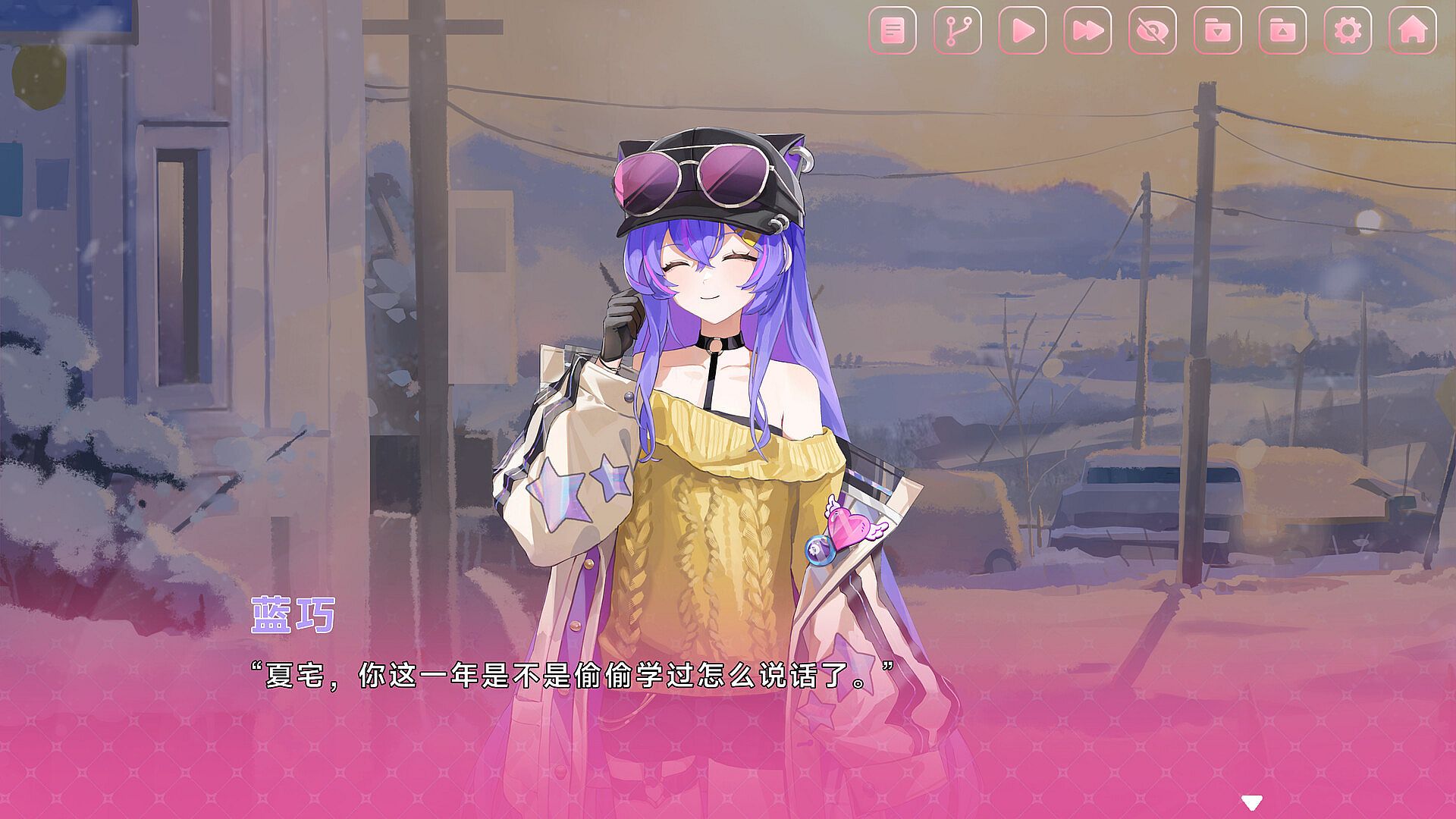

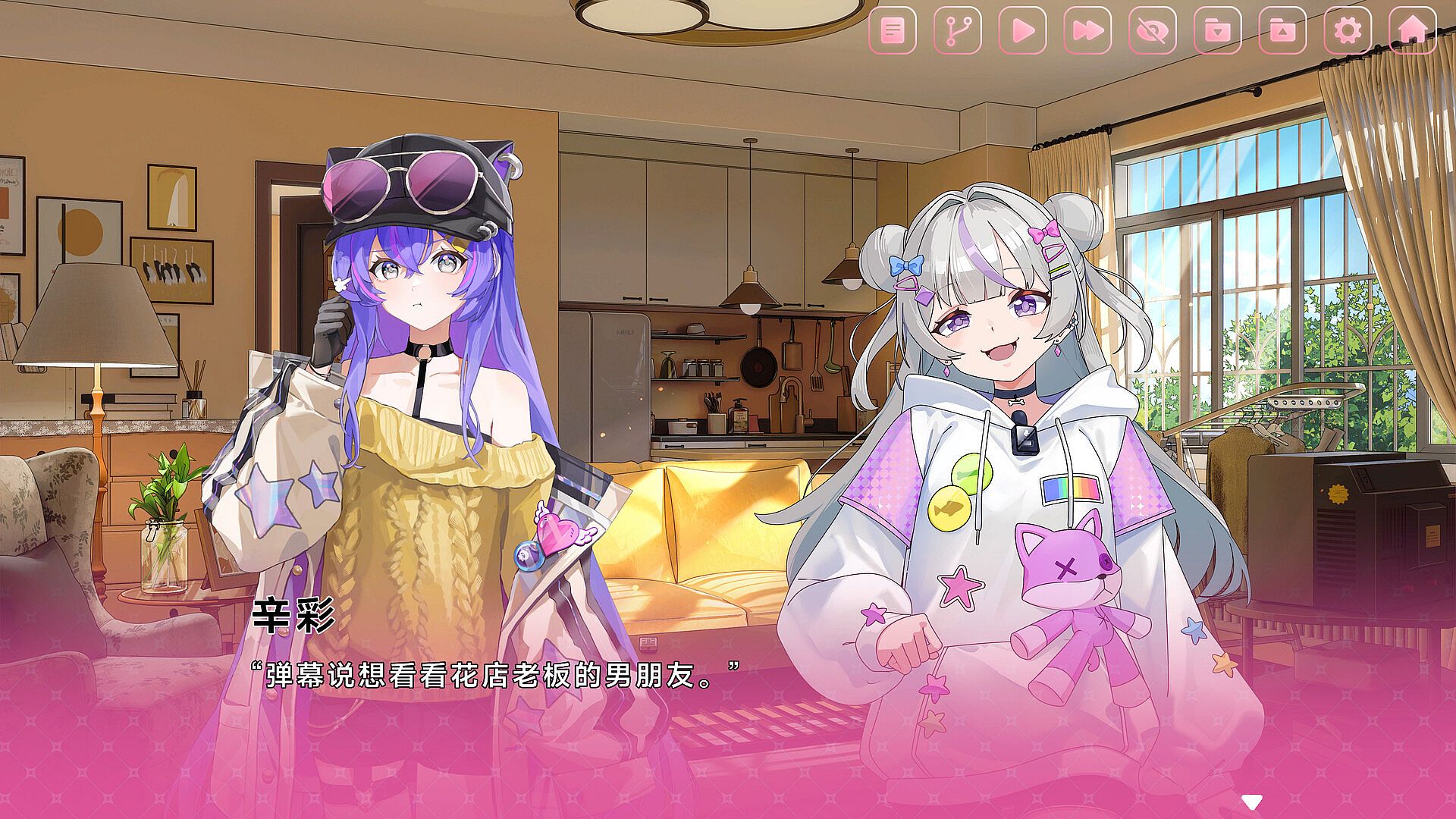

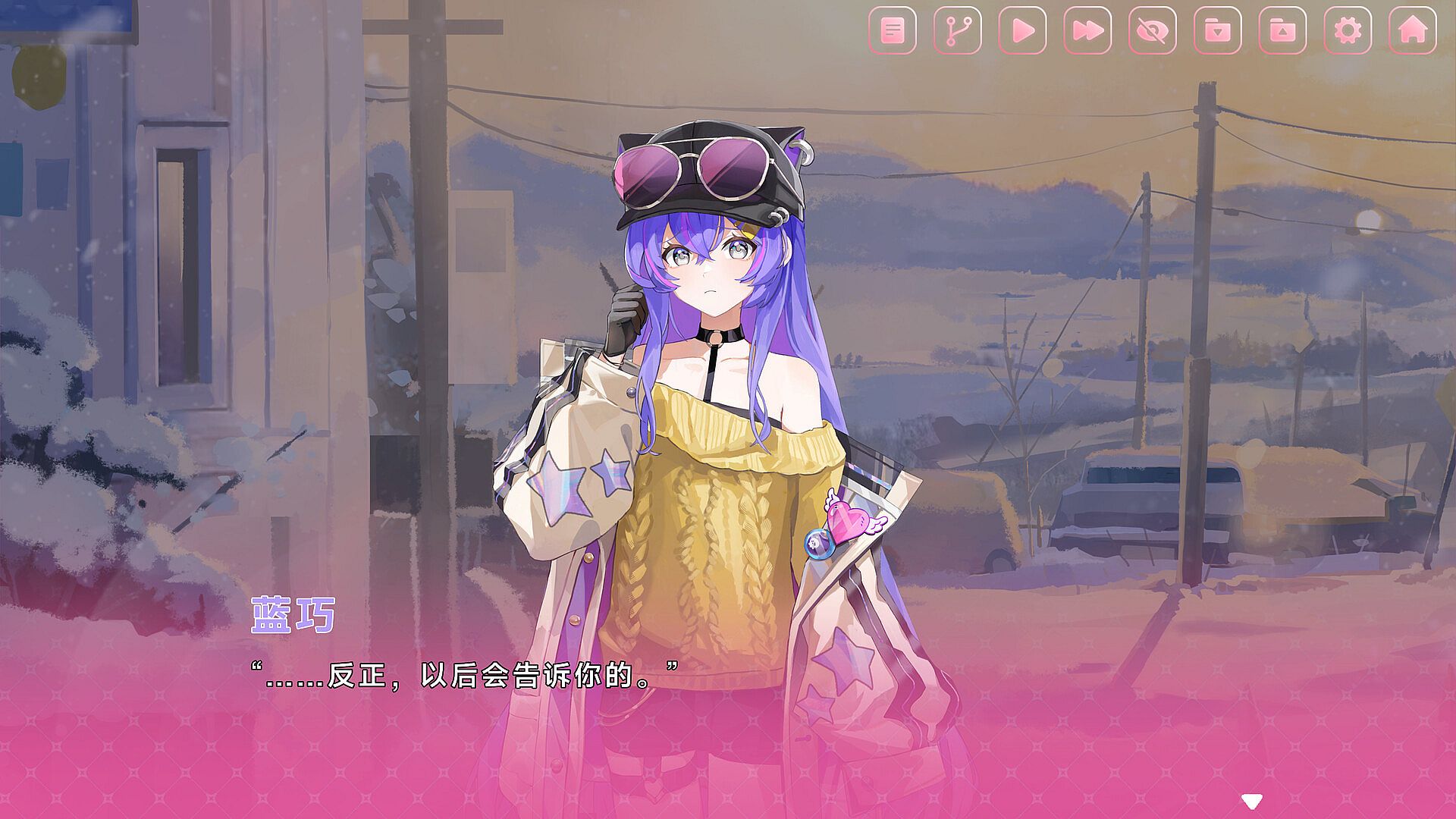







Chinese Landmine Girl: Lan Qiao Afterstory - Winter and Summer of Flowers and Cicadas is an indie adventure game on PC that serves as a direct continuation of the Aixiang route from the base title Chinese Landmine Girl. This single player narrative experience follows Lan Qiao, also known as Aika, through a series of personal and relational developments one year after key events in the original story. The game centers on her efforts to reconnect and build a shared life, spanning seasonal changes and everyday settings in northern towns and southern cities.
Gameplay
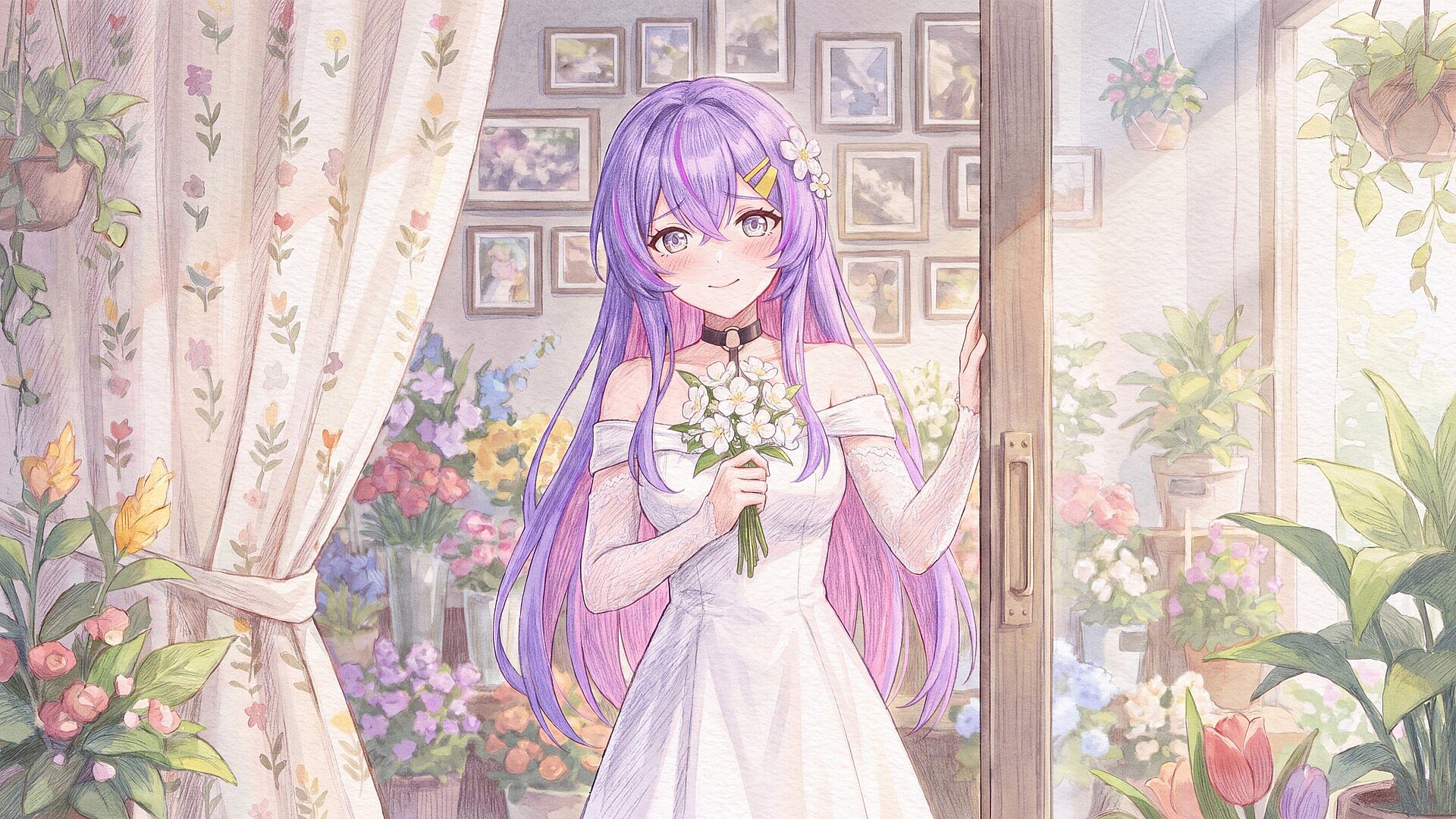
The core loop involves progressing through a text heavy story divided into twelve acts totaling around forty thousand Chinese characters. Players advance by reading dialogue and descriptions while occasionally selecting options that shape immediate scenes and longer term outcomes. Animated live 2D character portraits with lip synchronization appear during conversations, accompanied by full voice acting in Chinese. Static CG illustrations highlight key moments, and the presentation emphasizes intimate details such as shared meals, shop shifts, and quiet moments outdoors.
Progression follows a structured sequence of events without complex resource management or combat systems. The focus remains on narrative delivery, with scenes depicting winter activities like handling snow and indoor routines alongside summer elements such as flower arrangements and public appearances. Choices influence character interactions and unlock variations in how events unfold, particularly around family visits, performances, and personal milestones.
Game Modes
This title operates entirely as a single player narrative adventure with no multiplayer components or separate competitive modes. The experience unfolds linearly through the twelve acts, split between a winter segment in the north and a summer segment in Guangzhou. Within this framework, branching occurs based on prior route completion from the base game and decisions made during the afterstory itself.
Players follow one continuous path that incorporates both everyday routines and special occasions, such as shop work, live performances, and family encounters. The structure encourages replay for different dialogue outcomes and scene variations rather than distinct modes.
Story and Setting
The narrative picks up with Lan Qiao retrieving a personal list of desired experiences and begins crossing off items one by one. Winter scenes center on life in a snowy northern town, including late night meals and time spent at her flower shop. Summer shifts to Guangzhou, where new business ventures, livestream moments, and visits from parents introduce additional layers of interaction.
Key developments include preparations for performances, handling past professional conflicts, and navigating family dynamics. The story highlights Lan Qiao moving beyond her previous idol image, with moments of direct initiative in relationships alongside more reserved reactions. An anniversary exhibition and related personal items form part of the later acts, tying into themes of closure and future plans.
Is It Worth Playing?
Players who enjoy choice driven visual novels with romance and slice of life elements will find the most value here. The game requires the base Chinese Landmine Girl and recommends completing the Aixiang route beforehand for full context. It delivers a focused expansion of approximately twelve acts that expands on established characters and settings without introducing unrelated content.
Reception for the base game stands at mostly positive based on user feedback, with praise directed toward the writing depth and character animations. The afterstory maintains the same style and production values, making it suitable for those already invested in Lan Qiao's arc. Availability comes through standard PC digital platforms, and the demo for the base title offers an entry point to test the overall approach before committing to the full experience and this continuation.





