


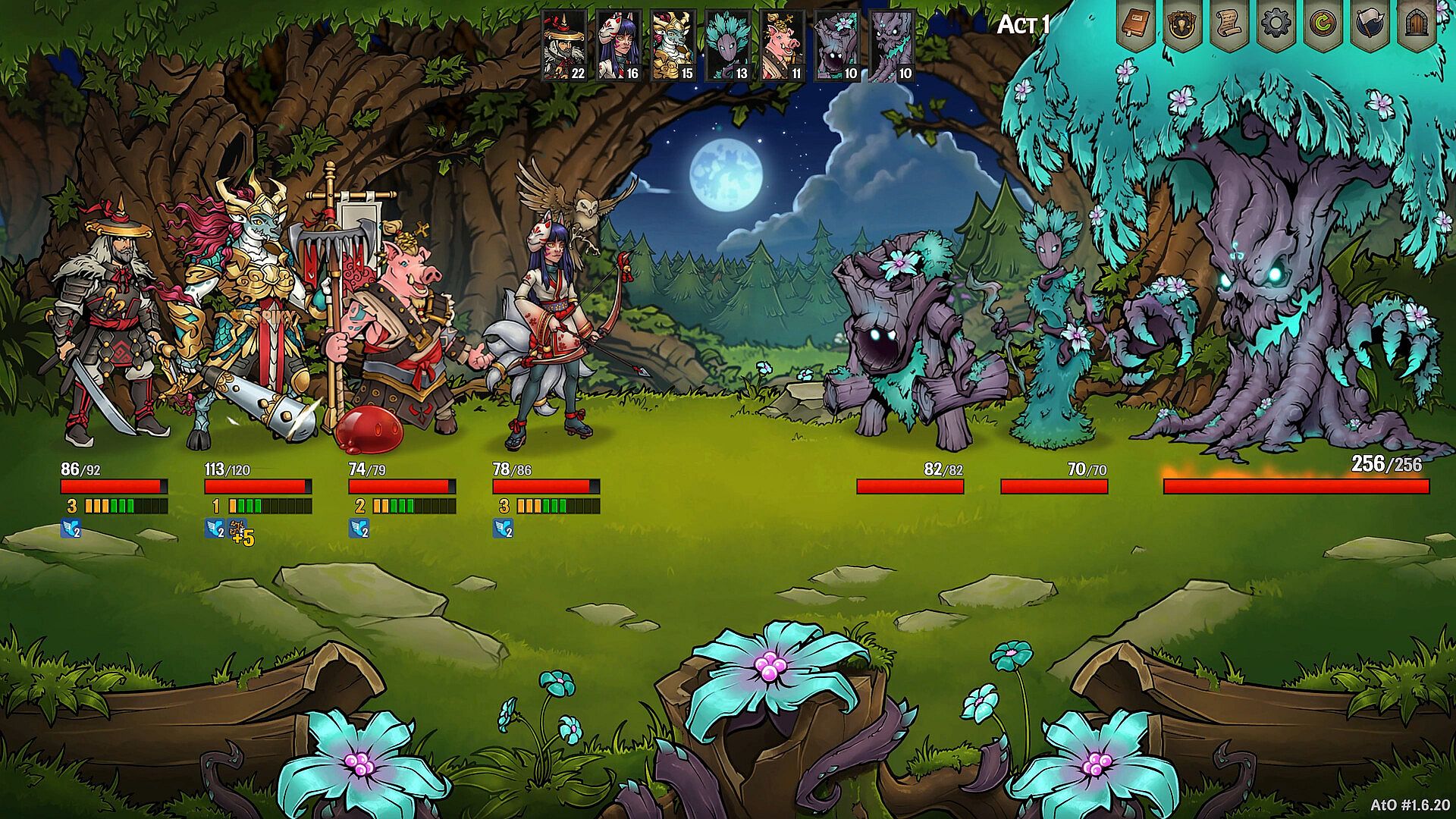
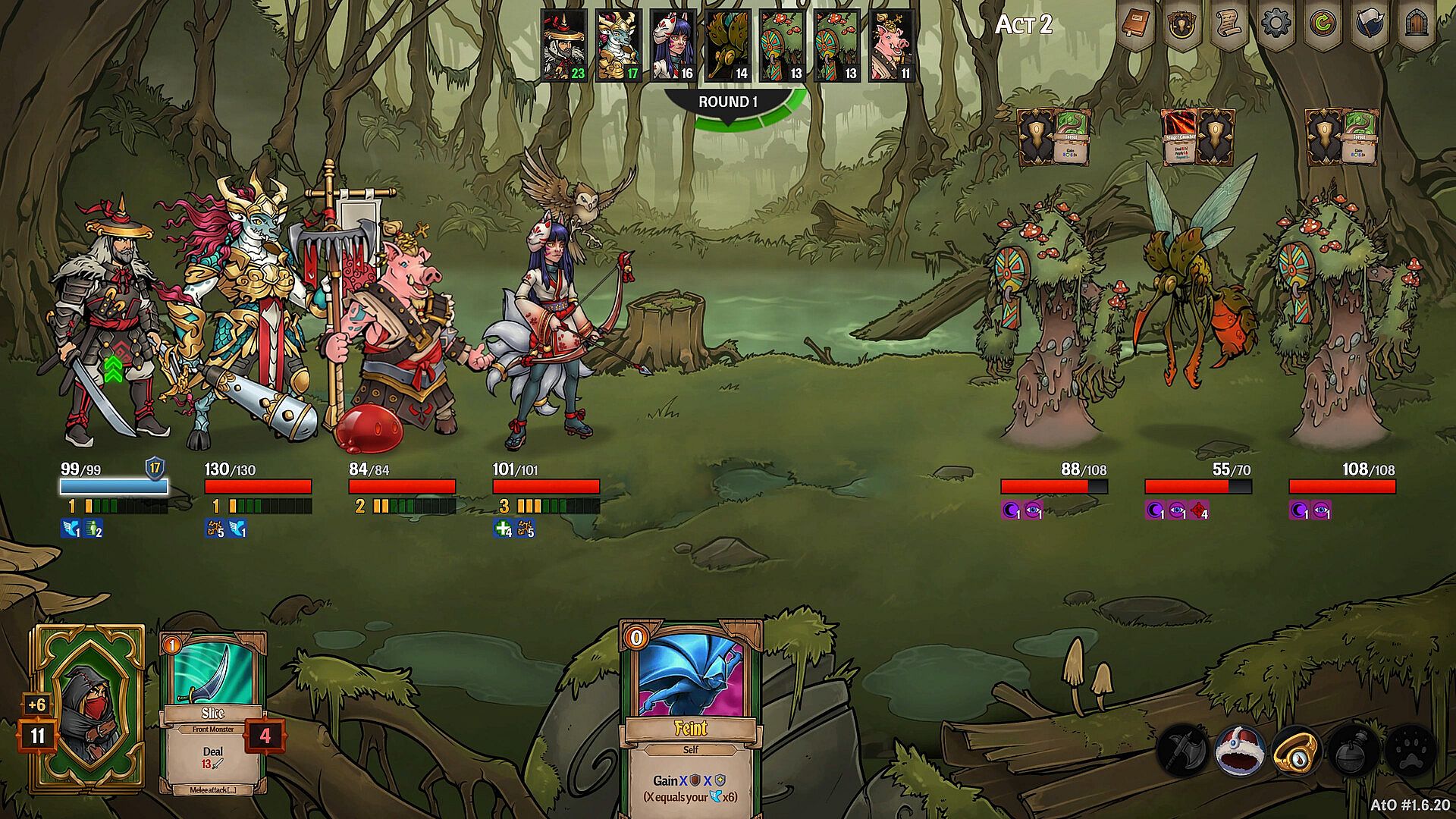
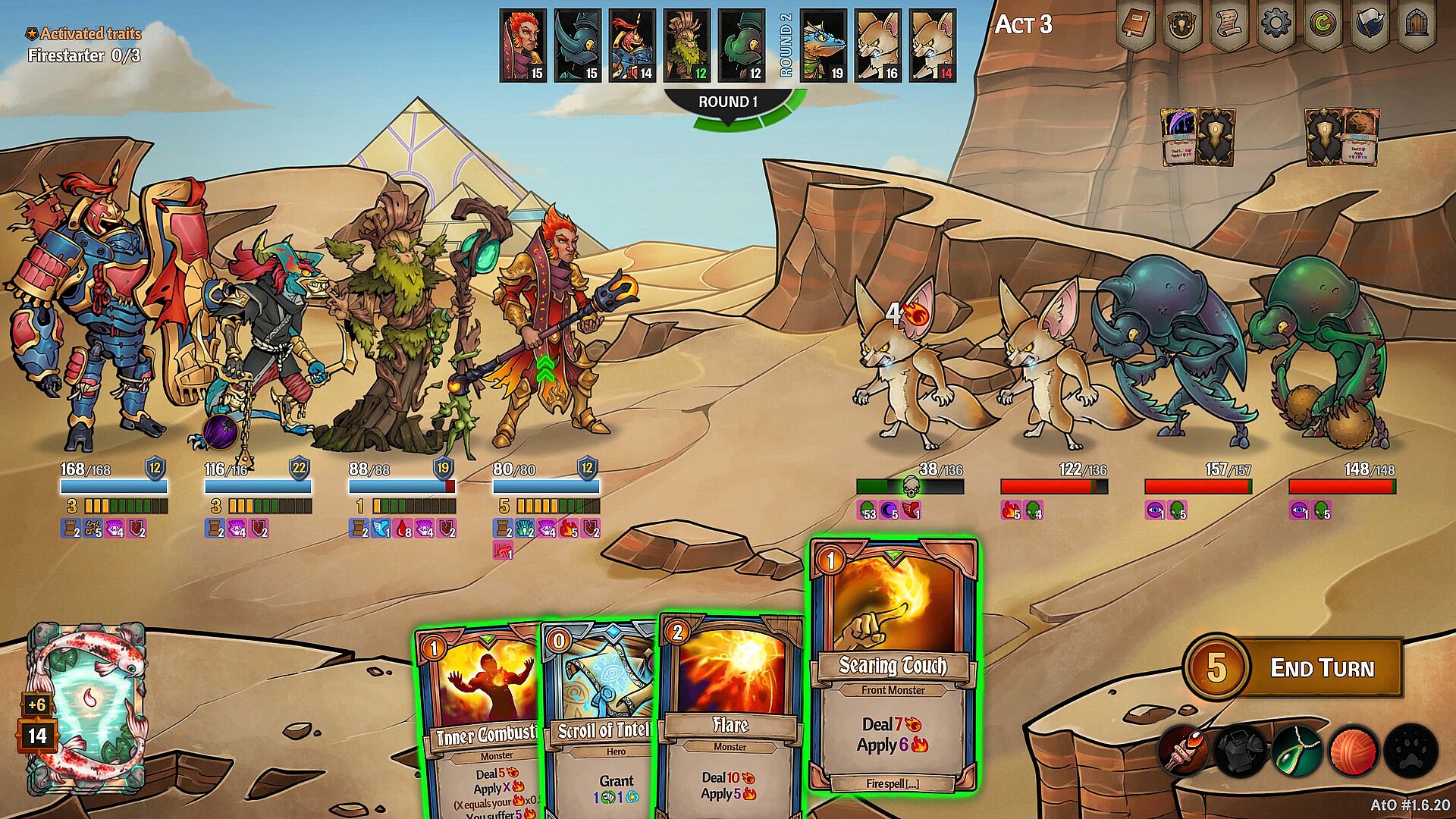
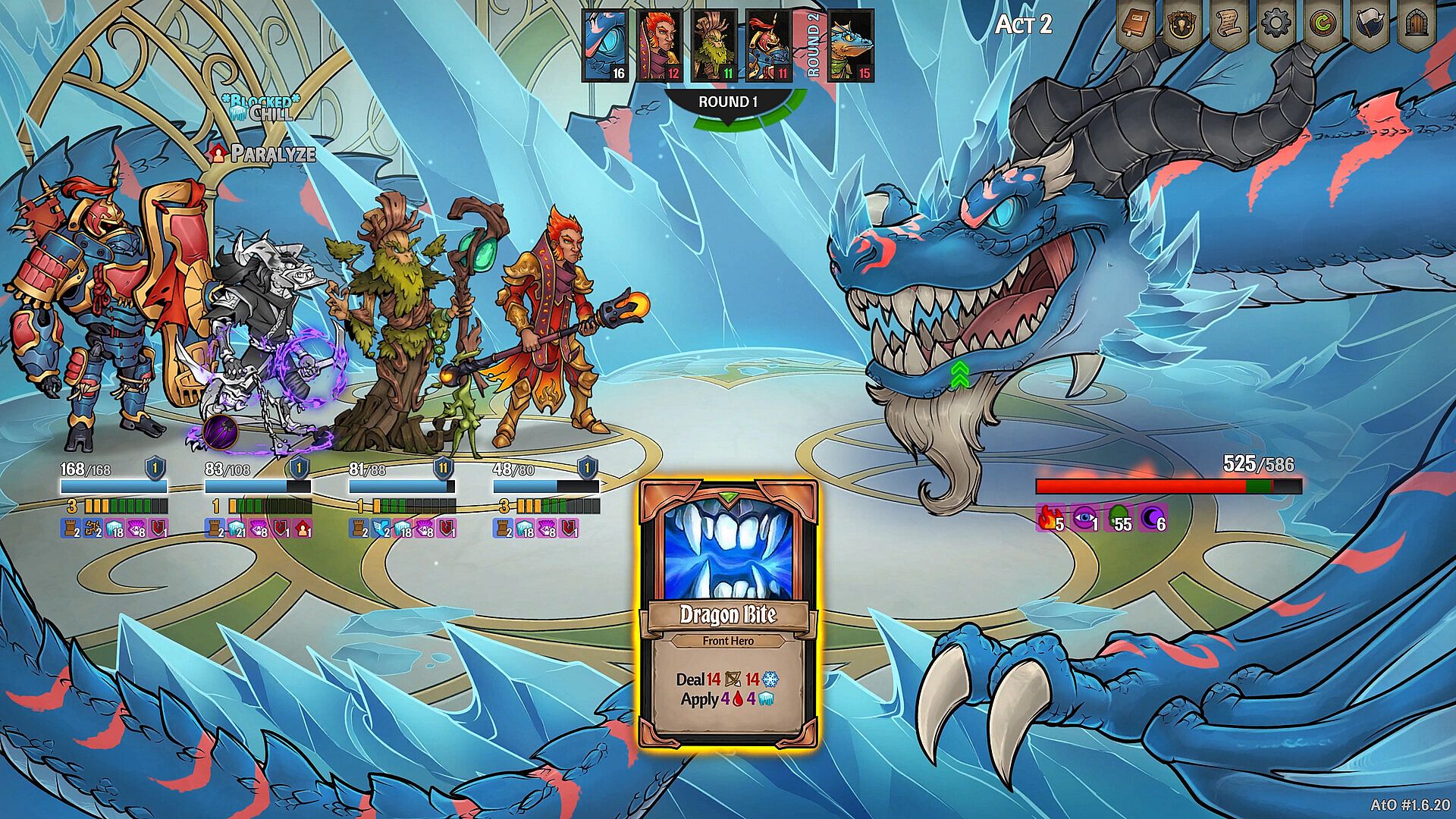
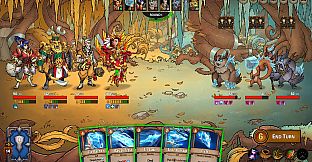
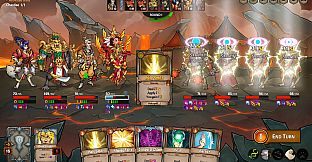
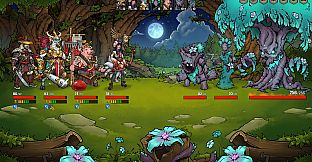
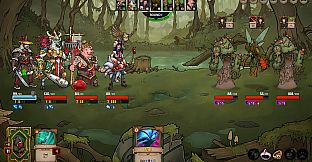
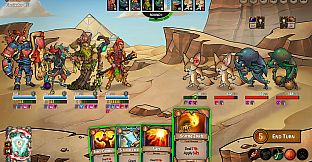
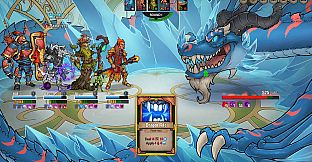
Across the Obelisk stands as a co-op roguelite deckbuilder that combines strategy, indie sensibilities, RPG progression, and adventure elements on PC. Players assemble a party of four heroes drawn from warrior, scout, mage, and healer classes to navigate a fantasy realm, build powerful decks, and tackle tactical battles while making choices that shape their journey.
Gameplay
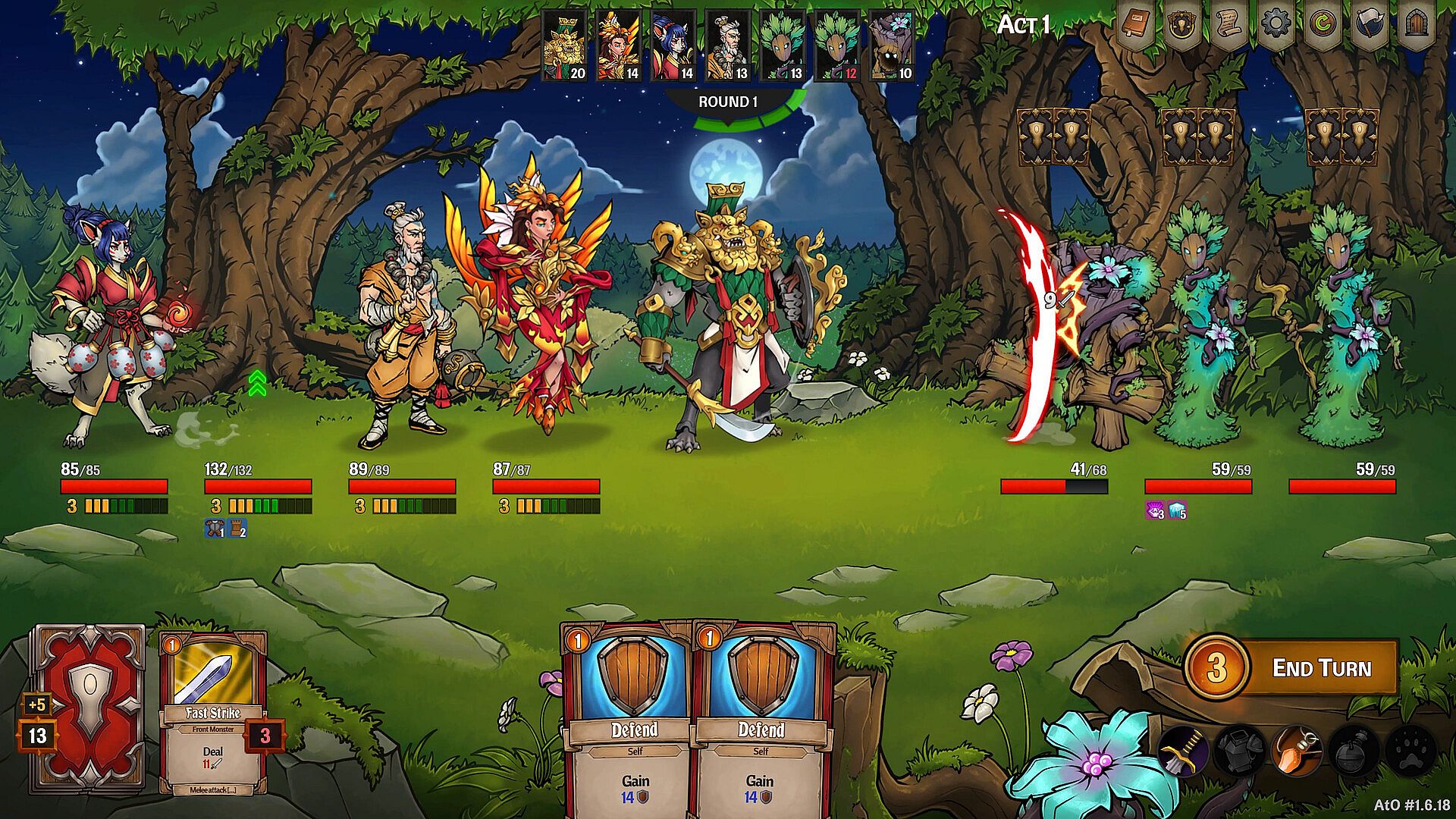
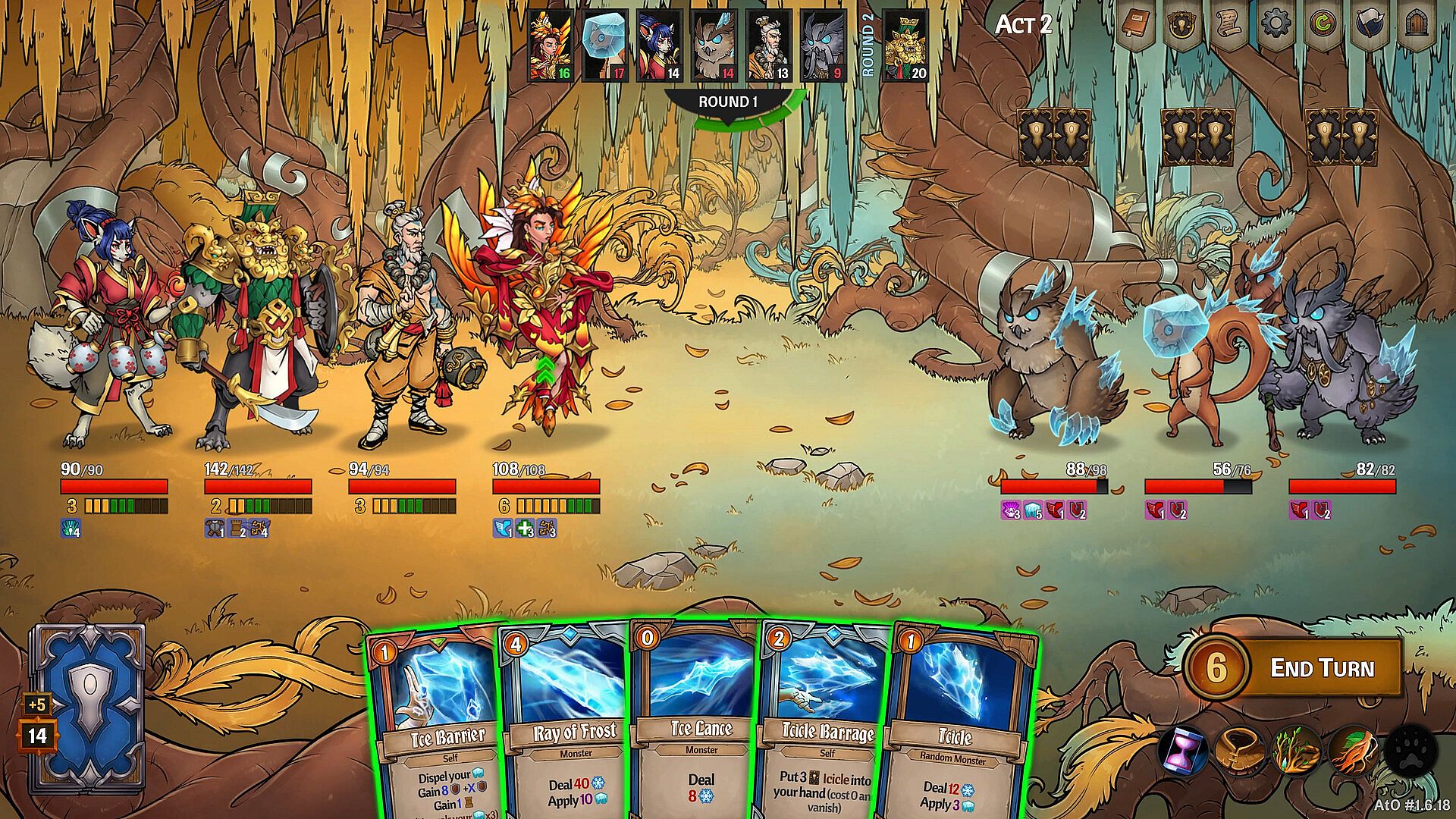
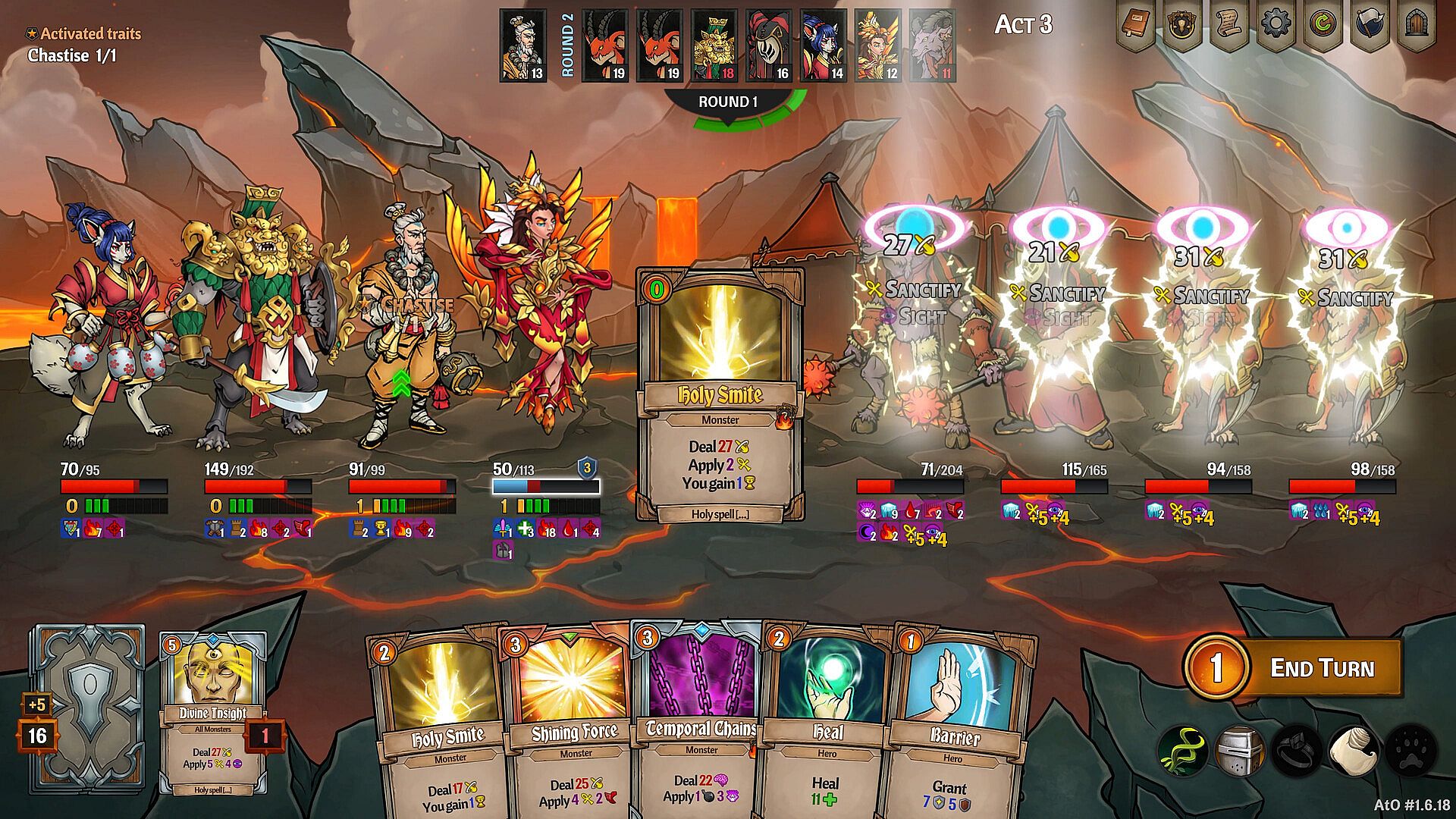
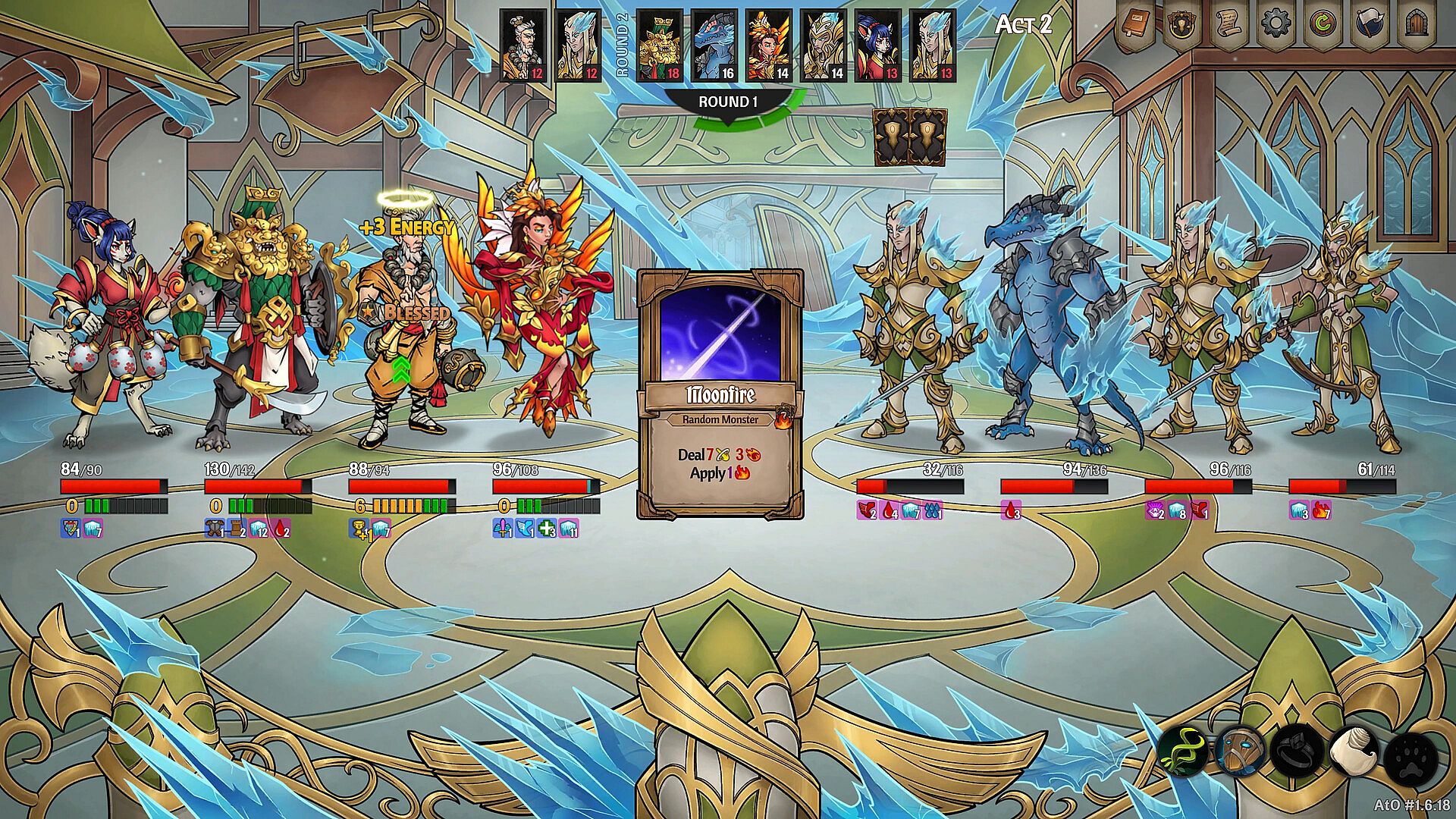
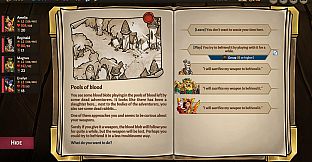
The core loop centers on deck construction and party management across runs. Each hero begins with a starting deck of cards that players expand and refine through rewards, crafting options in towns, and persistent unlocks earned between attempts. Combat unfolds in turn-based sequences where speed dictates action order, requiring careful attention to enemy resistances, debuffs, and positioning to survive encounters that carry damage forward. Events and branching paths introduce decisions with lasting consequences, while co-op support allows up to three additional players to coordinate strategies in real time. Persistent elements like hero perks and town upgrades reward repeated play by strengthening future parties without removing the need for adaptation in each session.
Game Modes
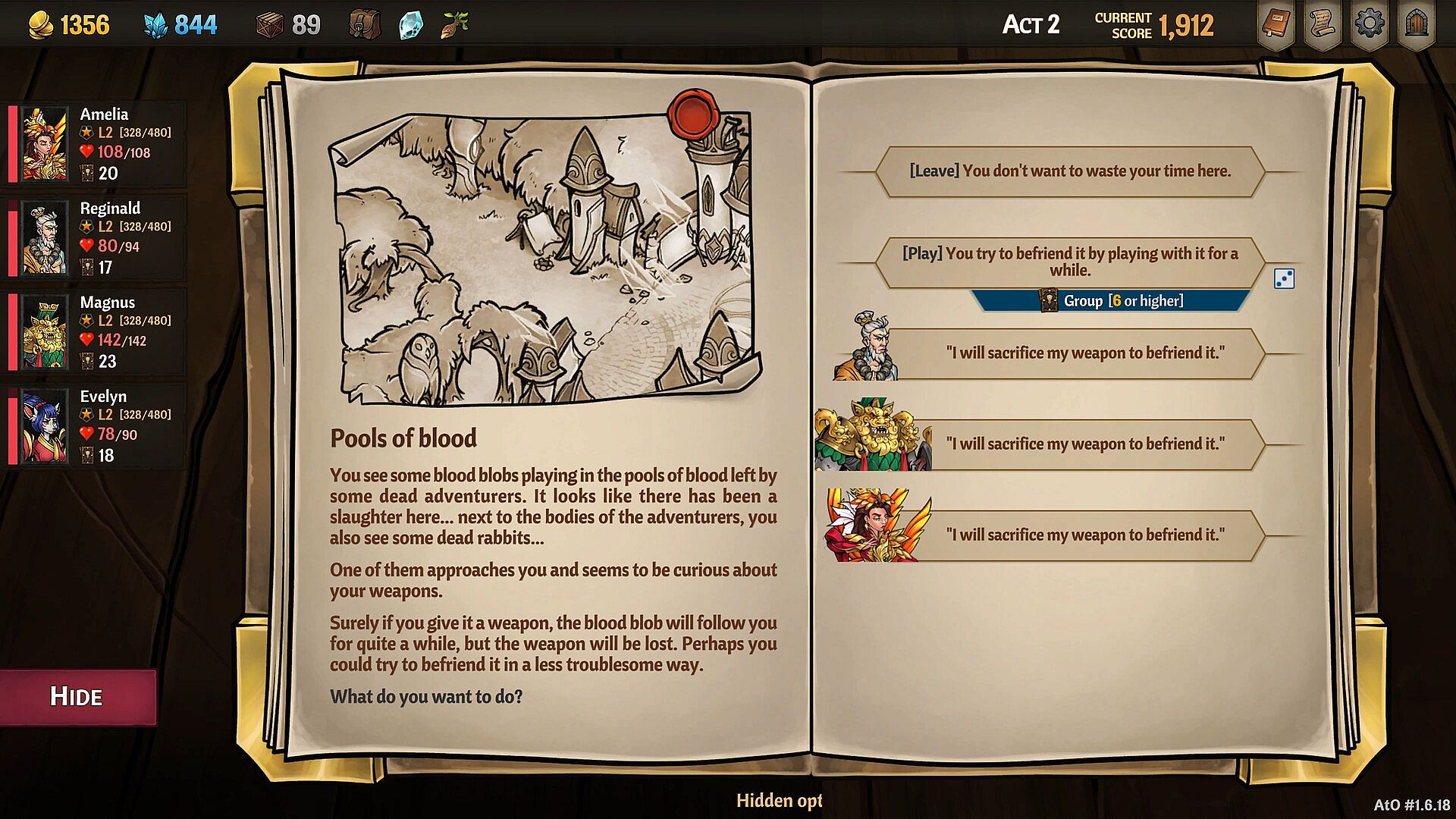
Adventure mode serves as the primary campaign experience, guiding parties through structured maps divided into acts with fixed story beats and unlock progression that carries bonuses forward. Obelisk mode shifts toward greater randomization, presenting procedurally generated events and a drafting system for decks that emphasizes flexibility from a balanced starting point. Weekly challenge mode resets the field each week with identical starting decks and maps for all participants, turning the experience into a test of execution and optimization against shared conditions.
Hero Customization and Visual Identity
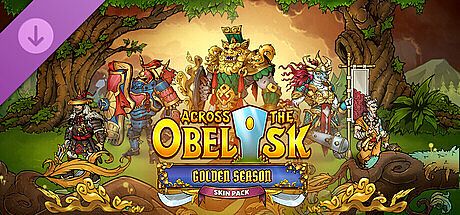
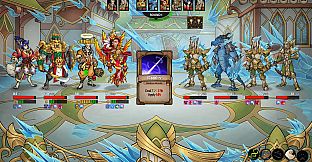
Beyond mechanical builds, the game supports visual variety through hero appearances that reflect thematic inspirations. The Golden Season Pack supplies ten distinct skins drawn from Eastern myths and traditions, emphasizing honor, wisdom, resilience, and transformation. These include Magnus as the Dragon Emperor, Andrin as the Honorbound, Evelyn as the Fox Witch, Reginald as the Silent Palm, Heiner as the Iron General, Ottis as the Rakebearer, Nezglekt as the Keeper of the Land, Thuls as the Gilded Oni, Bree as the Sacred Horn, and Amelia as Radiant Feather. Each design grants a fresh identity suited to the party's adventures without altering core abilities.
Is It Worth Playing?
Player feedback consistently highlights the depth of deck synergies, the satisfaction of co-op coordination, and the strong replay value across its modes. With regular updates expanding content and mechanics, the game maintains an active community focused on strategy refinement and group play. Those who enjoy methodical deckbuilding paired with party-based tactics and shared decision-making will find substantial engagement here, particularly when tackling higher difficulties or competing in weekly events. The experience rewards planning and experimentation over pure luck, making it a solid choice for fans of the genre seeking cooperative depth.