


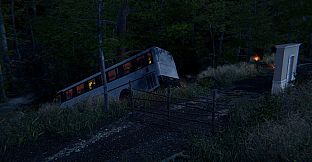
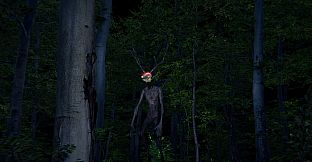
9 Souls Chapter Two is an indie horror adventure game that places players in a dark forest setting as the prequel to the original 9 Souls experience. The title combines casual simulation elements with psychological tension, focusing on observation and decision making in a single player format available on PC.
Gameplay
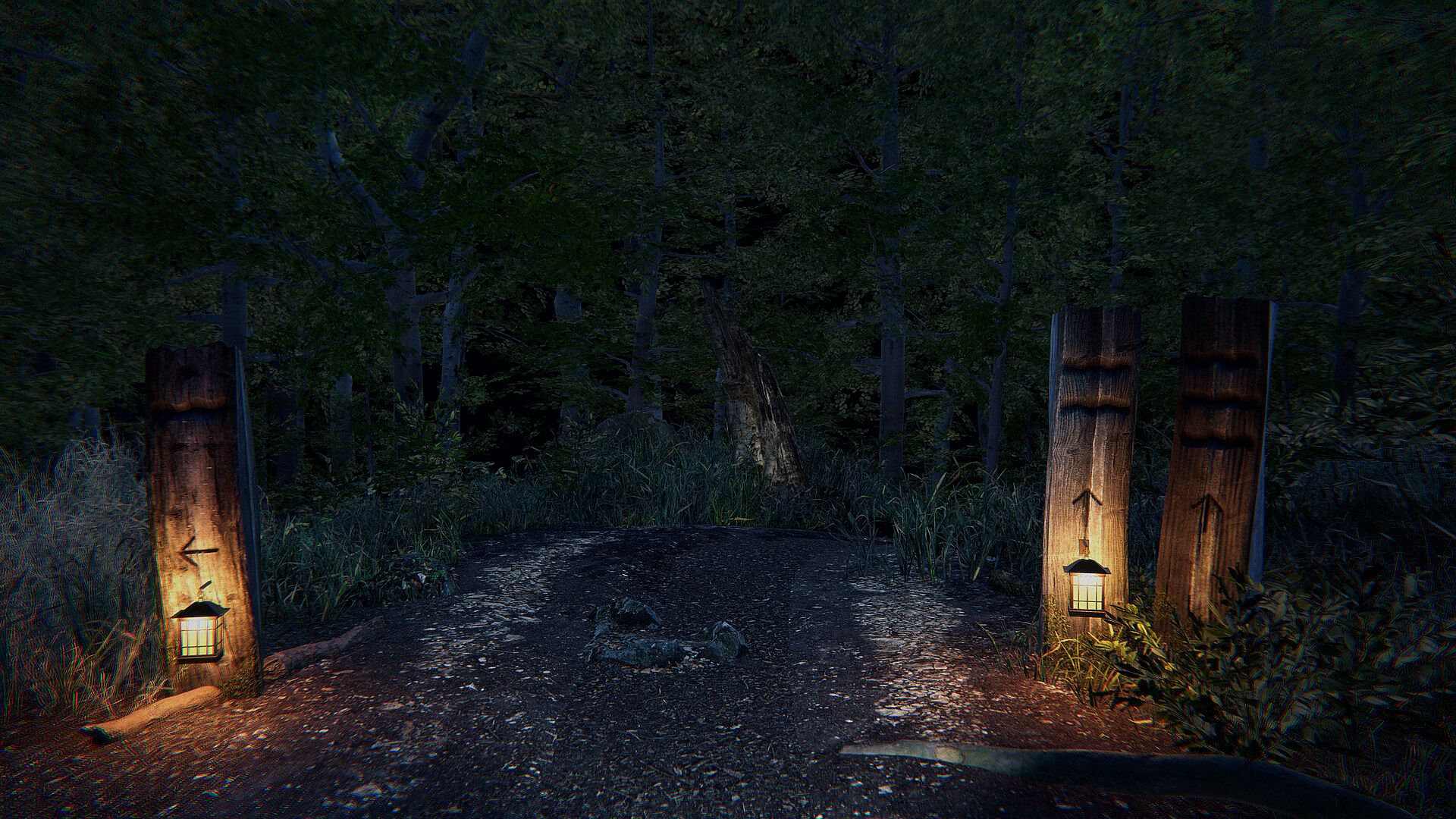
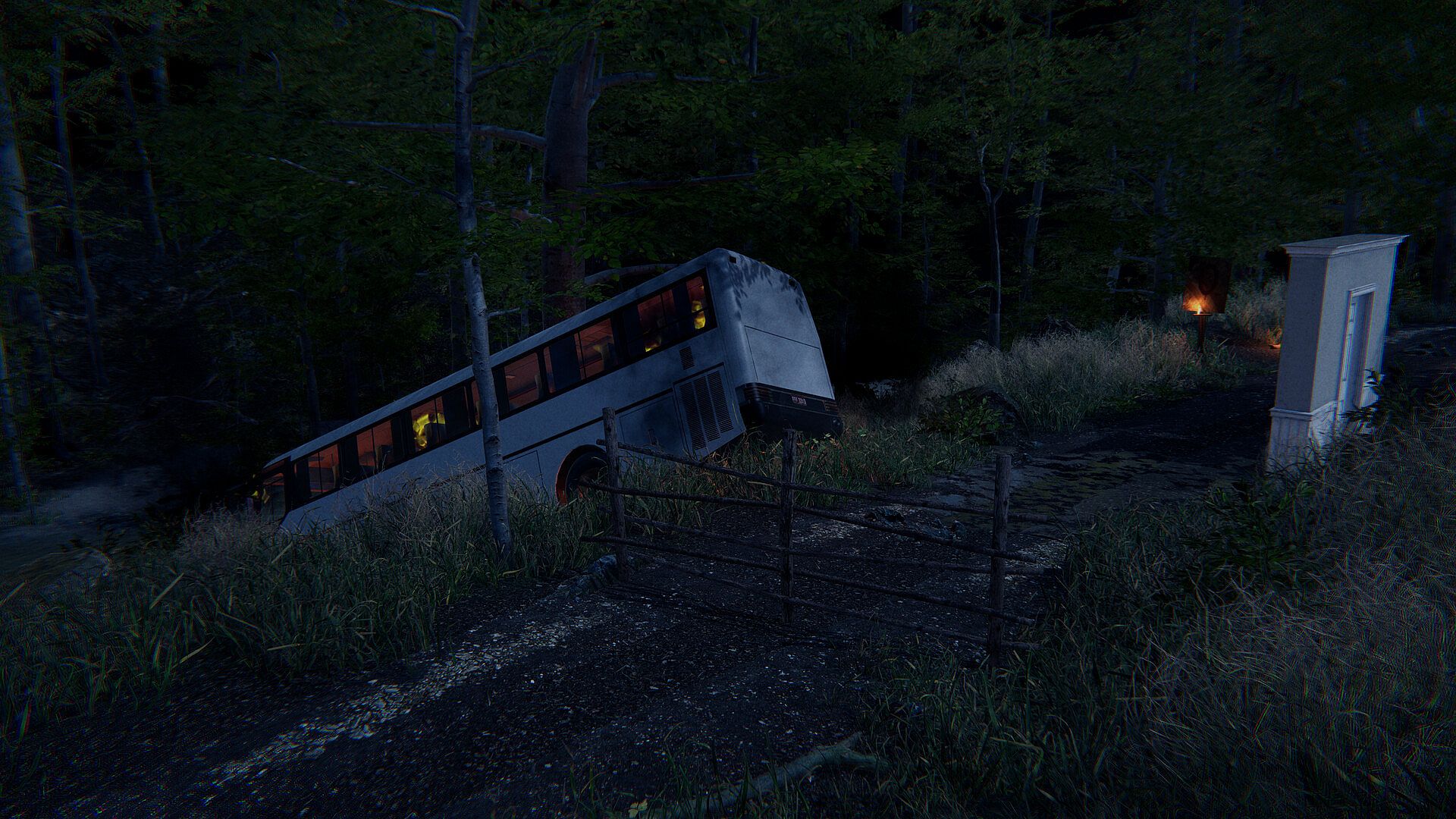
The core loop revolves around navigating a mysterious woodland after a bus accident. Players regain consciousness amid eerie sounds and shifting memories, then face repeated sections where three paths branch forward. Careful inspection of the surroundings reveals subtle anomalies that mark unsafe routes. Selecting the correct path advances the story while incorrect choices lead to failure and restarts.
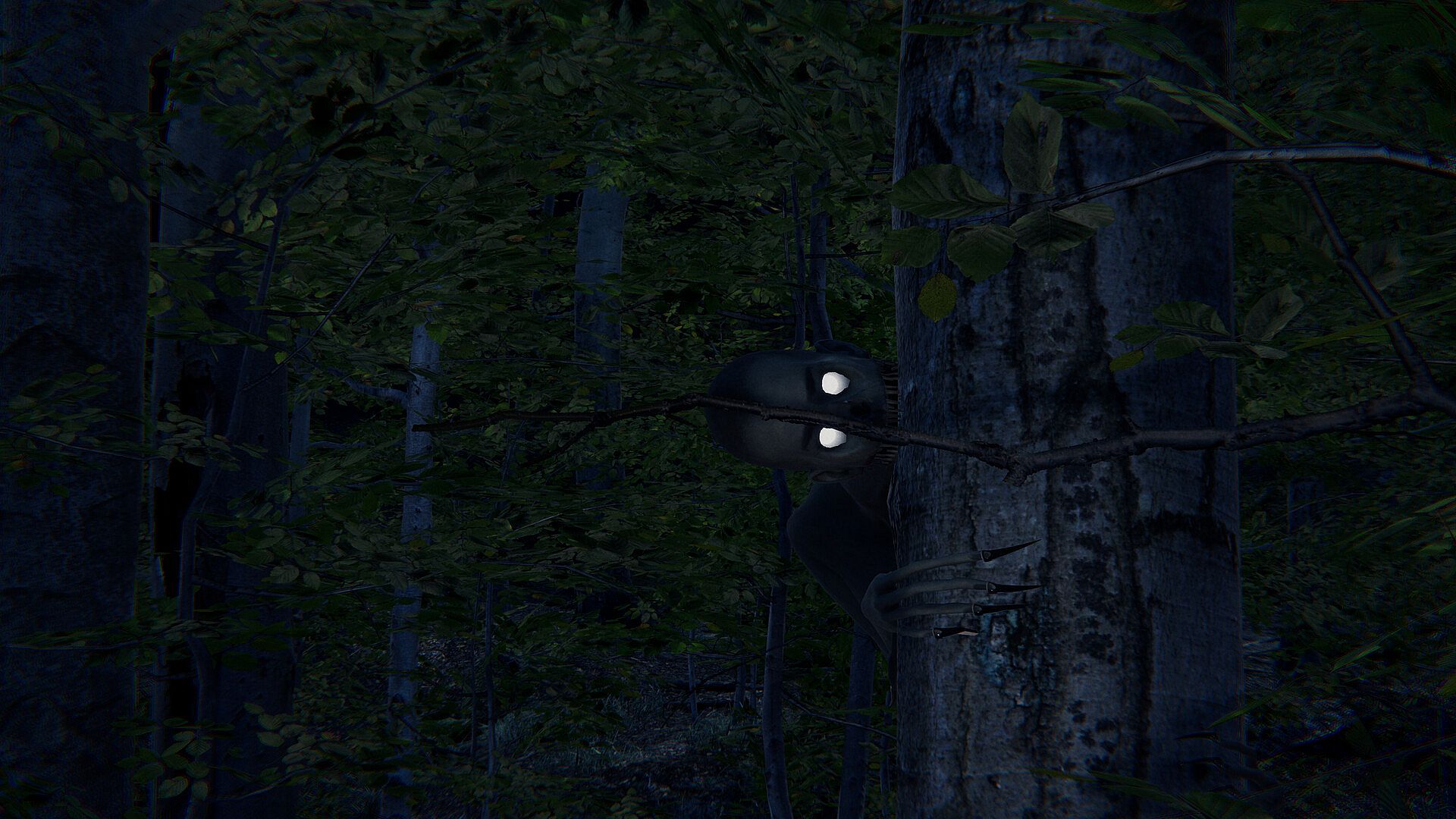
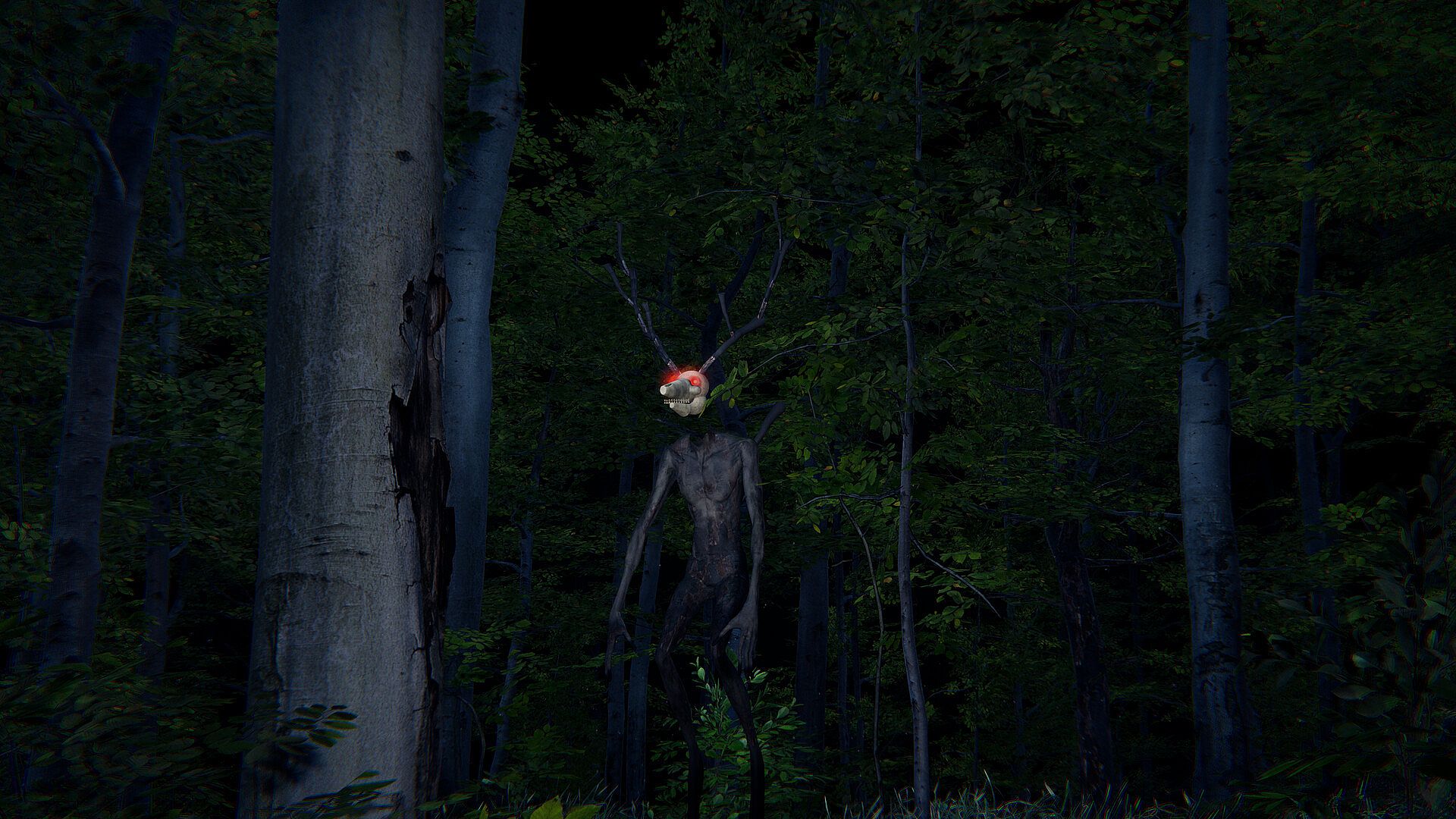
Exploration emphasizes attention to detail in the forest environment, which replaces the indoor corridors of the first chapter. Fragments of memories surface through encounters with apparitions and whispered voices, gradually revealing connections to nine lost souls. The experience builds tension through uncertainty about what is real versus distorted recollection.
Difficulty options allow adjustment between standard play and a harder variant that increases challenge. A zoom feature aids in examining finer details, and movement feels responsive for quick retreats when anomalies are spotted too late. The session length suits focused playthroughs, with achievements tracking perfect runs, anomaly discovery, and completion times.
Game Modes
The game operates entirely in single player narrative mode. Progress follows a linear structure punctuated by the three path choice mechanic repeated across multiple segments. No separate multiplayer or competitive options exist.
Players can approach runs with different priorities, such as minimizing failures or thoroughly cataloging anomalies for completionist goals. Time based achievements encourage both speed and deliberate pacing, while failure streaks add replay incentive through escalating penalties. The prequel story integrates directly with the base game, expanding context without altering the fundamental observation driven loop.
Story and Atmosphere
Chapter Two returns to the night that set the events of the first chapter in motion. A rainy road leads to the crash, after which the forest becomes the stage for unraveling intertwined fates. Memories prove unreliable, and each correct path choice brings new fragments into focus while anomalies test perception.
The setting shifts emphasis to outdoor psychological horror, with strange figures and echoing sounds heightening unease. Nine souls remain central, their stories emerging through environmental storytelling rather than direct exposition. The narrative rewards replay as new details surface on subsequent attempts.
Is It Worth Playing?
Player feedback for the series has been positive, with the base game holding over 90 percent approval from available reviews. Chapter Two extends the same anomaly spotting system into a fresh forest environment and supplies prequel context that deepens the overall tale. The short, focused sessions appeal to those who enjoy deliberate observation puzzles and atmospheric tension over extended campaigns.
Those drawn to indie horror adventures centered on subtle visual differences and memory themes will find the mechanics engaging. Difficulty settings broaden accessibility, and the recent release ensures ongoing visibility through the developer updates that introduced the content. The experience suits players comfortable with trial and error in service of uncovering a layered story.